منطقة ونغ يانغ الصناعية يويتشينغ ونتشو 325000
ساعات العمل
من الاثنين إلى الجمعة: 7 صباحاً - 7 مساءً
عطلة نهاية الأسبوع 10 صباحاً - 5 مساءً
منطقة ونغ يانغ الصناعية يويتشينغ ونتشو 325000
ساعات العمل
من الاثنين إلى الجمعة: 7 صباحاً - 7 مساءً
عطلة نهاية الأسبوع 10 صباحاً - 5 مساءً

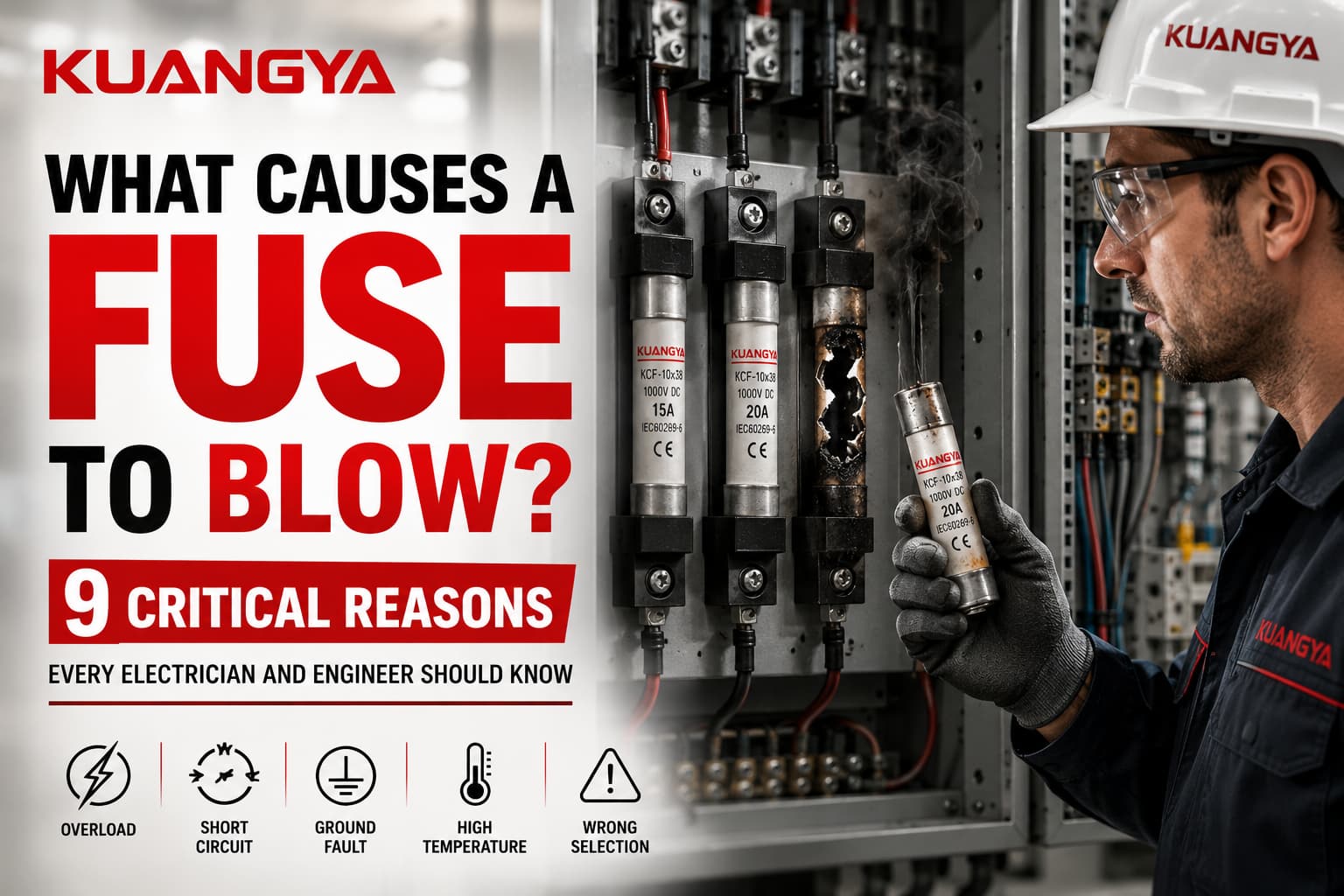
لقد واجه كل كهربائي ذلك.
تتوقف الماكينة فجأة.
تعطّل عاكس الطاقة الشمسية.
يفقد نظام البطارية الطاقة.
بعد فتح اللوحة، يبدو التشخيص بسيطاً: الصمام محترق.
لكن المهندسين المتمرسين يعلمون أن الصمامات المحترقة نادراً ما تكون المشكلة الحقيقية.
المصهر مصمم للتضحية بنفسه لحماية الكابلات والمعدات والأشخاص من ظروف التيار الزائد الخطرة. عندما ينفجر المصهر، فإنه غالباً ما يشير إلى وجود مشكلة أعمق في مكان ما في النظام الكهربائي.
لسوء الحظ، يقوم العديد من الفنيين ببساطة باستبدال الصمامات واستعادة الطاقة دون التحقيق في سبب تعطل الصمام في المقام الأول. يمكن أن يؤدي هذا النهج إلى تكرار الأعطال، وتلف المعدات، وتعطل الإنتاج، وحتى مخاطر الحريق.
يوفر هذا الدليل تحليلاً احترافيًا لحوادث انفجار الصمامات، مما يساعد الكهربائيين ومهندسي الصيانة ومركبي الطاقة الشمسية والمشغلين الصناعيين على تحديد الأسباب الجذرية ومنع الأعطال المستقبلية.
يعتبر الصمام محترقاً عندما يكون ذوبان عنصر الصمامات الداخلية ويفتح الدائرة بشكل دائم.
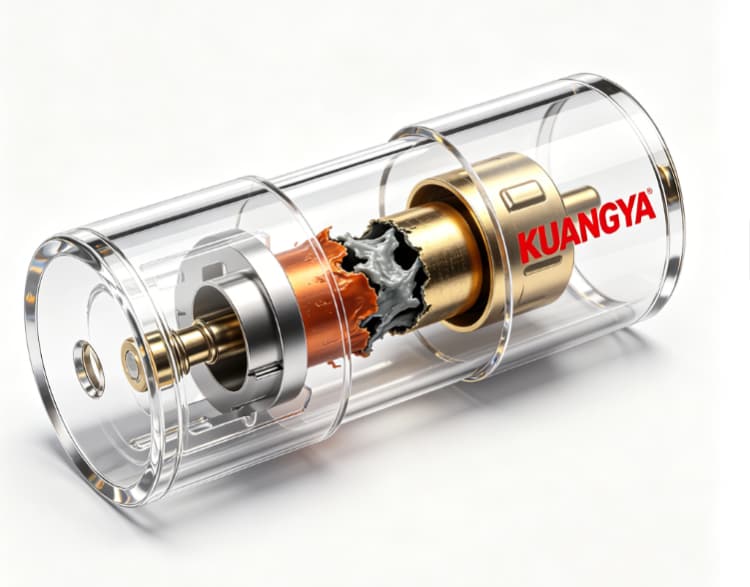
تحدث عملية الانصهار لأن التيار الكهربائي يولد حرارة.
عندما يتجاوز التيار حد التشغيل المصمم للمصهر لفترة زمنية كافية، يصل عنصر المصهر إلى درجة حرارة الانصهار وينكسر.
| المرحلة | الوصف |
|---|---|
| التشغيل العادي | يبقى التيار ضمن التصنيف |
| بدء التحميل الزائد | ارتفاع التيار فوق التصنيف |
| ارتفاع درجة الحرارة | تسخين عنصر الصمامات |
| الوصول إلى نقطة الانصهار | ذوبان عنصر الصمامات |
| افتتاح الدائرة | توقف التدفق الحالي |
| النظام المحمي | تم عزل الخطأ |
عادةً ما يعمل المصهر نفسه بشكل صحيح.
السؤال الحقيقي هو:
لماذا حدث التيار الزائد؟
الحمل الزائد هو السبب الأكثر شيوعاً لحالة احتراق الصمامات.
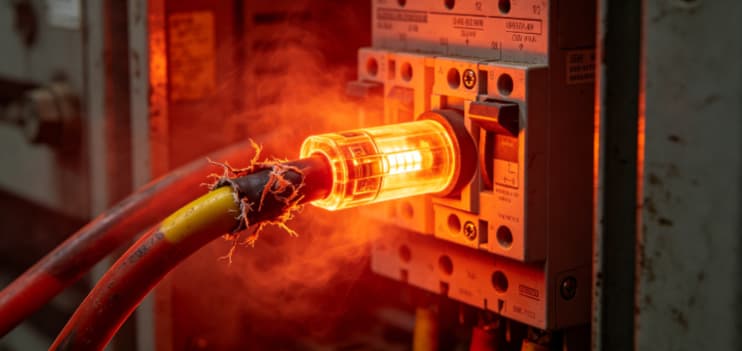
ويحدث ذلك عندما تسحب المعدات تياراً أكثر مما صُممت الدائرة للتعامل معه.
| العَرَض | الملاحظة |
| تعطل الصمامات | متأخر |
| درجة حرارة الكابل | دافئ |
| تشغيل المعدات | يستمر عادةً قبل الفشل |
| النفخ المتكرر | شائع |
على عكس الدوائر الكهربائية القصيرة، عادة ما تتطور الأحمال الزائدة تدريجياً.
تعد الدائرة الكهربائية القصيرة من أشد الأعطال الكهربائية.
يحدث ذلك عندما تتلامس موصلات ذات جهدين مختلفين تلامسًا مباشرًا.
وتشمل الأمثلة على ذلك:
| تصنيف الدائرة | تيار الدائرة القصيرة المحتملة |
| دائرة 20 أمبير | 1,000 أمبير - 10,000 أمبير |
| دائرة 100 أمبير | 5,000 أمبير - 50,000 أمبير |
| قضبان التوصيل الصناعية | أكثر من 100 كيلو أمبير |
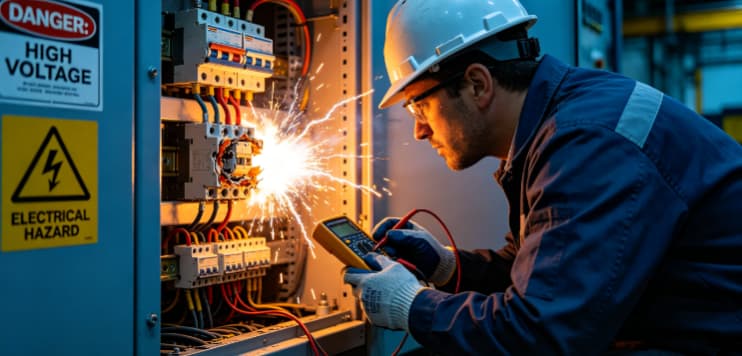
يجب أن يقطع الصمام المختار بشكل صحيح العطل في غضون أجزاء من الثانية.
الأعطال الأرضية تحدث عندما يتدفق التيار بشكل غير مقصود إلى الأرض.
تشمل الأسباب الشائعة ما يلي:
| البيئة | مستوى المخاطرة |
| مواقع الطاقة الشمسية الخارجية | عالية |
| كابلات تحت الأرض | عالية |
| غرف البطاريات | متوسط |
| الألواح الداخلية | منخفضة |
غالباً ما تتطور الأعطال الأرضية قبل حدوث أعطال كارثية.
العديد من حوادث انفجار الصمامات ناتجة عن اختيار الصمام الخاطئ.
| خطأ | النتيجة |
| الصمامات صغيرة جداً | نفخ مزعج متكرر |
| تصنيف الجهد الخاطئ | فشل انقطاع القوس الكهربائي |
| صمامات التيار المتردد المستخدمة في نظام التيار المستمر | إزالة الأعطال الخطرة |
| قدرة كسر غير كافية | تدمير الصمامات |
وهذا هو السبب في أن تحديد حجم الصمامات المناسب أمر ضروري.
تولد المحركات الكهربائية تياراً متدفقاً مؤقتاً أثناء بدء التشغيل.
| نوع المحرك | بدء التشغيل الحالي |
| محرك صغير | 3-5 × التيار المقنن |
| محرك صناعي | 6-8 × × التيار المقنن |
| محرك كبير | 8-12 × التيار المقدر |
إذا تم تحديد المصهر قريب جدًا من تيار التشغيل، فقد يتسبب بدء التشغيل في حدوث أعطال غير ضرورية في الصمامات.
تولد المحولات تيارات مغنطة عالية للغاية أثناء التنشيط.
| حجم المحول | تدفق متعدد الاندفاع |
| محول صغير | 8 × التيار المقنن 8 × التيار المقنن |
| محول متوسط | 10 × التيار المقدر |
| محول كبير | 15 × التيار المقدر |
وكثيراً ما يخطئ المهندسون في كثير من الأحيان في اعتبار هذه الطفرات المؤقتة أعطالاً فعلية.
لا يحدث كل عطل في الصمامات بسبب التيار الزائد.
مع مرور الوقت، تؤدي دورات التسخين والتبريد المتكررة إلى إضعاف عنصر الصمامات.
| العَرَض | السبب المحتمل |
| تغير اللون | التقادم الحراري |
| الأكسدة | التعرض للرطوبة |
| انخفاض متوسط العمر المتوقع | تدفئة مستمرة |
غالبًا ما تتجاهل المنشآت الصناعية هذا العامل.
تخلق الأطراف السائبة مقاومة.
المقاومة تولد الحرارة.
يمكن أن تتسبب الحرارة في حدوث بقع ساخنة موضعية تؤدي في النهاية إلى تلف الصمامات.
| البند | تحقق |
| عزم الدوران الطرفي | صحيح |
| حالة الحامل | سليمة |
| التآكل | لا يوجد |
| ضغط الاتصال | كافٍ |
العديد من “أعطال الصمامات” هي في الواقع أعطال في التوصيل.
لا تعمل الأنظمة الكهربائية في الظروف المختبرية، فالعوامل البيئية تؤثر بشكل كبير على أداء الصمامات، وخاصةً تأثيرات درجة الحرارة المحيطة على الصمامات
تؤثر العوامل البيئية بشكل كبير على أداء الصمامات.
| الحالة | التأثير |
| درجة حرارة عالية | انخفاض السعة الحالية |
| الغبار | زيادة التدفئة |
| الرطوبة | مخاطر التآكل |
| الارتفاع | انخفاض كفاءة التبريد |
وتكتسب هذه العوامل أهمية خاصة في منشآت الطاقة الشمسية الكهروضوئية وأنظمة تخزين الطاقة بالبطاريات.
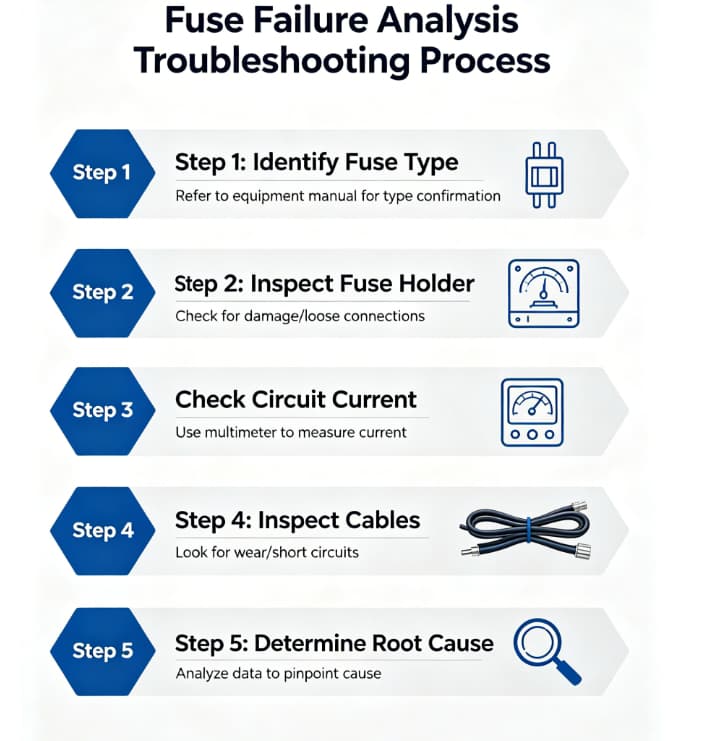
يجب ألا يكون استبدال المصهر هو الخطوة الأولى.
يتبع استكشاف الأخطاء وإصلاحها الاحترافي عملية منهجية.
حدد نوع المصهر وتصنيفه.
افحص حامل الصمامات.
تحقق من وجود تلف مرئي.
قم بقياس مقاومة العزل.
قياس تيار التشغيل.
افحص الكابلات والمحطات الطرفية.
تحقق من التغييرات الأخيرة في النظام.
تحقق من حسابات الحمولة.
غالباً ما يوفر مظهر الصمام المحترق معلومات تشخيصية قيّمة.
| المظهر | السبب المحتمل |
| استراحة نظيفة | حمل زائد معتدل |
| داخلية سوداء اللون | ماس كهربائي |
| حامل ذائب | اتصال فضفاض |
| جسم متصدع | طاقة العطل الشديد |
| علامات الحرق في المحطات الطرفية | مقاومة التلامس |
غالباً ما يقوم الكهربائيون المتمرسون بتشخيص الأعطال قبل استخدام أي معدات اختبار.
تمثل أنظمة الطاقة الشمسية الكهروضوئية تحديات فريدة من نوعها.
| السبب | التردد |
| التيار العكسي | عالية |
| عدم تطابق السلسلة | متوسط |
| العطل الأرضي | متوسط |
| طفرات البرق | منخفضة |
| أخطاء التثبيت | عالية |
نظرًا لأن الأنظمة الكهروضوئية تعمل باستخدام تيار مستمر، فإن أقواس الأعطال يصعب إطفائها.
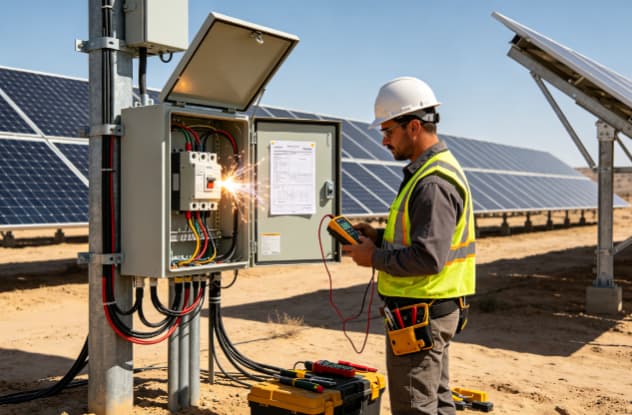
وهذا هو سبب الحاجة إلى صمامات gPV المتخصصة.
يمكن أن تنتج أنظمة البطاريات تيارات أعطال عالية للغاية.
| المتطلبات | الأهمية |
| تصنيف العاصمة | الحرجة |
| قدرة كسر عالية | الحرجة |
| الاستجابة السريعة | عالية |
| مقاومة درجات الحرارة | عالية |
قبل استبدال المصهر، أجب عن هذه الأسئلة.
| سؤال | نعم/لا |
| هل الصمامات مصنفة بشكل صحيح؟ | |
| هل تصنيف الجهد صحيح؟ | |
| هل جميع الأطراف مشدودة؟ | |
| هل عزل الكابل سليم؟ | |
| هل تم تعديل المعدات مؤخرًا؟ | |
| هل درجات الحرارة المحيطة مرتفعة؟ | |
| هل يتم النظر في بدء التشغيل الحالي؟ | |
| هل يوجد دليل على وجود ماس كهربائي؟ |
يمكن أن تقضي قائمة التحقق هذه على العديد من حالات الفشل المتكررة.
تشير الأعطال المتكررة في الصمامات عادةً إلى وجود حمل زائد لم يتم حله، أو ماس كهربائي، أو توصيلة مفكوكة، أو حجم صمام غير صحيح.
نعم.
يمكن أن تتسبب الأحمال الزائدة، والتقادم، والتيارات المتدفقة، والإجهاد الحراري في انفجار الصمامات.
لا يوجد.
قد تسمح زيادة حجم الصمامات عن الحد المسموح به بمستويات تيار خطيرة تتلف المعدات وتسبب مخاطر الحريق.
بكل تأكيد.
تقلل درجات الحرارة المحيطة العالية من قدرة معظم تصميمات الصمامات على حمل التيار.
فقط بعد تحديد السبب الأساسي وتصحيحه.
وإلا، فقد يتعطل المصهر البديل مرة أخرى.
أصبحت الأنظمة الكهربائية الحديثة أكثر ذكاءً.
تشمل التقنيات الناشئة ما يلي:
تساعد هذه التقنيات في تقليل أعطال الصمامات غير المتوقعة وتحسين موثوقية النظام.
لا ينبغي النظر إلى حالة احتراق الصمامات على أنها المشكلة نفسها.
بدلاً من ذلك، فهي علامة تحذير من حدوث شيء غير طبيعي داخل النظام الكهربائي.
تعد الأحمال الزائدة، والدوائر الكهربائية القصيرة، والأعطال الأرضية، وتيارات التدفق، والتوصيلات الرديئة، والتقادم، والظروف البيئية، والاختيار غير الصحيح للصمامات من بين الأسباب الأكثر شيوعًا.
من خلال تطبيق عملية تحليل منظم للأعطال، يمكن للكهربائيين والمهندسين تحديد السبب الجذري الحقيقي، وتحسين موثوقية النظام، وتقليل وقت التعطل، ومنع الأعطال المستقبلية.
في المرة التالية التي ينفجر المصهر, ، لا تستبدلها ببساطة.
تحقق من ذلك.
قد يكون المصهر يحمي أجهزتك من مشكلة أكبر بكثير.

