Zona industrial de WengYang Yueqing Wenzhou 325000
Horas de trabajo
De lunes a viernes: de 7.00 a 19.00 horas
Fin de semana: 10.00 A 17.00 HORAS
Zona industrial de WengYang Yueqing Wenzhou 325000
Horas de trabajo
De lunes a viernes: de 7.00 a 19.00 horas
Fin de semana: 10.00 A 17.00 HORAS

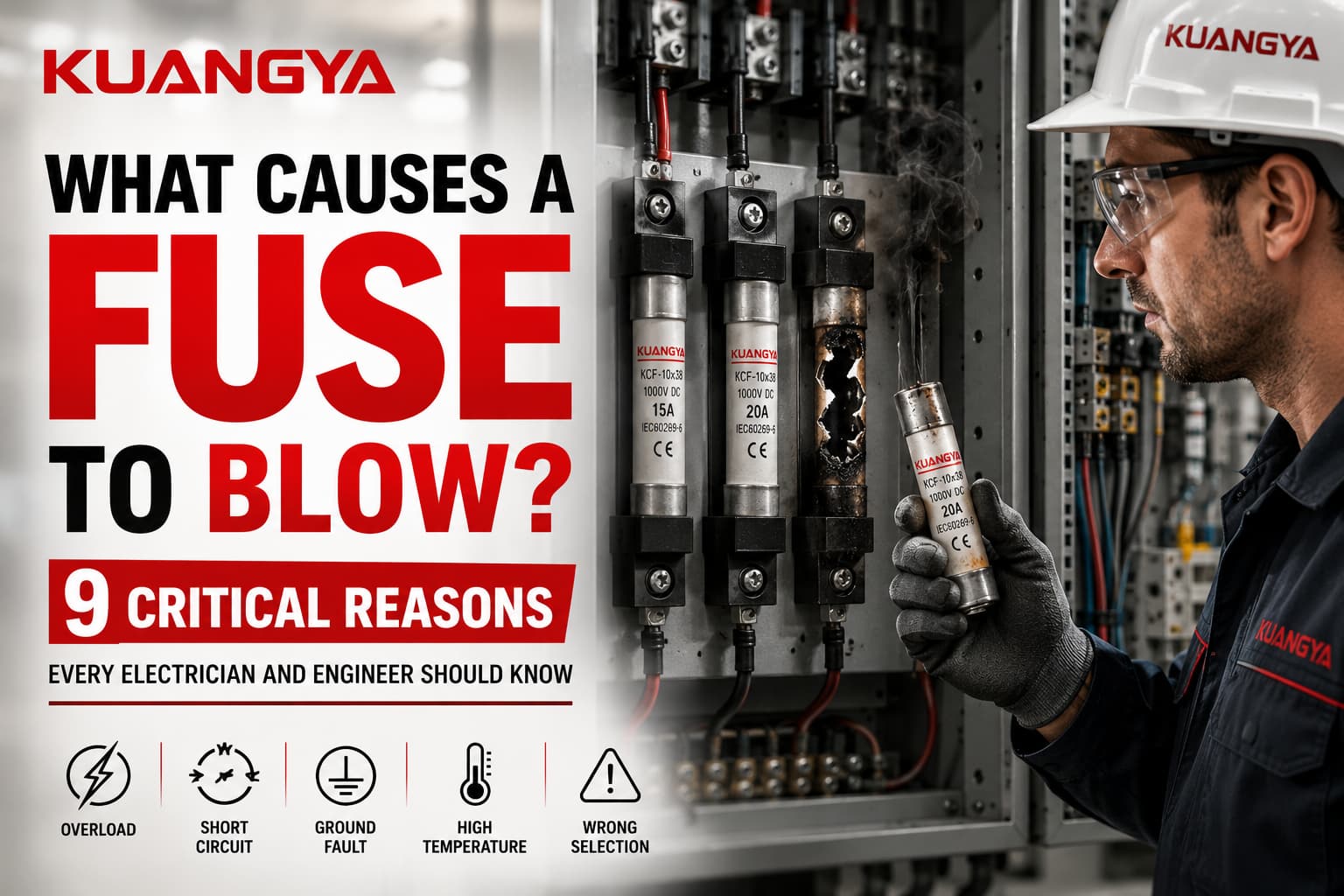
Todos los electricistas se lo han encontrado.
Una máquina se para de repente.
Un inversor solar se desconecta.
Un sistema de baterías pierde potencia.
Tras abrir el panel, el diagnóstico parece sencillo: el fusible está fundido.
Pero los ingenieros experimentados saben que un fusible fundido rara vez es el verdadero problema.
Un fusible está diseñado para sacrificarse y proteger cables, equipos y personas de condiciones peligrosas de sobrecorriente. Cuando un fusible se funde, a menudo está indicando un problema más profundo en alguna parte del sistema eléctrico.
Por desgracia, muchos técnicos se limitan a sustituir el fusible y restablecer el suministro eléctrico sin investigar por qué falló el fusible en primer lugar. Este enfoque puede provocar fallos repetidos, daños en los equipos, paradas de producción e incluso riesgos de incendio.
Esta guía proporciona un análisis profesional de fallos de fusibles fundidos, ayudando a electricistas, ingenieros de mantenimiento, instaladores solares y operarios industriales a identificar las causas raíz y prevenir futuros fallos.
Se considera que un fusible está fundido cuando su el elemento fusible interno se funde y abre permanentemente el circuito.
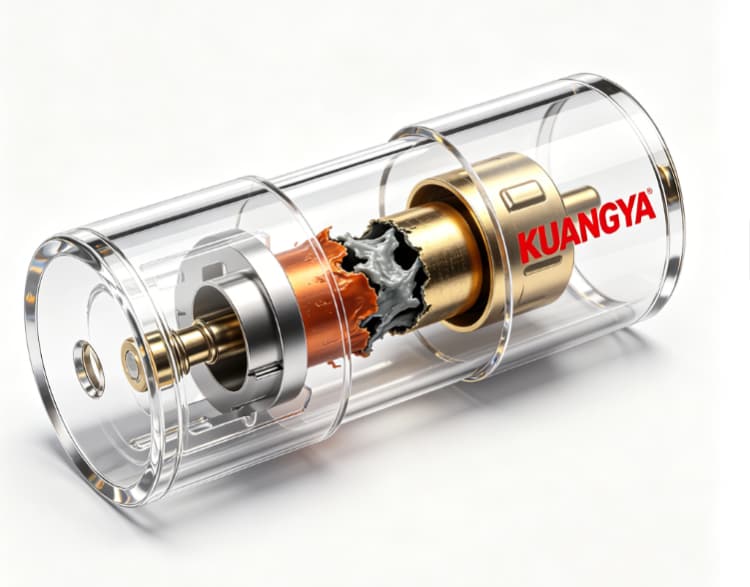
El proceso de fusión se produce porque la corriente eléctrica genera calor.
Cuando la corriente supera el límite de funcionamiento diseñado para el fusible durante un periodo de tiempo suficiente, el elemento fusible alcanza su temperatura de fusión y se rompe.
| Escenario | Descripción |
|---|---|
| Funcionamiento normal | La corriente se mantiene dentro del valor nominal |
| Comienza la sobrecarga | La corriente supera el valor nominal |
| Aumento de la temperatura | El elemento fusible se calienta |
| Punto de fusión alcanzado | El fusible se funde |
| Circuito abierto | El flujo de corriente se detiene |
| Sistema protegido | El fallo está aislado |
El fusible en sí suele funcionar correctamente.
La verdadera pregunta es:
¿Por qué se ha producido la sobreintensidad?
La sobrecarga es la causa más común de que se funda un fusible.
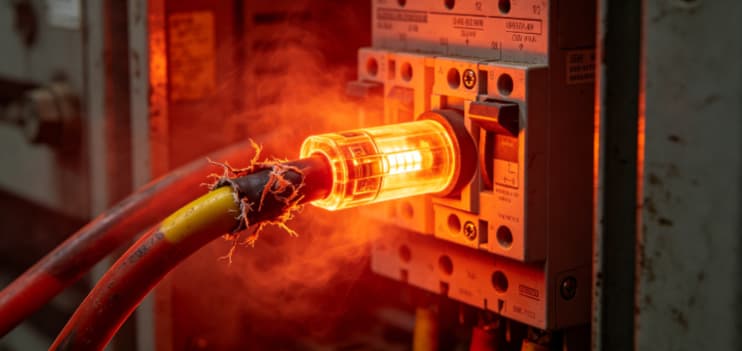
Esto ocurre cuando el equipo consume más corriente de la que el circuito está diseñado para soportar.
| Síntoma | Observación |
| Fallo del fusible | Retraso |
| Temperatura del cable | Caliente |
| Funcionamiento del equipo | Suele continuar antes del fallo |
| Soplado repetido | Común |
A diferencia de los cortocircuitos, las sobrecargas suelen desarrollarse gradualmente.
Un cortocircuito es uno de los fallos eléctricos más graves.
Se produce cuando conductores con potenciales diferentes entran en contacto directo.
Algunos ejemplos son:
| Capacidad del circuito | Posible corriente de cortocircuito |
| Circuito 20A | 1.000A-10.000A |
| Circuito 100A | 5.000A-50.000A |
| Barra colectora industrial | Más de 100 kA |
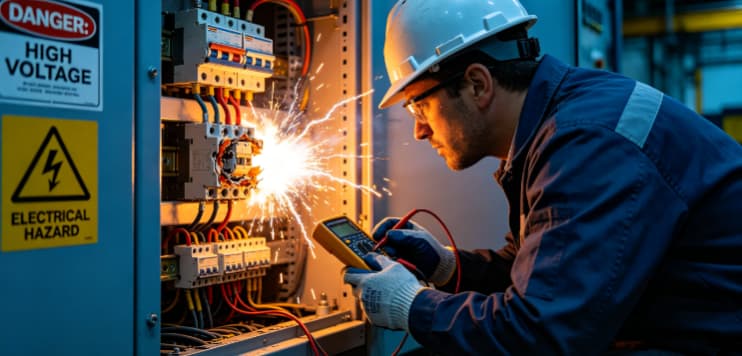
Un fusible correctamente seleccionado debería interrumpir la avería en milisegundos.
Fallo a tierra se producen cuando la corriente fluye involuntariamente a tierra.
Las causas más comunes son:
| Medio ambiente | Nivel de riesgo |
| Emplazamientos solares exteriores | Alta |
| Cableado subterráneo | Alta |
| Salas de baterías | Medio |
| Paneles de interior | Bajo |
Los fallos a tierra suelen aparecer antes de que se produzcan fallos catastróficos.
Muchos incidentes con fusibles fundidos se deben a la selección de un fusible incorrecto.
| Error | Resultado |
| Fusible demasiado pequeño | Frecuentes soplidos molestos |
| Tensión nominal incorrecta | Fallo de interrupción del arco |
| Fusible de CA utilizado en el sistema de CC | Eliminación de averías peligrosas |
| Capacidad de rotura insuficiente | Destrucción del fusible |
Por eso es esencial dimensionar correctamente los fusibles.
Los motores eléctricos generan una corriente de irrupción temporal durante el arranque.
| Tipo de motor | Corriente de arranque |
| Motor pequeño | 3-5 × corriente nominal |
| Motor industrial | 6-8 × corriente nominal |
| Motor grande | 8-12 × corriente nominal |
Si el fusible se selecciona demasiado cerca de la corriente de funcionamiento, el arranque puede provocar fallos innecesarios del fusible.
Los transformadores generan corrientes magnetizantes extremadamente altas durante la energización.
| Tamaño del transformador | Entrada múltiple |
| Pequeño transformador | 8 × corriente nominal |
| Transformador mediano | 10 × corriente nominal |
| Gran transformador | 15 × corriente nominal |
Los ingenieros suelen confundir estas sobretensiones temporales con fallos reales.
No todos los fallos de los fusibles se deben a una sobrecorriente.
Con el tiempo, los ciclos repetidos de calentamiento y enfriamiento debilitan el elemento fusible.
| Síntoma | Posible causa |
| Decoloración | Envejecimiento térmico |
| Oxidación | Exposición a la humedad |
| Reducción de la esperanza de vida | Calentamiento continuo |
Las instalaciones industriales suelen pasar por alto este factor.
Los terminales sueltos crean resistencia.
La resistencia genera calor.
El calor puede provocar puntos calientes locales que acaben dañando el fusible.
| Artículo | Consulte |
| Par de los terminales | Correcto |
| Estado del titular | Intacto |
| Corrosión | Ninguno |
| Contacto Presión | Adecuado |
Muchos “fallos de fusibles” son en realidad fallos de conexión.
Los sistemas eléctricos no funcionan en condiciones de laboratorio. Los factores ambientales afectan significativamente al rendimiento de los fusibles, especialmente efectos de la temperatura ambiente en los fusibles
Los factores ambientales afectan significativamente al rendimiento de los fusibles.
| Condición | Efecto |
| Alta temperatura | Reducción de la capacidad actual |
| Polvo | Aumento de la calefacción |
| Humedad | Riesgo de corrosión |
| Altitud | Menor eficacia de la refrigeración |
Estos factores cobran especial importancia en las instalaciones solares fotovoltaicas y los sistemas de almacenamiento de energía en baterías.
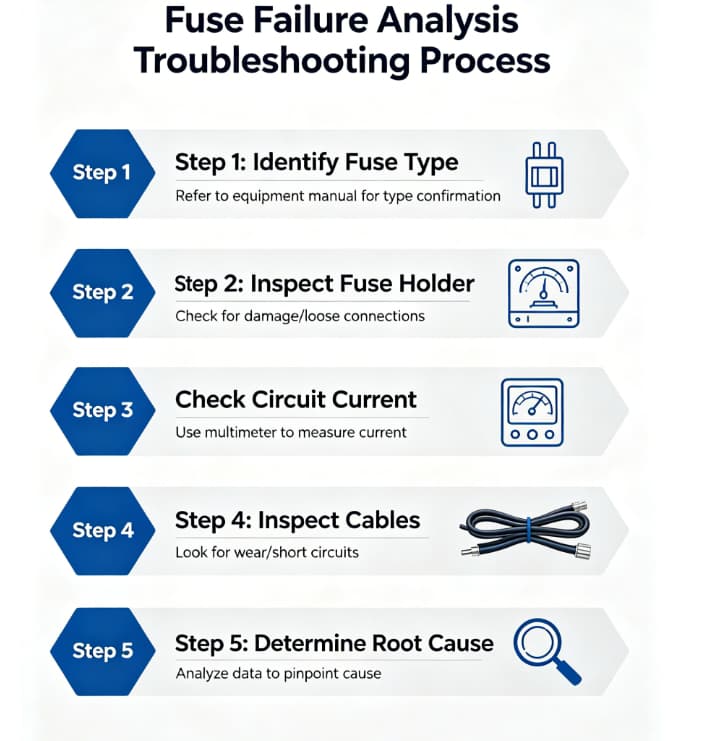
Sustituir el fusible nunca debe ser el primer paso.
La resolución profesional de problemas sigue un proceso sistemático.
Identifique el tipo de fusible y su capacidad.
Inspeccione el portafusibles.
Compruebe si hay daños visibles.
Mida la resistencia del aislamiento.
Mida la corriente de funcionamiento.
Inspeccione los cables y terminales.
Investiga los cambios recientes en el sistema.
Verificar los cálculos de carga.
El aspecto de un fusible fundido suele proporcionar información valiosa para el diagnóstico.
| Apariencia | Causa probable |
| Pausa limpia | Sobrecarga moderada |
| Interior ennegrecido | Cortocircuito |
| Soporte fundido | Conexión floja |
| Cuerpo agrietado | Energía de fallo extrema |
| Marcas de quemaduras en los terminales | Resistencia de contacto |
Los electricistas experimentados suelen diagnosticar las averías antes de utilizar cualquier equipo de prueba.
Los sistemas solares fotovoltaicos presentan retos únicos.
| Causa | Frecuencia |
| Corriente inversa | Alta |
| Cadena no coincidente | Medio |
| Fallo a tierra | Medio |
| Sobretensiones por rayos | Bajo |
| Errores de instalación | Alta |
Dado que los sistemas fotovoltaicos funcionan con corriente continua, los arcos de fallo son más difíciles de extinguir.
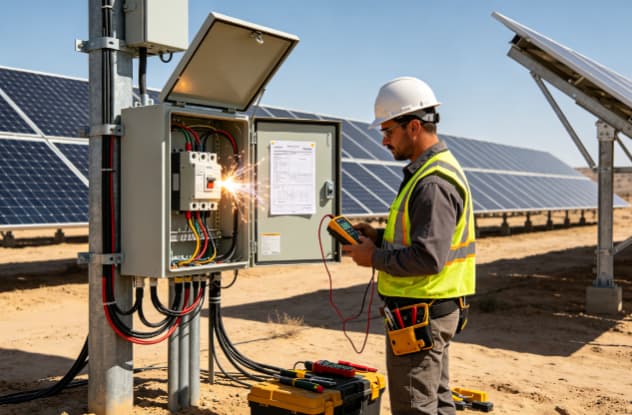
Por eso se necesitan fusibles gPV especializados.
Los sistemas de baterías pueden producir corrientes de fallo extremadamente altas.
| Requisito | Importancia |
| Clasificación DC | Crítica |
| Alta capacidad de rotura | Crítica |
| Respuesta rápida | Alta |
| Resistencia a la temperatura | Alta |
Antes de sustituir un fusible, responda a estas preguntas.
| Pregunta | Sí/No |
| ¿El fusible tiene la capacidad nominal correcta? | |
| ¿Es correcta la tensión nominal? | |
| ¿Están bien apretados todos los terminales? | |
| ¿Está intacto el aislamiento del cable? | |
| ¿Se ha modificado el equipo recientemente? | |
| ¿La temperatura ambiente es elevada? | |
| ¿Se está considerando la posibilidad de una corriente de arranque? | |
| ¿Hay indicios de cortocircuito? |
Esta lista de comprobación puede eliminar muchos fallos recurrentes.
Los fallos repetidos de los fusibles suelen indicar una sobrecarga no resuelta, un cortocircuito, una conexión floja o un dimensionamiento incorrecto del fusible.
Sí.
Las sobrecargas, el envejecimiento, las corrientes de entrada y el estrés térmico pueden hacer que se funda un fusible.
No.
Sobredimensionar un fusible puede permitir niveles de corriente peligrosos que dañen los equipos y creen riesgos de incendio.
Absolutamente.
Las altas temperaturas ambiente reducen la capacidad de transporte de corriente de la mayoría de los diseños de fusibles.
Sólo después de identificar y corregir la causa subyacente.
De lo contrario, el fusible de repuesto puede volver a fallar.
Los sistemas eléctricos modernos son cada vez más inteligentes.
Entre las tecnologías emergentes figuran:
Estas tecnologías ayudan a reducir los fallos inesperados de los fusibles y mejoran la fiabilidad del sistema.
Un fusible fundido nunca debe considerarse el problema en sí.
Por el contrario, es una señal de advertencia de que algo anormal ha ocurrido en el sistema eléctrico.
Las sobrecargas, los cortocircuitos, los fallos a tierra, las corrientes de irrupción, las conexiones deficientes, el envejecimiento, las condiciones ambientales y la selección incorrecta de fusibles son algunas de las causas más comunes.
Aplicando un proceso estructurado de análisis de fallos, electricistas e ingenieros pueden identificar la verdadera causa raíz, mejorar la fiabilidad del sistema, reducir el tiempo de inactividad y prevenir futuros fallos.
La próxima vez que un se funde el fusible, no se limite a sustituirlo.
Investígalo.
El fusible puede estar protegiendo su equipo de un problema mucho mayor.

