منطقة ونغ يانغ الصناعية يويتشينغ ونتشو 325000
ساعات العمل
من الاثنين إلى الجمعة: 7 صباحاً - 7 مساءً
عطلة نهاية الأسبوع 10 صباحاً - 5 مساءً
منطقة ونغ يانغ الصناعية يويتشينغ ونتشو 325000
ساعات العمل
من الاثنين إلى الجمعة: 7 صباحاً - 7 مساءً
عطلة نهاية الأسبوع 10 صباحاً - 5 مساءً

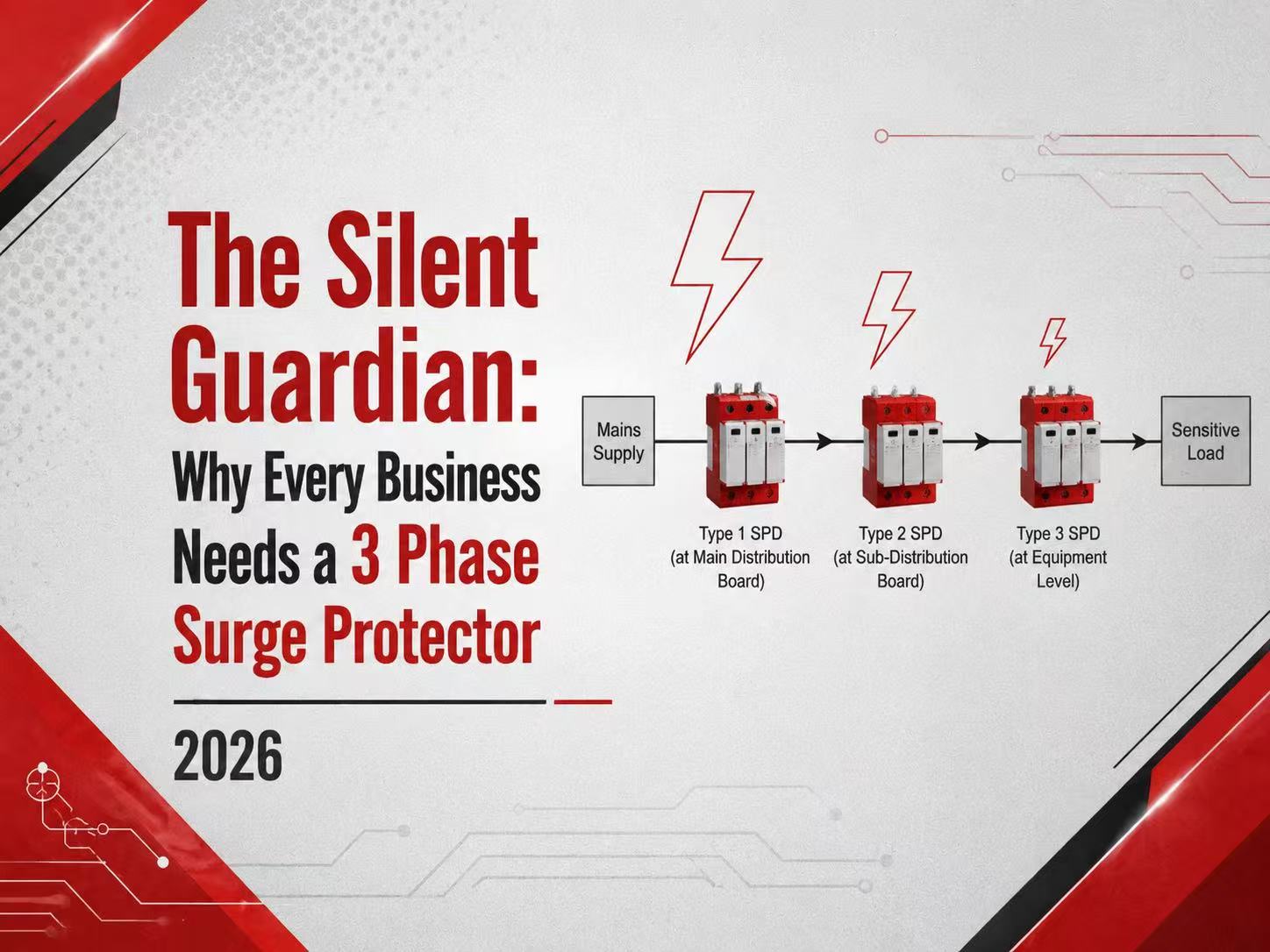
في عالم اليوم الذي يعتمد على التكنولوجيا، تشكل العواصف الكهربائية تهديدًا مستمرًا لمعداتنا وبنيتنا التحتية القيّمة. وفي حين أن معظم الناس على دراية بواقيات التيار الكهربائي أحادية الطور للاستخدام المنزلي، إلا أن عدداً أقل بكثير يدرك الأهمية البالغة واقي من زيادة التيار الكهربائي 3 مراحل للتطبيقات التجارية والصناعية.
يعمل هذا الجهاز المتواضع بصمت خلف الكواليس، ويحمي المعدات التي تبلغ قيمتها آلاف الدولارات من الارتفاع المفاجئ للجهد الكهربائي الذي يمكن أن يسبب أضراراً لا يمكن إصلاحها. في هذا الدليل الشامل، سوف نستكشف كل ما تحتاج إلى معرفته عن أنظمة الحماية الأساسية هذه، بدءاً من مبادئ عملها الأساسية إلى تقنيات التركيب المتقدمة واستكشاف الأخطاء وإصلاحها.
Whether you are a facility manager, an electrical contractor, or a business owner looking to safeguard your investments, this article will provide you with the knowledge you need to make informed decisions about electrical protection.<img src="”https://via.placeholder.com/1200×675?text=Industrial+3+Phase+Surge+Protection+System”" alt="”3" phase surge protector” title="”Industrial" grade 3 protector installed in distribution panel”> *Figure 1: Industrial grade 3 phase surge protector installed in a main distribution panel*
A واقي من زيادة التيار الكهربائي 3 مراحل, يُعرف أيضًا باسم جهاز الحماية من زيادة التيار الكهربائي ثلاثي الأطوار (SPD)، وهو جهاز كهربائي مصمم لحماية الأنظمة الكهربائية ثلاثية الأطوار من عابرات الجهد أو الزيادات المفاجئة في التيار الكهربائي.
تقوم هذه الأجهزة بتحويل الجهد الزائد بعيداً عن المعدات الحساسة وتبديده بأمان في الأرض، مما يمنع تلف المحركات وأجهزة الكمبيوتر وأنظمة التحكم والمكونات الكهربائية الحساسة الأخرى.
على عكس الوحدات أحادية الطور التي تحمي خطًا واحدًا فقط، يوفر هذا الحل الشامل الحماية لجميع المراحل الثلاث والخط المحايد، مما يضمن تغطية كاملة للنظام الكهربائي بأكمله.
A واقي من زيادة التيار الكهربائي 3 مراحل يعمل على مبدأ بسيط ولكنه فعال. في ظروف التشغيل العادية، يظل الجهاز غير نشط ولا يؤثر على تدفق الكهرباء عبر النظام.
عند حدوث زيادة في الجهد، يتم تنشيط المكونات الداخلية على الفور، مما يؤدي إلى إنشاء مسار منخفض المقاومة إلى الأرض. يؤدي ذلك إلى تحويل الجهد الزائد بعيداً عن المعدات المتصلة، مما يحد من الجهد إلى مستوى آمن.
وبمجرد مرور الطفرة المفاجئة، تتم إعادة ضبط الجهاز تلقائياً ويعود إلى حالته الطبيعية غير النشطة، ويكون جاهزاً للحماية من الحدث العابر التالي.
نموذجي واقي من زيادة التيار الكهربائي 3 مراحل يتكون من عدة مكونات رئيسية تعمل معاً لتوفير حماية فعالة:
<img src="”https://via.placeholder.com/800×450?text=Internal+Components+of+3+Phase+SPD”" alt="”3" phase surge protector internal components” title="”Cross-sectional" diagram of 3> *Figure 2: Cross-sectional diagram showing the internal components of a 3 phase surge protector*
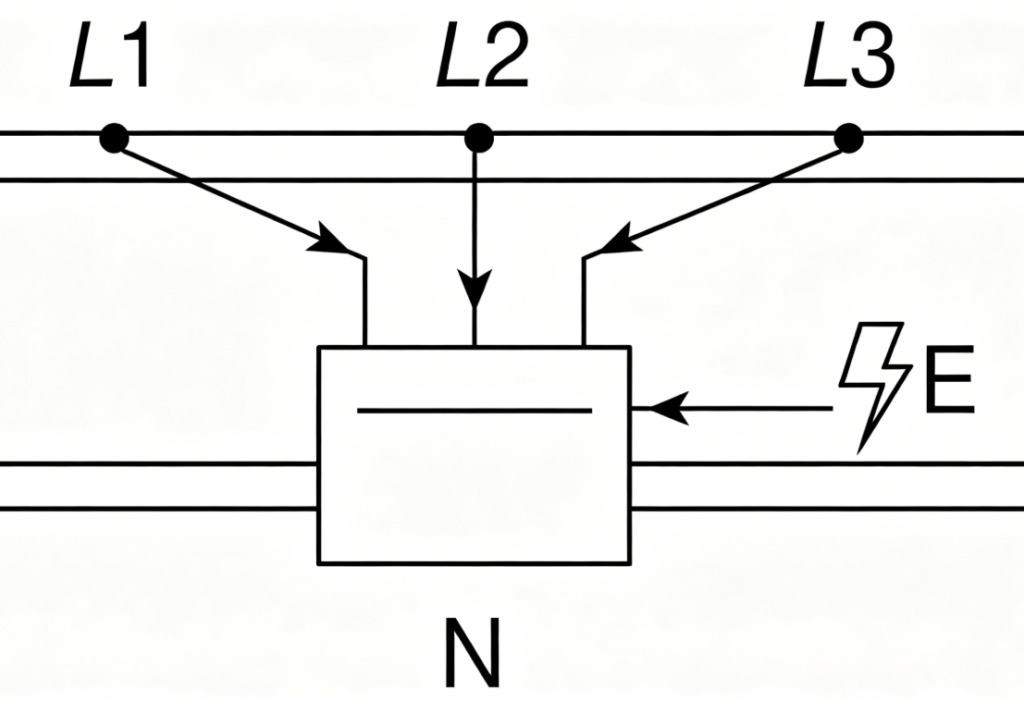
يمكن للارتفاعات الكهربائية أن تسبب خسائر مالية كبيرة للشركات من جميع الأحجام. وفقًا للمؤسسة الدولية للسلامة الكهربائية (ESFI)، تكلف الاندفاعات الكهربائية الشركات الأمريكية أكثر من $26 مليار دولار سنويًا في تلف المعدات ووقت تعطلها.
في الأنظمة ثلاثية المراحل، يمكن أن يكون الضرر أكثر حدة. يمكن أن تؤدي زيادة واحدة في التيار الكهربائي إلى تدمير عدة قطع من المعدات في وقت واحد، مما يؤدي إلى إصلاحات مكلفة ونفقات استبدال وفقدان الإنتاجية.
على سبيل المثال، قد يؤدي حدوث زيادة مفاجئة في مصنع تصنيع إلى تلف العديد من المحركات وأنظمة النقل ولوحات التحكم، مما يؤدي إلى أيام أو حتى أسابيع من التوقف عن العمل.
يمكن أن تأتي الزيادات الكهربائية من مصادر متنوعة، داخلية وخارجية للمنشأة. يسرد الجدول التالي المصادر الأكثر شيوعًا للارتفاعات الكهربائية ثلاثية الطور وتأثيرها المحتمل:
| مصدر الطفرة | التردد | التأثير المحتمل |
|---|---|---|
| صواعق البرق | منخفضة | أضرار المعدات الكارثية والحرائق |
| عمليات تحويل المرافق | متوسط | عطل في المعدات وفقدان البيانات |
| تشغيل/إيقاف المحرك | عالية | تدهور المكوِّنات، والفشل المبكر |
| تبديل بنك المكثفات | متوسط | طفرات الجهد، تلف المعدات |
| أسلاك معيبة | عالية | طفرات متقطعة، تلف المعدات |
| تشغيل المولدات | متوسط | تقلبات الجهد، إجهاد المكونات |
العديد من الصناعات لديها متطلبات تنظيمية محددة للحماية الكهربائية، بما في ذلك تركيب واقيات زيادة التيار الكهربائي 3 مراحل.
يتطلب الكود الكهربائي الوطني 70 الصادر عن الجمعية الوطنية للحماية من الحرائق (NFPA) 70 الحماية من زيادة التيار الكهربائي لأنواع معينة من المعدات الكهربائية في المنشآت التجارية والصناعية.
بالإضافة إلى ذلك، تطلب العديد من شركات التأمين الآن من الشركات تركيب أجهزة الحماية هذه كشرط للتغطية التأمينية. يمكن أن يؤدي عدم الامتثال لهذه المتطلبات إلى ارتفاع أقساط التأمين أو حتى رفض المطالبات في حالة حدوث أضرار مرتبطة بزيادة التيار.
لمزيد من المعلومات حول المتطلبات التنظيمية، يمكنك زيارة موقع موقع NFPA الإلكتروني و صفحة السلامة الكهربائية OSHA.
لتحديد المناسب واقي من زيادة التيار الكهربائي 3 مراحل للتطبيق الخاص بك، من الضروري فهم المعلمات الكهربائية الرئيسية الخاصة بها. يلخص الجدول التالي المواصفات الأساسية لوحدات الحماية من زيادة التيار القياسية ثلاثية الطور:
| المعلمة | نطاق القيمة النموذجية | الوصف |
|---|---|---|
| الفولتية المقدرة | 208 فولت، 240 فولت، 480 فولت، 600 فولت | جهد التشغيل العادي للنظام |
| تيار التفريغ الاسمي (بوصة) | 10 كيلو أمبير - 40 كيلو أمبير | التيار الذي يمكن للجهاز التعامل معه بشكل متكرر |
| تيار التفريغ الأقصى (Imax) | 20 كيلو أمبير - 100 كيلو أمبير | الحد الأقصى للتيار الذي يمكن للجهاز التعامل معه مرة واحدة |
| مستوى حماية الجهد (لأعلى) | 1.5 كيلو فولت - 4.0 كيلو فولت | الحد الأقصى للجهد الذي سيظهر عبر المعدات المحمية |
| وقت الاستجابة | <25 نانو ثانية | الوقت الذي يستغرقه الجهاز للتفعيل |
| نطاق درجة حرارة التشغيل | -40 درجة مئوية إلى +85 درجة مئوية | نطاق درجة الحرارة الذي يمكن للجهاز أن يعمل فيه |
| الامتثال للمعايير | IEC 61643-11، IEC 61643-11، UL 1449 | المعايير الدولية والوطنية التي يستوفيها الجهاز |
الجدول 2: المواصفات الكهربائية الأساسية لأجهزة الحماية من زيادة التيار الكهربائي ثلاثية الطور
واقيات زيادة التيار الكهربائي 3 مراحل متوفرة في عدة أنواع مختلفة، كل منها مصمم لتطبيقات ومستويات حماية محددة. يقارن الجدول التالي بين الأنواع الأكثر شيوعاً:
| النوع | مستوى الحماية | موقع التركيب | التطبيقات النموذجية |
|---|---|---|---|
| النوع 1 | عالية | مدخل الخدمة | حماية المنشأة بأكملها من الصواعق المباشرة |
| النوع 2 | متوسط | لوحات التوزيع | حماية الدوائر والمعدات الفردية |
| النوع 3 | منخفضة | نقطة الاستخدام | حماية المعدات الإلكترونية الحساسة |
| النوع 1+2 | مجمعة | مدخل الخدمة أو لوحات التوزيع | حماية شاملة من الطفرات الخارجية والداخلية على حد سواء |
الجدول 3: مقارنة بين أنواع مختلفة من واقيات التيار الكهربائي ثلاثية الطور
بالإضافة إلى الأنواع المذكورة أعلاه، يتم تصنيف هذه الوحدات أيضًا وفقًا لفئة الحماية الخاصة بها، والتي تشير إلى قدرتها على التعامل مع أنواع مختلفة من الارتفاعات المفاجئة.
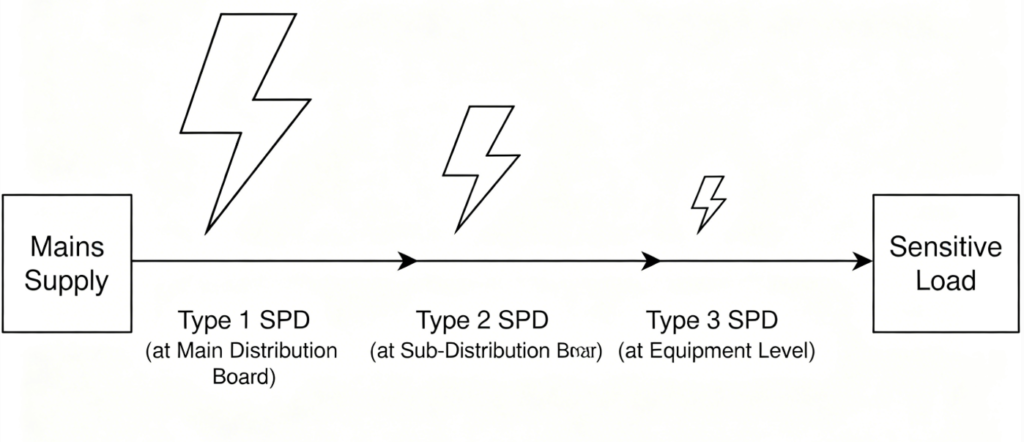
صُممت وحدات الفئة I للتعامل مع الارتفاعات المفاجئة في الطاقة، مثل تلك الناتجة عن الصواعق المباشرة. أما وحدات الفئة الثانية فهي مصممة للارتفاعات المفاجئة متوسطة الطاقة، بينما وحدات الفئة الثالثة مصممة للارتفاعات المفاجئة منخفضة الطاقة التي تحدث بالقرب من المعدات.
بالنسبة لمعظم التطبيقات التجارية والصناعية، يوصى باستخدام مزيج من الحماية من النوع 1+2 أو الفئة I+2 لتوفير تغطية شاملة ضد جميع أنواع الارتفاعات المفاجئة.
المنشآت الصناعية معرضة بشكل خاص للارتفاعات الكهربائية بسبب الكمية الكبيرة من الآلات الثقيلة والمعدات الكهربائية التي تستخدمها.
واقيات زيادة التيار الكهربائي 3 مراحل ضرورية للحماية:
In industrial settings, even a small surge can cause significant downtime and lost revenue. A properly installed protection system can help prevent these costly disruptions.<img src="”https://via.placeholder.com/800×450?text=3+Phase+SPD+in+Industrial+Motor+Control+Center”" alt="”3" phase surge protector industrial application” title="”3" protecting equipment”> *Figure 3: 3 phase surge protector installed in an industrial motor control center*
تعتمد المباني التجارية أيضاً بشكل كبير على الأنظمة الكهربائية ثلاثية الطور لتشغيل عملياتها. واقيات زيادة التيار الكهربائي 3 مراحل تستخدم للحماية:
في التطبيقات التجارية، يمكن للارتفاعات المفاجئة في التيار الكهربائي أن تلحق الضرر بأجهزة الكمبيوتر والخوادم وأنظمة نقاط البيع ومعدات التدفئة والتهوية وتكييف الهواء وغيرها من الأنظمة الهامة. تساعد وحدة الحماية الموثوقة على ضمان التشغيل السلس لهذه الأنظمة وتحمي من الإصلاحات المكلفة ووقت التعطل.
على الرغم من أن معظم المنازل السكنية تستخدم أنظمة كهربائية أحادية الطور، إلا أن بعض المنازل الكبيرة والممتلكات ذات الخدمة ثلاثية الطور يمكن أن تستفيد من واقي من زيادة التيار الكهربائي 3 مراحل.
تشمل التطبيقات السكنية الشائعة ما يلي:
على سبيل المثال، يمكن أن تتعرض المزرعة التي تحتوي على مضخات ومحركات وأنظمة ري ثلاثية الطور لأضرار كبيرة من الارتفاعات الكهربائية. يوفر نظام الحماية الشاملة تغطية كاملة لجميع هذه الأنظمة.
التثبيت المناسب أمر بالغ الأهمية لضمان أن واقي من زيادة التيار الكهربائي 3 مراحل يوفر حماية فعالة. اتبع قائمة التحقق من التثبيت خطوة بخطوة:
格 格
| الخطوة | الإجراء |
|---|---|
| 1 | قم بفصل الطاقة عن الدائرة الكهربائية عند مفتاح الفصل الرئيسي |
| 2 | تحقق من انقطاع التيار الكهربائي باستخدام جهاز اختبار الجهد الكهربائي |
| 3 | قم بتركيب الوحدة في مكان مناسب بالقرب من لوحة التوزيع |
| 4 | قم بتوصيل أسلاك الطور بالطرفين المناسبين |
| 5 | قم بتوصيل السلك المحايد بالطرف المحايد |
| 6 | قم بتوصيل السلك الأرضي بالطرف الأرضي باستخدام أقصر سلك ممكن |
| 7 | أحكم ربط جميع التوصيلات بعزم الدوران المحدد من الشركة المصنعة |
| 8 | استعادة الطاقة إلى الدائرة |
| 9 | تحقق من أن أضواء المؤشر تعمل بشكل صحيح |
| 10 | قم بتسمية الوحدة للرجوع إليها مستقبلاً |
الجدول 4: قائمة مراجعة تركيب واقي زيادة التيار الكهربائي ثلاثي المراحل خطوة بخطوة<img src="”https://via.placeholder.com/800×450?text=Proper+Installation+of+3+Phase+Surge+Protector”" alt="”3" phase surge protector installation” title="”Proper" 3> *Figure 4: Proper installation of a 3 phase surge protector in a distribution panel*
الصيانة الدورية ضرورية لضمان موثوقية نظام الحماية الخاص بك وأدائه على المدى الطويل. اتبع نصائح الصيانة التالية:
قد يكون العمل مع الأنظمة الكهربائية ثلاثية الطور خطيراً. اتبع دائماً احتياطات السلامة التالية:
إذا كان واقي من زيادة التيار الكهربائي 3 مراحل يستمر في التعثر، وقد يكون السبب في ذلك عدة عوامل:
مشاكل ضوء المؤشر شائعة في أجهزة الحماية هذه. فيما يلي المشاكل الأكثر شيوعاً وحلولها:
من المهم معرفة كيفية التعرف على فشل واقي من زيادة التيار الكهربائي 3 مراحل, حيث أن الوحدة الفاشلة لن توفر أي حماية. وتشمل علامات فشل الوحدة ما يلي:
إذا لاحظت أياً من هذه العلامات، استبدل وحدة الحماية على الفور.
هذا هو أحد الأسئلة الأكثر شيوعًا والأقل إجابة عن هذه الأجهزة.
الإجابة المختصرة هي أنه لا يمكن لأي واقي من الصواعق الكهربائية توفير حماية 100% ضد الصواعق المباشرة للمبنى الخاص بك. يمكن لصواعق الصواعق المباشرة أن تولد جهدًا كهربائيًا يصل إلى 100 مليون فولت، وهو ما يفوق بكثير قدرة أي جهاز حماية.
ومع ذلك، فإن النوع 1 المثبت بشكل صحيح واقي من زيادة التيار الكهربائي 3 مراحل يمكن أن تقلل بشكل كبير من الأضرار الناجمة عن الصواعق المباشرة عن طريق تحويل معظم التيار إلى الأرض. وللحماية الكاملة من الصواعق، يلزم وجود نظام شامل للحماية من الصواعق يتضمن أطراف هوائية وموصلات سفلية وأقطاب تأريض بالإضافة إلى واقيات من الصواعق.
يعد اختلال توازن الطور مشكلة شائعة في الأنظمة ثلاثية الأطوار التي يمكن أن يكون لها تأثير كبير على أداء أجهزة الحماية هذه.
يحدث عدم توازن الطور عندما لا يكون التيار أو الجهد على المراحل الثلاث متساويًا. يمكن أن يتسبب ذلك في زيادة الضغط على مكونات الوحدة، مما يؤدي إلى عطل سابق لأوانه.
بالإضافة إلى ذلك، يمكن أن يتسبب اختلال توازن الطور في حدوث طفرات في الجهد المحايد إلى الأرضي، مما قد يؤدي إلى تلف المعدات الإلكترونية الحساسة حتى لو كان الجهد من الطور إلى الطور ضمن الحدود الطبيعية.
لضمان الأداء الأمثل، من المهم الحفاظ على مراحل متوازنة في نظامك ثلاثي المراحل واختيار واقي من زيادة التيار الكهربائي 3 مراحل مصممة للتعامل مع اختلال توازن الطور.
يستخدم العديد من الأشخاص مصطلحي “واقي زيادة التيار” و “SPD” بالتبادل، ولكن هناك فرق دقيق بينهما في الواقع.
يشير مصطلح SPD إلى جهاز الحماية من زيادة التيار الكهربائي، وهو المصطلح التقني المستخدم في المعايير الدولية مثل IEC 61643-11. A واقي من زيادة التيار الكهربائي 3 مراحل هو نوع من مفاتيح توصيل التيار المستقل (SPD) مصمم خصيصاً للأنظمة الكهربائية ثلاثية الطور.
بعبارة أخرى، جميع أجهزة الحماية من زيادة التيار الكهربائي ثلاثية الطور هي أجهزة SPD، ولكن ليست كل أجهزة SPD مصممة للأنظمة ثلاثية الطور. يمكن أن تكون أجهزة SPD أيضًا أحادية الطور أو أحادية الطور، اعتمادًا على تطبيقها.
هذا سؤال شائع آخر غالباً ما تتم الإجابة عليه بشكل غير صحيح. الإجابة المختصرة هي لا، يجب ألا تستخدم واقيًا من زيادة التيار أحادي الطور على نظام ثلاثي الطور.
الوحدات أحادية الطور مصممة فقط لحماية مرحلة واحدة والخط المحايد. فهي لا توفر الحماية للمرحلتين الأخريين، مما يجعل نظامك عرضة للارتفاعات المفاجئة على تلك المراحل.
بالإضافة إلى ذلك، يمكن أن يؤدي استخدام وحدة أحادية الطور على نظام ثلاثي الطور إلى اختلال خطير في النظام، مما يؤدي إلى تلف المعدات ومخاطر السلامة.
استخدم دائماً جهاز ذو تصنيف مناسب واقي من زيادة التيار الكهربائي 3 مراحل للأنظمة الكهربائية ثلاثية الطور.
عند اختيار واقي من زيادة التيار الكهربائي 3 مراحل لتطبيقك، ضع في اعتبارك العوامل التالية:
عندما يتعلق الأمر بشراء أجهزة الحماية الأساسية هذه، من المهم اختيار مورد حسن السمعة يقدم منتجات عالية الجودة. أحد الخيارات الممتازة هو 3 مراحل زيادة التيار الكهربائي من النوع 1 - الشركة المصنعة لقواطع التيار المستمر | مورد أجهزة الحماية الشمسية - Kuangya, شركة رائدة في مجال تصنيع وتوريد أجهزة الحماية الكهربائية.
3 مراحل زيادة التيار الكهربائي من النوع 1 - الشركة المصنعة لقواطع التيار المستمر | مورد أجهزة الحماية الشمسية - Kuangyaتقدم مجموعة واسعة من واقيات زيادة التيار الكهربائي 3 مراحل with different voltage ratings, discharge current capacities, and protection types to meet the needs of various applications. All of their products are manufactured to the highest quality standards and have the necessary certifications.<img src="”https://via.placeholder.com/800×450?text=Premium+3+Phase+Surge+Protectors+from+Kuangya+Technology”" alt="”premium" 3 phase surge protectors from cnkuangya” title="”Premium" quality kuangya technology”> *Figure 5: Premium quality 3 phase surge protectors available from Kuangya Technology*
بالإضافة إلى هذا المورد الموثوق به، يمكنك أيضًا شراء أجهزة الحماية هذه من:
عند شراء هذه الوحدات، تأكد دائماً من أنك تشتري منتجات أصلية من مصدر حسن السمعة. تجنب المنتجات الرخيصة والمقلدة، لأنها قد لا توفر حماية كافية ويمكن أن تشكل خطراً كبيراً على السلامة.
ولتعزيز فهمك لأنظمة الحماية هذه، نوصي بمشاهدة مقاطع الفيديو التعليمية التالية:
في الختام، فإن واقي من زيادة التيار الكهربائي 3 مراحل هو استثمار أساسي لأي شركة أو منشأة ذات نظام كهربائي ثلاثي الأطوار. فهو يوفر حماية موثوقة ضد الطفرات الكهربائية التي يمكن أن تتسبب في تلف المعدات المكلفة ووقت تعطلها وفقدان الإيرادات.
استكشفنا في هذه المقالة كل ما تحتاج إلى معرفته عن هذه الأجهزة الأساسية، بما في ذلك مبادئ عملها ومواصفاتها الفنية وتطبيقاتها وإجراءات تركيبها ونصائح الصيانة ونصائح استكشاف الأخطاء وإصلاحها.
لقد أجبنا أيضًا عن بعض الأسئلة التي نادرًا ما تتم الإجابة عنها حول هذه الأنظمة، مما يساعدك على اتخاذ قرارات مستنيرة بشأن احتياجاتك من الحماية الكهربائية.
عند اختيار نظام الحماية، اختر دائمًا منتجًا عالي الجودة من شركة مصنعة مرموقة مثل3 مراحل زيادة التيار الكهربائي من النوع 1 - الشركة المصنعة لقواطع التيار المستمر | مورد أجهزة الحماية الشمسية - Kuangya. صُممت منتجاتها لتوفر حماية موثوقة لسنوات قادمة، مما يمنحك راحة البال بمعرفة أن معداتك الثمينة آمنة.
تذكّر، يمكن أن تحدث الاندفاعات الكهربائية في أي وقت دون سابق إنذار. لا تنتظر حتى فوات الأوان لحماية استثمارك. ركب جهازاً موثوقاً واقي من زيادة التيار الكهربائي 3 مراحل اليوم وحماية أعمالك من الآثار المدمرة للارتفاعات الكهربائية.

