منطقة ونغ يانغ الصناعية يويتشينغ ونتشو 325000
ساعات العمل
من الاثنين إلى الجمعة: 7 صباحاً - 7 مساءً
عطلة نهاية الأسبوع 10 صباحاً - 5 مساءً
منطقة ونغ يانغ الصناعية يويتشينغ ونتشو 325000
ساعات العمل
من الاثنين إلى الجمعة: 7 صباحاً - 7 مساءً
عطلة نهاية الأسبوع 10 صباحاً - 5 مساءً

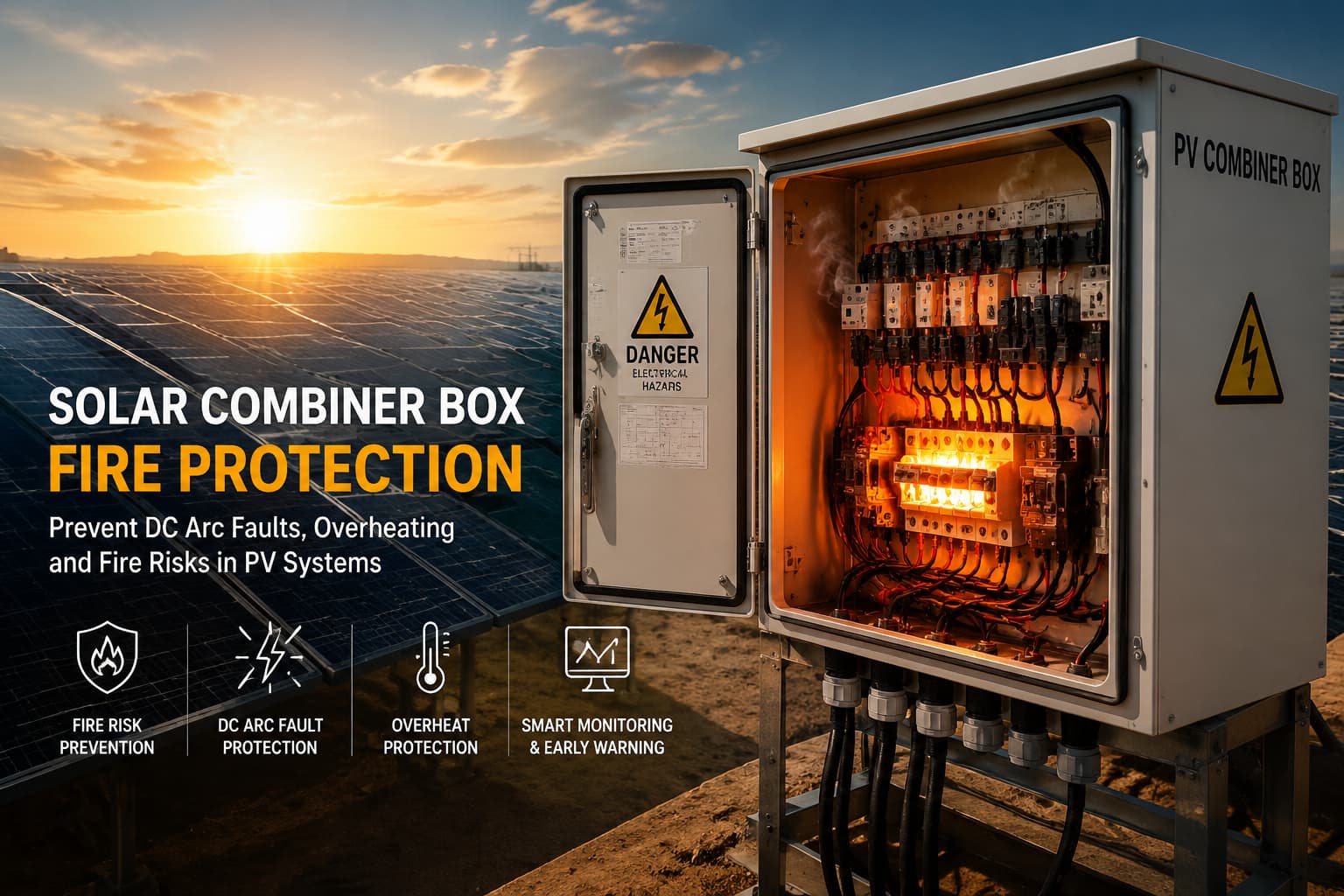
تُعد صناديق تجميع الطاقة الشمسية نقاطاً حيوية في الأنظمة الكهروضوئية (PV) حيث تتجمع مدخلات السلاسل المتعددة قبل تغذيتها إلى العواكس. ومع ذلك، ونظراً لـ حدوث القوس الكهربائي للتيار المستمر (DC)، والوصلات المرتخية، والتيار الزائد، وتقادم العزل، والإجهاد البيئي, ، تُعد صناديق التجميع أيضاً من بين أكثر نقاط الاشتعال تكراراً في محطات الطاقة الشمسية.
يوضح هذا المقال ما يلي:
سنركز على استراتيجيات الحماية من الحرائق في صناديق تجميع الطاقة الشمسية المستخدمة في مشاريع كهروضوئية حقيقية في أوروبا والشرق الأوسط والهند والصين, ، مدعومة بتقارير الصناعة والحوادث الميدانية.
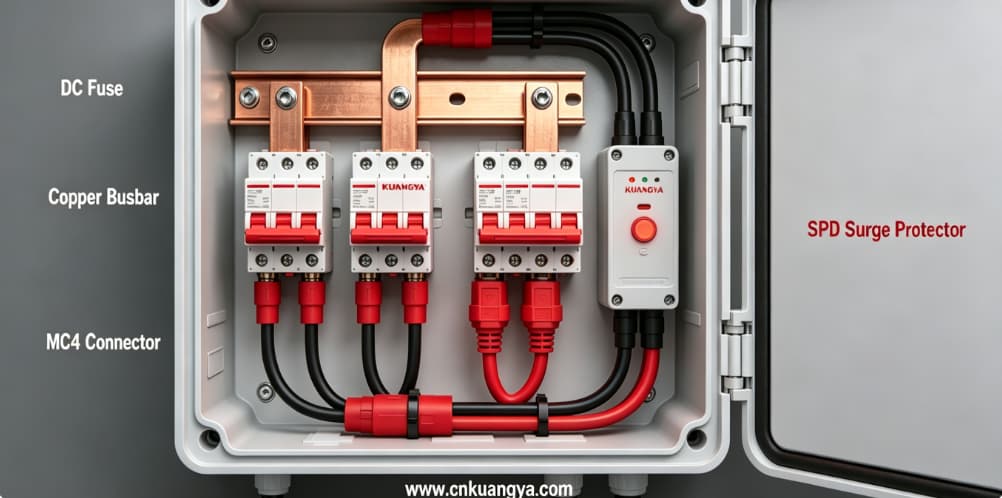
تم تصميم صندوق تجميع الطاقة الشمسية لتجميع التيار المستمر من سلاسل الألواح الكهروضوئية المتعددة. من الناحية النظرية، الأمر بسيط. ولكن من الناحية العملية، يعد هذا الصندوق أحد أكثر المكونات تعرضاً للإجهاد الحراري والكهربائي في نظام الطاقة الكهروضوئية بأكمله.
| مصدر الخطر | السبب التقني | آلية نشوب الحريق |
|---|---|---|
| خطأ القوس الكهربائي للتيار المستمر | ارتخاء الأطراف، تقادم الموصلات | اشتعال القوس الكهربائي عالي الحرارة (>3000 درجة مئوية) |
| التيار الزائد | عدم توازن السلسلة المعيب | الهروب الحراري في قضبان التوصيل |
| تسرب الرطوبة | فشل تصنيف الحماية IP65 أو تقادم الحشية | قصر الدائرة + انهيار العزل |
| سوء التركيب | عدم ضبط عزم الدوران بشكل صحيح | التسخين الناتج عن مقاومة التلامس |
| أحداث الارتفاع المفاجئ في الجهد (Surge Events) | الصواعق / ارتفاع جهد الشبكة | انهيار العزل والاشتعال |
| تقادم المكونات | التعرض للأشعة فوق البنفسجية، والدورات الحرارية | الزيادة التدريجية في المقاومة |
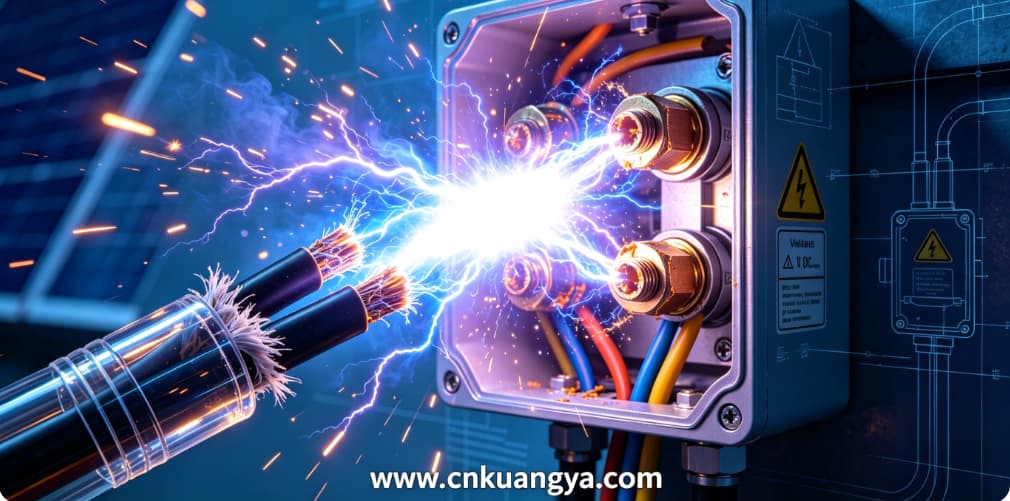
على عكس أنظمة التيار المتردد (AC)،, أقواس التيار المستمر (DC) لا تنطفئ تلقائياً, ، مما يزيد بشكل كبير من احتمالية الاشتعال.
على الرغم من اعتبار أنظمة الطاقة الكهروضوئية “بنية تحتية منخفضة الصيانة”، إلا أن البيانات الميدانية تظهر أن حوادث الحرائق الكهربائية ليست نادرة.
تعرضت محطة طاقة شمسية على مستوى المرافق في جنوب إسبانيا لعمليات إيقاف متكررة بسبب ارتفاع درجة حرارة صناديق التجميع.
نتائج تحليل السبب الجذري:
النتيجة:
درس هندسي:
حتى مشاكل الموصلات البسيطة يمكن أن تتصاعد إلى أحداث حرارية في ظل ظروف الإشعاع المستمر.
اندلع حريق في محطة طاقة شمسية بقدرة 100 ميجاوات خلال ذروة التشغيل في الصيف.
ملخص تقرير التحقيق:
| سلسلة الأعطال | النتيجة |
|---|---|
| تراكم الغبار والحرارة | تدهور العزل |
| تيار عطل مستمر (DC) | قوس كهربائي مستمر |
| تأخر في الفصل | الاشتعال الحراري |
النتيجة:
حدد تقرير مراقبة من مزرعة طاقة شمسية ساحلية نقاط ساخنة متكررة في صناديق التجميع.
ملاحظة رئيسية:
النتيجة:
فهم تطور الحريق أمر ضروري لتصميم أنظمة الحماية.
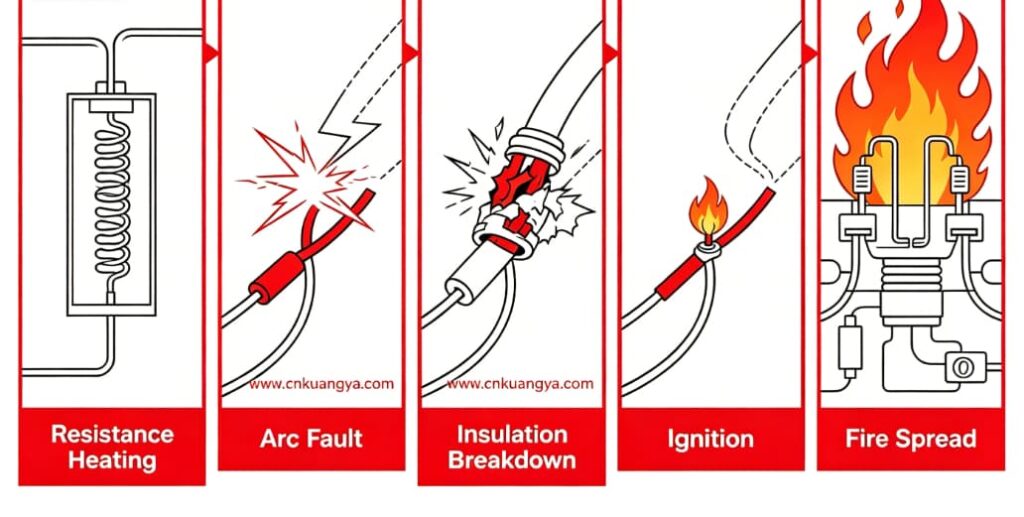
| المرحلة | الحالة الكهربائية | التأثير المادي |
|---|---|---|
| المرحلة 1 | زيادة المقاومة عند الأطراف | بدء التسخين الموضعي |
| المرحلة الثانية | تجاوز درجة الحرارة 120 درجة مئوية | تليين العزل |
| المرحلة الثالثة | بدء القوس الكهربائي | حدوث تفريغ البلازما |
| المرحلة الرابعة | قوس تيار مستمر مستمر | تفحم سريع |
| المرحلة 5 | الاشتعال | احتراق المواد الداخلية |
| المرحلة 6 | انتشار الحريق | انتقال الضرر إلى السلاسل المجاورة |
أنظمة التيار المستمر خطيرة بشكل خاص للأسباب التالية:
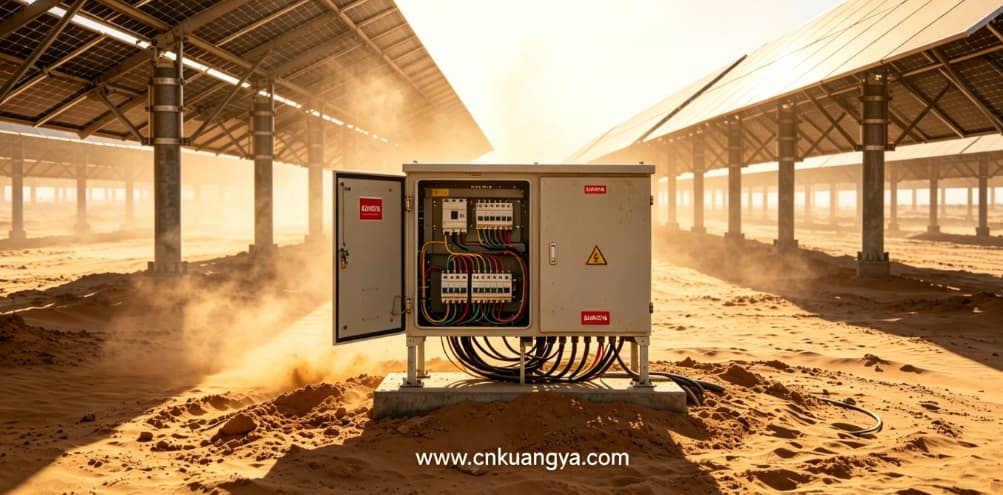
غالباً ما يتم تركيب صناديق تجميع الطاقة الشمسية في الخارج لمدة تتراوح بين 20 إلى 25 عاماً، مما يجعل الإجهاد البيئي عاملاً رئيسياً.
| نوع البيئة | مستوى المخاطرة | المشكلة الرئيسية |
|---|---|---|
| الصحراء (الشرق الأوسط) | 🔴 مرتفع جداً | الغبار + الحرارة الشديدة |
| المناطق الساحلية | 🔴 مرتفع جداً | التآكل الملحي |
| المناطق الاستوائية | 🟠 مرتفع | الرطوبة + النمو البيولوجي |
| المناطق المعتدلة | 🟡 متوسط | الدورات الحرارية الموسمية |
| المناطق الثلجية | 🟡 متوسط | إجهاد التجمد والذوبان |
في محطات الطاقة الشمسية في الإمارات والسعودية:
هذا يؤدي إلى تسريع:
حتى صناديق التجميع عالية الجودة تشترك في نقاط ضعف مماثلة.
| المكوّن | نوع المخاطرة | الشرح |
|---|---|---|
| صمامات التيار المستمر | الإجهاد الحراري | دورات التحميل المتكررة تضعف عنصر المصهر |
| قضبان التوصيل (Busbars) | التسخين الناتج عن التيار الزائد | ضعف تبديد الحرارة تحت الحمل العالي |
| موصلات MC4 | مقاومة التلامس | زيادة طفيفة في المقاومة = حرارة عالية |
| أجهزة الحماية من زيادة التيار الكهربائي | الفشل عند نهاية العمر الافتراضي | يؤدي تدهور مقاومة أكسيد المعدن (MOV) إلى ارتفاع درجة الحرارة |
| أختام الحاوية | التسرب البيئي | تسبب الرطوبة دوائر قصر |
تتطلب مشاريع الطاقة الكهروضوئية الحديثة بشكل متزايد الامتثال لمعايير السلامة من الحرائق الدولية، مثل إرشادات اللجنة الكهروتقنية الدولية (IEC) والجمعية الوطنية للحماية من الحرائق (NFPA).
تحدد هذه المعايير متطلبات صارمة للسلامة الكهربائية، خاصة في بنية الحماية لجانب التيار المستمر (DC). في أنظمة صناديق التجميع، يعد التنسيق المناسب بين أجهزة الحماية أمراً ضرورياً، بما في ذلك أجهزة الحماية من زيادة التيار (SPD) و صمامات التيار المستمر للحد من مخاطر الحريق المرتبطة بالتيار الزائد والاندفاعات الكهربائية.
🔗 روابط داخلية (منتجات KUANGYA المستخدمة في أنظمة حقيقية):
وفقاً للمعايير المعترف بها دولياً:
| قياسي | المنطقة | التركيز |
|---|---|---|
| IEC 62548 | الدولية | سلامة تصميم مصفوفة الألواح الكهروضوئية |
| IEC 61439 | عالمي | سلامة مفاتيح الجهد المنخفض |
| UL 1741 | الولايات المتحدة الأمريكية | أنظمة سلامة العاكس (Inverter) |
| الكود الكهربائي الوطني (NFPA 70) | الولايات المتحدة الأمريكية | السلامة من الحرائق في التركيبات الكهربائية |
أحد قرارات التصميم الرئيسية في أنظمة الطاقة الكهروضوئية الحديثة هو الاعتماد على الحماية السلبية فقط أو دمج أنظمة الإخماد النشطة.
| نوع الحماية | الطريقة | الفعالية | القصور |
|---|---|---|---|
| الحماية السلبية | المصهرات، العزل، وتصميم الهيكل | منع التصعيد | لا يمكنها إيقاف الحريق بمجرد نشوبه |
| الحماية النشطة | الإخماد بالهباء الجوي / الغاز | إخماد سريع للحريق | يتطلب تكامل النظام |
| حماية ذكية | مستشعرات + إيقاف التشغيل + إخماد | أعلى مستوى من الأمان | تكلفة أعلى |
يتجه مطورو الطاقة الشمسية على نطاق المرافق بشكل متزايد نحو:
“الأنظمة المتكاملة ”الكشف + العزل + الإخماد"
خاصة في:
في الجزء التالي، سنغطي:
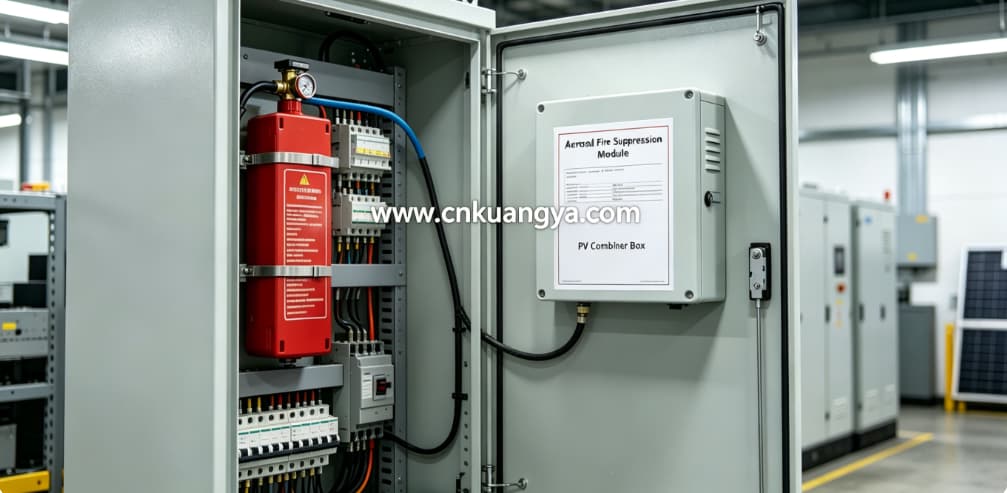
مع توسع الأنظمة الكهروضوئية لتصل إلى مئات الميغاوات، لم تعد طرق الحماية التقليدية (الصمامات + تصميم الحاوية) كافية. تعتمد الحماية الحديثة من الحرائق في صناديق تجميع الطاقة الشمسية على هندسة متعددة الطبقات: الكشف، والعزل، والإخماد.
| الطبقة | الوظيفة | التكنولوجيا المستخدمة |
|---|---|---|
| الطبقة الأولى | الكشف المبكر | مستشعرات درجة الحرارة، مستشعرات الدخان، كشف أعطال القوس الكهربائي (AFCI) |
| الطبقة الثانية | عزل الأعطال | قواطع التيار المستمر (DC)، مفاتيح الفصل الذكية |
| الطبقة الثالثة | إخماد الحرائق | أنظمة الإخماد بالهباء الجوي / الغاز |
| الطبقة الرابعة (Layer 4) | الرصد | نظام سكادا (SCADA) + الإنذارات عن بُعد |
يطلب معظم مقاولي الهندسة والتوريد والبناء (EPC) الآن:
“صناديق تجميع ذاتية الحماية مع قدرة مدمجة للاستجابة للحرائق”
خاصة لـ:
واحدة من أكثر التقنيات اعتماداً على نطاق واسع اليوم هي إخماد الحرائق بالهباء الجوي المكثف, ، خاصة للحاويات الكهربائية المدمجة.
نظام إخماد الحرائق بالهباء الجوي
عند التنشيط بفعل الحرارة أو العطل الكهربائي:
| الميزة | المزايا |
|---|---|
| لا تتطلب أي تمديدات أنابيب | سهولة التحديث في صناديق التجميع الحالية |
| تفعيل سريع | استجابة عادةً أقل من 10 ثوانٍ |
| لا توجد أوعية ضغط | آمنة للنشر الخارجي طويل الأمد |
| صيانة منخفضة | تتوفر أنظمة بعمر تشغيلي يصل إلى 10 سنوات |
| آمنة كهربائياً | لا يوجد ضرر ناتج عن بقايا موصلة للكهرباء |
قامت محطة طاقة شمسية بقدرة 80 ميجاوات في شمال تشيلي بتركيب وحدات إخماد بالهباء الجوي داخل صناديق التجميع.
النتائج الملحوظة بعد التركيب:
لا يقتصر نظام الحماية من الحرائق القوي لصناديق تجميع الطاقة الشمسية على إضافة أجهزة إخماد فحسب، بل يبدأ من التصميم الهيكلي.
| منطقة التصميم | المتطلبات الهندسية |
|---|---|
| مادة الهيكل الخارجي | بولي كربونات مقاوم للأشعة فوق البنفسجية ومثبط للهب أو معدن |
| التهوية | تدفق هواء محكوم دون دخول الغبار |
| التخطيط الداخلي | تقليل تقاطع الموصلات إلى الحد الأدنى، وتحسين تبديد الحرارة |
| الأسلاك | كابلات تيار مستمر (DC) ذات تصنيف حراري عالٍ |
| التأريض | نظام التأريض منخفض المقاومة |
| أجهزة الحماية | نظام منسق يجمع بين المصهر ومانعة الصواعق والقاطع الكهربائي |
تفشل العديد من صناديق التجميع منخفضة التكلفة بسبب:
هذا يخلق تأثير “غرفة تراكم الحرارة”.
أحد أكثر تحديات اتخاذ القرار شيوعاً لدى شركات الهندسة والمشتريات والبناء (EPC) هو الموازنة بين النفقات الرأسمالية (CAPEX) وموثوقية الحماية من الحرائق.
| مستوى الحماية | نوع النظام | التكلفة النسبية | تقليل المخاطر |
|---|---|---|---|
| الأساسيات | منصهر (فيوز) + حاوية فقط | منخفضة | منخفضة |
| قياسي | منصهر (فيوز) + جهاز حماية من اندفاع التيار (SPD) + مراقبة | متوسط | متوسط |
| متقدم | قاطع دائرة خطأ القوس (AFCI) + مراقبة ذكية | عالية | عالية |
| بريميوم | قاطع دائرة خطأ القوس الكهربائي (AFCI) + نظام إخماد بالرذاذ + إيقاف التشغيل الذكي | عالية جداً | عالية جداً |
على الرغم من أن الأنظمة المتقدمة تزيد من التكلفة الأولية بنسبة 5-15%، إلا أنها تقلل بشكل كبير من:
في مشاريع الطاقة الشمسية على مستوى المرافق، يمكن أن تتجاوز تكلفة حادث حريق واحد:
استثمار في أنظمة الحماية لمدة تتراوح بين 1 إلى 3 سنوات
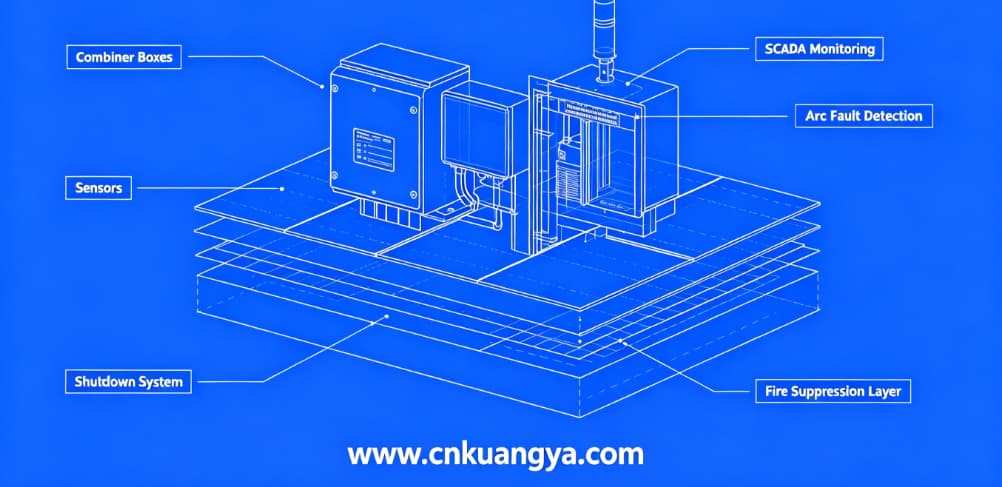
لم تعد صناديق التجميع الحديثة مجرد وحدات أجهزة سلبية، بل أصبحت جزءاً من نظام حماية رقمي متكامل.
| الوظيفة | الوصف |
|---|---|
| تتبع درجة الحرارة | الكشف عن النقاط الساخنة في الوقت الفعلي |
| مراقبة تيار السلسلة (String) | الكشف المبكر عن عدم التوازن |
| كشف أعطال القوس الكهربائي | تحديد أنماط الموجات غير الطبيعية |
| الإيقاف عن بُعد | عزل السلاسل المعطلة فوراً |
| الربط مع إنذار الحريق | تفعيل نظام الإخماد تلقائياً |
نفذت مزرعة طاقة شمسية ألمانية حماية مجمعة مدمجة بالكامل مع نظام سكادا (SCADA):
بناءً على تصاميم مشاريع متعددة لمقاولي الهندسة والتوريد والبناء، تُعتبر الممارسات التالية الآن معياراً صناعياً:
في محطات الطاقة الشمسية في الشرق الأوسط، غالباً ما يضيف مقاولو الهندسة والمشتريات والبناء (EPCs):
بالنسبة للمهندسين وفرق المشتريات، لا ينبغي أن يعتمد الاختيار على السعر فقط.
| نوع المشروع | الحماية الموصى بها |
|---|---|
| الأنظمة الكهروضوئية السكنية | أساسي + جهاز حماية من اندفاع التيار (SPD) |
| الأسطح التجارية | قياسي + مراقبة |
| أنظمة الطاقة الكهروضوئية الصناعية | قاطع دائرة خطأ القوس (AFCI) + الإغلاق الذكي |
| أنظمة الطاقة الكهروضوئية على مستوى المرافق | نظام متكامل بالكامل (قاطع دائرة خطأ القوس + إخماد بالهباء الجوي) |
| بيئة عالية المخاطر | نظام حماية متطور من الحرائق |
تحدث معظم الحرائق بسبب أعطال القوس الكهربائي للتيار المستمر (DC), ، والأطراف المرتخية، وارتفاع درجة الحرارة الناتج عن زيادة مقاومة التلامس.
لا. يقوم المصهر بقطع التيار فقط، ولا يمكنه إخماد القوس الكهربائي بمجرد بدء الاشتعال.
مزيج من:
يوفر أعلى مستوى من الحماية.
نعم. فهو لا يترك أي بقايا موصلة للكهرباء ولا يتطلب أسطوانات مضغوطة، مما يجعله مناسباً لخزائن الكهرباء الخاصة بأنظمة الطاقة الشمسية الكهروضوئية.
ليس كلها، ولكن المحطات على مستوى المرافق والبيئات ذات درجات الحرارة المرتفعة تتطلب حماية متطورة بشكل ملح نظراً لارتفاع مستوى التعرض للمخاطر.
توصي الممارسات الصناعية بما يلي:
لا يوجد نظام خالٍ من المخاطر تماماً. ومع ذلك، يمكن للتصميم السليم تقليل احتمالية حدوث الحريق وشدة الأضرار بشكل كبير.

