منطقة ونغ يانغ الصناعية يويتشينغ ونتشو 325000
ساعات العمل
من الاثنين إلى الجمعة: 7 صباحاً - 7 مساءً
عطلة نهاية الأسبوع 10 صباحاً - 5 مساءً
منطقة ونغ يانغ الصناعية يويتشينغ ونتشو 325000
ساعات العمل
من الاثنين إلى الجمعة: 7 صباحاً - 7 مساءً
عطلة نهاية الأسبوع 10 صباحاً - 5 مساءً

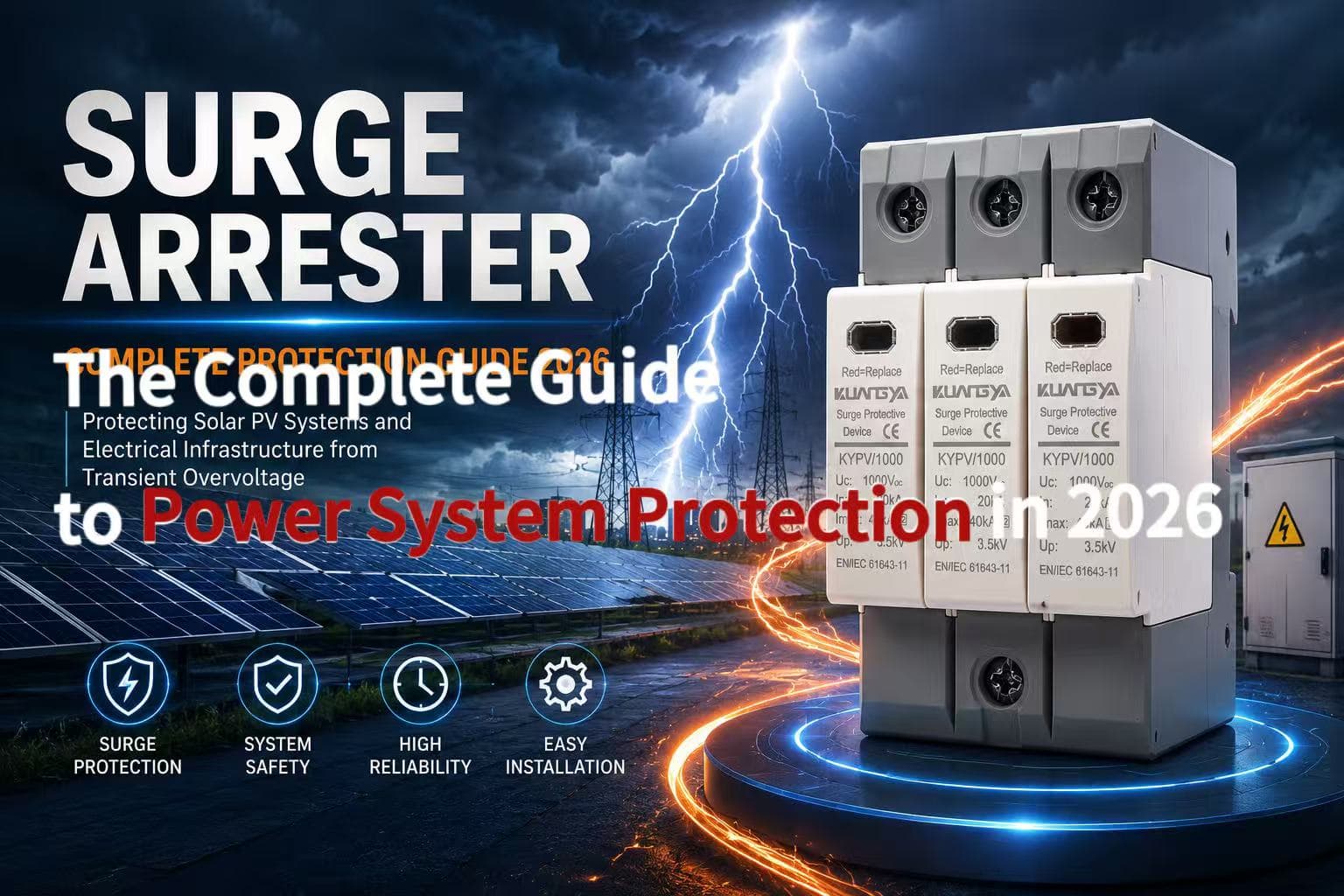
In today’s electrically connected world, power quality and equipment protection have become more critical than ever. From residential solar systems to industrial automation and commercial power distribution networks, electrical devices are increasingly sensitive to voltage fluctuations and transient surges. One lightning strike or switching surge can destroy expensive equipment within milliseconds.
This is where surge protection devices play a vital role.
A surge protection device is designed to safeguard electrical systems and equipment from transient overvoltages caused by lightning strikes, switching operations, and other electrical disturbances. By diverting excess voltage safely to the ground, surge arresters help maintain system reliability, reduce downtime, and extend equipment lifespAs renewable energems, EV charging stations, and smart electrical infrastructures continue expanding globally, the demand for reliable surge protection solutions is rapidly increasing. Whether in photovoltaic systems, industrial plants, data centers, or residential buildings, surge arresters are now considered an essential part of modern electrical protection design.
This comprehensive guide explains everything you need to know about surge arresters, including:
A surge arrester is an electrical protection device that limits overvoltage transients by redirecting surge current to the ground. It acts as a safety barrier between the power system and sensitive electrical equipment.
Under normal operating conditions, the surge arrester remains inactive and does not affect the system voltage. However, when a transient overvoltage occurs, the arrester instantly becomes conductive and safely discharges the excessive energy.
After the surge disappears, the arrester automatically returns to its high-resistance state.
Surge arresters are widely used in:
Electrical surges can occur unexpectedly and may cause severe damage to electrical systems.International IEC surge protection standards provide important guidelines for protecting electrical systems against transient overvoltage.
تشمل الأسباب الشائعة ما يلي:
Lightning is one of the most destructive sources of transient overvoltage. Even indirect lightning strikes near transmission lines can induce massive voltage surges.
Switching transformers, motors, or capacitor banks can generate transient overvoltages inside the power network.
Improper grounding or insulation failure may create dangerous voltage spikes.
Sensitive electronics can be damaged by sudden electrostatic energy release.
Power grid instability and fault clearing operations may also generate surges.
Without adequate surge protection, these events can lead to:
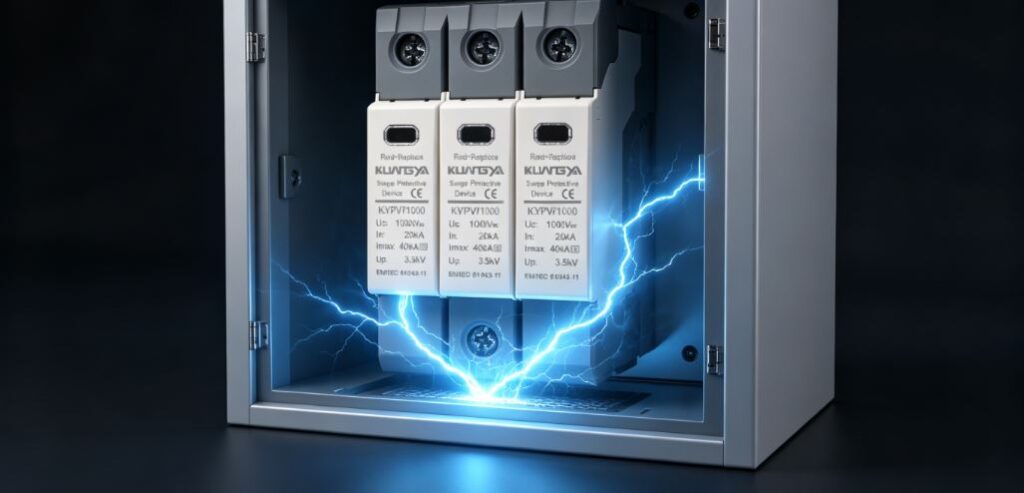
The working principle of a surge arrester is based on voltage limitation and energy diversion.
Under normal voltage conditions:
During a surge event:
After the transient disappears:
Modern surge arresters mainly use Metal Oxide Varistor (MOV) technology because of its fast response time and excellent energy absorption capability.
A typical surge arrester consists of several critical components.
| المكوّن | الوظيفة |
|---|---|
| متغير الأكسيد المعدني (MOV) | Limits transient overvoltage |
| الإسكان | Provides insulation and environmental protection |
| Ground Terminal | Safely directs surge current to earth |
| Disconnect Device | Isolates damaged arrester from the circuit |
| Internal Thermal Protection | Prevents overheating and fire risks |
The MOV is considered the core component because it reacts almost instantly to voltage spikes.
Different electrical systems require different types of surge arresters.
These are used in high-voltage substations and utility transmission systems.
Intermediate class arresters are used in medium-voltage distribution systems.
These arresters protect medium-voltage distribution equipment.
These are designed for low-voltage systems and end-user protection.
Polymer-housed arresters are becoming increasingly popular due to their lightweight and pollution-resistant characteristics.
Many people confuse surge arresters with SPDs. Although they share similar purposes, there are important differences.
| الميزة | Surge Arrester | جهاز الحماية من زيادة التيار (SPD) |
|---|---|---|
| التطبيق الرئيسي | أنظمة الطاقة | Low-voltage equipment protection |
| مستوى الجهد | Medium to high voltage | الجهد المنخفض |
| موقع التركيب | Utility and industrial systems | Building distribution panels |
| الغرض الرئيسي | Divert lightning and switching surges | Protect sensitive electronics |
| التكنولوجيا | MOV or gap type | MOV, TVS diode, gas discharge tube |
In modern photovoltaic and industrial systems, both surge arresters and SPDs are often used together for layered protection.
The rapid growth of solar energy has made surge protection more important than ever.
Solar photovoltaic systems are highly exposed to lightning and switching surges because of:
Watch how transient overvoltage and lightning-induced surges may cause hidden inverter failures in solar power systems.
A single surge event can damage:
| Installation Point | Protection Purpose |
|---|---|
| DC Side of PV System | Protects inverter DC input |
| AC Output Side | Protects AC distribution network |
| صندوق التجميع | Prevents lightning-induced surges |
| Communication Lines | Protects monitoring equipment |
Industrial environments often contain sensitive automation equipment such as:
Voltage surges can cause production interruptions and costly downtime.
Benefits of industrial surge arresters include:
Choosing the correct surge arrester is critical for effective protection.
The arrester voltage rating must match the system voltage.
MCOV defines the maximum voltage the arrester can withstand continuously.
Indicates the surge current capability during standard test conditions.
Defines the highest surge current the arrester can safely divert.
Measures how much surge energy the arrester can handle.
Faster response means better protection for sensitive equipment.
For outdoor applications, resistance to UV, humidity, pollution, and temperature is important.
| التطبيق | Recommended Arrester Type | المتطلبات الرئيسية |
|---|---|---|
| المباني السكنية | Secondary SPD | Fast response |
| أنظمة الطاقة الشمسية الكهروضوئية | DC SPD + AC SPD | مقاومة الأشعة فوق البنفسجية |
| الأتمتة الصناعية | Distribution Class | موثوقية عالية |
| Transmission Systems | Station Class | High energy capacity |
| محطات شحن السيارات الكهربائية | النوع 2 SPD | Stable grounding |
Proper installation significantly affects surge protection performance.
Long grounding wires increase impedance and reduce protection effectiveness.
A low-resistance grounding system is essential.
The shorter the connection distance, the better the protection.
Use layered surge protection:
Always comply with installation instructions and local electrical standards.
Even high-quality surge arresters may fail under extreme conditions.
Repeated surges may overheat MOV components.
Poor sealing can allow water penetration.
Environmental stress gradually degrades performance.
Extremely large surges may exceed arrester capacity.
Regular inspection helps ensure reliable protection.
Check for:
Increased leakage current may indicate deterioration.
Detects overheating components.
Confirms proper insulation performance.
Compliance with international standards ensures safety and reliability.
| قياسي | الوصف |
|---|---|
| IEC 60099 | Surge arrester standards |
| IEC 61643 | Low-voltage SPD standards |
| UL 1449 | SPD safety standard |
| IEEE C62 Series | Surge protection guidelines |
| EN 50539 | PV surge protection standard |
Manufacturers serving international markets should ensure compliance with regional certification requirements.
The surge protection industry continues evolving rapidly.
Modern SPDs now include remote monitoring functions.
Connected protection devices improve predictive maintenance.
Solar and battery systems require advanced DC protection technologies.
Modern surge arresters are becoming smaller and easier to maintain.
New thermal disconnect technologies improve operational safety.
Selecting a reliable manufacturer is essential for long-term system reliability.
ضع في اعتبارك العوامل التالية:
A trusted supplier can help ensure stable product performance and regulatory compliance.
A lightning arrester mainly protects against lightning-induced surges, while a surge arrester protects against multiple types of transient overvoltages.
Yes. Repeated surges, aging, or excessive energy exposure may damage the arrester over time.
Yes. Solar installations are highly exposed to lightning and switching surges, Modern solar SPD solutions help protect photovoltaic systems against lightning-induced surges.
The lifespan depends on environmental conditions and surge frequency. High-quality products may last many years under normal operation.
It should be installed as close as possible to the equipment being protected and connected to a reliable grounding system.
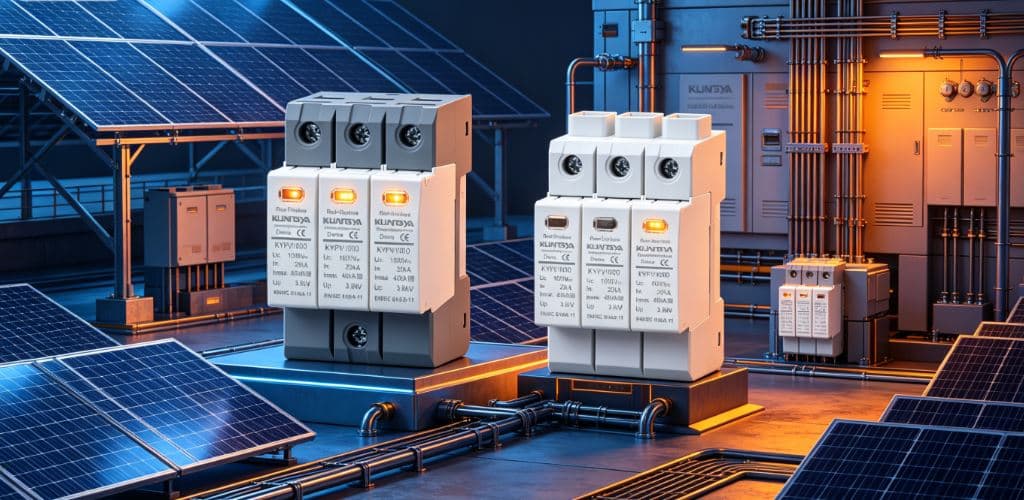
Surge arresters play a critical role in protecting modern electrical systems from transient overvoltage damage. As power systems become more advanced and sensitive electronic equipment becomes more widespread, effective surge protection is no longer optional — it is essential.
From utility substations to solar photovoltaic systems and industrial automation, surge arresters help ensure system stability, operational safety, and equipment longevity.
When selecting a surge arrester, engineers and buyers should carefully evaluate:
By combining proper product selection, correct installation, and regular maintenance, businesses can significantly reduce electrical risks and improve long-term reliability.
As renewable energy and smart electrical infrastructure continue growing worldwide, surge protection technology will remain a key foundation of modern power system safety.Choosing complete surge protection solutions helps improve long-term electrical system reliability.

