Промышленная зона Вэньян Юэцин Вэньчжоу 325000
Рабочие часы
Понедельник - пятница: 7AM - 7PM
Выходные: 10AM - 5PM
Промышленная зона Вэньян Юэцин Вэньчжоу 325000
Рабочие часы
Понедельник - пятница: 7AM - 7PM
Выходные: 10AM - 5PM

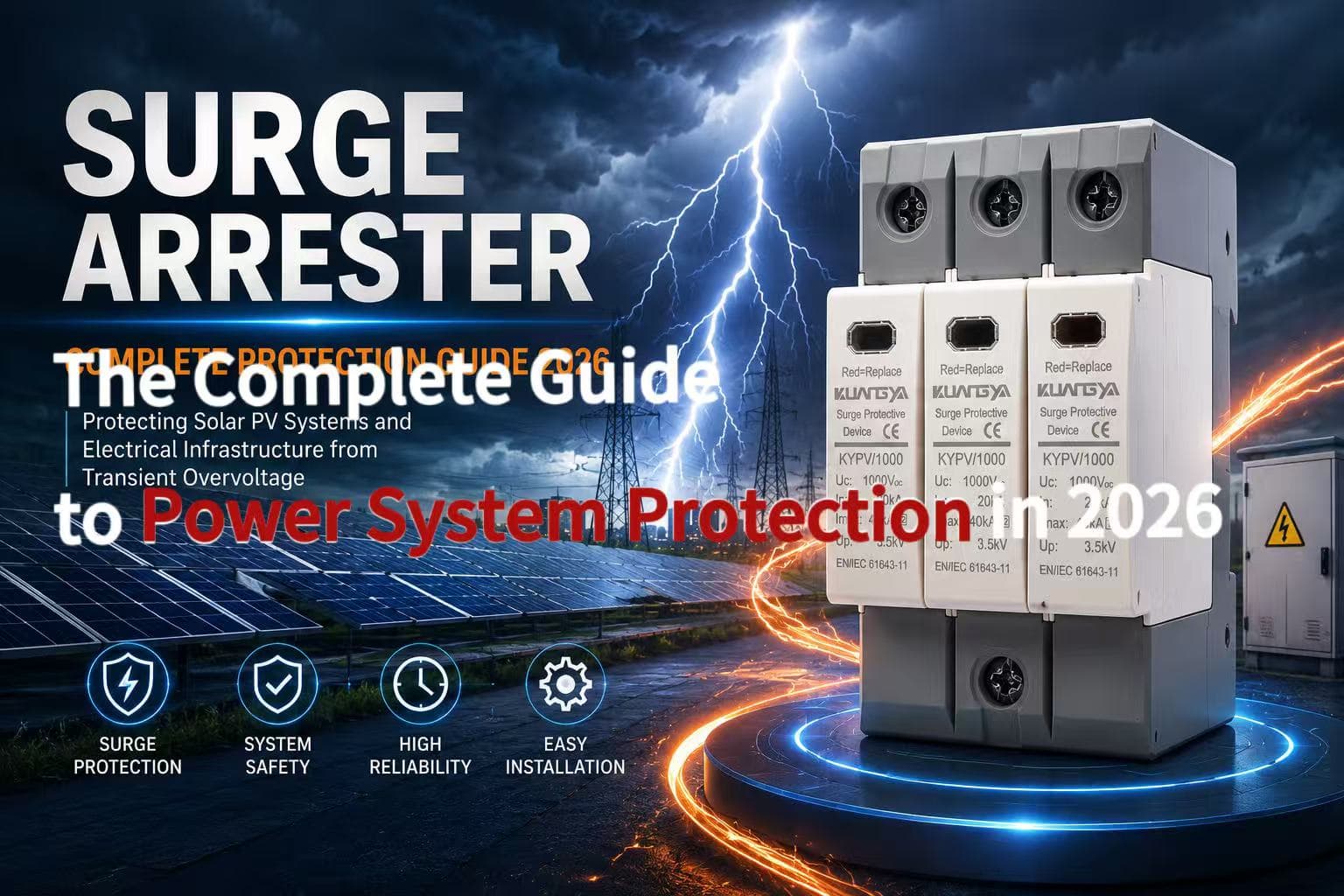
В современном мире, связанном с электричеством, качество электроэнергии и защита оборудования становятся как никогда важными. От бытовых солнечных систем до промышленной автоматизации и коммерческих сетей распределения электроэнергии - электрические устройства становятся все более чувствительными к колебаниям напряжения и переходным скачкам. Один удар молнии или коммутационный перенапряжение могут уничтожить дорогостоящее оборудование за миллисекунды.
Именно здесь устройства защиты от перенапряжения играют жизненно важную роль.
Устройство защиты от перенапряжений предназначено для защиты электрических систем и оборудования от переходных перенапряжений, вызванных ударами молнии, коммутационными операциями и другими электрическими помехами. Безопасно отводя избыточное напряжение на землю, устройства защиты от перенапряжений помогают поддерживать надежность системы, сокращают время простоя и продлевают срок службы оборудованияПо мере того как возобновляемые источники энергии, станции зарядки электромобилей и интеллектуальные электрические инфраструктуры продолжают развиваться во всем мире, спрос на надежные решения для защиты от перенапряжений быстро растет. Будь то фотоэлектрические системы, промышленные предприятия, центры обработки данных или жилые дома, ограничители перенапряжения считаются неотъемлемой частью современной системы электрозащиты.
Это исчерпывающее руководство объясняет все, что вам нужно знать об ограничителях перенапряжения, включая:
Разрядник - это устройство защиты от перенапряжения, которое ограничивает переходные процессы, перенаправляя ток перенапряжения на землю. Он действует как защитный барьер между энергосистемой и чувствительным электрооборудованием.
В нормальных условиях работы разрядник остается неактивным и не влияет на напряжение в системе. Однако при возникновении переходного перенапряжения разрядник мгновенно становится токопроводящим и безопасно разряжает избыточную энергию.
После исчезновения перенапряжения разрядник автоматически возвращается в свое высокоомное состояние.
Ограничители перенапряжений широко используются в:
Скачки напряжения могут возникнуть неожиданно и нанести серьезный ущерб электрическим системам. IEC Стандарты защиты от перенапряжений содержат важные рекомендации по защите электрических систем от переходных перенапряжений.
К распространенным причинам относятся:
Молния - один из самых разрушительных источников переходных перенапряжений. Даже непрямые удары молнии вблизи линий электропередач могут вызвать мощные скачки напряжения.
Переключающиеся трансформаторы, двигатели или конденсаторные батареи могут генерировать переходные перенапряжения в электросети.
Неправильное заземление или нарушение изоляции могут привести к опасным скачкам напряжения.
Чувствительная электроника может быть повреждена внезапным выбросом электростатической энергии.
Нестабильность электросети и операции по устранению неисправностей также могут вызывать скачки напряжения.
Без надлежащей защиты от перенапряжения эти события могут привести к:
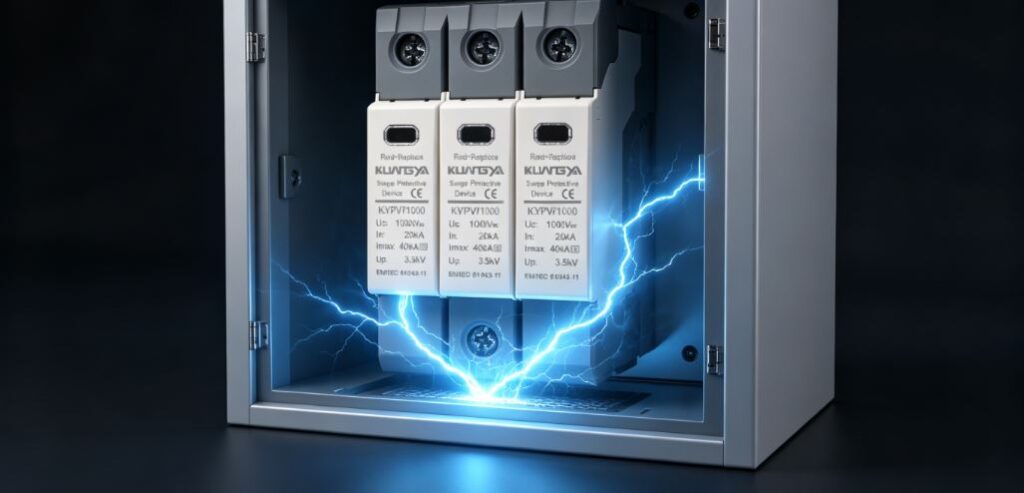
Принцип работы разрядника основан на ограничении напряжения и отводе энергии.
При нормальных условиях напряжения:
Во время всплеска напряжения:
После исчезновения переходного процесса:
Современные ограничители перенапряжений в основном используют технологию металлооксидных варисторов (MOV) благодаря их быстрому времени отклика и отличной способности поглощать энергию.
Типичное устройство защиты от перенапряжений состоит из нескольких важных компонентов.
| Компонент | Функция |
|---|---|
| Металлооксидный варистор (MOV) | Ограничивает переходное перенапряжение |
| Жилье | Обеспечивает изоляцию и защиту окружающей среды |
| Клемма заземления | Безопасно направляет импульсный ток на землю |
| Устройство отключения | Изолирует поврежденный разрядник от цепи |
| Внутренняя тепловая защита | Предотвращает перегрев и риск возгорания |
MOV считается основным компонентом, поскольку он практически мгновенно реагирует на скачки напряжения.
Для разных электрических систем требуются разные типы ограничителей перенапряжения.
Они используются на высоковольтных подстанциях и в системах передачи электроэнергии.
Разрядники промежуточного класса используются в распределительных системах среднего напряжения.
Эти разрядники защищают распределительное оборудование среднего напряжения.
Они предназначены для низковольтных систем и защиты конечных пользователей.
Разрядники в полимерных корпусах становятся все более популярными благодаря их легкости и устойчивости к загрязнению.
Многие люди путают ограничители перенапряжения с СПД. Несмотря на схожее назначение, между ними есть существенные различия.
| Характеристика | Ограничитель перенапряжения | Устройство защиты от импульсных перенапряжений (SPD) |
|---|---|---|
| Основное применение | Энергетические системы | Защита низковольтного оборудования |
| Уровень напряжения | Среднее и высокое напряжение | Низкое напряжение |
| Место установки | Коммунальные и промышленные системы | Распределительные панели для зданий |
| Главная цель | Отвод молний и коммутационных перенапряжений | Защитите чувствительную электронику |
| Технология | MOV или тип зазора | MOV, диод TVS, газоразрядная трубка |
В современных фотоэлектрических и промышленных системах для многоуровневой защиты часто используются как ограничители перенапряжений, так и SPD.
Стремительный рост солнечной энергетики сделал защиту от перенапряжения более важной, чем когда-либо.
Солнечные фотоэлектрические системы сильно подвержены воздействию молний и коммутационных перенапряжений, поскольку:
Посмотрите, как переходные перенапряжения и скачки напряжения, вызванные молнией, могут стать причиной скрытых отказов инверторов в солнечных энергосистемах.
Одно перенапряжение может привести к повреждению:
| Место установки | Цель защиты |
|---|---|
| Сторона постоянного тока фотоэлектрической системы | Защита входа постоянного тока инвертора |
| Сторона выхода переменного тока | Защита распределительной сети переменного тока |
| Комбинированная коробка | Предотвращает скачки напряжения, вызванные молнией |
| Линии связи | Защита оборудования для мониторинга |
В промышленных условиях часто используется чувствительное автоматизированное оборудование, такое как:
Скачки напряжения могут привести к перебоям в производстве и дорогостоящим простоям.
Преимущества промышленных ограничителей перенапряжения включают:
Выбор правильного разрядника крайне важен для эффективной защиты.
Номинальное напряжение разрядника должно соответствовать напряжению системы.
MCOV определяет максимальное напряжение, которое разрядник может выдерживать непрерывно.
Указывает на способность выдерживать импульсный ток в стандартных условиях испытаний.
Определяет наибольший импульсный ток, который разрядник может безопасно отвести.
Измеряет, сколько энергии перенапряжения может выдержать разрядник.
Быстрое реагирование означает более надежную защиту чувствительного оборудования.
Для наружного применения важна устойчивость к ультрафиолету, влажности, загрязнению и температуре.
| Приложение | Рекомендуемый тип разрядника | Ключевое требование |
|---|---|---|
| Жилые здания | Вторичный СПД | Быстрая реакция |
| Солнечные фотоэлектрические системы | ПОСТОЯННЫЙ ТОК + ПЕРЕМЕННЫЙ ТОК | Устойчивость к ультрафиолетовому излучению |
| Промышленная автоматизация | Класс распределения | Высокая надежность |
| Системы передачи | Класс станции | Высокая энергоемкость |
| Станции зарядки электромобилей | Тип 2 СПД | Стабильное заземление |
Правильная установка существенно влияет на эффективность защиты от перенапряжения.
Длинные провода заземления увеличивают сопротивление и снижают эффективность защиты.
Система заземления с низким сопротивлением необходима.
Чем меньше расстояние соединения, тем лучше защита.
Используйте многоуровневую защиту от перенапряжения:
Всегда соблюдайте инструкции по установке и местные электротехнические стандарты.
Даже высококачественные ограничители перенапряжения могут выйти из строя в экстремальных условиях.
Повторяющиеся скачки напряжения могут привести к перегреву компонентов MOV.
Плохая герметизация может привести к проникновению воды.
Под воздействием окружающей среды производительность постепенно снижается.
Чрезвычайно большие перенапряжения могут превысить мощность разрядника.
Регулярный осмотр помогает обеспечить надежную защиту.
Проверьте наличие:
Увеличение тока утечки может свидетельствовать о повреждении.
Обнаруживает перегрев компонентов.
Подтверждает надлежащие характеристики изоляции.
Соответствие международным стандартам обеспечивает безопасность и надежность.
| Стандарт | Описание |
|---|---|
| IEC 60099 | Стандарты устройств защиты от перенапряжений |
| IEC 61643 | Стандарты низковольтных СПД |
| UL 1449 | Стандарт безопасности SPD |
| IEEE Серия C62 | Рекомендации по защите от перенапряжения |
| EN 50539 | Стандарт защиты от импульсных перенапряжений |
Производители, работающие на международных рынках, должны обеспечить соответствие региональным требованиям к сертификации.
Индустрия защиты от перенапряжения продолжает стремительно развиваться.
Современные СПД теперь оснащены функциями удаленного мониторинга.
Подключенные устройства защиты улучшают прогнозируемое обслуживание.
Системы солнечных батарей и аккумуляторов требуют передовых технологий защиты от постоянного тока.
Современные ограничители перенапряжения становятся все меньше и проще в обслуживании.
Новые технологии теплового отключения повышают безопасность эксплуатации.
Выбор надежного производителя - залог долговременной надежности системы.
Учитывайте следующие факторы:
Надежный поставщик поможет обеспечить стабильную работу продукта и соответствие нормативным требованиям.
Молниеотвод защищает в основном от перенапряжений, вызванных молнией, в то время как разрядник защищает от нескольких типов переходных перенапряжений.
Да. Повторяющиеся скачки напряжения, старение или чрезмерное воздействие энергии могут со временем повредить разрядник.
Да. Солнечные установки сильно подвержены воздействию молний и коммутационных перенапряжений, современные Солнечные решения SPD помогают защитить фотоэлектрические системы от скачков напряжения, вызванных молнией.
Срок службы зависит от условий окружающей среды и частоты скачков напряжения. Высококачественные изделия могут прослужить много лет при нормальной эксплуатации.
Он должен быть установлен как можно ближе к защищаемому оборудованию и подключен к надежной системе заземления.
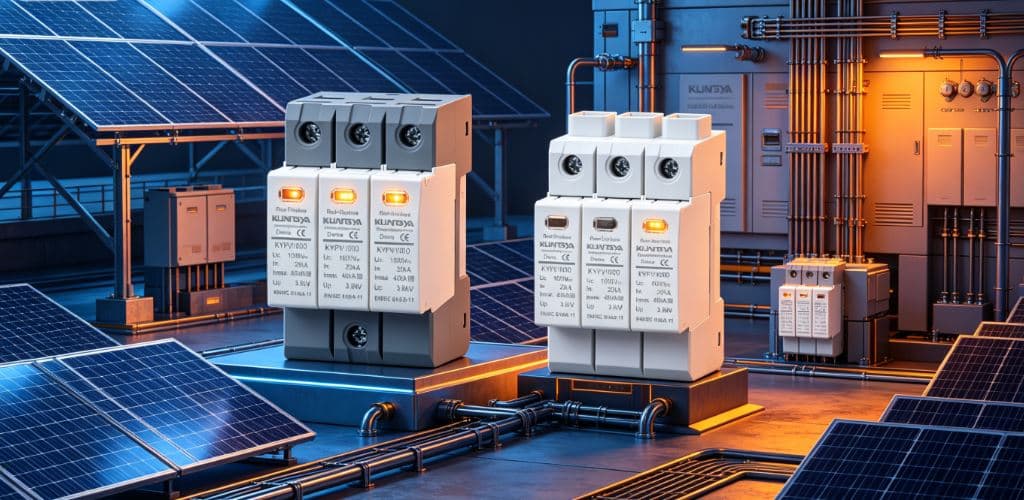
Ограничители перенапряжений играют важнейшую роль в защите современных электрических систем от повреждений, вызванных переходными перенапряжениями. По мере того как системы электроснабжения становятся все более совершенными, а чувствительное электронное оборудование получает все большее распространение, эффективная защита от перенапряжений становится уже не опцией, а необходимостью.
От подстанций до солнечных фотоэлектрических систем и промышленной автоматики - разрядники помогают обеспечить стабильность системы, безопасность работы и долговечность оборудования.
При выборе ограничителя перенапряжения инженеры и покупатели должны тщательно оценить:
Сочетание правильного выбора продукции, корректной установки и регулярного технического обслуживания позволяет предприятиям значительно снизить риски, связанные с электричеством, и повысить надежность в долгосрочной перспективе.
По мере развития возобновляемых источников энергии и интеллектуальной электрической инфраструктуры во всем мире технология защиты от перенапряжений будет оставаться ключевой основой безопасности современных энергосистем.Выбор комплексные решения по защите от перенапряжений помогает повысить долгосрочную надежность электрической системы.

