Промышленная зона Вэньян Юэцин Вэньчжоу 325000
Рабочие часы
Понедельник - пятница: 7AM - 7PM
Выходные: 10AM - 5PM
Промышленная зона Вэньян Юэцин Вэньчжоу 325000
Рабочие часы
Понедельник - пятница: 7AM - 7PM
Выходные: 10AM - 5PM

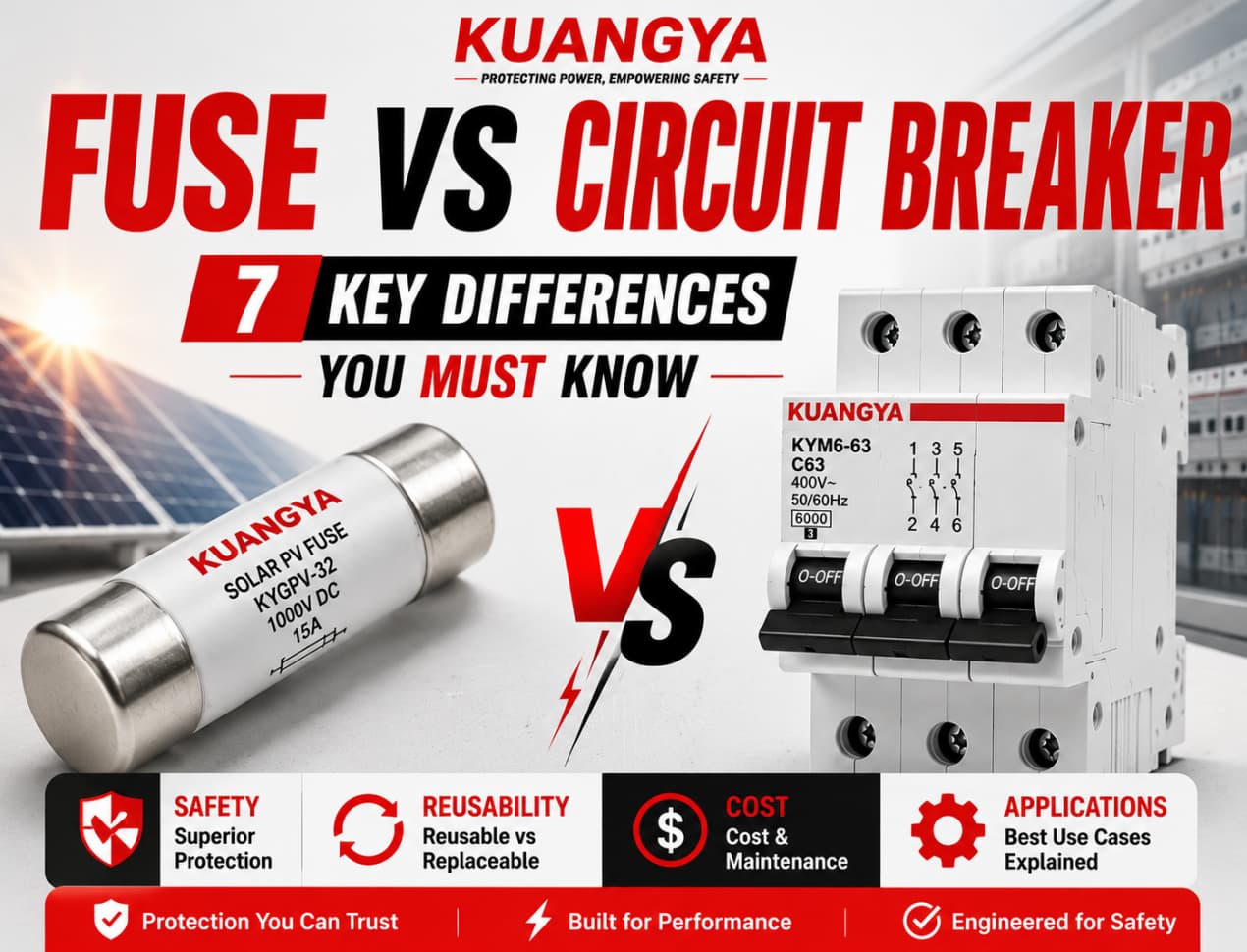
Когда речь идет об электробезопасности, для защиты цепей от перегрузок и коротких замыканий обычно используются два устройства: предохранители и автоматические выключатели.
Многие люди часто задаются вопросом о том. предохранитель против автоматического выключателя Дебаты. Какой из них безопаснее? Какой служит дольше? Что лучше использовать в домах, на заводах или в солнечных системах?
Понимание разница между предохранителем и автоматическим выключателем поможет домовладельцам, электрикам и управляющим объектами принимать более разумные решения и повышать уровень электробезопасности.
В этом руководстве мы расскажем, как работает каждое устройство, сравним их преимущества и недостатки и поможем определить, какой метод защиты лучше всего подходит для вашей задачи.
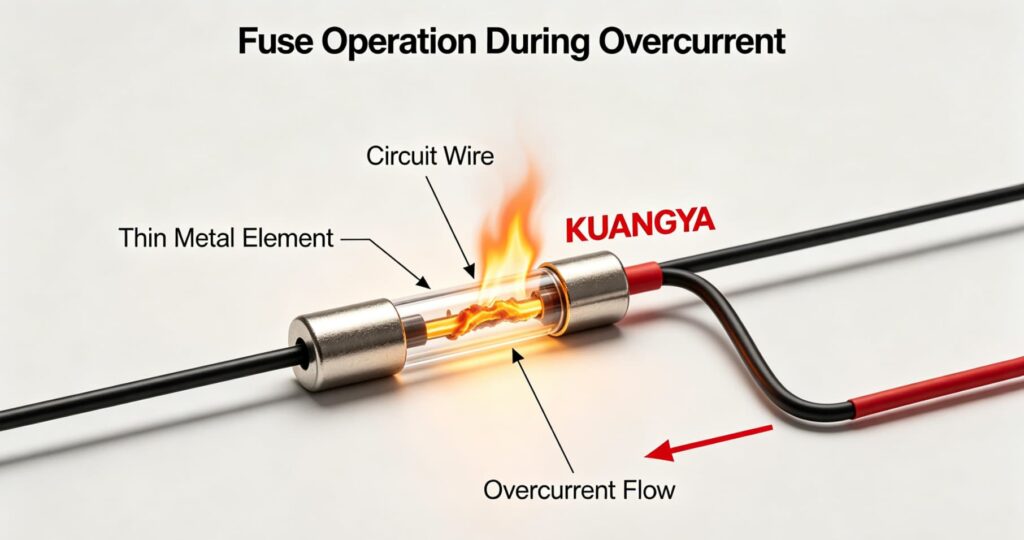
Предохранитель - одно из старейших устройств защиты от поражения электрическим током. Защита предохранителями постоянного тока не менее важен.
Он содержит тонкий металлический элемент, предназначенный для расплавления при прохождении через цепь чрезмерного тока.
Если ток превышает номинал предохранителя:
Это предотвращает перегрев и возгорание проводов, приборов и оборудования. Требования к характеристикам и испытаниям предохранителей определяются международно признанными стандартами. Стандарты IEC для низковольтных защитных устройств.
Представьте себе водопроводную трубу, по которой течет вода.
Если давление слишком велико, слабый участок намеренно ломается, чтобы защитить остальную часть системы.
Предохранитель работает точно так же.
| Компонент | Функция |
|---|---|
| Элемент предохранителя | Плавится при перегрузке |
| Корпус предохранителя | Удерживает элемент |
| Торцевые колпачки | Подключение к цепи |
| Материал наполнителя | Помогает гасить дуги |
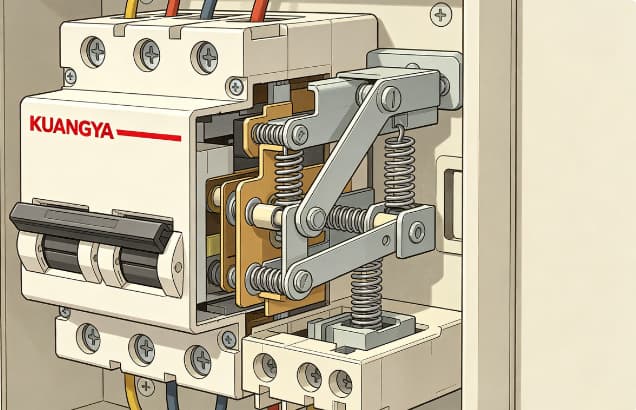
Автоматический выключатель - это автоматический электрический выключатель, предназначенный для прерывания чрезмерного тока. типы автоматических выключателей используются в жилых, промышленных и возобновляемых энергетических системах.
В отличие от предохранителя, автоматический выключатель не требует замены после срабатывания.
Вместо этого он срабатывает и может быть сброшен.
При возникновении перегрузки:
Эта возможность многократного использования - одна из причин, по которой автоматические выключатели стали популярны в современных установках. Многие современные выключатели производятся в соответствии с Стандарты безопасности UL для защиты цепи.
| Компонент | Функция |
|---|---|
| Контакты | Ток переноса |
| Путевой блок | Обнаружение неисправностей |
| Дуговой желоб | Гасит дугу |
| Рукоятка управления | Ручное управление |
| Жилье | Обеспечивает изоляцию |
Хотя оба устройства защищают электрические системы, они используют разные методы.
Взрыватель работает за счет термического плавления.
Чрезмерный ток выделяет тепло.
Плавкий элемент плавится и навсегда отключает цепь.
В автоматическом выключателе используется механическая коммутация.
Механизм отключения обнаруживает аномальный ток и автоматически размыкает контакты.
После устранения неполадок выключатель можно перезагрузить.
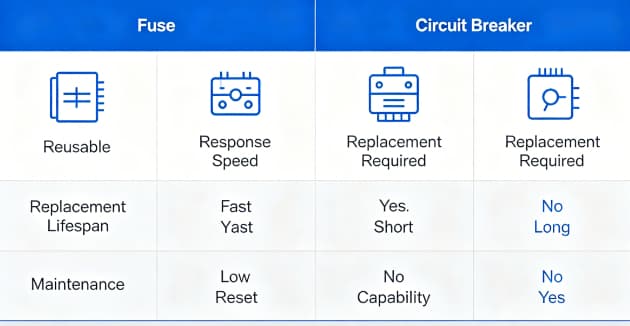
| Характеристика | Предохранитель | Автоматический выключатель |
|---|---|---|
| Многоразовые | Нет | Да |
| Скорость реакции | Очень быстро | Быстрый |
| Требуется замена | Да | Нет |
| Первоначальная стоимость | Нижний | Выше |
| Техническое обслуживание | Чаще | Реже |
| Возможность сброса | Нет | Да |
| Продолжительность жизни | Короче | Длиннее |
| Удобство | Нижний | Выше |
| Индикация неисправности | Ограниченный | Лучше |
| Поддержка автоматизации | Ограниченный | Превосходно |
Понимание разница между предохранителем и автоматическим выключателем становится проще при сравнении конкретных характеристик.
Первое основное различие заключается в том, как они прерывают ток.
Использует жертвенный металлический элемент.
Во время аварии элемент постоянно плавится.
Используются механические контакты и механизмы отключения.
Устройство открывается и впоследствии может быть сброшено.
| Устройство | Метод работы |
|---|---|
| Предохранитель | Плавящийся элемент |
| Автоматический выключатель | Механическая поездка |
Одно из преимуществ в предохранитель против автоматического выключателя сравнение - это скорость.
Предохранители часто быстрее реагируют на сильные короткие замыкания.
Такие быстрые действия могут ограничить повреждение оборудования.
Автоматические выключатели работают немного медленнее, поскольку должны работать механические компоненты.
Для чистой скорости:
✅ Предохранитель
Это, пожалуй, самое очевидное отличие.
Если предохранитель перегорел, его нельзя использовать снова.
Необходимо установить новый предохранитель.
Автоматические выключатели просто необходимо перезагрузить.
Если владелец дома испытывает временную перегрузку:
✅ Автоматический выключатель
Предохранители требуют управления запасами и периодической замены.
Автоматические выключатели, как правило, требуют меньшего обслуживания.
Для крупных предприятий сокращение времени простоя имеет решающее значение.
Это делает автоматические выключатели более привлекательными.
| Коэффициент технического обслуживания | Предохранитель | Автоматический выключатель |
|---|---|---|
| Запасные части | Требуется | Редкая необходимость |
| Время простоя | Выше | Нижний |
| Стоимость обслуживания | Средний | Более низкая долгосрочная перспектива |
Первоначальная стоимость покупки - еще один важный фактор.
Относительная стоимость защитного устройства
Типичное сравнение первоначальных инвестиций.01234ПредохранительВыключатель
Хотя фактические цены варьируются, автоматические выключатели, как правило, изначально стоят дороже.
Оба устройства обеспечивают отличную защиту при правильном выборе.
Однако автоматические выключатели обладают дополнительными функциями безопасности. распространенные неисправности выключателей может еще больше повысить надежность системы.
Примеры включают:
Традиционные предохранители в основном обеспечивают защиту от сверхтоков.
✅ Автоматический выключатель
Предохранитель может сработать только один раз.
За время службы автоматический выключатель может сработать тысячи раз.
В системах с частыми переключениями автоматические выключатели обеспечивают большую долговечность.
| Характеристика | Предохранитель | Автоматический выключатель |
|---|---|---|
| Срок службы | Ограниченный | Длинный |
| Количество операций | Одноразовое использование | Многократное использование |
| Долгосрочная стоимость | Умеренный | Высокий |
Несмотря на популярность выключателей, предохранители по-прежнему имеют множество преимуществ.
Автоматические выключатели доминируют в современных электроустановках по нескольким причинам. правильная спецификация MCB является необходимым условием для обеспечения долговременной защиты.
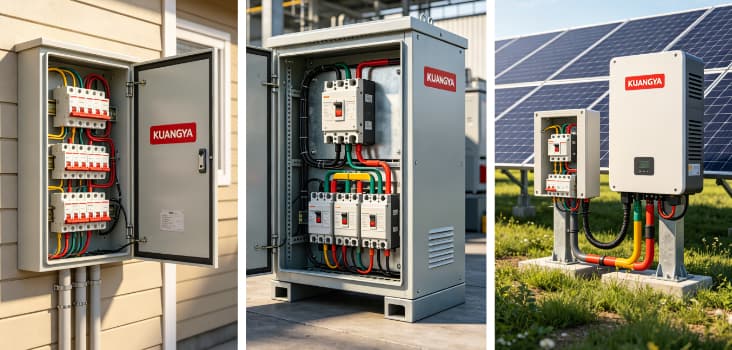
Для электрических щитов жилых домов обычно предпочитают использовать автоматические выключатели.
Причины включают:
В большинстве современных домов по всему миру вместо блоков предохранителей используются панели выключателей. Рекомендации NFPA по электробезопасности когда это применимо.
В промышленных условиях часто используются обе технологии.
Лучшее решение часто сочетает в себе оба устройства.
В солнечных установках используются оба метода защиты.Защита от перенапряжения для солнечных систем также необходима для защиты инверторов и фотоэлектрического оборудования от повреждений, вызванных молниями.
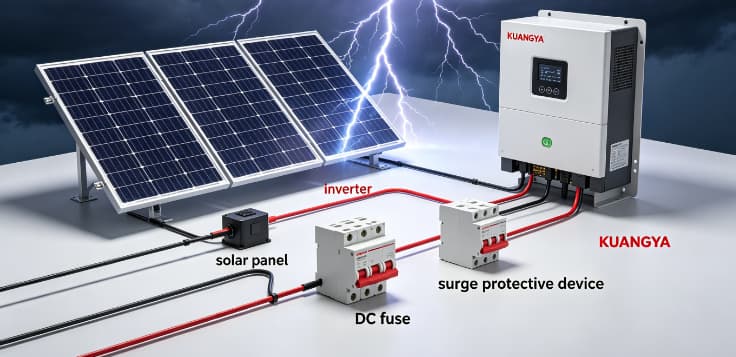
Современные фотоэлектрические системы часто включают в себя оба устройства для обеспечения комплексной защиты.
Не обязательно.
В некоторых случаях требуется чрезвычайно быстрая защита, обеспечиваемая предохранителями.
Предохранители по-прежнему необходимы во многих отраслях промышленности.
Они продолжают защищать чувствительную электронику и системы возобновляемой энергии.
Как и все электрические устройства, выключатели требуют правильного выбора, установки и обслуживания.
Учитывайте следующие факторы:
При правильном выборе и установке оба устройства безопасны. Предохранители обычно срабатывают быстрее, а автоматические выключатели обеспечивают дополнительные функции безопасности при эксплуатации.
Автоматический выключатель обычно служит дольше, поскольку его можно многократно перезапускать и использовать повторно.
Автоматические выключатели обеспечивают удобство, возможность многократного использования и повышенную безопасность по сравнению с традиционными системами предохранителей.
Во многих приложениях - да. Однако некоторые специализированные системы по-прежнему требуют защиты предохранителями из-за их быстрой реакции.
Предохранители обычно стоят дешевле на начальном этапе, в то время как автоматические выключатели могут предложить более низкие долгосрочные эксплуатационные расходы.
Дебаты о предохранитель против автоматического выключателя не имеет универсального победителя.
Правильный выбор зависит от области применения, требований безопасности, ожиданий по обслуживанию и бюджета.
Если вам нужна быстрая и экономичная защита, предохранитель может стать идеальным вариантом.
Если вы цените удобство, возможность многократного использования и передовые функции безопасности, то автоматический выключатель зачастую является лучшим решением.
Понимание разница между предохранителем и автоматическим выключателем позволяет домовладельцам, инженерам и владельцам предприятий принимать обоснованные решения, повышающие электробезопасность и надежность системы.
Во многих современных электрических системах наиболее эффективным является не выбор одного из них, а использование обоих вместе для обеспечения комплексной защиты.
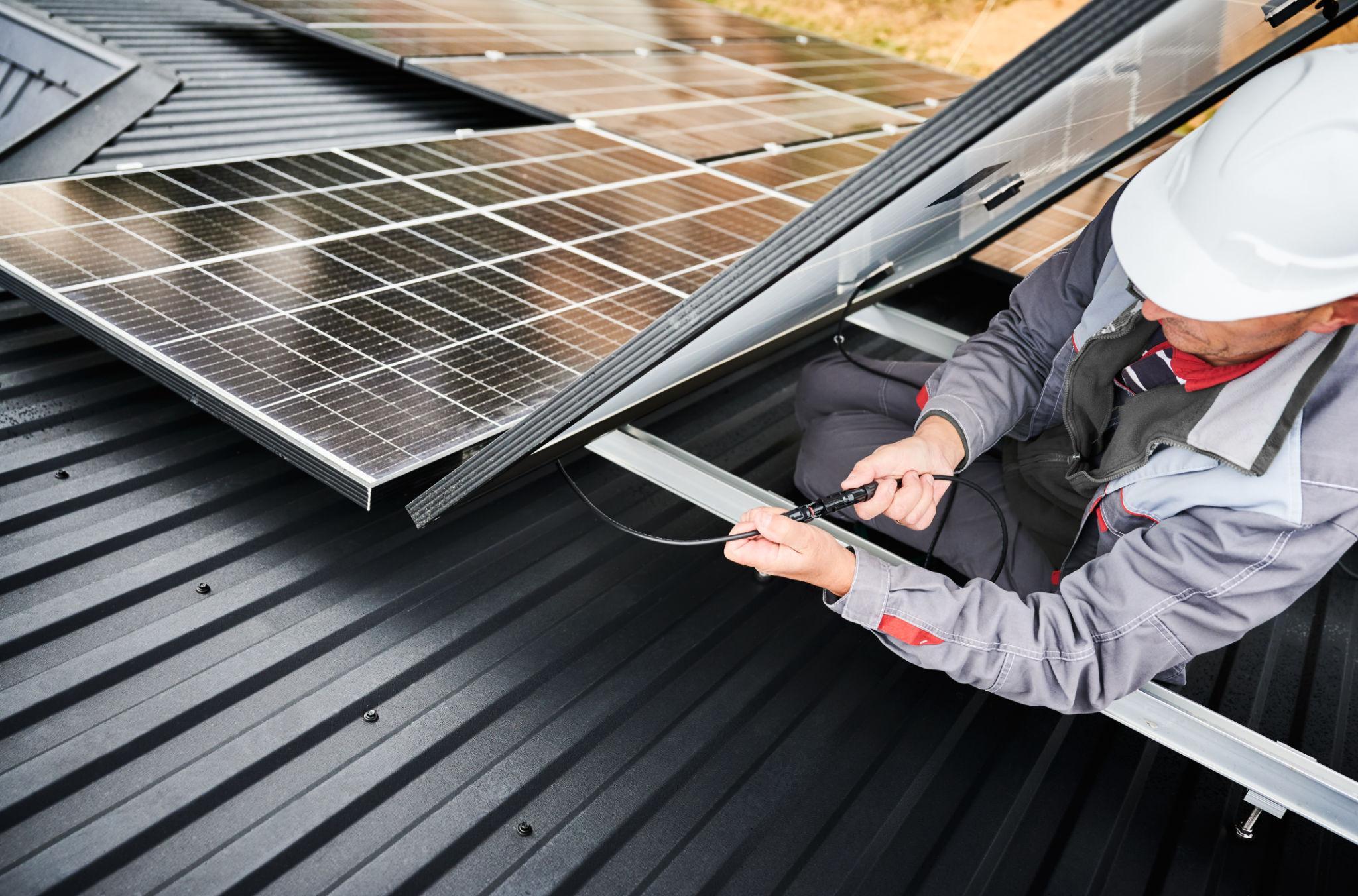
Мы являемся профессиональным производителем электротехнической продукции для солнечной энергетики и промышленного применения, включая MCB, SPD, RCD и сопутствующие аксессуары. Имея богатый опыт экспорта, мы предоставляем надежные решения и услуги OEM/ODM для глобальных клиентов.

