منطقة ونغ يانغ الصناعية يويتشينغ ونتشو 325000
ساعات العمل
من الاثنين إلى الجمعة: 7 صباحاً - 7 مساءً
عطلة نهاية الأسبوع 10 صباحاً - 5 مساءً
منطقة ونغ يانغ الصناعية يويتشينغ ونتشو 325000
ساعات العمل
من الاثنين إلى الجمعة: 7 صباحاً - 7 مساءً
عطلة نهاية الأسبوع 10 صباحاً - 5 مساءً

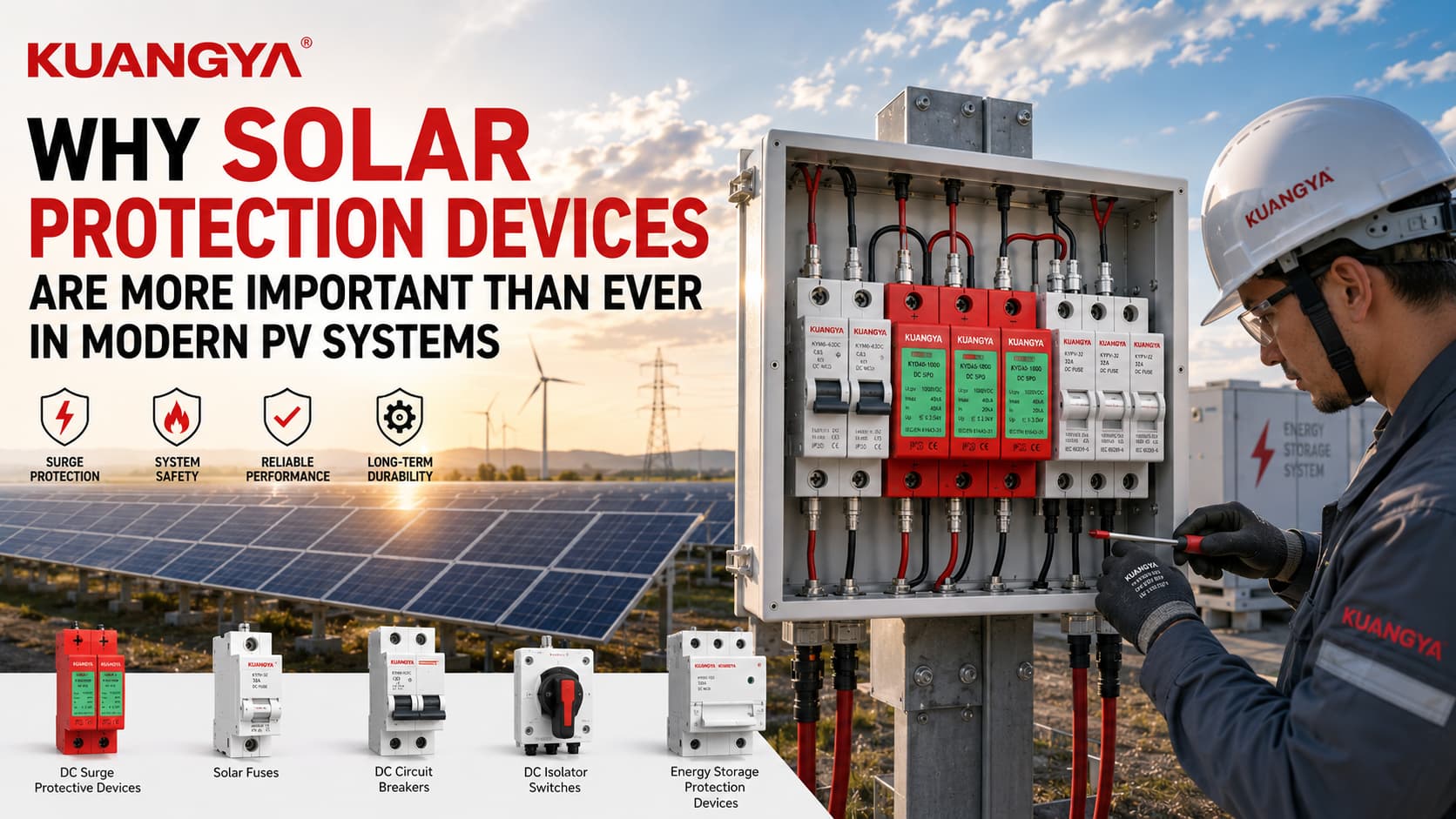
تتوسع صناعة الطاقة الشمسية العالمية بوتيرة غير مسبوقة. من أسطح المباني السكنية والمباني التجارية إلى مزارع الطاقة الشمسية على نطاق المرافق ومشاريع تخزين الطاقة، أصبحت الأنظمة الكهروضوئية حجر الزاوية في التحول العالمي للطاقة.
ومع ذلك، مع تزايد حجم منشآت الطاقة الشمسية وتعقيدها، أصبحت أهمية أجهزة الحماية الشمسية أكبر من أي وقت مضى. يتعرض النظام الكهروضوئي الحديث لمخاطر كهربائية متعددة، بما في ذلك الصواعق الكهربائية، والجهد الزائد، والتيارات الزائدة، والدوائر القصيرة، والمخاطر المتعلقة بالبطارية. وبدون الحماية المناسبة، يمكن أن تؤدي هذه المخاطر إلى تعطل مكلف وتلف المعدات ومخاطر الحريق وانخفاض عمر النظام.
لم تعد أجهزة الحماية الشمسية اليوم من الملحقات الاختيارية. فهي مكونات أساسية تضمن السلامة والموثوقية والامتثال للمعايير الدولية.
في هذه المقالة، نستكشف سبب تزايد أهمية أجهزة الحماية الشمسية، ونفحص الأنواع الرئيسية لمعدات الحماية المستخدمة في الأنظمة الكهروضوئية، ونناقش الاتجاهات المستقبلية التي تشكل سوق الحماية الشمسية.
يستمر الطلب على الطاقة الشمسية في الارتفاع في جميع أنحاء العالم. ووفقاً لوكالة الطاقة الدولية (وكالة الطاقة الدولية)، تظل الطاقة الشمسية واحدة من أسرع تقنيات الطاقة المتجددة نموًا على مستوى العالم. فالحكومات تعمل على تسريع نشر الطاقة المتجددة، والشركات تستثمر في مبادرات الاستدامة، وأصحاب المنازل يسعون إلى تحقيق قدر أكبر من الاستقلالية في مجال الطاقة.
ونتيجة لذلك، أصبحت الأنظمة الكهروضوئية أكثر قوة وتعقيدًا. فالفولتية الأعلى، والمصفوفات الأكبر، والتخزين المتكامل للبطاريات، وتقنيات المراقبة الذكية، كلها تزيد من الحاجة إلى أجهزة حماية شمسية فعالة.
| المنطقة | السعة المركبة (جيجاوات) | معدل النمو السنوي |
|---|---|---|
| آسيا والمحيط الهادئ | 800+ | 12% |
| أوروبا | 200+ | 8% |
| أمريكا الشمالية | 150+ | 10% |
| بقية العالم | 50+ | 6% |
إن النمو السريع لتركيبات الطاقة الشمسية يعني أن الحماية الكهربائية يجب أن تتطور جنباً إلى جنب مع تصميم النظام.
تعتمد مشاريع الطاقة الشمسية الحديثة بشكل متزايد على حلول السلامة الكهروضوئية الموثوقة للحد من المخاطر التشغيلية وضمان الأداء على المدى الطويل.
تعمل أنظمة الطاقة الشمسية في ظل ظروف بيئية صعبة.
على عكس العديد من الأنظمة الكهربائية التقليدية، تتعرض التركيبات الكهروضوئية بشكل مستمر:
علاوة على ذلك، فإن تكامل أنظمة تخزين الطاقة يقدم مخاطر إضافية تتعلق بشحن البطارية وتفريغها وظروف الأعطال.
تشمل التهديدات الكهربائية الشائعة ما يلي:
| التهديد | العواقب المحتملة |
| اندفاع البرق | تلف المعدات |
| الجهد الزائد | تعطل العاكس |
| دائرة كهربائية قصيرة | خطر الحريق |
| التيار الزائد | ارتفاع درجة حرارة الكابل |
| خطأ القوس الكهربائي | إيقاف تشغيل النظام |
| عطل في البطارية | أضرار ESS |
بدون أجهزة حماية شمسية مختارة بشكل صحيح، يمكن أن يؤدي حتى العطل الكهربائي الصغير إلى خسائر كبيرة.
تتطلب استراتيجية الحماية الكاملة من أشعة الشمس طبقات متعددة من الحماية.
يؤدي كل جهاز وظيفة محددة داخل النظام.
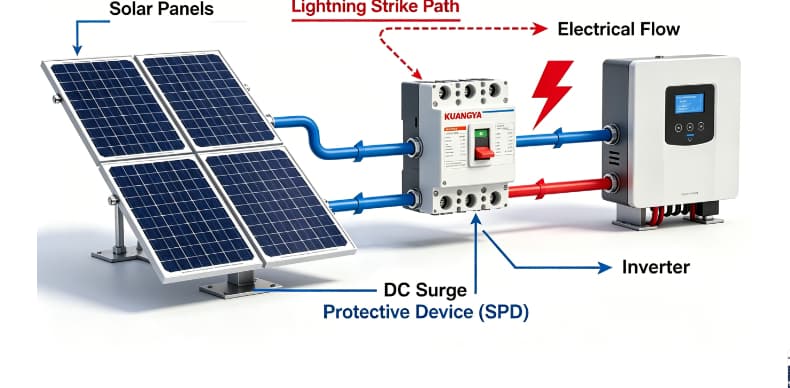
تعمل أجهزة الحماية من زيادة التيار (SPD) على حماية المعدات الكهروضوئية من الجهد الزائد العابر الناجم عن الصواعق وأحداث التحويل.
حتى ضربات الصواعق غير المباشرة يمكن أن تولد طفرات جهد ضارة تنتقل عبر كابلات التيار المستمر وأنظمة توزيع التيار المتردد.
تساعد في حماية SPDs:
تتضمن مزايا وثائق الخدمة الخاصة ما يلي:
توفر الصمامات الشمسية حماية للتيار الزائد عن طريق قطع تدفق التيار الزائد قبل حدوث تلف في المعدات.
يتم تركيبها عادةً في:
يمكن للصمامات الشمسية المختارة بشكل صحيح أن تمنع الأعطال الكارثية الناجمة عن ظروف التيار غير الطبيعية.
تشمل المزايا ما يلي:
قواطع التيار المستمر تحمي من:
على عكس أنظمة التيار المتردد، فإن مقاطعة التيار المستمر أكثر صعوبة لأنه لا توجد نقطة عبور طبيعية للصفر.
ولهذا السبب، فإن قواطع التيار المستمر المخصصة ضرورية لتطبيقات الطاقة الشمسية.
تشمل التطبيقات ما يلي:
يسمح عازل التيار المستمر لموظفي الصيانة بفصل مصفوفة الطاقة الشمسية بأمان عن العاكس.
هذا الأمر مهم بشكل خاص أثناء:
تشمل المزايا ما يلي:
مع زيادة الاعتماد على تخزين البطاريات، أصبحت حماية أنظمة دعم الطاقة الشمسية الكهروضوئية جزءًا مهمًا من صناعة الطاقة الشمسية.
تتطلب أنظمة البطاريات حماية ضد:
تعمل الحماية المناسبة على تحسين السلامة وتعزيز طول عمر البطارية.
يجب أن تتوافق أجهزة الحماية الشمسية مع اللوائح الإقليمية ومعايير الصناعة.
غالبًا ما تتطلب الأسواق المختلفة خطط اعتماد مختلفة.
| المنطقة | المعيار الرئيسي | متطلبات الحماية النموذجية |
| أوروبا | معايير IEC | وحدة SPD، الصمامات، العازل |
| الولايات المتحدة الأمريكية | معايير UL | SPD، قاطع تيار مستمر |
| الصين | معايير GB | وحدة SPD، الصمامات، العازل |
| استراليا | معايير AS/NZS | الحماية الكهروضوئية الكاملة |
الامتثال ليس شرطاً قانونياً فحسب، بل هو أيضاً عامل رئيسي في الموافقة على المشروع والتغطية التأمينية.
إن المصنعين الذين يوفرون أجهزة معتمدة للحماية من أشعة الشمس هم في وضع أفضل لخدمة الأسواق الدولية.
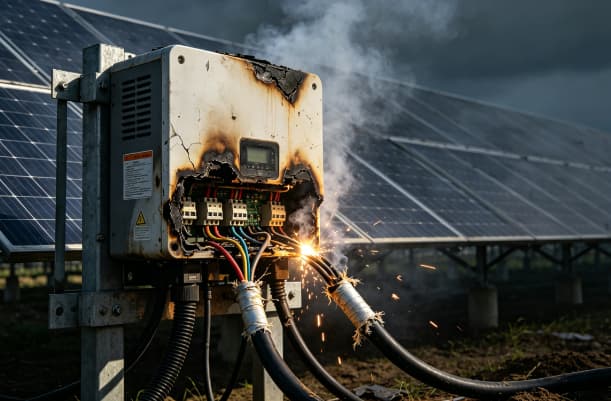
يمكن إرجاع العديد من أعطال الأنظمة الكهروضوئية إلى عدم كفاية الحماية.
وتشمل الأمثلة على ذلك:
يمكن لصاعقة برق قريبة أن تدمر المحولات وأنظمة المراقبة في غضون ثوانٍ.
قد تتعرض الأوتار المحمية بشكل غير صحيح لارتفاع درجة حرارة الكابل وتلف الموصل.
يمكن أن تؤدي التوصيلات المفكوكة إلى توليد أقواس كهربائية خطيرة.
قد تؤدي الحماية الضعيفة للبطارية إلى تلف شديد في المعدات ووقت تعطل مكلف.
غالبًا ما تتجاوز العواقب المالية تكلفة تركيب أجهزة الحماية الشمسية المناسبة منذ البداية.
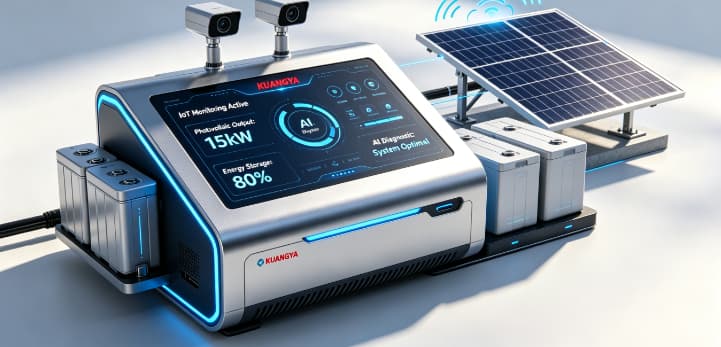
أصبح الجيل التالي من أجهزة الحماية الشمسية أكثر ذكاءً واتصالاً وفعالية.
تشمل أجهزة الحماية بشكل متزايد ما يلي:
يمكن لأجهزة SPD المتقدمة الآن توفير معلومات الحالة في الوقت الفعلي وإشعارات الصيانة.
مع تسارع نشر البطاريات، ستصبح أنظمة الحماية المتكاملة قياسية.
سيساعد الذكاء الاصطناعي في تحديد الأعطال المحتملة قبل حدوثها.
[أدخل الصورة هنا]
نص بديل الصورة: أجهزة الحماية الشمسية الذكية لمراقبة الأنظمة الكهروضوئية
ستعمل هذه الابتكارات على تحسين موثوقية النظام مع تقليل تكاليف الصيانة.
[رابط داخلي: حلول ذكية للحماية من الشمس]
يوفر الاستثمار في أجهزة الحماية من أشعة الشمس عالية الجودة فوائد تتجاوز مجرد الامتثال.
تشمل المزايا الرئيسية ما يلي:
بالنسبة لمقاولي الهندسة والمشتريات والبناء والتركيب ومطوري المشاريع، تعتبر أجهزة الحماية عنصراً حاسماً في نجاح المشروع.
الوكالة الدولية للطاقة المتجددة (الوكالة الدولية للطاقة المتجددة) تتوقع استمرار تسارع نشر الطاقة المتجددة مع سعي البلدان إلى تحقيق أهداف صافي الطاقة الصفرية وأهداف أمن الطاقة.
مع ازدياد حجم منشآت الطاقة الشمسية وذكائها وتكاملها مع أنظمة تخزين البطاريات، يستمر دور أجهزة الحماية الشمسية في النمو.
تساعد حلول الحماية، مثل مفاتيح الحماية SPD، والصمامات الشمسية، وقواطع التيار المستمر، ومفاتيح العازل، وأجهزة حماية نظام الطاقة الشمسية الكهروضوئية في حماية المعدات القيّمة وضمان التشغيل الموثوق به طوال دورة حياة النظام.
فالشركات التي تعطي الأولوية للحماية لا تقلل من المخاطر فحسب، بل تحسّن أداء المشروع وربحيته على المدى الطويل.
سواء كنت تصمم نظامًا سكنيًا على السطح أو منشأة تجارية أو مزرعة للطاقة الشمسية على نطاق المرافق، فإن اختيار أجهزة الحماية الشمسية المناسبة هو أحد أهم القرارات التي يمكنك اتخاذها.
هل تبحث عن أجهزة حماية شمسية موثوقة لمشروعك القادم؟
اكتشف مجموعة KUANGYA الكاملة من أجهزة حماية التيار المستمر والصمامات الشمسية وقواطع التيار المستمر ومفاتيح العزل وحلول حماية تخزين الطاقة المصممة للأنظمة الكهروضوئية الحديثة.
أجهزة الحماية من الطاقة الشمسية هي مكونات كهربائية تستخدم لحماية الأنظمة الكهروضوئية من الارتفاعات المفاجئة، والتيارات الزائدة، والدوائر القصيرة، والأعطال الكهربائية الأخرى.
تحمي أجهزة SPD المعدات الحساسة من الارتفاعات المفاجئة في التيار الكهربائي الناتجة عن الصواعق والجهد الزائد العابر الذي يمكن أن يتلف المحولات والمكونات الأخرى.
نعم. تؤدي الصمامات وقواطع الدوائر الكهربائية وظائف حماية مختلفة وغالباً ما تستخدم معاً في الأنظمة الكهروضوئية.
يوصي معظم المتخصصين بإجراء فحوصات بصرية سنوياً واختبارات كهربائية وفقاً لإرشادات الشركة المصنعة.
نعم. معظم المعايير الرئيسية، بما في ذلك IEC و UL المتطلبات، وتحديد تدابير الحماية للمنشآت الكهروضوئية.

