Zona industrial de WengYang Yueqing Wenzhou 325000
Horas de trabajo
De lunes a viernes: de 7.00 a 19.00 horas
Fin de semana: 10.00 A 17.00 HORAS
Zona industrial de WengYang Yueqing Wenzhou 325000
Horas de trabajo
De lunes a viernes: de 7.00 a 19.00 horas
Fin de semana: 10.00 A 17.00 HORAS

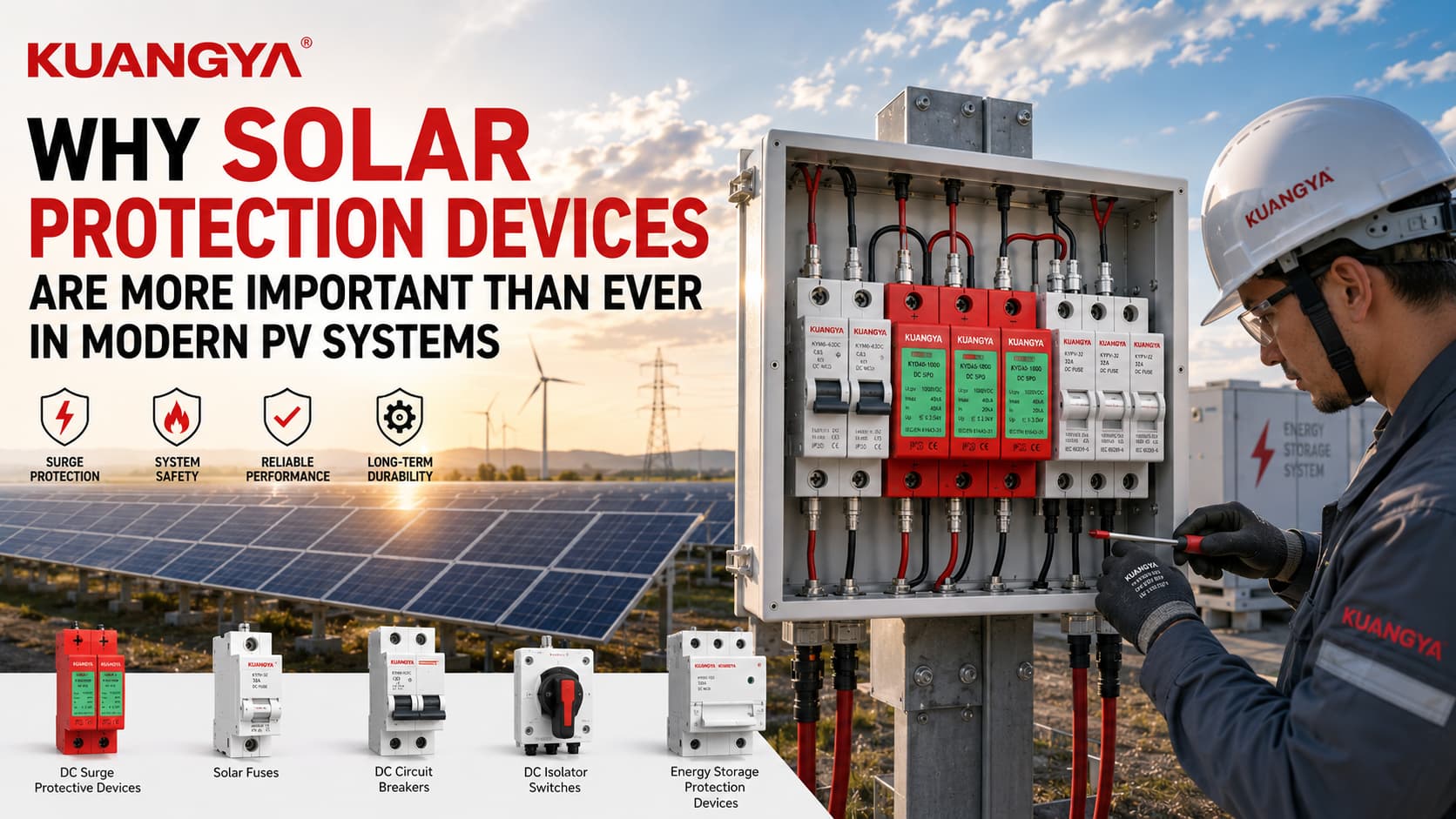
La industria solar mundial se expande a un ritmo sin precedentes. Desde tejados residenciales y edificios comerciales hasta parques solares y proyectos de almacenamiento de energía, los sistemas fotovoltaicos se están convirtiendo en la piedra angular de la transición energética mundial.
Sin embargo, a medida que las instalaciones solares se hacen más grandes y sofisticadas, la importancia de los dispositivos de protección solar nunca ha sido mayor. Un sistema fotovoltaico moderno está expuesto a múltiples riesgos eléctricos, como rayos, sobretensiones, sobrecorrientes, cortocircuitos y peligros relacionados con las baterías. Sin la protección adecuada, estos riesgos pueden provocar costosos tiempos de inactividad, daños en los equipos, riesgos de incendio y una reducción de la vida útil del sistema.
Hoy en día, los dispositivos de protección solar ya no son accesorios opcionales. Son componentes esenciales que garantizan la seguridad, la fiabilidad y el cumplimiento de las normas internacionales.
En este artículo, exploramos por qué los dispositivos de protección solar son cada vez más importantes, examinamos los principales tipos de equipos de protección utilizados en los sistemas fotovoltaicos y analizamos las tendencias futuras que configuran el mercado de la protección solar.
La demanda de energía solar sigue aumentando en todo el mundo. Según la Agencia Internacional de la Energía (AIE), la energía solar sigue siendo una de las tecnologías de energías renovables de más rápido crecimiento en todo el mundo. Los gobiernos están acelerando el despliegue de energías renovables, las empresas invierten en iniciativas de sostenibilidad y los propietarios de viviendas buscan una mayor independencia energética.
Como resultado, los sistemas fotovoltaicos son cada vez más potentes y complejos. Las tensiones más altas, las matrices más grandes, el almacenamiento integrado de baterías y las tecnologías de supervisión inteligentes aumentan la necesidad de dispositivos de protección solar eficaces.
| Región | Capacidad instalada (GW) | Tasa de crecimiento anual |
|---|---|---|
| Asia-Pacífico | 800+ | 12% |
| Europa | 200+ | 8% |
| Norteamérica | 150+ | 10% |
| Resto del mundo | 50+ | 6% |
El rápido crecimiento de las instalaciones solares significa que la protección eléctrica debe evolucionar a la par que el diseño de los sistemas.
Los proyectos solares modernos dependen cada vez más de soluciones de seguridad fotovoltaica fiables para reducir los riesgos operativos y garantizar el rendimiento a largo plazo.
Los sistemas solares funcionan en condiciones ambientales difíciles.
A diferencia de muchos sistemas eléctricos convencionales, las instalaciones fotovoltaicas están continuamente expuestas:
Además, la integración de sistemas de almacenamiento de energía introduce riesgos adicionales relacionados con la carga, la descarga y las condiciones de fallo de las baterías.
Las amenazas eléctricas más comunes son:
| Amenaza | Consecuencia potencial |
| Sobretensión por rayo | Daños en los equipos |
| Sobretensión | Fallo del inversor |
| Cortocircuito | Peligro de incendio |
| Sobrecorriente | Sobrecalentamiento del cable |
| Fallo de arco | Apagado del sistema |
| Fallo de batería | Daños en el SEE |
Sin dispositivos de protección solar correctamente seleccionados, incluso un pequeño fallo eléctrico puede provocar pérdidas importantes.
Una estrategia completa de protección solar requiere múltiples capas de protección.
Cada dispositivo desempeña una función específica dentro del sistema.
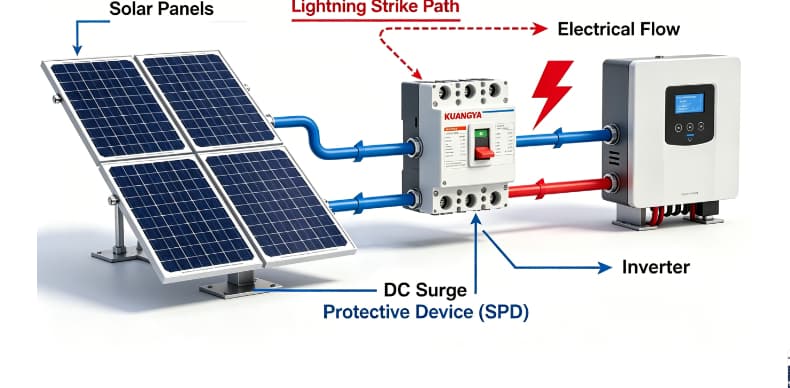
Los dispositivos de protección contra sobretensiones (SPD) protegen los equipos fotovoltaicos de las sobretensiones transitorias causadas por rayos y eventos de conmutación.
Incluso los rayos indirectos pueden generar subidas de tensión perjudiciales que se propagan por los cables de CC y los sistemas de distribución de CA.
Los SPD ayudan a proteger:
Entre las ventajas de los DOCUP figuran:
Los fusibles solares proporcionan protección contra sobrecorriente interrumpiendo el flujo de corriente excesiva antes de que se produzcan daños en el equipo.
Se suelen instalar en:
Un fusible solar correctamente seleccionado puede evitar fallos catastróficos causados por condiciones de corriente anormales.
Las ventajas incluyen:
Los disyuntores de CC protegen contra:
A diferencia de los sistemas de corriente alterna, la interrupción de la corriente continua es más difícil porque no existe un punto de cruce por cero natural.
Por este motivo, los disyuntores de CC específicos son esenciales para las aplicaciones solares.
Las aplicaciones incluyen:
Un seccionador de CC permite al personal de mantenimiento desconectar de forma segura el campo solar del inversor.
Esto es especialmente importante durante:
Los beneficios incluyen:
A medida que aumenta la adopción del almacenamiento en baterías, la protección de ESS se está convirtiendo en un segmento crítico de la industria solar.
Los sistemas de baterías requieren protección contra:
Una protección adecuada mejora la seguridad y aumenta la longevidad de la batería.
Los dispositivos de protección solar deben cumplir la normativa regional y las normas del sector.
Los distintos mercados suelen exigir diferentes sistemas de certificación.
| Región | Norma principal | Requisitos típicos de protección |
| Europa | Normas CEI | SPD, fusible, aislador |
| Estados Unidos | Normas UL | SPD, disyuntor de CC |
| China | Normas GB | SPD, fusible, aislador |
| Australia | Normas AS/NZS | Protección FV total |
El cumplimiento no es sólo un requisito legal, sino también un factor clave para la aprobación de proyectos y la cobertura de seguros.
Los fabricantes que ofrecen dispositivos de protección solar certificados están mejor posicionados para servir a los mercados internacionales.
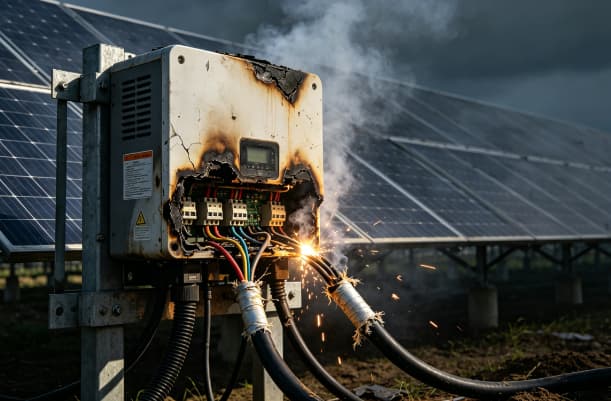
Muchos fallos de los sistemas fotovoltaicos se deben a una protección inadecuada.
Algunos ejemplos son:
Un rayo cercano puede destruir los inversores y los sistemas de vigilancia en cuestión de segundos.
Las cadenas mal protegidas pueden sufrir un sobrecalentamiento del cable y daños en el conector.
Las conexiones sueltas pueden generar peligrosos arcos eléctricos.
Una protección deficiente de las baterías puede provocar graves daños en los equipos y costosos tiempos de inactividad.
Las consecuencias económicas superan a menudo el coste de instalar dispositivos de protección solar adecuados desde el principio.
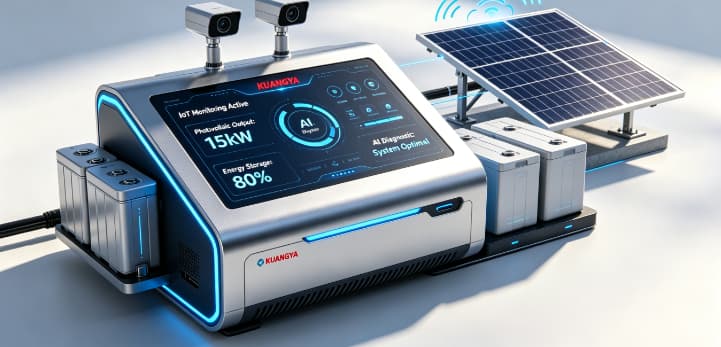
La próxima generación de dispositivos de protección solar es cada vez más inteligente, más conectada y más eficiente.
Los dispositivos de protección incluyen cada vez más:
Los SPD avanzados ahora pueden proporcionar información de estado en tiempo real y notificaciones de mantenimiento.
A medida que se acelere el despliegue de las baterías, los sistemas de protección integrados se convertirán en norma.
La inteligencia artificial ayudará a identificar posibles fallos antes de que se produzcan.
[INSERTAR IMAGEN AQUÍ]
Texto alternativo de la imagen: Dispositivos de protección solar inteligentes que supervisan los sistemas fotovoltaicos
Estas innovaciones mejorarán la fiabilidad del sistema y reducirán los costes de mantenimiento.
[ENLACE INTERNO: Soluciones inteligentes de protección solar].
Invertir en dispositivos de protección solar de calidad aporta beneficios que van mucho más allá del cumplimiento de la normativa.
Entre sus principales ventajas figuran:
Para los contratistas EPC, instaladores y promotores de proyectos, los dispositivos de protección son un componente crítico del éxito del proyecto.
La Agencia Internacional de Energías Renovables (IRENA) espera que el despliegue de las energías renovables siga acelerándose a medida que los países persigan objetivos de cero emisiones netas y de seguridad energética.
A medida que las instalaciones solares se hacen más grandes, más inteligentes y más integradas con sistemas de almacenamiento en baterías, el papel de los dispositivos de protección solar sigue creciendo.
Las soluciones de protección, como los SPD, los fusibles solares, los disyuntores de CC, los interruptores seccionadores y los dispositivos de protección ESS, ayudan a salvaguardar equipos valiosos y garantizan un funcionamiento fiable durante todo el ciclo de vida del sistema.
Las empresas que dan prioridad a la protección no sólo reducen los riesgos, sino que también mejoran el rendimiento y la rentabilidad de los proyectos a largo plazo.
Tanto si está diseñando un sistema residencial sobre tejado como una instalación comercial o una huerta solar a escala comercial, la selección de los dispositivos de protección solar adecuados es una de las decisiones más importantes que puede tomar.
¿Busca dispositivos de protección solar fiables para su próximo proyecto?
Explore la gama completa de dispositivos de protección contra sobretensiones de CC, fusibles solares, disyuntores de CC, interruptores aisladores y soluciones de protección de almacenamiento de energía de KUANGYA diseñados para los sistemas fotovoltaicos modernos.
Los dispositivos de protección solar son componentes eléctricos utilizados para proteger los sistemas fotovoltaicos de sobretensiones, sobrecorrientes, cortocircuitos y otros fallos eléctricos.
Los SPD protegen los equipos sensibles de sobretensiones inducidas por rayos y sobretensiones transitorias que pueden dañar los inversores y otros componentes.
Sí. Los fusibles y los disyuntores desempeñan funciones de protección diferentes y a menudo se utilizan juntos en los sistemas fotovoltaicos.
La mayoría de los profesionales recomiendan inspecciones visuales anuales y pruebas eléctricas según las directrices del fabricante.
Sí. La mayoría de las normas importantes, incluidas IEC y UL especificar las medidas de protección de las instalaciones fotovoltaicas.

