منطقة ونغ يانغ الصناعية يويتشينغ ونتشو 325000
ساعات العمل
من الاثنين إلى الجمعة: 7 صباحاً - 7 مساءً
عطلة نهاية الأسبوع 10 صباحاً - 5 مساءً
منطقة ونغ يانغ الصناعية يويتشينغ ونتشو 325000
ساعات العمل
من الاثنين إلى الجمعة: 7 صباحاً - 7 مساءً
عطلة نهاية الأسبوع 10 صباحاً - 5 مساءً

تعلم كيف يقوم جهاز الحماية من اندفاع التيار (SPD) بالحد من الفولتية الزائدة العابرة، وأين تناسب أجهزة النوع 1 والنوع 2 والنوع 3، وكيفية التحقق من التصنيفات والتركيب وحالة نهاية العمر الافتراضي.
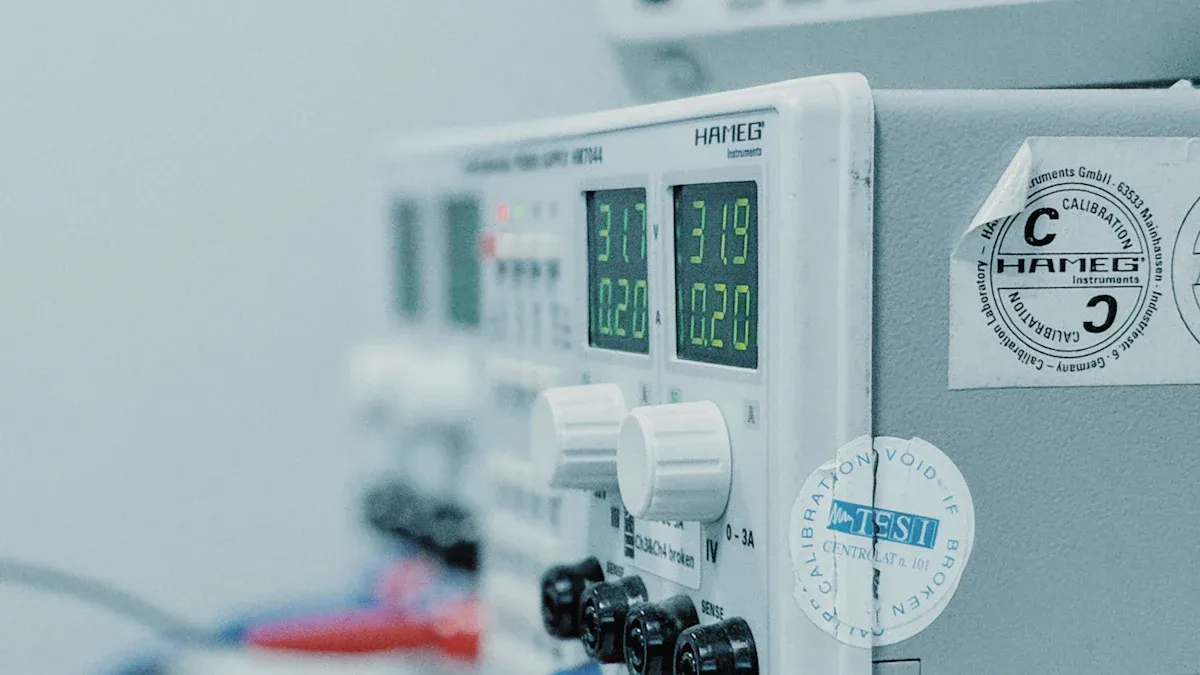
يقوم جهاز الحماية من اندفاع التيار (SPD) بالحد من الفولتية الزائدة العابرة عن طريق تحويل تيار الاندفاع. يمكنه تقليل خطر تلف المعدات المتصلة عند اختياره وتركيبه بشكل صحيح، ولكنه لا يضمن الحماية ضد كل حدث صاعقة. بالنسبة للمنتجات المثبتة في اللوحات، راجع أجهزة الحماية من اندفاع التيار المتردد (AC SPD).
تخيل توصيل هاتفك بمقبس حائط أثناء عاصفة رعدية. يمكن لجهاز حماية مناسب من اندفاع التيار أن يحد من الفولتية الزائدة العابرة عند المقبس، ضمن قدرته المقدرة.
يحمي جهاز الحماية من اندفاع التيار (SPD) أجهزتك الإلكترونية من ارتفاعات الفولتية المفاجئة، مما يساعد على منع التلف وإطالة عمرها الافتراضي.
يقوم جهاز الحماية من اندفاع التيار (SPD) بالحد من الفولتية الزائدة العابرة؛ فهو لا يحل محل التأريض أو الحماية من التيار الزائد أو جهاز التيار المتبقي (RCD/GFCI) للحماية من الصدمات الكهربائية.
اختر أجهزة الحماية من اندفاع التيار من النوع 1 والنوع 2 والنوع 3 وفقًا لموضع التركيب، والتعرض للصواعق، واحتياجات التنسيق، والقواعد المحلية. تكمل أجهزة النوع 3 الحماية الأولية للأحمال الحساسة.
افحص مؤشر حالة جهاز الحماية من اندفاع التيار (SPD) واتبع إرشادات الشركة المصنعة للصيانة؛ استبدل الجهاز أو الخرطوشة الفاشلة عندما يشير مؤشر نهاية العمر الافتراضي إلى ذلك.
يمكن أن يوفر لك استخدام الحماية من اندفاع التيار المال عن طريق تجنب الإصلاحات المكلفة ووقت التوقف عن العمل الناجم عن اندفاعات التيار الكهربائي.

تستخدم جهاز الحماية من اندفاع التيار لحماية أجهزتك الإلكترونية وأنظمتك الكهربائية من الارتفاعات المفاجئة في الجهد. يمكن أن تحدث هذه الاندفاعات قصيرة المدة بسبب أحداث البرق والتبديل؛ أما الأحمال الزائدة المستمرة وأعطال الأسلاك فتتطلب أجهزة حماية أخرى. عندما يحدث اندفاع، يتفاعل الجهاز بسرعة ويحافظ على سلامة معداتك.
يمكن أن تسبب الاندفاعات أيضًا مخاطر تتعلق بالسلامة في البيئات الصناعية. على سبيل المثال، يمكن أن ينتج حريق كهربائي عن تلف المعدات أو الأسلاك بعد حدوث اندفاع. تساعد الحماية من الاندفاعات في منع مثل هذه الحوادث المتعلقة بالسلامة عن طريق تقليل خطر تعطل المعدات وارتفاع درجة حرارتها.
يبرز جهاز الحماية من اندفاع التيار من بين أجهزة الحماية الكهربائية الأخرى بسبب ميزاته ومكوناته الفريدة. إليك جدول يوضح ما يميزه:
المكوّن | الوصف |
|---|---|
الغرض | يحمي المعدات الكهربائية والإلكترونية من ارتفاعات الجهد أو الاندفاعات. |
الأنواع | النوع 1، والنوع 2، والنوع 3، ولكل منها تطبيقات محددة. |
الخصائص المشتركة | جهد التشغيل المستمر الأقصى؛ Up: مستوى حماية الجهد؛ In: تيار التفريغ الاسمي. انظر دليل تصنيف أجهزة الحماية من اندفاع التيار للأخطاء الشائعة في التصنيف. |
النوع 1 SPD | مُركب عند مدخل الخدمة، يحمي من ضربات الصواعق المباشرة، ويتعامل مع الاندفاعات عالية الطاقة. |
النوع 2 SPD | مُركب في المصب، يحمي من التأثيرات الثانوية للاندفاعات، ومصمم للاندفاعات الأصغر. |
تجد أجهزة الحماية من اندفاع التيار في المنازل والمكاتب والمصانع. تعمل مع أنواع مختلفة من الأنظمة الكهربائية وتتبع معايير السلامة الصارمة، مثل IEC 61643-11 لأنظمة إمدادات الطاقة و IEC 61643-21 لخطوط البيانات.
الغرض الرئيسي لجهاز الحماية من اندفاع التيار هو الحفاظ على سلامة أجهزتك الإلكترونية والأنظمة الكهربائية من التلف. يمكن أن تنشأ الفولتيات الزائدة العابرة من:
نشاط صواعق قريب
اضطرابات في تدفق التيار الكهربائي
الصواعق
تبديل الأحمال الكهربائية
عند استخدام جهاز حماية من اندفاع التيار، فإنك تقلل من خطر:
تلف المعدات الحساسة
الحرائق
فشل المعدات بالكامل
فشل المعدات جزئيًا
فشل المعدات المتقطع
قصر دورات حياة أي جهاز كهربائي
يتميز أداء واقيات زيادة التيار (SPD) بتصنيفات مختبرة مثل Uc و Up و In و Imax أو Iimp. قارن المنتجات باستخدام المعيار المطبق ومتطلبات التركيب، بدلاً من رقم واحد خاص بزمن الاستجابة أو الجهد. راجع دليل التركيبات الكهربائية و آي إيك 61643-11:2025 لواقيات زيادة التيار للطاقة المترددة (AC). إليك جدول مقارنة:
المعايير | أجهزة الحماية من زيادة التيار (SPD) | تدابير وقائية أخرى |
|---|---|---|
وقت الاستجابة | مستوى النانو ثانية | متفاوت، وغالباً أبطأ |
سعة امتصاص الاندفاع | يعتمد على تيار التفريغ المختبر وتقييمات حماية الجهد | أقل بشكل عام |
التأثير على نقل الإشارة | الحد الأدنى | يمكن أن يكون كبيرًا |
ترى أجهزة الحماية من اندفاع التيار في العديد من الأماكن لأنها تحمي كل شيء من الأدوات الصغيرة إلى الآلات الصناعية الكبيرة. يستمر سوق هذه الأجهزة في النمو. إليك رسم بياني يوضح معدل النمو من مصادر مختلفة:

يجب أن تفي أجهزة الحماية من اندفاع التيار بمعايير السلامة الدولية. تقوم الشركات المصنعة باختبارها واعتمادها للتأكد من أنها تعمل كما هو وعدت. يمكنك الوثوق بهذه الأجهزة لحماية منزلك أو عملك والمساعدة في إطالة عمر أجهزتك الإلكترونية.

تعتمد على جهاز حماية من اندفاع التيار لمراقبة نظامك الكهربائي كل ثانية. يقوم بفحص تدفق الكهرباء ويبحث عن ارتفاعات مفاجئة في الجهد. عندما يحدث اندفاع، يتفاعل الجهاز على الفور تقريبًا لحماية معداتك.
تساعد التقنيات المختلفة الجهاز على اكتشاف هذه الارتفاعات. إليك جدول يوضح كيفية عمل كل تقنية:
التكنولوجيا | الوظيفة |
|---|---|
متغيرات الأكسيد المعدني (MOVs) | امتصاص وتثبيت الجهد الزائد. |
أنابيب تفريغ الغاز (GDTs) | Use ionized gas to divert energy. |
Silicon Avalanche Diodes (SADs) | Fast-reacting components for precision protection. |
You find these components inside many surge protective devices. MOVs absorb extra voltage, GDTs use special gas to redirect energy, and SADs respond quickly to protect sensitive electronics.
The speed of response matters. Some devices react faster than others. Here is a table that compares response times:
نوع SPD | وقت الاستجابة |
|---|---|
Zener diode-based | Fastest |
Gas-filled types | Relatively slow |
Fuses and MOV types | Slowest |
When you choose a surge protective device, you want one that reacts quickly. Fast response means better protection for your electronics.
After detecting a surge, the device must move the extra electricity away from your valuable equipment. You can think of it as a safety valve that opens when danger appears.
Here is how the process works:
The surge protective device senses a voltage spike and creates a low-resistance path to the ground.
The device sends the excess current safely away from your electronics.
By moving the current, the device lowers the voltage that reaches your equipment, keeping it safe.
You see different ratings for how much current each type of surge protective device can handle. Here is a table that shows typical ratings:
Type of Surge Protector | Typical Rating (kA per pole) |
|---|---|
النوع 1 | 25–50 kA |
النوع 2 | 20–40 kA |
النوع 3 | ≤10 kA |
A higher rating means the device can handle bigger surges. You use Type 1 for main service entrances, Type 2 for branch panels, and Type 3 for point-of-use protection.
Tip: You should always check the rating before you install a surge protective device. The right rating gives you better protection for your home or business.
A surge protective device works by watching for trouble, reacting fast, and sending dangerous electricity away from your equipment. You keep your electronics safe and avoid costly repairs.
Surge protective devices come in three main types. Each type protects your home or business in a different way. You can choose the right one based on where you want protection and what equipment you need to keep safe.
نوع SPD | موقع التركيب | Key Feature | تيار التفريغ الاسمي (بوصة) | مثالي لـ |
|---|---|---|---|---|
النوع 1 | Between service transformer and main service disconnect | Listed without requiring external OCPD | 10kA or 20kA | Whole house surge protection |
النوع 2 | Load side of main service equipment OCPD | May require external OCPD | 3kA, 5kA, 10kA, or 20kA | Secondary protection in buildings |
النوع 3 | Near the protected load, coordinated with upstream SPDs | Protects individual devices | متفاوتة | Sensitive devices like computers and medical equipment |
You install a service entrance surge protective device at the main electrical panel, right where power enters your building. This device acts as the first line of defense. It stops large surges, such as those from lightning or power grid problems, before they reach your wiring and outlets. You protect your entire home or business with this type. Service-entrance SPD ratings and any required backup overcurrent protection depend on the specific device and its installation instructions.
Tip: If you want the best protection for your whole house, start with a service entrance surge protector.
You place a branch panel surge protective device at subpanels or distribution boards inside your building. This device gives you a second layer of protection. It catches any surges that get past the main panel or come from inside the building, such as from large appliances turning on and off. You use branch panel devices to protect groups of rooms or specific areas. These devices often require extra overcurrent protection and handle moderate surge currents.
You plug point-of-use surge protective devices directly into wall outlets near your sensitive electronics. These devices protect single items, such as computers, TVs, or medical equipment. Point-of-use protectors can add local protection for sensitive electronics. See our whole-house SPD vs power strip comparison for how the two approaches differ. They are effective for sensitive electronics, but you should use them as part of a complete surge protection plan for the best results.
Common devices you protect with point-of-use surge protectors include:
Television
Personal computer
Fax machine
Home automation system
Stereo equipment
Modem
Microwave oven
Alarm clock
Electronic telephone
Printer
Security system
Note: Point-of-use surge protectors help keep your electronics safe, but they work best when you also have whole-house surge protection in place.
You rely on your electronics every day. Surge protective devices help you keep these devices working by stopping sudden spikes in electricity. When you install surge protection, you lower the risk of damage to computers, televisions, and other important equipment. You avoid costly repairs and replacements.
Operational interruptions cost money. A power surge can shut down a data center, stop a factory line, or disrupt a telecom tower. You lose revenue every minute your equipment sits idle.
Many facility owners report that surge protective devices reduce downtime and equipment failure in their buildings.
Surge protection keeps your electrical systems reliable. You maintain steady operation and avoid unexpected breakdowns.
Surge protective devices protect against electrical failures, helping you keep your equipment running smoothly.
You want your home or business to be safe. Surge protective devices play a key role in protecting you from electrical hazards. These devices limit transient overvoltages. They do not provide shock protection or replace circuit breakers, RCDs/GFCIs, grounding and other required safety measures.
A site-specific assessment can compare surge exposure, equipment vulnerability and potential downtime against the installed protection cost.
Surge protective devices shield your electrical system from lightning, power switching, and faults. You keep sensitive equipment safe and improve the reliability of your electrical system.
The Surge Protective Devices Committee’s standards work helps society by increasing the reliability, uptime, and productivity of electrical equipment and systems.
You save money when you protect your electronics from surges. Businesses often lose revenue when their systems fail. Surge protective devices help you avoid these losses.
نوع الدليل | التفاصيل |
|---|---|
Average Revenue Loss | Downtime costs vary by site and should be estimated from actual equipment, production and repair data. |
Cost-Saving Potential | Preventive power infrastructure, like surge protection, offers strong cost-saving potential. |
You invest in surge protection to avoid expensive repairs and lost productivity. Over time, you see real savings and keep your business running smoothly.
You want to place surge protective devices in spots that give your home or business the best protection. Start with the main electrical panel. This panel controls all the power that enters your building. You also need to look at subpanels, which supply power to different areas. Sensitive electronics, like computers and entertainment systems, need extra protection. Kitchen and laundry appliances, garage outlets, and outdoor outlets also benefit from surge protection.
Common installation locations include:
اللوحة الكهربائية الرئيسية
Subpanels
Areas with sensitive electronics
Kitchen and laundry appliances
Garage and outdoor outlets
Follow the electrical code edition adopted in your location and the SPD manufacturer’s instructions. Verify the device listing, system voltage, earthing arrangement, short-circuit current rating and required backup overcurrent protection before installation.
SPD installation checks | الوصف |
|---|---|
Definitions | Identify the SPD type and intended circuit. |
Non-permitted Usage | Check compatibility with the actual earthing arrangement. |
Listed Devices Requirements | Use a device with the required local certification. |
General Installation Guidelines | Follow manufacturer wiring and coordination instructions. |
Fault Current Requirements | Check the marked short-circuit current rating and backup protection. |
Requirements for dwelling-unit services depend on the adopted code and jurisdiction. A qualified electrician should choose the SPD type and position for the actual service equipment, grounding system and available fault current.
You keep your surge protective devices working well by following simple steps. Unplug the device before cleaning. Use a dry or slightly damp cloth to wipe away dust. Keep the device away from moisture to prevent corrosion. Test your outlet with an outlet tester to make sure it is grounded. Check the status indicator and replace a device or cartridge when the manufacturer’s instructions or end-of-life indication require it. You may want to install a whole-home surge protection system for extra security.
Tip: Regular checks and cleaning help your surge protective devices last longer and work better.
Note: Surge protectors lose effectiveness over time. Replace them as needed to keep your electronics safe.
You can protect your electronics and keep your home or business safe by using a surge protective device. These devices help prevent costly repairs, data loss, and downtime. Studies show they manage overvoltages well, but you need to install and maintain them properly for the best results.
أسبكت | التفاصيل |
|---|---|
المزايا | Effective for managing transient overvoltages. |
العيوب | Limited protection against high-voltage surges, needs proper installation and regular checks. |
Protects your equipment from damage
Helps you avoid expensive replacements
Keeps your electrical system reliable
Consider adding surge protection to your electrical system to improve safety and extend the life of your devices.
You should protect computers, TVs, refrigerators, and gaming consoles. Surge protection also helps with routers, printers, and smart home devices. Any electronic item that costs money or stores important data benefits from surge protection.
There is no universal two- or three-year replacement interval. Follow the manufacturer’s inspection instructions and replace a failed SPD or cartridge when its status indicator shows end of life. See this SPD end-of-life guide.
You can install point-of-use surge protectors by plugging them into outlets. For whole-home or panel surge protection, you should hire a licensed electrician. Professional installation ensures safety and proper function.
Surge protective devices help protect your electronics during lightning storms. They redirect extra electricity away from your equipment. You should unplug sensitive devices during severe storms for extra safety.

