Промышленная зона Вэньян Юэцин Вэньчжоу 325000
Рабочие часы
Понедельник - пятница: 7AM - 7PM
Выходные: 10AM - 5PM
Промышленная зона Вэньян Юэцин Вэньчжоу 325000
Рабочие часы
Понедельник - пятница: 7AM - 7PM
Выходные: 10AM - 5PM

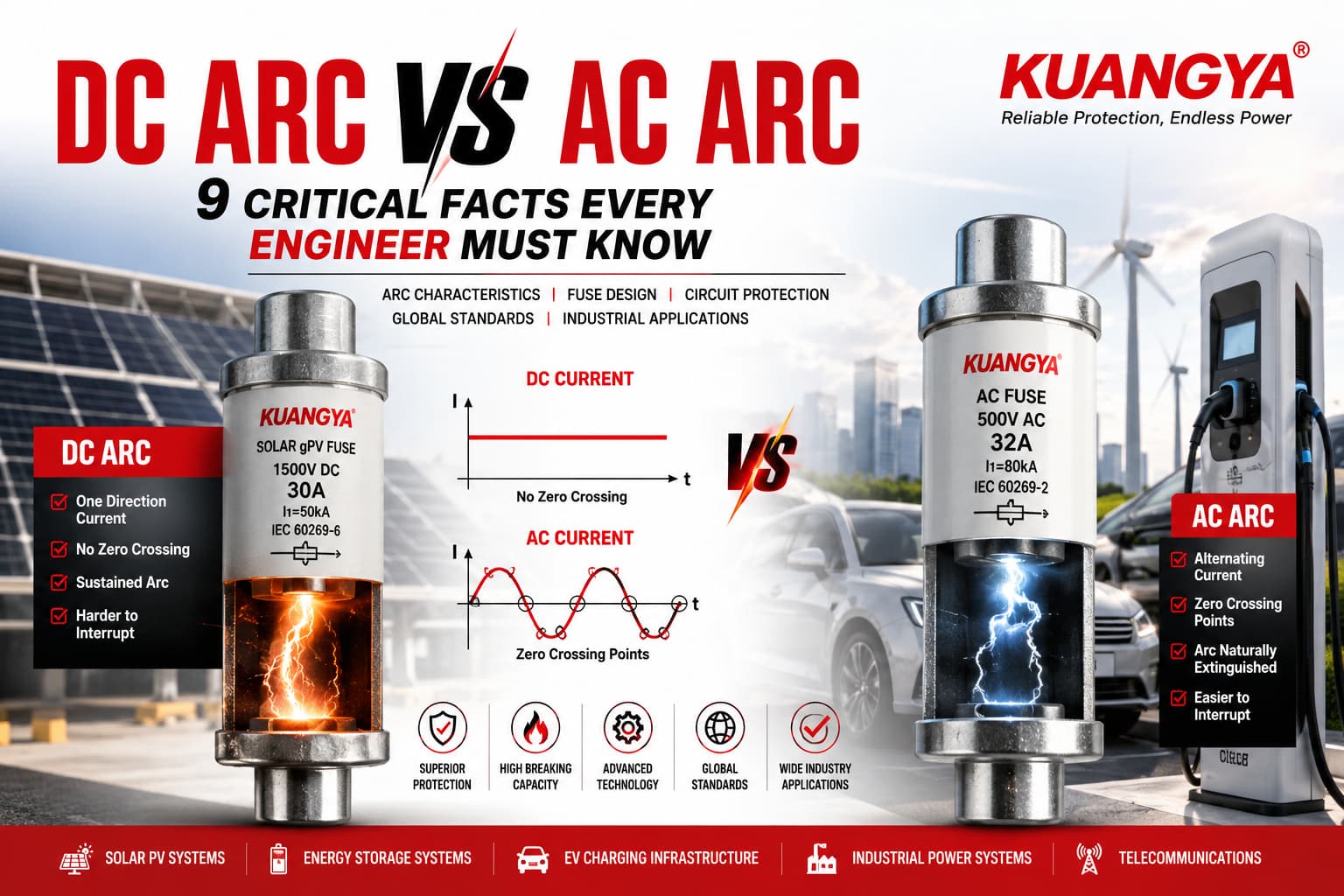
В современных электрических системах выбор правильного предохранителя - это не просто выбор нужного номинала тока. Одним из наиболее важных соображений является то, работает ли система на переменном (AC) или постоянном (DC) токе.
Многие сбои в работе электрооборудования происходят из-за того, что предохранитель переменного тока ошибочно установлен в цепи постоянного тока или наоборот. Хотя оба устройства предназначены для прерывания сверхтоков, физика, лежащая в основе Дуга постоянного тока в сравнении с дугой переменного тока в корне отличаются друг от друга.
Для инженеров, электриков, сборщиков панелей, установщиков солнечных батарей, производителей зарядных устройств для EV и специалистов по обслуживанию промышленных объектов понимание этих различий необходимо для обеспечения безопасности, соответствия требованиям и долгосрочной надежности системы.
В этом руководстве приводится всестороннее техническое сравнение предохранителей постоянного и переменного тока, объясняется научная основа дугового разряда, а также рассматриваются различия в стандартах и применении электрооборудования в разных регионах мира.
Прежде чем сравнивать применение предохранителей переменного и постоянного тока, необходимо понять основная функция предохранителя в системах электрозащиты.
Предохранитель - это жертвенное устройство защиты от сверхтоков, предназначенное для отключения цепи, когда ток превышает заданный уровень.
Основной принцип прост:
Несмотря на то, что принцип работы систем переменного и постоянного тока одинаков, сложности начинаются после того, как плавкий элемент расплавится.
Главный вопрос заключается в следующем:
Может ли предохранитель безопасно погасить электрическую дугу?
Именно здесь ведутся дебаты о Дуга постоянного тока в сравнении с дугой переменного тока начинается.
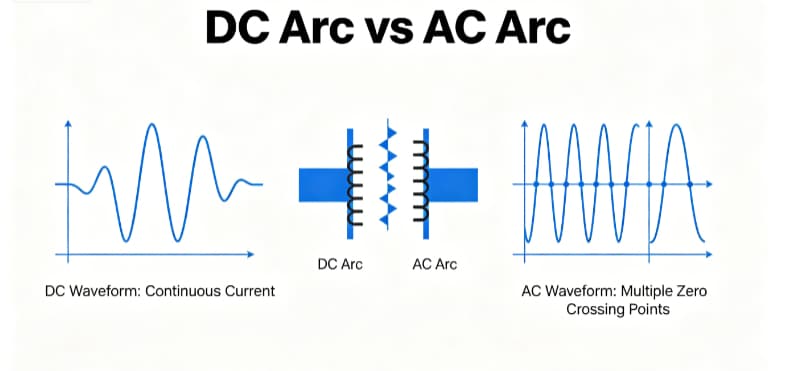
Когда предохранитель размыкается, цепь не сразу перестает проводить электричество.
Когда плавкий элемент отделяется, между двумя концами расплавленного проводника образуется электрическая дуга.
Эта дуга может достигать температуры, превышающей:
| Тип дуги | Типичная температура |
|---|---|
| Дуга переменного тока | 5 000°C - 10 000°C |
| Дуга постоянного тока | 10 000°C - 20 000°C |
Способность гасить дугу определяет, может ли предохранитель безопасно прервать замыкание.
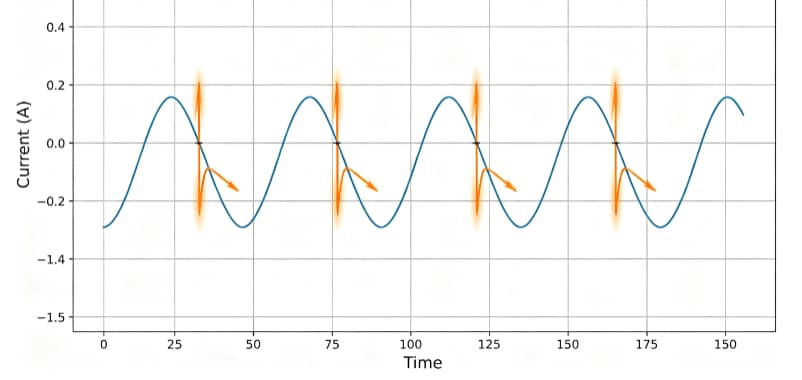
В системах переменного тока ток постоянно меняет направление.
Например:
| Частота | Ноль пересечений в секунду |
|---|---|
| 50 Гц | 100 |
| 60 Гц | 120 |
Каждый раз, когда ток пересекает нулевую отметку, дуга естественным образом ослабевает.
Это естественное прерывание тока помогает погасить дугу.
| Характеристика | Дуга переменного тока |
|---|---|
| Самозатухающий | Да |
| Легче прервать | Да |
| Продолжительность дуги | Короткие |
| Сложность предохранителей | Нижний |
| Стоимость | Нижний |
Поскольку переменный ток постоянно падает до нуля, предохранители переменного тока обычно требуют меньшего количества дугогасительных технологий.
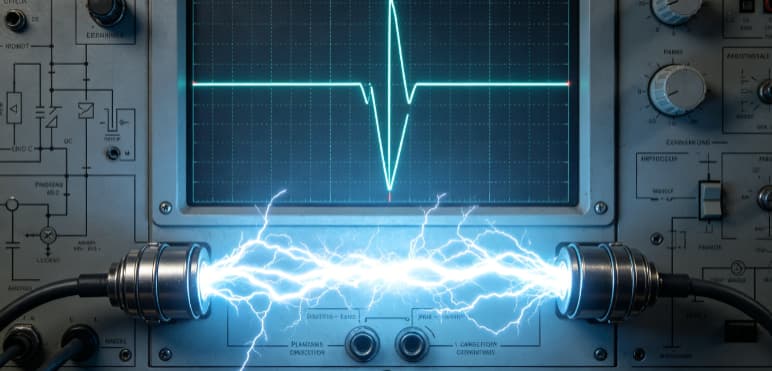
Постоянный ток течет непрерывно в одном направлении.
В отличие от переменного тока, здесь нет естественных точек пересечения нуля.
Поэтому:
Дуга остается устойчивой.
Предохранитель должен заставить дугу погаснуть механическим или химическим путем.
| Характеристика | Дуга постоянного тока |
|---|---|
| Самозатухающий | Нет |
| Легче прервать | Нет |
| Продолжительность дуги | Длиннее |
| Сложность предохранителей | Выше |
| Стоимость | Выше |
Поэтому конструкция предохранителей постоянного тока существенно отличается.
Это одна из важнейших причин, по которой понимание отличия дуги постоянного тока от дуги переменного тока крайне важно для инженеров, работающих с системами солнечной энергии, аккумуляторными батареями и инфраструктурой для зарядки EV.
Многие инженеры недооценивают разрушительную силу дуги постоянного тока.
Дуга постоянного тока может:
Рассмотрим солнечную фотоэлектрическую сеть напряжением 1500 В.
При возникновении неисправности:
Без надлежащего прерывания дуги постоянного тока может произойти катастрофический отказ.
Это одна из причин, по которой для солнечных систем требуются специальные предохранители gPV, а не стандартные предохранители переменного тока.
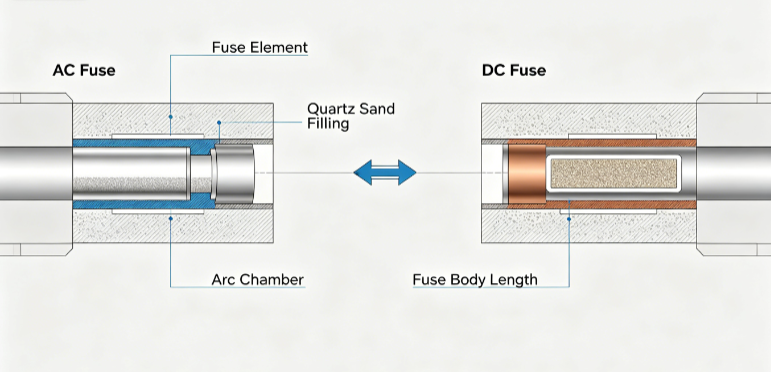
Конструктивные различия между предохранителями переменного и постоянного тока напрямую связаны с проблемами, возникающими при прерывании дуги постоянного тока по сравнению с дугой переменного тока.
Хотя внешне предохранители постоянного и переменного тока могут выглядеть одинаково, их внутреннее устройство существенно отличается.
| Характеристика | Предохранитель переменного тока | Предохранитель постоянного тока |
|---|---|---|
| Элемент предохранителя | Стандарт | Специализированный сайт |
| Дугогасительный песок | Основные | Расширенный |
| Длина тела | Короче | Длиннее |
| Разрывная способность | Нижний | Выше |
| Дуговая камера | Простой | Расширенный |
| Номинальное напряжение | Нижний | Выше |
Инженеры часто замечают, что предохранители постоянного тока физически больше.
Это связано с тем, что более длинное тело увеличивает расстояние до дуги.
Более длинные дуговые траектории облегчают прерывание.
Например:
| Тип предохранителя | Типичная длина |
|---|---|
| Предохранитель переменного тока | 38 мм |
| Предохранитель постоянного тока для солнечных батарей | 85 мм |
| Предохранитель постоянного тока NH | 150 мм+ |
Дополнительная длина помогает подавить устойчивую дугу постоянного тока.
По мере развития возобновляемой энергетики понимание отличий дуги постоянного тока от дуги переменного тока становится все более важным при выборе защитных устройств для современных систем постоянного тока.
Предохранители постоянного тока широко используются в современных системах возобновляемой энергетики.
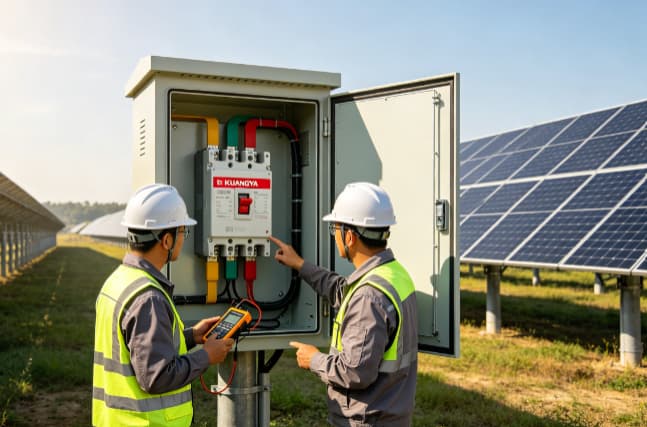
Типичное напряжение:
| Тип системы | Напряжение |
|---|---|
| Жилые помещения | 600В-1000В DC |
| Коммерческая фотоэлектрическая аппаратура | 1000V-1500V DC |
| Коммунальные масштабы | До 1500 В постоянного тока |
Необходимы специальные предохранители gPV. Инженеры также должны понимать принципы выбора, лежащие в основе защита от солнечных батарей в фотоэлектрических системах.
Для установки BESS требуются предохранители постоянного тока, поскольку батареи по своей природе вырабатывают постоянный ток.
Общие напряжения:
| Приложение | Напряжение |
|---|---|
| Хранение жилых помещений | 48V-200V DC |
| Коммерческое хранение | 600В-1000В DC |
| Складские помещения | 1500 В ПОСТОЯННОГО ТОКА |
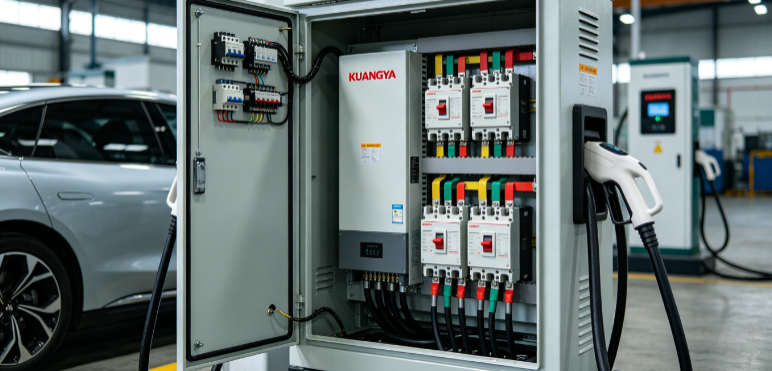
Батареи EV работают на постоянном токе.
Защита необходима для:
Предохранители постоянного тока защищают:
Сравнение дуги постоянного тока с дугой переменного тока помогает инженерам понять, почему конструкции предохранителей переменного тока обычно проще, чем конструкции предохранителей постоянного тока.
Предохранители переменного тока по-прежнему доминируют в традиционном распределении электроэнергии.
Защита для:
Защита для:
Защита для:
Многие сбои в установке происходят из-за того, что при проектировании системы не учитываются различия между дугой постоянного тока и дугой переменного тока.
Это одна из самых опасных ошибок при установке.
Возможные последствия включают:
| Режим отказа | Результат |
|---|---|
| Стойкость дуги | Риск пожара |
| Неполное прерывание | Повреждение оборудования |
| Взрыв предохранителя | Опасность для персонала |
| Сбой системы | Длительное время простоя |
Инженеры никогда не должны считать, что предохранитель переменного тока может заменить предохранитель постоянного тока.
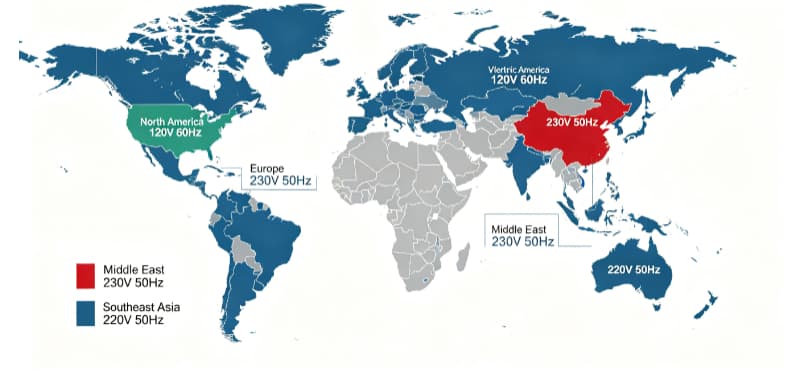
Независимо от страны или стандарта напряжения, принципы дуги постоянного тока и дуги переменного тока остаются ключевым фактором при выборе предохранителя.
Инженеры, работающие в многонациональных проектах, должны проверить региональные требования к напряжению и правилами установки.
В разных странах используются разные стандарты напряжения и частоты.
Это влияет на выбор предохранителя.
Страны:
Типовая поставка:
| Параметр | Значение |
|---|---|
| Напряжение | 120 В / 240 В ПЕРЕМЕННОГО ТОКА |
| Частота | 60 Гц |
Приложения:
Страны:
Типовая поставка:
| Параметр | Значение |
|---|---|
| Напряжение | 230 В / 400 В ПЕРЕМЕННОГО ТОКА |
| Частота | 50 Гц |
Распространенные типы предохранителей:
Страны:
Типовая поставка:
| Параметр | Значение |
|---|---|
| Напряжение | 230 В / 400 В ПЕРЕМЕННОГО ТОКА |
| Частота | 50 Гц |
Растущий спрос на:
Страны:
Типовая поставка:
| Параметр | Значение |
|---|---|
| Напряжение | 220V-240V AC |
| Частота | 50 Гц |
Высокоразвитые отрасли:
Основное различие между дугой постоянного тока и дугой переменного тока заключается в том, что переменный ток естественным образом проходит через точки пересечения нуля, помогая погасить дугу. Постоянный ток течет непрерывно, что значительно затрудняет прерывание дуги.
Понимание отличий дуги постоянного тока от дуги переменного тока очень важно для солнечных фотоэлектрических систем, поскольку фотоэлектрические батареи генерируют постоянный ток. Правильный выбор предохранителя зависит от способности безопасно прерывать дугу постоянного тока в условиях неисправности.
Иногда да, но только если производитель явно сертифицирует предохранитель для работы с переменным током. Перед установкой всегда сверяйтесь с техническим паспортом.
Солнечные фотоэлектрические системы часто работают при высоком напряжении постоянного тока. Специализированные предохранители для солнечных батарей предназначены для безопасного прерывания дуги постоянного тока при таких уровнях напряжения.
В отличие от переменного тока, постоянный ток не проходит через ноль. В результате дуга может оставаться под напряжением гораздо дольше и требует специальных методов прерывания.
Поведение электрической дуги и характеристики прерывания подробно рассматриваются в международные стандарты по низковольтному оборудованию.
Да. Предохранители постоянного тока требуют более совершенной дугогасительной технологии, более высокой отключающей способности и более сложной внутренней конструкции.
Самые быстрорастущие приложения включают в себя:
Центры обработки данных
Солнечные фотоэлектрические системы
Системы хранения энергии в аккумуляторах (BESS)
Инфраструктура для зарядки электромобилей
Телекоммуникации
| Характеристика | Дуга постоянного тока | Дуга переменного тока |
|---|---|---|
| Текущее направление | One Direction | Чередующиеся |
| Нулевое пересечение | Нет | Да |
| Продолжительность дуги | Длинный | Короткие |
| Arc Energy | Выше | Нижний |
| Прерывание Трудность | Высокий | Низкий |
| Риск пожара | Выше | Нижний |
| Устранение сложности проектирования | Высокий | Умеренный |
| Стоимость | Выше | Нижний |
| Типовые применения | Солнечные батареи, электромобили, БЭСС | Здания, фабрики |
Иногда да, но только если производитель однозначно сертифицирует предохранитель для работы с переменным током.
Всегда сверяйтесь с техническим паспортом.
Поскольку фотоэлектрические системы генерируют высокое постоянное напряжение, требующее специальных средств для прерывания дуги.
Потому что постоянный ток никогда не пересекает ноль.
Дуга остается под напряжением постоянно.
Да.
Они требуют:
К наиболее быстрорастущим отраслям относятся:
При выборе предохранителя:
Никогда не предполагайте.
Номинальное напряжение предохранителя должно быть равно или больше напряжения системы.
Номинальный ток неисправности должен превышать потенциальный ток короткого замыкания.
Примеры включают:
Возобновляемые энергетические системы продолжают увеличивать напряжение и мощность.
Выбор устройств защиты, готовых к использованию в будущем, снижает затраты на модернизацию.
Понимание отличий дуги постоянного тока от дуги переменного тока необходимо каждому инженеру, электрику и проектировщику электрооборудования. Различия между дугой постоянного и переменного тока напрямую влияют на конструкцию предохранителей, характеристики прерывания дуги и общую безопасность системы.
Инженеры должны продолжать следить за развитием отраслевые стандарты и передовой опыт поскольку применение постоянного тока становится все более распространенным во всем мире.
В то время как дуги переменного тока выигрывают от естественного перехода через ноль, дуги постоянного тока остаются устойчивыми, и их гораздо сложнее погасить. Это фундаментальное различие определяет дизайн, конструкцию и применение современных предохранителей.
По мере развития солнечных фотоэлектрических батарей, аккумуляторных батарей, инфраструктуры зарядки электромобилей и телекоммуникаций во всем мире технология предохранителей постоянного тока приобретает все большее значение.
Выбор правильного предохранителя - это не только номинальный ток, но и безопасное прерывание электрической энергии в условиях неисправности.
Правильно подобранный предохранитель постоянного или переменного тока защищает оборудование, повышает надежность системы, сокращает время простоя и, что самое важное, помогает предотвратить катастрофические сбои в работе электрооборудования.
Поскольку внедрение возобновляемых источников энергии продолжает ускоряться, важность понимания отличия дуги постоянного тока от дуги переменного тока будет только расти.
Вам также может быть интересно:
Другие решения для электрозащиты можно найти на сайте www.cnkuangya.com.

