WengYang Industriegebiet Yueqing Wenzhou 325000
Arbeitszeiten
Montag bis Freitag: 7AM - 7PM
Am Wochenende: 10AM - 5PM
WengYang Industriegebiet Yueqing Wenzhou 325000
Arbeitszeiten
Montag bis Freitag: 7AM - 7PM
Am Wochenende: 10AM - 5PM

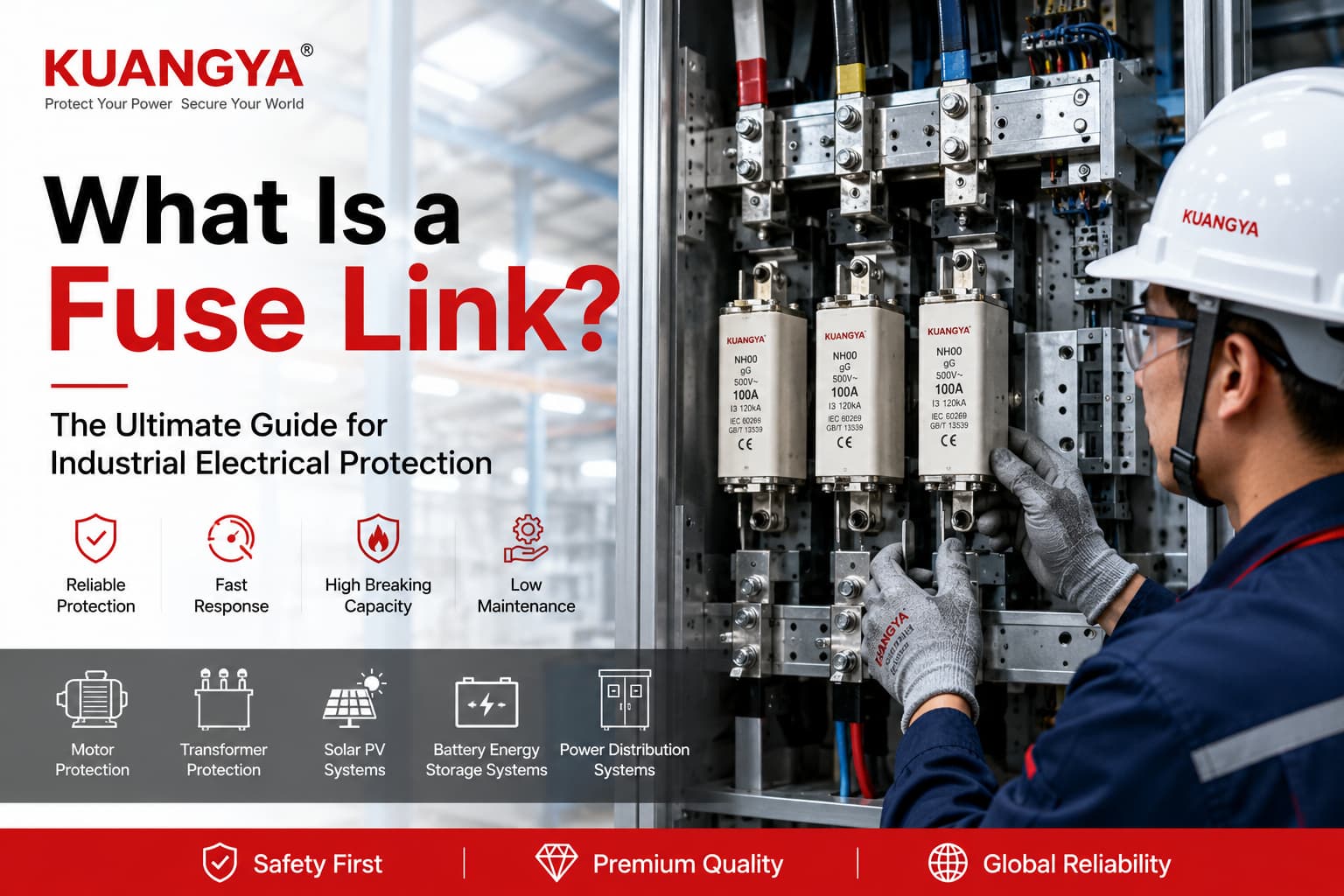
Elektrische Systeme werden von Jahr zu Jahr komplexer. Von industriellen Schalttafeln und Anlagen für erneuerbare Energien bis hin zu Stromverteilungsnetzen und Produktionsanlagen ist ein zuverlässiger Stromkreisschutz von entscheidender Bedeutung.
Dennoch stellen sich viele Ingenieure, Einkaufsleiter und Bauunternehmer immer noch die gleiche Frage:
Was ist ein Sicherungseinsatz und wie schützt er elektrische Geräte?
Ein Sicherungseinsatz mag wie ein einfaches Bauteil aussehen, aber er spielt eine entscheidende Rolle bei der Vermeidung von Geräteschäden, der Reduzierung von Ausfallzeiten und der Gewährleistung der elektrischen Sicherheit.
Die Wahl des falschen Sicherungseinsatzes kann zu kostspieligen Ausfällen, unerwarteten Abschaltungen oder sogar Brandgefahren führen.
In diesem umfassenden Leitfaden erfahren Sie alles über Sicherungseinsätze, einschließlich ihres Funktionsprinzips, ihrer Typen, Anwendungen, Auswahlkriterien und der häufigsten Fehler, die Käufer vermeiden sollten.
Bei industriellen Anwendungen ist die Auswahl einer richtig bemessenen Sicherung entscheidend für einen zuverlässigen Überstromschutz.
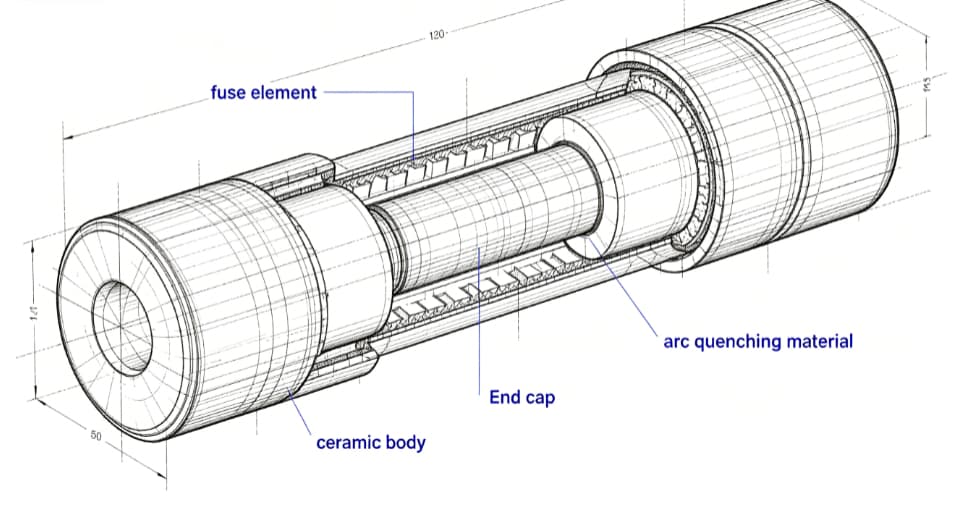
Ein Sicherungselement ist die austauschbare stromführende Komponente in einer Sicherungsbaugruppe, die schmilzt und den Stromkreis unterbricht, wenn ein zu hoher Strom durch sie fließt.
Einfach ausgedrückt, ist der Sicherungseinsatz das Teil, das sich selbst opfert, um den Rest des elektrischen Systems zu schützen.
Wenn der Strom den Nennwert für einen bestimmten Zeitraum überschreitet, erhitzt sich der Sicherungseinsatz und schmilzt, wodurch der Stromkreis unterbrochen und Schäden an Kabeln, Motoren, Transformatoren, Batterien oder anderen Geräten verhindert werden.
| Merkmal | Beschreibung |
|---|---|
| Funktion | Überstromschutz |
| Operation | Schmilzt bei übermäßigem Strom |
| Wiederverwendbarkeit | Komponente für den einmaligen Gebrauch |
| Antwort | Automatisch |
| Einrichtung | Innenseite des Sicherungskörpers |
| Schutzart | Überlast und Kurzschluss |
Da Sicherungseinsätze ohne externe Stromversorgung oder elektronische Steuerung funktionieren, sind sie nach wie vor eine der zuverlässigsten Schutzvorrichtungen, die heute erhältlich sind.
Die Leistung eines Sicherungseinsatzes hängt weitgehend von seiner Materialzusammensetzung ab.
Die Hersteller wählen sorgfältig Metalle mit vorhersehbaren Schmelzeigenschaften aus.
Zu den gängigen Materialien gehören:
| Material | Vorteile |
| Silber | Hohe Leitfähigkeit und stabile Leistung |
| Kupfer | Kostengünstig und zuverlässig |
| Zink | Guter Schutz bei niedrigen Strömen |
| Zinn-Legierungen | Genaue Schmelzeigenschaften |
| Versilbertes Kupfer | Ausgezeichnete industrielle Leistung |
Sicherungseinsätze auf Silberbasis werden häufig in Industrie- und Versorgungsanwendungen bevorzugt, da sie eine hohe Sicherheit bieten:
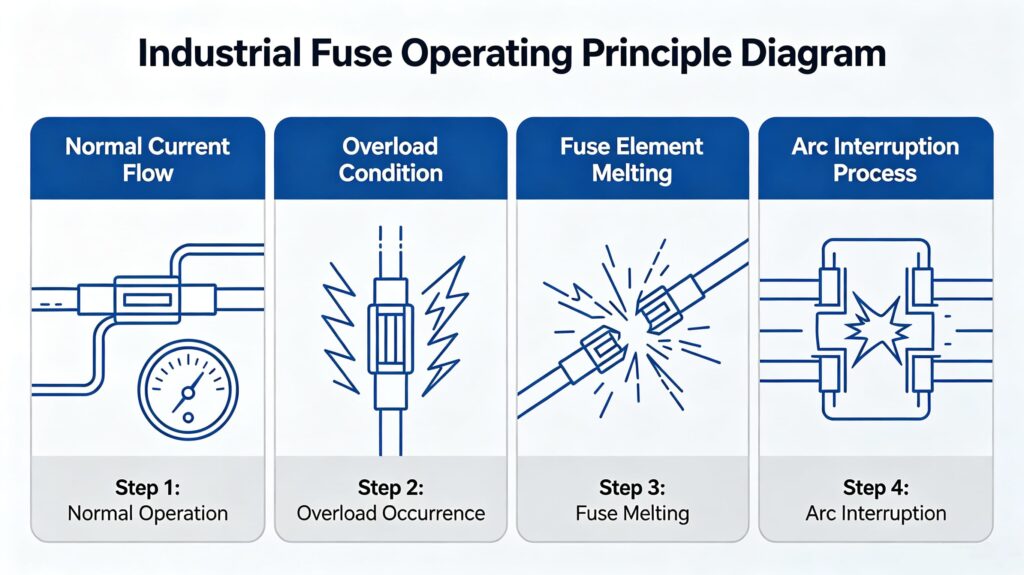
Die Funktionsweise eines Schmelzeinsatzes beruht auf einem einfachen physikalischen Prinzip:
Elektrischer Strom erzeugt Wärme.
Unter normalen Betriebsbedingungen bleibt die erzeugte Wärme unter dem Schmelzpunkt des Sicherungselements.
Wenn abnormaler Strom auftritt:
Dieser Vorgang geschieht bei schweren Kurzschlüssen normalerweise innerhalb von Millisekunden.
| Bühne | Beschreibung |
| Normaler Betrieb | Strom fließt sicher |
| Überlastbedingung | Temperaturanstieg |
| Schmelzpunkt erreicht | Schmelzsicherung schmilzt |
| Bogenentstehung | Stromunterbrechung beginnt |
| Lichtbogen-Löschung | Kreislauf öffnet |
| Schutz vollständig | Störung isoliert |
Die Betriebsgeschwindigkeit hängt von der Auslegung des Sicherungseinsatzes und der Höhe des Fehlerstroms ab.
Ohne ordnungsgemäße Sicherungen können elektrische Geräte beschädigt werden:
| Nutzen Sie | Erläuterung |
| Schneller Schutz | Reagiert schnell auf Störungen |
| Hohe Verlässlichkeit | Keine beweglichen Teile |
| Niedrige Kosten | Kostengünstige Schutzlösung |
| Einfache Installation | Einfacher Austausch |
| Hohe Schaltleistung | Bewältigt schwere Kurzschlüsse |
| Minimale Wartung | Lange Betriebsdauer |
Für industrielle Anwender rechtfertigt die Vermeidung eines einzigen Geräteausfalls oft jahrelange Investitionen in Sicherungseinsätze.
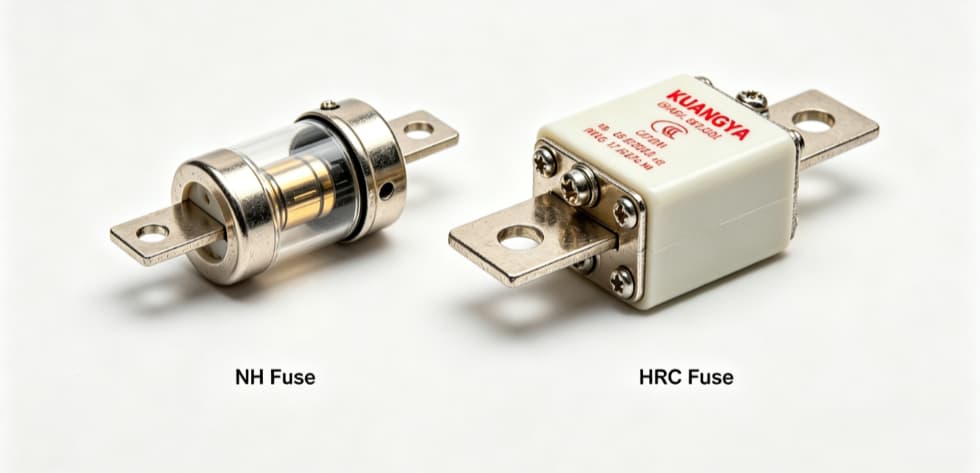
Unterschiedliche Anwendungen erfordern unterschiedliche Ausführungen von Sicherungseinsätzen.
Die Kenntnis dieser Kategorien hilft den Käufern, fundierte Entscheidungen zu treffen.
HRC steht für High Rupturing Capacity.
Diese Schmelzeinsätze können extrem hohe Fehlerströme sicher unterbrechen.
NH-Sicherungseinsätze werden häufig in industriellen Niederspannungsanlagen eingesetzt.
| Industrie | Verwendung |
| Herstellung | Schutz der Maschine |
| Solarenergie | DC-Schutz |
| Versorgungsunternehmen | Verteilungssysteme |
| Bergbau | Schweres Gerät |
| Daten-Zentren | Stromversorgungssysteme |
NH-Sicherungseinsätze sind besonders beliebt, weil sie hohe Leistung mit einfacher Wartung verbinden.
Diese Sicherungseinsätze haben eine kompakte zylindrische Form.
Sie sind häufig zu finden in:
Durch ihre geringe Stellfläche sind sie ideal für begrenzte Einbauräume.
Flachstecksicherungen werden häufig in Kraftfahrzeugen und Batterien eingesetzt.
Gängige Beispiele sind:
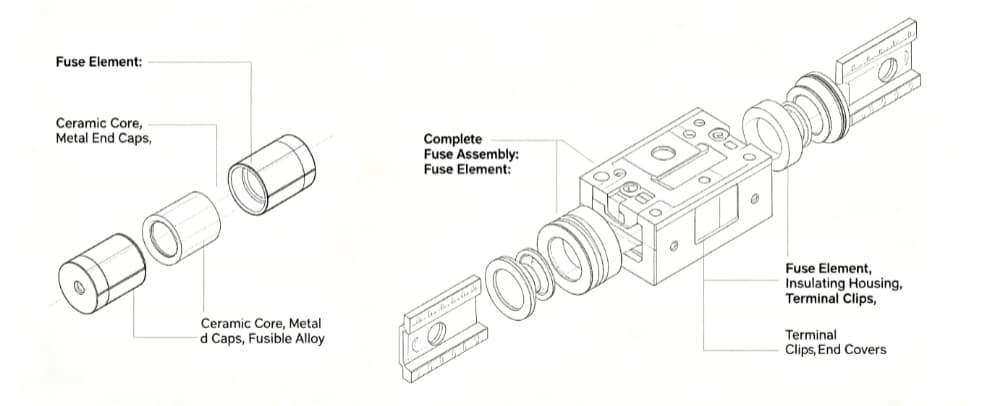
Viele Käufer verwenden diese Begriffe synonym.
Es gibt jedoch einen wichtigen Unterschied.
| Schmelzsicherung | Sicherung |
| Internes austauschbares Element | Vollständige Schutzvorrichtung |
| Führt die Unterbrechungsfunktion aus | Inklusive Gehäuse und Kontakte |
| Oft separat verkauft | Vollständige Montage |
| Erfordert bei einigen Systemen einen Halter | Bereit zum Einbau |
Das Sicherungselement ist in der Regel die aktive Schutzkomponente innerhalb der kompletten Sicherungsbaugruppe.
Elektromotoren weisen hohe Anlaufströme auf.
Ordnungsgemäße Sicherungseinsätze verhindern Schäden, die durch:
Transformatoren stellen erhebliche Investitionen dar.
Sicherungseinsätze helfen zu verhindern:
Das rasante Wachstum der Solarenergie hat die Nachfrage nach speziellen DC-Sicherungseinsätzen erhöht.
Solar-Sicherungseinsätze müssen standhalten:
Moderne BESS-Anlagen erfordern einen zuverlässigen Fehlerschutz.
Schmelzeinsätze schützen:
Mit der zunehmenden Verbreitung von Energiespeichern steigt auch die Nachfrage nach Sicherungselementen weltweit weiter an.
Die Wahl der richtigen Industriesicherung erfordert eine sorgfältige Bewertung.
Die Sicherung muss für den normalen Betriebsstrom ausgelegt sein und dennoch Schutz bieten.
Typischer Leitfaden:
| Laststrom | Empfohlener Sicherungswert |
| 10A | 12A-16A |
| 20A | 25A |
| 50A | 63A |
| 100A | 125A |
Befolgen Sie stets die Empfehlungen des Herstellers.
Die Nennspannung muss der Systemspannung entsprechen oder diese übersteigen.
Beispiele:
| System Spannung | Empfohlene Schutzart |
| 230V AC | 500V-Sicherungseinsatz |
| 400V AC | 690V-Sicherungseinsatz |
| 1000V DC | 1000V Solar-Sicherungseinsatz |
| 1500V DC | 1500V PV-Sicherungseinsatz |
Das Ausschaltvermögen gibt den maximalen Fehlerstrom an, den eine Sicherung sicher unterbrechen kann.
Industrielle Systeme erfordern häufig:
oder höhere Bewertungen.
Umweltfaktoren beeinflussen die Leistung.
Rückblick:
Diese Bedingungen können eine Leistungsreduzierung oder spezielle Sicherungsausführungen erfordern.
Nicht alle Industriesicherungen sind für den gleichen Zweck ausgelegt. Eine Sicherung, die in einem Motorstromkreis gut funktioniert, bietet möglicherweise keinen ausreichenden Schutz für eine PV-Anlage oder eine Batteriespeicheranlage.
Für Ingenieure, Schalttafelbauer, EPC-Vertragspartner und Beschaffungsmanager ist das Verständnis der anwendungsspezifischen Anforderungen für die Auswahl des richtigen Schutzgeräts von entscheidender Bedeutung

Photovoltaik-Solaranlagen arbeiten unter besonderen Gleichstrombedingungen, die sich deutlich von herkömmlichen Wechselstromnetzen unterscheiden.
PV-Schaltungen ausgesetzt sind:
Da Gleichstrom-Lichtbögen schwieriger zu löschen sind als Wechselstrom-Lichtbögen, sollten Standard-Wechselstrom-Sicherungen niemals in Photovoltaik-Anwendungen verwendet werden.
| Parameter | Empfehlung |
|---|---|
| Nennspannung | 1000VDC oder 1500VDC |
| Sicherung Typ | gPV-Sicherungseinsatz |
| Schaltleistung | ≥20kA |
| Betriebstemperatur | -40°C bis +85°C |
| Einhaltung der Norm | IEC 60269-6 |
Typische Installationsorte sind:
Die richtige Auswahl der Sicherungen trägt dazu bei, Brandrisiken zu verringern und teure Solaranlagen zu schützen.
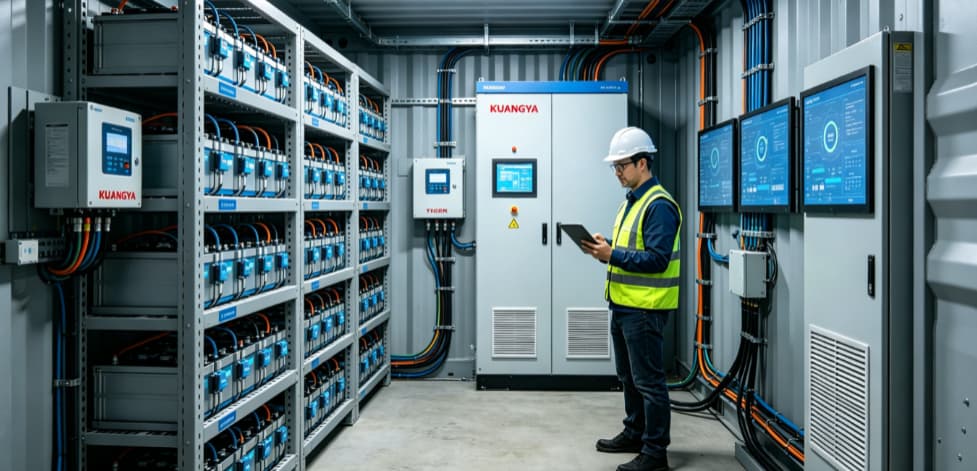
Energiespeichersysteme werden bei Projekten im Bereich der erneuerbaren Energien immer wichtiger.
Lithium-Ionen-Batterien können bei Kurzschlussereignissen extrem hohe Fehlerströme erzeugen.
Daher müssen die in Batteriesystemen verwendeten Sicherungen Folgendes gewährleisten:
| Anforderung | Bedeutung |
|---|---|
| Schnelle Reaktionszeit | Kritisch |
| DC Spannung | Kritisch |
| Hohe Unterbrechungskapazität | Kritisch |
| Temperaturbeständigkeit | Hoch |
| Langfristige Verlässlichkeit | Hoch |
Batterieschutzsicherungen werden üblicherweise zwischen den Batterien installiert:
Mit dem weiteren Ausbau von Großspeicherprojekten auf der ganzen Welt wird die Nachfrage nach industriellen Hochleistungssicherungen voraussichtlich erheblich steigen.
Bei Elektromotoren treten häufig Anlaufströme auf, die das Sechs- bis Achtfache des Nennbetriebsstroms erreichen können.
Ein häufiger Fehler ist die Auswahl einer Sicherung allein auf der Grundlage des Motorvolllaststroms.
Dies führt häufig zu einer störenden Auslösung während des Starts.
| Charakteristisch | Empfehlung |
|---|---|
| Einschaltstromtoleranz | Hoch |
| Kurzschlussschutz | Ausgezeichnet |
| Thermische Stabilität | Hoch |
| Koordinierung mit Kontaktpersonen | Erforderlich |
Viele Industrieanlagen verwenden AM-Sicherungen für den Motorschutz, da sie speziell dafür ausgelegt sind, kurzzeitigen Einschaltströmen standzuhalten und dennoch vor schweren Fehlern zu schützen.
Die Anwendungen umfassen:
Transformatoren stellen eine große Investition in Energieverteilungssysteme dar.
Ein falsch gewählter Sicherungseinsatz kann entweder den Transformator nicht schützen oder unnötige Ausfälle verursachen.
Der Schutz von Transformatoren erfordert einen Ausgleich:
| Faktor | Bedeutung |
|---|---|
| Transformator kVA Leistung | Kritisch |
| Primäre Spannung | Kritisch |
| Einschaltstrom | Hoch |
| Fehlerstrompegel | Hoch |
| System-Koordination | Hoch |
Ingenieure wählen die Sicherungen in der Regel anhand von Transformatorschutzkurven aus, um einen zuverlässigen Betrieb sowohl unter normalen als auch unter Fehlerbedingungen zu gewährleisten.
Viele Einkaufsabteilungen konzentrieren sich nur auf den Preis.
Die Wahl des falschen Sicherungseinsatzes kann jedoch später viel höhere Kosten verursachen.
Zu den häufigsten Fehlern gehören:
Zwei Sicherungseinsätze können die gleiche Amperezahl, aber völlig unterschiedliche Leistungsmerkmale haben.
Überprüfen Sie immer:
Ein Sicherungseinsatz, der für Wechselstromkreise ausgelegt ist, kann bei der Verwendung in Gleichstromsystemen gefährlich ausfallen.
Dies ist besonders wichtig für:
Kostengünstigen, nicht zertifizierten Sicherungseinsätzen mangelt es oft an zuverlässigen Tests und Rückverfolgbarkeit.
Bei industriellen Projekten ist stets die Einhaltung der Vorschriften zu überprüfen:
Viele Einrichtungen erhöhen mit der Zeit ihre Ladekapazität.
Durch die Wahl eines Sicherungseinsatzes mit angemessenen Auslegungsspielräumen können künftige Aufrüstungskosten reduziert werden.
Internationale Projekte erfordern oft die Einhaltung anerkannter Normen.
| Standard | Region |
| IEC 60269 | International |
| UL 248 | Nord-Amerika |
| BS 88 | Vereinigtes Königreich |
| DIN-Normen | Deutschland |
| GB/T-Normen | China |
Für OEM-Hersteller und Projektträger ist die Einhaltung von Zertifizierungen oft obligatorisch.
Selbst korrekt ausgewählte Sicherungseinsätze können unter anormalen Bedingungen versagen.
Mögliche Ursachen:
Mögliche Gründe sind:
Unerwarteter Betrieb kann darauf hinweisen:
Vor dem Austausch ist eine systematische Analyse erforderlich.
Die Elektroindustrie entwickelt sich rasch weiter.
Mehrere Trends prägen die Zukunft der Sicherungseinsätze.
Solar- und Energiespeicherprojekte treiben die Nachfrage an:
Die Ladeinfrastruktur für Elektrofahrzeuge erfordert spezielle Sicherungen, die für die Handhabung geeignet sind:
Trotz der zunehmenden Verbreitung digitaler Schutztechnologien bleiben Sicherungseinsätze aufgrund ihrer Bedeutung unverzichtbar:
Die meisten modernen Schutzsysteme kombinieren nach wie vor die elektronische Überwachung mit der traditionellen Absicherung von Sicherungseinsätzen.
Ein Sicherungseinsatz schützt elektrische Geräte vor Überlastungen und Kurzschlüssen, indem er schmilzt und den Stromkreis unterbricht, wenn zu viel Strom fließt.
Ein Solar-Sicherungseinsatz schützt Photovoltaik-Strings, Verteilerkästen, Wechselrichter und Batteriesysteme vor DC-Überstromfehlern.
Nein.
Ein Sicherungseinsatz ist als Opferkomponente konzipiert und muss nach dem Betrieb ersetzt werden.
Unter normalen Betriebsbedingungen kann ein Sicherungseinsatz viele Jahre lang funktionsfähig bleiben, bis ein Fehler auftritt.
Bei der Auswahl sollte berücksichtigt werden:
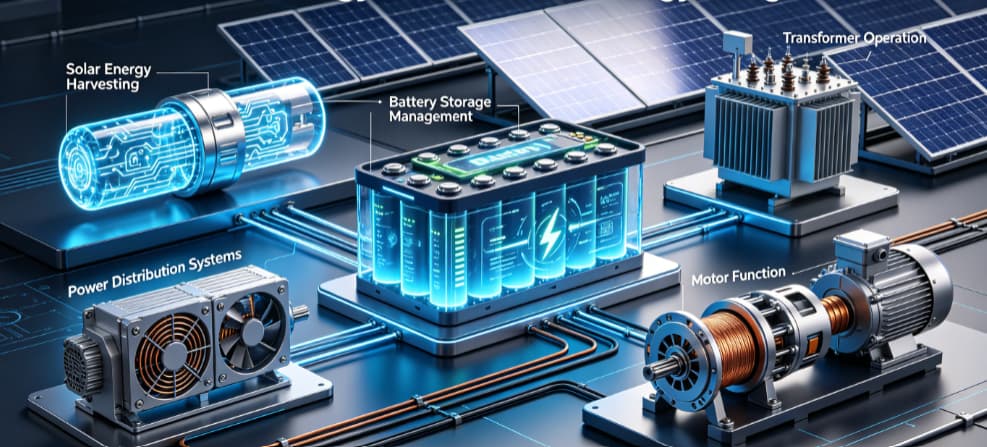
Verstehen Was ist ein Sicherungseinsatz? ist unverzichtbar für Ingenieure, Bauunternehmer, OEM-Hersteller und Beschaffungsexperten, die sich mit modernen elektrischen Systemen beschäftigen.
Eine richtig ausgewählte Schmelzeinsatz bietet schnellen, zuverlässigen und kostengünstigen Schutz vor Überlastungen und Kurzschlüssen. Ob zum Schutz von Motoren, Transformatoren, Solaranlagen, Batteriespeichersystemen oder industriellen Verteilernetzen, Sicherungseinsätze sind nach wie vor eine der zuverlässigsten Sicherheitseinrichtungen in der Elektroindustrie.
Mit dem weiteren Ausbau der erneuerbaren Energien, der Elektrofahrzeuge und der intelligenten Infrastruktur wird die Bedeutung hochwertiger Sicherungslösungen weiter zunehmen. Wer heute in den richtigen Sicherungseinsatz investiert, kann Geräteausfälle erheblich reduzieren, die Systemzuverlässigkeit verbessern und die langfristigen Betriebskosten senken.

Wir sind ein professioneller Hersteller von elektrischen Produkten für Solar- und Industrieanwendungen, einschließlich MCB, SPD, RCD und zugehörigem Zubehör. Mit reicher Exporterfahrung bieten wir zuverlässige Lösungen und OEM/ODM-Dienstleistungen für globale Kunden.

