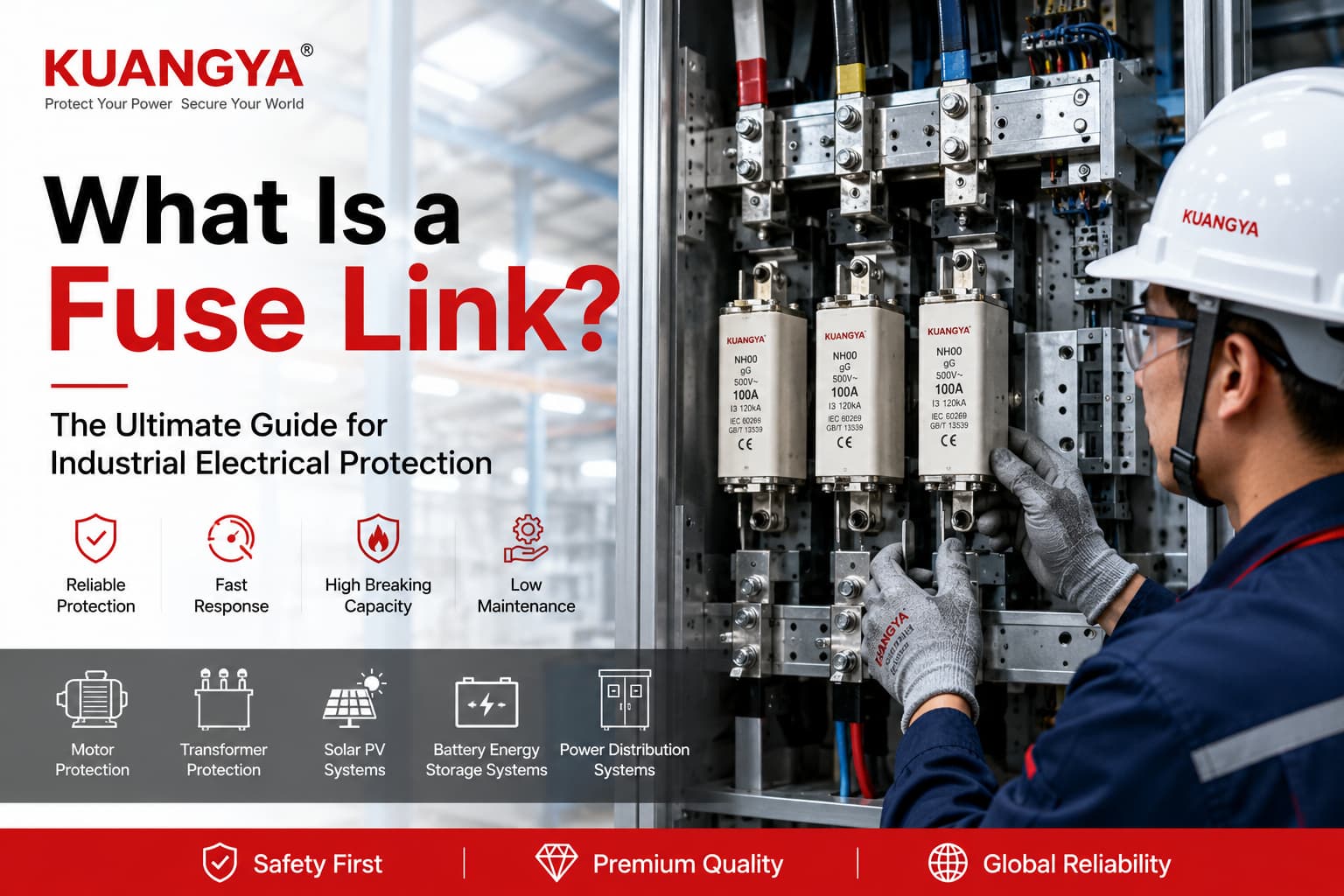
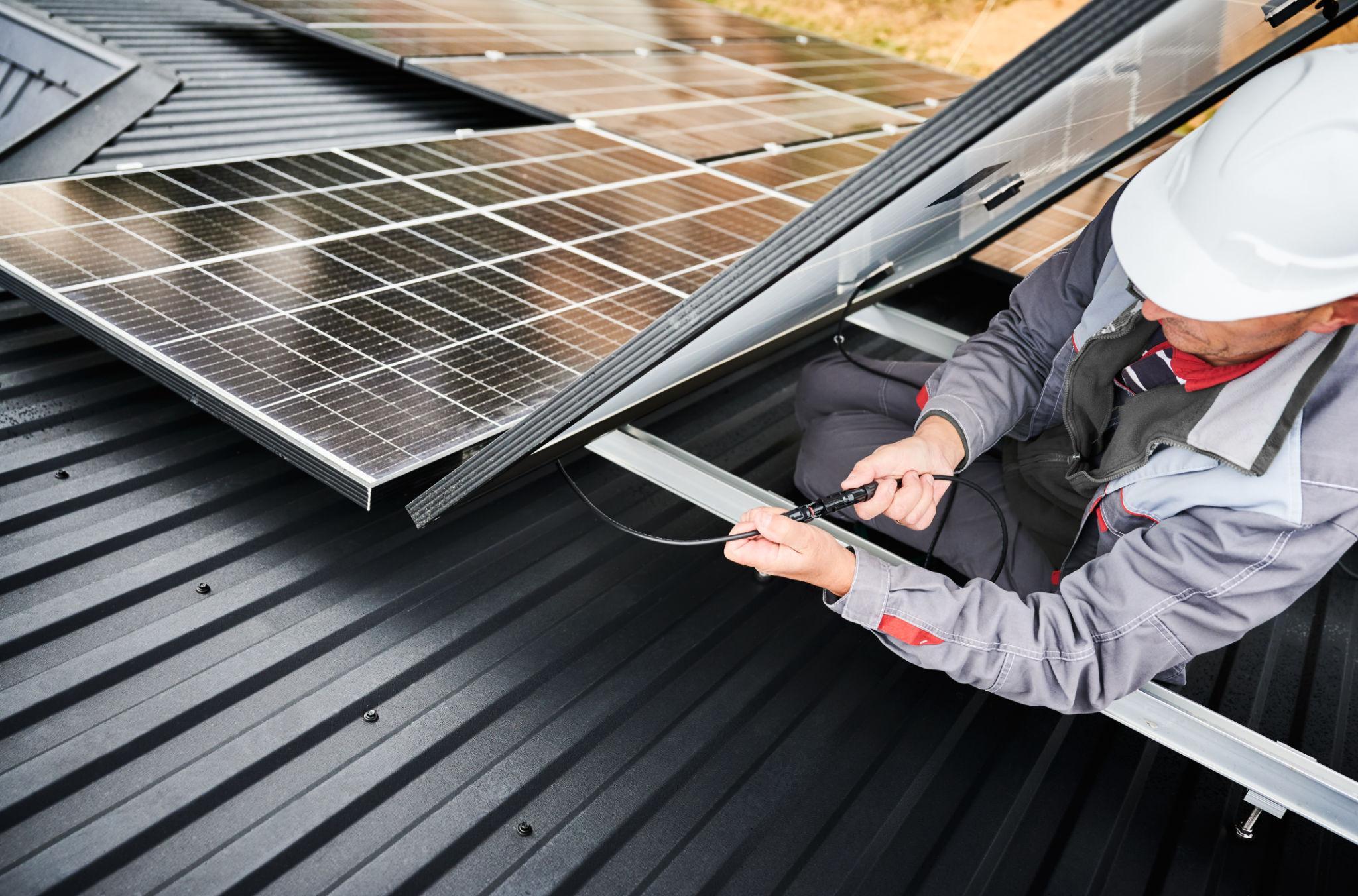
What Is a Fuse Link? Complete Guide for Electrical Protection Systems

Introduction: Why Understanding Fuse Link Matters More Than Ever

Electrical systems are becoming more complex every year. From industrial control panels and renewable energy installations to power distribution networks and manufacturing equipment, reliable circuit protection is critical.

Yet many engineers, purchasing managers, and project contractors still ask the same question:

What is fuse link and how does it protect electrical equipment?

A fuse link may look like a simple component, but it plays a crucial role in preventing equipment damage, reducing downtime, and ensuring electrical safety.

Choosing the wrong fuse link can lead to costly failures, unexpected shutdowns, or even fire hazards.

In this complete guide, you’ll learn everything about fuse links, including their working principle, types, applications, selection criteria, and common mistakes buyers should avoid.


とは何か? ヒューズリンク?

For industrial applications, selecting a properly rated fuse is essential for ensuring reliable overcurrent protection.

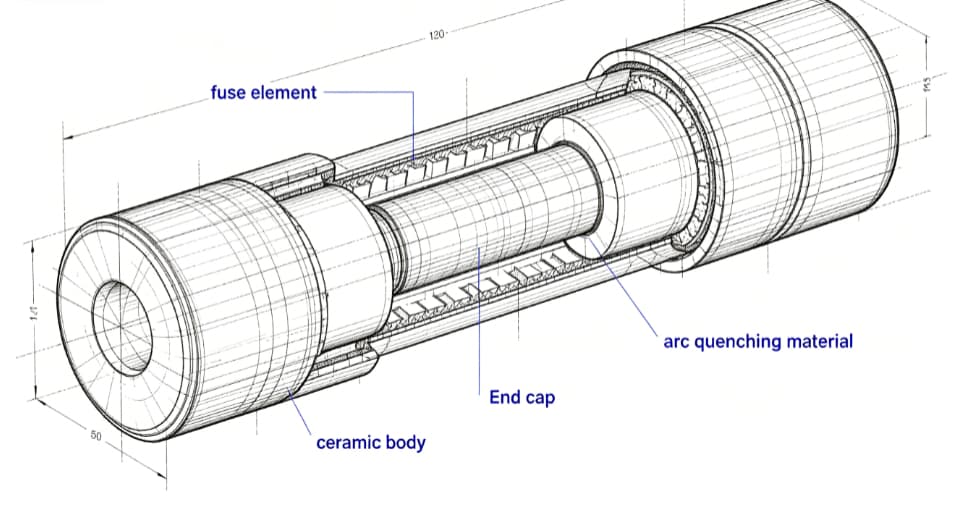
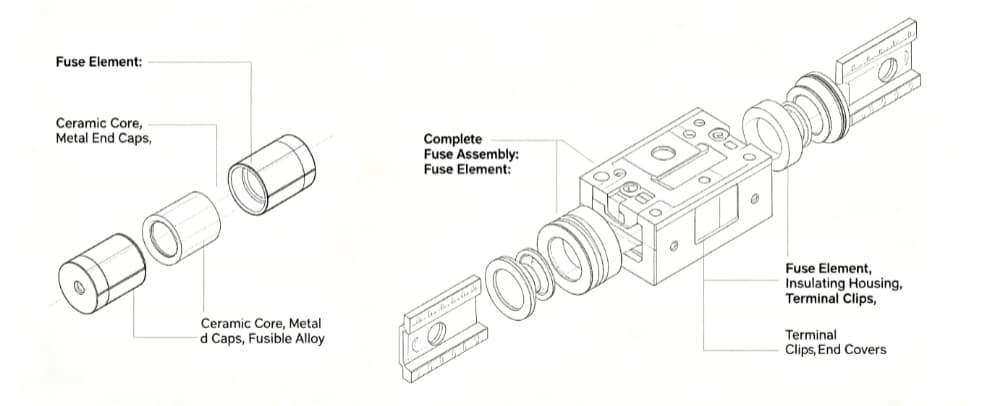
Fuse link structure and internal components diagram

Definition and Function

A fuse element is the replaceable current-carrying component inside a fuse assembly that melts and interrupts the circuit when excessive current flows through it.

Simply put, the fuse link is the part that sacrifices itself to protect the rest of the electrical system.

When current exceeds the rated value for a specified period, the fuse link heats up and melts, breaking the circuit and preventing damage to cables, motors, transformers, batteries, or other equipment.

Key Characteristics

特徴説明
機能過電流保護
オペレーションMelts under excessive current
再利用性Single-use component
ResponseAutomatic
インストールInside fuse body
保護タイプOverload and short-circuit

Because fuse links operate without external power or electronic controls, they remain one of the most reliable protection devices available today.


Materials Used in Electrical Fuse Elements

The performance of a fuse link depends largely on its material composition.

Manufacturers carefully select metals with predictable melting characteristics.

Common materials include:

素材メリット
シルバーHigh conductivity and stable performance
Cost-effective and reliable
ZincGood low-current protection
Tin AlloysAccurate melting characteristics
銀メッキ銅Excellent industrial performance

Silver-based fuse links are often preferred in industrial and utility applications because they provide:

  • Better current carrying capability
  • Consistent melting characteristics
  • Longer service life
  • Improved temperature stability

How Fuse Protection Works

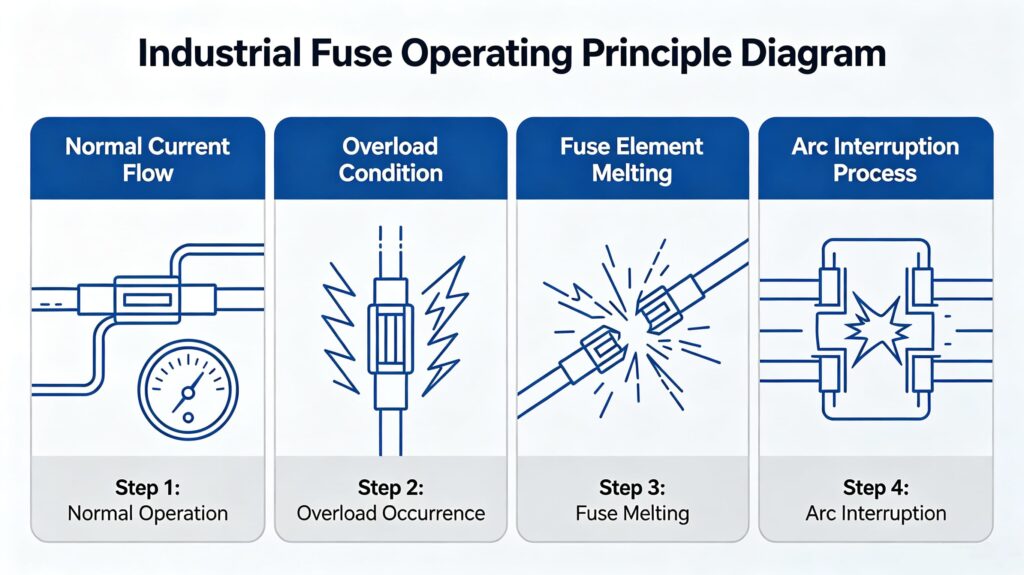
How a fuse link works during overload and short circuit conditions

The Basic Working Principle

The operation of a fuse link is based on a simple physical principle:

Electrical current generates heat.

Under normal operating conditions, the heat produced remains below the melting point of the fuse element.

When abnormal current occurs:

  1. Current rises above the rated value.
  2. Temperature increases rapidly.
  3. The fuse element melts.
  4. Arc formation occurs.
  5. Arc is extinguished.
  6. Circuit is disconnected.

This process typically happens within milliseconds during severe short circuits.

Fuse Protection Operating Process

ステージ説明
Normal OperationCurrent flows safely
Overload ConditionTemperature rises
Melting Point ReachedFuse element melts
Arc FormationCurrent interruption begins
アーク消滅Circuit opens
Protection CompleteFault isolated

The speed of operation depends on the fuse link design and fault current magnitude.


Why Industrial Fuses Are Essential in Electrical Systems

Without proper fuse links, electrical equipment can experience:

  • Cable overheating
  • Equipment destruction
  • Production downtime
  • 火災のリスク
  • Expensive repairs
  • Personnel safety hazards

Benefits of Using Industrial Fuses

ベネフィットExplanation
Fast ProtectionResponds quickly to faults
High ReliabilityNo moving parts
Low CostEconomical protection solution
Simple InstallationEasy replacement
高い破断能力Handles severe short circuits
Minimal MaintenanceLong operational life

For industrial users, preventing one equipment failure often justifies years of fuse link investment.


Common Types of Industrial Fuses

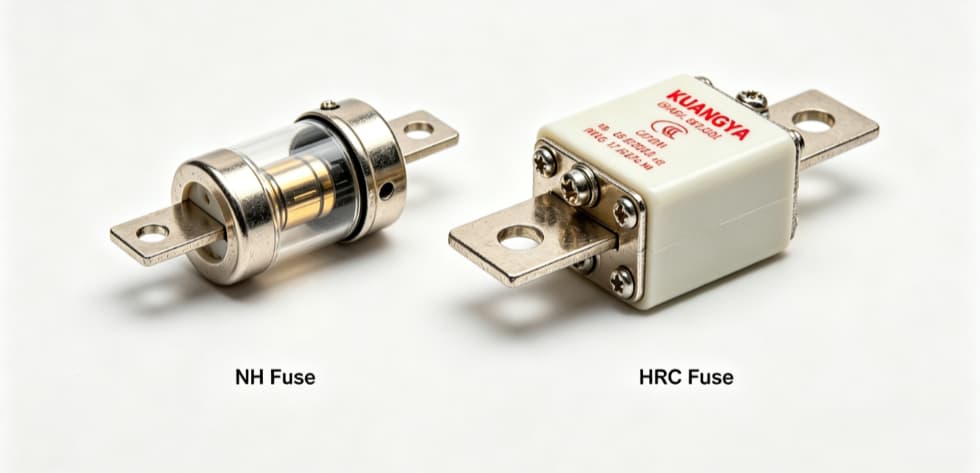
Comparison between NH fuse and HRC fuse for industrial protection

Different applications require different fuse link designs.

Understanding these categories helps buyers make informed decisions.

HRCヒューズ

HRC stands for High Rupturing Capacity.

These fuse links can safely interrupt extremely high fault currents.

代表的なアプリケーション

  • Power distribution panels
  • Industrial switchboards
  • Transformers
  • Motor circuits

メリット

  • 高い破壊能力
  • Excellent reliability
  • Compact size

NHヒューズ

NH fuse links are widely used in industrial low-voltage systems.

Common Industries

産業使用方法
製造業Machine protection
Solar EnergyDC protection
UtilitiesDistribution systems
MiningHeavy equipment
データセンターPower backup systems

NH fuse links are particularly popular because they combine high performance with easy maintenance.


Cylindrical Fuse

These fuse links feature a compact cylindrical design.

They are commonly found in:

  • Control circuits
  • Industrial automation
  • Small machinery
  • Instrument protection

Their small footprint makes them ideal for limited installation spaces.


ブレードヒューズ

Blade fuse links are frequently used in automotive and battery applications.

Common examples include:

  • 電気自動車
  • Battery energy storage systems
  • DC distribution networks

Fuse Element vs Fuse: What’s the Difference?

Difference between a fuse link and a complete fuse assembly

Many buyers use the terms interchangeably.

However, there is an important distinction.

ヒューズリンクヒューズ
Internal replaceable elementComplete protection device
Performs interruption functionIncludes housing and contacts
Often sold separatelyComplete assembly
Requires holder in some systemsReady for installation

The fuse element is usually the active protective component inside the complete fuse assembly.


Where Industrial Fuses Are Commonly Used

Industrial Motor Protection

Electric motors experience high starting currents.

Proper fuse links prevent damage caused by:

  • Locked rotor conditions
  • Phase failures
  • Short circuits

Transformer Protection

Transformers represent significant investments.

Fuse links help prevent:

  • Winding damage
  • Thermal failures
  • Secondary faults

太陽光発電システム

The rapid growth of solar energy has increased demand for specialized DC fuse links.

Solar Applications Include

  • ストリング保護
  • コンバイナーボックス
  • インバーター
  • 蓄電池システム

Solar fuse links must withstand:

  • High DC voltages
  • Continuous current loads
  • Outdoor environmental conditions

蓄電池システム

Modern BESS installations require reliable fault protection.

Fuse links protect:

  • Lithium battery packs
  • Battery racks
  • DC busbars
  • Inverter interfaces

As energy storage adoption grows, fuse link demand continues increasing worldwide.


How to Choose the Right Electrical Fuse

Choosing the correct industrial fuse requires careful evaluation.

Step 1: Determine Rated Current

The fuse rating must accommodate normal operating current while still providing protection.

Typical guideline:

Load CurrentRecommended Fuse Rating
10A12A–16A
20A25A
50A63A
100A125A

Always follow manufacturer recommendations.


Step 2: Check Voltage Rating

The voltage rating must equal or exceed system voltage.

Examples:

システム電圧Recommended Protection Rating
230V AC500V Fuse Link
AC400V690V Fuse Link
DC1000V1000V Solar Fuse Link
DC1500V1500V PV Fuse Link

Step 3: Evaluate Breaking Capacity

Breaking capacity indicates the maximum fault current a fuse can safely interrupt.

Industrial systems often require:

  • 50kA
  • 80kA
  • 120kA

or higher ratings.


Step 4: Consider Environmental Conditions

Environmental factors affect performance.

Review:

  • 周囲温度
  • 湿度
  • Altitude
  • Dust exposure
  • 振動

These conditions may require derating or special protection fuse designs


How to Select Protection Devices for Different Applications

Not all industrial fuses are designed for the same purpose. A fuse that performs well in a motor circuit may not provide adequate protection for a solar PV system or battery energy storage installation.

For engineers, panel builders, EPC contractors, and procurement managers, understanding application-specific requirements is essential when selecting the right protection device

Selecting Protection Devices for Solar PV Systems

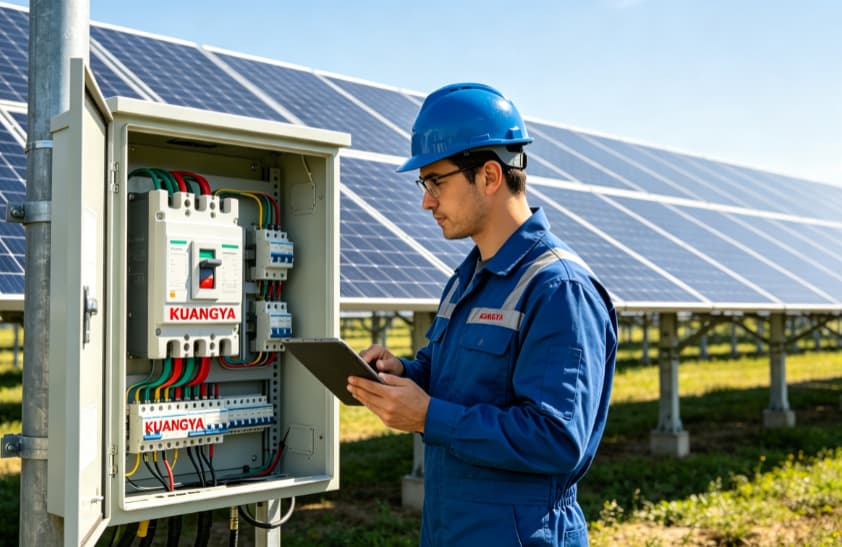
Fuse protection devices used in solar photovoltaic systems

Solar photovoltaic systems operate under unique DC conditions that differ significantly from traditional AC networks.

PV circuits are exposed to:

  • Continuous sunlight-driven current
  • Reverse current faults
  • High DC voltages
  • Extreme outdoor temperatures

Because DC arcs are more difficult to extinguish than AC arcs, standard AC fuse should never be used in photovoltaic applications.

Recommended Fuse Link Characteristics for PV Systems

パラメータ推薦
定格電圧1000VDC or 1500VDC
ヒューズタイプgPV Fuse Link
破断能力≥20kA
動作温度-40°C ~ +85°C
コンプライアンス・スタンダードIEC 60269-6

Typical installation locations include:

  • PV string boxes
  • コンバイナーボックス
  • DC isolator assemblies
  • Inverter input protection

Proper fuse selection helps reduce fire risks and protects expensive solar assets.


Battery Energy Storage System Protection Requirements

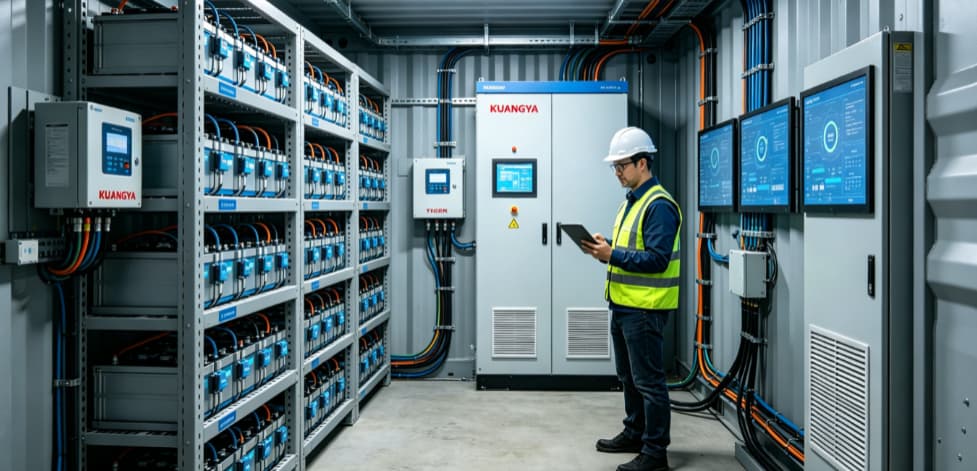
Fuse protection solutions for battery energy storage systems

Energy storage systems are becoming increasingly important in renewable energy projects.

Lithium-ion batteries can generate extremely high fault currents during short-circuit events.

Therefore, fuse used in battery systems must provide:

  • Ultra-fast interruption
  • High DC voltage capability
  • Reliable thermal performance

Key Considerations for BESS Fuse Links

必要条件重要性
迅速な対応クリティカル
直流電圧定格クリティカル
High Interrupt Capacityクリティカル
Temperature Resistance高い
Long-Term Reliability高い

Battery protection fuses are commonly installed between:

  • Battery modules
  • Battery racks
  • DC busbars
  • PCS systems
  • インバーター

As utility-scale storage projects continue expanding worldwide, demand for high-performance industrial fuses is expected to grow significantly.


Motor Circuit Protection Requirements

Electric motors often experience starting currents that can reach six to eight times their rated operating current.

A common mistake is selecting a fuse solely based on motor full-load current.

This often results in nuisance tripping during startup.

Motor Circuit Protection Requirements

特徴推薦
Starting Current Tolerance高い
短絡保護素晴らしい
Thermal Stability高い
Coordination with ContactorsRequired

Many industrial facilities use aM fuses for motor protection because they are specifically designed to withstand temporary inrush currents while still protecting against severe faults.

Applications include:

  • Conveyor systems
  • Pumps
  • Compressors
  • HVAC equipment
  • Manufacturing machinery

Transformer Protection Best Practices

Transformers represent a major investment in power distribution systems.

An improperly selected fuse link can either fail to protect the transformer or cause unnecessary outages.

Transformer protection requires balancing:

  • Inrush current tolerance
  • Overload protection
  • Short-circuit protection

Transformer Protection Selection Factors

ファクター重要性
Transformer kVA Ratingクリティカル
Primary Voltageクリティカル
突入電流高い
故障電流レベル高い
System Coordination高い

Engineers typically select fuse using transformer protection curves to ensure reliable operation under both normal and fault conditions.


Common Mistakes When Buying Fuse Links

Many purchasing departments focus only on price.

However, selecting the wrong fuse link can create much higher costs later.

The most common mistakes include:

Choosing Based Only on Current Rating

Two fuse links may have the same ampere rating but completely different performance characteristics.

Always verify:

  • 定格電圧
  • 破断能力
  • Application category
  • Certification requirements

Ignoring DC and AC Differences

A fuse link designed for AC circuits may fail dangerously when used in DC systems.

This is particularly important for:

  • Solar installations
  • Battery systems
  • EV charging infrastructure

Using Uncertified Products

Low-cost uncertified fuse links often lack reliable testing and traceability.

For industrial projects, always verify compliance with:

Failing to Consider Future Expansion

Many facilities increase load capacity over time.

Selecting a fuse link with appropriate design margins can reduce future upgrade costs.

International Fuse Standards

International projects often require compliance with recognized standards.

Major Standards

スタンダード地域
IEC 60269インターナショナル
UL 248北米
BS 88United Kingdom
DIN Standardsドイツ
GB/T Standards中国

For OEM manufacturers and project contractors, certification compliance is often mandatory.


Common Fuse Problems and Troubleshooting

Even correctly selected fuse links can fail under abnormal conditions.

Repeated Fuse Link Blowing

Possible causes:

  • Undersized fuse rating
  • Motor starting surge
  • Hidden short circuit
  • Equipment malfunction

Fuse Link Overheating

Potential reasons include:

  • Loose terminals
  • Oxidized contacts
  • Excessive ambient temperature
  • Incorrect installation

Nuisance Operation

Unexpected operation may indicate:

  • Wrong fuse type
  • Improper coordination
  • System harmonics
  • Inrush current issues

A systematic analysis is necessary before replacement.


Future Trends in Circuit Protection Technology

The electrical industry is evolving rapidly.

Several trends are shaping the future of fuse links.

Renewable Energy Growth

Solar and energy storage projects are driving demand for:

  • 1000V DC fuse links
  • 1500V DC fuse links
  • Fast-acting battery protection

Electric Vehicle Expansion

EV charging infrastructure requires specialized fuse links capable of handling:

  • High current levels
  • Rapid charging cycles
  • 直流障害保護

Smart Power Systems

Although digital protection technologies are growing, fuse links remain indispensable because of their:

  • Simplicity
  • 信頼性
  • 費用対効果

Most modern protection systems still combine electronic monitoring with traditional fuse link protection.


Frequently Asked Questions About Fuse Link

What is fuse link used for?

A fuse link protects electrical equipment from overloads and short circuits by melting and disconnecting the circuit when excessive current flows.


What is fuse link in a solar system?

A solar fuse link protects photovoltaic strings, combiner boxes, inverters, and battery systems from DC overcurrent faults.


Can a blown fuse be repaired?

そうだ。.

A fuse link is designed as a sacrificial component and must be replaced after operation.


How long does an electrical fuse last?

Under normal operating conditions, a fuse link can remain functional for many years until a fault occurs.


How do I choose the correct industrial fuse?

Selection should consider:

  • Rated current
  • 定格電圧
  • 破断能力
  • Application type
  • Environmental conditions
  • Applicable standards

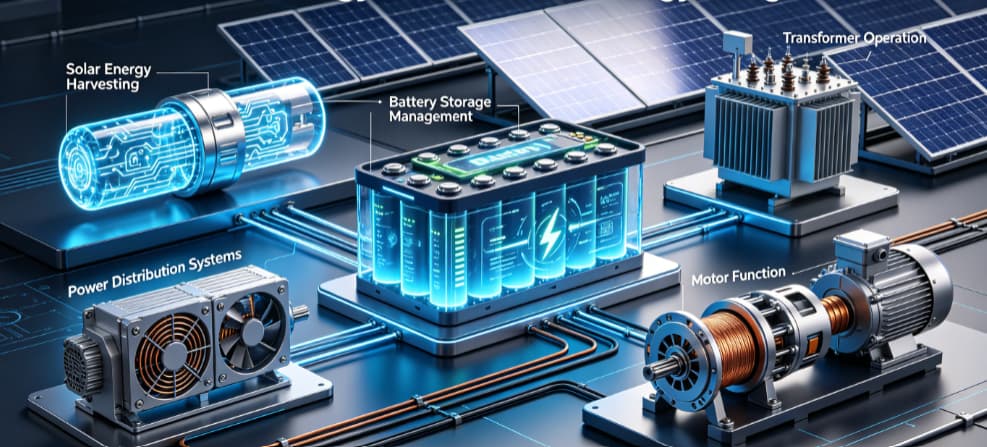
Industrial fuse protection applications in modern electrical systems

Conclusion: Understanding Fuse Link Is Critical for Reliable Electrical Protection

理解する what is fuse link is essential for engineers, contractors, OEM manufacturers, and procurement professionals involved in modern electrical systems.

A properly selected fuse link provides fast, reliable, and cost-effective protection against overloads and short circuits. Whether protecting motors, transformers, solar installations, battery storage systems, or industrial distribution networks, fuse links remain one of the most trusted safety devices in the electrical industry.

As renewable energy, electric vehicles, and smart infrastructure continue expanding, the importance of high-quality fuse link solutions will only increase. Investing in the right fuse link today can significantly reduce equipment failures, improve system reliability, and lower long-term operational costs.


About & Contact Block

会社概要

Solar Energy Engineer

私達は MCB、SPD、漏電遮断器および関連付属品を含む太陽および産業適用のための電気プロダクトの専門の製造業者、です。豊富な輸出経験により、グローバルクライアントに信頼性の高いソリューションとOEM / ODMサービスを提供しています。.

連絡方法

+86-577-61885000
+86 13676769183
info@cnkuangya.com
export@cnkuangya.com
325000 温州市岳青区涌陽工業区
チンクアンヤ
チンクアンヤ
記事本文: 32