Zona industriale di WengYang Yueqing Wenzhou 325000
Orario di lavoro
Da lunedì a venerdì: dalle 7.00 alle 19.00
Fine settimana: 10.00 - 17.00
Zona industriale di WengYang Yueqing Wenzhou 325000
Orario di lavoro
Da lunedì a venerdì: dalle 7.00 alle 19.00
Fine settimana: 10.00 - 17.00

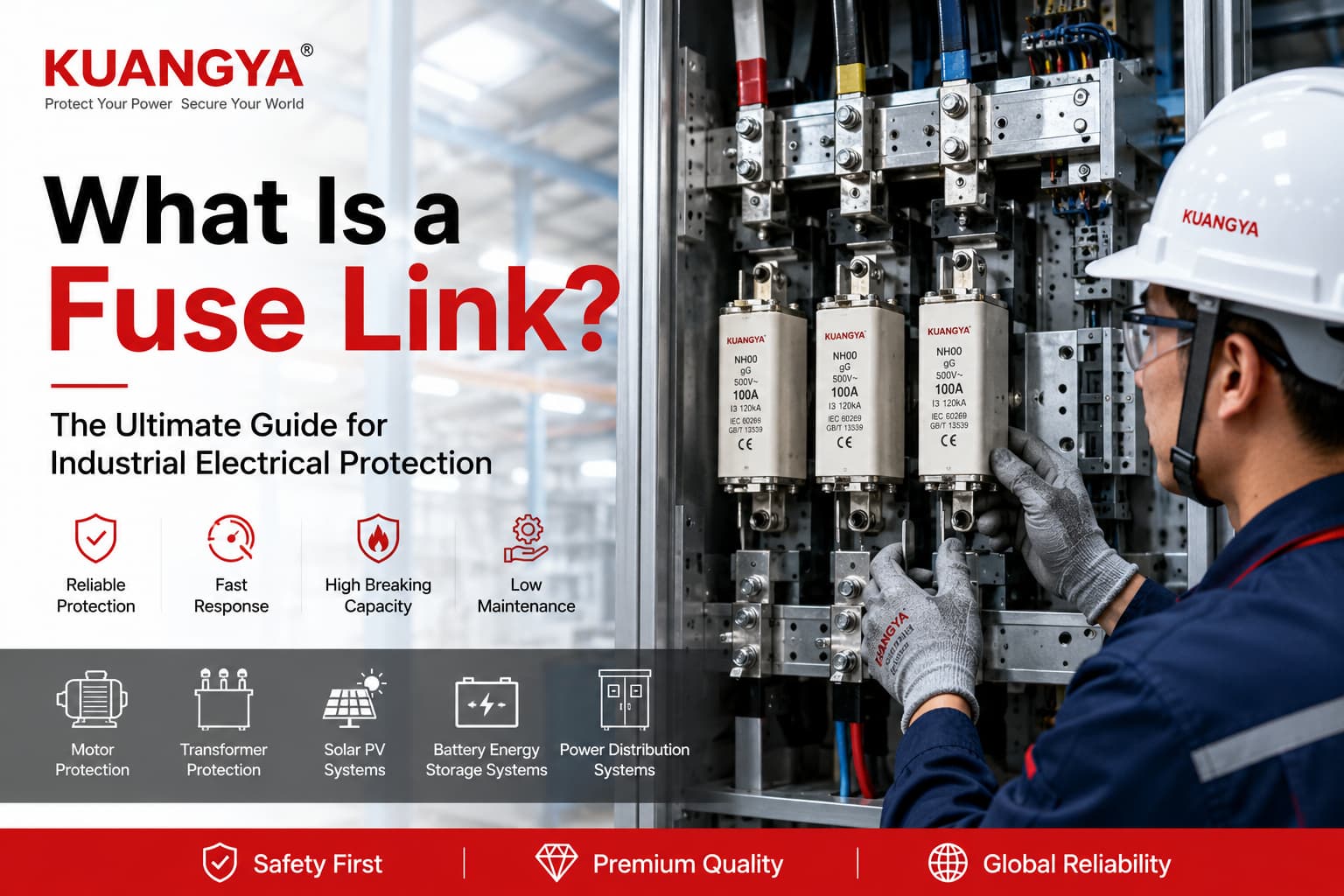
I sistemi elettrici diventano ogni anno più complessi. Dai pannelli di controllo industriali alle installazioni per le energie rinnovabili, dalle reti di distribuzione dell'energia alle apparecchiature di produzione, una protezione affidabile dei circuiti è fondamentale.
Eppure molti ingegneri, responsabili degli acquisti e appaltatori di progetti si pongono ancora la stessa domanda:
Che cos'è il fusibile di collegamento e come protegge le apparecchiature elettriche?
Un fusibile di collegamento può sembrare un semplice componente, ma svolge un ruolo cruciale nel prevenire i danni alle apparecchiature, ridurre i tempi di inattività e garantire la sicurezza elettrica.
La scelta del fusibile sbagliato può comportare guasti costosi, arresti imprevisti o addirittura rischi di incendio.
In questa guida completa, imparerete tutto sui fusibili, compresi i principi di funzionamento, i tipi, le applicazioni, i criteri di selezione e gli errori più comuni che gli acquirenti dovrebbero evitare.
Per le applicazioni industriali, la scelta di un fusibile adeguatamente dimensionato è essenziale per garantire una protezione affidabile dalle sovracorrenti.
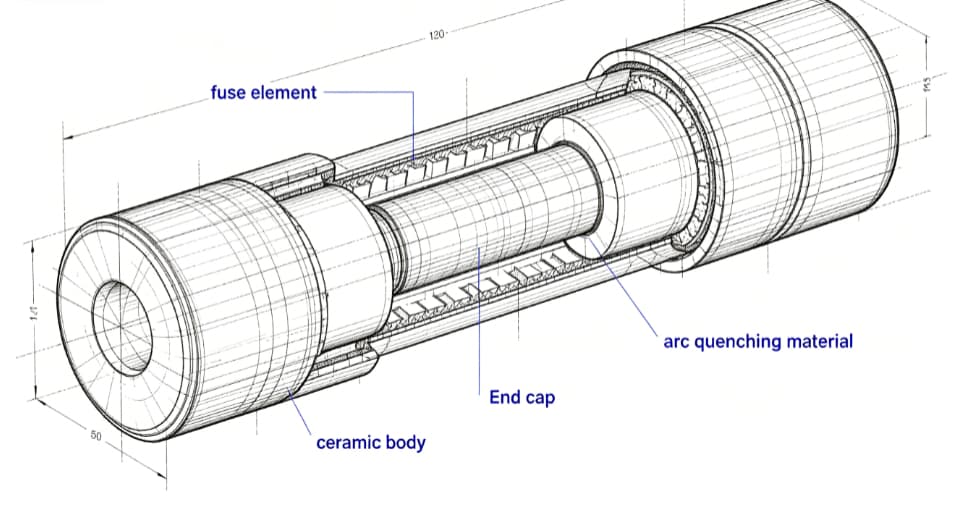
L'elemento del fusibile è il componente sostituibile che trasporta la corrente all'interno di un gruppo di fusibili e che fonde e interrompe il circuito quando viene attraversato da una corrente eccessiva.
In poche parole, il fusibile di collegamento è la parte che si sacrifica per proteggere il resto dell'impianto elettrico.
Quando la corrente supera il valore nominale per un determinato periodo, il collegamento del fusibile si riscalda e si scioglie, interrompendo il circuito e prevenendo danni a cavi, motori, trasformatori, batterie o altre apparecchiature.
| Caratteristica | Descrizione |
|---|---|
| Funzione | Protezione da sovracorrente |
| Operazione | Si scioglie in presenza di una corrente eccessiva |
| Riutilizzabilità | Componente monouso |
| Risposta | Automatico |
| Installazione | All'interno del corpo del fusibile |
| Tipo di protezione | Sovraccarico e cortocircuito |
Poiché i fusibili funzionano senza alimentazione esterna o controlli elettronici, rimangono uno dei dispositivi di protezione più affidabili oggi disponibili.
Le prestazioni di un collegamento a fusibile dipendono in larga misura dalla composizione del materiale.
I produttori selezionano con cura metalli con caratteristiche di fusione prevedibili.
I materiali più comuni includono:
| Materiale | Vantaggi |
| Argento | Elevata conduttività e prestazioni stabili |
| Rame | Economico e affidabile |
| Zinco | Buona protezione dalle basse correnti |
| Leghe di stagno | Caratteristiche di fusione accurate |
| Rame placcato argento | Eccellenti prestazioni industriali |
I fusibili a base d'argento sono spesso preferiti nelle applicazioni industriali e di pubblica utilità perché forniscono:
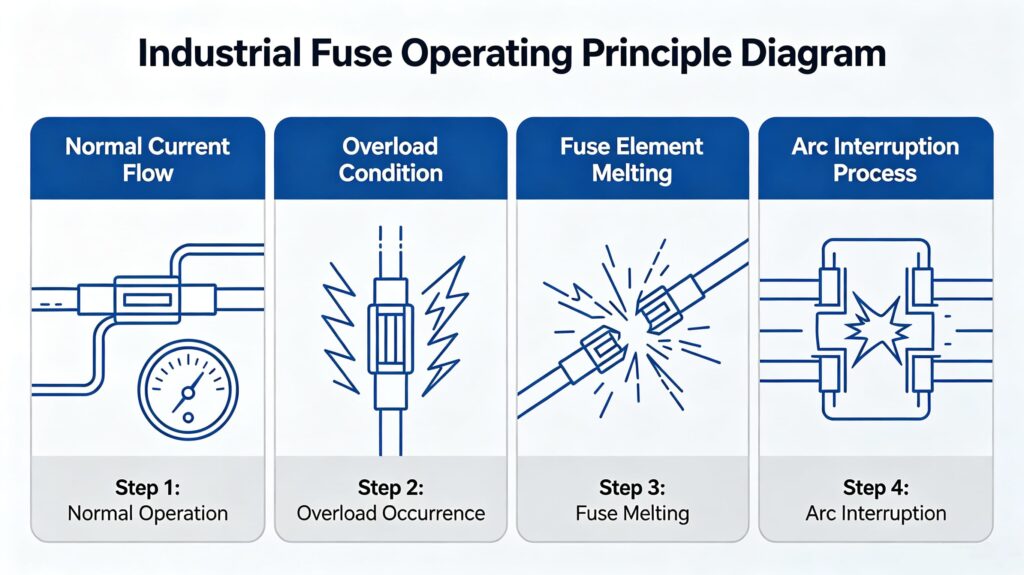
Il funzionamento di un collegamento a fusibile si basa su un semplice principio fisico:
La corrente elettrica genera calore.
In condizioni di funzionamento normali, il calore prodotto rimane al di sotto del punto di fusione dell'elemento fusibile.
Quando si verifica una corrente anomala:
Questo processo avviene tipicamente in pochi millisecondi durante i cortocircuiti più gravi.
| Palcoscenico | Descrizione |
| Funzionamento normale | La corrente scorre in modo sicuro |
| Condizione di sovraccarico | Aumento della temperatura |
| Punto di fusione raggiunto | L'elemento fusibile si scioglie |
| Formazione dell'arco | Inizio dell'interruzione di corrente |
| Estinzione dell'arco | Il circuito si apre |
| Protezione completa | Guasto isolato |
La velocità di funzionamento dipende dalla struttura del collegamento del fusibile e dall'entità della corrente di guasto.
Senza un adeguato collegamento dei fusibili, le apparecchiature elettriche possono subire danni:
| Benefici | Spiegazione |
| Protezione rapida | Risponde rapidamente ai guasti |
| Alta affidabilità | Nessuna parte in movimento |
| Basso costo | Soluzione di protezione economica |
| Installazione semplice | Sostituzione semplice |
| Elevata capacità di rottura | Gestisce cortocircuiti gravi |
| Manutenzione minima | Lunga vita operativa |
Per gli utenti industriali, la prevenzione di un guasto alle apparecchiature spesso giustifica anni di investimenti nei collegamenti a fusibile.
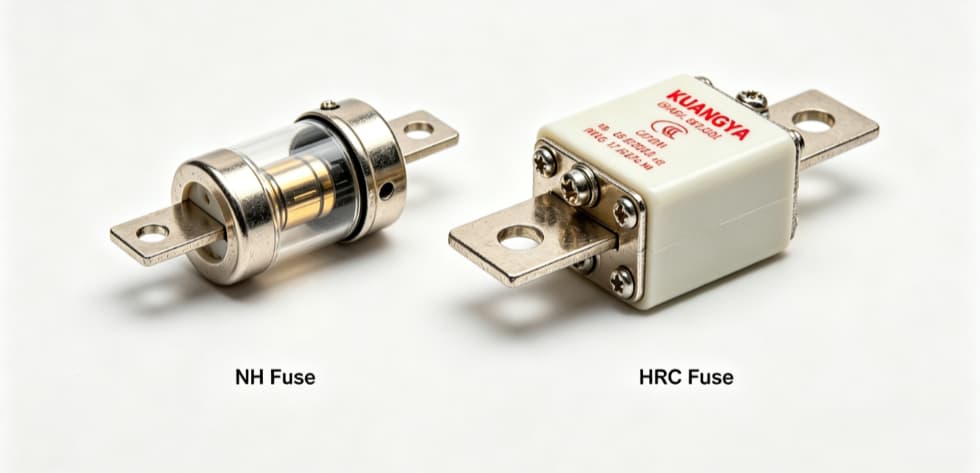
Applicazioni diverse richiedono design diversi dei collegamenti a fusibile.
La comprensione di queste categorie aiuta gli acquirenti a prendere decisioni informate.
HRC è l'acronimo di High Rupturing Capacity (alta capacità di rottura).
Questi fusibili possono interrompere in modo sicuro correnti di guasto estremamente elevate.
I fusibili NH sono ampiamente utilizzati nei sistemi industriali a bassa tensione.
| Industria | Utilizzo |
| Produzione | Protezione della macchina |
| Energia solare | Protezione CC |
| Utilità | Sistemi di distribuzione |
| Miniere | Attrezzature pesanti |
| Centri dati | Sistemi di backup dell'alimentazione |
I fusibili NH sono particolarmente apprezzati perché combinano prestazioni elevate e facilità di manutenzione.
Questi fusibili sono caratterizzati da un design cilindrico e compatto.
Si trovano comunemente in:
L'ingombro ridotto li rende ideali per spazi di installazione limitati.
I fusibili a lama sono spesso utilizzati nelle applicazioni automobilistiche e nelle batterie.
Esempi comuni sono:
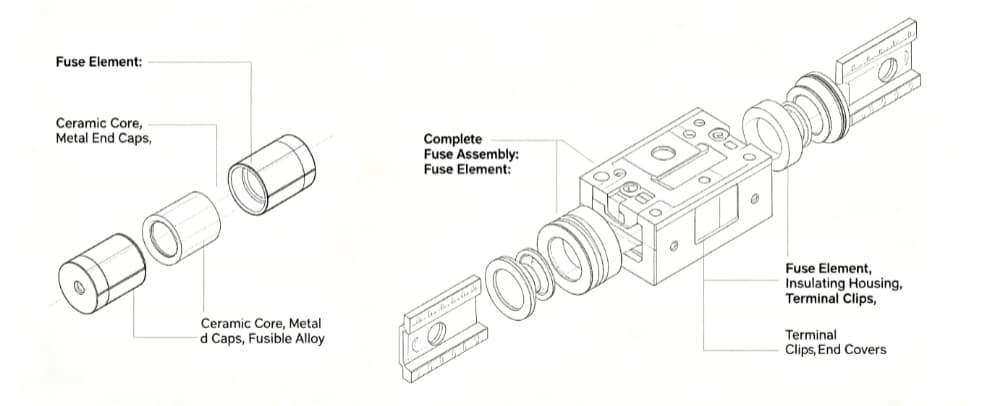
Molti acquirenti usano i termini in modo intercambiabile.
Tuttavia, c'è una distinzione importante.
| Collegamento del fusibile | Fusibile |
| Elemento interno sostituibile | Dispositivo di protezione completo |
| Esegue la funzione di interruzione | Include alloggi e contatti |
| Spesso venduti separatamente | Assemblaggio completo |
| Richiede un supporto in alcuni sistemi | Pronto per l'installazione |
L'elemento fusibile è solitamente il componente attivo di protezione all'interno del gruppo fusibile completo.
I motori elettrici sono soggetti a correnti di avviamento elevate.
Un corretto collegamento dei fusibili previene i danni causati da:
I trasformatori rappresentano un investimento significativo.
I collegamenti dei fusibili aiutano a prevenire:
La rapida crescita dell'energia solare ha aumentato la domanda di collegamenti fusibili CC specializzati.
I collegamenti dei fusibili solari devono resistere:
Le moderne installazioni BESS richiedono una protezione affidabile dai guasti.
I collegamenti dei fusibili proteggono:
Con l'aumento dell'adozione dell'accumulo di energia, la domanda di collegamenti a fusibile continua a crescere in tutto il mondo.
La scelta del fusibile industriale corretto richiede un'attenta valutazione.
Il valore nominale del fusibile deve essere in grado di sopportare la normale corrente di funzionamento, pur garantendo la protezione.
Linea guida tipica:
| Corrente di carico | Valore nominale del fusibile raccomandato |
| 10A | 12A-16A |
| 20A | 25A |
| 50A | 63A |
| 100A | 125A |
Seguire sempre le raccomandazioni del produttore.
La tensione nominale deve essere uguale o superiore alla tensione del sistema.
Esempi:
| Tensione del sistema | Grado di protezione consigliato |
| 230V AC | 500V Collegamento del fusibile |
| 400V AC | Collegamento fusibile 690V |
| 1000V CC | Fusibile solare 1000V Link |
| 1500V DC | Fusibile FV 1500V Link |
Il potere di interruzione indica la corrente di guasto massima che un fusibile può interrompere in modo sicuro.
I sistemi industriali spesso richiedono:
o di rating superiore.
I fattori ambientali influenzano le prestazioni.
Recensione:
Queste condizioni possono richiedere un declassamento o una progettazione speciale dei fusibili di protezione.
Non tutti i fusibili industriali sono progettati per lo stesso scopo. Un fusibile che funziona bene in un circuito motore potrebbe non fornire una protezione adeguata per un impianto fotovoltaico o una batteria di accumulo di energia.
Per gli ingegneri, i quadristi, gli appaltatori EPC e i responsabili degli appalti, la comprensione dei requisiti specifici dell'applicazione è essenziale per la scelta del giusto dispositivo di protezione.

Gli impianti solari fotovoltaici funzionano in condizioni di corrente continua uniche, che differiscono notevolmente dalle reti tradizionali in corrente alternata.
I circuiti fotovoltaici sono esposti a:
Poiché gli archi in corrente continua sono più difficili da estinguere rispetto a quelli in corrente alternata, i fusibili standard in corrente alternata non dovrebbero mai essere utilizzati nelle applicazioni fotovoltaiche.
| Parametro | Raccomandazione |
|---|---|
| Tensione nominale | 1000VDC o 1500VDC |
| Tipo di fusibile | Collegamento fusibile gPV |
| Capacità di rottura | ≥20kA |
| Temperatura di esercizio | Da -40°C a +85°C |
| Standard di conformità | IEC 60269-6 |
I luoghi di installazione tipici includono:
La scelta corretta dei fusibili aiuta a ridurre i rischi di incendio e a proteggere i costosi impianti solari.
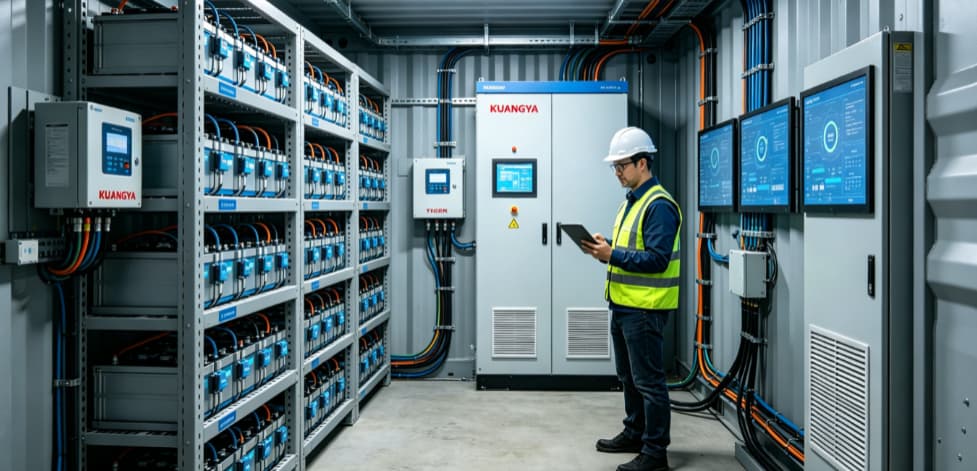
I sistemi di accumulo di energia stanno diventando sempre più importanti nei progetti di energia rinnovabile.
Le batterie agli ioni di litio possono generare correnti di guasto estremamente elevate durante i cortocircuiti.
Pertanto, i fusibili utilizzati nei sistemi a batteria devono fornire:
| Requisiti | Importanza |
|---|---|
| Tempo di risposta rapido | Critico |
| Tensione nominale CC | Critico |
| Elevata capacità di interruzione | Critico |
| Resistenza alla temperatura | Alto |
| Affidabilità a lungo termine | Alto |
I fusibili di protezione della batteria sono comunemente installati tra:
Con la continua espansione dei progetti di stoccaggio su scala industriale in tutto il mondo, la domanda di fusibili industriali ad alte prestazioni è destinata a crescere in modo significativo.
I motori elettrici sono spesso soggetti a correnti di avviamento che possono raggiungere sei-otto volte la loro corrente nominale di funzionamento.
Un errore comune è quello di scegliere un fusibile solo in base alla corrente a pieno carico del motore.
Ciò comporta spesso interventi fastidiosi durante l'avvio.
| Caratteristica | Raccomandazione |
|---|---|
| Tolleranza della corrente di avvio | Alto |
| Protezione da cortocircuito | Eccellente |
| Stabilità termica | Alto |
| Coordinamento con i contattori | Richiesto |
Molti impianti industriali utilizzano i fusibili aM per la protezione dei motori, perché sono progettati specificamente per resistere a correnti di spunto temporanee, proteggendo comunque da guasti gravi.
Le applicazioni includono:
I trasformatori rappresentano un investimento importante nei sistemi di distribuzione dell'energia.
Un collegamento a fusibili non correttamente selezionato può non proteggere il trasformatore o causare interruzioni non necessarie.
La protezione dei trasformatori richiede un bilanciamento:
| Fattore | Importanza |
|---|---|
| Potenza nominale kVA del trasformatore | Critico |
| Tensione primaria | Critico |
| Corrente di spunto | Alto |
| Livello di corrente di guasto | Alto |
| Coordinamento del sistema | Alto |
In genere i tecnici selezionano i fusibili utilizzando le curve di protezione dei trasformatori per garantire un funzionamento affidabile sia in condizioni normali che di guasto.
Molti uffici acquisti si concentrano solo sul prezzo.
Tuttavia, la scelta del fusibile sbagliato può comportare costi molto più elevati in seguito.
Gli errori più comuni includono:
Due collegamenti di fusibili possono avere lo stesso amperaggio ma caratteristiche prestazionali completamente diverse.
Verificare sempre:
Un collegamento a fusibile progettato per i circuiti in corrente alternata può guastarsi pericolosamente se utilizzato in sistemi in corrente continua.
Ciò è particolarmente importante per:
I collegamenti a fusibile non certificati a basso costo spesso non sono sottoposti a test affidabili e non sono tracciabili.
Per i progetti industriali, verificare sempre la conformità alle norme:
Molte strutture aumentano la capacità di carico nel tempo.
La scelta di un collegamento con fusibili con margini di progettazione adeguati può ridurre i costi di aggiornamento futuri.
I progetti internazionali spesso richiedono la conformità a standard riconosciuti.
| Standard | Regione |
| IEC 60269 | Internazionale |
| UL 248 | Nord America |
| BS 88 | Regno Unito |
| Norme DIN | Germania |
| Norme GB/T | Cina |
Per i produttori OEM e gli appaltatori di progetti, la conformità alla certificazione è spesso obbligatoria.
Anche i collegamenti a fusibile selezionati correttamente possono guastarsi in condizioni anomale.
Possibili cause:
I motivi potenziali includono:
Il funzionamento inatteso può indicare:
Prima della sostituzione è necessaria un'analisi sistematica.
Il settore elettrico è in rapida evoluzione.
Il futuro dei collegamenti a fusibile è caratterizzato da diverse tendenze.
I progetti di accumulo di energia e di energia solare stanno guidando la domanda:
L'infrastruttura di ricarica dei veicoli elettrici richiede collegamenti specializzati in grado di gestire i fusibili:
Sebbene le tecnologie di protezione digitale stiano crescendo, i collegamenti a fusibile rimangono indispensabili per la loro capacità di proteggere le persone:
La maggior parte dei moderni sistemi di protezione combina ancora il monitoraggio elettronico con la tradizionale protezione dei collegamenti a fusibile.
Un fusibile di collegamento protegge le apparecchiature elettriche da sovraccarichi e cortocircuiti, fondendo e scollegando il circuito quando scorre una corrente eccessiva.
Un fusibile di collegamento solare protegge le stringhe fotovoltaiche, le scatole di combinatori, gli inverter e i sistemi di batterie da guasti da sovracorrente CC.
No.
Il fusibile di collegamento è progettato come componente sacrificale e deve essere sostituito dopo il funzionamento.
In condizioni di funzionamento normali, un collegamento a fusibili può rimanere funzionante per molti anni fino a quando non si verifica un guasto.
La selezione deve tenere conto di:
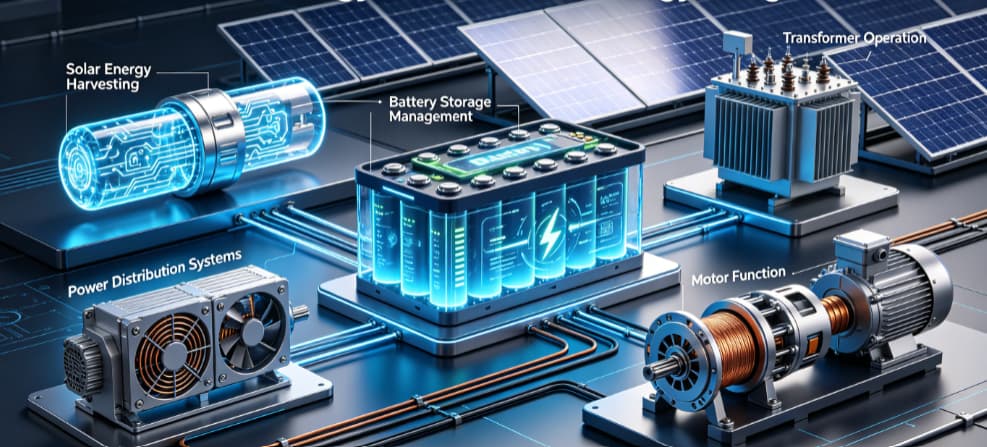
Comprensione cos'è il collegamento del fusibile è essenziale per ingegneri, appaltatori, produttori OEM e professionisti dell'approvvigionamento coinvolti nei moderni sistemi elettrici.
Una selezione adeguata collegamento al fusibile fornisce una protezione rapida, affidabile ed economica contro sovraccarichi e cortocircuiti. Che si tratti di proteggere motori, trasformatori, impianti solari, sistemi di accumulo di batterie o reti di distribuzione industriali, i fusibili restano uno dei dispositivi di sicurezza più affidabili nel settore elettrico.
Con l'espansione delle energie rinnovabili, dei veicoli elettrici e delle infrastrutture intelligenti, l'importanza delle soluzioni di collegamento fusibili di alta qualità è destinata ad aumentare. Investire oggi nel collegamento fusibile giusto può ridurre significativamente i guasti alle apparecchiature, migliorare l'affidabilità del sistema e ridurre i costi operativi a lungo termine.

Siamo un produttore professionale di prodotti elettrici per applicazioni solari e industriali, tra cui MCB, SPD, RCD e relativi accessori. Con una ricca esperienza di esportazione, forniamo soluzioni affidabili e servizi OEM/ODM per i clienti globali.

