Промышленная зона Вэньян Юэцин Вэньчжоу 325000
Рабочие часы
Понедельник - пятница: 7AM - 7PM
Выходные: 10AM - 5PM
Промышленная зона Вэньян Юэцин Вэньчжоу 325000
Рабочие часы
Понедельник - пятница: 7AM - 7PM
Выходные: 10AM - 5PM

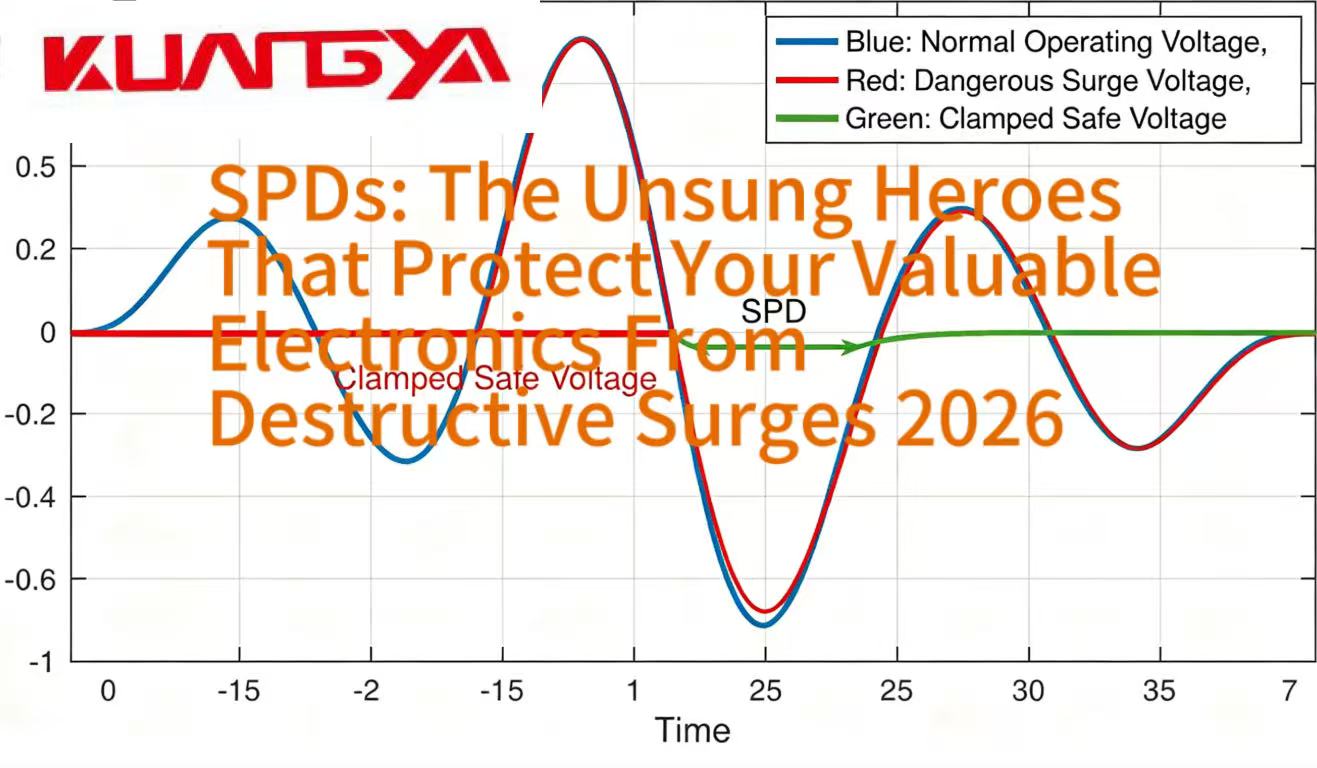
Каждый день в электросетях по всему миру происходят миллионы скачков напряжения. Большинство из них слишком малы, чтобы их заметить, но некоторые могут в одно мгновение уничтожить дорогостоящую электронику.
Устройства SPD (Surge Protective Devices) - это единственная технология, специально разработанная для обнаружения и нейтрализации опасных скачков напряжения до того, как они повредят ваше оборудование.
Без надлежащей защиты один удар молнии или скачок напряжения в электросети может уничтожить компьютеры, телевизоры, холодильники и целые промышленные системы управления.
Стоимость ущерба от импульсных перенапряжений исчисляется миллиардами долларов в год, что делает эти устройства одним из самых экономически эффективных вложений в безопасность, которые вы можете сделать. Авторитетные рекомендации можно найти в Международная электротехническая комиссия веб-сайт.
Согласно Национальная ассоциация противопожарной защиты, Только в США удары молнии ежегодно наносят материальный ущерб на сумму $1,1 миллиарда.
Сайт Институт инженеров по электротехнике и электронике сообщает, что 60-80% всех скачков напряжения на самом деле вызваны внутренним переключением оборудования, а не молнией.
Один удар молнии может вызвать скачки напряжения в 10 000 вольт и более в близлежащей проводке. Даже небольшие скачки напряжения в 500 вольт могут надолго повредить чувствительные электронные компоненты.
Эта статистика подчеркивает острую необходимость комплексной защиты каждого дома, офиса и промышленного объекта.
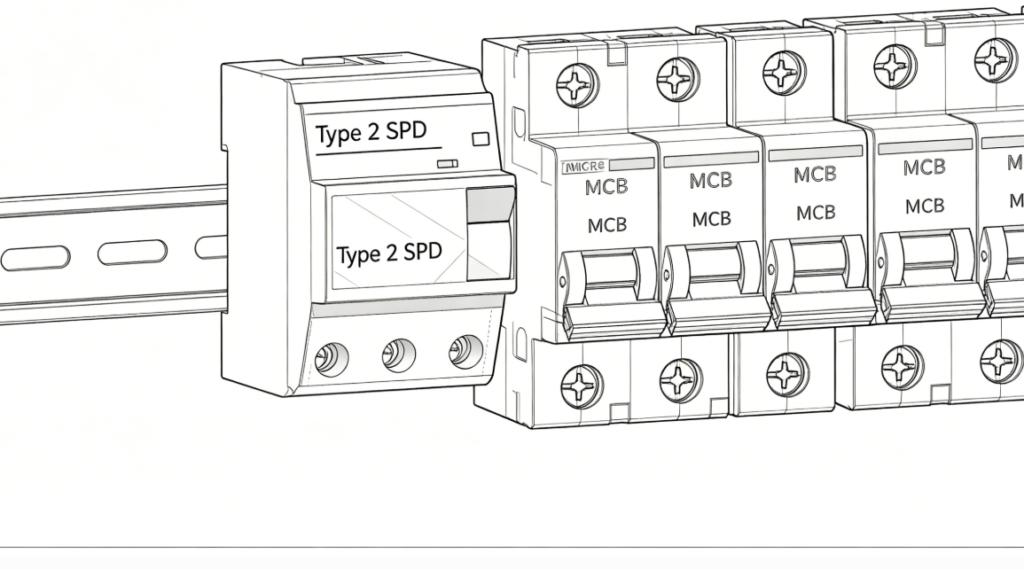
Эти электрические устройства устанавливаются параллельно цепям питания для защиты чувствительного оборудования от переходных перенапряжений.
Они действуют как предохранительный клапан для вашей электрической системы, пропуская нормальное рабочее напряжение и отводя избыточную энергию перенапряжения на землю.
В отличие от автоматических выключателей, которые прерывают подачу электроэнергии, эти защитные устройства работают непрерывно в фоновом режиме, не нарушая нормальный поток электроэнергии.
В современных устройствах используется передовая полупроводниковая технология, позволяющая реагировать на скачки напряжения менее чем за 25 наносекунд, то есть быстрее, чем за мгновение ока.
Электрический всплеск - это кратковременное, но интенсивное повышение напряжения, длящееся от микросекунды до миллисекунды.
Скачки напряжения могут быть вызваны:
Даже небольшой скачок напряжения может со временем нанести кумулятивный ущерб электронным компонентам, значительно сократив их срок службы.
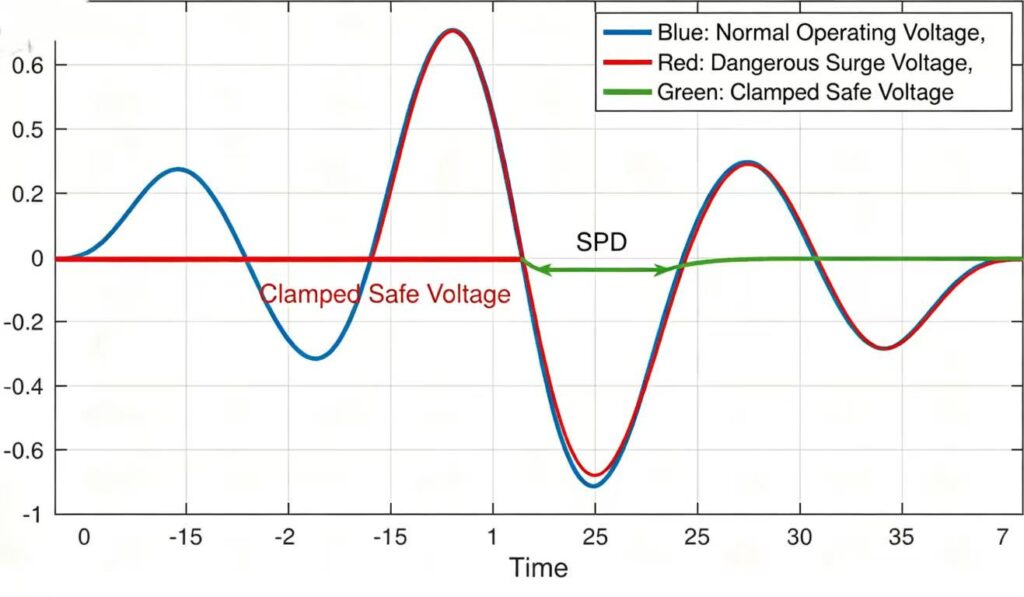
Устройства защиты от импульсных перенапряжений содержат один или несколько нелинейных компонентов, которые изменяют свое электрическое сопротивление в зависимости от приложенного напряжения.
В нормальных условиях эксплуатации эти компоненты имеют очень высокое сопротивление и практически не потребляют ток.
Когда происходит скачок напряжения и оно превышает заданный порог, сопротивление резко падает, создавая низкоомный путь к земле.
После того как скачок напряжения прошел, устройство автоматически возвращается в состояние высокого сопротивления, готовое к следующему событию. Сайт Стандарт UL 1449 определяет требования к производительности этих устройств.
Сайт Серия IEC 61643 это международный стандарт, определяющий классификацию и требования к характеристикам устройств защиты от перенапряжения.
Устройства классифицируются в зависимости от места установки, ожидаемой энергии перенапряжения и параметров тестовой формы волны.
Эта система классификации гарантирует, что защитные устройства будут правильно подобраны в соответствии с конкретными рисками и требованиями каждого применения.
Использование неправильного типа может привести к неадекватной защите или преждевременному выходу устройства из строя.
СПД типа 1 предназначены для установки на главном служебном входе в здание. Они защищают от прямых ударов молнии и скачков напряжения очень высокой энергии.
Эти устройства тестируются с использованием формы волны 10/350 мкс, которая имитирует высокие энергетические характеристики тока молнии.
Устройства типа 2 устанавливаются на распределительных панелях или подпанелях во всем здании. Они защищают от непрямых ударов молнии и коммутационных перенапряжений.
Защитные устройства типа 3 - это устройства точечного применения, устанавливаемые непосредственно на чувствительное оборудование или внутри него. Они обеспечивают последний уровень защиты критически важной электроники.
表格
| Тип устройства | Форма тестовой волны | Место установки | Цель первичной защиты | Типичная номинальная сила тока |
|---|---|---|---|---|
| Тип 1 СПД | 10/350 мкс | Главный служебный вход | Прямые удары молнии | 12,5-100 кА Iimp |
| Тип 2 СПД | 8/20 мкс | Распределительные панели | Косвенные молнии, коммутационные перенапряжения | 20-80 кА Imax |
| Тип 3 СПД | 8/20 мкс | Точка использования | Надежная защита для чувствительной электроники | 5-20 кА Imax |
Максимальное непрерывное рабочее напряжение (Uc): Наибольшее напряжение, которое устройство может выдерживать непрерывно без деградации.
Номинальный ток разряда (В): Максимальный импульсный ток, который устройство может выдерживать многократно без сбоев.
Уровень защиты по напряжению (Up): Максимальное напряжение, которое появится на клеммах во время скачка напряжения. Это самый важный параметр для защиты оборудования.
Время срабатывания: время, необходимое для того, чтобы устройство начало проводить импульсный ток. Время срабатывания современных устройств составляет менее 25 наносекунд.
Для применения в жилых помещениях выбирайте устройства типа 2 с Uc ≥ 385 В, In ≥ 20 кА и Up ≤ 1,5 кВ.
Для коммерческих зданий используйте комбинацию типа 1 на главном входе и типа 2 на распределительных панелях.
На промышленных объектах с высоким риском поражения молнией устанавливайте комбинированные устройства типа 1+2 с более высокими номинальными значениями тока.
Для чувствительного оборудования, такого как серверы и медицинские приборы, добавьте точечные защитные устройства типа 3 с напряжением Up ≤ 1,0 кВ.
www.cnkuangya.com предлагает полный ассортимент Продукция СПД для всех областей применения, сертифицированные по международным стандартам.
表格
| Приложение | Рекомендуемый тип | Минимальное значение Uc | Минимум в | Максимум вверх |
|---|---|---|---|---|
| Жилье | Тип 2 СПД | 385V | 20 кА | 1,5 кВ |
| Коммерческий офис | Тип 1+2 СПД | 385V | 25 кА | 1,2 кВ |
| Промышленный завод | Тип 1+2 СПД | 385V | 50 кА | 1,5 кВ |
| Центр обработки данных | Тип 1+2+3 SPD | 385V | 40 кА | 1,0 кВ |
| Солнечная фотоэлектрическая система | Тип 1+2 DC SPD | 1000 В ПОСТОЯННОГО ТОКА | 20 кА | 2,0 кВ |
Установку устройств защиты от перенапряжения всегда должен выполнять квалифицированный электрик, знакомый с местными электротехническими нормами.
Следуйте принципу “три коротких и один толстый”: соединительные провода должны быть короткими, прямыми и толстыми (минимум 6 мм² меди).
Общая длина соединительных проводов не должна превышать 0,5 м, чтобы минимизировать индуктивность и падение напряжения.
Блоки должны быть надлежащим образом заземлены на низкоомное заземление с сопротивлением менее 4 Ом. Руководство по установке можно получить в Управление по охране труда и здоровья.
Одна из самых распространенных ошибок - установка защит с чрезмерно длинными соединительными проводами, что может снизить эффективность защиты на 50% и более.
Еще одна критическая ошибка - неправильное заземление. Без хорошего заземления эти устройства не могут эффективно отводить энергию перенапряжения.
Никогда не устанавливайте сетевые фильтры без соответствующей защиты от перегрузки по току (предохранителей или автоматических выключателей), чтобы предотвратить пожар в случае выхода устройства из строя.
Избегайте смешивания различных типов или марок в одной системе без проверки их координальной совместимости.
Эти устройства не являются продуктами на весь срок службы. Они деградируют с течением времени с каждым поглощенным импульсом.
Каждые 3 месяца визуально проверяйте устройства на наличие признаков повреждения, обесцвечивания или отказа индикатора.
Ежегодно тестируйте устройства с помощью специализированного оборудования для проверки их работоспособности.
Немедленно замените устройства, если они имеют признаки повреждения, если индикатор не горит, или после сильного удара молнии. Срок службы большинства устройств при нормальных условиях составляет 5-10 лет.
Для получения более подробных инструкций по техническому обслуживанию ознакомьтесь с нашими подробными руководство по обслуживанию электрооборудования.
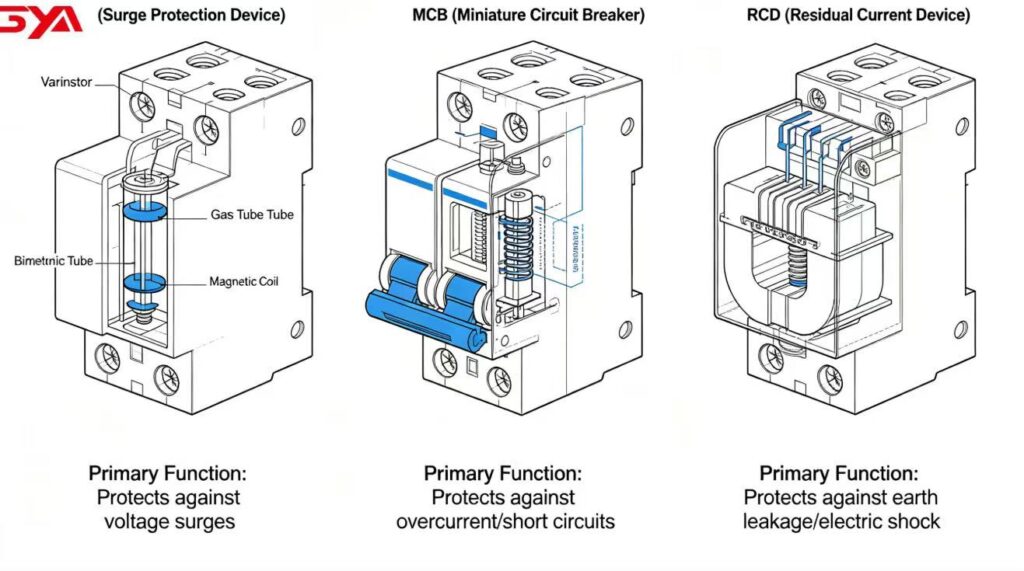
SPD защищают от переходных перенапряжений (скачков), которые длятся от микросекунды до миллисекунды.
MCB (миниатюрные автоматические выключатели) Защищают от сверхтоков и коротких замыканий, длящихся несколько секунд или дольше.
УЗО (устройства остаточного тока) защищают от поражения электрическим током, обнаруживая утечку тока на землю.
Каждое устройство защищает от различных типов электрических опасностей, а их совместная работа обеспечивает комплексную безопасность.
Многие ошибочно полагают, что автоматические выключатели обеспечивают защиту от перенапряжения, но это не так.
Автоматические выключатели слишком медленно реагируют на быстрые переходные процессы, вызванные скачками напряжения. Перенапряжение может разрушить оборудование еще до того, как сработает автоматический выключатель.
Аналогичным образом УЗО не обнаруживают и не защищают от скачков напряжения. Они реагируют только на дисбаланс тока.
Только комплексная система защиты, включающая сетевые фильтры, MCB и УЗО, может защитить от всех распространенных электрических опасностей.AC SPD (устройство защиты от перенапряжения) | Kuangya
| Тип устройства | Защищает от | Время отклика | Многоразовые | Основная цель |
|---|---|---|---|---|
| СПД | Скачки напряжения | <25 нс | Да | Защита оборудования |
| MCB | Перегрузка по току, короткое замыкание | Миллисекунды | Да | Защита проводов и оборудования |
| УЗО | Утечка тока | <30 мс | Да | Предотвращение поражения электрическим током |
| Предохранитель | Перегрузка по току, короткое замыкание | Миллисекунды | Нет | Защита от перегрузки по току |
SEO 填写内容(全英文):
Сравнение электрозащитных устройств SPD, MCB и RCDСравнение устройств электрозащитыРисунок 3: Боковое сравнение устройств SPD, MCB и RCD, демонстрирующее их различный внешний вид и функции защиты.Визуальная сравнительная таблица, иллюстрирующая различия между устройствами SPD (защита от перенапряжения), MCB (защита от сверхтоков) и RCD (защита от утечки).В каждом доме на главном электрическом щите должен быть установлен хотя бы один блок типа 2.
Для защиты дорогостоящей электроники, такой как телевизоры, компьютеры и домашние кинотеатры, следует использовать дополнительные устройства защиты в местах использования.
Эти устройства особенно важны в районах с высокой активностью молний или нестабильными электросетями.
Даже в городских районах с надежным энергоснабжением скачки напряжения, вызванные работой коммунальных служб, все равно могут нанести значительный ущерб.
Коммерческие здания требуют многоуровневой защиты с устройствами типа 1 на главном входе и устройствами типа 2 на каждом распределительном щите.
Критически важные объекты, такие как больницы, центры обработки данных и финансовые учреждения, нуждаются в самом высоком уровне защиты.
Промышленные объекты с большими двигателями и частотно-регулируемыми приводами генерируют значительные внутренние перенапряжения, которые требуют специальных решений.
www.cnkuangya.com предоставляет индивидуальные решения для защиты от импульсных перенапряжений в промышленности разработаны для жестких промышленных условий.
Солнечные фотоэлектрические системы требуют специальных блоков постоянного тока для защиты как стороны постоянного тока (панели и инверторы), так и стороны переменного тока (подключение к сети).
Станции зарядки электромобилей нуждаются в надежной защите, чтобы уберечь дорогостоящее зарядное оборудование и автомобили.
Телекоммуникационные системы, системы безопасности и медицинское оборудование - все они требуют специальной защиты для чувствительной электроники.
Сайт Стандарт IEC 62548 специально рассматривает требования к защите от перенапряжения для фотоэлектрических систем.
AC SPD (устройство защиты от перенапряжения) | Kuangya
О: Нет, SPD защищают только от переходных скачков напряжения. Они не могут предотвратить перебои в подаче электроэнергии, браунинги или длительное перенапряжение.
Для защиты от этих проблем вам понадобится источник бесперебойного питания (ИБП) или стабилизатор напряжения в дополнение к защите от скачков напряжения.
Однако многие системы ИБП оснащены встроенной защитой от перенапряжения, обеспечивающей комплексное энергосбережение.
Важно понимать ограничения каждого защитного устройства и использовать их в комбинации для обеспечения полной безопасности.
О: Да, но это количество ничтожно мало. Современные устройства потребляют менее 1 Вт энергии в режиме ожидания.
Это эквивалентно энергопотреблению небольшой светодиодной лампочки и обходится всего в несколько центов в год на электроэнергию.
Небольшое энергопотребление стоит того, чтобы вложить средства в защиту электронного оборудования стоимостью в тысячи долларов.
Некоторые энергоэффективные модели потребляют еще меньше энергии, что делает их пригодными для работы от аккумулятора.
О: Да, в действительности это рекомендуется для комплексной защиты. Многоуровневый подход с устройствами на главной панели, подпанелях и в точках использования обеспечивает наилучшую защиту.
Однако важно обеспечить правильную координацию работы устройств, чтобы одно из них не отводило на себя всю энергию перенапряжения и не вышло из строя раньше времени.
Большинство современных СПД разработаны так, что при установке в соответствии с инструкциями производителя они работают как единая система.
Проконсультируйтесь с квалифицированным электриком, чтобы разработать правильно согласованную систему защиты для ваших конкретных нужд.
О: Когда устройство поглощает максимальную номинальную энергию перенапряжения, оно выходит из строя. Большинство устройств сконструированы таким образом, чтобы безопасно выходить из строя путем короткого замыкания, что приведет к срабатыванию защиты от сверхтоков.
Многие SPD оснащены визуальными индикаторами (обычно светодиодными), которые показывают, когда устройство вышло из строя и требует замены.
Важно немедленно заменить вышедшие из строя устройства, поскольку они больше не обеспечивают защиту.
Некоторые продвинутые модели оснащены функцией удаленного мониторинга для оповещения менеджеров объекта о необходимости замены устройства.
О: Да, температура окружающей среды оказывает значительное влияние на производительность и срок службы.
Высокие температуры снижают способность этих устройств выдерживать скачки напряжения и ускоряют деградацию компонентов.
Срок службы устройств, установленных в жарких помещениях, таких как чердаки, котельные или наружные шкафы, может быть меньше, чем у устройств, установленных в прохладных и сухих помещениях.
При выборе СПД для высокотемпературных применений выбирайте модели с более высокими температурными номиналами и соответствующим образом снижайте их номинальный ток.
Следующее поколение сетевых фильтров будет включать в себя интеллектуальные функции и возможность подключения к IoT для удаленного мониторинга и управления.
Умные СПД смогут отслеживать скачки напряжения, измерять энергопотребление и отправлять оповещения на смартфоны или в системы управления зданием.
Кроме того, они смогут самостоятельно диагностировать и предсказывать, когда им потребуется замена, что избавит вас от необходимости ручных проверок.
Эта технология позволит сделать защиту от перенапряжений более надежной и экономически эффективной, особенно для крупных коммерческих и промышленных объектов.
Достижения в области полупроводниковых материалов приводят к появлению устройств с более высокой производительностью, меньшими размерами и более длительным сроком службы.
Новые материалы, такие как карбид кремния (SiC) и нитрид галлия (GaN), позволяют создавать SPD с более быстрым временем отклика и более низкими уровнями защиты по напряжению.
Эти инновации позволят этим устройствам защитить даже самую чувствительную электронику нового поколения от все более сложных угроз перенапряжения.
Производители также разрабатывают более экологичные устройства с пониженным содержанием свинца и других опасных материалов.
В ближайшие годы ожидается устойчивый рост мирового рынка защиты от импульсных перенапряжений, обусловленный повышением осведомленности об электробезопасности и ростом числа чувствительных электронных устройств.
Развивающиеся рынки Азии, Африки и Латинской Америки переживают бурный рост благодаря ускоренному развитию инфраструктуры.
Международные стандарты становятся все более унифицированными, что облегчает производителям разработку продукции, отвечающей глобальным требованиям.
www.cnkuangya.com находится в авангарде этих разработок, постоянно внедряя инновации, чтобы обеспечить самые передовые интеллектуальные электрические решения для клиентов по всему миру.
На СПД часто не обращают внимания, но они являются одним из важнейших компонентов современной системы электробезопасности.
Один скачок напряжения может в одно мгновение уничтожить оборудование стоимостью в тысячи долларов, но правильно установленное устройство может предотвратить этот ущерб за долю стоимости.
Будь вы домовладельцем, защищающим электронику своей семьи, или руководителем предприятия, охраняющим критически важное промышленное оборудование, эти устройства являются необходимым капиталовложением.
Разбираясь в различных типах сетевых фильтров, выбирая подходящие параметры и соблюдая правила установки и обслуживания, вы сможете обеспечить защиту вашей электрической системы от скрытой опасности скачков напряжения.
По мере развития технологий и роста нашей зависимости от электроники важность такой защиты будет только возрастать.
Надежные, сертифицированные изделия SPD и профессиональные консультации по защите от перенапряжений можно получить на сайте www.cnkuangya.com сегодня. Их команда экспертов поможет вам разработать комплексную систему защиты с учетом ваших конкретных потребностей.
Не ждите, пока станет слишком поздно. Защитите свою ценную электронику и обеспечьте безопасность электрической системы с помощью высококачественных сетевых фильтров от надежного производителя.

