Промышленная зона Вэньян Юэцин Вэньчжоу 325000
Рабочие часы
Понедельник - пятница: 7AM - 7PM
Выходные: 10AM - 5PM
Промышленная зона Вэньян Юэцин Вэньчжоу 325000
Рабочие часы
Понедельник - пятница: 7AM - 7PM
Выходные: 10AM - 5PM

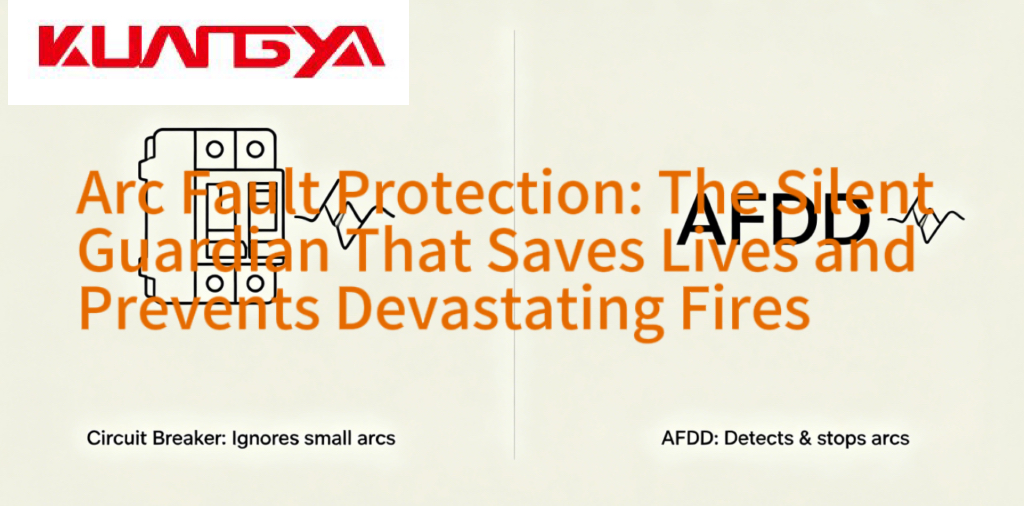
Каждый год во всем мире электрические пожары приводят к гибели тысяч людей, травмам и материальному ущербу на миллиарды долларов. Большинство таких пожаров начинается с опасного электрического явления, называемого дуговым замыканием.
Защита от дуговых замыканий единственная технология, специально разработанная для обнаружения и предотвращения этих невидимых, смертельно опасных факторов до того, как они приведут к пожару. Это одна из самых важных инноваций в области безопасности в современной электротехнике.
Большинство людей знакомы с автоматическими выключателями и предохранителями, но эти традиционные устройства не могут обнаружить слаботочную дугу, которая является причиной большинства электрических пожаров. Именно здесь защита от дуговых замыканий становится незаменимым.
В этом подробном руководстве мы расскажем обо всем, что вам нужно знать о защита от дуговых замыканий, От того, как она работает, где она необходима, как ее установить и как правильно обслуживать. Мы будем ссылаться на ведущие отраслевые стандарты таких организаций, как Национальная ассоциация противопожарной защиты (NFPA) и Международная электротехническая комиссия (МЭК) чтобы обеспечить наиболее точную и актуальную информацию.
Согласно Национальная ассоциация противопожарной защиты (NFPA), Электрическое распределительное или осветительное оборудование было задействовано в 44% пожаров в жилых домах в США в период с 2015 по 2019 год.
Ежегодно в результате этих пожаров погибает в среднем 420 человек, 1 360 получают травмы, а прямой материальный ущерб составляет $1,5 миллиарда. Приблизительно 60% этих электрических пожаров вызваны дуговыми замыканиями, которые не могут обнаружить традиционные устройства защиты.
Сайт Международная электротехническая комиссия (МЭК) сообщает аналогичную статистику по всему миру: в большинстве стран на долю электрических пожаров приходится 20-30% всех пожаров в зданиях.
Эти цифры подчеркивают настоятельную необходимость повсеместного внедрения защита от дуговых замыканий Технология применяется как в жилых, так и в коммерческих зданиях. Сайт Управление по охране труда и здоровья (OSHA) также признает дуговые замыкания как значительную опасность на рабочем месте, требующую соответствующих мер защиты во многих промышленных условиях.
Защита от дуговых замыканий относится к набору технологий, предназначенных для обнаружения аномальных электрических дуг в системах электропроводки и прерывания цепи до того, как дуга сможет вызвать пожар.
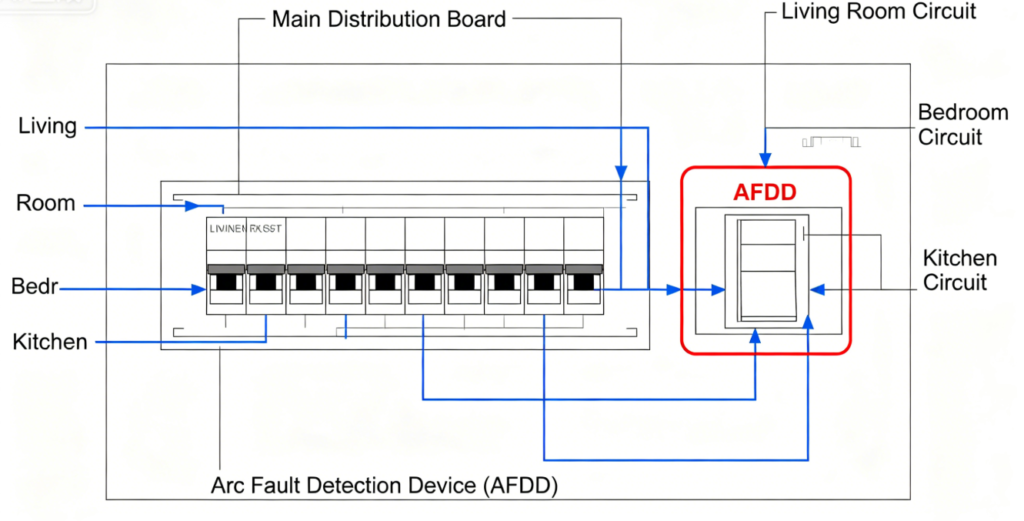
Основным устройством, используемым для этой цели, является устройство обнаружения дуговых замыканий (AFDD), также известное как прерыватель цепи дугового замыкания (AFCI) в Северной Америке. Эти устройства должны соответствовать строгим стандартам производительности, установленным Лаборатории страховщиков (UL) и МЭК.
Защита от дуговых замыканий Устройства непрерывно контролируют электрический ток, протекающий через цепь, и ищут уникальные формы волны, которые указывают на возникновение дугового замыкания.
При обнаружении опасной дуги устройство срабатывает в течение миллисекунд, отключая питание цепи и предотвращая возможный пожар.
Электрическая дуга - это высокотемпературный разряд электричества, проскакивающий между двумя проводниками. Дуга может достигать температуры до 35 000°F (19 400°C), что горячее, чем поверхность Солнца.
Даже небольшая дуга способна менее чем за секунду воспламенить близлежащие горючие материалы, такие как дерево, пластик и изоляция. Сайт Институт инженеров по электротехнике и электронике (IEEE) опубликовал обширные исследования по физике электрической дуги и возможности ее возгорания.
Дуги могут возникать по многим причинам, включая поврежденную проводку, неплотные соединения, перегруженные цепи и поврежденные электрические шнуры.
В отличие от короткого замыкания, вызывающего большой скачок тока, который могут обнаружить традиционные автоматические выключатели, многие опасные дуги возникают при нормальном уровне тока, что делает их невидимыми для обычных устройств защиты.
Современный защита от дуговых замыканий Приборы используют передовую микропроцессорную технологию для анализа формы электрической волны тысячи раз в секунду.
Они ищут специфические характеристики, которые отличают опасную дугу от обычной дуги, возникающей в таких повседневных устройствах, как выключатели света, двигатели и пылесосы.
Эти характеристики включают:
Когда устройство обнаруживает схему, соответствующую опасной дуге, оно запускает внутренний механизм для размыкания цепи, обычно в течение 25 миллисекунд. Сайт Стандарт UL 1699 определяет требования к производительности этих алгоритмов обнаружения, чтобы обеспечить их эффективность и надежность.
Серийные дуги возникают при разрыве одного проводника, что приводит к скачку тока через разрыв.
Это самый распространенный тип дугового замыкания и самый опасный, поскольку часто происходит при нормальном уровне тока, который не отключает традиционные автоматические выключатели.
Серийные дуги могут быть вызваны:
Последовательная дуга силой тока всего 5 ампер может генерировать достаточно тепла, чтобы воспламенить большинство строительных материалов. Сайт Фонд электробезопасности NFPA содержит подробную информацию о том, как развиваются дуги серий и как их предотвратить.
Параллельные дуги возникают между двумя проводниками противоположной полярности, например, между горячим и нейтральным проводом или между горячим и заземляющим проводом.
Такие дуги обычно потребляют больший ток, чем последовательные дуги, и в конечном итоге могут отключить традиционный автоматический выключатель.
Однако даже параллельная дуга может генерировать достаточно тепла, чтобы разжечь огонь до срабатывания автоматического выключателя.
Параллельные дуги часто возникают из-за:
Дуга заземления возникает между горячим проводом и заземленной поверхностью, например, металлической электрической коробкой или кабелепроводом.
Эти дуги особенно опасны, поскольку могут возникать без тока, достаточного для срабатывания традиционного автоматического выключателя.
Дуги заземления - распространенная причина пожаров в старых зданиях с металлическими кабелепроводами. Сайт Стандарт IEC 60364 содержит руководство по защите от замыканий на землю и дуговых замыканий в электроустановках.
| Тип дугового замыкания | Текущий диапазон | Сложность обнаружения | Риск пожара | Общие причины |
|---|---|---|---|---|
| Серия Arc | 5-30 ампер | Очень высокий | Экстрим | Поврежденные провода, ослабленные соединения |
| Параллельная дуга | 30-1000+ ампер | Умеренный | Высокий | Пробой изоляции, поврежденные кабели |
| Наземная дуга | 5-100 ампер | Высокий | Очень высокий | Контакт с металлическим кабелем, проникновение воды |
Традиционные автоматические выключатели предназначены для защиты от двух условий: перегрузки по току и короткого замыкания.
Они работают, обнаруживая, когда ток, протекающий через цепь, превышает заданный порог, и срабатывают, предотвращая перегрев проводки.
Однако они не могут обнаружить слаботочную дугу, которая является причиной большинства электрических пожаров. Автоматический выключатель может никогда не сработать, даже если дуга активно горит и выделяет достаточно тепла, чтобы разжечь огонь.
На самом деле, испытания, проведенные Лаборатории UL показали, что 15-амперный автоматический выключатель не сработает даже при непрерывном горении 10-амперной последовательной дуги.
Устройства остаточного тока (УЗО), также известные как прерыватели цепи замыкания на землю (GFCI), предназначены для обнаружения утечки тока на землю.
Они отлично предотвращают поражение электрическим током, но не могут обнаружить последовательную дугу или большинство параллельных дуг.
Защита от дуговых замыканий и защита УЗО работают вместе, обеспечивая комплексную электробезопасность. Защита от дуговых замыканий предотвращает пожар, а УЗО - поражение электрическим током.
Многие современные устройства сочетают в себе и то, и другое. защита от дуговых замыканий и УЗО в одном устройстве, обеспечивая полную защиту цепи. Сайт Стандарт IEC 61008 определяет требования к характеристикам УЗО.
| Устройство защиты | Обнаружение перегрузки по току | Обнаружение коротких замыканий | Обнаружение дуговых разрядов | Обнаружение замыканий на землю | Основная цель |
|---|---|---|---|---|---|
| Предохранитель | Да | Да | Нет | Нет | Защита от перегрузки по току |
| Автоматический выключатель (MCB) | Да | Да | Нет | Нет | Защита от перегрузки по току |
| УЗО/ГФУ | Нет | Нет | Нет | Да | Предотвращение поражения электрическим током |
| AFDD/AFCI | Да | Да | Да | Нет | Предотвращение пожаров |
| RCBO | Да | Да | Нет | Да | Перегрузка по току + защита от ударов |
| AFDD+RCBO | Да | Да | Да | Да | Полная защита цепи |
В Соединенных Штатах и Канаде Национальный электрический кодекс (NEC) потребовал защита от дуговых замыканий в жилых спальнях с 2002 года.
Последующие обновления кодекса расширили это требование, включив в него:
По состоянию на 2023 год NEC, защита от дуговых замыканий требуется практически во всех помещениях жилых зданий, за редким исключением.
Согласно NEC, устройства AFCI комбинированного типа, обнаруживающие как последовательную, так и параллельную дугу, сертифицированы в соответствии со стандартом Стандарт UL 1699B.
Сайт Международная электротехническая комиссия (МЭК) опубликовал первый международный стандарт для защита от дуговых замыканий устройств в 2010 году: IEC 62606.
Настоящий стандарт определяет требования к характеристикам и методы испытаний AFDD для использования в жилых и аналогичных помещениях.
Многие европейские страны включили IEC 62606 в свои национальные стандарты и начали требовать защита от дуговых замыканий в новом строительстве.
Германия стала первой европейской страной, которая ввела обязательный защита от дуговых замыканий в жилых домах, начиная с 2017 года. Другие страны, включая Францию, Италию и Испанию, последовали этому примеру. Сайт Европейский комитет по электротехнической стандартизации (CENELEC) также приняла IEC 62606 в качестве европейского стандарта.
| Регион | Стандарт | Обязательно с тех пор, как | Необходимые места | Тип устройства Требуется |
|---|---|---|---|---|
| Соединенные Штаты | NEC 2023 | 2002 (с тех пор расширен) | Все жилые помещения | AFCI комбинированного типа (UL 1699B) |
| Канада | CSA C22.1 | 2002 | Все жилые помещения | AFCI комбинированного типа |
| Германия | DIN VDE 0100 | 2017 | Все жилые цепи | AFDD, соответствующий стандарту IEC 62606 |
| Франция | NF C 15-100 | 2020 | Все жилые цепи | AFDD, соответствующий стандарту IEC 62606 |
| Великобритания | BS 7671 | 2022 | Большинство бытовых цепей | AFDD, соответствующий стандарту IEC 62606 |
| Австралия | AS/NZS 3000 | 2023 | Все жилые помещения | AFDD, соответствующий стандарту IEC 62606 |
Защита от дуговых замыканий чаще всего используется в жилых домах, где, как было доказано, значительно снижает риск возникновения электрических пожаров.
Он должен быть установлен на всех цепях, подающих питание:
Даже в старых домах, которые были построены до защита от дуговых замыканий Если же это было необходимо, то модернизация AFDD является крайне рекомендуемым способом повышения безопасности. Сайт NFPA рекомендует чтобы во всех домах была установлена защита AFCI во всех спальнях и жилых помещениях.
www.cnkuangya.com предлагает полный спектр жилых защита от дуговых замыканий Устройства просты в установке и совместимы с большинством существующих электрических систем.
В то время как защита от дуговых замыканий чаще всего ассоциируется с жилыми домами, но она также чрезвычайно важна для коммерческих и промышленных объектов.
Коммерческие здания, которые пользуются защита от дуговых замыканий включают:
В промышленных условиях, защита от дуговых замыканий может помочь предотвратить пожар:
Сайт Стандарт OSHA по электробезопасности требует от работодателей обеспечения безопасного рабочего места, что включает в себя защиту от электрических опасностей, таких как дуговые разряды.
www.cnkuangya.com обеспечивает промышленный уровень защита от дуговых замыканий решения, разработанные для работы в суровых условиях промышленной среды.
Защита от дуговых замыканий также используется в различных специализированных областях, включая:
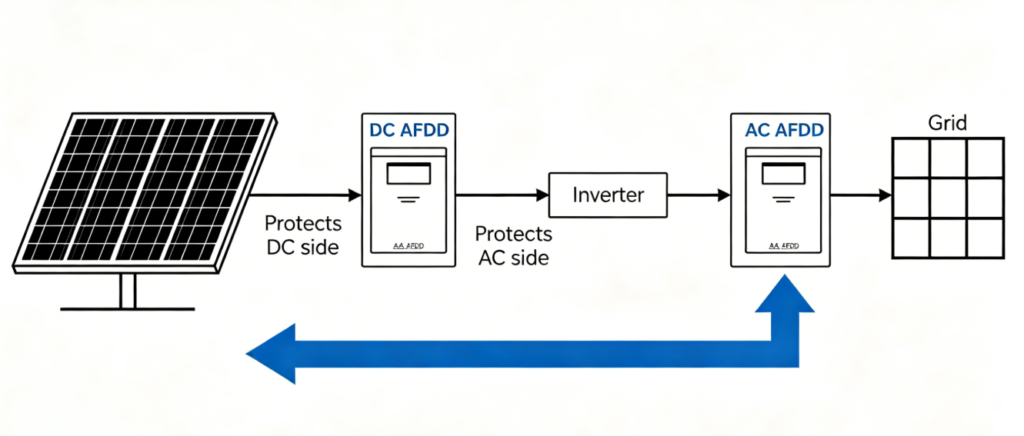
В каждом из этих приложений, защита от дуговых замыканий обеспечивает дополнительный уровень безопасности, с которым не могут сравниться традиционные устройства защиты. Для солнечных систем Стандарт IEC 62548 В частности, требуется защита от дуговых замыканий как на стороне постоянного, так и на стороне переменного тока фотоэлектрических установок.
Понимание распространенных причин дуговых замыканий поможет вам предотвратить их возникновение в вашем доме или на предприятии.
Наиболее распространенные причины включают:
Сайт Международный фонд электробезопасности (ESFI) содержит полный перечень причин дуговых замыканий и стратегий их предотвращения.
В то время как защита от дуговых замыканий является лучшей защитой от электрических пожаров, вызванных дугой, но есть также шаги, которые вы можете предпринять, чтобы предотвратить возникновение дуги в первую очередь.
| Общее дело | Метод профилактики | Предупреждающие знаки |
|---|---|---|
| Поврежденная проводка | Регулярные осмотры, избегайте сверления стен | Мерцающий свет, запах гари |
| Ослабленные соединения | Затяните соединения, используйте соответствующие гайки для проводов | Теплые розетки, жужжащие звуки |
| Перегруженные цепи | Распределение нагрузки по нескольким цепям | Часто срабатывающие выключатели |
| Поврежденные шнуры | Немедленно замените поврежденные шнуры | Оголенные провода, потрескавшаяся изоляция |
| Проникновение воды | Держите электрические системы сухими, установите защиту GFCI | Срабатывание розеток GFCI |
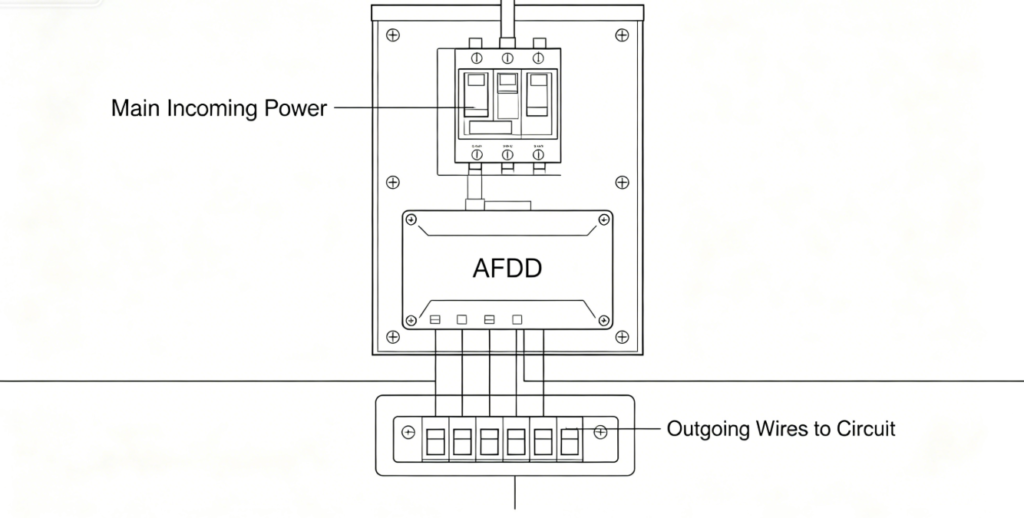
Защита от дуговых замыканий Установку устройств должен выполнять лицензированный электрик, знакомый с местными электротехническими нормами и правилами.
Процесс установки обычно включает в себя:
Важно использовать только защита от дуговых замыканий устройства, включенные в список признанных испытательных лабораторий, таких как UL, CSA, или IEC.
www.cnkuangya.com предлагает широкий выбор проверенных и сертифицированных защита от дуговых замыканий устройства, отвечающие всем международным стандартам безопасности.
Защита от дуговых замыканий Устройства следует ежемесячно проверять на работоспособность.
Большинство устройств имеют кнопку тестирования, которая имитирует дуговое замыкание и проверяет, сработает ли устройство при обнаружении дуги. Сайт NFPA рекомендует ежемесячное тестирование всех устройств AFCI.
Чтобы проверить AFDD/AFCI:
В дополнение к ежемесячному тестированию, защита от дуговых замыканий устройства должны ежегодно проверяться лицензированным электриком.
Одна из распространенных проблем, связанных с защита от дуговых замыканий устройств - это неприятное срабатывание, которое происходит, когда устройство срабатывает, несмотря на отсутствие опасной дуги.
Неприятные отключения могут быть вызваны:
Сайт Белая книга УЛ по проблеме вредных отключений содержит подробное руководство по выявлению и решению этой проблемы. Использование Сертифицировано ENERGY STAR Светодиодные лампы и приборы также помогут уменьшить количество неприятных отключений.
Если вы испытываете неприятные ощущения при отключении, попробуйте сделать следующее:
О: Да, современный комбинированный тип защита от дуговых замыканий Устройства могут обнаруживать последовательные дуги в удлинителях, если дуга возникает на стороне нагрузки устройства.
Однако способность обнаруживать дугу снижается с увеличением длины удлинителя. Поэтому рекомендуется использовать как можно более короткий удлинитель для ваших нужд. Сайт Стандарт IEC 62606 задает максимальную длину шнура для надежного обнаружения дуги.
Важно также отметить, что защита от дуговых замыканий не может обнаружить дуги, возникающие на стороне линии устройства, например, в проводке между главной панелью и AFDD.
A: Защита от дуговых замыканий устройства иногда срабатывают при использовании светодиодных ламп, поскольку многие драйверы светодиодов генерируют электрические шумы, которые могут имитировать форму волны дугового замыкания.
Это особенно характерно для дешевых, несертифицированных светодиодных ламп, которые не имеют надлежащей фильтрации для снижения электрического шума. Сайт IEEE Transactions on Power Electronics опубликовала исследование, посвященное этому явлению и способам его смягчения.
Чтобы избежать этой проблемы, используйте только светодиодные лампы, которые сертифицированы как совместимые с защита от дуговых замыканий устройства. Вы также можете попробовать установить сетевой фильтр в цепи, чтобы уменьшить электрические шумы.
О: Да, защита от дуговых замыканий Устройства могут использоваться с солнечными фотоэлектрическими системами, но при этом необходимо учитывать особые требования.
Солнечные системы генерируют постоянный ток, который отличается от переменного тока по характеристикам дуги. Поэтому для постоянного тока необходимо использовать специальные защита от дуговых замыканий Устройства, необходимые для работы солнечных систем на постоянном токе. Сайт NEC 690.11 требует защиты от дуговых замыканий постоянного тока для всех жилых солнечных систем, установленных после 2014 года.
Сторона переменного тока солнечных систем может быть защищена с помощью стандартных AC защита от дуговых замыканий устройства. www.cnkuangya.com предлагает постоянный и переменный ток защита от дуговых замыканий Решения для солнечной энергетики.
О: Нет, замена небезопасна и не законна. защита от дуговых замыканий устройство с обычным автоматическим выключателем в местах, где защита от дуговых замыканий требуется по правилам.
Это лишает вас единственной защиты от дуговых замыканий и значительно повышает риск возникновения электрического пожара. Это также может лишить вас страхового покрытия в случае пожара. Сайт NFPA предупреждает запрещается удалять или обходить устройства AFCI.
Если вы столкнулись с неприятными отключениями, обратитесь к лицензированному электрику для выявления и устранения проблемы, а не заменяйте AFDD обычным выключателем.
A: Защита от дуговых замыканий Срок службы устройств составляет 10-15 лет, как и у других автоматических выключателей.
Однако их следует немедленно заменить, если:
Сайт Руководство по безопасности продукции UL рекомендует заменять все электрозащитные устройства каждые 10-15 лет для обеспечения оптимальной работы.
Регулярное тестирование и техническое обслуживание помогут обеспечить защита от дуговых замыканий Устройства продолжают обеспечивать надежную защиту в течение многих лет.
Защита от дуговых замыканий Технология постоянно развивается, производители разрабатывают более совершенные алгоритмы обнаружения, которые позволяют лучше отличать опасную дугу от обычной.
Новые устройства используют искусственный интеллект и машинное обучение для более точного анализа формы электрических сигналов, что позволяет сократить количество нежелательных отключений и улучшить обнаружение опасных дуг. На сайте IEEE Power & Energy Society активно исследует новые технологии обнаружения дуговых замыканий.
Будущее защита от дуговых замыканий Устройства также могут быть в состоянии:
Интеграция защита от дуговых замыканий Технология "умный дом" - одна из самых интересных разработок в этой области.
Интеллектуальные AFDD могут подключаться к домашней сети Wi-Fi и отправлять оповещения на смартфон или планшет при обнаружении дугового замыкания.
Они также могут предоставить подробную информацию о цепи, включая энергопотребление, уровень напряжения и количество срабатываний устройства.
Это позволяет домовладельцам удаленно контролировать работу электросистемы и устранять потенциальные проблемы до того, как они станут опасными. Несколько ведущих производителей уже представили интеллектуальные продукты AFDD, которые интегрируются с популярными платформами "умного дома".
Поскольку преимущества защита от дуговых замыканий все большее признание, все больше стран по всему миру принимают обязательные требования к их установке.
По оценкам МЭК, к 2030 г, защита от дуговых замыканий будет обязательным при строительстве нового жилья в более чем 50 странах мира.
Такое повсеместное внедрение поможет спасти тысячи жизней и предотвратить материальный ущерб на миллиарды долларов в год. Сайт Всемирная организация здравоохранения (ВОЗ) также признала электрические пожары важной проблемой для здоровья населения и поддерживает принятие мер по защите от дуговых замыканий.
www.cnkuangya.com занимается разработкой и производством высококачественных защита от дуговых замыканий устройства, отвечающие растущим потребностям глобального рынка.
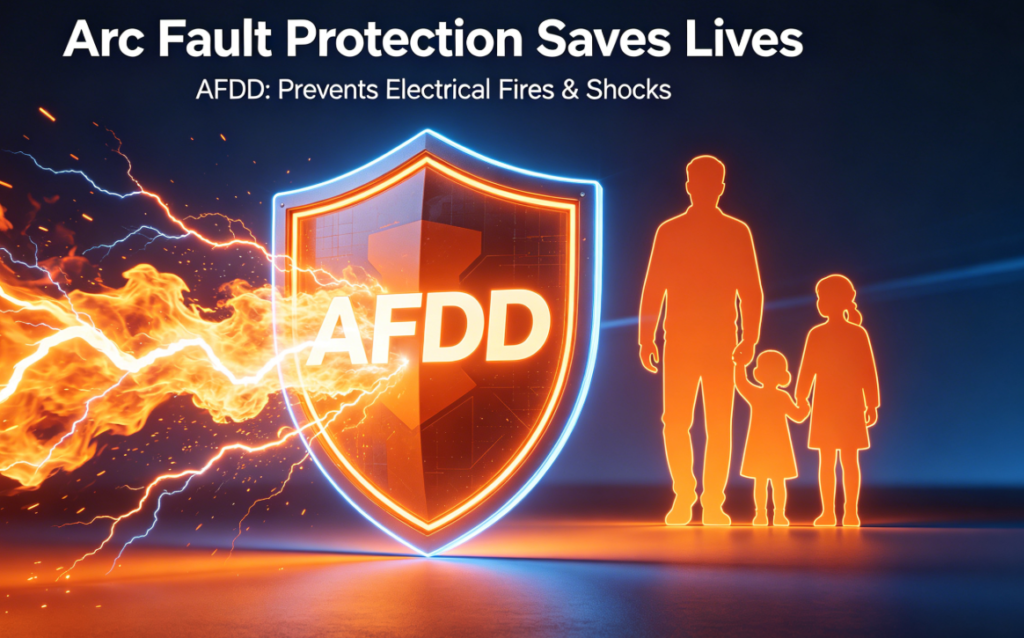
Защита от дуговых замыканий это не просто очередное требование электротехнических норм - это технология спасения жизни, которая, как было доказано, снижает риск возникновения электрических пожаров на 80%.
Традиционные электрозащитные устройства, такие как автоматические выключатели и предохранители, просто не рассчитаны на обнаружение слаботочных дуг, которые являются причиной большинства электрических пожаров. Только защита от дуговых замыканий может обеспечить этот важнейший уровень безопасности.
Если вы строите новый дом, ремонтируете существующий или модернизируете коммерческую электрическую систему, установка защита от дуговых замыканий Устройства - это одна из самых важных инвестиций, которые вы можете сделать в безопасность своей семьи, сотрудников и имущества.
Как защита от дуговых замыканий Технология продолжает развиваться и становится все более доступной, поэтому нет никаких причин не устанавливать ее в каждой цепи вашего дома или предприятия.
Для получения дополнительной информации о защита от дуговых замыканий продукты и решения, посетите www.cnkuangya.com сегодня. Команда опытных профессионалов поможет вам выбрать подходящий защита от дуговых замыканий устройства для ваших конкретных нужд и убедитесь, что они установлены правильно.
Не ждите, пока станет слишком поздно. Защитите свой дом, свою семью и свой бизнес с помощью защита от дуговых замыканий - молчаливый страж, спасающий жизни.

