WengYang Industrial Zone Yueqing Wenzhou 325000
Horas de trabalho
De segunda a sexta-feira: das 7h às 19h
Fim de semana: 10:00 - 17:00
WengYang Industrial Zone Yueqing Wenzhou 325000
Horas de trabalho
De segunda a sexta-feira: das 7h às 19h
Fim de semana: 10:00 - 17:00

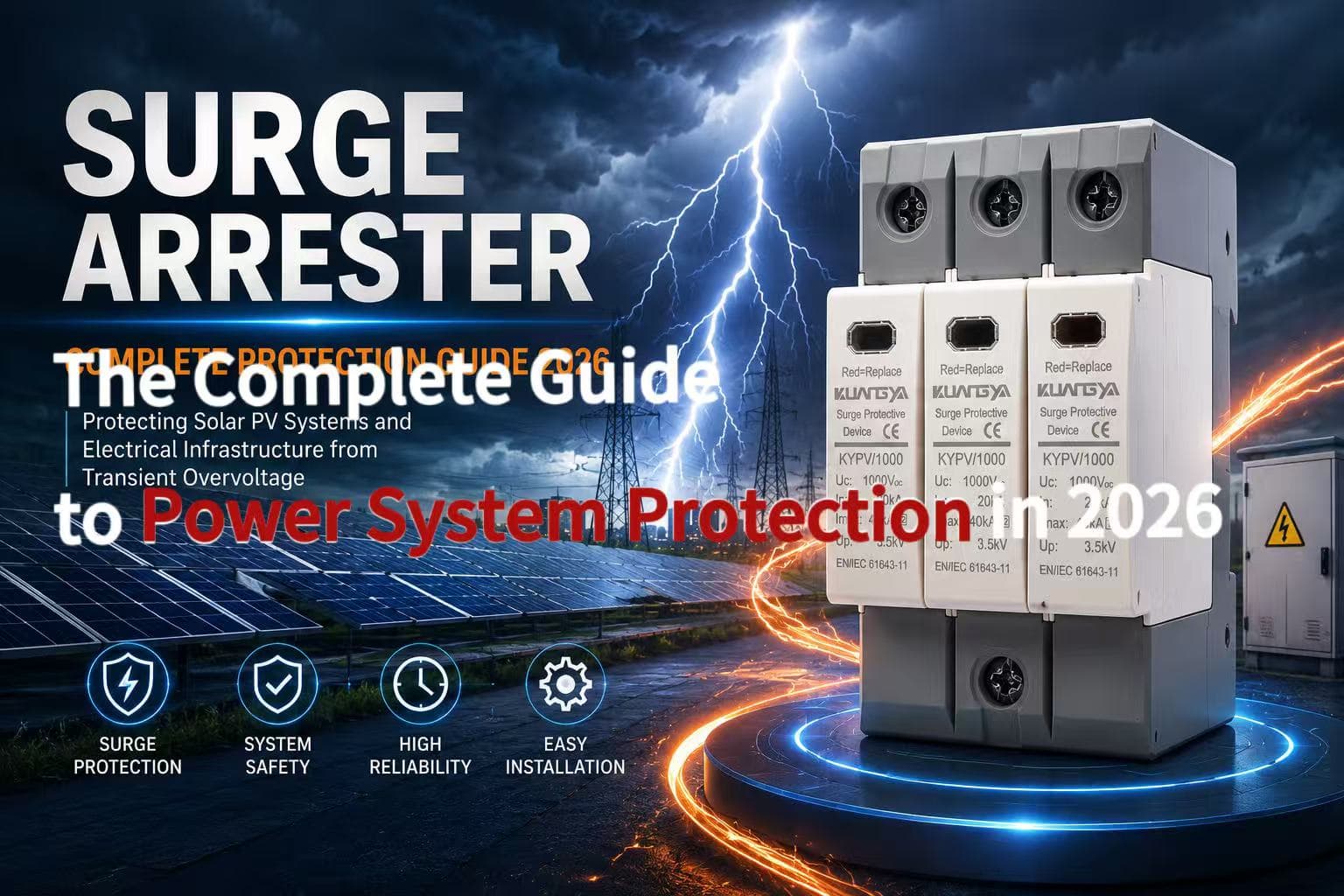
No mundo eletricamente conectado de hoje, a qualidade da energia e a proteção dos equipamentos se tornaram mais importantes do que nunca. Desde sistemas solares residenciais até automação industrial e redes de distribuição de energia comercial, os dispositivos elétricos estão cada vez mais sensíveis a flutuações de tensão e surtos transitórios. Um raio ou surto de comutação pode destruir equipamentos caros em milissegundos.
É nesse ponto que os dispositivos de proteção contra surtos desempenham um papel fundamental.
Um dispositivo de proteção contra surtos foi projetado para proteger os sistemas e equipamentos elétricos contra sobretensões transitórias causadas por quedas de raios, operações de comutação e outros distúrbios elétricos. Ao desviar o excesso de tensão com segurança para o solo, os protetores contra surtos ajudam a manter a confiabilidade do sistema, a reduzir o tempo de inatividade e a prolongar a vida útil do equipamento. À medida que as energias renováveis, as estações de carregamento de veículos elétricos e as infraestruturas elétricas inteligentes continuam a se expandir globalmente, a demanda por soluções confiáveis de proteção contra surtos está aumentando rapidamente. Seja em sistemas fotovoltaicos, plantas industriais, data centers ou edifícios residenciais, os protetores contra surtos agora são considerados uma parte essencial do projeto moderno de proteção elétrica.
Este guia abrangente explica tudo o que você precisa saber sobre os protetores contra surtos, inclusive:
Um protetor contra surtos é um dispositivo de proteção elétrica que limita os transientes de sobretensão redirecionando a corrente de surto para o solo. Ele atua como uma barreira de segurança entre o sistema de energia e os equipamentos elétricos sensíveis.
Em condições normais de operação, o protetor contra surtos permanece inativo e não afeta a tensão do sistema. Entretanto, quando ocorre uma sobretensão transitória, o protetor torna-se instantaneamente condutor e descarrega com segurança a energia excessiva.
Depois que o surto desaparece, o protetor retorna automaticamente ao seu estado de alta resistência.
Os protetores contra surtos são amplamente utilizados em:
Os surtos elétricos podem ocorrer de forma inesperada e causar danos graves aos sistemas elétricos. IEC Os padrões de proteção contra surtos fornecem diretrizes importantes para a proteção de sistemas elétricos contra sobretensão transitória.
As causas comuns incluem:
Os raios são uma das fontes mais destrutivas de sobretensão transitória. Até mesmo as descargas atmosféricas indiretas próximas às linhas de transmissão podem induzir grandes surtos de tensão.
Transformadores de comutação, motores ou bancos de capacitores podem gerar sobretensões transitórias dentro da rede de energia.
O aterramento inadequado ou a falha no isolamento podem criar picos de tensão perigosos.
Os componentes eletrônicos sensíveis podem ser danificados pela liberação repentina de energia eletrostática.
A instabilidade da rede elétrica e as operações de eliminação de falhas também podem gerar surtos.
Sem a proteção adequada contra surtos, esses eventos podem levar a:
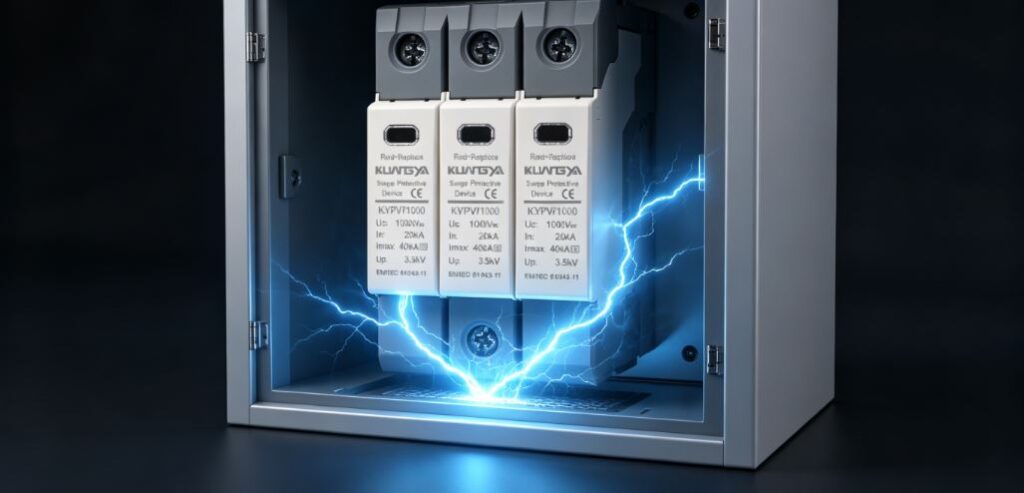
O princípio de funcionamento de um protetor contra surtos é baseado na limitação da tensão e no desvio de energia.
Em condições normais de tensão:
Durante um evento de surto:
Após o desaparecimento do transiente:
Os protetores contra surtos modernos usam principalmente a tecnologia de varistor de óxido metálico (MOV) devido ao seu rápido tempo de resposta e excelente capacidade de absorção de energia.
Um protetor contra surtos típico consiste em vários componentes críticos.
| Componente | Função |
|---|---|
| Varistor de óxido metálico (MOV) | Limita a sobretensão transitória |
| Alojamento | Oferece isolamento e proteção ambiental |
| Terminal de aterramento | Direciona com segurança a corrente de surto para o terra |
| Dispositivo de desconexão | Isola o protetor danificado do circuito |
| Proteção térmica interna | Evita superaquecimento e riscos de incêndio |
O MOV é considerado o componente principal porque reage quase instantaneamente aos picos de tensão.
Diferentes sistemas elétricos exigem diferentes tipos de protetores contra surtos.
Eles são usados em subestações de alta tensão e sistemas de transmissão de serviços públicos.
Os protetores de classe intermediária são usados em sistemas de distribuição de média tensão.
Esses protetores protegem os equipamentos de distribuição de média tensão.
Eles são projetados para sistemas de baixa tensão e proteção do usuário final.
Os protetores alojados em polímero estão se tornando cada vez mais populares devido às suas características de leveza e resistência à poluição.
Muitas pessoas confundem os protetores contra surtos com os SPDs. Embora tenham objetivos semelhantes, há diferenças importantes.
| Recurso | Protetor contra surtos | Dispositivo de proteção contra surtos (SPD) |
|---|---|---|
| Aplicativo principal | Sistemas de energia | Proteção de equipamentos de baixa tensão |
| Nível de tensão | Tensão média a alta | Baixa tensão |
| Local de instalação | Sistemas industriais e de utilidade pública | Painéis de distribuição de edifícios |
| Objetivo principal | Desviar raios e surtos de comutação | Proteja eletrônicos sensíveis |
| Tecnologia | MOV ou tipo de lacuna | MOV, diodo TVS, tubo de descarga de gás |
Nos sistemas fotovoltaicos e industriais modernos, os protetores contra surtos e os SPDs são frequentemente usados juntos para proteção em camadas.
O rápido crescimento da energia solar tornou a proteção contra surtos mais importante do que nunca.
Os sistemas solares fotovoltaicos estão altamente expostos a raios e surtos de comutação devido a:
Veja como a sobretensão transitória e os surtos induzidos por raios podem causar falhas ocultas no inversor em sistemas de energia solar.
Um único evento de surto pode causar danos:
| Ponto de instalação | Objetivo da proteção |
|---|---|
| Lado CC do sistema fotovoltaico | Protege a entrada CC do inversor |
| Lado da saída CA | Protege a rede de distribuição de CA |
| Caixa combinadora | Evita surtos induzidos por raios |
| Linhas de comunicação | Protege o equipamento de monitoramento |
Os ambientes industriais geralmente contêm equipamentos de automação sensíveis, como:
Os surtos de tensão podem causar interrupções na produção e tempo de inatividade dispendioso.
Os benefícios dos protetores contra surtos industriais incluem:
A escolha do protetor contra surtos correto é fundamental para uma proteção eficaz.
A classificação de tensão do protetor deve corresponder à tensão do sistema.
O MCOV define a tensão máxima que o protetor pode suportar continuamente.
Indica a capacidade de corrente de surto durante as condições de teste padrão.
Define a maior corrente de surto que o protetor pode desviar com segurança.
Mede a quantidade de energia de surto que o protetor pode suportar.
Uma resposta mais rápida significa melhor proteção para equipamentos sensíveis.
Para aplicações externas, é importante a resistência a UV, umidade, poluição e temperatura.
| Aplicativo | Tipo de protetor recomendado | Principais requisitos |
|---|---|---|
| Edifícios residenciais | SPD secundário | Resposta rápida |
| Sistemas solares fotovoltaicos | DC SPD + AC SPD | Resistência aos raios UV |
| Automação industrial | Classe de distribuição | Alta confiabilidade |
| Sistemas de transmissão | Classe da estação | Alta capacidade de energia |
| Estações de carregamento de veículos elétricos | SPD Tipo 2 | Aterramento estável |
A instalação adequada afeta significativamente o desempenho da proteção contra surtos.
Os fios de aterramento longos aumentam a impedância e reduzem a eficácia da proteção.
Um sistema de aterramento de baixa resistência é essencial.
Quanto menor for a distância da conexão, melhor será a proteção.
Use proteção contra surtos em camadas:
Sempre cumpra as instruções de instalação e as normas elétricas locais.
Mesmo os protetores contra surtos de alta qualidade podem falhar em condições extremas.
Surtos repetidos podem superaquecer os componentes do MOV.
A vedação deficiente pode permitir a penetração de água.
O estresse ambiental degrada gradualmente o desempenho.
Surtos extremamente grandes podem exceder a capacidade do protetor.
A inspeção regular ajuda a garantir uma proteção confiável.
Verifique se há:
O aumento da corrente de fuga pode indicar deterioração.
Detecta componentes com superaquecimento.
Confirma o desempenho adequado do isolamento.
A conformidade com os padrões internacionais garante segurança e confiabilidade.
| Padrão | Descrição |
|---|---|
| IEC 60099 | Padrões de protetores contra surtos |
| IEC 61643 | Padrões SPD de baixa tensão |
| UL 1449 | Padrão de segurança SPD |
| IEEE Série C62 | Diretrizes de proteção contra surtos |
| EN 50539 | Padrão de proteção contra surtos fotovoltaicos |
Os fabricantes que atendem a mercados internacionais devem garantir a conformidade com os requisitos regionais de certificação.
O setor de proteção contra surtos continua evoluindo rapidamente.
Os SPDs modernos agora incluem funções de monitoramento remoto.
Os dispositivos de proteção conectados melhoram a manutenção preditiva.
Os sistemas solares e de baterias exigem tecnologias avançadas de proteção CC.
Os protetores contra surtos modernos estão se tornando menores e mais fáceis de manter.
Novas tecnologias de desconexão térmica aumentam a segurança operacional.
A seleção de um fabricante confiável é essencial para a confiabilidade do sistema a longo prazo.
Considere os seguintes fatores:
Um fornecedor confiável pode ajudar a garantir o desempenho estável do produto e a conformidade regulamentar.
Um para-raios protege principalmente contra surtos induzidos por raios, enquanto um para-raios protege contra vários tipos de sobretensões transitórias.
Sim. Sobretensões repetidas, envelhecimento ou exposição excessiva à energia podem danificar o protetor com o tempo.
Sim. As instalações solares são altamente expostas a raios e surtos de comutação. soluções solares SPD ajudam a proteger os sistemas fotovoltaicos contra surtos induzidos por raios.
A vida útil depende das condições ambientais e da frequência de surtos. Produtos de alta qualidade podem durar muitos anos em operação normal.
Ele deve ser instalado o mais próximo possível do equipamento que está sendo protegido e conectado a um sistema de aterramento confiável.
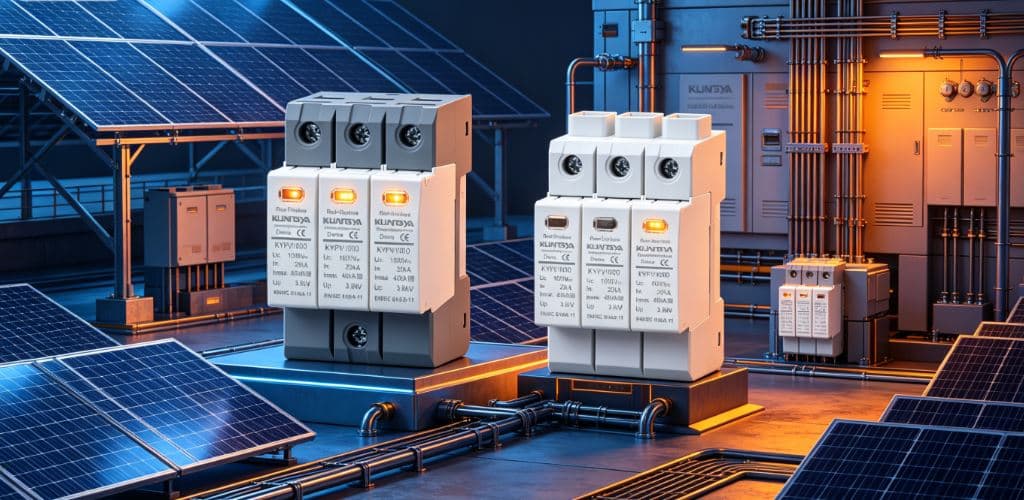
Os protetores contra surtos desempenham um papel fundamental na proteção dos sistemas elétricos modernos contra danos causados por sobretensão transitória. À medida que os sistemas de energia se tornam mais avançados e os equipamentos eletrônicos sensíveis se tornam mais difundidos, a proteção eficaz contra surtos não é mais opcional - é essencial.
De subestações de serviços públicos a sistemas solares fotovoltaicos e automação industrial, os protetores contra surtos ajudam a garantir a estabilidade do sistema, a segurança operacional e a longevidade do equipamento.
Ao selecionar um protetor contra surtos, os engenheiros e compradores devem avaliar cuidadosamente:
Ao combinar a seleção adequada de produtos, a instalação correta e a manutenção regular, as empresas podem reduzir significativamente os riscos elétricos e aumentar a confiabilidade a longo prazo.
Como a energia renovável e a infraestrutura elétrica inteligente continuam crescendo em todo o mundo, a tecnologia de proteção contra surtos continuará sendo uma base fundamental da segurança do sistema de energia moderno. soluções completas de proteção contra surtos ajuda a melhorar a confiabilidade do sistema elétrico a longo prazo.

