웽양 공업구 웨칭 원저우 325000
근무 시간
월요일~금요일: 오전 7시~오후 7시
주말: 주말: 오전 10시 - 오후 5시
웽양 공업구 웨칭 원저우 325000
근무 시간
월요일~금요일: 오전 7시~오후 7시
주말: 주말: 오전 10시 - 오후 5시

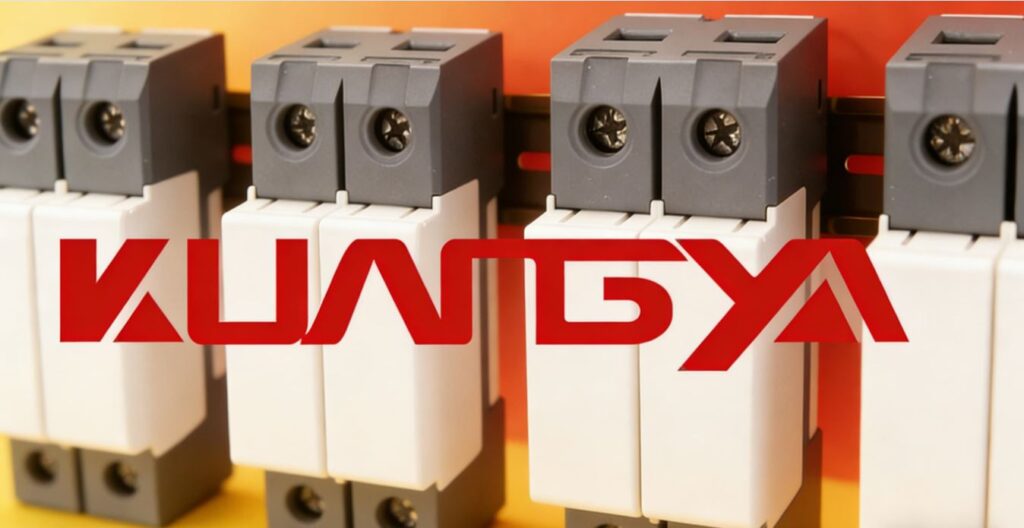
SPD는 서지 보호 장치(Surge Protective Device)의 약자입니다. 전기 시스템에서 SPD는 과도 과전압을 제한하고 서지 전류를 분산시켜 연결된 장비의 손상을 줄이는 데 도움을 줍니다. 이는 백업 전원을 제공하거나 회로 차단기, RCD 또는 완전한 피뢰 시스템을 대체하지 않습니다.
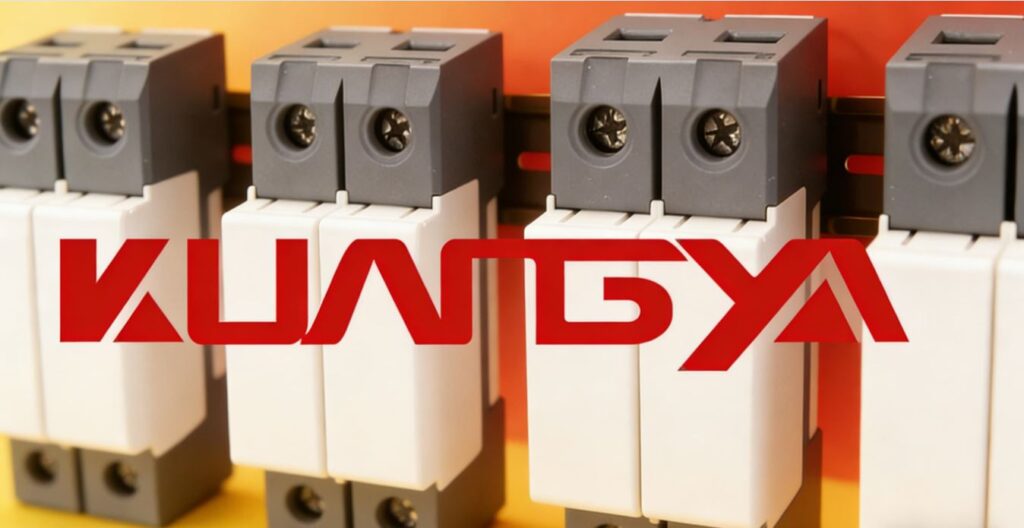
| 기간 | 의미 |
|---|---|
| SPD | 서지 보호 장치 |
| 주요 용도 | 낙뢰 결합 및 전기적 스위칭과 같은 이벤트로 인해 발생하는 과도 과전압을 제한합니다. |
| 일반적인 형식 | 패널 장착형, 장비 통합형 및 적합한 플러그인 보호 장치입니다. |
| 애플리케이션 | AC 전원, 태양광 DC 또는 신호 회로 등 해당 애플리케이션에 맞게 정격이 지정된 장치를 사용합니다. |
“서지 보호기(Surge protector)”는 SPD를 지칭하는 일반적인 명칭이며 별도의 기술적 범주가 아닙니다. 플러그인 서지 보호기는 SPD일 수 있지만, 일반 멀티탭이 반드시 서지 보호 기능을 갖춘 것은 아닙니다. TVSS는 과도 전압 서지 억제기(transient voltage surge suppressor)를 뜻하는 구식 용어입니다. 제품을 비교할 때는 마케팅 명칭에 의존하기보다 적용 표준과 정격 사양을 확인하십시오.
SPD는 연결 지점에서의 과도 전압 스트레스를 감소시킵니다. 서지 전류는 보호 모드와 회로 구성에 따라 충전 도체 간 또는 충전 도체와 보호 접지 사이로 흐를 수 있습니다. 따라서 모든 SPD가 과도한 전류를 직접 접지로 보낸다고 설명하는 것은 부정확합니다.
보호에는 한계가 있습니다. 장비에 도달하는 전압은 SPD, 연결 리드선, 본딩, 설치 구성 및 서지 조건에 따라 달라집니다. SPD가 모든 서지로부터 장비를 보호할 수 있다고 보장하지는 않습니다.
SPD는 전압 조정기가 아닙니다. 지속적인 과전압, 저전압, 과부하, 단락 또는 전원 공급 손실을 해결하기 위해 SPD에 의존해서는 안 됩니다. 이러한 조건에는 다른 보호 또는 전력 관리 조치가 필요합니다.
많은 SPD는 금속 산화물 바리스터(MOV), 가스 방전관 또는 애벌랜치 다이오드와 같은 전압 의존형 부품을 포함합니다. 정상 상태에서 보호 경로는 일반적으로 높은 임피던스를 나타냅니다. 과도 현상이 발생하면 전도성을 띠게 되어 해당 경로의 전압을 제한합니다. 이러한 반응에 반드시 전자식 전압 모니터링 컨트롤러가 포함되는 것은 아닙니다.
성능 범위 내의 서지가 발생한 후, 사용 가능한 장치는 정상 상태로 복귀할 수 있습니다. 반복적인 스트레스나 과도한 이벤트는 보호 요소를 열화시키거나 분리시킬 수 있습니다. 작동된 열 차단기나 고장 난 모듈은 서지가 끝난다고 해서 스스로 복구되지 않습니다. 제품 표시기 및 교체 지침을 확인하십시오.
| 조건 | 일반적인 SPD 동작 |
|---|---|
| 정상 작동 전압 | 보호 경로는 일반적으로 높은 임피던스 상태를 유지합니다. |
| 과도 과전압 | 보호 소자는 서지 전류를 도통시키고 보호 모드 양단의 전압을 제한합니다. |
| 서지 종료 | 사용 가능한 장치는 정상 상태로 복귀합니다. |
| 보호 소자 고장 또는 분리 | 제품 지침에 따라 점검 및 교체가 필요할 수 있습니다. |
먼저 제품이 IEC 또는 UL 분류 중 무엇을 사용하는지 확인하십시오. 유형 번호는 고정된 서지 전류 정격에 대한 상호 교환 가능한 설명이 아닙니다. 라벨에 큰 kA 값이 표시되어 있다는 이유만으로 장치를 Type 1으로 분류하지 마십시오.
| IEC 분류 | 일반적인 역할 및 시험 특성 |
|---|---|
| 유형 1 | 보호 설계상 필요한 경우의 낙뢰 전류 부하; 임펄스 전류 정격 Iimp 및 10/350 µs 시험 파형과 관련됨. |
| 유형 2 | 배전반급 서지 보호; 8/20 µs 파형을 사용하는 In 및 Imax와 같은 방전 전류 정격과 관련됨. |
| 유형 3 | 민감한 장비 근처의 보호, 상위 보호 장치와 협조; 복합 파형(combination-wave) 시험과 관련됨. |
복합형 Type 1+2 제품을 사용할 수 있습니다. 필요한 조합 및 배치는 낙뢰 보호 설계, 인입 서비스, 장비 및 현지 설치 규정에 따라 달라집니다. 단일 장치가 해당 설계에서 요구하는 등전위 본딩 및 기타 조치를 대체할 수는 없습니다.
UL 1449에 따라 유형 지정은 설치 적용 분야를 정의합니다. Type 1 장치는 리스팅 조건에 따라 서비스 과전류 보호 장치의 전원측 또는 부하측에 설치할 수 있습니다. Type 2 장치는 부하측 설치를 목적으로 합니다. Type 3에는 코드 연결형 및 직접 플러그인형과 같은 사용 지점(point-of-use) 장치가 포함됩니다. 실제 리스팅 및 설치 지침을 따르십시오.
| 정격 또는 확인 | 확인 사항 |
|---|---|
| Uc / MCOV | 공급 및 연결 방식에 적합한 최대 연속 동작 전압. 단순히 공칭 시스템 전압과 동일하게 간주하지 마십시오. |
| Up / VPR | 관련 시험 방법에 따른 선언된 전압 보호 레벨 또는 전압 보호 정격. 장비의 내전압 및 설치 영향을 고려하십시오. 이 용어들은 자동으로 상호 교환될 수 없습니다. |
| Iimp, In 및 Imax | 동일한 파라미터, 파형, 보호 모드 및 시험 기준을 비교하십시오. 단순히 광고된 kA 수치가 높다고 해서 더 나은 보호 성능을 보장하는 것은 아닙니다. |
| 단락 협조 | 설치 환경에 대해 제품의 단락 정격 및 요구되는 후비 보호 장치를 확인하십시오. 서지 전류 용량은 이 확인을 대체할 수 없습니다. |
| 시스템 호환성 | AC 또는 DC 적용 여부, 전압, 접지 방식, 극수, 보호 모드 및 환경 등급을 확인하십시오. |
| 인증 | 정확한 모델 및 정격에 대한 인증서 또는 목록을 확인하십시오. 설치 규정은 제품 인증이 아닙니다. |
| 장치 | 주요 역할 |
|---|---|
| SPD | 과도 과전압을 제한합니다. |
| 회로 차단기 또는 퓨즈 | 지정된 과전류 보호 기능을 제공합니다. 서지 보호 장치를 대체하지 않습니다. |
| RCD / RCCB | Provides residual-current protection. An RCCB does not provide integral overload protection. |
| UPS | Supplies stored energy during outages. Voltage conditioning and built-in surge protection depend on the model. |
| ATS | Transfers a load between power sources. It is not a substitute for an SPD. |
A UPS uses stored energy to maintain supply during an outage. An SPD and a UPS address different disturbances and can be used together. Surge protection around generators and transfer equipment should be selected for the actual source arrangement and manufacturer requirements.
Typical locations include building distribution boards, industrial control panels, and equipment supply points. Telecom and data circuits require protection compatible with their signal and interface characteristics.
In solar installations, distinguish the inverter’s AC side from the PV DC side. An AC SPD must not be assumed suitable for a PV string. Select protection specifically rated for the circuit and its maximum operating voltage.
탐색 KUANGYA AC surge protective devices for model-specific information. For solar DC applications, verify the maximum PV voltage and intended DC protection arrangement before selecting a product.
1. Define the circuit. Record AC or DC, nominal and maximum voltage, phase arrangement, earthing system, and installation location.
2. Establish the protection design. Identify the applicable local rules, lightning exposure, existing lightning protection system, and equipment requirements. Determine the required SPD type and coordination with other devices.
3. Compare documented ratings. Check Uc or MCOV, Up or VPR, the applicable surge-current parameters, short-circuit coordination, and protection modes. Use the exact product datasheet.
4. Check installation requirements. Follow the specified conductor sizes, lead routing, backup protection, and bonding requirements. Long connection leads can increase the voltage experienced by equipment. Installation and maintenance should be performed by qualified personnel.
5. Plan inspection and replacement. Record the model, status indication, and maintenance instructions. Obtain replacement modules approved for that product rather than assuming similar-looking cartridges are interchangeable.
SPD stands for Surge Protective Device. Its purpose is to limit transient overvoltages and divert surge current to help reduce electrical equipment damage.
Often, yes. “Surge protector” is a common name. Both panel-mounted and suitable plug-in products can be SPDs. Check the product documentation.
No. Compare matching test parameters and waveforms, and also check voltage protection, system compatibility, and coordination. A single kA figure is insufficient.
Appropriately selected SPDs can form part of a coordinated lightning protection design. They do not replace air terminals, down conductors, bonding, or other required lightning protection measures, and they do not guarantee damage-free operation.
There is no universal service life. It depends on the device, surge exposure, supply conditions, and environment. Follow its inspection schedule and replace it when the manufacturer’s indication or instructions require replacement.
On many products it indicates a disconnected or failed protective module, but indicator meanings vary. Check the exact model’s instructions. See our SPD red-light guide.
No single statement covers every installation. Requirements depend on the jurisdiction, adopted code edition, building use, and protection design. Product standards and installation requirements serve different purposes.
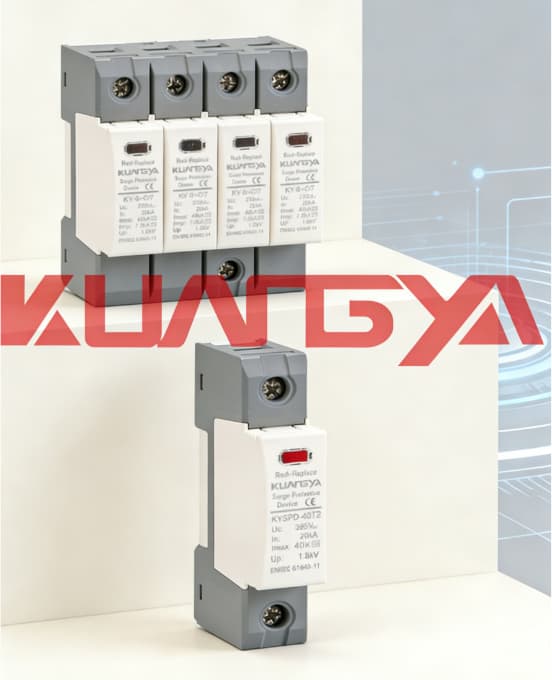
For a KUANGYA AC SPD enquiry, provide the system voltage, phase and earthing arrangement, installation location, required type, applicable standard, and quantity. Request the exact model datasheet, backup-protection instructions, and relevant certification documents before specifying the product.
UL Solutions: SPD testing and certification; Schneider Electric: surge-current waveform terminology. Always use the current applicable standard and exact product instructions for a project.

