温州市岳陽工業区 325000
勤務時間
月曜日~金曜日:午前7時~午後7時
週末午前10時~午後5時
温州市岳陽工業区 325000
勤務時間
月曜日~金曜日:午前7時~午後7時
週末午前10時~午後5時

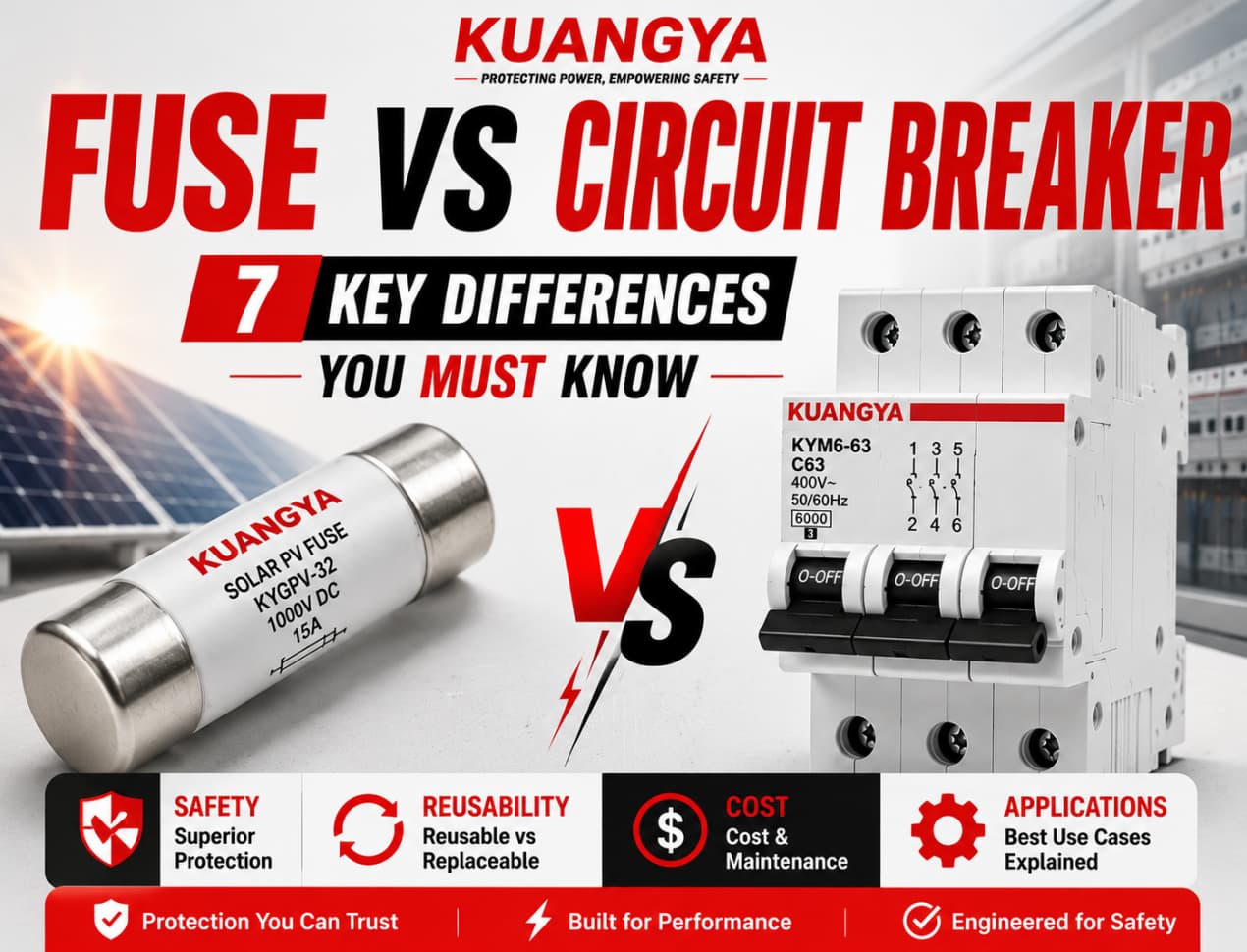
電気安全に関しては、過負荷や短絡から回路を保護するために、ヒューズとサーキット・ブレーカーという2つの装置が一般的に使用されている。.
という疑問を持つ人は多い。 ヒューズとサーキットブレーカーの比較 討論どちらが安全か?どちらが長持ちするのか?家庭、工場、ソーラーシステムで使うべきはどちらか?
を理解する ヒューズとサーキットブレーカーの違い は、住宅所有者、電気技術者、施設管理者がより賢明な判断を下し、電気の安全性を向上させるのに役立ちます。.
このガイドでは、各デバイスがどのように機能するかを説明し、それぞれの長所と短所を比較し、どの保護方法がお客様の用途に最適かを判断するお手伝いをします。.
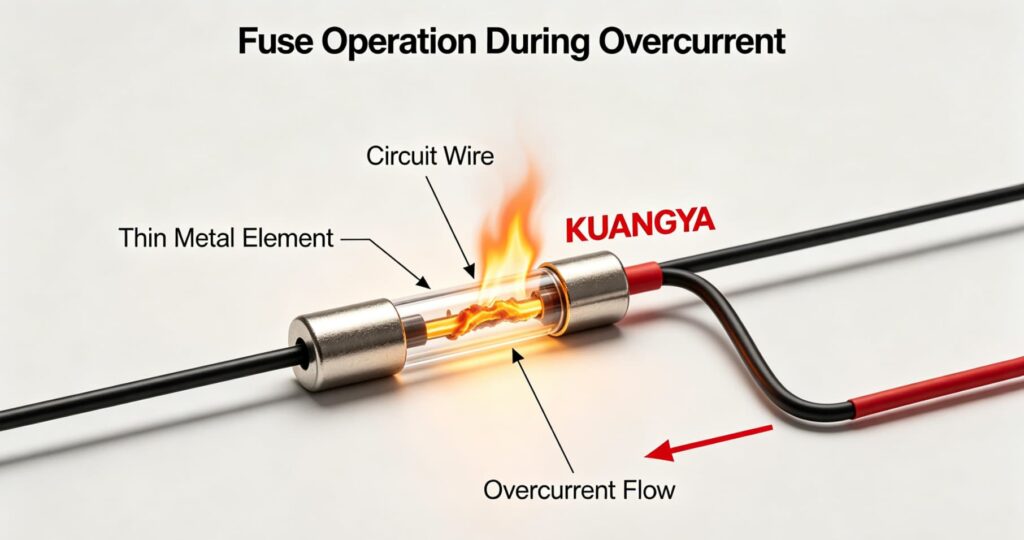
ヒューズは最も古い電気保護装置のひとつである。 DCヒューズ保護 も同様に重要である。.
回路に過電流が流れると溶けるように設計された薄い金属素子が入っている。.
ヒューズの定格電流を超えた場合:
ヒューズの性能および試験要件は、国際的に認知された規格によって定義されています。 低電圧保護装置のIEC規格.
水を運ぶ水道管を想像してほしい。.
圧力が高くなりすぎると、システムの残りの部分を保護するために弱い部分が意図的に壊れる。.
ヒューズも同じように機能する。.
| コンポーネント | 機能 |
|---|---|
| ヒューズ・エレメント | 過負荷時に溶ける |
| ヒューズ本体 | 要素を保持 |
| エンドキャップ | 回路に接続する |
| 充填材 | アークの消火を助ける |
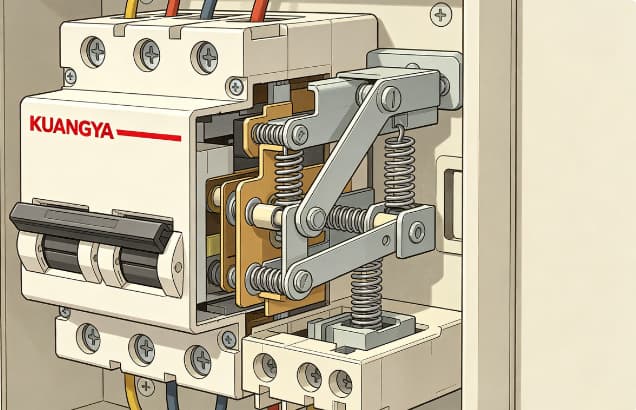
サーキットブレーカーは、過度の電流の流れを遮断するように設計された自動電気スイッチである。 サーキットブレーカーの種類 は、住宅用、産業用、再生可能エネルギー・システムに使用されている。.
ヒューズとは異なり、サーキットブレーカーは動作後に交換する必要はない。.
代わりにトリップし、リセットすることができる。.
過負荷が発生した場合
この再利用可能性が、サーキットブレーカーが近代的な設備で普及した理由の1つである。 回路保護に関するUL安全規格.
| コンポーネント | 機能 |
|---|---|
| 連絡先 | キャリー電流 |
| トリップユニット | 故障を検出 |
| アークシュート | アークを消す |
| 操作ハンドル | 手動制御 |
| 住宅 | 断熱性を提供する |
どちらも電気系統を保護する装置だが、その方法は異なる。.
ヒューズは熱溶融によって機能する。.
過電流は熱を発生する。.
ヒューズエレメントが溶融し、回路が永久に切断される。.
サーキットブレーカーは、機械的なスイッチングを使用します。.
トリップ機構が異常電流を検知し、自動的に接点を開く。.
トラブルシューティング後、ブレーカーをリセットすることができる。.
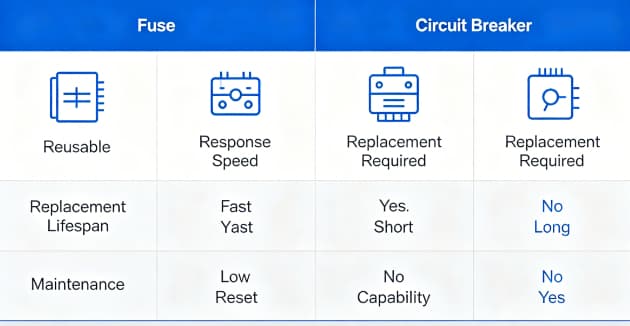
| 特徴 | ヒューズ | サーキットブレーカー |
|---|---|---|
| 再利用可能 | いいえ | はい |
| 応答速度 | 非常に速い | 速い |
| 要交換 | はい | いいえ |
| 初期費用 | より低い | より高い |
| メンテナンス | より頻繁に | 頻度は低い |
| リセット機能 | いいえ | はい |
| 寿命 | ショーター | 長い |
| 利便性 | より低い | より高い |
| 故障表示 | 限定 | より良い |
| オートメーション・サポート | 限定 | 素晴らしい |
を理解する ヒューズとサーキットブレーカーの違い 特定の特徴を比較することが容易になる。.
最初の大きな違いは、電流の遮断方法にある。.
犠牲金属素子を使用。.
故障中、素子は永久に溶融する。.
機械式接点とトリップ機構を使用。.
デバイスが開き、後でリセットできる。.
| 装置 | 操作方法 |
|---|---|
| ヒューズ | 溶融元素 |
| サーキットブレーカー | メカニカル・トリップ |
のアドバンテージの1つである。 ヒューズとサーキットブレーカーの比較 比較対象はスピードだ。.
ヒューズは多くの場合、激しい短絡に素早く反応する。.
この迅速な対応により、機器の損傷を抑えることができる。.
サーキットブレーカーは、機械部品が作動する必要があるため、若干時間がかかる。.
純粋なスピードのためだ:
ヒューズ
これが最も明白な違いだろう。.
ヒューズは一度切れると二度と使用できない。.
新しいヒューズを取り付ける必要があります。.
サーキットブレーカーは単にリセットが必要なだけだ。.
住宅所有者が一時的な過負荷に見舞われた場合:
サーキットブレーカー
ヒューズは在庫管理と定期的な交換が必要。.
サーキットブレーカーは、一般的にメンテナンスが少なくて済む。.
大規模な施設では、ダウンタイムを減らすことが重要だ。.
そのため、サーキットブレーカーはより魅力的なものとなっている。.
| メンテナンス係数 | ヒューズ | サーキットブレーカー |
|---|---|---|
| 交換部品 | 必要 | ほとんど必要ない |
| ダウンタイム | より高い | より低い |
| メンテナンス費用 | ミディアム | 長期的な低下 |
初期購入費用も重要な要素だ。.
相対的保護装置コスト
01234ヒューズサーキットブレーカー
実際の価格は異なるが、サーキットブレーカーは一般的に初期費用が高い。.
どちらの装置も適切に選択すれば、優れたプロテクションを提供する。.
しかし、サーキットブレーカーにはさらなる安全機能がある。 一般的なブレーカーの故障 システムの信頼性をさらに向上させることができる。.
例を挙げよう:
従来のヒューズは主に過電流保護を提供する。.
サーキットブレーカー
ヒューズは一度しか作動しない。.
サーキットブレーカーは、その耐用年数の間に何千回もトリップする可能性がある。.
頻繁にスイッチングを行う用途では、サーキットブレーカはより高い耐久性を提供します。.
| 特徴 | ヒューズ | サーキットブレーカー |
|---|---|---|
| 耐用年数 | 限定 | ロング |
| 手術数 | シングルユース | マルチユース |
| 長期的価値 | 中程度 | 高い |
ブレーカーの人気にもかかわらず、ヒューズにはまだ多くの利点があります。.
サーキットブレーカーは、いくつかの理由から、現代の電気設備の主流となっています。 正しいMCB仕様 は、長期的な保護性能を確保するために不可欠である。.
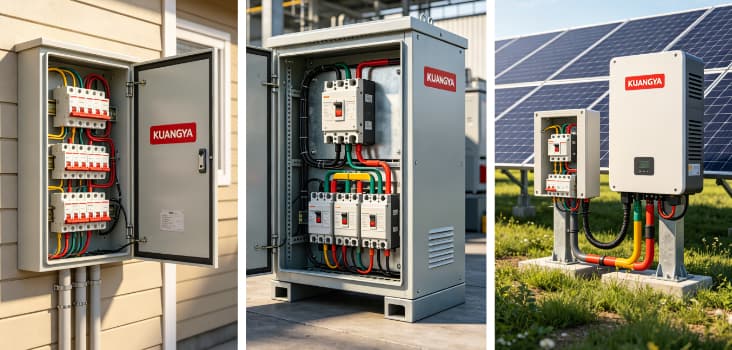
住宅用電気パネルでは、通常サーキットブレーカーを使用する。.
理由は以下の通りだ:
最近の住宅では、ヒューズボックスの代わりにブレーカーパネルが使用されている。 NFPA電気安全勧告 該当する場合.
産業環境では、両方の技術が使われることが多い。.
最良の解決策は、多くの場合、両方の装置を組み合わせることである。.
太陽光発電設備は、両方の保護方式を採用している。.ソーラーシステム用サージ保護 インバーターや太陽光発電装置を雷によるダメージから守るためにも不可欠である。.
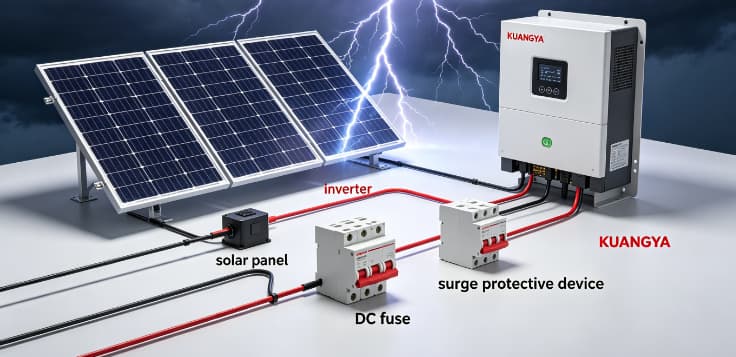
最近の太陽光発電システムは、包括的な保護を実現するために、両方の装置を組み込んでいることが多い。.
必ずしもそうではない。.
特定の用途では、ヒューズによる極めて高速な保護が必要となります。.
ヒューズは多くの産業で必要不可欠なものである。.
彼らは繊細な電子機器や再生可能エネルギーシステムを守り続けている。.
すべての電気機器と同様に、ブレーカーも適切な選択、設置、メンテナンスが必要です。.
以下の要因を考えてみよう:
どちらも正しく選択し、設置すれば安全です。ヒューズは通常より早く反応し、サーキットブレーカはさらなる動作安全機能を提供する。.
サーキットブレーカーは、リセットして何度も再利用できるため、一般的に長持ちする。.
サーキットブレーカは、従来のヒューズシステムと比較して、利便性、再利用性、および安全性が向上しています。.
多くの用途ではそうだ。しかし、特殊なシステムの中には、その高速応答特性のためにヒューズ保護を必要とするものもある。.
通常、ヒューズの方が初期コストは低いが、サーキットブレーカーの方が長期的な運用コストは低くなる。.
をめぐる議論 ヒューズとサーキットブレーカーの比較 には万能の勝者はいない。.
正しい選択は、用途、安全要件、期待されるメンテナンス、予算による。.
迅速かつ経済的な保護が必要な場合は、ヒューズが理想的でしょう。.
利便性、再利用性、高度な安全機能を重視するなら、サーキットブレーカーがより優れたソリューションであることが多い。.
を理解する ヒューズとサーキットブレーカーの違い これにより、住宅所有者、エンジニア、事業主は、電気の安全性とシステムの信頼性を向上させるための情報に基づいた意思決定を行うことができます。.
現代の多くの電気システムにおいて、最も効果的なアプローチは、どちらか一方を選ぶことではなく、両方を併用して包括的な保護を提供することである。.
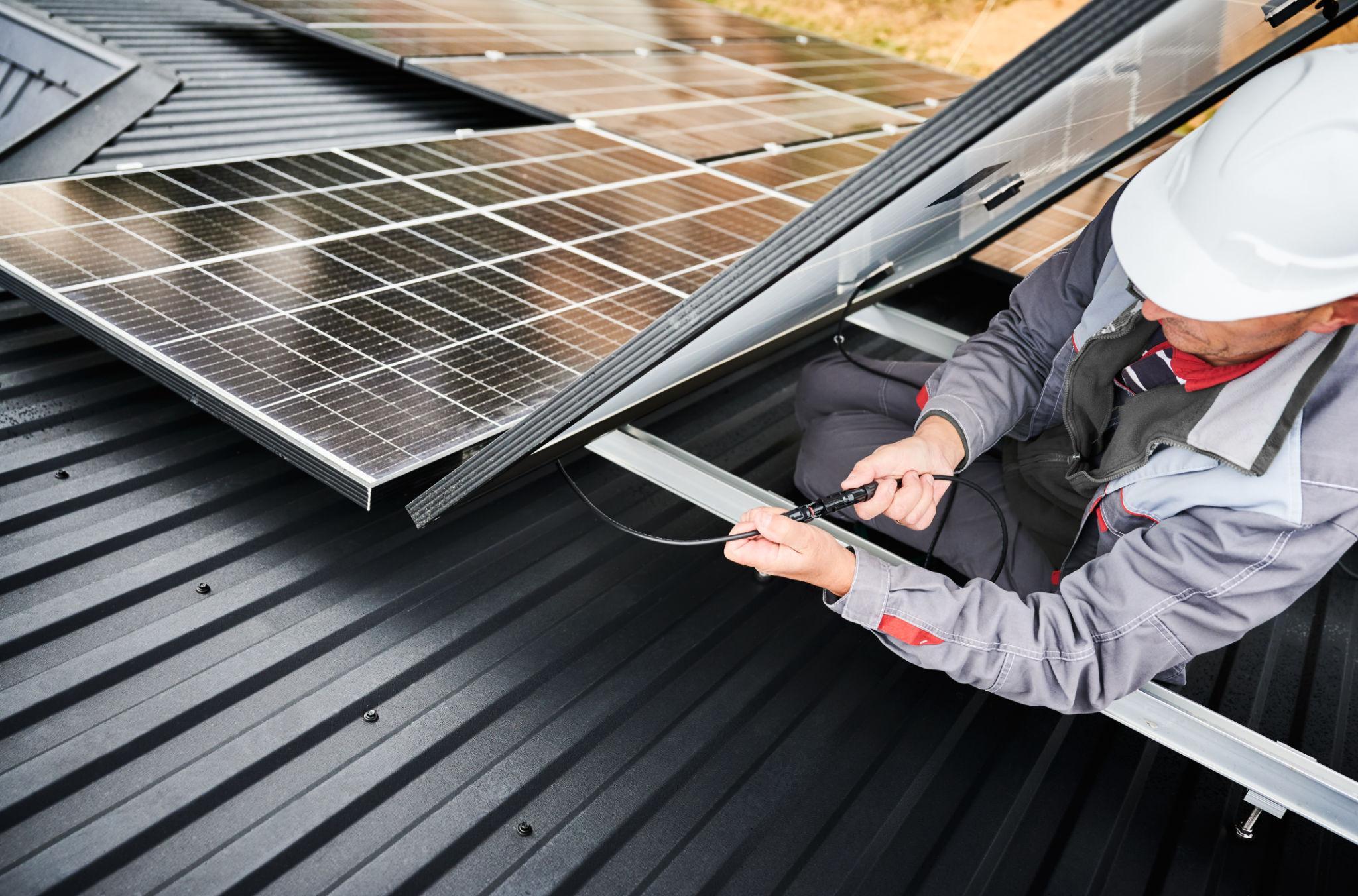
私達は MCB、SPD、漏電遮断器および関連付属品を含む太陽および産業適用のための電気プロダクトの専門の製造業者、です。豊富な輸出経験により、グローバルクライアントに信頼性の高いソリューションとOEM / ODMサービスを提供しています。.

