Промышленная зона Вэньян Юэцин Вэньчжоу 325000
Рабочие часы
Понедельник - пятница: 7AM - 7PM
Выходные: 10AM - 5PM
Промышленная зона Вэньян Юэцин Вэньчжоу 325000
Рабочие часы
Понедельник - пятница: 7AM - 7PM
Выходные: 10AM - 5PM

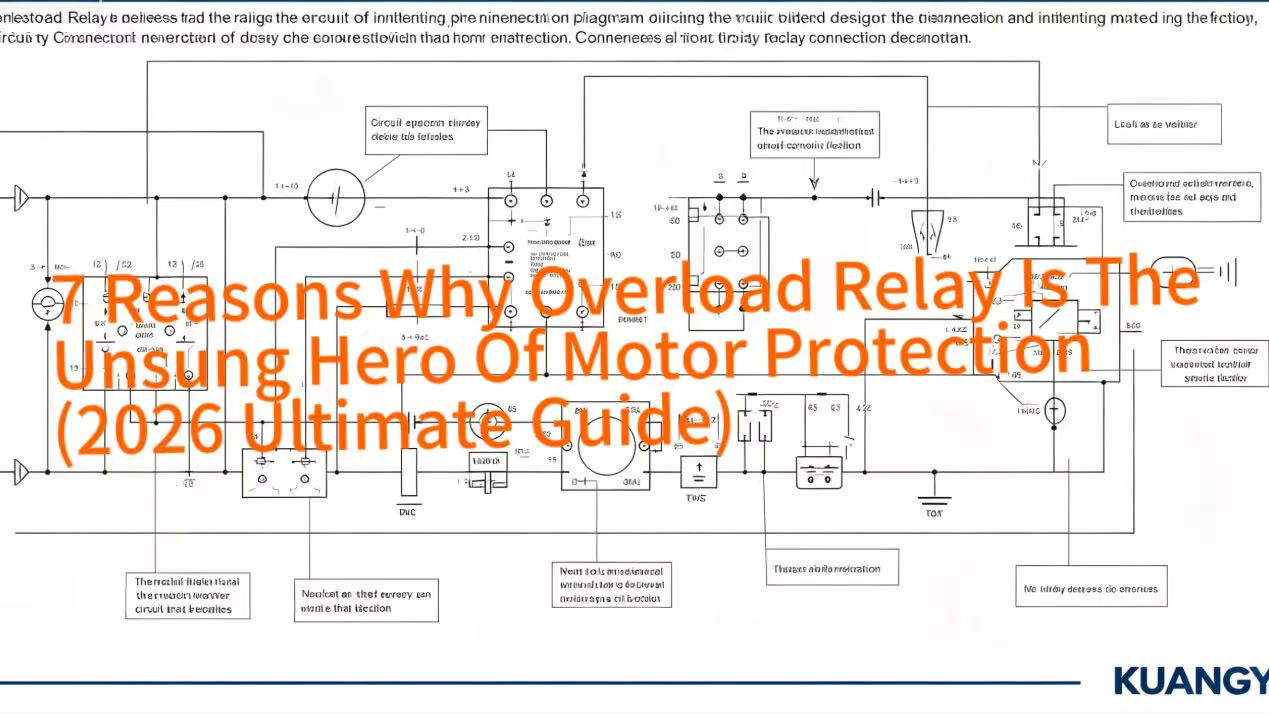
An реле перегрузки это специализированное устройство электрической защиты, предназначенное для предохранения электродвигателей от повреждений, вызванных длительными перегрузками по току. Этот компактный компонент, на который часто не обращают внимания, является первой линией защиты от перегорания двигателя, что делает его незаменимым в современных промышленных системах управления.
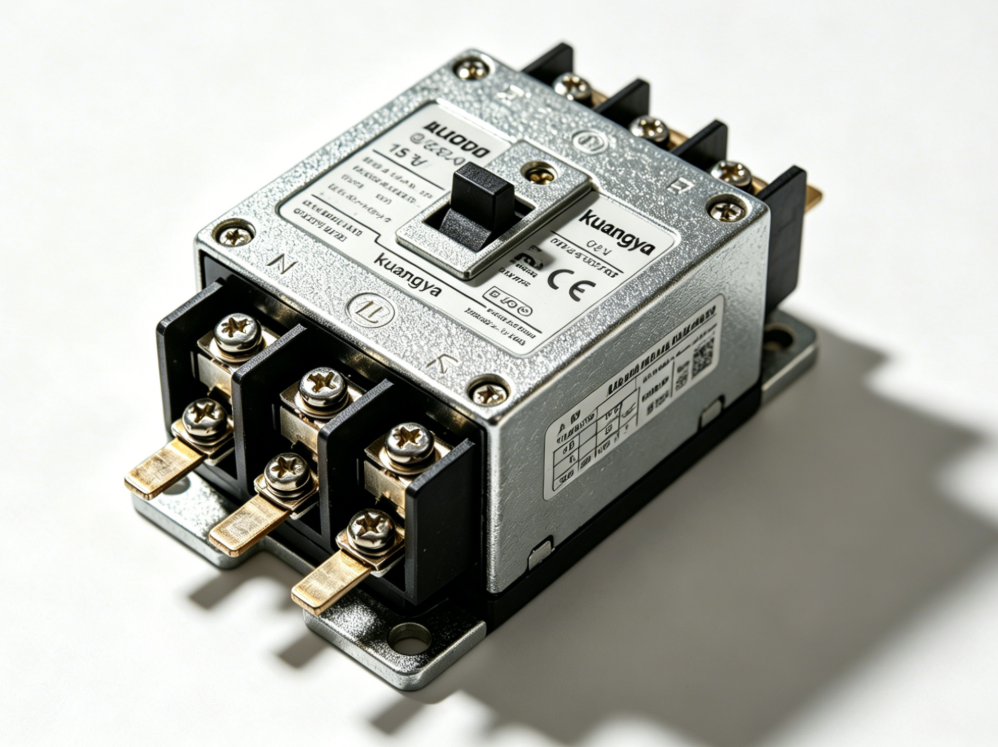
Основная цель реле перегрузки Это контроль тока, протекающего к двигателю, и отключение питания, если ток превышает безопасный уровень в течение длительного времени. В отличие от автоматических выключателей, которые справляются с короткими замыканиями, реле перегрузки Устройства защищают от постепенного перегрева при длительных перегрузках.
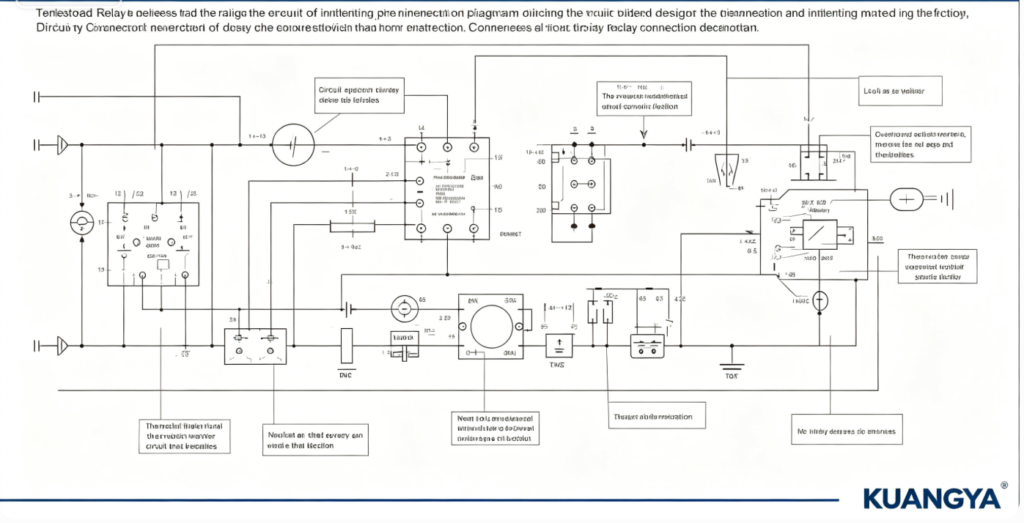
Без правильно функционирующего реле перегрузки, Моторы подвергаются серьезному риску:
Согласно отраслевой статистике, двигатели, защищенные надежным реле перегрузки 60% имеют более длительный срок службы, чем незащищенные устройства. Это делает реле перегрузки Инвестиции - один из самых высокоокупаемых компонентов в электрических панелях управления.
Работа реле перегрузки Основан на фундаментальных тепловых и электромагнитных принципах, разработанных для имитации характеристик нагрева двигателя, который он защищает.
Стандарт реле перегрузки Используется технология биметаллических полос:
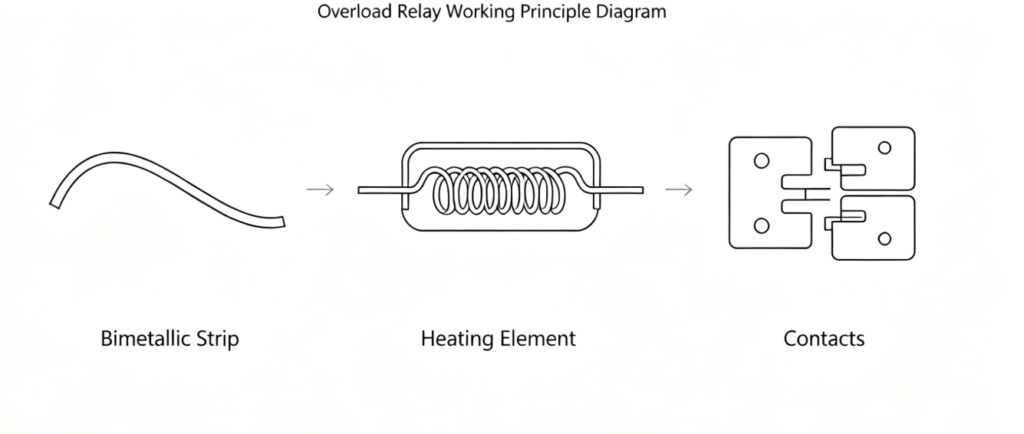
Современный реле перегрузки В версиях используются электронные датчики:
| Реле перегрузки Тип | Время отклика | Точность | Устойчивость к воздействию окружающей среды | Стоимость |
|---|---|---|---|---|
| Биметаллический термос | Медленный (инерционный) | Средний | Хорошо (с компенсацией) | Низкий |
| Электронный | Быстрый | Высокий | Превосходно | Средний и высокий |
| Магнит | Мгновенный | Средний и высокий | Превосходно | Высокий |
Понимание реле перегрузки классификации очень важны для правильного подбора приложений. Каждый реле перегрузки Тип служит для конкретных целей защиты.
Наиболее широко используемый реле перегрузки отличаются простотой конструкции и надежностью работы. Идеально подходят для двигателей общего назначения в насосах, вентиляторах и конвейерных системах.
Премиум реле перегрузки с микропроцессорным управлением, обеспечивающим точную защиту и коммуникационные возможности. Идеально подходит для приводов с переменной скоростью и критически важных механизмов.
Специализированный сайт реле перегрузки Реагирует на изменения магнитного поля для мгновенной защиты. Подходит для дорогостоящего оборудования и короткоцикловых применений.
Уникальный реле перегрузки с использованием технологии плавящегося сплава с нерегулируемыми точками отключения. Обеспечивает защиту от несанкционированного доступа для двигателей определенных номиналов.
Расширенный реле перегрузки со встроенной функцией определения потери фазы. Незаменим для защиты трехфазных двигателей, где однофазное замыкание приводит к серьезным повреждениям.
Выбор правильного реле перегрузки требует тщательного учета множества факторов для обеспечения оптимальной защиты.
Сайт реле перегрузки диапазон тока должен включать ток полной нагрузки двигателя (FLA) на уровне примерно 65-85% от максимальной настройки реле.
Реле перегрузки Классы поездок определяют время реакции на 600% FLA:
Реле перегрузки опции сброса влияют на безопасность и удобство эксплуатации:
Необходим для реле перегрузки установки в экстремальных условиях. Компенсация температуры реле перегрузки Устройства сохраняют стабильную производительность в диапазоне от -20°C до +60°C.
Стандарт реле перегрузки обеспечивает 1 размыкающий (95-96) и 1 замыкающий (97-98) контакты. Обеспечивают совместимость с катушками контакторов и цепями управления.
表格
| Параметр выбора | Идеальная спецификация | Распространенные ошибки |
|---|---|---|
| Текущая настройка | 85% двигателя FLA | Настройка на 100% или максимум |
| Класс путешествия | Соответствие пусковых характеристик двигателя | Использование класса 10 для высокоинерционных нагрузок |
| Режим сброса | Руководство по эксплуатации критически важного оборудования | Автоматика во взрывоопасных зонах |
| Поляки | 3-полюсный для 3-фазных двигателей | Использование 2 полюсов в 3-фазных системах |
Правильная установка максимально повышает реле перегрузки эффективность и продолжительность жизни. Следуйте этим профессиональным рекомендациям.
A: An реле перегрузки обеспечивает защиту с выдержкой времени от длительного сверхтока (115-600% FLA), в то время как автоматические выключатели обеспечивают мгновенную защиту от короткого замыкания (>10× FLA). Для полной защиты двигателя требуются оба устройства.
A: К распространенным причинам относятся неправильная установка тока, дисбаланс напряжения, неплотные соединения, высокая температура окружающей среды или механическое заедание в нагрузке. Проверьте реле перегрузки калибровка и состояние двигателя.
A: Только если двигатели запускаются одновременно и суммарный FLA находится в пределах реле перегрузки ассортимент. Отдельно реле перегрузки блоков на двигатель обеспечивают превосходную защиту.
A:
A: Негабаритный реле перегрузки не обеспечит достаточной защиты, допуская опасный перегрев, повреждающий обмотки двигателя. Всегда подбирайте размер реле перегрузки до номинального тока двигателя.
A: Нет. Реле перегрузки Устройствам не хватает скорости для защиты от короткого замыкания. Используйте предохранители или автоматические выключатели наряду с реле перегрузки для полной защиты.
A:
A: Обнаруживает пропадание любой фазы в трехфазных системах, предотвращая однофазное замыкание, которое приводит к серьезному повреждению двигателя. Незаменимая функция для промышленных реле перегрузки единицы.
A: Да. Стандартные устройства требуют температурной компенсации для сред за пределами 10-40°C. Высокие температуры вызывают преждевременное срабатывание; низкие температуры снижают чувствительность.
A: Тепловые типы: 10-15 лет; Электронные типы: 15-20 лет. Срок службы зависит от условий эксплуатации, частоты циклов и качества обслуживания.
Равномерное качество реле перегрузки В работе устройств могут возникать проблемы. Оперативное устранение неисправностей сводит к минимуму время простоя.
Возможные причины:
Возможные причины:
Возможные причины:
表格
| Проблема Симптом | Вероятная причина | Рекомендуемое действие |
|---|---|---|
| Нет защиты | Неправильная настройка | Повторная калибровка по FLA |
| Частое спотыкание | Дисбаланс напряжения | Почините блок питания |
| Перегрев | Плохие соединения | Сервисные терминалы |
| Невозможность сброса | Механизм повреждения | Заменить реле перегрузки |
Сайт реле перегрузки Продолжает развиваться в условиях цифровой трансформации, предлагая расширенные возможности.
Современный реле перегрузки особенность агрегатов:
Следующее поколение реле перегрузки технология:
Ведущий реле перегрузки такие производители, как www.cnkuangya.com теперь предлагаем:
Для премиум реле перегрузки решения, www.cnkuangya.com является лидером в своей отрасли.
Сайт реле перегрузки может быть компактным, но его роль в промышленной безопасности и надежности невозможно переоценить. Как молчаливый страж электродвигателей, каждый реле перегрузки представляет собой критически важную инвестицию в защиту оборудования и непрерывность работы.
Понимание реле перегрузки типы, критерии выбора, лучшие практики установки и методы устранения неисправностей, вы обеспечите максимальную защиту двигателя и минимальное время простоя. Помните: качество реле перегрузки устройства от таких надежных поставщиков, как www.cnkuangya.com обеспечивают максимальную отдачу от инвестиций в системы управления двигателями.
Не отказывайтесь от защиты двигателя - инвестируйте в премиум-класс реле перегрузки решения сегодня и обеспечьте будущую производительность вашего оборудования.
Согласно Стандарт IEC 60947-4-1, Для эффективной защиты двигателей тепловые реле должны соответствовать определенным требованиям по времени срабатывания.

