Промышленная зона Вэньян Юэцин Вэньчжоу 325000
Рабочие часы
Понедельник - пятница: 7AM - 7PM
Выходные: 10AM - 5PM
Промышленная зона Вэньян Юэцин Вэньчжоу 325000
Рабочие часы
Понедельник - пятница: 7AM - 7PM
Выходные: 10AM - 5PM

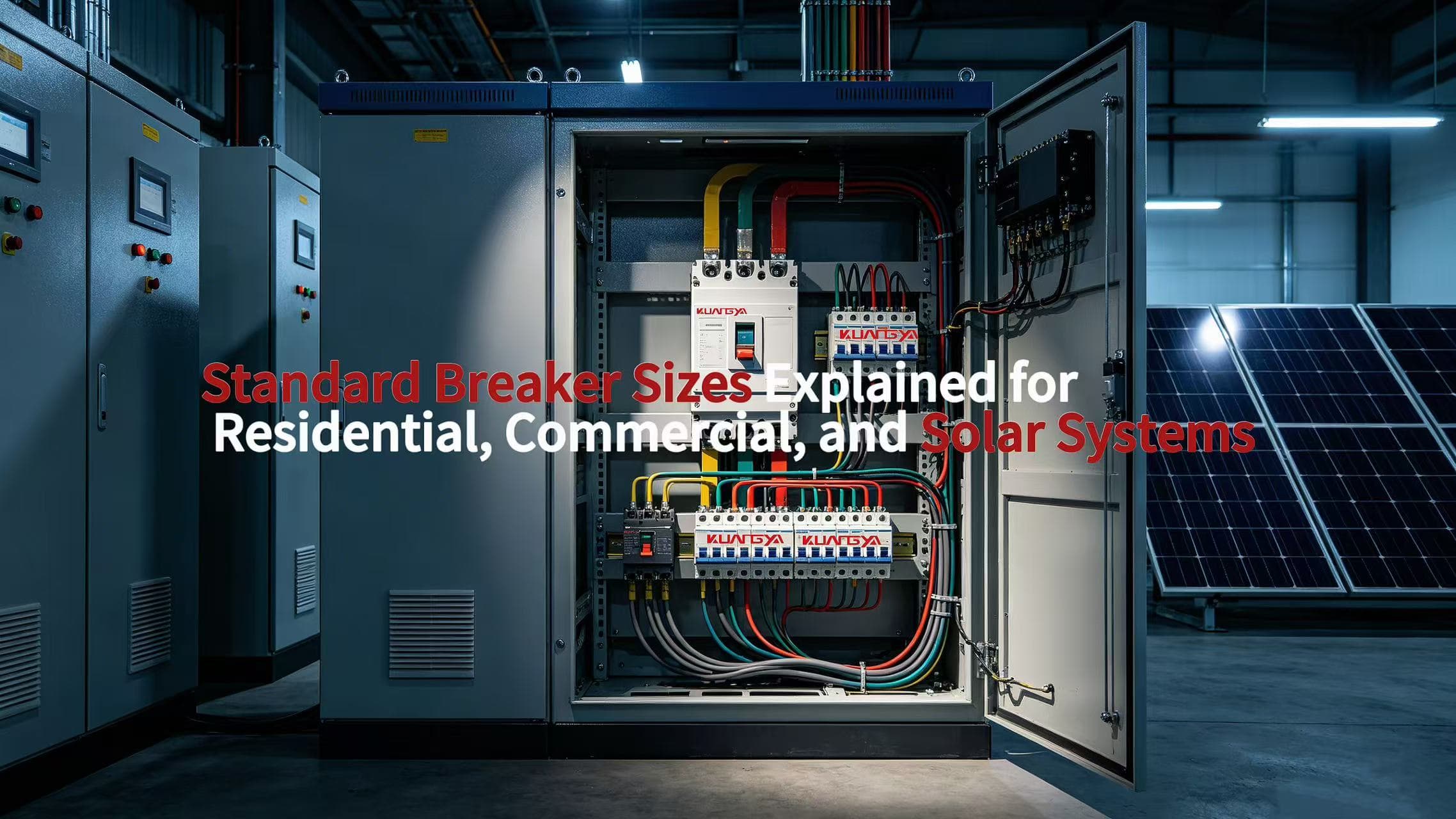
Выбор правильного размера выключателя - одна из важнейших составляющих любой системы защиты электрооборудования. Надежные [решения для автоматических выключателейВ жилых домах, коммерческих объектах, промышленном оборудовании или системах солнечной энергии выбор правильного автоматического выключателя поможет обеспечить безопасность, стабильную работу и долгосрочную защиту оборудования.
Многие инженеры, подрядчики и дистрибьюторы при проектировании электрических систем ищут стандартные размеры выключателей, поскольку размеры выключателей напрямую влияют на защиту от перегрузок, коротких замыканий и надежность системы.
В этом руководстве мы расскажем о наиболее распространенных стандартных размерах выключателей, о том, как правильно выбрать номинал выключателя, а также о различиях между бытовыми, коммерческими, промышленными и солнечными системами.
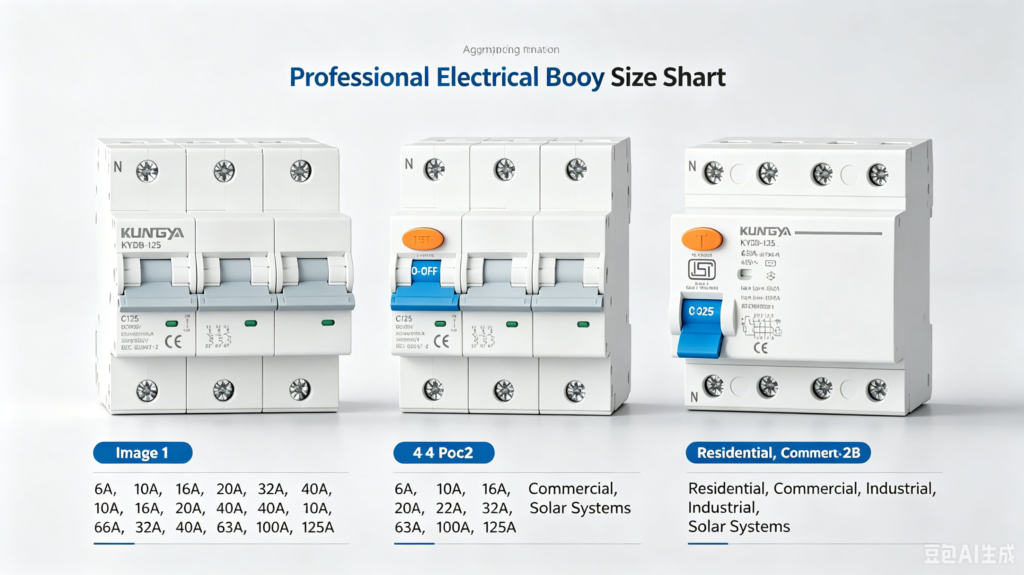
Стандартные типоразмеры выключателей относятся к общепринятым номиналам ампер, используемым в электрических системах. Автоматические выключатели имеют стандартные номиналы тока, соответствующие требованиям IEC и UL по электрозащите.
Наиболее распространенные размеры выключателей включают:
| Распространенные типоразмеры выключателей |
|---|
| 6A |
| 10A |
| 16A |
| 20A |
| 32A |
| 40A |
| 50A |
| 63A |
| 80A |
| 100A |
| 125A |
| 250A |
| 400A |
| 600A |
В зависимости от области применения, мощности кабеля, типа нагрузки, уровня напряжения и стандарта установки используются различные типоразмеры выключателей.
Использование выключателя правильного размера необходимо для обеспечения электробезопасности и производительности системы.
Недостаточно мощный выключатель может часто срабатывать, прерывая работу и повреждая чувствительное оборудование. Превышающий габариты выключатель может не обеспечить должной защиты, увеличивая риск перегрева, повреждения кабеля или пожара.
Правильный выбор размера выключателя помогает:
Для солнечных систем и систем ESS правильный выбор размера выключателя особенно важен, поскольку электрические системы постоянного тока ведут себя иначе, чем системы переменного тока.
Ниже приведена общая таблица размеров выключателей, используемых в различных областях применения.
| Приложение | Общий размер выключателя |
|---|---|
| Осветительные цепи | 6A - 16A |
| Настенные розетки | 16A - 20A |
| Водонагреватели | 20A - 32A |
| Кондиционеры | 32A - 50A |
| Электрические духовые шкафы | 32A - 63A |
| Приложение | Общий размер выключателя |
|---|---|
| Офисное освещение | 20A - 32A |
| Системы отопления, вентиляции и кондиционирования воздуха | 40A - 100A |
| Лифты | 63A - 125A |
| Распределительные панели | 100A - 250A |
| Приложение | Общий размер выключателя |
|---|---|
| Промышленные двигатели | 63A - 250A |
| Защита оборудования | 100A - 400A |
| Основное распределение электроэнергии | 250A - 600A |
| Приложение | Общий размер выключателя |
|---|---|
| Защита фотоэлектрической сети | 16A - 32A |
| Распределительные коробки | 32A - 125A |
| Защита аккумулятора | 125A - 400A |
| Защита инвертора | 32A - 250A |
Выбор правильного размера выключателя требует не только соответствия току нагрузки.
Необходимо учитывать несколько факторов.
Первый шаг - расчет общего рабочего тока.
Например:
Общепринятое правило - устанавливать выключатель примерно на 125% непрерывного тока нагрузки.
Выключатель должен защищать кабель, а не только оборудование.
Если номинал выключателя превышает мощность кабеля, кабель может перегреться до срабатывания выключателя.
Типичные примеры включают:
| Размер кабеля | Рекомендуемый выключатель |
|---|---|
| 1,5 мм² | 10A - 16A |
| 2,5 мм² | 16A - 20A |
| 4 мм² | 20A - 32A |
| 6 мм² | 32A - 40A |
| 10 мм² | 50A - 63A |
Местные нормы и условия установки могут отличаться.
Поскольку электрические дуги постоянного тока сложнее прервать, для солнечных систем требуются специально разработанные устройства защиты. Узнайте больше в нашем подробном руководстве по [Автоматический выключатель постоянного тока в сравнении с автоматическим выключателем переменного тока] для фотоэлектрических приложений.
Цепи постоянного тока сложнее прервать, потому что электрическая дуга не пересекает ноль, как переменный ток.
Для солнечных систем очень важно использовать специальные выключатели постоянного тока.
Типичные напряжения выключателей постоянного тока включают:
Для солнечных проектов все чаще требуются выключатели на 1000 В постоянного тока и 1500 В постоянного тока для высокоэффективных фотоэлектрических систем.
Температура влияет на работу выключателя.
Высокая температура окружающей среды может снизить пропускную способность выключателя, что приведет к аварийному отключению.
В жарких условиях, таких как:
При выборе выключателя необходимо учитывать понижающие коэффициенты.
Отключающая способность - это максимальный ток повреждения, который выключатель может безопасно прервать.
К числу распространенных видов разрушающей способности относятся:
| Разрывная способность | Типовое применение |
|---|---|
| 6 кА | Жилье |
| 10 кА | Коммерческая |
| 25 кА | Промышленность |
| 50 кА+ | Тяжелые промышленные системы |
Системы с большим током повреждения требуют более высокой отключающей способности.
Поскольку бытовые электрические нагрузки обычно ниже, в жилых системах обычно используются выключатели меньшего размера. Большинство панелей полагаются на [миниатюрные автоматические выключатели] для защиты цепей освещения и розеток.
Наиболее распространенными типоразмерами выключателей для жилых помещений являются:
Типичные области применения - освещение, кухонные приборы, водонагреватели и системы отопления, вентиляции и кондиционирования воздуха.
Современные дома с зарядными устройствами для электромобилей и солнечными системами на крыше могут потребовать более мощных выключателей из-за более высокого спроса на электроэнергию.
Коммерческие электрические системы сложнее, чем бытовые.
Помимо стандартных выключателей, во многих коммерческих объектах используются [Защитные решения RCCB] для усиления защиты от утечек и поражения электрическим током.
Офисные здания, торговые центры, гостиницы и больницы часто требуют:
Размеры коммерческих выключателей обычно варьируются от:
На коммерческих объектах также часто используются автоматические выключатели в литом корпусе (MCCB), поскольку они имеют более высокие номинальные токи и регулируемые параметры защиты.
Для промышленных объектов требуются сверхмощные системы электрозащиты.
Фабрики, заводы и перерабатывающее оборудование часто работают в условиях:
В промышленных системах обычно используются:
Типовые размеры промышленных выключателей включают:
Для крупных промышленных объектов могут потребоваться индивидуальные исследования по координации защиты.
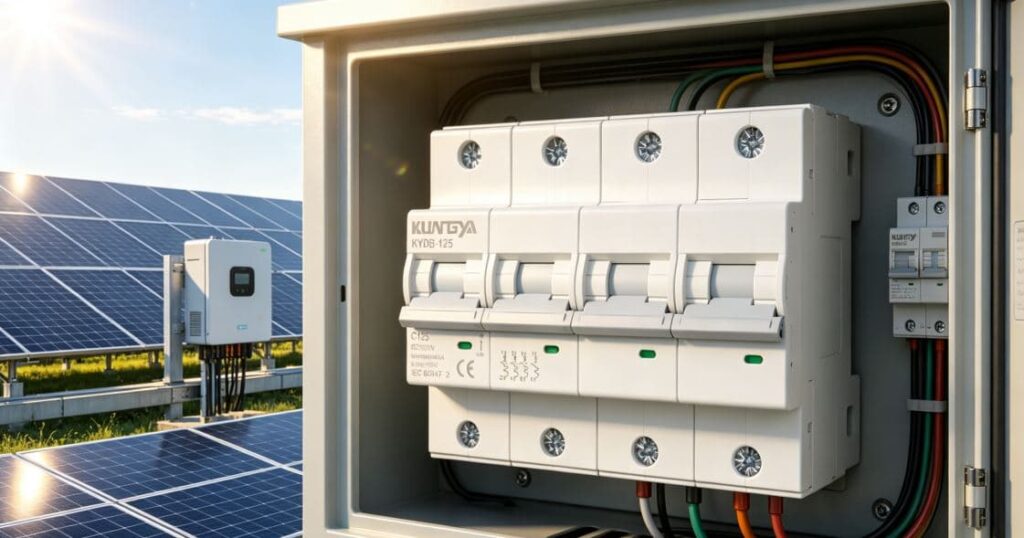
Системы солнечной энергетики стали одной из самых быстрорастущих областей применения выключателей постоянного тока.
Современные фотоэлектрические системы требуют надежного [Автоматические выключатели постоянного тока] для надежной защиты.
Правильное определение размеров выключателя постоянного тока имеет большое значение для:
| Применение солнечной энергии | Общий размер выключателя постоянного тока |
|---|---|
| Фотоэлектрические струны | 16A - 20A |
| Распределительные коробки | 32A - 63A |
| Струнные инверторы | 63A - 125A |
| Аккумуляторная батарея ESS | 125A - 400A |
Современные фотоэлектрические системы все чаще используют:
Надежные солнечные выключатели помогают снизить риск пожара и повысить безопасность системы.
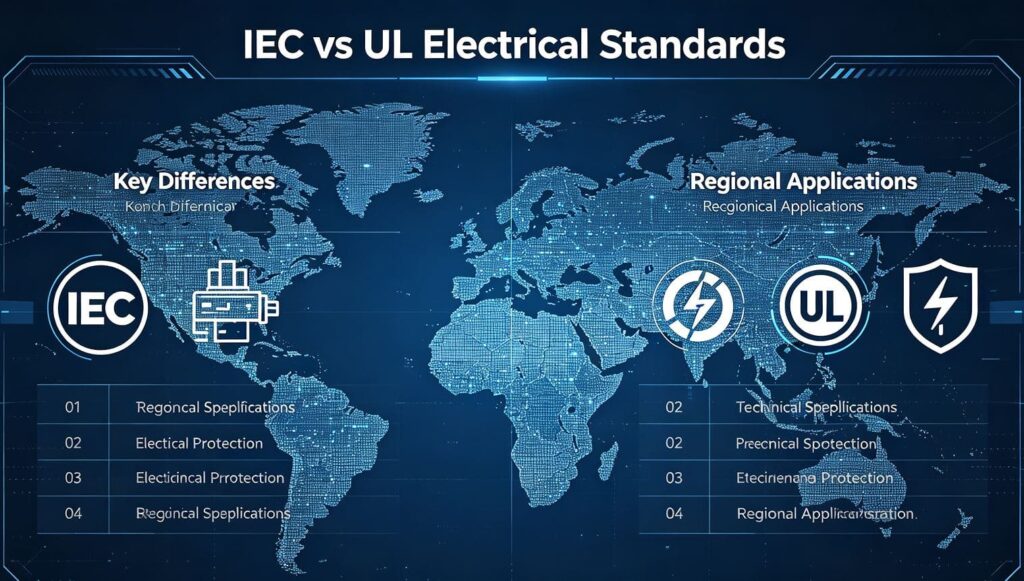
В разных регионах действуют разные стандарты электротехники.
Выключатели IEC широко используются в:
Выключатели IEC обычно имеют модульную конструкцию на DIN-рейке и метрическую систему размеров.
Выключатели UL в основном используются в:
В системах UL часто используются различные номиналы напряжения, конструкции панелей и требования к сертификации.
Понимание стандартов местного рынка важно при выборе выключателей для экспортных проектов.
Для разных областей применения предлагаются различные типы выключателей.
MCB используются в:
Типичные размеры:
MCCB используются в:
Типичные размеры:
Устройства RCCB защищают от тока утечки и поражения электрическим током.
Общие рейтинги включают:
Выключатели постоянного тока специально разработаны для:
Общие номиналы постоянного тока:
Неправильный выбор размера выключателя может привести к серьезным проблемам.
Негабаритные выключатели могут не срабатывать при перегрузках, создавая опасность пожара.
Выключатель должен всегда соответствовать силе тока кабеля.
Это распространенная ошибка при установке солнечных батарей.
Выключатели постоянного тока должны быть специально разработаны для прерывания дуги постоянного тока.
Для установки солнечных батарей вне помещений может потребоваться понижение номинала выключателя.
Системы с высоким током повреждения требуют высокой прерывающей способности.
По мере развития электрических систем меняется и технология выключателей.
К числу развивающихся отраслей относятся:
Это повышает спрос на:
Производители также разрабатывают более безопасные и энергоэффективные решения для защиты проектов возобновляемой энергетики.
Качество брейкера так же важно, как и выбор правильного размера.
Надежные производители выключателей обеспечивают:
Для солнечных и промышленных систем выбор сертифицированных и проверенных выключателей помогает снизить эксплуатационные риски.
Для разных рынков могут потребоваться разные спецификации.
Например:
| Рынок | Общее требование |
|---|---|
| Европа | Сертификация IEC |
| Ближний Восток | Высокая термостойкость |
| Юго-Восточная Азия | Компактные системы на DIN-рейку |
| Северная Америка | Сертификация UL |
В проектах, ориентированных на экспорт, перед выбором выключателей всегда следует проверять соответствие местным требованиям.
Понимание стандартных размеров выключателей необходимо для создания безопасных и надежных электрических систем.
Будь то жилые дома, коммерческие объекты, промышленное распределение электроэнергии или системы солнечной энергии, выбор правильного размера выключателя помогает защитить оборудование, сократить время простоя и повысить общую безопасность.
Современные электротехнические проекты все чаще требуют передовых решений в области прерывателей, особенно в солнечных батареях и системах ESS, где защита постоянного тока имеет решающее значение.
Учитывая ток нагрузки, размер кабеля, тип напряжения, температуру окружающей среды и отключающую способность, инженеры и покупатели могут выбрать подходящее решение по защите для каждого проекта.
По мере роста мирового спроса на возобновляемые источники энергии и интеллектуальное распределение электроэнергии надежные автоматические выключатели будут оставаться ключевой частью современной электрической инфраструктуры.
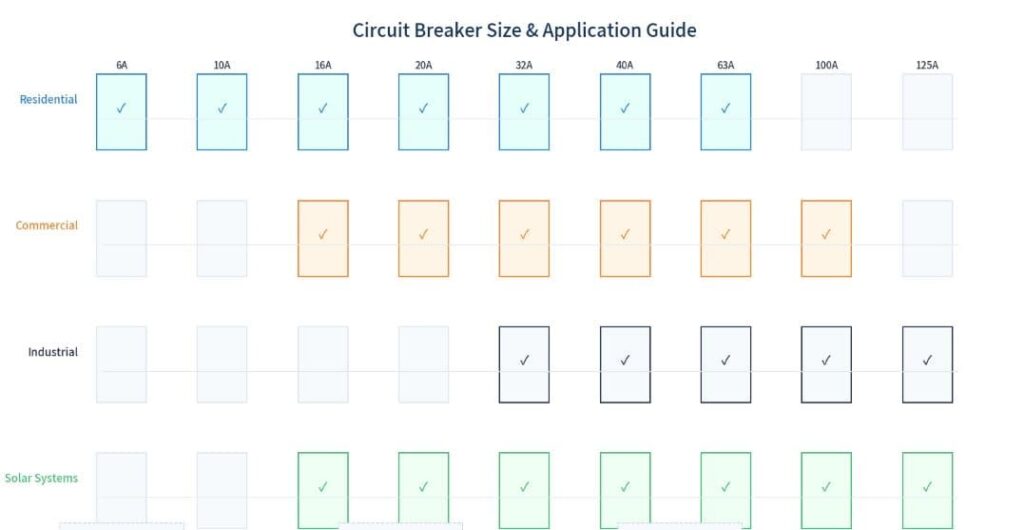
Наиболее распространенные стандартные размеры выключателей включают 6A, 10A, 16A, 20A, 32A, 40A, 63A, 100A и 125A для жилых, коммерческих, промышленных и солнечных систем.
В жилых системах обычно используются выключатели на 15 А, 20 А, 32 А и 63 А в зависимости от электрической нагрузки и области применения. В большинстве жилых панелей также используются [миниатюрные автоматические выключатели] для освещения и защиты розеток.
Нет. Солнечные системы требуют специального [Автоматические выключатели постоянного тока] специально разработаны для дугового разряда постоянного тока и защиты фотоэлектрических систем.
MCB в основном используются для бытовых систем с малым током, в то время как MCCB предназначены для коммерческих и промышленных систем с большим током и большей отключающей способностью.
Правильный выбор размера выключателя помогает предотвратить перегрузки, короткие замыкания, перегрев и возгорания, а также защитить кабели, электрооборудование и системы солнечной энергии.
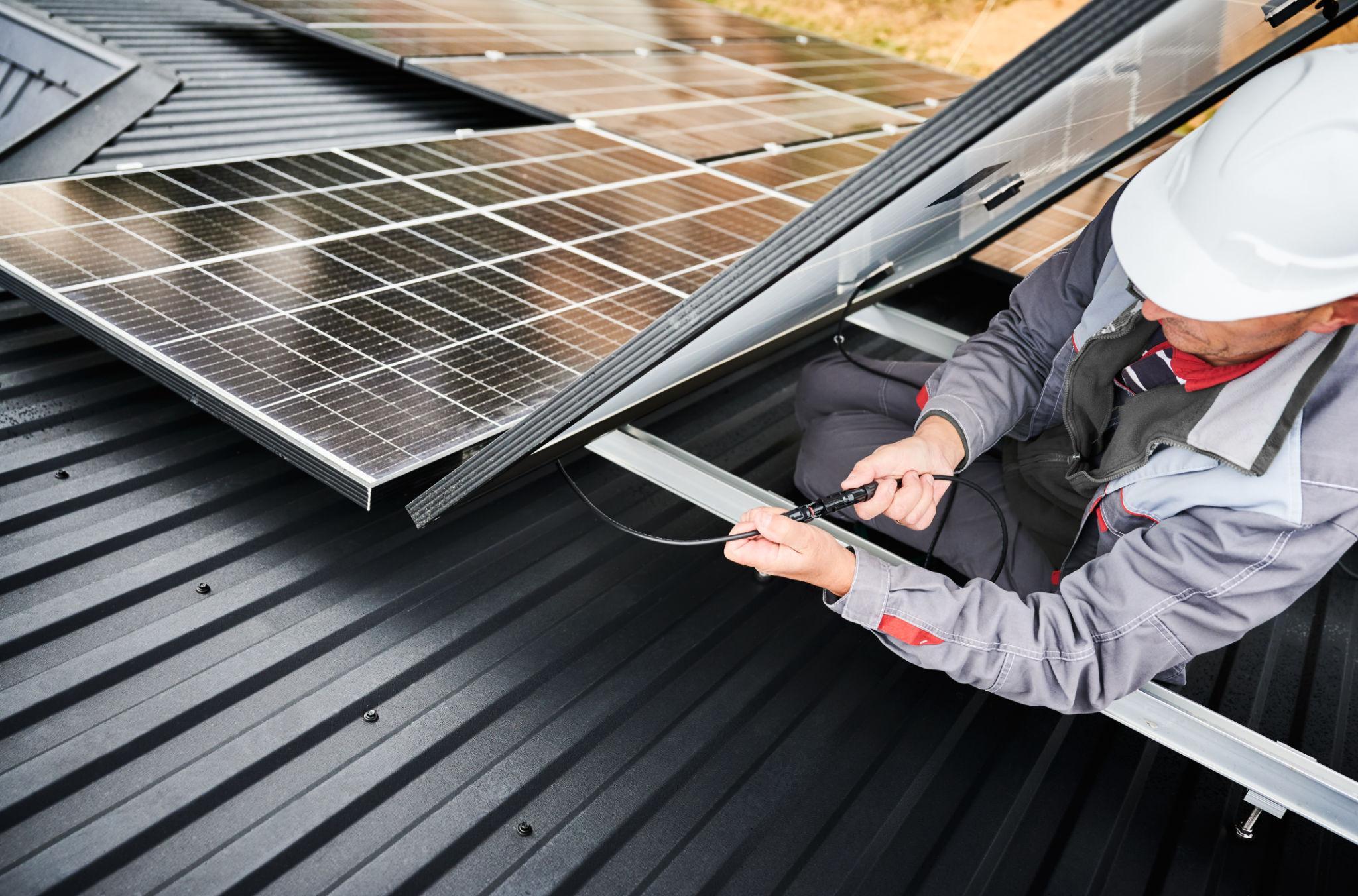
Мы являемся профессиональным производителем электротехнической продукции для солнечной энергетики и промышленного применения, включая MCB, SPD, RCD и сопутствующие аксессуары. Имея богатый опыт экспорта, мы предоставляем надежные решения и услуги OEM/ODM для глобальных клиентов.
+86-577-61885000
+86 13676769183
info@cnkuangya.com
export@cnkuangya.com
Промышленная зона Вэньян, Юэцин, Вэньчжоу 325000, Китай

