웽양 공업구 웨칭 원저우 325000
근무 시간
월요일~금요일: 오전 7시~오후 7시
주말: 주말: 오전 10시 - 오후 5시
웽양 공업구 웨칭 원저우 325000
근무 시간
월요일~금요일: 오전 7시~오후 7시
주말: 주말: 오전 10시 - 오후 5시

Choose PV combiner-box cable glands by actual cable outside diameter, sealing range and enclosure entry—not thread size alone. Six checks for a reliable finished assembly.
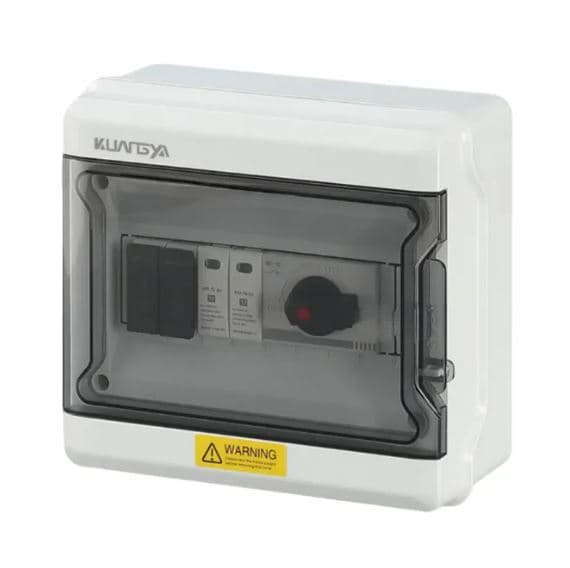
A solar combiner box may have a suitable enclosure IP rating and still leak after cable entries are added. The gland must seal around the actual cable jacket and at the enclosure wall. Choosing it by thread size alone is insufficient. This guide explains what to request and verify before installation.
Match the gland’s documented sealing range to the outside diameter of the specific cable. Then check the mounting thread, wall thickness, gasket, material, environmental rating and installation instructions. A gland’s own IP marking does not automatically give the completed combiner box the same rating.
For a manufacturer example, Phoenix Contact part 1415192 has an M20 × 1.5 thread and a documented external cable diameter range of 6–13 mm. Those figures apply to that part only; they are not a universal M20 specification or a recommendation for every PV cable.
String conductors, output cables and monitoring wires may have different outside diameters. A single gland model may not fit all of them. A cable below the seal’s specified range can leave a water path; one above it may prevent the gland from closing as designed. Incorrect assembly can also compromise strain relief.
IEC 60529 classifies enclosure protection against access, solids and water under defined tests. It does not certify every field-drilled entry in an assembled box. The finished assembly must account for the actual glands, plugs, connectors and cable entries.
Give the supplier an entry schedule: cable count and purpose, each outside-diameter range, entry position, required gland material and site environment. Ask for exact gland and blanking-plug part numbers, an entry layout and the finished enclosure’s documented protection. This is more useful than asking only for “IP65 cable glands.”
For broader context, see our custom combiner-box RFQ guide, IP rating comparison, condensation troubleshooting guide 및 combiner protection guide. Send KUANGYA the entry schedule for project-specific component review.
No. M20 identifies the entry thread. The exact gland also needs a sealing range that covers the actual cable outside diameter.
Only if the manufacturer approves that exact gland and insert for two cables of the relevant diameters. Do not put two cables through a standard single-cable seal by assumption.
No. The assembled rating also depends on the enclosure, door seals, all other entries and installation conditions.
안전: Qualified personnel should inspect or modify PV DC equipment under an approved isolation procedure. PV conductors can remain energized in daylight. Never alter an energized combiner box to investigate a leak.

