Zona industrial de WengYang Yueqing Wenzhou 325000
Horas de trabajo
De lunes a viernes: de 7.00 a 19.00 horas
Fin de semana: 10.00 A 17.00 HORAS
Zona industrial de WengYang Yueqing Wenzhou 325000
Horas de trabajo
De lunes a viernes: de 7.00 a 19.00 horas
Fin de semana: 10.00 A 17.00 HORAS


Have you ever walked into your bathroom and found the GFCI outlet dead for no reason? Or touched a metal appliance and felt a faint, unsettling tingle? Chances are, you’ve just encountered the effects of a fallo a tierra—one of the most common yet underrated electrical hazards in homes and workplaces worldwide. According to the U.S. Occupational Safety and Health Administration (OSHA), ground faults are responsible for over 60% of all electrical shock fatalities in residential settings, making them a critical topic for every homeowner to understand. In this guide, we’ll break down exactly what is a ground fault, how it happens, the hidden dangers it poses, and actionable steps you can take to protect your family and property.
A fallo a tierra (also called an earth fault) is an unintended electrical connection between a live (hot) conductor and the ground, a grounded surface, or a grounded component of an electrical system. In normal operation, electricity flows in a closed loop: from the hot wire to the neutral wire, back to the power source. A fallo a tierra occurs when this flow is interrupted, and current takes an unexpected shortcut to the earth instead of completing its intended path.
Think of it like a river: electricity is designed to follow a specific channel (the circuit). A fallo a tierra is like a dam breaking, causing water (current) to spill out of the channel and into the surrounding land (ground).

In electrical terms, this means the current bypasses the load (the device you’re using) and flows directly to the earth through any available conductive path—whether that’s a metal appliance casing, a water pipe, or even a person’s body. This unintended path creates an imbalance in the electrical circuit that can lead to serious consequences, including electric shock, equipment damage, and electrical fires.
Every modern electrical system includes a grounding system for safety. This system acts as a backup path for stray current, designed to carry it safely to the earth if something goes wrong. When a fallo a tierra occurs:
A fallo a tierra doesn’t happen out of nowhere. Most are caused by preventable issues in wiring, equipment, or environmental conditions. Here are the most common culprits:
Insulation is the plastic or rubber coating that protects live wires from touching other conductors or grounded surfaces. Over time, insulation can break down due to age, physical damage, wear and tear, and heat. When insulation fails, live wires can come into contact with grounded metal components, triggering a fallo a tierra.
Water is an excellent conductor of electricity, making moisture one of the biggest causes of a fallo a tierra. Bathrooms, kitchens, laundry rooms, and outdoor areas are particularly high-risk because of constant exposure to water. Even small amounts of water inside an outlet, junction box, or appliance can create a conductive path to ground.
Shoddy electrical work is a leading cause of a fallo a tierra. Common mistakes include missing or improperly connected ground wires, using ungrounded (two-prong) outlets in areas that require grounding, and overloading circuits with too many devices.
Faulty appliances can also cause a fallo a tierra. For example, a damaged heating element in a water heater touching the metal tank, or a shorted motor in a power tool that allows current to flow to the tool’s casing. Cracked or damaged power cords on kitchen appliances or electronics are another common trigger.
Natural events and conditions can also trigger a fallo a tierra, such as tree branches falling on overhead power lines, flooding submerging electrical equipment, or lightning strikes causing power surges that damage insulation and wiring.
A fallo a tierra is often underestimated, but it poses serious risks that go beyond a tripped breaker. Let’s break down the key hazards:
The most immediate risk of a fallo a tierra is electric shock. If you touch a grounded surface that’s become energized due to a fault, your body can become the unintended path to ground. Even low levels of current (as little as 100 milliamps) passing through the chest can cause fatal heart arrhythmias. This is especially dangerous in wet environments, where water reduces the body’s resistance to electricity, making even minor shocks potentially deadly.
A fallo a tierra can generate intense heat when current flows through unintended paths with high resistance. This heat can ignite nearby materials like wood, insulation, or plastic, leading to electrical fires. Unlike short circuits, which usually trip breakers immediately, a fallo a tierra can sometimes go undetected if the current is too low to trigger standard overcurrent protection, allowing fires to smolder unnoticed.
Uncontrolled current from a fallo a tierra can damage or destroy electrical equipment, appliances, and wiring. Motors, circuit boards, and other components can burn out, leading to costly repairs or replacements. In industrial settings, a fallo a tierra can disrupt entire production lines, causing significant downtime and financial losses.
Repeated or persistent fallo a tierra incidents can weaken your electrical system over time, corroding wires, damaging outlets, and reducing the effectiveness of your grounding system. This creates a vicious cycle: minor damage leads to more faults, which cause more damage, until a catastrophic failure occurs.
Many people confuse a fallo a tierra with other common electrical issues, like short circuits or arc faults. While all three are types of electrical faults, they work differently and require different safety measures:
| Tipo de avería | What It Is | Causas comunes | Key Risks |
|---|---|---|---|
| Fallo a tierra | Current flows from a live wire directly to the ground/grounded surface | Damaged insulation, moisture, improper grounding | Electric shock, fires, equipment damage |
| Cortocircuito | Current flows between two live conductors (e.g., hot and neutral) with no load | Crossed wires, damaged insulation, faulty connections | High current surges, overheating, fires, breaker trips |
| Fallo de arco | Current jumps through the air between two conductors, creating a spark | Loose connections, damaged wires, corroded terminals | Fires (sparks igniting nearby materials), equipment damage |
The biggest difference between a fallo a tierra and a short circuit is the path of the current: a short circuit occurs between two conductors (hot and neutral or two hot wires) in the same circuit, while a fallo a tierra occurs between a live conductor and the ground/earth. While both can cause fires, a fallo a tierra is uniquely dangerous because it can pass through human bodies, making it the leading cause of electrical shock fatalities in homes.

warning signs of ground fault in house wiring
Detecting a fallo a tierra early is critical for preventing accidents. Here are the most common signs that you may have a fallo a tierra in your home or workplace:
Preventing a fallo a tierra is key to keeping your home safe. Here are practical, actionable steps you can take to reduce the risk:
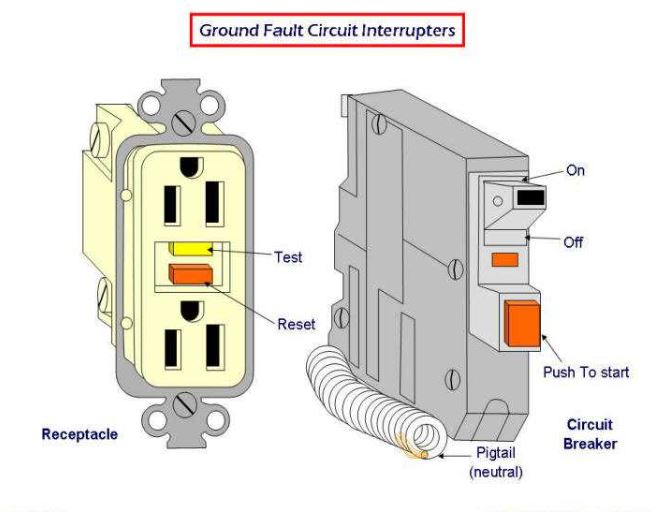
GFCI (Ground Fault Circuit Interrupter) outlets and breakers are the most effective defense against a fallo a tierra. They constantly monitor the balance of current in the circuit and shut off power within milliseconds if a fault is detected. Install GFCIs in all high-risk areas: bathrooms, kitchens, laundry rooms, garages, basements, and outdoor outlets. Test GFCI outlets monthly by pressing the “test” button—they should trip immediately. If they don’t, replace them right away. Replace old GFCI outlets every 10-15 years, as they can lose effectiveness over time.
Moisture is the enemy of electrical safety. Use waterproof covers on outdoor outlets, avoid using electrical devices near water (e.g., hair dryers in the bathroom) unless they’re specifically designed for wet environments, fix leaks in roofs, pipes, or windows that could drip into electrical boxes or outlets, and keep appliances like sump pumps and dehumidifiers on raised stands to avoid contact with water.
Check power cords for cracks, fraying, or exposed wires. Replace damaged cords immediately—never tape them up as a temporary fix. Avoid overloading outlets with too many devices. Use surge protectors wisely, and never daisy-chain multiple power strips. Have a licensed electrician inspect your home’s wiring every 5-10 years, especially if you live in an older home (pre-1980). They can identify damaged insulation, loose connections, or improper grounding that could lead to a fallo a tierra.
Never attempt to do electrical work yourself unless you’re qualified. Improper wiring is a major cause of a fallo a tierra. When renovating, avoid driving nails or screws near electrical wiring. Use stud finders with wire detection to locate hidden cables. Ensure all electrical equipment is properly grounded. Never remove the third prong from a plug to fit it into a two-prong outlet—this disables the grounding safety feature.
Trim tree branches near overhead power lines to prevent them from falling and causing faults. In flood-prone areas, elevate electrical panels and outlets above flood levels, and use water-resistant equipment. Install surge protectors to prevent lightning strikes or power surges from damaging your wiring.
If you notice signs of a fallo a tierra, follow these steps to stay safe:
A: Yes, a fallo a tierra can cause electrical fires. When current flows through unintended paths, it generates heat that can ignite nearby materials. GFCIs are designed to shut off power quickly to prevent this, but unprotected a fallo a tierra can lead to smoldering fires that go undetected for hours.
A: A GFCI outlet monitors the balance of current in the circuit. If it detects even a tiny imbalance (indicating a fallo a tierra), it shuts off power immediately. Regular outlets do not have this feature and rely on circuit breakers, which only trip when there’s a high current surge (like a short circuit), not low-level a fallo a tierra.
A: Electrical codes require GFCI protection in areas near water, including bathrooms, kitchens, laundry rooms, garages, basements, and outdoor outlets. While not required for every room, adding GFCIs in older homes or rooms with outdated wiring is a good safety practice to prevent fallo a tierra risks.
A: No, a fallo a tierra does not resolve itself. It is caused by physical issues like damaged insulation, moisture, or faulty wiring. Ignoring a fallo a tierra can lead to more serious problems, including equipment failure, fires, or electric shock.
A: You should test GFCI outlets monthly using the “test” button. They should trip immediately, and pressing the “reset” button should restore power. If they don’t trip, or if they won’t reset, they need to be replaced by a professional to keep protecting you from fallo a tierra hazards.
If you need wholesale electrical components to optimize your home circuit system, check more product details at CN Kuangya official website.
A fallo a tierra is a common but serious electrical hazard that affects homes and workplaces around the world. By understanding what is a ground fault, how it happens, and the risks it poses, you can take proactive steps to protect yourself, your family, and your property. The key takeaway is this: a fallo a tierra is preventable. With proper installation of GFCI protection, regular maintenance of wiring and equipment, and basic safety practices, you can drastically reduce your risk of experiencing a fallo a tierra. If you ever suspect a fallo a tierra in your home, don’t ignore it—contact a licensed electrician right away to ensure your electrical system is safe and compliant with modern safety standards.
For more professional electrical safety guidelines, you can visit the official website of National Fire Protection Association (NFPA). You can also read our other article about household electricity maintenance to learn more daily protection skills.

