Промышленная зона Вэньян Юэцин Вэньчжоу 325000
Рабочие часы
Понедельник - пятница: 7AM - 7PM
Выходные: 10AM - 5PM
Промышленная зона Вэньян Юэцин Вэньчжоу 325000
Рабочие часы
Понедельник - пятница: 7AM - 7PM
Выходные: 10AM - 5PM

Приходилось ли вам заходить в ванную комнату и обнаруживать, что розетка GFCI без всякой причины отключилась? Или прикасались к металлическим приборам и чувствовали слабое, тревожное покалывание? Скорее всего, вы только что столкнулись с эффектом замыкание на землю-одна из самых распространенных, но недооцененных опасностей, связанных с электричеством, в домах и на рабочих местах по всему миру. По данным Управления по охране труда и здоровья США (U.S. Occupational Safety and Health Administration)OSHA), замыкания на землю ответственны за более чем 60% всех смертельных случаев от поражения электрическим током в жилых помещениях, что делает их критически важной темой для понимания каждым домовладельцем. В этом руководстве мы расскажем, как именно Что такое замыкание на землю, Как это происходит, какие скрытые опасности таит в себе и какие меры вы можете предпринять, чтобы защитить свою семью и имущество.
A замыкание на землю (также называемое замыканием на землю) - это непреднамеренное электрическое соединение между проводником под напряжением (горячим) и землей, заземленной поверхностью или заземленным компонентом электрической системы. В нормальном режиме работы электричество течет по замкнутому контуру: от горячего провода к нейтральному и обратно к источнику питания. A замыкание на землю возникает, когда этот поток прерывается, и ток вместо того, чтобы пройти свой путь, неожиданно сворачивает в землю.
Подумайте об этом, как о реке: электричество должно течь по определенному руслу (цепи). A замыкание на землю подобно прорыву плотины, в результате чего вода (течение) выплескивается из канала на окружающую землю (грунт).

В переводе с электрического языка это означает, что ток минует нагрузку (используемое вами устройство) и течет прямо в землю по любому доступному проводящему пути - будь то металлический корпус прибора, водопроводная труба или даже тело человека. Этот непреднамеренный путь создает дисбаланс в электрической цепи, который может привести к серьезным последствиям, включая поражение электрическим током, повреждение оборудования и пожар.
Каждая современная электрическая система включает в себя систему заземления для обеспечения безопасности. Эта система служит резервным путем для блуждающего тока, предназначенным для безопасной передачи его в землю, если что-то пойдет не так. Когда замыкание на землю происходит:
A замыкание на землю не возникает из ниоткуда. В большинстве случаев причиной являются предотвратимые проблемы с проводкой, оборудованием или условиями окружающей среды. Вот наиболее распространенные виновники:
Изоляция - это пластиковое или резиновое покрытие, которое защищает провода под напряжением от соприкосновения с другими проводниками или заземленными поверхностями. Со временем изоляция может разрушиться из-за возраста, физических повреждений, износа и нагрева. Когда изоляция разрушается, провода под напряжением могут соприкасаться с заземленными металлическими компонентами, вызывая замыкание на землю.
Вода является отличным проводником электричества, поэтому влажность - одна из главных причин возникновения замыкание на землю. Ванные комнаты, кухни, прачечные и открытые площадки подвергаются особому риску из-за постоянного воздействия воды. Даже небольшое количество воды внутри розетки, распределительной коробки или прибора может создать проводящий путь к земле.
Некачественные электромонтажные работы - одна из основных причин замыкание на землю. К распространенным ошибкам относятся отсутствие или неправильное подключение проводов заземления, использование незаземленных (двухконтактных) розеток в местах, требующих заземления, и перегрузка цепей слишком большим количеством устройств.
Неисправные приборы также могут стать причиной замыкание на землю. Например, поврежденный нагревательный элемент в водонагревателе, касающийся металлического бака, или закороченный двигатель в электроинструменте, который пропускает ток к корпусу инструмента. Еще одним распространенным фактором, вызывающим замыкание, являются треснувшие или поврежденные шнуры питания кухонных приборов или электроники.
Природные явления и условия также могут спровоцировать замыкание на землю, Например, падение веток деревьев на воздушные линии электропередачи, наводнение, затопляющее электрооборудование, или удары молнии, вызывающие скачки напряжения, которые повреждают изоляцию и проводку.
A замыкание на землю часто недооценивают, но они представляют собой серьезную опасность, выходящую за рамки сработавшего выключателя. Давайте разберем основные опасности:
Самый непосредственный риск замыкание на землю это поражение электрическим током. Если вы прикоснетесь к заземленной поверхности, оказавшейся под напряжением в результате замыкания, ваше тело может стать непреднамеренным путем к земле. Даже низкие уровни тока (всего 100 миллиампер), проходящие через грудную клетку, могут вызвать смертельную сердечную аритмию. Это особенно опасно во влажной среде, где вода снижает сопротивляемость организма электричеству, делая даже незначительные удары током потенциально смертельными.
A замыкание на землю при прохождении тока по непредусмотренным путям с высоким сопротивлением может выделяться сильное тепло. Это тепло может воспламенить близлежащие материалы, такие как дерево, изоляция или пластик, что приводит к электрическому пожару. В отличие от короткого замыкания, при котором выключатели обычно срабатывают немедленно, при замыкание на землю иногда могут остаться незамеченными, если ток слишком мал для срабатывания стандартной защиты от сверхтоков, что позволяет пожару тлеть незамеченным.
Неконтролируемый ток от замыкание на землю может повредить или уничтожить электрооборудование, приборы и проводку. Моторы, печатные платы и другие компоненты могут перегореть, что приведет к дорогостоящему ремонту или замене. В промышленных условиях замыкание на землю может нарушить работу целых производственных линий, что приведет к значительным простоям и финансовым потерям.
Повторяющийся или постоянный замыкание на землю Инциденты могут со временем ослабить вашу электрическую систему, разъедая провода, повреждая розетки и снижая эффективность системы заземления. Это создает порочный круг: незначительные повреждения приводят к новым неисправностям, которые вызывают еще большие повреждения, пока не произойдет катастрофический сбой.
Многие люди путают замыкание на землю с другими распространенными электрическими проблемами, такими как короткое замыкание или дуговое замыкание. Хотя все три типа неисправностей относятся к электрическим, они работают по-разному и требуют разных мер безопасности:
| Тип неисправности | Что это такое | Общие причины | Основные риски |
|---|---|---|---|
| Неисправность заземления | Ток течет от провода под напряжением непосредственно к земле/заземленной поверхности | Поврежденная изоляция, влага, неправильное заземление | Поражение электрическим током, пожары, повреждение оборудования |
| Короткое замыкание | Ток течет между двумя проводниками под напряжением (например, горячим и нейтральным) без нагрузки | Перекрещенные провода, поврежденная изоляция, неисправные соединения | Сильные скачки тока, перегрев, пожары, срабатывание выключателей |
| Дуговое замыкание | Ток проходит по воздуху между двумя проводниками, создавая искру | Ослабленные соединения, поврежденные провода, корродированные клеммы | Пожары (искры воспламеняют близлежащие материалы), повреждение оборудования |
Самая большая разница между замыкание на землю а короткое замыкание - это путь тока: короткое замыкание происходит между двумя проводниками (горячим и нейтральным или двумя горячими проводами) в одной цепи, в то время как замыкание на землю возникает между проводником под напряжением и землей. Хотя и то, и другое может стать причиной пожара, но замыкание на землю опасен тем, что может проходить через человеческие тела, что делает его основной причиной смертельных случаев от поражения электрическим током в домах.

Предупреждающие признаки замыкания на землю в домашней проводке
Обнаружение замыкание на землю Заблаговременная диагностика очень важна для предотвращения несчастных случаев. Вот наиболее распространенные признаки того, что у вас может быть замыкание на землю в вашем доме или на рабочем месте:
Предотвращение замыкание на землю является ключом к обеспечению безопасности вашего дома. Вот практические шаги, которые вы можете предпринять, чтобы снизить риск:
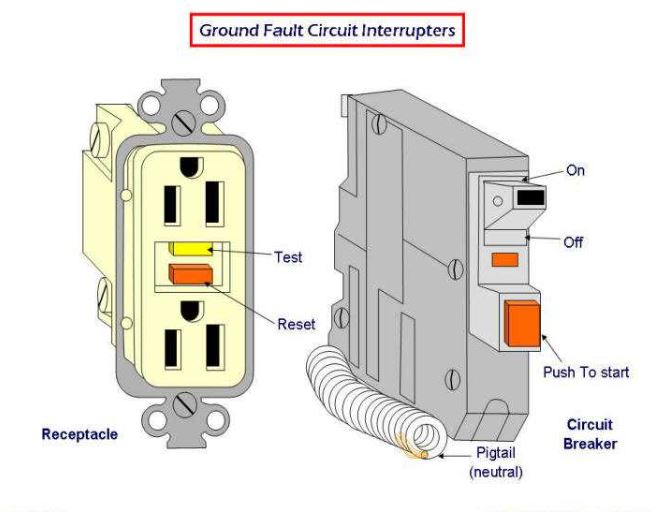
Розетки и выключатели GFCI (Ground Fault Circuit Interrupter) - это самая эффективная защита от замыкание на землю. Они постоянно контролируют баланс тока в цепи и в течение миллисекунд отключают питание при обнаружении неисправности. Установите GFCI во всех зонах повышенного риска: ванных комнатах, кухнях, прачечных, гаражах, подвалах и наружных розетках. Ежемесячно проверяйте розетки GFCI, нажимая кнопку “тест” - они должны срабатывать немедленно. Если этого не происходит, сразу же замените их. Заменяйте старые розетки GFCI каждые 10-15 лет, так как со временем они могут потерять эффективность.
Влага - враг электробезопасности. Используйте водонепроницаемые крышки на розетках на улице, не используйте электроприборы вблизи воды (например, фены в ванной), если они не предназначены специально для влажной среды, устраните протечки в крыше, трубах или окнах, которые могут попасть в электрические коробки или розетки, и держите такие приборы, как насосы и осушители воздуха, на приподнятых подставках, чтобы избежать контакта с водой.
Проверьте шнуры питания на наличие трещин, потертостей или оголенных проводов. Немедленно замените поврежденные шнуры - ни в коем случае не заматывайте их изолентой в качестве временного средства. Избегайте перегрузки розеток большим количеством устройств. Разумно используйте сетевые фильтры и никогда не подключайте несколько удлинителей. Поручите лицензированному электрику проверять проводку в вашем доме каждые 5-10 лет, особенно если вы живете в старом доме (до 1980 года). Они могут выявить поврежденную изоляцию, неплотные соединения или неправильное заземление, которые могут привести к замыкание на землю.
Никогда не пытайтесь самостоятельно выполнять электромонтажные работы, если вы не обладаете достаточной квалификацией. Неправильная проводка - одна из основных причин замыкание на землю. При ремонте избегайте забивать гвозди или шурупы рядом с электропроводкой. Для поиска скрытых кабелей используйте шпильки с функцией обнаружения проводов. Убедитесь, что все электрооборудование правильно заземлено. Никогда не удаляйте третий штырь из вилки, чтобы вставить ее в двухштырьковую розетку - это отключает функцию защиты от заземления.
Обрежьте ветви деревьев вблизи воздушных линий электропередачи, чтобы предотвратить их падение и замыкание. В районах, подверженных наводнениям, поднимайте электрические щиты и розетки выше уровня наводнения и используйте водостойкое оборудование. Установите сетевые фильтры, чтобы предотвратить удары молнии или скачки напряжения, которые могут повредить вашу проводку.
Если вы заметили признаки замыкание на землю, Выполните следующие действия, чтобы оставаться в безопасности:
О: Да, а замыкание на землю могут стать причиной электрического пожара. Когда ток течет по непредусмотренным путям, он выделяет тепло, которое может воспламенить близлежащие материалы. GFCI разработаны для быстрого отключения питания, чтобы предотвратить это, но незащищенные а замыкание на землю может привести к тлеющим пожарам, которые остаются незамеченными в течение нескольких часов.
О: Розетка GFCI контролирует баланс тока в цепи. Если она обнаруживает даже крошечный дисбаланс (указывающий на замыкание на землю), он немедленно отключает питание. Обычные розетки не имеют такой функции и полагаются на автоматические выключатели, которые срабатывают только при сильном броске тока (например, при коротком замыкании), а не при низком уровне тока. замыкание на землю.
О: Электротехнические нормы требуют установки GFCI в местах, расположенных вблизи воды, включая ванные комнаты, кухни, прачечные, гаражи, подвалы и розетки на улице. Хотя это не обязательно для каждой комнаты, установка GFCI в старых домах или комнатах с устаревшей проводкой является хорошей практикой безопасности для предотвращения замыкание на землю риски.
О: Нет, а замыкание на землю не решается самостоятельно. Его причиной являются физические проблемы, такие как поврежденная изоляция, влажность или неисправная проводка. Игнорирование замыкание на землю может привести к более серьезным проблемам, включая выход из строя оборудования, пожар или поражение электрическим током.
О: Вам следует ежемесячно проверять розетки GFCI с помощью кнопки “тест”. Они должны срабатывать немедленно, а нажатие кнопки “сброс” должно восстановить питание. Если они не срабатывают или не сбрасываются, их необходимо заменить, чтобы профессионал защитил вас от замыкание на землю опасности.
Если вам нужны оптовые электрические компоненты для оптимизации системы домашнего электроснабжения, ознакомьтесь с более подробной информацией о продукции на сайте CN Kuangya официальный сайт.
A замыкание на землю это распространенная, но серьезная опасность, связанная с электричеством, которая поражает дома и рабочие места по всему миру. Понимая, что такое замыкание на землю, как оно происходит и какие риски оно несет, вы сможете предпринять упреждающие шаги, чтобы защитить себя, свою семью и имущество. Главное, что нужно сделать: a замыкание на землю можно предотвратить. При правильной установке защиты GFCI, регулярном обслуживании проводки и оборудования, а также соблюдении основных правил техники безопасности вы можете значительно снизить риск возникновения аварийной ситуации. замыкание на землю. Если вы когда-нибудь заподозрите замыкание на землю в вашем доме, не игнорируйте это - сразу же обратитесь к лицензированному электрику, чтобы убедиться, что ваша электрическая система безопасна и соответствует современным стандартам безопасности.
Для получения более профессиональных рекомендаций по электробезопасности вы можете посетить официальный сайт Национальной ассоциации пожарной безопасности (National Fire Protection Association).NFPA). Вы также можете прочитать нашу другую статью об обслуживании бытового электричества, чтобы получить больше навыков ежедневной защиты.

