Address
304 North Cardinal
St. Dorchester Center, MA 02124
Work Hours
Monday to Friday: 7AM - 7PM
Weekend: 10AM - 5PM
Address
304 North Cardinal
St. Dorchester Center, MA 02124
Work Hours
Monday to Friday: 7AM - 7PM
Weekend: 10AM - 5PM

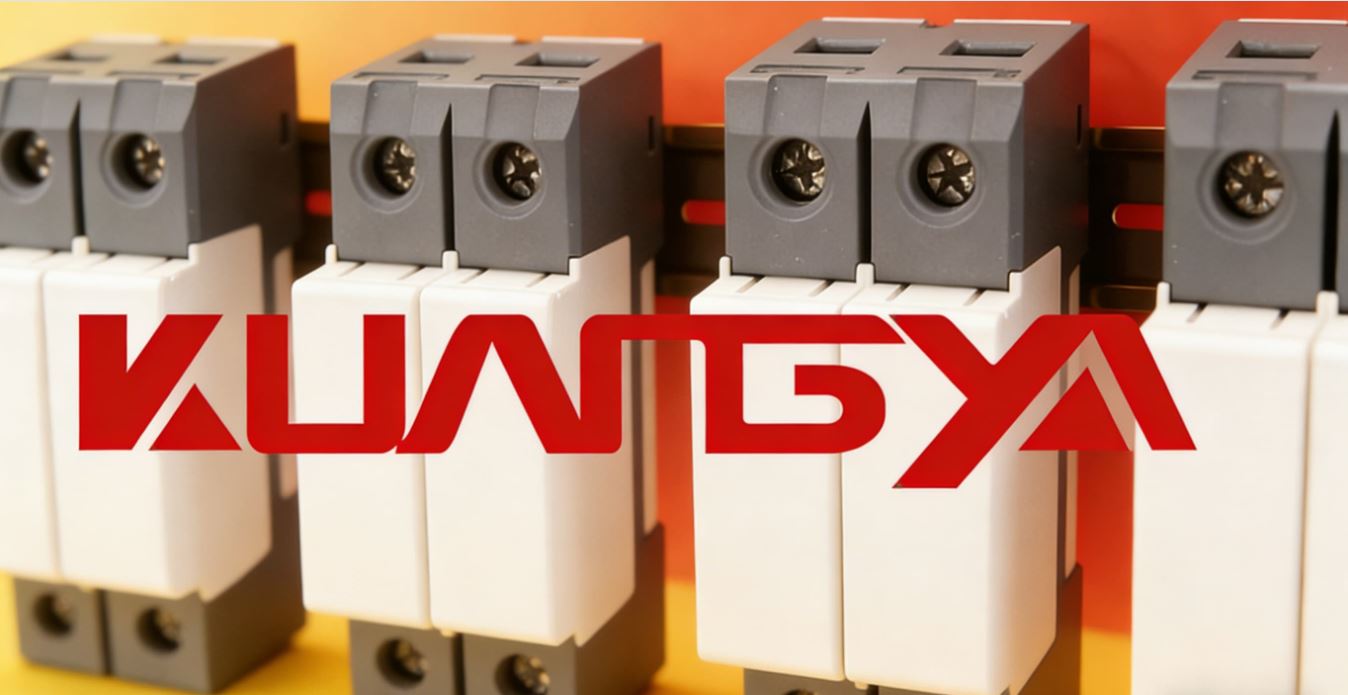
If you’re searching for the SPD full form in electrical systems, the direct answer is straightforward: SPD stands for Surge Protective Device. But for anyone working with electrical infrastructure, commercial buildings, industrial systems, or backup power setups, understanding what this device is, how it works, and why it matters is far more critical than just knowing the acronym.
Power surges, transient overvoltages, and lightning strikes are silent threats to every electrical system. They can destroy sensitive electronics, cause costly downtime, and even create fire hazards. A surge protective device is the first line of defense against these risks, and Kuangya’s AC surge protection solutions are engineered to deliver reliable, long-lasting protection for residential, commercial, and industrial applications.
In this guide, we break down 10 essential things you need to know about surge protective devices—from the full form and core definition to function, working principle, types, applications, and how to choose the right solution for your system. We’ll also clear up common confusion between these devices and related equipment, and answer the most frequently asked questions about surge protection in electrical systems.
| Term | Full Form | Core Purpose | Typical Source of Surge |
|---|---|---|---|
| SPD Full Form | Surge Protective Device | Protect electrical systems from transient overvoltages/power surges | Lightning, utility switching, load switching, short circuits |
| Main Function | Limit transient overvoltages and divert surge current to ground | Prevent damage to connected equipment and infrastructure | Residential, commercial, industrial, telecom, data centers |
| Key Difference from Surge Protectors | Hardwired, system-level protection vs. plug-in device-level protection | Designed for permanent installation in distribution panels | Kuangya AC surge protective devices are engineered for long-term, high-performance system protection |
In electrical systems, the SPD full form is Surge Protective Device (also commonly referred to as a surge arrester, surge suppressor, or transient voltage surge suppressor (TVSS)). This is a specialized electrical device designed to protect electrical equipment, wiring, and systems from transient overvoltages that occur on AC power lines, data lines, or signal lines.
Unlike generators or inverters that create power, a surge protective device does not generate electricity. Instead, it acts as a safety valve: it monitors the voltage in the system, and when a dangerous surge occurs, it instantly diverts the excess surge current to the ground, limiting the voltage to a safe level for connected equipment.
A surge protective device’s core function is to protect electrical systems and connected equipment from damage caused by power surges and transient overvoltages. To understand its role, it’s critical to first define what a power surge is: a temporary, sudden increase in electrical voltage that far exceeds the standard operating voltage of a system (e.g., 120/240V for residential, 400V for industrial).
In a typical electrical system, this device performs these key functions:
These units are not optional for critical infrastructure—they are a mandatory component in most modern electrical codes (such as NEC Article 285, IEC 61643) for commercial, industrial, and residential buildings. They protect against:
| Condition | Device Response |
|---|---|
| Normal system voltage (within rated limits) | Unit remains in high-impedance standby state, no impact on system operation |
| Transient overvoltage/surge detected (exceeds threshold) | Device instantly switches to low-impedance state, diverts surge current to ground, clamps voltage to safe level |
| Surge dissipates, voltage returns to normal | Unit resets to high-impedance standby state, ready for future surges |
| Device reaches end-of-life (degraded from repeated surges) | Status indicator alerts user, unit may disconnect from system to avoid creating a fault |
| Feature | Surge Protective Device (SPD) | Plug-In Surge Protector (Power Strip) |
|---|---|---|
| Full Form | Surge Protective Device | Surge Protector (no formal full form, often called TVSS) |
| Installation | Hardwired permanently into electrical distribution panels, service entrances, or equipment | Plugged into wall outlets, portable |
| Protection Level | System-level protection for entire circuits/buildings | Device-level protection for individual electronics |
| Surge Current Rating | High (kA range, e.g., 20kA, 40kA, 100kA+) | Low (A range, e.g., 400A, 1000A) |
| Durability | Designed for long-term, repeated surge protection | Disposable, degrades after large surges |
| Ideal Use Case | Commercial buildings, industrial systems, data centers, residential service entrances | Home electronics, computers, small appliances |
| Kuangya Product | Kuangya AC surge protective devices (hardwired, system-level protection) | N/A (Kuangya specializes in system-level solutions) |
| Feature | Surge Protective Device | UPS |
|---|---|---|
| Core Purpose | Protect against transient overvoltages/surges | Provide backup power during outages, regulate voltage |
| Power Generation | No (only diverts surge current) | Yes (uses batteries to supply power) |
| Surge Protection | Primary function | Secondary (many UPS include basic surge protection, but not a replacement for a dedicated system-level unit) |
| Response Time | Nanoseconds (instant surge diversion) | Milliseconds (for power backup switching) |
| Ideal Use Case | Surge/transient protection for entire systems | Backup power for critical loads during outages |
If you have a backup power system with an ATS (Automatic Transfer Switch) and generator, you may wonder if you still need a surge protective device. The answer is yes:
A: The SPD full form is Surge Protective Device. In electrical systems, it is also commonly called a surge arrester, surge suppressor, or transient voltage surge suppressor (TVSS).
A: In electrical systems, the SPD full form is Surge Protective Device, a device designed to protect electrical systems and equipment from transient overvoltages (power surges) by diverting excess surge current to ground.
A: A surge protective device monitors system voltage, detects power surges, diverts excess surge current to ground, and clamps voltage to a safe level to protect connected equipment from damage. It does not create power—it only manages surge current.
A: No. A surge protective device is a hardwired, system-level device for permanent installation in distribution panels, providing high-current protection for entire circuits. A surge protector is a portable, plug-in device for individual electronics, with low surge ratings. Kuangya specializes in high-performance system-level AC surge protective devices.
A: A surge protective device protects against power surges/transient overvoltages, while a UPS provides backup power during outages. A UPS may include basic surge protection, but it is not a replacement for a dedicated system-level unit like Kuangya’s AC solutions.
A: A lightning arrester is a high-voltage device for power transmission lines, designed primarily for lightning protection. A surge protective device is a low-voltage device for building electrical systems, protecting against all types of surges (lightning, switching, etc.). Modern units are often called low-voltage lightning arresters.
A: Surge protective devices are used in residential buildings, commercial offices, industrial systems, data centers, telecom infrastructure, backup power/generator systems, and renewable energy systems—anywhere electrical systems need protection from power surges.
A: The lifespan of a unit depends on the number and severity of surges it experiences. Most devices (including Kuangya’s AC solutions) last 5–10 years with normal use, and include status indicators to alert users when replacement is needed.
A: Yes. Generators and ATS (Automatic Transfer Switches) are vulnerable to surges during power transfer, and surges can damage the generator and connected loads. Installing a Kuangya AC surge protective device in the ATS panel provides critical protection for your backup power system.
A: Kuangya’s AC surge protective devices are engineered with high-quality components, meet global safety standards, and deliver reliable, long-lasting surge protection for all residential, commercial, and industrial applications. Our units are designed for easy installation, remote monitoring, and maximum uptime for your electrical systems.
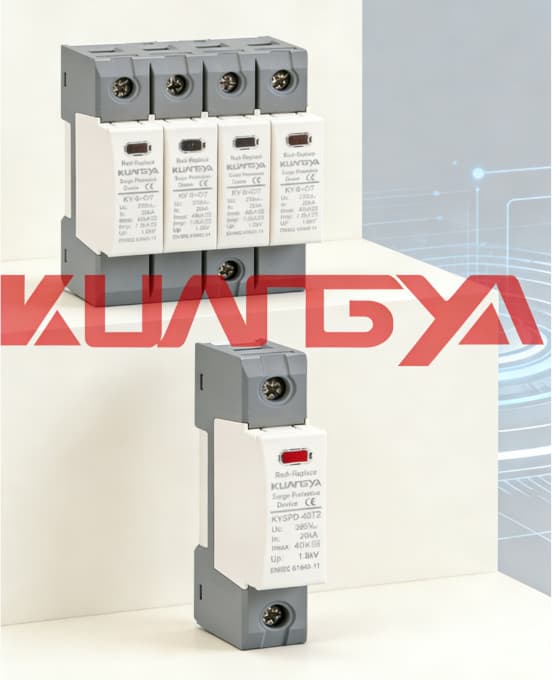
The SPD full form in electrical systems is Surge Protective Device—a critical component for protecting every electrical system from the silent threat of power surges. From residential homes to industrial facilities, data centers to backup power systems, these devices prevent costly equipment damage, downtime, and safety hazards.
These 10 essential facts cover everything you need to know about surge protective devices: from the full form and function to types, applications, and how to choose the right unit for your system. Kuangya’s AC surge protection solutions are designed to deliver superior surge protection for all low-voltage AC applications, with a focus on reliability, durability, and compliance with global standards.
If you’re ready to protect your electrical systems from power surges, contact Kuangya today for a quote on our high-performance AC surge protective devices. Our team of experts will help you select the right solution for your application, ensuring complete, reliable protection for your infrastructure.

