Промышленная зона Вэньян Юэцин Вэньчжоу 325000
Рабочие часы
Понедельник - пятница: 7AM - 7PM
Выходные: 10AM - 5PM
Промышленная зона Вэньян Юэцин Вэньчжоу 325000
Рабочие часы
Понедельник - пятница: 7AM - 7PM
Выходные: 10AM - 5PM

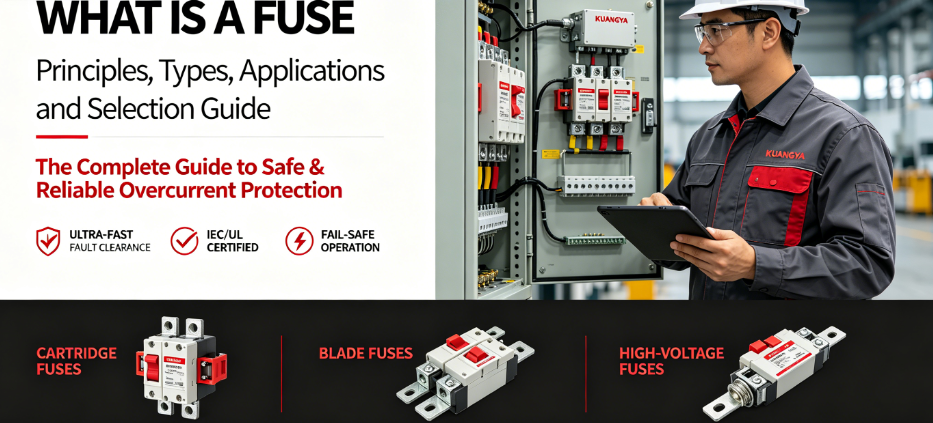
Предохранитель - это важнейшее пассивное устройство электробезопасности, обеспечивающее надежную защиту электрических цепей и оборудования от сверхтоков. Он работает как жертвенный компонент, который намеренно расплавляет точно откалиброванный металлический элемент, когда через него протекает чрезмерный ток, создавая разомкнутую цепь и прерывая электрический поток до того, как может произойти тепловое или механическое повреждение проводки, двигателей, трансформаторов, полупроводников или других подключенных активов.
С практической точки зрения, предохранитель - это самая простая, надежная и быстродействующая форма защиты от сверхтоков. Присущая ему отказоустойчивая конструкция - после срабатывания он не может быть сброшен - делает его незаменимым для предотвращения электрических пожаров, катастрофического отказа оборудования и травмирования людей в жилых, коммерческих, промышленных и аэрокосмических электрических системах по всему миру.
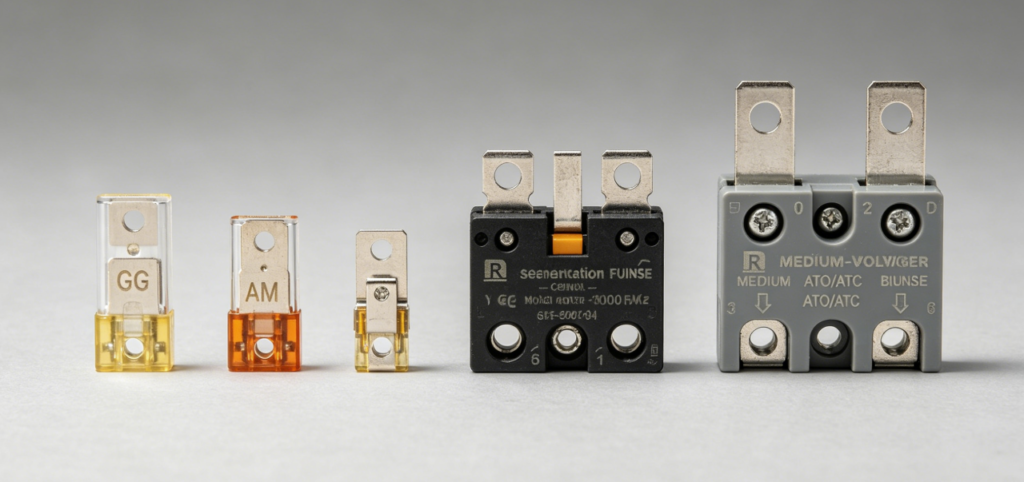
Предохранитель - это фундаментальный компонент любой системы распределения электроэнергии, предназначенный исключительно для защиты цепей от разрушительного воздействия сверхтоков, включая короткие замыкания, перегрузки и замыкания на землю. В отличие от активных устройств защиты, которым требуется внешнее питание или управляющие сигналы, предохранитель работает автономно, основываясь исключительно на токе, проходящем через него.
По сравнению с другими устройствами защиты от сверхтоков предохранитель обладает уникальными и незаменимыми преимуществами:
Это делает предохранители особенно ценными в системах, где важна быстрая ликвидация неисправности, где оборудование должно быть защищено даже от кратковременных перегрузок по току, или где нормативные требования требуют безотказной защиты.
Предохранитель всегда устанавливается последовательно с защищаемой им цепью. Обычно он размещается в держателях предохранителей, блоках предохранителей, разъединителях или комбинированных пускателях электродвигателей для безопасной изоляции и замены после работы. Для более широкого контекста электрозащиты можно ознакомиться с разделами “Предохранитель и автоматический выключатель: Полное техническое сравнение” и “IEC 60269 vs UL 248: Объяснение различий в стандартах предохранителей” являются естественным дополнением к этим книгам.
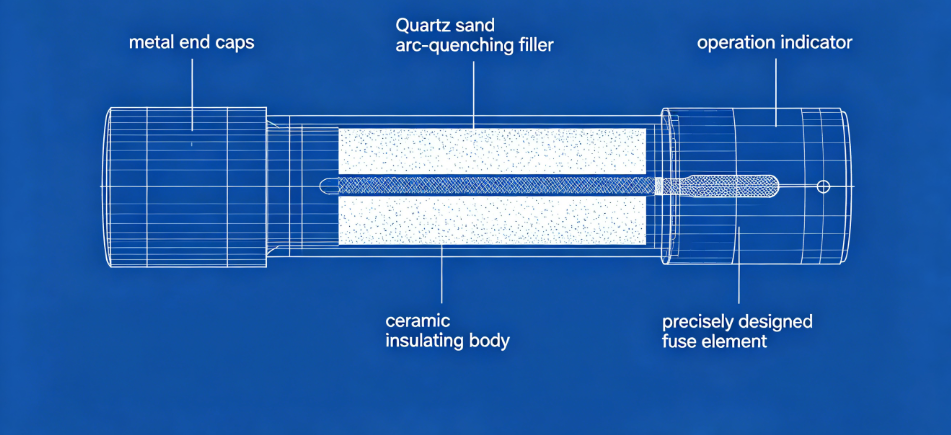
Все предохранители работают на одном и том же фундаментальном физическом принципе: Первый закон Джоуля о нагревании, который гласит, что тепло, выделяемое в проводнике, пропорционально квадрату силы тока, протекающего через него, умноженному на сопротивление и время (H = I²Rt).
С практической точки зрения, при нормальной работе ток, проходящий через плавкий элемент, выделяет небольшое количество тепла, которое безопасно рассеивается в окружающем воздухе, керамическом корпусе или наполнителе из кварцевого песка. Элемент остается неповрежденным, и ток беспрепятственно проходит через цепь.
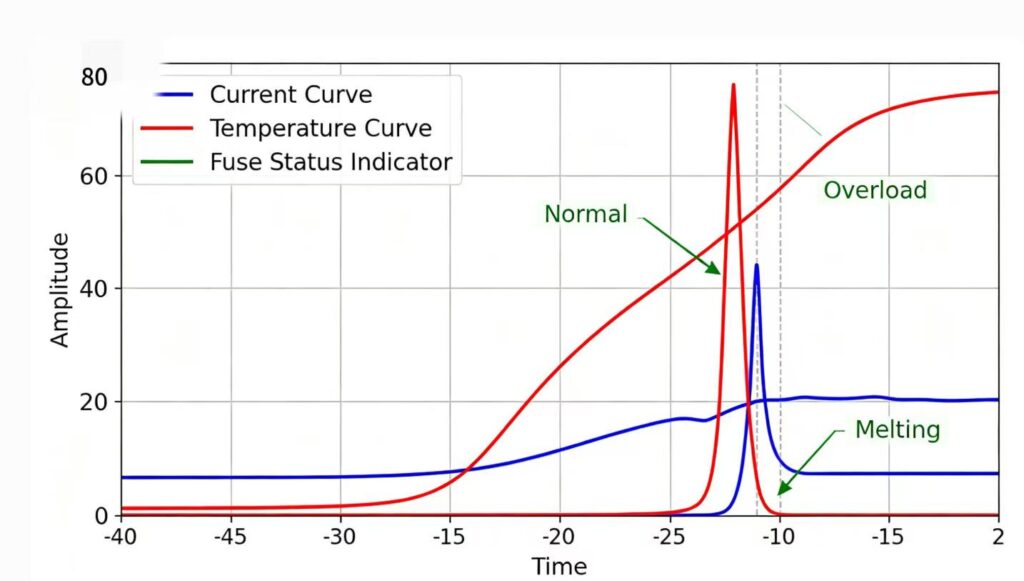
При возникновении перегрузки по току последовательность событий следующая:
Скорость срабатывания предохранителя строго соответствует обратной характеристике "время-ток": большие перегрузки вызывают более быстрое плавление, а меньшие перегрузки приводят к более медленному срабатыванию. Эта характеристика тщательно калибруется в процессе производства, чтобы соответствовать специфическим требованиям к защите различных цепей и оборудования.
С точки зрения системы, предохранитель - это устройство одноразового использования. После того как он сработал (перегорел), его необходимо заменить новым предохранителем идентичного номинала, типа и стандарта, прежде чем можно будет безопасно восстановить работоспособность цепи.
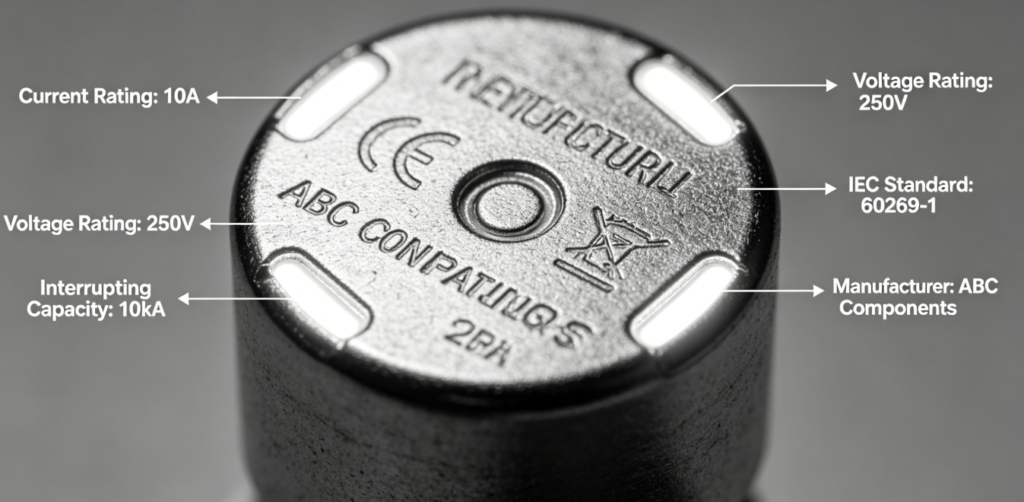
Не все предохранители устроены одинаково. Основные категории определяются их конструкцией, рабочими характеристиками, прерывающей способностью и предназначением, причем каждый тип оптимизирован для выполнения конкретных задач по защите.
| Класс предохранителей | Назначение | Основная функция | Типовая мощность прерывания |
|---|---|---|---|
| Общее назначение | gG | Защита от перегрузок и коротких замыканий | 50 кА - 120 кА |
| Защита двигателя | aM | Защита от короткого замыкания только для цепей двигателя | 50 кА - 100 кА |
| Защита полупроводников | aR | Сверхбыстрая защита для силовых полупроводников | 50 кА - 200 кА |
| Защита кабеля | gL | Защита кабелей от перегрузки и короткого замыкания | 50 кА - 120 кА |
| Защита трансформатора | gTr | Оптимизирован для пусковых токов трансформаторов | 50 кА - 150 кА |
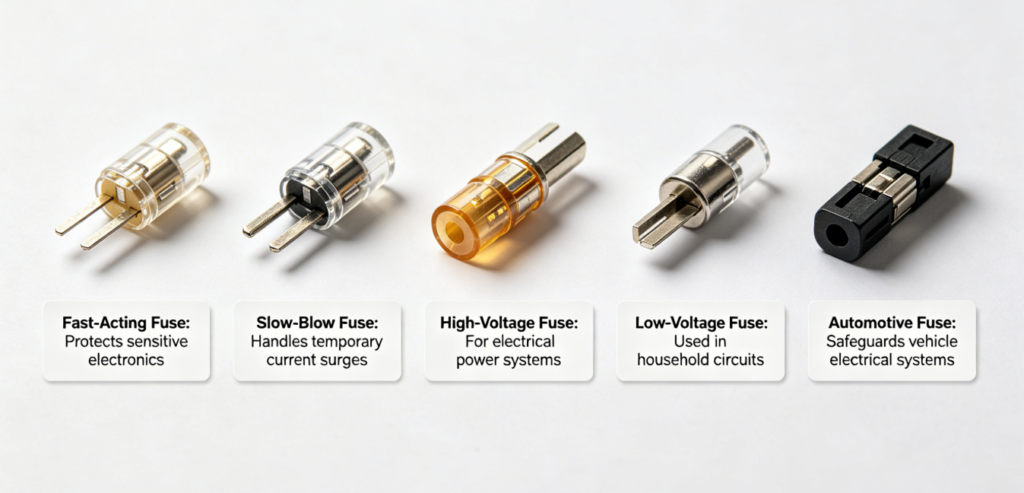
Это наиболее широко используемые промышленные и коммерческие предохранители, состоящие из точно откалиброванного плавкого элемента, заключенного в цилиндрический керамический или стеклянный корпус с металлическими торцевыми крышками. Они выпускаются в широком диапазоне номинальных значений тока (от 0,5 до 6000 А) и напряжения (до 1000 В AC/DC).
Типичная посадка:
Это компактные, вставные предохранители с двумя плоскими металлическими штырями, которые вставляются в литые пластиковые держатели предохранителей. Они стандартизированы для автомобильных и низковольтных приложений постоянного тока.
Типичная посадка:
Эти предохранители имеют двухэлементную конструкцию, которая позволяет им выдерживать временные пусковые токи (обычно в 5-10 раз превышающие номинальный ток в течение 10 секунд) без перегорания, обеспечивая при этом надежную защиту от длительных перегрузок и коротких замыканий.
Типичная посадка:
Эти предохранители имеют одноэлементную конструкцию, которая очень быстро срабатывает при воздействии сверхтока, обеспечивая максимальную защиту чувствительного оборудования, которое не выдерживает даже кратковременных перегрузок по току.
Типичная посадка:
Они специально разработаны для использования в электрических системах выше 1000 В переменного тока. В них используются передовые дугогасительные технологии, такие как борная кислота, кварцевый песок или газ SF6, для безопасного прерывания высоковольтных замыканий.
Типичная посадка:
Предохранители - это универсальные устройства защиты электрооборудования. Они используются практически во всех электрических системах, где требуется защита от сверхтоков, - от самой маленькой бытовой электроники до крупнейших промышленных электростанций.
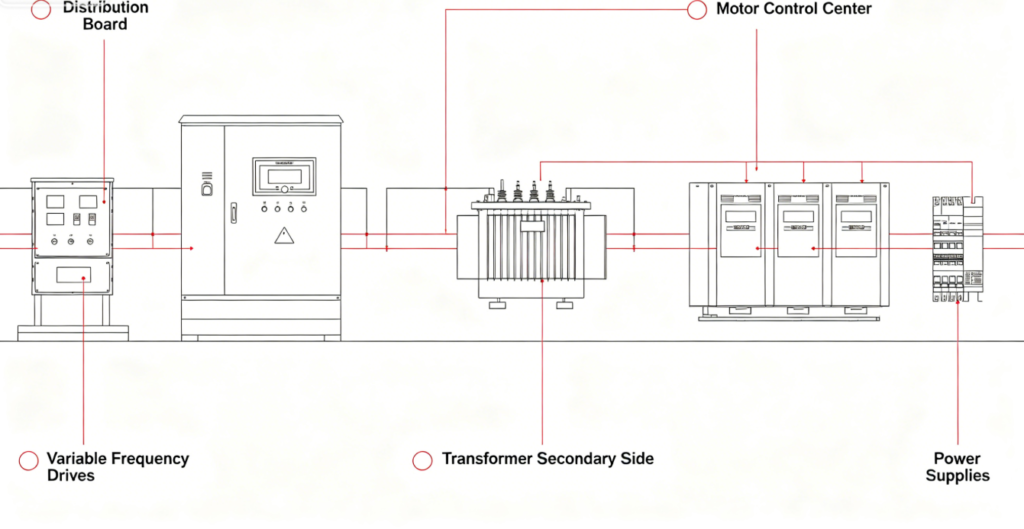
Предохранители обеспечивают первичную защиту от короткого замыкания в цепях двигателя, работая в сочетании с тепловыми реле перегрузки для обеспечения полной защиты двигателя. Предохранители с выдержкой времени (класс aM) специально разработаны для работы с 6-8-кратным номинальным пусковым током, возникающим при запуске асинхронных двигателей, и при этом обеспечивают быструю защиту от короткого замыкания.
В реальных промышленных проектах часто предпочитают использовать защиту двигателя на основе предохранителей из-за ее простоты, надежности и низкой стоимости. При правильной координации с реле перегрузки предохранители обеспечивают селективную защиту, которая изолирует только неисправную цепь, не затрагивая другие части электрической системы.
Трансформаторы - дорогостоящие и критически важные компоненты, требующие надежной защиты от сверхтоков. Предохранители обычно используются для защиты первичной и вторичной обмоток трансформаторов от коротких замыканий и перегрузок. Предохранители класса gTr оптимизированы для противостояния пусковому току намагничивания, возникающему при включении трансформаторов под напряжение.
Предохранители используются в главных распределительных панелях и подпанелях для защиты отдельных цепей ответвлений. Они обеспечивают экономичный и надежный метод изоляции неисправных цепей от остальной части электрической системы, предотвращая каскадные сбои и минимизируя время простоя.
Быстродействующие (класс aR) полупроводниковые предохранители необходимы для защиты силовых электронных устройств, таких как диоды, тиристоры и IGBT. Эти устройства могут быть разрушены сверхтоком за микросекунды, поэтому требуются предохранители, которые срабатывают быстрее, чем выходит из строя сам полупроводник.
Предохранители устанавливаются во все типы источников питания, систем бесперебойного питания (ИБП) и батарейных блоков для защиты от коротких замыканий и перегрузок. Они помогают предотвратить катастрофические сбои, которые могут привести к пожару, повреждению оборудования или потере важных данных.
Если вам нужна простая, надежная и быстродействующая защита от сверхтоков, которую нельзя отменить, то предохранитель часто является лучшим и наиболее экономичным решением.
Промышленный держатель предохранителя переменного тока RT18 серии 32A-125A | Kuangya
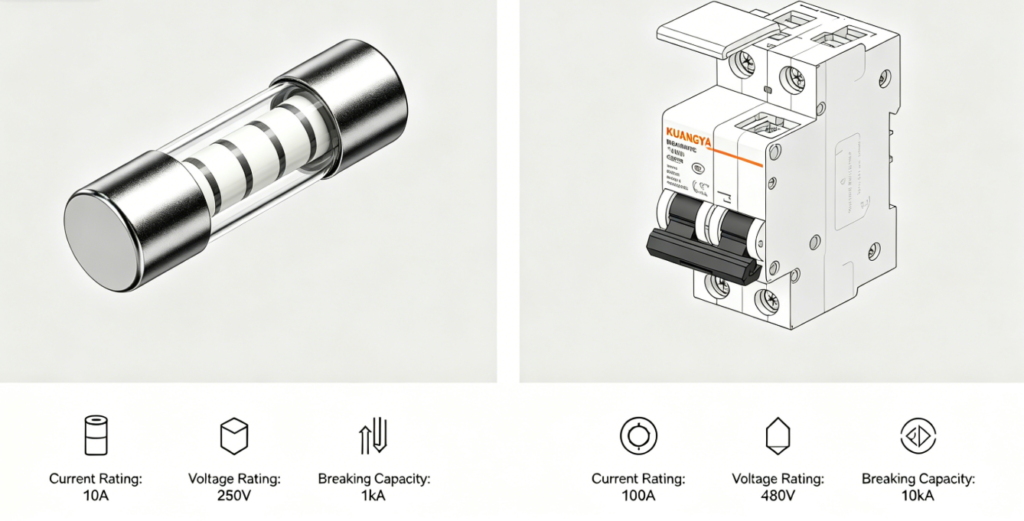
Это одно из самых важных сравнений в электротехнике, потому что многие пользователи считают эти два устройства взаимозаменяемыми, в то время как на самом деле они выполняют разные, но взаимодополняющие роли в защите от сверхтоков.
| Технический фактор | Предохранитель | Автоматический выключатель в литом корпусе (MCCB) |
|---|---|---|
| Основная функция | Одноразовая защита от перегрузки по току | Сбрасываемая защита от перегрузки по току и коммутация |
| Скорость прерывания короткого замыкания | Сверхбыстрый (0,001 - 0,01 секунды) | Медленнее (0,01 - 0,1 секунды) |
| Возможность сброса | Нет, необходимо заменить после эксплуатации | Да, можно сбрасывать несколько раз |
| Движущиеся части | Нет | Множество подвижных частей (контакты, пружины, механизмы отключения) |
| Диапазон прерывающей способности | До 200 кА (стандарт) | До 150 кА (стандарт) |
| Защита от обхода | Невозможно переопределить или обойти | Может быть случайно или намеренно сброшен |
| Требования к техническому обслуживанию | Практически ни один из них не был прооперирован | Требуется регулярная проверка и тестирование |
| Стоимость одной точки защиты | Нижний | Выше |
| Возможность дистанционного управления | Нет | Да (с шунтовым расцепителем и вспомогательными контактами) |
| Дополнительные функции защиты | Ограниченный | Перегрузка, короткое замыкание, замыкание на землю, пониженное напряжение |
| Выборочная координация | Превосходно и предсказуемо | Более сложная задача |
Предохранитель обеспечивает более быструю и надежную защиту от короткого замыкания. Автоматический выключатель обеспечивает сбрасываемую защиту от перегрузки и удобство в том, что его не нужно заменять после эксплуатации.
Это означает, что практическое решение, как правило, остается за вами:
В большинстве современных промышленных систем оба устройства используются вместе в согласованной схеме защиты: предохранители обеспечивают первичную защиту от короткого замыкания, а автоматические выключатели - защиту от перегрузки и возможность коммутации.
Обычно предохранитель лучше всего подходит для тех случаев, когда:
Предохранитель обычно не подходит, если:
При проектировании системы выбор защиты от сверхтоков всегда должен учитывать требования к защите от короткого замыкания и перегрузки, а также необходимость селективной координации. Если проект также включает в себя согласование устройств, то полезным сопутствующим справочником будет “Как выполнять исследования селективной координации для промышленных электрических систем”.
| Тип приложения | Класс предохранителей | Множитель номинального тока | Требования к номинальному напряжению |
|---|---|---|---|
| Резистивные нагрузки (обогреватели, освещение) | gG | 1,25 × полный ток нагрузки | ≥ напряжение в системе |
| Асинхронные двигатели (пуск DOL) | aM | 1,5 - 2,5 × полный ток нагрузки | ≥ напряжение в системе |
| Трансформеры | gTr | 1,25 - 2,0 × полный ток нагрузки | ≥ напряжение в системе |
| Конденсаторные батареи | gG | 1,5 - 2,0 × номинальный ток | ≥ напряжение в системе |
| Силовые полупроводники | aR | 1,2 - 1,5 × номинальный ток | ≥ напряжение в системе |
| Цепи постоянного тока | gG (номинальное значение постоянного тока) | 1,5 × полный ток нагрузки | ≥ напряжение в системе |
Прежде чем выбрать предохранитель для конкретного применения, профессиональные инженеры обычно задаются вопросом:
При выборе предохранителя для конкретной задачи эти вопросы обычно имеют большее значение, чем этикетка изделия.
Предохранитель - это электрическое устройство, защищающее цепи от перегрузки по току путем расплавления точно откалиброванного жертвенного металлического элемента, который создает разомкнутую цепь и останавливает протекание тока.
Предохранитель работает по принципу нагрева Джоуля. Когда через элемент предохранителя протекает чрезмерный ток, он выделяет достаточно тепла, чтобы расплавить элемент, разорвать цепь и предотвратить повреждение подключенного оборудования.
Предохранитель - это устройство одноразового использования, которое срабатывает очень быстро и не может быть сброшено. Автоматический выключатель - это устройство с возможностью сброса, которое может использоваться многократно, но работает медленнее и имеет движущиеся части, требующие обслуживания.
Предохранители используются в жилых, коммерческих, промышленных, аэрокосмических и автомобильных электрических системах для защиты проводки, двигателей, трансформаторов, электронного оборудования и других электрических устройств от повреждения сверхтоком.
К распространенным типам относятся патронные предохранители, ножевые предохранители, предохранители с выдержкой времени, быстродействующие предохранители и высоковольтные предохранители. По функции защиты они также делятся на классы защиты общего назначения gG, защиты электродвигателей aM и полупроводниковых приборов aR.
Выберите предохранитель с номинальным током, соответствующим типу нагрузки (с использованием множителей в руководстве по выбору), номинальным напряжением, равным или превышающим напряжение в системе, правильной время-токовой характеристикой для нагрузки и прерывающей способностью, превышающей максимальный предполагаемый ток короткого замыкания.
Нет. Использование предохранителя с более высоким номиналом, чем указано в спецификации, не обеспечивает защиту от сверхтоков и может привести к повреждению оборудования, возгоранию или травмам. Всегда заменяйте предохранитель на аналогичный по номиналу, типу и стандарту.
Селективная координация - это практика проектирования системы электрической защиты таким образом, чтобы срабатывал только ближайший к месту повреждения предохранитель или автоматический выключатель, изолируя неисправную цепь и не затрагивая другие части электрической системы.

