Промышленная зона Вэньян Юэцин Вэньчжоу 325000
Рабочие часы
Понедельник - пятница: 7AM - 7PM
Выходные: 10AM - 5PM
Промышленная зона Вэньян Юэцин Вэньчжоу 325000
Рабочие часы
Понедельник - пятница: 7AM - 7PM
Выходные: 10AM - 5PM

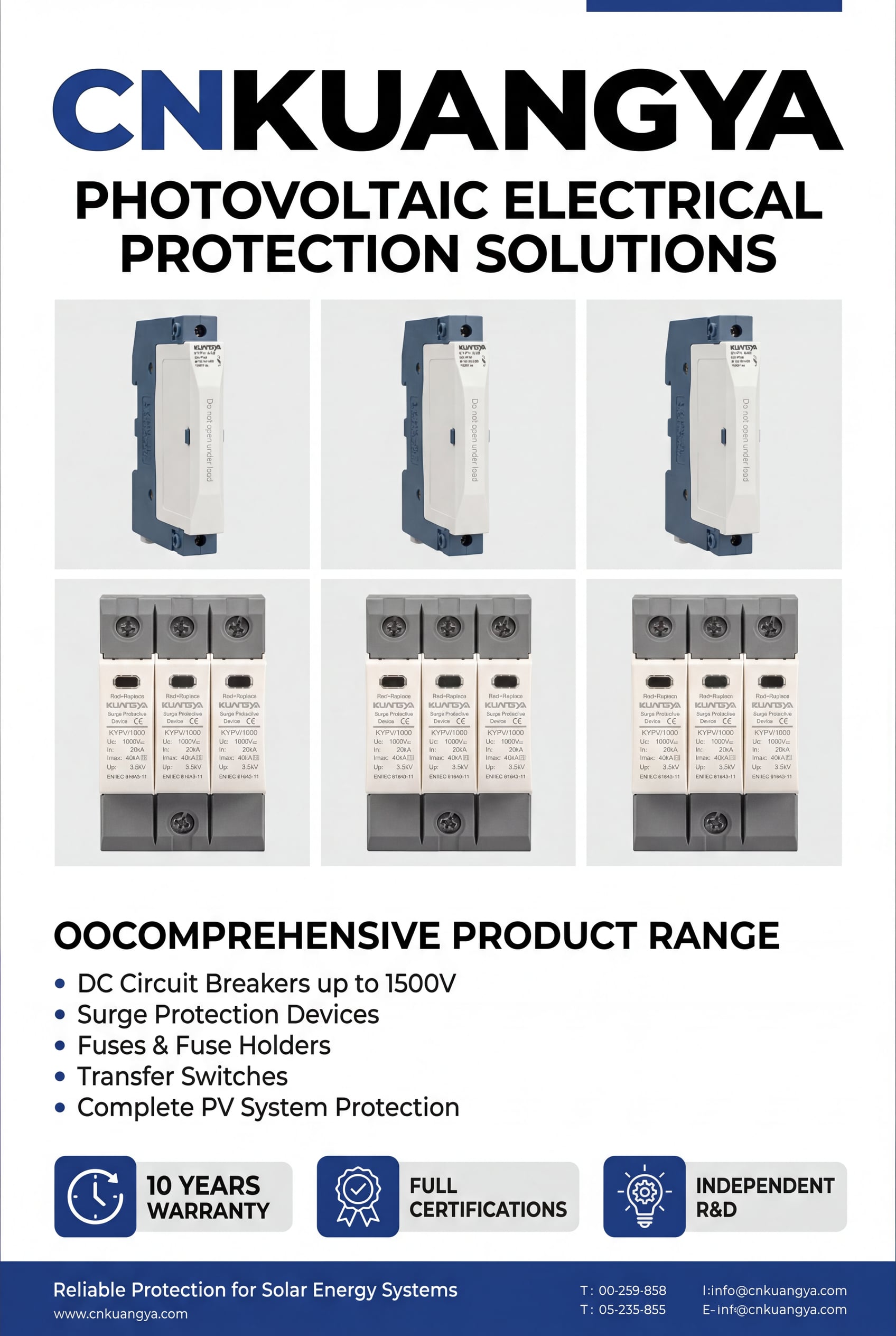
Глобальный переход к возобновляемым источникам энергии вывел фотоэлектрическую промышленность на передовые позиции на рынке оптовой торговли электрооборудованием. Для оптового дистрибьютора, работающего в крупном мегаполисе, решение о выходе на рынок фотоэлектрического оборудования представляет собой как значительную возможность, так и сложную задачу. Выбор правильного бренда и партнера-производителя может определить не только вашу немедленную прибыльность, но и вашу долгосрочную репутацию и положение на рынке. В этом комплексном руководстве рассматриваются важнейшие факторы, которые должны лежать в основе процесса выбора поставщика, используются практические примеры и лучшие отраслевые практики, чтобы помочь вам принимать обоснованные решения в этом быстро развивающемся секторе.
За последнее десятилетие сектор фотоэлектрического оборудования пережил беспрецедентный рост, вызванный снижением стоимости солнечных батарей, государственными стимулами и повышением экологической грамотности. Однако этот рост также привел к насыщению рынка поставщиками разного уровня качества. Для оптовых дистрибьюторов это создает парадокс: несмотря на то, что сейчас существует больше возможностей для выбора, чем когда-либо прежде, ставки за неправильный выбор никогда не были столь высоки.
Фотоэлектрическая система требует сложного набора электрических устройств защиты и управления, которые должны работать в гармонии, чтобы обеспечить безопасность, эффективность и долговечность системы. В отличие от традиционных электрических систем, фотоэлектрические системы работают в уникальных условиях, включая постоянное напряжение, потенциальную деградацию и воздействие суровых внешних условий в течение десятилетий эксплуатации. Для такого специализированного применения требуются электрические компоненты, специально разработанные для использования в фотоэлектрических системах, а не просто адаптированные к обычным электротехническим изделиям.
Оценивая потенциальных поставщиков, оптовые дистрибьюторы должны понимать, что они не просто покупают продукцию - они выбирают партнера, чьи возможности, надежность и репутация будут напрямую влиять на успех их собственного бизнеса. Выбранный вами поставщик становится продолжением вашего бренда в глазах ваших клиентов, что делает это решение одним из самых важных в вашей бизнес-стратегии.
Обширный ассортимент продукции является первым критерием при оценке поставщика. Возможность поставлять несколько категорий продукции от одного производителя дает существенные преимущества в плане обеспечения совместимости, упрощения логистики, консолидированной технической поддержки и усиления рычагов влияния на переговорах. Что еще более важно, это свидетельствует о серьезной приверженности производителя к фотоэлектрическому сектору, а не об оппортунистическом выходе на рынок.
Рассмотрим пример компании cnkuangya, производителя, который является примером комплексного подхода к фотоэлектрическому оборудованию. Ассортимент их продукции охватывает основные устройства защиты и управления, необходимые в современных фотоэлектрических установках: устройства защиты от перенапряжений (SPD), разработанные специально для применения в системах постоянного тока, предохранители и держатели предохранителей, предназначенные для фотовольтаики, автоматические выключатели постоянного тока, разработанные для прерывания дуговых замыканий постоянного тока, и специализированные переключатели для управления конфигурацией системы. Такое разнообразие предложений отражает глубокое понимание требований к фотоэлектрическим системам и взаимозависимости между различными защитными устройствами.
Значение полноты ассортимента продукции выходит за рамки простого удобства. В фотоэлектрических системах взаимодействие между различными защитными устройствами может существенно повлиять на производительность и безопасность системы. Устройства защиты от перенапряжений должны быть согласованы с автоматическими выключателями; номиналы предохранителей должны соответствовать амплитуде проводников и спецификациям модулей; переключатели должны учитывать уникальные характеристики коммутации постоянного тока. Когда эти компоненты поставляются одним производителем с интегрированной философией проектирования, риск возникновения проблем совместимости существенно снижается.
Кроме того, наличие полной линейки продуктов свидетельствует о масштабах производства и инвестициях в НИОКР. Компании, предлагающие комплексные решения, обычно берут на себя значительные обязательства перед сектором, включая специальные инженерные команды, специализированные испытательные стенды и долгосрочные планы развития продукции. Такие производители с большей вероятностью останутся жизнеспособными партнерами по мере развития отрасли и будут иметь больше возможностей для поддержки новых технологий, таких как системы более высокого напряжения, интеграция накопителей энергии и подключение к интеллектуальным сетям.
Для оптовых дистрибьюторов партнерство с комплексным поставщиком также упрощает управление запасами, сокращает количество поставщиков, с которыми приходится поддерживать отношения, и создает возможности для ценообразования на основе объема. Ваш отдел продаж может предлагать комплексные решения, а не отдельные компоненты, позиционируя ваш бизнес как компетентного партнера, а не просто перепродавца продукции.
Темпы инноваций в области фотоэлектрических технологий требуют от поставщиков электрооборудования наличия мощного потенциала для проведения исследований и разработок. Независимый научно-исследовательский потенциал отличает производителей, которые двигают прогресс в отрасли, от тех, кто просто следует за тенденциями рынка. Для оптовых дистрибьюторов партнерство с производителями, ориентированными на инновации, обеспечивает доступ к передовым продуктам, раннюю осведомленность о развитии отрасли и возможность предлагать дифференцированные решения на конкурентных рынках.
Производители с настоящим научно-исследовательским потенциалом демонстрируют несколько отличительных характеристик. Они владеют патентами и интеллектуальной собственностью, связанной с их продукцией, что свидетельствует об оригинальных инновациях, а не об обратном инжиниринге. Они публикуют технические документы и участвуют в разработке отраслевых стандартов, что свидетельствует об интеллектуальном лидерстве. Они поддерживают отношения с исследовательскими институтами и участвуют в отраслевых консорциумах, нацеленных на развитие фотоэлектрических технологий. И самое главное - они регулярно представляют действительно новые продукты, а не просто переделывают существующие разработки.
Преимущества партнерства с производителями, ориентированными на исследования и разработки, выходят за рамки инноваций. Такие компании, как правило, предоставляют превосходную техническую поддержку, поскольку их инженерные команды обладают глубоким пониманием базовых технологий. Они могут помочь в решении специфических задач, предоставить подробную техническую документацию и предложить обучение, выходящее за рамки базовой эксплуатации продукта. При возникновении необычных сценариев установки или проблем системной интеграции производители, обладающие потенциалом R&D, могут предоставить инженерную поддержку, с которой не могут сравниться конкуренты, ориентированные на производство продукции.
Независимые исследования и разработки также тесно связаны с возможностями контроля качества. Инженерный опыт, необходимый для разработки новых продуктов, напрямую влияет на способность поддерживать строгие стандарты производства. Компании, разрабатывающие собственные продукты, понимают критические параметры, определяющие производительность и надежность, что позволяет им внедрять более эффективные процессы контроля качества.
Для оптовых дистрибьюторов, оценивающих поставщиков, свидетельства инвестиций в НИОКР должны занимать важное место в матрице принятия решений. Спросите потенциальных партнеров о численности их инженерной команды, испытательной базе, портфеле патентов и линии разработки продукции. Производители, которые могут сформулировать четкую инновационную стратегию и продемонстрировать конкретные результаты НИОКР, представляют собой более надежные долгосрочные партнерства, чем те, которые ориентированы исключительно на конкурентоспособность по цене.
В индустрии электрооборудования сертификация - это не просто бюрократическая формальность, а фундаментальное доказательство безопасности, производительности и технологичности продукции. Для фотоэлектрических приложений, где системы работают без присмотра в течение десятилетий в сложных условиях окружающей среды, всесторонняя сертификация становится абсолютно необходимой. Оптовые дистрибьюторы, которые уступают требованиям сертификации, подвергают себя серьезным рискам, включая ответственность за продукцию, недовольство клиентов и репутационный ущерб.
Сертификация фотоэлектрического оборудования включает в себя множество аспектов. Сертификаты безопасности продукции, такие как UL, CE, TUV и стандарты IEC, подтверждают, что устройства отвечают основным требованиям безопасности и не представляют опасности возгорания или поражения электрическим током в нормальных и аварийных условиях. Сертификаты производительности подтверждают, что устройства обеспечивают заданные электрические характеристики в номинальных рабочих диапазонах. Экологические сертификаты подтверждают устойчивость к перепадам температур, влажности, ультрафиолетовому облучению и другим условиям, характерным для установки вне помещений.
Особенно важными для фотоэлектрических систем являются сертификаты, касающиеся работы на постоянном токе и интеграции солнечных систем. Стандартные сертификаты по электротехнике часто ориентированы на приложения переменного тока, но фотоэлектрические системы работают в основном на постоянном токе, что создает уникальные проблемы в области дуговых разрывов, координации изоляции и защиты от сбоев. Производители, чья продукция имеет сертификаты, относящиеся к фотоэлектрическим системам, вложили средства в специализированные испытания и проверку конструкции, необходимые для этих сложных приложений.
Подход компании cnkuangya к сертификации является примером передового опыта в отрасли. Поддерживая всестороннюю сертификацию всего ассортимента своей продукции, компания демонстрирует приверженность качеству и доступ к рынку. Полнота сертификации дает оптовым дистрибьюторам уверенность в том, что продукция будет соответствовать требованиям местных норм и правил, независимо от юрисдикции установки. Это также способствует расширению рынка, поскольку сертифицированная продукция может продаваться в нескольких регионах, не требуя отдельных линеек продукции для разных рынков.
Сам процесс сертификации дает ценную информацию о возможностях производителя. Получение основных сертификатов требует наличия большого количества документации, тщательных испытаний, заводских проверок и постоянного контроля за соблюдением требований. Производители, которые успешно справляются с этими требованиями, демонстрируют организационную зрелость, системы управления качеством и стремление к постоянному совершенствованию. И наоборот, производители, которые не имеют комплексных сертификатов или полагаются на сомнительные органы по сертификации, должны сразу же вызывать тревогу.
При оценке потенциальных поставщиков оптовые дистрибьюторы должны запрашивать полную сертификационную документацию, проверять сертификаты непосредственно в органах, выдавших сертификаты, и понимать область применения и ограничения каждого сертификата. Продукция, сертифицированная для одной области применения или диапазона напряжений, может не подходить для других. Убедитесь, что сертификаты соответствуют вашим целевым рынкам и типичным применениям клиентов.
За каждой сертификацией и спецификацией продукции скрывается фундаментальная реальность качества производства. Постоянство и надежность электрооборудования напрямую зависят от контроля производственных процессов, систем обеспечения качества и стремления организации к совершенству. Для оптовых дистрибьюторов понимание производственных возможностей производителя дает решающее представление о долгосрочности партнерства.
Производители мирового класса внедряют комплексные системы управления качеством, которые охватывают все этапы - от закупки сырья до тестирования готовой продукции. Они поддерживают отношения с сертифицированными поставщиками материалов, внедряют протоколы входного контроля, используют статистический контроль процессов в процессе производства и проводят тщательные итоговые испытания каждого продукта. Они тщательно документируют эти процессы и постоянно анализируют данные о качестве, чтобы выявить возможности для улучшения.
Физическая производственная среда сама по себе многое говорит о стремлении к качеству. Современное производство электрооборудования требует наличия помещений с климат-контролем, зон сборки, свободных от загрязнений, калиброванного испытательного оборудования и надлежащих систем перемещения материалов. Производители, инвестирующие в соответствующие объекты, демонстрируют понимание того, что качество не может быть проверено в продукции - оно должно быть встроено в нее с помощью надлежащих процессов и условий.
Не менее важен человеческий фактор качества производства. Хорошо обученные операторы, опытные инженеры по качеству и заинтересованные руководители создают организационную культуру, необходимую для постоянного совершенствования. Производители, которые инвестируют в развитие персонала, поддерживают низкую текучесть кадров и дают сотрудникам возможность выявлять и решать проблемы качества, обычно выпускают более качественную продукцию по сравнению с теми, кто сосредоточен исключительно на минимизации затрат.
Для оптовых дистрибьюторов оценка качества производства не ограничивается образцами продукции и маркетинговыми материалами. По возможности посетите производственные предприятия, чтобы понаблюдать за работой из первых рук. Изучите документацию по качеству и сертификаты, такие как ISO 9001. Запросите данные о качестве, включая количество дефектов, протоколы испытаний и инициативы по постоянному совершенствованию. Поговорите с существующими клиентами о том, как они оценивают качество и надежность продукции.
При оценке качества производства следует также учитывать устойчивость цепочки поставок. Производители с диверсифицированной базой поставщиков, соответствующими запасами и надежными логистическими возможностями могут поддерживать стабильность поставок даже во время рыночных сбоев. Такая надежность становится особенно ценной в периоды высокого спроса, когда менее способные производители пытаются сохранить качество при расширении производства.
Отношения между оптовым дистрибьютором и производителем выходят далеко за рамки первоначальной покупки продукции. В фотоэлектрической промышленности, где срок службы систем превышает 25 лет, а ожидания клиентов в отношении надежности высоки, послепродажное обслуживание и гарантийная поддержка являются важнейшими отличительными факторами. Качество послепродажной поддержки часто определяет, станут ли отношения с поставщиком стратегическим партнерством или превратятся в источник разочарований и финансовых рисков.
Всеобъемлющее гарантийное покрытие является основой для эффективной послепродажной поддержки. Расширенные гарантии свидетельствуют об уверенности производителя в надежности продукции и готовности поддерживать свою продукцию в течение длительного времени. Предложение компании cnkuangya о гарантиях сроком до 10 лет является примером такой приверженности и предоставляет оптовым дистрибьюторам мощное конкурентное преимущество. Такое расширенное покрытие снижает риски клиентов, способствует реализации крупных проектов и выгодно отличает ваше предложение на чувствительных к цене рынках.
Однако сама по себе продолжительность гарантии дает неполную картину. Практическая ценность гарантийного покрытия определяется условиями гарантии, процессом предъявления претензий и оперативностью производителя. Выгодные условия гарантии охватывают широкий спектр неисправностей, накладывают разумные ограничения и предоставляют четкие процедуры рассмотрения претензий. Отзывчивые производители быстро обрабатывают претензии, сводят к минимуму перебои в работе клиентов и используют данные о гарантии для совершенствования продукции.
Возможности технической поддержки представляют собой еще один важный аспект послепродажного обслуживания. Фотоэлектрические установки часто связаны со сложными проблемами системной интеграции, необычными условиями на участке и меняющимися нормативными требованиями. Производители, предоставляющие доступную техническую поддержку - телефонные горячие линии, поддержку по электронной почте, онлайн-ресурсы и инженеров по применению на местах, - позволяют оптовым дистрибьюторам более эффективно обслуживать клиентов и решать проблемы до их обострения.
Программы обучения и тренингов еще больше повышают ценность партнерства с производителями. Поставщики, предлагающие обучение по продукции, семинары по применению и программы сертификации, помогают оптовым дистрибьюторам развивать внутренний опыт. Такая передача знаний позволяет вашему отделу продаж правильно указывать продукты, техническому персоналу - эффективно поддерживать клиентов, а вашей организации - позиционировать себя в качестве компетентного отраслевого ресурса, а не просто перепродавца продукции.
Логистика послепродажной поддержки также заслуживает тщательной оценки. Учитывайте наличие запасных продуктов на складе производителя, его способность обеспечить экстренную поставку в случае необходимости, а также его политику в отношении устаревания и долгосрочной доступности продукции. Фотоэлектрические системы требуют технического обслуживания и периодической замены компонентов на протяжении всего срока эксплуатации. Производители, которые поддерживают доступность продукции и предоставляют четкую дорожную карту устаревания, обеспечивают лучшую долгосрочную поддержку клиентов.
Для оптовых дистрибьюторов оценка послепродажного обслуживания должна включать в себя беседы с существующими клиентами об их опыте поддержки, изучение данных о гарантийных претензиях и времени их разрешения, оценку доступности и качества технической поддержки, а также понимание подхода производителя к управлению жизненным циклом продукта. Производители, преуспевающие в этих областях, превращаются из простых поставщиков в стратегических партнеров, которые вносят непосредственный вклад в успех вашего бизнеса.
Цена неизбежно влияет на выбор поставщика, но опытные оптовые дистрибьюторы понимают, что первоначальная стоимость покупки - это лишь один из компонентов общей стоимости владения. При комплексной оценке стоимости учитываются качество продукции, надежность, гарантийное обслуживание, техническая поддержка, эффективность логистики и нематериальные преимущества сотрудничества с авторитетными производителями. Такая комплексная оценка часто показывает, что, казалось бы, дорогие продукты имеют более высокую стоимость по сравнению с более дешевыми альтернативами.
Истинная стоимость электрооборудования включает в себя множество аспектов. Прямые затраты включают в себя закупочную цену, доставку и расходы на хранение запасов. Косвенные затраты включают в себя гарантийные обязательства, время на поддержку клиентов, репутационный ущерб от отказов продукции и упущенные возможности, когда неадекватная продукция ограничивает ваш доступ на рынок. Скрытые затраты включают в себя время, потраченное на управление проблемными отношениями с поставщиками, сложность поддержания отношений с несколькими поставщиками и альтернативную стоимость капитала, связанного с медленно движущимися запасами.
Производители премиум-класса обычно устанавливают более высокие начальные цены, но они часто обеспечивают более низкую совокупную стоимость владения благодаря высокой надежности, всесторонней поддержке и более надежным гарантиям. Продукты, которые редко выходят из строя, сокращают расходы на обработку гарантийных претензий и время обслуживания клиентов. Всесторонняя техническая поддержка сокращает внутренние ресурсы, необходимые для обслуживания клиентов. Расширенные гарантии переносят риск с дистрибьютора на производителя, снижая финансовые риски.
Уравнение стоимости также включает стратегические соображения. Партнерство с инновационными производителями обеспечивает ранний доступ к новым технологиям и тенденциям рынка. Сотрудничество с брендами, ориентированными на качество, укрепляет вашу репутацию и способствует позиционированию на рынке. Широкий ассортимент продукции упрощает работу и создает возможности для перекрестных продаж. Эти стратегические преимущества часто перевешивают скромную разницу в цене, если рассматривать все деловые отношения в целом.
Для оптовых дистрибьюторов, разрабатывающих ценовые стратегии, ключевым моментом является понимание и донесение ценности до клиентов. Вместо того чтобы конкурировать исключительно по цене, сделайте акцент на совокупном предложении: сертифицированные продукты, расширенные гарантии, всесторонняя техническая поддержка и надежность, которая обеспечивается партнерством с известными производителями. Расскажите клиентам о рисках, связанных с некачественной продукцией, и о долгосрочных преимуществах качественного оборудования. Позиционируйте свой бизнес как надежного консультанта, который помогает клиентам принимать взвешенные решения, а не просто предлагает самую низкую цену.
Ведя переговоры с производителями, сосредоточьтесь на общей стоимости отношений, а не на ценах отдельных сделок. Обсудите обязательства по объемам, условия оплаты, маркетинговую поддержку, техническое обучение и другие элементы, способствующие взаимному успеху. Производители, готовые инвестировать в партнерство с дистрибьюторами через эти механизмы, часто оказываются более ценными, чем те, кто предлагает самые низкие цены за единицу продукции, но минимальную поддержку.
В взаимосвязанной фотоэлектрической отрасли репутация производителя служит мощным сигналом надежности, качества и долгосрочной жизнеспособности. Компании, заслужившие прочную репутацию благодаря стабильной работе, этическим нормам ведения бизнеса и ориентированности на клиента, обеспечивают оптовым дистрибьюторам ценный капитал бренда. И наоборот, партнерство с производителями, имеющими негативную репутацию или работающими в "серых" этических зонах, подвергает дистрибьюторов значительным рискам.
Оценка репутации производителя требует сбора информации из нескольких источников. Отраслевые ассоциации, торговые издания и онлайн-форумы позволяют узнать, как производителей воспринимают в профессиональном сообществе. Существующие клиенты из первых рук рассказывают об эффективности продукции и качестве партнерских отношений. Мнения конкурентов, хотя и требуют тщательной интерпретации, могут раскрыть важную информацию о позиционировании на рынке и сравнительных преимуществах.
Еще одним важным показателем является продолжительность работы в фотоэлектрическом секторе. Отрасль пережила множество циклов бумов и спадов, когда многие производители приходили в период роста, а затем уходили, когда условия ужесточались. Производители, которые продолжают свою деятельность на протяжении нескольких рыночных циклов, демонстрируют устойчивость, финансовую стабильность и искреннюю приверженность отрасли. Такие устоявшиеся игроки представляют собой более безопасные варианты партнерства, чем новички с непроверенным послужным списком.
Участие и лидерство в отрасли также свидетельствуют об авторитете производителя. Компании, которые вносят вклад в разработку стандартов, участвуют в торговых ассоциациях, выставляются на крупных отраслевых мероприятиях и занимаются идейным лидерством, демонстрируют приверженность делу, выходящую за рамки простых продаж продукции. Такая вовлеченность в отрасль часто коррелирует с более высоким качеством продукции, лучшим пониманием рынка и более устойчивой деловой практикой.
Для оптовых дистрибьюторов сотрудничество с авторитетными производителями дает множество преимуществ. Сильные бренды производителей способствуют продажам, обеспечивая доверие клиентов. Признанные в отрасли партнеры укрепляют вашу собственную репутацию благодаря ассоциации. Известные производители, как правило, ведут более стабильную деятельность, что снижает риски нарушения цепочки поставок. Возможно, самое главное - авторитетные партнеры разделяют вашу заинтересованность в долгосрочном успехе отношений, а не в оптимизации краткосрочных сделок.
Учитывая множество факторов, влияющих на выбор поставщика, оптовым дистрибьюторам выгодно внедрить структурированную систему оценки. Такой систематический подход обеспечивает всестороннюю оценку, облегчает сравнение потенциальных партнеров и предоставляет документацию для общения с заинтересованными сторонами.
Начните с определения конкретных требований по ключевым параметрам: необходимые категории продуктов, требования к сертификации на целевых рынках, ожидания от технической поддержки, условия гарантии, ценовые параметры и стратегические цели. Эти требования должны отражать как насущные потребности, так и долгосрочную бизнес-стратегию.
Затем определите потенциальных поставщиков с помощью отраслевых исследований, участия в выставках, рекомендаций клиентов и изучения рынка. Изначально выбирайте достаточно широкую сеть, понимая, что некоторые кандидаты будут быстро отсеяны, а другие заслуживают более глубокой оценки.
Проведите предварительный отбор, чтобы отсеять кандидатов, не отвечающих основным требованиям. Убедитесь, что кандидаты предлагают необходимый ассортимент продукции, имеют необходимые сертификаты и демонстрируют базовые производственные возможности. Этот отбор должен сократить список кандидатов до приемлемого количества для детальной оценки.
Для оставшихся кандидатов проведите комплексную оценку по всем значимым параметрам: полнота ассортимента продукции, возможности НИОКР, портфель сертификатов, качество производства, послепродажная поддержка, цены и условия, репутация на рынке и стратегическое соответствие. Собирайте информацию по нескольким каналам, включая посещение предприятий, проверку рекомендаций, тестирование продукции и подробные беседы с представителями производителей.
Разработайте систему оценок, в которой различные факторы оцениваются в соответствии с вашими приоритетами. Некоторые дистрибьюторы отдают приоритет качеству продукции и гарантийной поддержке, в то время как другие делают упор на конкурентоспособность цен или широту ассортимента. Ваша система оценки должна отражать специфику вашей бизнес-модели и позиционирования на рынке.
На основе этой структурированной оценки выберите основного партнера или партнеров. Признайте, что вы можете сотрудничать с несколькими производителями, чтобы получить доступ к различным категориям продукции, обслуживать различные сегменты рынка или поддерживать избыточность цепочки поставок. Однако ограничение отношений с производителями целенаправленным набором стратегических партнеров обычно дает лучшие результаты, чем распределение бизнеса между многочисленными поставщиками.
Выбор подходящего производителя - это только начало успешного партнерства. Эффективное внедрение и постоянное управление отношениями определяют, насколько эффективно партнерство.
Начните сотрудничество с четкой передачи ожиданий, требований и целей. Установите контактные пункты для различных функций, включая продажи, техническую поддержку, логистику и вопросы качества. Определите показатели эффективности и процессы анализа, чтобы обеспечить согласованность и подотчетность.
Инвестируйте в развитие знаний о продукте в вашей организации. Используйте учебные ресурсы производителей, проводите внутренние образовательные сессии и убедитесь, что ваши сотрудники понимают не только особенности продукта, но и передовой опыт применения и конкурентное позиционирование. Инвестиции в знания принесут дивиденды в виде более эффективных продаж, лучшей поддержки клиентов и повышения авторитета на рынке.
Разработайте стратегии маркетинга и продаж, которые будут способствовать развитию партнерских отношений с производителями. Используйте предоставленные производителями маркетинговые материалы, при необходимости проводите совместный брэндинг и подчеркивайте ценность сертифицированной продукции с гарантией от надежных производителей. Позиционируйте свой бизнес как знающего партнера, который помогает клиентам выбрать правильные решения, а не просто предлагает продукцию.
Внедрите механизмы обратной связи для обмена информацией о рынке, мнениями клиентов и данными об эффективности продукции с вашими партнерами-производителями. Такой поток информации помогает производителям совершенствовать продукцию, понимать потребности рынка и более эффективно поддерживать ваш бизнес. Лучшие партнерские отношения предполагают двунаправленную коммуникацию и взаимное обучение.
Регулярно отслеживайте эффективность отношений с помощью определенных показателей, включая качество продукции, качество доставки, оперативность технической поддержки, разрешение гарантийных претензий и общие результаты бизнеса. Оперативно и конструктивно решайте проблемы, понимая, что даже крепкие партнерские отношения время от времени сталкиваются с трудностями. Используйте обзоры эффективности для укрепления отношений и выявления возможностей для улучшения.
Выбор поставщиков электрооборудования для фотоэлектрических систем - одно из наиболее важных стратегических решений, с которым сталкиваются оптовые дистрибьюторы на современном рынке возобновляемых источников энергии. Сложность этого решения отражает многогранную природу успешных партнерских отношений с поставщиками, которые должны обеспечивать не только качественную продукцию, но и всестороннюю поддержку, доверие к рынку и долгосрочную стабильность.
Такие производители, как cnkuangya, сочетающие в себе обширный ассортимент продукции, независимые научно-исследовательские разработки, тщательную сертификацию и расширенную гарантийную поддержку, являются примером характеристик, которым оптовые дистрибьюторы должны уделять первостепенное внимание. Эти производители понимают, что для успеха в фотоэлектрическом секторе требуется не просто производство электрических компонентов, а глубокая техническая экспертиза, приверженность качеству и подлинное партнерство с каналами сбыта.
Для оптовых дистрибьюторов процесс выбора поставщика должен быть направлен на создание долгосрочной стоимости, а не на краткосрочную минимизацию затрат. Хотя ценовая конкурентоспособность имеет значение, она должна оцениваться в более широком контексте общей стоимости владения, стратегического соответствия и качества партнерства. Наиболее успешные дистрибьюторы признают, что их партнеры-производители становятся продолжением их собственных брендов, что делает выбор поставщика фундаментальным элементом конкурентного позиционирования.
По мере того как фотоэлектрическая промышленность продолжает стремительно развиваться, важность прочных партнерских отношений с производителями будет только возрастать. Появляющиеся технологии, развивающиеся стандарты и обостряющаяся конкуренция будут вознаграждать дистрибьюторов, которые сотрудничают с надежными и заинтересованными партнерами-производителями. Внедряя структурированные процессы оценки, отдавая приоритет комплексной ценности, а не узким ценовым соображениям, и инвестируя в развитие отношений, оптовые дистрибьюторы могут создать устойчивые конкурентные преимущества, которые обеспечат долгосрочный успех бизнеса на динамичном рынке фотоэлектрического оборудования.
Чтобы помочь оптовым дистрибьюторам в принятии обоснованных решений по выбору продукции, в следующих таблицах приведены основные технические характеристики, области применения и критерии выбора ассортимента фотоэлектрического оборудования компании cnkuangya.
| Модельная серия | Номинальное напряжение | Текущий диапазон | Поляки | Разрывная способность | Ключевые приложения | Сертификаты | Типичные примеры использования |
|---|---|---|---|---|---|---|---|
| KY-PV-63 | До 1500 В постоянного тока | 1A - 63A | 1P, 2P, 3P, 4P | 6 кА - 10 кА | Жилые и коммерческие фотоэлектрические установки | CE, TUV, IEC 60947-2 | Защита струн, распределительные коробки |
| KY-PV-125 | До 1500 В постоянного тока | 16A - 125A | 2P, 3P, 4P | 10 кА - 15 кА | Коммерческая и промышленная фотоэлектрическая аппаратура | CE, TUV, UL 489 | Главные разъединители постоянного тока, большие массивы |
| KY-PV-250 | До 1500 В постоянного тока | 100A - 250A | 2P, 3P, 4P | 15 кА - 25 кА | Масштабные фотоэлектрические системы | CE, TUV, IEC 60947-2 | Центральная защита инвертора |
| KY-PV-630 | До 1500 В постоянного тока | 250A - 630A | 3P, 4P | 25 кА - 35 кА | Крупномасштабные солнечные фермы | CE, TUV, UL 489 | Распределение, подстанция |
Критерии отбора:
| Модельная серия | Напряжение системы | Конфигурация | Uc (макс. непрерывный) | Imax (максимальный разряд) | Вверх (уровень защиты) | Время отклика | Приложения |
|---|---|---|---|---|---|---|---|
| KYPV-500 | До 500 В постоянного тока | 1P+N, 2P | 500 В ПОСТОЯННОГО ТОКА | 20 кА (8/20 мкс) | ≤2,5 кВ | <25 нс | Небольшие жилые системы |
| KYPV-1000 | До 1000 В постоянного тока | 1P+N, 2P, 3P | 1000 В ПОСТОЯННОГО ТОКА | 40 кА (8/20 мкс) | ≤3,5 кВ | <25 нс | Стандартные коммерческие системы |
| KYPV-1500 | До 1500 В постоянного тока | 2P, 3P, 4P | 1500 В ПОСТОЯННОГО ТОКА | 60 кА (8/20 мкс) | ≤4,5 кВ | <25 нс | Высоковольтные промышленные системы |
| KYPV-1500-T2 | До 1500 В постоянного тока | 2P, 3P, 4P | 1500 В ПОСТОЯННОГО ТОКА | 100 кА (10/350 мкс) | ≤4,0 кВ | <25 нс | Молниеопасные зоны, тип 2 |
Критерии отбора:
| Тип продукта | Номинальное напряжение | Текущий диапазон | Разрывная способность | Рейтинг gPV | Приложения | Соответствие стандартам |
|---|---|---|---|---|---|---|
| KY-FH-10×38 | До 1500 В постоянного тока | 1A - 30A | 30 кА | Да | Защита строк | IEC 60269-6, UL 2579 |
| KY-FH-14×51 | До 1500 В постоянного тока | 10A - 50A | 50 кА | Да | Распределительные коробки | IEC 60269-6, EN 60269-6 |
| KY-FH-22×58 | До 1500 В постоянного тока | 32A - 100A | 80 кА | Да | Основная защита массива | IEC 60269-6, UL 2579 |
| KY-FH-Holder-DIN | До 1500 В постоянного тока | Совместимость с вышеуказанными | – | – | Монтаж на DIN-рейку | IEC 60947-3 |
| KY-FH-Holder-Panel | До 1500 В постоянного тока | Совместимость с вышеуказанными | – | – | Монтаж на панели | IEC 60947-3 |
Критерии отбора:
| Модельная серия | Номинальное напряжение | Текущий рейтинг | Конфигурация полюсов | Тип переключения | Типовые применения | Характеристики |
|---|---|---|---|---|---|---|
| KY-TS-63 | До 1000 В постоянного тока | 16A - 63A | 2P, 3P, 4P | Ручной, 3-позиционный | Жилые системы | Компактный дизайн, крепление на DIN-рейку |
| KY-TS-125 | До 1500 В постоянного тока | 63A - 125A | 2P, 3P, 4P | Ручной, 3-позиционный | Коммерческие системы | С возможностью снятия нагрузки, закрывается на висячий замок |
| KY-TS-250-Auto | До 1500 В постоянного тока | 100A - 250A | 3P, 4P | Автоматический | Работает от сети с резервным питанием | Автоматическая передача, <100 мс |
| KY-TS-400 | До 1500 В постоянного тока | 250A - 400A | 3P, 4P | Ручной, 4-позиционный | Промышленные системы | Прочный корпус со степенью защиты IP65 |
Критерии отбора:
| Тип системы | Размер системы | Рекомендуемый автоматический выключатель | Рекомендуемый СПД | Рекомендуемый предохранитель | Рекомендуемый автоматический выключатель |
|---|---|---|---|---|---|
| Жилая крыша | 3-10 кВт | KY-PV-63 (16-32A, 2P) | KYPV-500 или KYPV-1000 | KY-FH-10×38 (10-20A) | KY-TS-63 (2P, ручной) |
| Малый коммерческий | 10-50 кВт | KY-PV-63 (32-63A, 2P/3P) | KYPV-1000 (2P/3P) | KY-FH-14×51 (20-40A) | KY-TS-125 (3P, ручной) |
| Крупный коммерческий | 50-250 кВт | KY-PV-125 (63-125A, 3P) | KYPV-1000 или KYPV-1500 | KY-FH-22×58 (50-100A) | KY-TS-250-Auto (3P) |
| Промышленность | 250-1000 кВт | KY-PV-250 (125-250A, 3P/4P) | KYPV-1500 (3P/4P) | KY-FH-22×58 (80-100A) | KY-TS-400 (4P, ручной) |
| Коммунальные масштабы | >1 МВТ | KY-PV-630 (250-630A, 4P) | KYPV-1500-T2 (4P) | Несколько параллельных устройств | Индивидуальное инженерное решение |
| Категория продукта | Рабочая температура | Температура хранения | Рейтинг влажности | Рейтинг IP | Ключевые сертификаты | Гарантийный срок |
|---|---|---|---|---|---|---|
| Автоматические выключатели постоянного тока | от -40°C до +85°C | от -50°C до +90°C | 5% - 95% RH | IP20 (стандарт), IP65 (опция) | CE, TUV, UL, IEC 60947-2 | 10 лет |
| Устройства защиты от импульсных перенапряжений | от -40°C до +85°C | от -50°C до +90°C | 5% - 95% RH | IP20 (стандарт), IP65 (опция) | CE, TUV, IEC 61643-11, EN 61643-11 | 10 лет |
| Фотоэлектрические предохранители и держатели | от -40°C до +85°C | от -50°C до +90°C | 5% - 95% RH | IP20 (держатели) | CE, TUV, UL 2579, IEC 60269-6 | 10 лет |
| Переключатели | -25°C до +70°C | от -40°C до +85°C | 5% - 95% RH | IP40 - IP65 | CE, TUV, IEC 60947-3, IEC 60947-6-1 | 10 лет |
| Характеристика | CNKUANGYA | Конкурент А | Конкурент B | Конкурент C |
|---|---|---|---|---|
| Полнота ассортимента продукции | ★★★★★ Полное портфолио | ★★★★☆ Большинство категорий | ★★★★☆☆ Ограниченный диапазон | ★★★★☆☆ Умеренный диапазон |
| Независимый научно-исследовательский потенциал | ★★★★★ Собственный дизайн | ★★★☆☆ Некоторые исследования и разработки | ★★☆☆☆☆ Ориентация на OEM | ★★★★☆ Сильная научно-исследовательская деятельность |
| Сертификационный портфель | ★★★★★ Всеобъемлющий глобальный | ★★★★☆ Основные рынки | ★★★☆☆☆ Только региональные | ★★★★☆ Хорошее покрытие |
| Максимальный гарантийный срок | 10 лет | 5 лет | 2 года | 5 лет |
| Техническая поддержка | ★★★★★ 24/7 многоязычный | ★★★☆☆ Время работы | ★★☆☆☆☆ Лимитед | ★★★★☆ Хорошая поддержка |
| Ценовое позиционирование | От среднего до премиум-класса | Премиум | Бюджет | Средний уровень |
| Срок поставки | 2-4 недели | 4-6 недель | 6-8 недель | 3-5 недель |
| Минимальное количество заказа | Гибкий | Высокий | Очень гибкий | Умеренный |
| Присутствие на рынке (годы) | 15+ лет | 20+ лет | 5 лет | 10+ лет |
Шаг 1: Определите параметры системы
Шаг 2: Нанесите защитные поля
Шаг 3: Рассмотрите требования к конкретным приложениям
Шаг 4: Оцените общую стоимость владения
Шаг 5: Проверка совместимости
Подробные технические характеристики, инструкции по установке и поддержка приложений предоставляются компанией cnkuangya:
Это всеобъемлющее руководство по выбору позволяет оптовым дистрибьюторам выбрать подходящую продукцию cnkuangya для различных фотоэлектрических приложений. Сочетание полного ассортимента продукции, строгих сертификатов, расширенной гарантии и всесторонней технической поддержки делает компанию cnkuangya идеальным партнером-производителем для дистрибьюторов, стремящихся создать конкурентное преимущество на растущем рынке фотоэлектрического оборудования.
Глобальный переход к возобновляемым источникам энергии вывел фотоэлектрическую промышленность на передовые позиции на рынке оптовой торговли электрооборудованием. Для оптового дистрибьютора, работающего в крупном мегаполисе, решение о выходе на рынок фотоэлектрического оборудования представляет собой как значительную возможность, так и сложную задачу. Выбор правильного бренда и партнера-производителя может определить не только вашу немедленную прибыльность, но и вашу долгосрочную репутацию и положение на рынке. В этом комплексном руководстве рассматриваются важнейшие факторы, которые должны лежать в основе процесса выбора поставщика, используются практические примеры и лучшие отраслевые практики, чтобы помочь вам принимать обоснованные решения в этом быстро развивающемся секторе.
За последнее десятилетие сектор фотоэлектрического оборудования пережил беспрецедентный рост, вызванный снижением стоимости солнечных батарей, государственными стимулами и повышением экологической грамотности. Однако этот рост также привел к насыщению рынка поставщиками разного уровня качества. Для оптовых дистрибьюторов это создает парадокс: несмотря на то, что сейчас существует больше возможностей для выбора, чем когда-либо прежде, ставки за неправильный выбор никогда не были столь высоки.
Фотоэлектрическая система требует сложного набора электрических устройств защиты и управления, которые должны работать в гармонии, чтобы обеспечить безопасность, эффективность и долговечность системы. В отличие от традиционных электрических систем, фотоэлектрические системы работают в уникальных условиях, включая постоянное напряжение, потенциальную деградацию и воздействие суровых внешних условий в течение десятилетий эксплуатации. Для такого специализированного применения требуются электрические компоненты, специально разработанные для использования в фотоэлектрических системах, а не просто адаптированные к обычным электротехническим изделиям.
Оценивая потенциальных поставщиков, оптовые дистрибьюторы должны понимать, что они не просто покупают продукцию - они выбирают партнера, чьи возможности, надежность и репутация будут напрямую влиять на успех их собственного бизнеса. Выбранный вами поставщик становится продолжением вашего бренда в глазах ваших клиентов, что делает это решение одним из самых важных в вашей бизнес-стратегии.
Обширный ассортимент продукции является первым критерием при оценке поставщика. Возможность поставлять несколько категорий продукции от одного производителя дает существенные преимущества в плане обеспечения совместимости, упрощения логистики, консолидированной технической поддержки и усиления рычагов влияния на переговорах. Что еще более важно, это свидетельствует о серьезной приверженности производителя к фотоэлектрическому сектору, а не об оппортунистическом выходе на рынок.
Рассмотрим пример компании cnkuangya, производителя, который является примером комплексного подхода к фотоэлектрическому оборудованию. Ассортимент их продукции охватывает основные устройства защиты и управления, необходимые для современных фотоэлектрических установок: устройства защиты от импульсных перенапряжений (СПД), разработанные специально для применения в системах постоянного тока, предохранители и держатели предохранителей, предназначенные для фотовольтаики, автоматические выключатели постоянного тока, предназначенные для прерывания дуговых замыканий постоянного тока, и специализированные переключатели для управления конфигурацией системы. Такой широкий спектр предложений отражает глубокое понимание требований к фотоэлектрическим системам и взаимозависимости между различными защитными устройствами.
Значение полноты ассортимента продукции выходит за рамки простого удобства. В фотоэлектрических системах взаимодействие между различными защитными устройствами может существенно повлиять на производительность и безопасность системы. Устройства защиты от перенапряжений должны быть согласованы с автоматическими выключателями; номиналы предохранителей должны соответствовать амплитуде проводников и спецификациям модулей; переключатели должны учитывать уникальные характеристики коммутации постоянного тока. Когда эти компоненты поставляются одним производителем с интегрированной философией проектирования, риск возникновения проблем совместимости существенно снижается.
Кроме того, наличие полной линейки продуктов свидетельствует о масштабах производства и инвестициях в НИОКР. Компании, предлагающие комплексные решения, обычно берут на себя значительные обязательства перед сектором, включая специальные инженерные команды, специализированные испытательные стенды и долгосрочные планы развития продукции. Такие производители с большей вероятностью останутся жизнеспособными партнерами по мере развития отрасли и будут иметь больше возможностей для поддержки новых технологий, таких как системы более высокого напряжения, интеграция накопителей энергии и подключение к интеллектуальным сетям.
Для оптовых дистрибьюторов партнерство с комплексным поставщиком также упрощает управление запасами, сокращает количество поставщиков, с которыми приходится поддерживать отношения, и создает возможности для ценообразования на основе объема. Ваш отдел продаж может предлагать комплексные решения, а не отдельные компоненты, позиционируя ваш бизнес как компетентного партнера, а не просто перепродавца продукции.
Темпы инноваций в области фотоэлектрических технологий требуют от поставщиков электрооборудования наличия мощного потенциала для проведения исследований и разработок. Независимый научно-исследовательский потенциал отличает производителей, которые двигают прогресс в отрасли, от тех, кто просто следует за тенденциями рынка. Для оптовых дистрибьюторов партнерство с производителями, ориентированными на инновации, обеспечивает доступ к передовым продуктам, раннюю осведомленность о развитии отрасли и возможность предлагать дифференцированные решения на конкурентных рынках.
Производители с настоящим научно-исследовательским потенциалом демонстрируют несколько отличительных характеристик. Они владеют патентами и интеллектуальной собственностью, связанной с их продукцией, что свидетельствует об оригинальных инновациях, а не об обратном инжиниринге. Они публикуют технические документы и участвуют в разработке отраслевых стандартов, что свидетельствует об интеллектуальном лидерстве. Они поддерживают отношения с исследовательскими институтами и участвуют в отраслевых консорциумах, нацеленных на развитие фотоэлектрических технологий. И самое главное - они регулярно представляют действительно новые продукты, а не просто переделывают существующие разработки.
Преимущества партнерства с производителями, ориентированными на исследования и разработки, выходят за рамки инноваций. Такие компании, как правило, предоставляют превосходную техническую поддержку, поскольку их инженерные команды обладают глубоким пониманием базовых технологий. Они могут помочь в решении специфических задач, предоставить подробную техническую документацию и предложить обучение, выходящее за рамки базовой эксплуатации продукта. При возникновении необычных сценариев установки или проблем системной интеграции производители, обладающие потенциалом R&D, могут предоставить инженерную поддержку, с которой не могут сравниться конкуренты, ориентированные на производство продукции.
Независимые исследования и разработки также тесно связаны с возможностями контроля качества. Инженерный опыт, необходимый для разработки новых продуктов, напрямую влияет на способность поддерживать строгие стандарты производства. Компании, разрабатывающие собственные продукты, понимают критические параметры, определяющие производительность и надежность, что позволяет им внедрять более эффективные процессы контроля качества.
Для оптовых дистрибьюторов, оценивающих поставщиков, свидетельства инвестиций в НИОКР должны занимать важное место в матрице принятия решений. Спросите потенциальных партнеров о численности их инженерной команды, испытательной базе, портфеле патентов и линии разработки продукции. Производители, которые могут сформулировать четкую инновационную стратегию и продемонстрировать конкретные результаты НИОКР, представляют собой более надежные долгосрочные партнерства, чем те, которые ориентированы исключительно на конкурентоспособность по цене.
В индустрии электрооборудования сертификация - это не просто бюрократическая формальность, а фундаментальное доказательство безопасности, производительности и технологичности продукции. Для фотоэлектрических приложений, где системы работают без присмотра в течение десятилетий в сложных условиях окружающей среды, всесторонняя сертификация становится абсолютно необходимой. Оптовые дистрибьюторы, которые уступают требованиям сертификации, подвергают себя серьезным рискам, включая ответственность за продукцию, недовольство клиентов и репутационный ущерб.
Сертификация фотоэлектрического оборудования включает в себя множество аспектов. Сертификаты безопасности продукции, такие как UL, CE, TUV и стандарты IEC, подтверждают, что устройства отвечают основным требованиям безопасности и не представляют опасности возгорания или поражения электрическим током в нормальных и аварийных условиях. Сертификаты производительности подтверждают, что устройства обеспечивают заданные электрические характеристики в номинальных рабочих диапазонах. Экологические сертификаты подтверждают устойчивость к перепадам температур, влажности, ультрафиолетовому облучению и другим условиям, характерным для установки вне помещений.
Особенно важными для фотоэлектрических систем являются сертификаты, касающиеся работы на постоянном токе и интеграции солнечных систем. Стандартные сертификаты по электротехнике часто ориентированы на приложения переменного тока, но фотоэлектрические системы работают в основном на постоянном токе, что создает уникальные проблемы в области дуговых разрывов, координации изоляции и защиты от сбоев. Производители, чья продукция имеет сертификаты, относящиеся к фотоэлектрическим системам, вложили средства в специализированные испытания и проверку конструкции, необходимые для этих сложных приложений.
Подход компании cnkuangya к сертификации является примером передового опыта в отрасли. Поддерживая всестороннюю сертификацию всего ассортимента своей продукции, компания демонстрирует приверженность качеству и доступ к рынку. Полнота сертификации дает оптовым дистрибьюторам уверенность в том, что продукция будет соответствовать требованиям местных норм и правил, независимо от юрисдикции установки. Это также способствует расширению рынка, поскольку сертифицированная продукция может продаваться в нескольких регионах, не требуя отдельных линеек продукции для разных рынков.
Сам процесс сертификации дает ценную информацию о возможностях производителя. Получение основных сертификатов требует наличия большого количества документации, тщательных испытаний, заводских проверок и постоянного контроля за соблюдением требований. Производители, которые успешно справляются с этими требованиями, демонстрируют организационную зрелость, системы управления качеством и стремление к постоянному совершенствованию. И наоборот, производители, которые не имеют комплексных сертификатов или полагаются на сомнительные органы по сертификации, должны сразу же вызывать тревогу.
При оценке потенциальных поставщиков оптовые дистрибьюторы должны запрашивать полную сертификационную документацию, проверять сертификаты непосредственно в органах, выдавших сертификаты, и понимать область применения и ограничения каждого сертификата. Продукция, сертифицированная для одной области применения или диапазона напряжений, может не подходить для других. Убедитесь, что сертификаты соответствуют вашим целевым рынкам и типичным применениям клиентов.
За каждой сертификацией и спецификацией продукции скрывается фундаментальная реальность качества производства. Постоянство и надежность электрооборудования напрямую зависят от контроля производственных процессов, систем обеспечения качества и стремления организации к совершенству. Для оптовых дистрибьюторов понимание производственных возможностей производителя дает решающее представление о долгосрочности партнерства.
Производители мирового класса внедряют комплексные системы управления качеством, которые охватывают все этапы - от закупки сырья до тестирования готовой продукции. Они поддерживают отношения с сертифицированными поставщиками материалов, внедряют протоколы входного контроля, используют статистический контроль процессов в процессе производства и проводят тщательные итоговые испытания каждого продукта. Они тщательно документируют эти процессы и постоянно анализируют данные о качестве, чтобы выявить возможности для улучшения.
Физическая производственная среда сама по себе многое говорит о стремлении к качеству. Современное производство электрооборудования требует наличия помещений с климат-контролем, зон сборки, свободных от загрязнений, калиброванного испытательного оборудования и надлежащих систем перемещения материалов. Производители, инвестирующие в соответствующие объекты, демонстрируют понимание того, что качество не может быть проверено в продукции - оно должно быть встроено в нее с помощью надлежащих процессов и условий.
Не менее важен человеческий фактор качества производства. Хорошо обученные операторы, опытные инженеры по качеству и заинтересованные руководители создают организационную культуру, необходимую для постоянного совершенствования. Производители, которые инвестируют в развитие персонала, поддерживают низкую текучесть кадров и дают сотрудникам возможность выявлять и решать проблемы качества, обычно выпускают более качественную продукцию по сравнению с теми, кто сосредоточен исключительно на минимизации затрат.
Для оптовых дистрибьюторов оценка качества производства не ограничивается образцами продукции и маркетинговыми материалами. По возможности посетите производственные предприятия, чтобы понаблюдать за работой из первых рук. Изучите документацию по качеству и сертификаты, такие как ISO 9001. Запросите данные о качестве, включая количество дефектов, протоколы испытаний и инициативы по постоянному совершенствованию. Поговорите с существующими клиентами о том, как они оценивают качество и надежность продукции.
При оценке качества производства следует также учитывать устойчивость цепочки поставок. Производители с диверсифицированной базой поставщиков, соответствующими запасами и надежными логистическими возможностями могут поддерживать стабильность поставок даже во время рыночных сбоев. Такая надежность становится особенно ценной в периоды высокого спроса, когда менее способные производители пытаются сохранить качество при расширении производства.
Отношения между оптовым дистрибьютором и производителем выходят далеко за рамки первоначальной покупки продукции. В фотоэлектрической промышленности, где срок службы систем превышает 25 лет, а ожидания клиентов в отношении надежности высоки, послепродажное обслуживание и гарантийная поддержка являются важнейшими отличительными факторами. Качество послепродажной поддержки часто определяет, станут ли отношения с поставщиком стратегическим партнерством или превратятся в источник разочарований и финансовых рисков.
Всеобъемлющее гарантийное покрытие является основой для эффективной послепродажной поддержки. Расширенные гарантии свидетельствуют об уверенности производителя в надежности продукции и готовности поддерживать свою продукцию в течение длительного времени. Предложение компании cnkuangya о гарантиях сроком до 10 лет является примером такой приверженности и предоставляет оптовым дистрибьюторам мощное конкурентное преимущество. Такое расширенное покрытие снижает риски клиентов, способствует реализации крупных проектов и выгодно отличает ваше предложение на чувствительных к цене рынках.
Однако сама по себе продолжительность гарантии дает неполную картину. Практическая ценность гарантийного покрытия определяется условиями гарантии, процессом предъявления претензий и оперативностью производителя. Выгодные условия гарантии охватывают широкий спектр неисправностей, накладывают разумные ограничения и предоставляют четкие процедуры рассмотрения претензий. Отзывчивые производители быстро обрабатывают претензии, сводят к минимуму перебои в работе клиентов и используют данные о гарантии для совершенствования продукции.
Возможности технической поддержки представляют собой еще один важный аспект послепродажного обслуживания. Фотоэлектрические установки часто связаны со сложными проблемами системной интеграции, необычными условиями на участке и меняющимися нормативными требованиями. Производители, предоставляющие доступную техническую поддержку - телефонные горячие линии, поддержку по электронной почте, онлайн-ресурсы и инженеров по применению на местах, - позволяют оптовым дистрибьюторам более эффективно обслуживать клиентов и решать проблемы до их обострения.
Программы обучения и тренингов еще больше повышают ценность партнерства с производителями. Поставщики, предлагающие обучение по продукции, семинары по применению и программы сертификации, помогают оптовым дистрибьюторам развивать внутренний опыт. Такая передача знаний позволяет вашему отделу продаж правильно указывать продукты, техническому персоналу - эффективно поддерживать клиентов, а вашей организации - позиционировать себя в качестве компетентного отраслевого ресурса, а не просто перепродавца продукции.
Логистика послепродажной поддержки также заслуживает тщательной оценки. Учитывайте наличие запасных продуктов на складе производителя, его способность обеспечить экстренную поставку в случае необходимости, а также его политику в отношении устаревания и долгосрочной доступности продукции. Фотоэлектрические системы требуют технического обслуживания и периодической замены компонентов на протяжении всего срока эксплуатации. Производители, которые поддерживают доступность продукции и предоставляют четкую дорожную карту устаревания, обеспечивают лучшую долгосрочную поддержку клиентов.
Для оптовых дистрибьюторов оценка послепродажного обслуживания должна включать в себя беседы с существующими клиентами об их опыте поддержки, изучение данных о гарантийных претензиях и времени их разрешения, оценку доступности и качества технической поддержки, а также понимание подхода производителя к управлению жизненным циклом продукта. Производители, преуспевающие в этих областях, превращаются из простых поставщиков в стратегических партнеров, которые вносят непосредственный вклад в успех вашего бизнеса.
Цена неизбежно влияет на выбор поставщика, но опытные оптовые дистрибьюторы понимают, что первоначальная стоимость покупки - это лишь один из компонентов общей стоимости владения. При комплексной оценке стоимости учитываются качество продукции, надежность, гарантийное обслуживание, техническая поддержка, эффективность логистики и нематериальные преимущества сотрудничества с авторитетными производителями. Такая комплексная оценка часто показывает, что, казалось бы, дорогие продукты имеют более высокую стоимость по сравнению с более дешевыми альтернативами.
Истинная стоимость электрооборудования включает в себя множество аспектов. Прямые затраты включают в себя закупочную цену, доставку и расходы на хранение запасов. Косвенные затраты включают в себя гарантийные обязательства, время на поддержку клиентов, репутационный ущерб от отказов продукции и упущенные возможности, когда неадекватная продукция ограничивает ваш доступ на рынок. Скрытые затраты включают в себя время, потраченное на управление проблемными отношениями с поставщиками, сложность поддержания отношений с несколькими поставщиками и альтернативную стоимость капитала, связанного с медленно движущимися запасами.
Производители премиум-класса обычно устанавливают более высокие начальные цены, но они часто обеспечивают более низкую совокупную стоимость владения благодаря высокой надежности, всесторонней поддержке и более надежным гарантиям. Продукты, которые редко выходят из строя, сокращают расходы на обработку гарантийных претензий и время обслуживания клиентов. Всесторонняя техническая поддержка сокращает внутренние ресурсы, необходимые для обслуживания клиентов. Расширенные гарантии переносят риск с дистрибьютора на производителя, снижая финансовые риски.
Уравнение стоимости также включает стратегические соображения. Партнерство с инновационными производителями обеспечивает ранний доступ к новым технологиям и тенденциям рынка. Сотрудничество с брендами, ориентированными на качество, укрепляет вашу репутацию и способствует позиционированию на рынке. Широкий ассортимент продукции упрощает работу и создает возможности для перекрестных продаж. Эти стратегические преимущества часто перевешивают скромную разницу в цене, если рассматривать все деловые отношения в целом.
Для оптовых дистрибьюторов, разрабатывающих ценовые стратегии, ключевым моментом является понимание и донесение ценности до клиентов. Вместо того чтобы конкурировать исключительно по цене, сделайте акцент на совокупном предложении: сертифицированные продукты, расширенные гарантии, всесторонняя техническая поддержка и надежность, которая обеспечивается партнерством с известными производителями. Расскажите клиентам о рисках, связанных с некачественной продукцией, и о долгосрочных преимуществах качественного оборудования. Позиционируйте свой бизнес как надежного консультанта, который помогает клиентам принимать взвешенные решения, а не просто предлагает самую низкую цену.
Ведя переговоры с производителями, сосредоточьтесь на общей стоимости отношений, а не на ценах отдельных сделок. Обсудите обязательства по объемам, условия оплаты, маркетинговую поддержку, техническое обучение и другие элементы, способствующие взаимному успеху. Производители, готовые инвестировать в партнерство с дистрибьюторами через эти механизмы, часто оказываются более ценными, чем те, кто предлагает самые низкие цены за единицу продукции, но минимальную поддержку.
В взаимосвязанной фотоэлектрической отрасли репутация производителя служит мощным сигналом надежности, качества и долгосрочной жизнеспособности. Компании, заслужившие прочную репутацию благодаря стабильной работе, этическим нормам ведения бизнеса и ориентированности на клиента, обеспечивают оптовым дистрибьюторам ценный капитал бренда. И наоборот, партнерство с производителями, имеющими негативную репутацию или работающими в "серых" этических зонах, подвергает дистрибьюторов значительным рискам.
Оценка репутации производителя требует сбора информации из нескольких источников. Отраслевые ассоциации, торговые издания и онлайн-форумы позволяют узнать, как производителей воспринимают в профессиональном сообществе. Существующие клиенты из первых рук рассказывают об эффективности продукции и качестве партнерских отношений. Мнения конкурентов, хотя и требуют тщательной интерпретации, могут раскрыть важную информацию о позиционировании на рынке и сравнительных преимуществах.
Еще одним важным показателем является продолжительность работы в фотоэлектрическом секторе. Отрасль пережила множество циклов бумов и спадов, когда многие производители приходили в период роста, а затем уходили, когда условия ужесточались. Производители, которые продолжают свою деятельность на протяжении нескольких рыночных циклов, демонстрируют устойчивость, финансовую стабильность и искреннюю приверженность отрасли. Такие устоявшиеся игроки представляют собой более безопасные варианты партнерства, чем новички с непроверенным послужным списком.
Участие и лидерство в отрасли также свидетельствуют об авторитете производителя. Компании, которые вносят вклад в разработку стандартов, участвуют в торговых ассоциациях, выставляются на крупных отраслевых мероприятиях и занимаются идейным лидерством, демонстрируют приверженность делу, выходящую за рамки простых продаж продукции. Такая вовлеченность в отрасль часто коррелирует с более высоким качеством продукции, лучшим пониманием рынка и более устойчивой деловой практикой.
Для оптовых дистрибьюторов сотрудничество с авторитетными производителями дает множество преимуществ. Сильные бренды производителей способствуют продажам, обеспечивая доверие клиентов. Признанные в отрасли партнеры укрепляют вашу собственную репутацию благодаря ассоциации. Известные производители, как правило, ведут более стабильную деятельность, что снижает риски нарушения цепочки поставок. Возможно, самое главное - авторитетные партнеры разделяют вашу заинтересованность в долгосрочном успехе отношений, а не в оптимизации краткосрочных сделок.
Учитывая множество факторов, влияющих на выбор поставщика, оптовым дистрибьюторам выгодно внедрить структурированную систему оценки. Такой систематический подход обеспечивает всестороннюю оценку, облегчает сравнение потенциальных партнеров и предоставляет документацию для общения с заинтересованными сторонами.
Начните с определения конкретных требований по ключевым параметрам: необходимые категории продуктов, требования к сертификации на целевых рынках, ожидания от технической поддержки, условия гарантии, ценовые параметры и стратегические цели. Эти требования должны отражать как насущные потребности, так и долгосрочную бизнес-стратегию.
Затем определите потенциальных поставщиков с помощью отраслевых исследований, участия в выставках, рекомендаций клиентов и изучения рынка. Изначально выбирайте достаточно широкую сеть, понимая, что некоторые кандидаты будут быстро отсеяны, а другие заслуживают более глубокой оценки.
Проведите предварительный отбор, чтобы отсеять кандидатов, не отвечающих основным требованиям. Убедитесь, что кандидаты предлагают необходимый ассортимент продукции, имеют необходимые сертификаты и демонстрируют базовые производственные возможности. Этот отбор должен сократить список кандидатов до приемлемого количества для детальной оценки.
Для оставшихся кандидатов проведите комплексную оценку по всем значимым параметрам: полнота ассортимента продукции, возможности НИОКР, портфель сертификатов, качество производства, послепродажная поддержка, цены и условия, репутация на рынке и стратегическое соответствие. Собирайте информацию по нескольким каналам, включая посещение предприятий, проверку рекомендаций, тестирование продукции и подробные беседы с представителями производителей.
Разработайте систему оценок, в которой различные факторы оцениваются в соответствии с вашими приоритетами. Некоторые дистрибьюторы отдают приоритет качеству продукции и гарантийной поддержке, в то время как другие делают упор на конкурентоспособность цен или широту ассортимента. Ваша система оценки должна отражать специфику вашей бизнес-модели и позиционирования на рынке.
На основе этой структурированной оценки выберите основного партнера или партнеров. Признайте, что вы можете сотрудничать с несколькими производителями, чтобы получить доступ к различным категориям продукции, обслуживать различные сегменты рынка или поддерживать избыточность цепочки поставок. Однако ограничение отношений с производителями целенаправленным набором стратегических партнеров обычно дает лучшие результаты, чем распределение бизнеса между многочисленными поставщиками.
Выбор подходящего производителя - это только начало успешного партнерства. Эффективное внедрение и постоянное управление отношениями определяют, насколько эффективно партнерство.
Начните сотрудничество с четкой передачи ожиданий, требований и целей. Установите контактные пункты для различных функций, включая продажи, техническую поддержку, логистику и вопросы качества. Определите показатели эффективности и процессы анализа, чтобы обеспечить согласованность и подотчетность.
Инвестируйте в развитие знаний о продукте в вашей организации. Используйте учебные ресурсы производителей, проводите внутренние образовательные сессии и убедитесь, что ваши сотрудники понимают не только особенности продукта, но и передовой опыт применения и конкурентное позиционирование. Инвестиции в знания принесут дивиденды в виде более эффективных продаж, лучшей поддержки клиентов и повышения авторитета на рынке.
Разработайте стратегии маркетинга и продаж, которые будут способствовать развитию партнерских отношений с производителями. Используйте предоставленные производителями маркетинговые материалы, при необходимости проводите совместный брэндинг и подчеркивайте ценность сертифицированной продукции с гарантией от надежных производителей. Позиционируйте свой бизнес как знающего партнера, который помогает клиентам выбрать правильные решения, а не просто предлагает продукцию.
Внедрите механизмы обратной связи для обмена информацией о рынке, мнениями клиентов и данными об эффективности продукции с вашими партнерами-производителями. Такой поток информации помогает производителям совершенствовать продукцию, понимать потребности рынка и более эффективно поддерживать ваш бизнес. Лучшие партнерские отношения предполагают двунаправленную коммуникацию и взаимное обучение.
Регулярно отслеживайте эффективность отношений с помощью определенных показателей, включая качество продукции, качество доставки, оперативность технической поддержки, разрешение гарантийных претензий и общие результаты бизнеса. Оперативно и конструктивно решайте проблемы, понимая, что даже крепкие партнерские отношения время от времени сталкиваются с трудностями. Используйте обзоры эффективности для укрепления отношений и выявления возможностей для улучшения.
Выбор поставщиков электрооборудования для фотоэлектрических систем - одно из наиболее важных стратегических решений, с которым сталкиваются оптовые дистрибьюторы на современном рынке возобновляемых источников энергии. Сложность этого решения отражает многогранную природу успешных партнерских отношений с поставщиками, которые должны обеспечивать не только качественную продукцию, но и всестороннюю поддержку, доверие к рынку и долгосрочную стабильность.
Такие производители, как cnkuangya, сочетающие в себе обширный ассортимент продукции, независимые научно-исследовательские разработки, тщательную сертификацию и расширенную гарантийную поддержку, являются примером характеристик, которым оптовые дистрибьюторы должны уделять первостепенное внимание. Эти производители понимают, что для успеха в фотоэлектрическом секторе требуется не просто производство электрических компонентов, а глубокая техническая экспертиза, приверженность качеству и подлинное партнерство с каналами сбыта.
Для оптовых дистрибьюторов процесс выбора поставщика должен быть направлен на создание долгосрочной стоимости, а не на краткосрочную минимизацию затрат. Хотя ценовая конкурентоспособность имеет значение, она должна оцениваться в более широком контексте общей стоимости владения, стратегического соответствия и качества партнерства. Наиболее успешные дистрибьюторы признают, что их партнеры-производители становятся продолжением их собственных брендов, что делает выбор поставщика фундаментальным элементом конкурентного позиционирования.
По мере того как фотоэлектрическая промышленность продолжает стремительно развиваться, важность прочных партнерских отношений с производителями будет только возрастать. Появляющиеся технологии, развивающиеся стандарты и обостряющаяся конкуренция будут вознаграждать дистрибьюторов, которые сотрудничают с надежными и заинтересованными партнерами-производителями. Внедряя структурированные процессы оценки, отдавая приоритет комплексной ценности, а не узким ценовым соображениям, и инвестируя в развитие отношений, оптовые дистрибьюторы могут создать устойчивые конкурентные преимущества, которые обеспечат долгосрочный успех бизнеса на динамичном рынке фотоэлектрического оборудования.