WengYang Industrial Zone Yueqing Wenzhou 325000
Horas de trabalho
De segunda a sexta-feira: das 7h às 19h
Fim de semana: 10:00 - 17:00
WengYang Industrial Zone Yueqing Wenzhou 325000
Horas de trabalho
De segunda a sexta-feira: das 7h às 19h
Fim de semana: 10:00 - 17:00

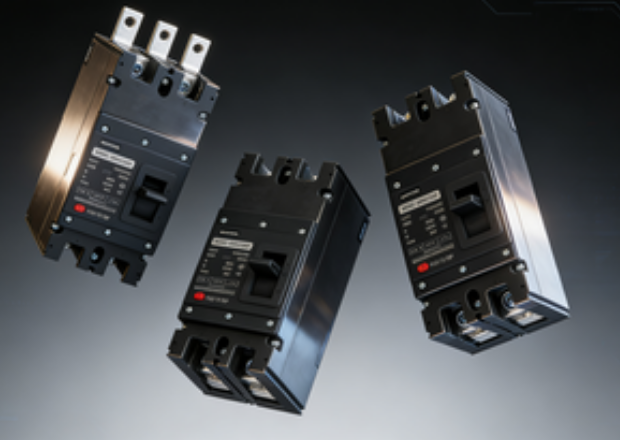
In the era of renewable energy and high-voltage DC infrastructure, CC MCCB has become an irreplaceable component for circuit protection. Unlike traditional AC breakers, CC MCCB is engineered to handle the unique challenges of direct current systems—such as persistent arcing and unidirectional current flow. This guide covers everything you need to know about CC MCCB, from core principles and global standards to market trends and practical applications. Whether you’re an engineer, installer, or procurement professional, understanding CC MCCB is critical for building safe, reliable, and compliant DC systems.
The global shift toward DC-powered infrastructure is driven by its superior efficiency compared to AC systems in renewable energy applications. Solar panels, wind turbines, and battery storage all generate and store DC power, making a robust circuit protection solution essential. Without proper CC MCCB protection, even minor faults can escalate into catastrophic failures, leading to fire hazards, equipment downtime, and costly project delays. As the demand for clean energy continues to surge, the role of CC MCCB in ensuring system safety has never been more prominent.
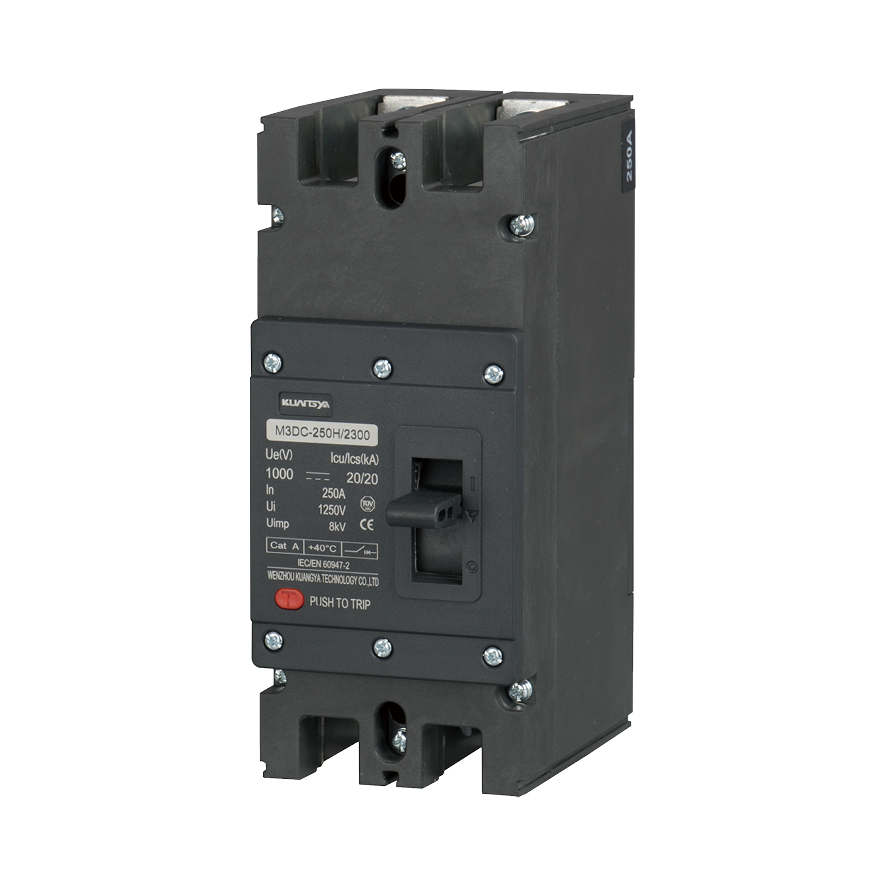
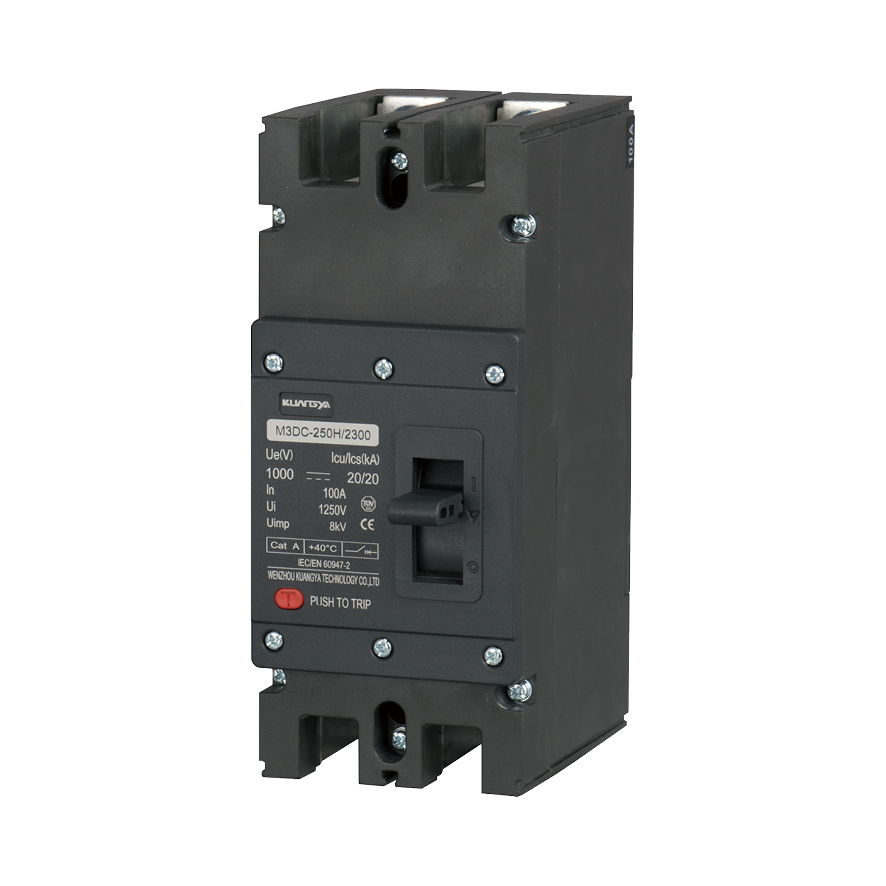
CC MCCB stands for Direct Current Molded Case Circuit Breaker. It is a protective device designed to automatically interrupt DC circuits during overloads or short circuits, preventing equipment damage and fire hazards.
CC MCCB operates by detecting abnormal current levels. When an overload occurs, the thermal element heats up and triggers the trip mechanism after a time delay. For short circuits, the magnetic coil reacts instantaneously (within milliseconds) to open the contacts, ensuring fast and reliable protection. The molded case encloses the internal components, providing mechanical strength and arc containment.
A critical challenge in DC circuit protection is arc extinction. Unlike AC, which naturally crosses zero multiple times per second, DC current has no natural zero crossing. This means the arc produced by a DC fault is more persistent and difficult to extinguish. CC MCCB addresses this through several advanced technologies:
Understanding this technology is essential for selecting the right CC MCCB for high-voltage applications above 1000V.
The global CC MCCB market is expanding rapidly, driven by the boom in solar PV, energy storage, and EV charging infrastructure. Below is a consolidated data table from leading market research firms:
表格
| Metric | 2025 | 2030 | CAGR | Key Market Drivers |
|---|---|---|---|---|
| Global Market Size | $5.10B | $10.7B | 7.1% | Renewable energy transition, grid modernization |
| APAC Market Share | 45% | 50% | 8.2% | China, India, and Southeast Asia solar installations |
| 1500V DC Segment Growth | — | — | 9.2% | Shift from 1000V to 1500V systems for higher efficiency |
| Renewable Energy Application Share | 48% | 55% | — | Solar PV and energy storage account for over half of demand |
| Industrial DC Systems | 22% | 18% | — | Data centers and industrial DC power distribution |
| EV Charging Infrastructure | 8% | 15% | 12.3% | Megawatt-level DC charging stations expansion |
This growth underscores the increasing reliance on CC MCCB in modern energy systems. Asia-Pacific leads the market due to massive solar installations in China, India, and Southeast Asia. North America and Europe are following suit, driven by stringent energy efficiency regulations and renewable energy mandates.The data is supported by the latest industry analysis from Verified Market Research
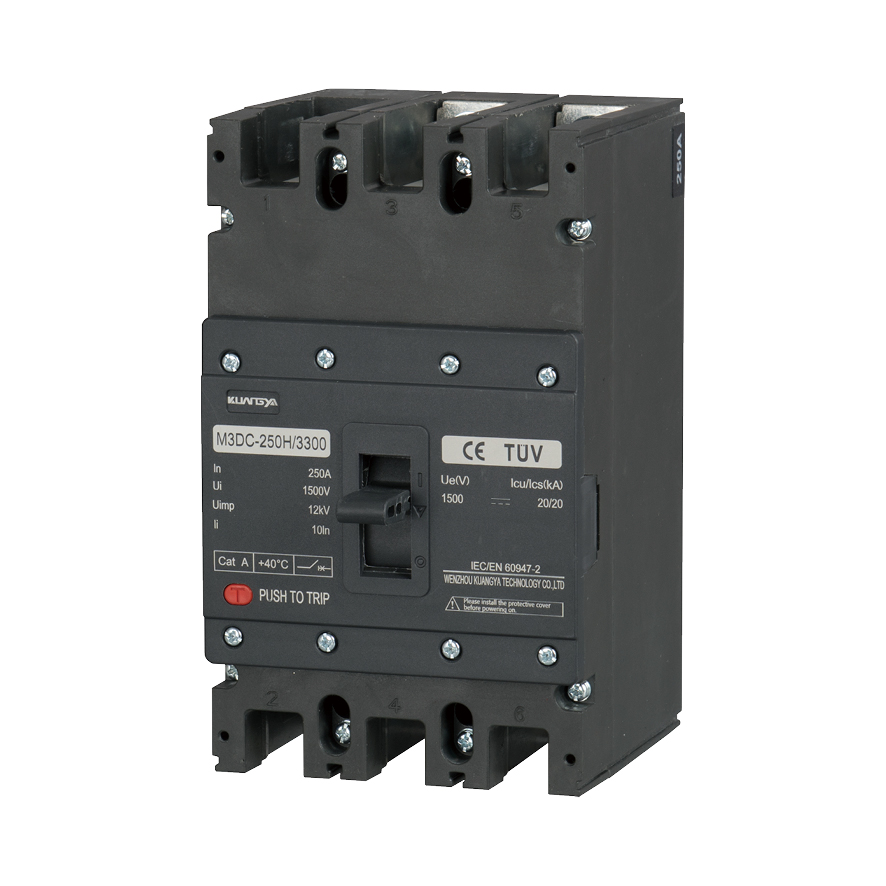
To ensure global market access, CC MCCB must adhere to strict international standards. These standards define performance, safety, and testing requirements.
IEC 60947-2 is the primary international standard for low-voltage switchgear and controlgear, including CC MCCB. It specifies:
The latest revision (2023) includes additional requirements for DC applications, particularly regarding arc extinction and fault current limitation. Compliance with this standard is essential for manufacturers looking to export their products globally.
表格
| Região | Padrão primário | Key Certifications | Requisitos especiais |
|---|---|---|---|
| EU | IEC 60947-2 | CE Marking, TÜV | RoHS, REACH, CE LVD |
| América do Norte | UL 489B | UL Listed, CSA | NEMA ratings, temperature classes |
| UK & Ireland | IEC 60947-2 | UKCA Marking | Compliance with BS EN standards |
| Australia & New Zealand | IEC 60947-2 | SAA, C-Tick | AS/NZS 3112 alignment |
| Middle East | IEC 60947-2 | SABER, G-Mark | GCC conformity assessment |
Obtaining the necessary certifications involves rigorous testing by accredited laboratories. The key tests for CC MCCB include:
For manufacturers, partnering with accredited testing facilities is crucial to streamline the certification process. www.cnkuangya.com has invested in state-of-the-art testing facilities to ensure their CC MCCB products meet global standards.
Many users confuse CC MCCB with AC MCCB, but they are not interchangeable. Here’s a detailed comparison:
表格
| Parâmetro | CC MCCB | MCCB CA | Implications for Use |
|---|---|---|---|
| Current Type | Direct Current (unidirectional) | Alternating Current (bidirectional) | DC systems require specialized arc extinction |
| Extinção do arco | Magnetic blowout + multi-chamber design | Natural zero-crossing assists arc quenching | AC breakers cannot safely interrupt DC arcs |
| Classificação da tensão | Up to 1500V DC | Typically up to 690V AC | Higher voltage DC systems need specialized breakers |
| Polaridade | Sensitive to polarity (must be installed correctly) | Polarity-insensitive | Incorrect wiring can cause failure to trip |
| Aplicativos | Solar PV, energy storage, EV charging | Industrial power, building wiring | Misapplication can lead to fire hazards |
| Size & Design | Larger arc extinction components | More compact design | Space constraints must be considered |
| Custo | Higher due to specialized design | Lower production costs | Total cost of ownership includes safety factors |
The most significant difference is arc management. DC arcs do not naturally extinguish, so CC MCCB uses advanced technologies to interrupt current safely. Using an AC breaker in a DC system can lead to catastrophic failure, including electrical fires and equipment destruction.
In a 2024 solar project in Southeast Asia, an installer mistakenly used AC MCCBs in a 1500V DC system. During a fault condition, the breakers failed to extinguish the arc, resulting in a fire that destroyed the entire PV array. The incident highlighted the importance of using the correct equipment and the high stakes of misapplication.
Selecionando a opção correta CC MCCB is vital for system safety and performance. Follow this step-by-step guide:
Assegurar que o CC MCCB’s short-circuit breaking capacity (Icu) exceeds the system’s maximum prospective short-circuit current. For 1500V solar systems, 20kA–25kA is standard. It’s recommended to select a breaker with an Icu rating 20% higher than the calculated Isc for added safety margin.
Choose between thermal-magnetic (standard) or electronic (adjustable) trip units based on your protection needs:
Assegurar que o CC MCCB has the necessary certifications (CE, UL, TÜV) and meets IP and temperature requirements for your installation environment:
For a tailored CC MCCB selection, consult the experts at www.cnkuangya.com. Their technical team can provide customized recommendations based on your specific project requirements.
CC MCCB is ubiquitous in modern DC power systems. Here are the fastest-growing applications:
1500V CC MCCB is the standard for string and combiner box protection in utility-scale solar plants. It safeguards PV arrays from short circuits and overloads. The shift from 1000V to 1500V systems has increased the demand for high-voltage CC MCCB that can handle higher currents and voltages efficiently.
In a typical solar PV system, CC MCCB is installed at several key points:
CC MCCB protects battery clusters, PCS, and DC distribution in grid-scale and residential storage projects. High breaking capacity is critical for lithium-ion battery safety, as these batteries can deliver extremely high short-circuit currents in the event of a fault.
Lithium-ion battery storage systems have unique protection requirements:
Megawatt-level DC chargers rely on CC MCCB for circuit protection. 1500V/250A CC MCCB models are increasingly common in high-power charging infrastructure. As the number of electric vehicles grows, the demand for fast charging stations is surging, driving the need for robust DC protection.
EV charging stations present unique challenges:
High-voltage DC (HVDC) power distribution in data centers uses CC MCCB to improve efficiency and reliability. DC power distribution reduces energy losses compared to traditional AC systems, making it an attractive option for data centers with high energy demands.
Manufacturers are increasingly adopting DC power for industrial processes, particularly in continuous manufacturing and process industries. DC systems offer better motor control, higher efficiency, and lower maintenance costs compared to AC systems.
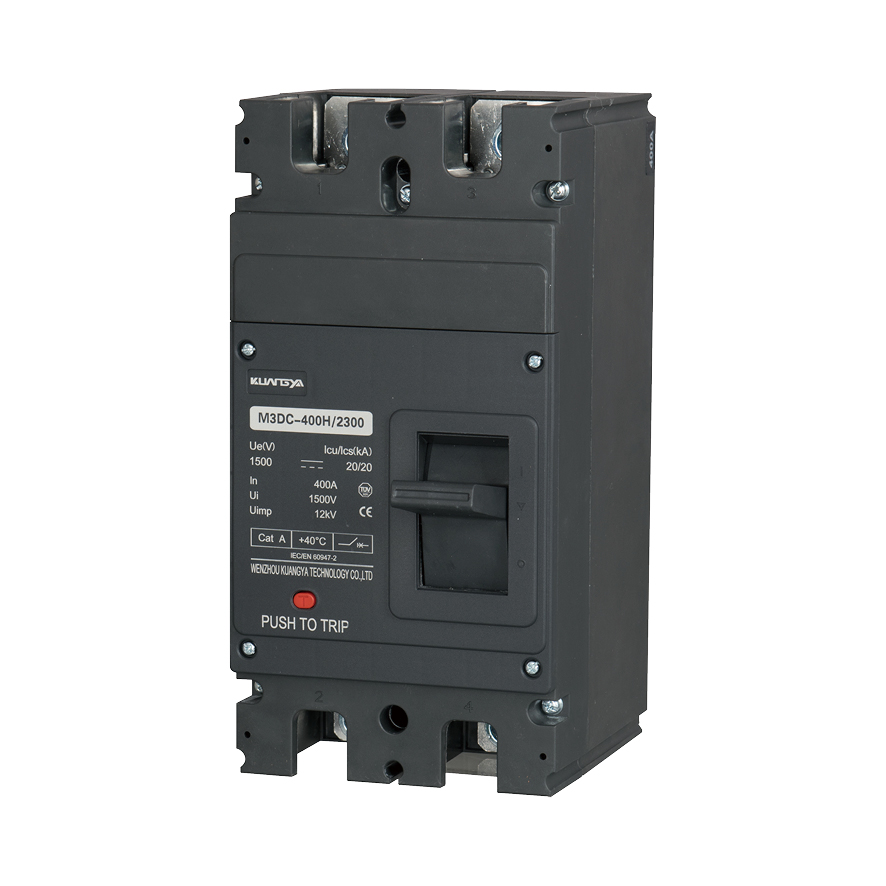
Proper installation and maintenance extend the life of CC MCCB and ensure reliable operation.
| Issue | Possível causa | Solução |
|---|---|---|
| Breaker trips unexpectedly | Overload, short circuit, or ground fault | Check load, inspect wiring for damage, test for ground faults |
| Breaker fails to trip | Faulty trip unit, incorrect setting, or mechanical failure | Test trip function, verify settings, replace if necessary |
| Excessive heating | Loose connections, overloading, or poor ventilation | Tighten connections, reduce load, improve ventilation |

