WengYang Industrial Zone Yueqing Wenzhou 325000
Horas de trabalho
De segunda a sexta-feira: das 7h às 19h
Fim de semana: 10:00 - 17:00
WengYang Industrial Zone Yueqing Wenzhou 325000
Horas de trabalho
De segunda a sexta-feira: das 7h às 19h
Fim de semana: 10:00 - 17:00

A practical checklist for qualifying a PV DC SPD manufacturer: confirm IEC 61643-31 scope, model-specific ratings, test evidence, traceability and installation instructions.
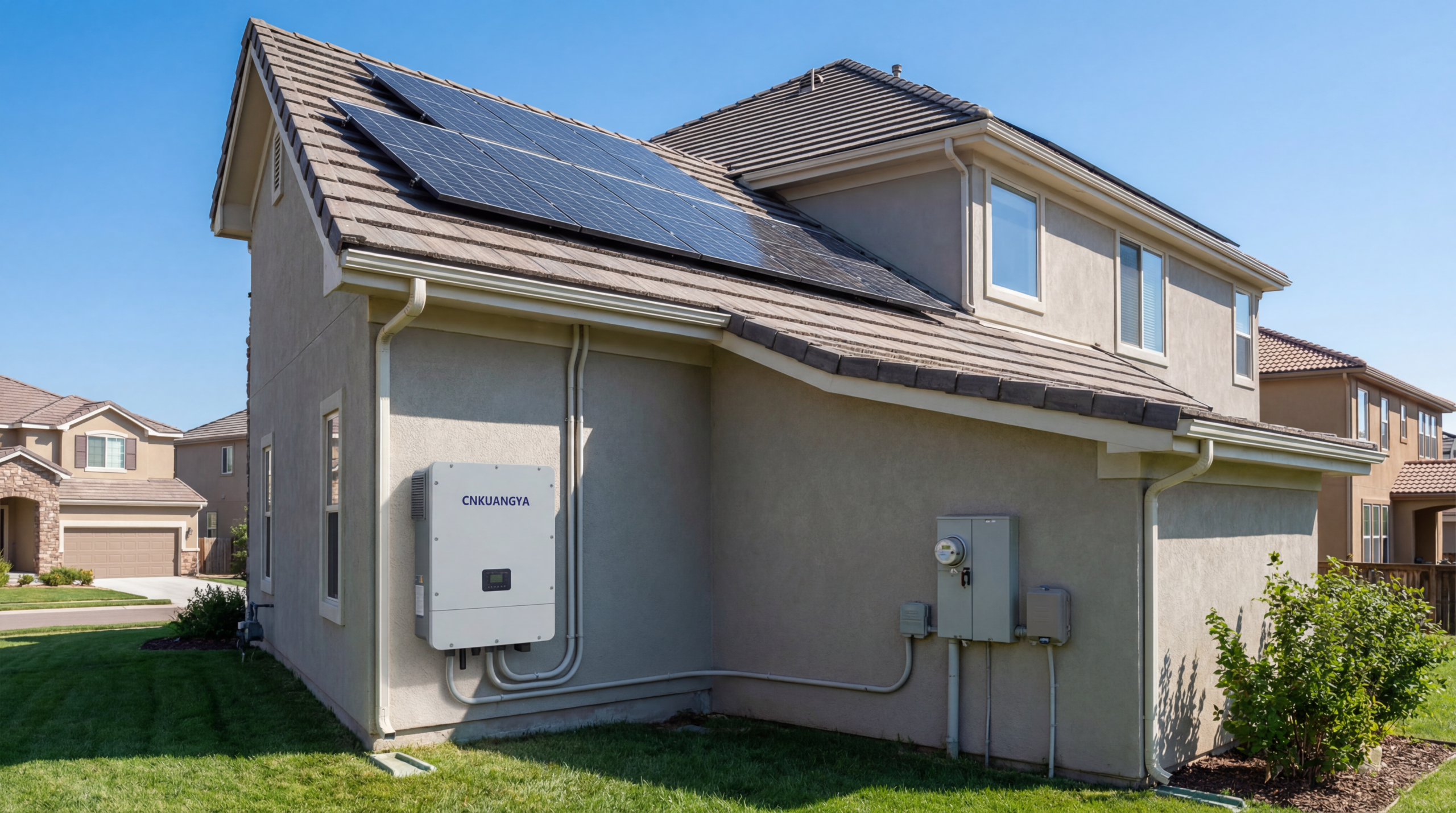
Resposta rápida: A reliable PV DC surge protective device (SPD) supplier should be able to show a traceable datasheet, applicable test evidence, an installation diagram and a repeatable quality-control process for the exact model you plan to buy. Start with the electrical requirements of your project, then compare suppliers against the same checklist.
Record the PV array’s maximum corrected open-circuit voltage, earthing arrangement, inverter input rating, lightning exposure, installation location and required SPD class. The DC side of a PV system is not interchangeable with an AC distribution circuit. IEC 61643-31:2018 sets requirements and tests for SPDs connected to the DC side of PV installations up to 1,500 V DC. IEC 61643-32:2017 addresses selection and application principles for PV SPDs. Check the editions and local adoption relevant to your market.
IEC 61643-31 does not cover every DC application. Its published scope excludes PV systems with energy storage such as batteries. For an energy-storage or other DC system, ask which standard and test evidence apply to that specific circuit rather than assuming a PV SPD certificate covers it.
| Document or evidence | Por que é importante | O que comparar |
|---|---|---|
| Model-specific datasheet | Defines the ratings offered for the exact order code | Ucpv, In, Imax, Iimp if Type 1, Up, Iscpv, poles and temperature range |
| Test report or certificate | Connects a declared standard to a tested product | Model numbers, standard edition, issuing body, report date and scope |
| Wiring and backup-protection instructions | Supports safe application in the target system | PV array configuration, disconnector, external fuse or breaker and conductor sizes |
| Production quality records | Shows whether output is checked consistently | Incoming inspection, final test plan, lot traceability and nonconformity process |
| Commercial and support terms | Determines what happens if a batch fails or specifications change | Warranty scope, replacement lead time, revision control and technical contact |
Do not treat a certificate image or a claim of “IEC compliant” as sufficient on its own. Match the certificate and report to the precise model, ratings and factory. Ask for clarification when the document identifies a different order code or an older construction.
For system-level placement, compare the supplier’s proposed arrangement with PV inverter protection on both the DC and AC sides. A DC-side PV SPD does not replace overcurrent protection, an isolator or an AC-side SPD.
Send the same requirement sheet to each candidate. Ask for the exact model datasheet, current installation instructions and test evidence. Reject unexplained gaps between the quotation, label, datasheet and certificate. A supplier that identifies a mismatch and proposes a documented alternative is more useful than one that agrees to every requested rating.
Ask how incoming components, assembly changes and final inspection are recorded. If an audit is possible, sample one finished lot and trace it through inspection records and bill-of-material revisions. The appropriate test equipment and acceptance criteria depend on the product design; there is no universal generator size, component purity percentage or response-time threshold that proves all DC SPDs are good.
Check the delivered label and terminals against the approved drawing. Have qualified personnel review the wiring instructions, status indicator, cartridge arrangement and specified backup device. Use an independent laboratory when a project or market requires third-party verification. Keep the approved sample and document revision as the baseline for later shipments.
Define how the supplier will notify you of component, circuit, enclosure or labeling changes. Request batch identification and a practical process for investigating field failures. These controls matter more than unsupported promises about zero failures or an arbitrary number of years in business.
Kuangya's DC SPD range provides a starting point for comparing PV voltage and device classes. For a quotation, send your project requirements and request the current datasheet, wiring diagram and evidence for the exact proposed model. Apply the same checks to Kuangya and every competing supplier.
Standards referenced: IEC 61643-31:2018 e IEC 61643-32:2017.

