Endereço
304 North Cardinal
St. Dorchester Center, MA 02124
Horas de trabalho
De segunda a sexta-feira: das 7h às 19h
Fim de semana: 10:00 - 17:00
Endereço
304 North Cardinal
St. Dorchester Center, MA 02124
Horas de trabalho
De segunda a sexta-feira: das 7h às 19h
Fim de semana: 10:00 - 17:00

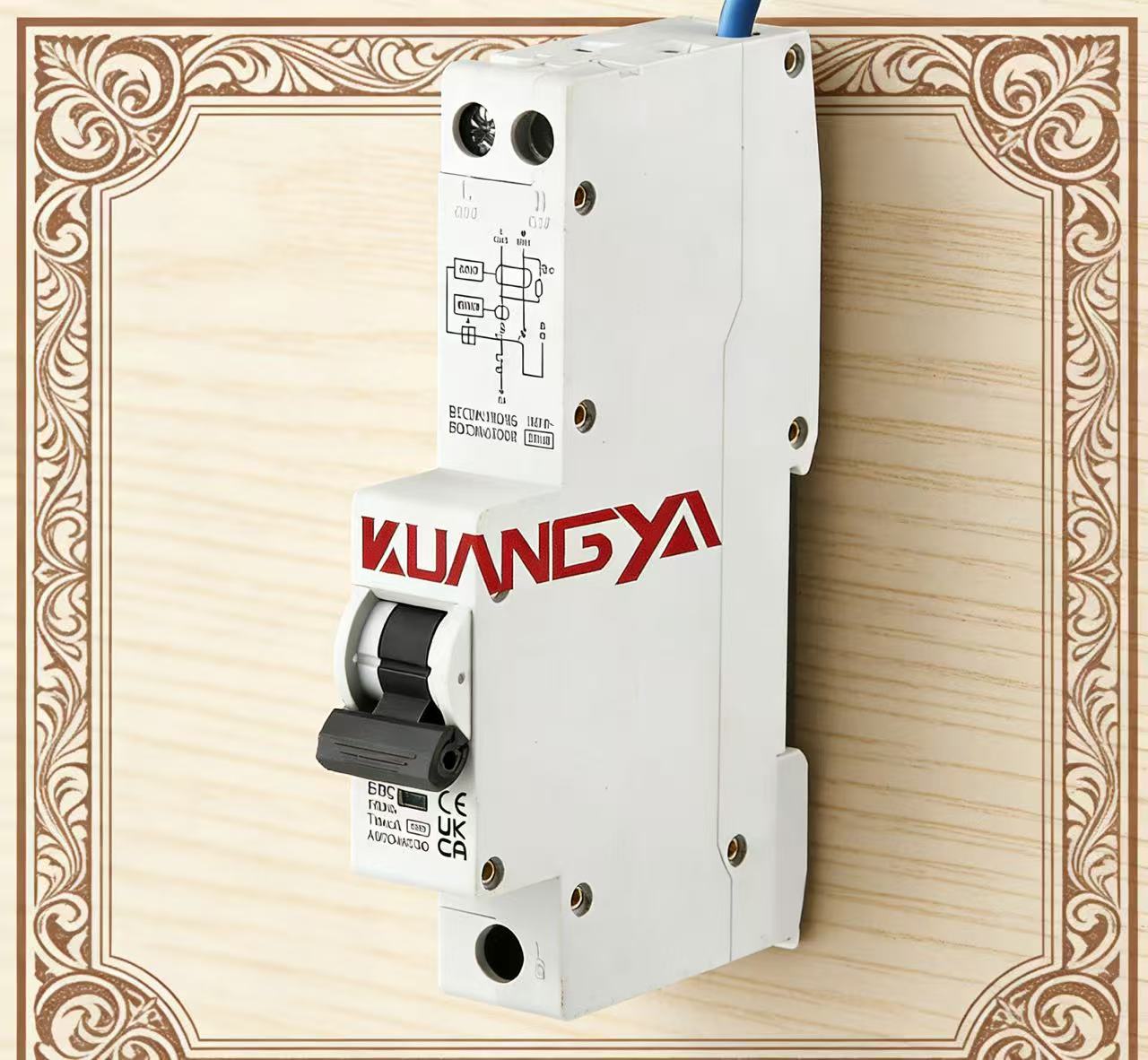
Electrical fire safety has become one of the most critical priorities in modern building standards across the globe, and Europe is taking a leading role by implementing strict new regulations for AFDD (Dispositivo de detecção de falha de arco) installation. For electrical contractors, installers, distributors, construction companies, and homeowners, these changes are not just recommendations—they are legally binding requirements that will reshape how residential electrical systems are designed, installed, and certified.
At the center of this transformation is the UK 18th Edition IET Wiring Regulations (BS 7671) Amendment 2, which has officially classified AFDDs as mandatory protective devices in specific residential scenarios. Simultaneously, nearly all major European Union countries are updating their national electrical codes to follow the same path, making AFDD installation compulsory for all new residential buildings and major renovation projects.
This article explains everything you need to know about the new AFDD mandates in the UK and EU, including regulatory details, application scope, technical requirements, compliance strategies, and the real-world impact on electrical safety across Europe.
Before diving into regulations, it is essential to understand what AFDDs are and why they have become indispensable in modern electrical systems.
Um Dispositivo de detecção de falha de arco (AFDD) is a specialized protective device designed to detect dangerous electrical arcs that traditional circuit breakers (MCBs), residual current devices (RCDs), and RCBOs cannot identify. Arc faults are one of the leading causes of electrical fires in homes, offices, and industrial facilities. They occur when electricity jumps through the air between damaged conductors, loose connections, worn cables, or faulty appliances.
Unlike overloads or short circuits, arc faults often produce low-level currents that do not trigger standard protection devices. Over time, these arcs generate extreme heat, ignite nearby insulation or combustible materials, and lead to destructive fires. According to European fire safety statistics, arc faults are responsible for a significant percentage of residential electrical fires every year—many of which could be prevented with this advansed safety technology .
To understand why Europe is pushing for mandatory AFDDs, we must clarify the real differences between common protective devices.
表格
| Tipo de dispositivo | Main Protection | Detects Arc Faults | Uso típico | Mandatory in New EU/UK Homes |
|---|---|---|---|---|
| MCB | Sobrecarga e curto-circuito | ❌ Não | General circuit protection | ✅ Required |
| RCD | Earth Leakage & Electric Shock | ❌ Não | Shock protection | ✅ Required |
| RCBO | MCB + RCD Combined | ❌ Não | Combined circuit protection | ✅ Required |
| AFDD | Series & Parallel Arc Faults | ✅ Sim | Fire prevention from arcs | ✅ MANDATORY 2025+ |
This table clearly shows that these units provide a unique layer of safety that no other device can offer. Traditional protection covers shock and overload, but only this technology actively prevent electrical fires caused by arc faults.
With the rise of modern electrical loads—including electric vehicle chargers, solar PV systems, smart home devices, LED lighting, and high-frequency electronic equipment—the risk of arc faults has increased dramatically. These nonlinear loads create complex waveforms that make arc faults more frequent and harder to detect, which is why regulators across Europe are now mandating this safety upgrade. For UK homeowners, this means these units are no longer a luxury, but an essential safety upgrade for their properties.
O 18th Edition IET Wiring Regulations (BS 7671) is the primary national standard for all electrical installations in the United Kingdom. First released in 2018, the standard has been updated with Amendment 2, which introduces groundbreaking changes focused on fire safety. The most impactful update is the mandatory installation of AFDDs in specific residential circuits, a change that has reshaped UK electrical work since its implementation.
This amendment is not a minor adjustment—it represents a fundamental shift in how the UK approaches electrical fire prevention. For contractors and installers, compliance is no longer optional. Any installation that does not meet the new requirements will fail inspection and cannot be signed off as legally compliant, putting both installers and homeowners at risk.
Amendment 2 defines clear scenarios where these divices are now mandatory:
The regulation emphasizes that these units must be installed to provide protection against both series and parallel arc faults. This dual protection ensures comprehensive safety for modern household wiring systems, a non-negotiable requirement for UK electrical compliance.
One of the most important points for industry professionals is that existing installations are not required to be upgraded unless they undergo major modification. However, for any new work, compliance with this requirement is compulsory. This creates a transition period where older homes remain under previous standards, while all new or renovated properties adopt the latest fire safety technology.
The IET and UK electrical safety authorities have stated that the change is driven by clear evidence: these devices drastically reduce the risk of electrical fires by detecting hazardous arcs before they escalate. For homeowners, this means greater protection for their families, properties, and valuables. For installers, it means updating product knowledge, toolkits, and installation practices to include these units as standard components.
权威外链 1:Learn more about the UK 18th Edition Amendment 2 from the official IET website here.
The United Kingdom is not the only nation strengthening electrical fire safety. Across the European Union, a wave of regulatory updates is making AFDDs mandatory for all new homes and major construction projects. Countries including Germany, France, Spain, Italy, Poland, Netherlands, Belgium, and Sweden have either introduced new laws or announced upcoming changes that align with the UK’s lead, creating a unified European standard for arc fault protection.
This unified approach across Europe reflects a shared understanding: arc fault protection is no longer a luxury—it is a basic requirement for safe, modern living.
Several factors are driving the EU-wide shift to mandatory AFDDs:
权威外链 2:Check the official IEC 62606 standard for AFDD requirements here.
Many EU member states are structuring their regulations similarly to the UK: AFDDs are required for new residential builds, major rewires, and extensions. Some countries are going even further by expanding AFDD requirements to small commercial properties, rental units, and public buildings.
This trend means that electrical suppliers, manufacturers, and installation companies operating across Europe must prepare for increased demand for certified, high-quality AFDD products. Products that meet IEC 62606 and carry valid EU certifications (CE/UKCA) will become essential inventory for every distributor, with KUANGYA’s AFDD/RCBO range fully compliant with all UK and EU requirements.
站内内链 1:Explore KUANGYA’s full range of certified AFDD/RCBO products here.
A common question among installers and homeowners is: If we already have RCDs and MCBs, why do we need AFDDs?
The answer lies in the limitations of traditional protective devices.
In real-world scenarios, 80% of dangerous arc faults do not trigger RCDs or MCBs. A loose wire behind a wall, a damaged cable under floorboards, or a faulty appliance cord can create a persistent arc that slowly heats surrounding materials until ignition occurs. By the time a traditional device reacts, it is often too late, leading to devastating home fires that could have been prevented with AFDD protection.
AFDDs use advanced sensing technology to monitor the electrical circuit continuously. They can distinguish between harmless electrical noise and dangerous arcs, ensuring safety without unnecessary nuisance tripping. This level of protection is now considered essential for modern living, which is why European regulators have taken such decisive action. For UK electrical contractors, explaining this difference to customers is a key part of delivering compliant, trusted service.
For electrical professionals operating in the UK or EU, compliance with the new AFDD regulations requires structured preparation. Below is a practical, actionable roadmap to ensure every project meets legal standards, a must-have for UK electricians working to 18th Edition Amendment 2.
Electrical codes vary slightly between countries, even as they align on AFDD requirements. Installers must study the latest versions of:
Knowing exactly which circuits require AFDDs, which installations are exempt, and how certification works will prevent costly mistakes and failed inspections, a top priority for UK electrical businesses.
Not all AFDDs are equal. To meet regulatory requirements, devices must:
Choosing reliable manufacturers like KUANGYA with proven European market experience ensures consistent performance and compliance. Low-quality or uncertified devices may fail inspections, putting both installers and homeowners at risk, a critical risk to avoid in the UK market.
Although AFDD installation is similar to standard circuit breakers, proper selection and wiring are critical. Teams should understand:
Many manufacturers and industry organizations offer training courses specifically for the new regulatory changes. Investing in training ensures long-term compliance and customer satisfaction, a key differentiator for UK electrical contractors.
Inspectors will require clear documentation showing AFDD compliance on all new installations. Contractors must maintain detailed records of:
Proper documentation speeds up inspections and provides legal protection for both installers and clients, a must-have for UK electrical work.
Homeowners often ask about the purpose of new components. Explaining the fire safety benefits of AFDDs helps customers understand the value of the upgrade and builds confidence in your service. Key points to share with UK homeowners:
A: AFDD requirements under BS 7671 18th Edition Amendment 2 became legally effective for all new installations, rewires, and major extensions starting from the official implementation date. All projects signed off after this date must comply.
A: No, but AFDDs are required for high-risk final circuits in new homes and fully rewired properties, as defined by UK BS 7671 Amd.2. Always follow the latest version of the UK wiring code for full compliance.
A: No. AFDD provides additional fire protection and works alongside MCBs, RCDs, or RCBOs. It does not replace them. Together, they create full electrical safety coverage for UK/EU homes.
A: Most EU countries follow similar principles based on IEC 62606, but each nation issues its own national wiring standard. All require AFDDs for new residential buildings.
A: The installation will fail inspection, cannot be certified, and may violate UK building and electrical safety laws. It also exposes homeowners to unnecessary fire risks.
A: Generally, no—unless the property undergoes a full rewire, major extension, or significant modification. New wiring laws apply only to new or upgraded electrical installations in the UK.
A: All AFDDs used in the UK and EU must comply with IEC 62606, the international standard for arc fault detection devices, and hold valid UKCA/CE certifications.
The introduction of mandatory AFDD requirements in the UK and EU marks a historic shift in electrical safety standards. As technology continues to evolve and homes become more electrified, arc fault protection will only grow in importance, with AFDDs set to become a standard component in every modern European home by 2030.
Industry analysts predict strong growth in the European AFDD market through 2030, driven by regulatory mandates, increased consumer awareness, and advancements in device technology. Integrated solutions—such as AFDD combined with RCBO or MCB (like KUANGYA’s certified range)—will become increasingly popular due to space savings and simplified installation, a top trend for UK electrical contractors.
For manufacturers, the focus will remain on improving accuracy, reducing nuisance tripping, and expanding product ranges to meet diverse installation needs. For distributors, stocking certified, reliable AFDD products will become essential to remaining competitive in the UK and EU markets. For installers, mastering AFDD technology will be a basic requirement for professional practice in the UK.
Ultimately, the new regulations will save lives, reduce property damage, and bring Europe’s electrical safety standards to the highest global level, a win for homeowners, contractors, and regulators across the continent.
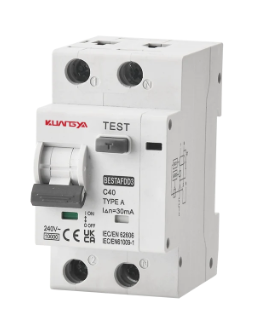
The era of voluntary arc fault protection is over in Europe. Led by the UK 18th Edition IET Wiring Regulations Amendment 2 and followed by sweeping changes across the European Union, AFDDs are now mandatory for most new residential installations. This shift is rooted in clear safety data, modern technological needs, and a unified vision for reducing electrical fires across the continent.
For everyone involved in the electrical industry—from manufacturers like KUANGYA to suppliers, installers, and inspectors—understanding and adapting to these changes is essential. Compliance ensures legal approval, customer safety, and long-term success in a rapidly evolving UK/EU market.
As we move further into 2025 and 2026, AFDDs will transition from “new technology” to “standard equipment” in every modern European home. Those who prepare early will lead the way in delivering safer, more reliable, and fully compliant electrical installations for years to come.
