웽양 공업구 웨칭 원저우 325000
근무 시간
월요일~금요일: 오전 7시~오후 7시
주말: 주말: 오전 10시 - 오후 5시
웽양 공업구 웨칭 원저우 325000
근무 시간
월요일~금요일: 오전 7시~오후 7시
주말: 주말: 오전 10시 - 오후 5시

히트펌프에는 어떤 유형의 RCD가 필요합니까? 인버터 구동 장치에 대해 A형, F형, B형을 비교한 다음, 주문하기 전에 매뉴얼, 고장 전류 및 현지 규정을 확인하십시오.
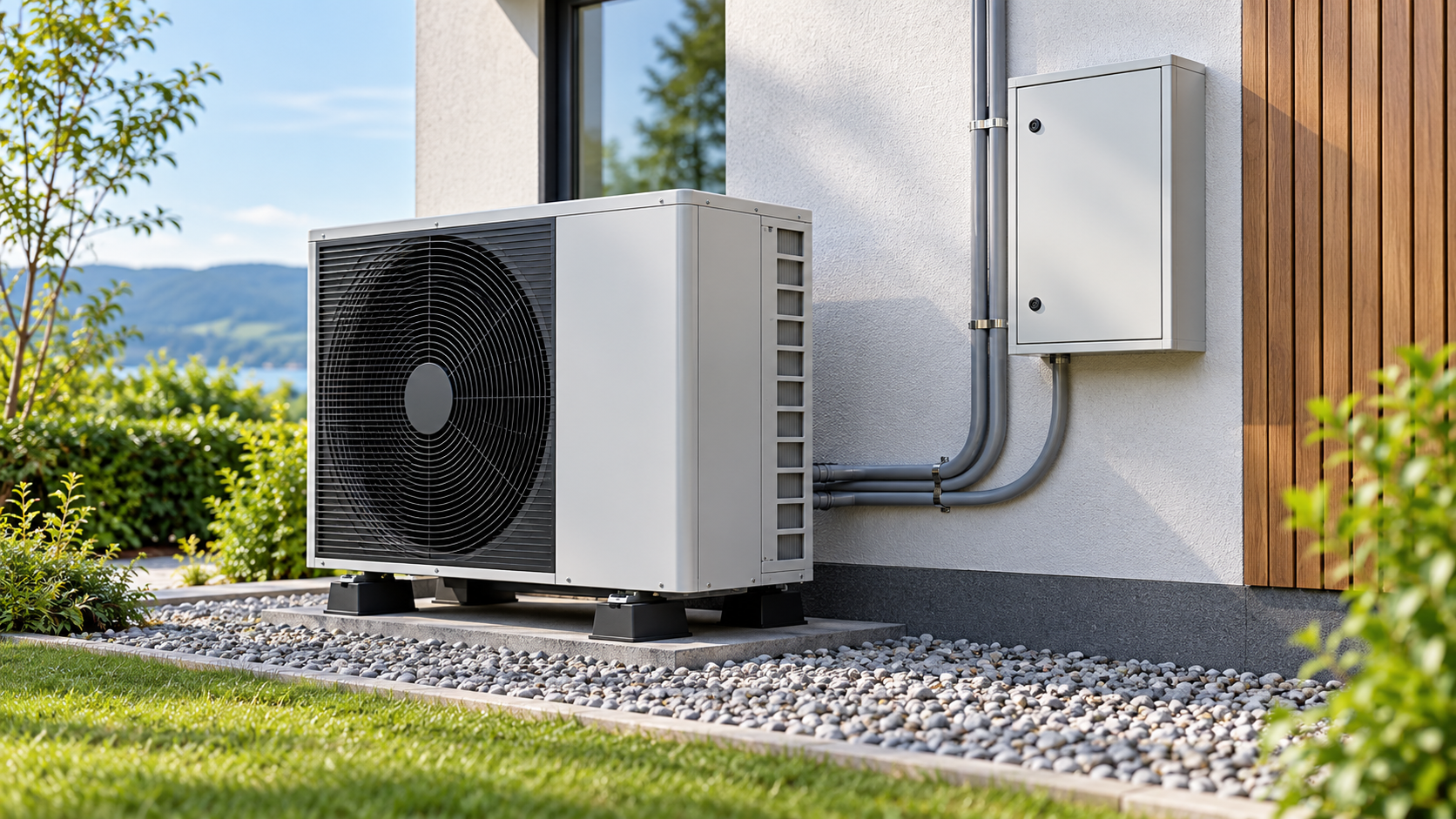
빠른 답변: There is no single RCD type for every heat pump. Type A may be specified for some units and jurisdictions; Type F can be appropriate for certain single-phase inverter-driven heat pumps that may produce composite residual currents; and Type B may be needed where smooth DC residual current can occur. Start with the exact heat-pump installation manual and local electrical rules, then match the RCD to the expected fault-current waveform.
The words heat pump do not tell you whether the compressor drive is single-phase or three-phase, whether DC fault monitoring is built in, or which protective device the manufacturer tested. Those details decide the selection.
A residual-current device detects current leaving the intended circuit path and disconnects under specified conditions. An inverter-driven heat pump may create residual-current waveforms different from a simple resistive heater. Selecting the wrong detection type can leave a fault waveform outside the device’s intended capability; choosing a different type without checking the equipment can also cause unnecessary cost or unwanted trips.
IEC 62423 defines additional requirements and tests for Type F and Type B RCDs. Schneider Electric’s technical paper on RCD types uses a single-phase heat pump with a variable-speed drive as an example of an application that may produce composite residual current.
| RCD 유형 | Relevant detection capability | Heat-pump selection question |
|---|---|---|
| 유형 A | Sinusoidal AC and pulsating DC residual current | Does the equipment manual permit Type A for this exact circuit and installation? |
| 유형 F | Type A capability plus specified composite residual currents associated with single-phase frequency converters | Is the heat pump a suitable single-phase inverter application, and does the manual call for Type F? |
| 유형 B | Includes smooth DC residual-current detection within its specified range | Can the equipment produce smooth DC fault current, or does its manual require Type B? |
Type F is not a substitute for Type B when smooth DC fault-current detection is required. Type B is also not an automatic upgrade for every heat pump. The connected equipment and applicable rules determine the correct device.
A single-phase frequency converter can produce composite residual currents. IEC 62423 describes Type F devices for installations where frequency inverters are supplied between phase and neutral (or an earthed middle conductor). This makes Type F a relevant option to investigate for some single-phase inverter heat pumps.
That does not mean every single-phase heat pump requires Type F. For example, New South Wales government guidance for heat-pump hot-water installations specifies Type A under its stated local rules. The equipment manufacturer and the installation jurisdiction must be checked together.
Some three-phase drive arrangements may create residual-current components that a Type A or Type F device is not intended to detect. The drive topology, fault path and any integrated monitoring matter more than a simple “three-phase equals Type B” slogan. If the heat-pump manual calls for Type B, do not substitute another type solely to reduce cost.
Schneider Electric’s RCD selection guide for DC earth leakage explains why DC components can affect RCD selection and upstream coordination. A qualified designer should also check whether an upstream RCD could be exposed to DC residual current from the heat-pump circuit.
RCD 유형 describes residual-current detection. It does not answer whether the circuit should use an RCCB with a separate overcurrent protective device or an RCBO combining residual-current and overcurrent protection. That choice depends on circuit design, breaker rating, discrimination and the available panel space. See our RCBO type and rating guide 및 RCBO product range.
Do not use the compressor’s rated power alone to choose the RCD’s current rating, residual operating current or trip curve. Check the manufacturer’s electrical data, starting behavior, conductor protection, and applicable installation standard.
For a wider discussion of RCD types and selectivity, read our residential RCD coordination guide. When requesting a quotation, send the model manual, supply details, required poles, desired device type, current rating, residual-current sensitivity and destination-market standard to 쿠앙야. This lets the supplier check the exact model rather than suggesting a device from the phrase “heat pump” alone.
Possibly. Some equipment instructions and local rules specify Type A. Confirm the exact model, residual-current characteristics and jurisdiction before selection.
No. Type F adds specified composite-current detection for relevant single-phase inverter applications, but the heat pump’s instructions and local rules decide whether it is needed and permitted.
No. Type F’s ability to tolerate a limited superimposed smooth DC component is not the same as Type B smooth DC residual-current detection.
Not necessarily. First check wiring, actual leakage, moisture, equipment faults, shared neutrals and the manufacturer’s protective-device requirements. Changing type without diagnosing the cause may leave the problem unresolved.

