温州市岳陽工業区 325000
勤務時間
月曜日~金曜日:午前7時~午後7時
週末午前10時~午後5時
温州市岳陽工業区 325000
勤務時間
月曜日~金曜日:午前7時~午後7時
週末午前10時~午後5時

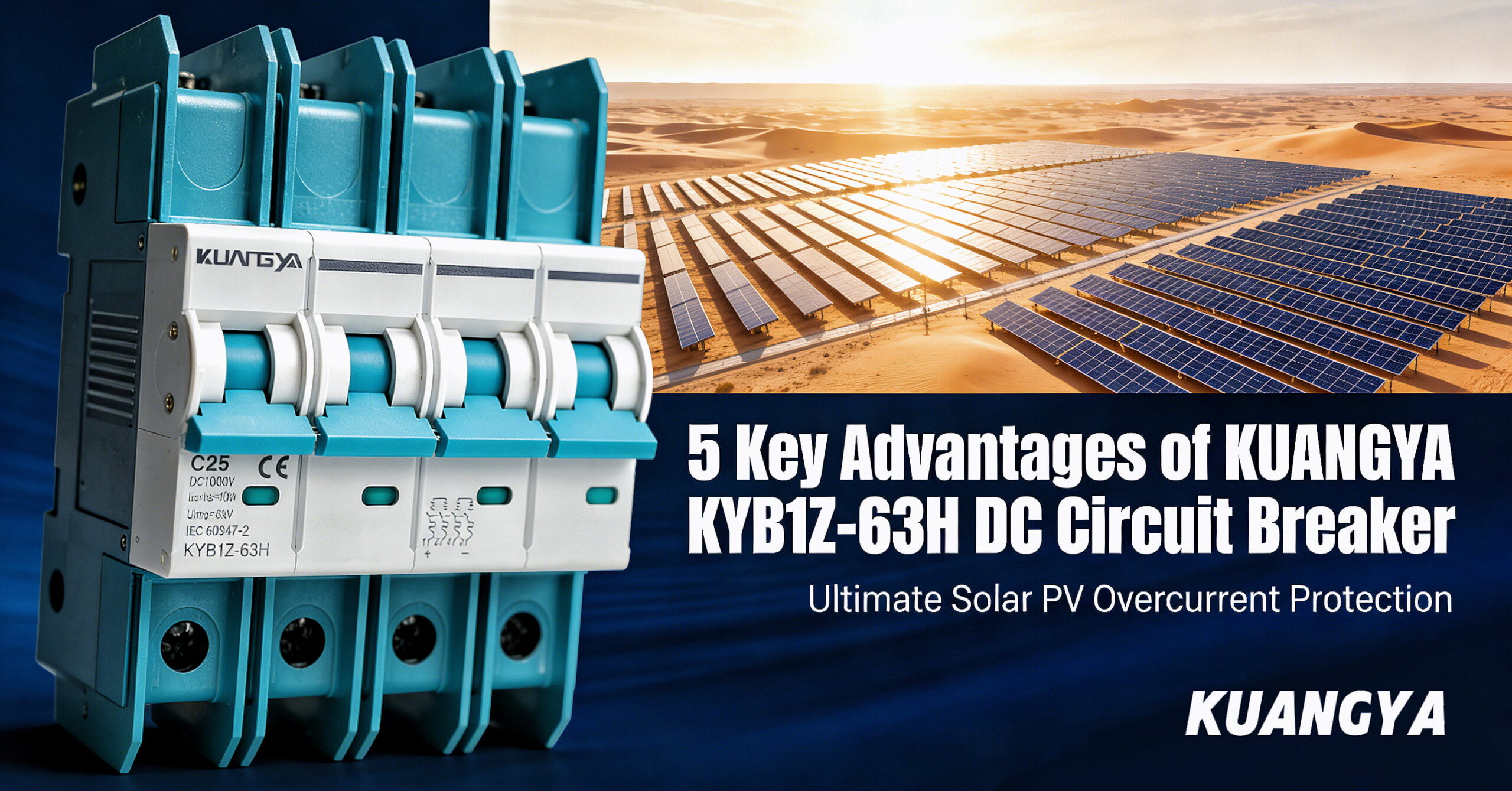
太陽光発電(PV)の逆流保護 健全な太陽光発電ストリングから、故障または遮光されたストリングへ電流が逆流するのを防ぎます。ストリング数が1〜2個の小規模システムでは、逆流電流がモジュールの保護限界内に収まる場合があります。しかし、より大規模な並列PVアレイでは、逆流電流によってケーブルの過熱、モジュールの損傷、コネクタの溶融が発生し、直流(DC)火災のリスクが生じる可能性があります。.
最も一般的な保護方法は、PVコンバイナボックスまたはストリング保護エンクロージャ内に設置された、適切な定格のgPVヒューズを各ストリングに使用することです。システム設計に応じて、DC回路遮断器(ブレーカー)、DCスイッチ断路器、監視モジュール、およびサージ保護デバイス(SPD)をヒューズ保護システムと組み合わせて調整することも可能です。.
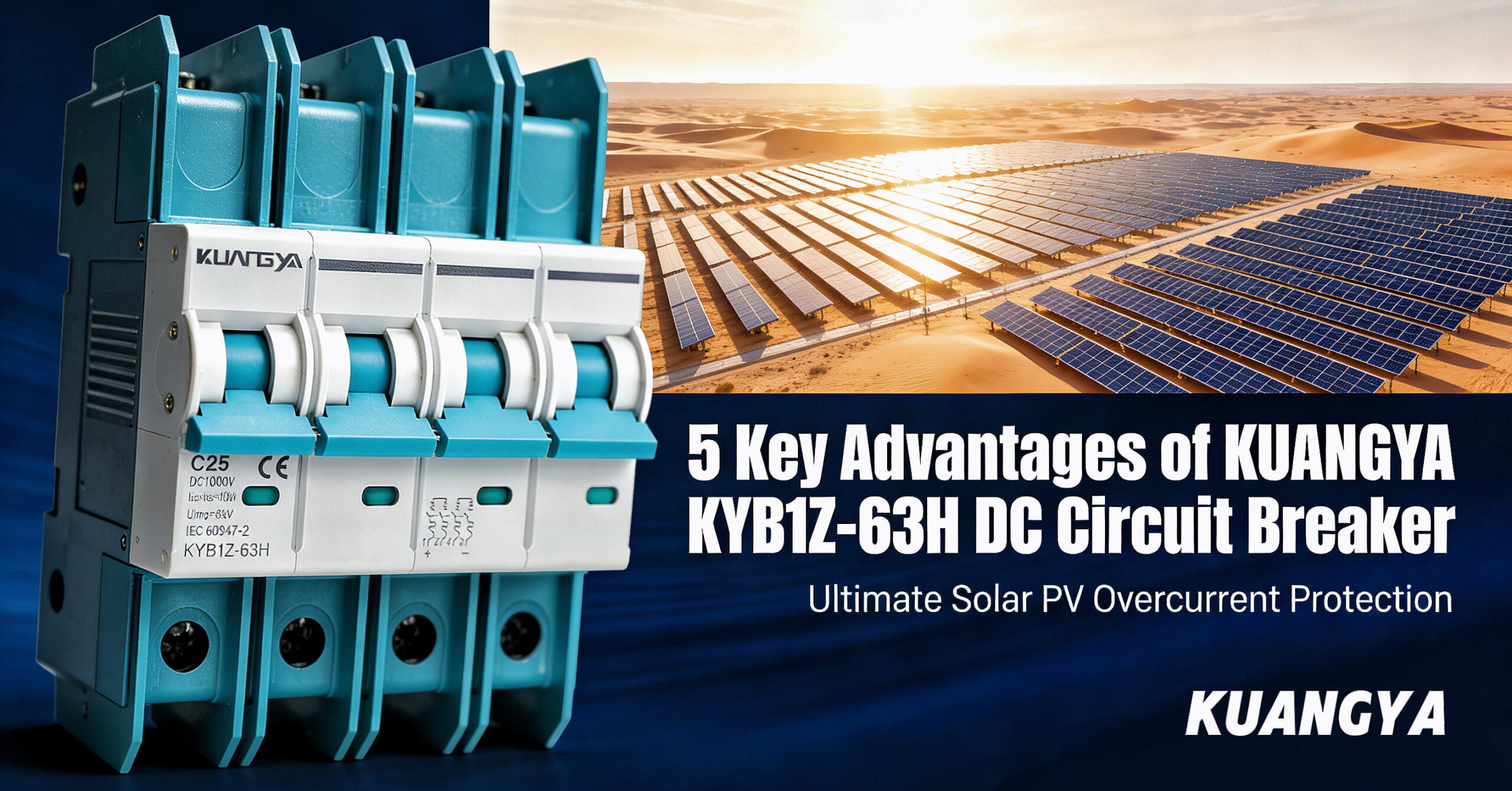
通常、単一のPVストリングが生成する短絡電流は限定的です。しかし、複数のストリングが並列に接続されるとリスクが変化します。1つのストリングが故障、遮光、損傷、または短絡した場合、他の健全なストリングからその脆弱な経路へ電流が逆流する可能性があります。.
この電流は逆流電流と呼ばれます。これは系統から供給されるものではなく、太陽光の下で通電状態にある並列接続されたPVストリングから発生します。そのため、 太陽光発電(PV)の逆流保護 インバータやAC配電盤だけでなく、太陽光発電システムのDC側にも設計する必要があります。.
逆流電流は、商業用屋上システム、メガソーラー発電所、大電流接続箱、および1500V DCアレイにおいて特に重要です。システムが以下の条件を備えている場合、リスクは増大します:
逆電流がケーブルの許容電流、コネクタの定格、またはモジュールの最大直列ヒューズ定格を超えた場合、インバータが重大な故障を認識する前に局所的な過熱が発生する可能性がある。.
gPVヒューズは太陽光発電回路用に設計されている。一般的な産業用ヒューズとは異なる。適切に選定されたgPVヒューズは、故障がアレイ全体に広がる前に、DC故障電流を遮断し、影響を受けたストリングを切り離すことができる。.
について 太陽光発電(PV)の逆流保護, 各ストリングヒューズは、以下の3つの値を総合的に確認して選定する必要がある:
| 選定項目 | なぜそれが重要なのか | よくある間違い |
|---|---|---|
| 最大システム電圧 | ヒューズは直流電圧を安全に遮断しなければならない | 1500Vの設計に1000Vのヒューズを使用すること |
| ヒューズの定格電流 | 誤動作することなく通常のストリング電流を流さなければならない | モジュールのImp(最適動作電流)のみで選定すること |
| モジュールの最大直列ヒューズ定格 | ストリングヒューズの最大許容値を制限する | トリップを防ぐためのヒューズの過大選定 |
| 破断能力 | 予想される故障電流(短絡電流)を上回る定格であること | 並列ストリングまたはバッテリーからの逆流電流の無視 |
| ホルダーとの互換性 | ヒューズとホルダーは一体の熱的アセンブリとして機能する | 互換性のないヒューズリンクとホルダーの混用 |
KUANGYAは、ストリング保護、接続箱、およびDC配電アプリケーション向けの太陽光発電用ヒューズリンクとヒューズホルダーを提供しています。以下をご覧ください。 DCヒューズソリューション 1000Vおよび1500Vの太陽光発電保護プロジェクト向け.
技術的なルールは、並列ストリング数、モジュールの最大直列ヒューズ定格、利用可能な逆電流、および適用される現地の規格に依存します。実務上の設計習慣として、エンジニアは他の並列ストリングからの電流が、故障した1つのストリングの安全限界を超える可能性があるかどうかを計算する必要があります。.
例えば、1つのストリングが故障し、5つの健全なストリングがそこに電流を供給できる場合、逆電流は通常のストリング動作電流の数倍になる可能性があります。その場合、, 太陽光発電(PV)の逆流保護 ストリングレベルのgPVヒューズの使用が不可欠となります。.
PVモジュールが以下であると仮定します:
いずれかのストリングで故障が発生した場合、他の5つのストリングから故障箇所へ逆電流が流れ込む可能性があります。簡易的な推定は以下の通りです:
逆電流 ≈ (並列ストリング数 − 1) × Isc
逆電流 ≈ 5 × 14 A = 70 A
これは、モジュールの最大直列ヒューズ定格である25 Aを大幅に上回っています。ストリングヒューズがない場合、モジュールの配線やコネクタが危険な電流にさらされる可能性があります。適切に選定されたgPVヒューズを使用することで、故障したストリングを切り離すことができます。.
PVの逆電流は故障モードの一つに過ぎません。完全なDC保護設計には、複数のデバイス間の協調が必要です。
協調保護経路については、当社までお問い合わせください。 直流遮断器シリーズ, 直流SPD製品 そして 太陽光発電用接続箱ソリューション.
コンポーネントを承認する前に 太陽光発電(PV)の逆流保護, 、サプライヤーに以下を要求すること:
いいえ。逆電流がモジュールの保護限界を超えない場合、非常に小規模なシステムではストリングヒューズが不要な場合があります。大規模な並列アレイの場合は、常に慎重に確認する必要があります。.
場合によっては、適切な定格のDCブレーカーが過電流保護を提供できますが、多くの太陽光発電設計では、ストリングレベルでの迅速な故障分離のために依然としてgPVヒューズが使用されています。選択は、電圧、電流、遮断容量、協調性、およびメンテナンスのニーズによって異なります。.
いいえ。サージ保護デバイス(SPD)は過渡過電圧を制限するものであり、持続的な逆電流を遮断するものではありません。過電流保護には適切なヒューズまたはブレーカーを使用してください。.
システム電圧、モジュールの短絡電流(Isc)、モジュールの最大直列ヒューズ定格、並列ストリング数、筐体温度、必要なヒューズ形式、および対象市場の規格を送付してください。KUANGYAは、ヒューズ、ヒューズホルダー、ブレーカー、SPD、および接続箱レイアウトの選定をサポートします。.
技術的背景については、以下のIEC公式ページを参照してください IEC 60269-6 photovoltaic fuse-links そして IEC 62548-1 PV array design requirements.
太陽光発電(PV)の逆流保護 is essential whenever parallel PV strings can feed dangerous current into a faulted string. Correctly selected gPV fuses, compatible fuse holders, DC breakers, SPDs and combiner box layouts reduce the risk of overheating, equipment damage and fire.
PV reverse current protection commissioning checklist
After the design is finished, PV reverse current protection should be checked again during installation and commissioning. Many array problems are not caused by the fuse rating itself, but by wrong polarity, loose terminals, mixed string layouts or a protection device installed in the wrong position. A short field checklist helps EPC teams avoid expensive rework before the combiner box is energized.
For small systems with only one or two parallel strings, reverse current may stay below the module maximum series fuse rating. For larger commercial arrays, each string normally needs a properly rated gPV fuse or equivalent DC protection. The installer should compare the actual number of parallel strings with the electrical drawing, because adding one extra string in the field can change the reverse current calculation.
PV reverse current protection works only when the current path is correctly wired. Before closing the DC isolator, technicians should verify positive and negative polarity with a meter, inspect fuse holder markings and tighten terminals according to the manufacturer torque value. A loose DC terminal can heat up under normal operating current and become more dangerous during a fault event.
Do not select a fuse holder, DC breaker or combiner box only by current rating. The maximum open-circuit voltage of the array, low temperature correction and system voltage class must be considered. If the device voltage rating is too low, the arc may not be interrupted safely when a reverse current fault happens.
Maintenance teams should keep spare gPV fuse links with the same voltage class, breaking capacity and current rating used in the original design. Replacing a blown fuse with a general-purpose AC fuse or a random DC fuse can remove the protection margin and make later troubleshooting very difficult.
A good PV reverse current protection plan should be visible in the as-built drawings. Mark string fuse ratings, DC breaker ratings, SPD position and combiner box model clearly. This documentation helps owners, inspectors and maintenance teams understand why the selected KUANGYA DC protection components were used and how to replace them correctly in future service.
For distributors and EPC buyers, this final documentation is also useful when comparing suppliers. A complete DC protection package should include the fuse, fuse holder, DC MCB, DC SPD and combiner box in one coordinated scheme, not separate parts selected without system-level checking.
Procurement note: PV reverse current protection should be reviewed as a complete DC safety package. PV reverse current protection depends on fuse holder quality, DC breaker coordination and combiner box layout. For 1000V and 1500V projects, PV reverse current protection should be confirmed with module Isc, maximum series fuse rating and parallel string quantity.
KUANGYA provides solar DC protection components for PV strings, combiner boxes, inverters and energy storage systems. If you are designing a 1000V or 1500V PV project, contact KUANGYA with your electrical parameters for a protection recommendation.

