WengYang Industrial Zone Yueqing Wenzhou 325000
Work Hours
Monday to Friday: 7AM - 7PM
Weekend: 10AM - 5PM
WengYang Industrial Zone Yueqing Wenzhou 325000
Work Hours
Monday to Friday: 7AM - 7PM
Weekend: 10AM - 5PM

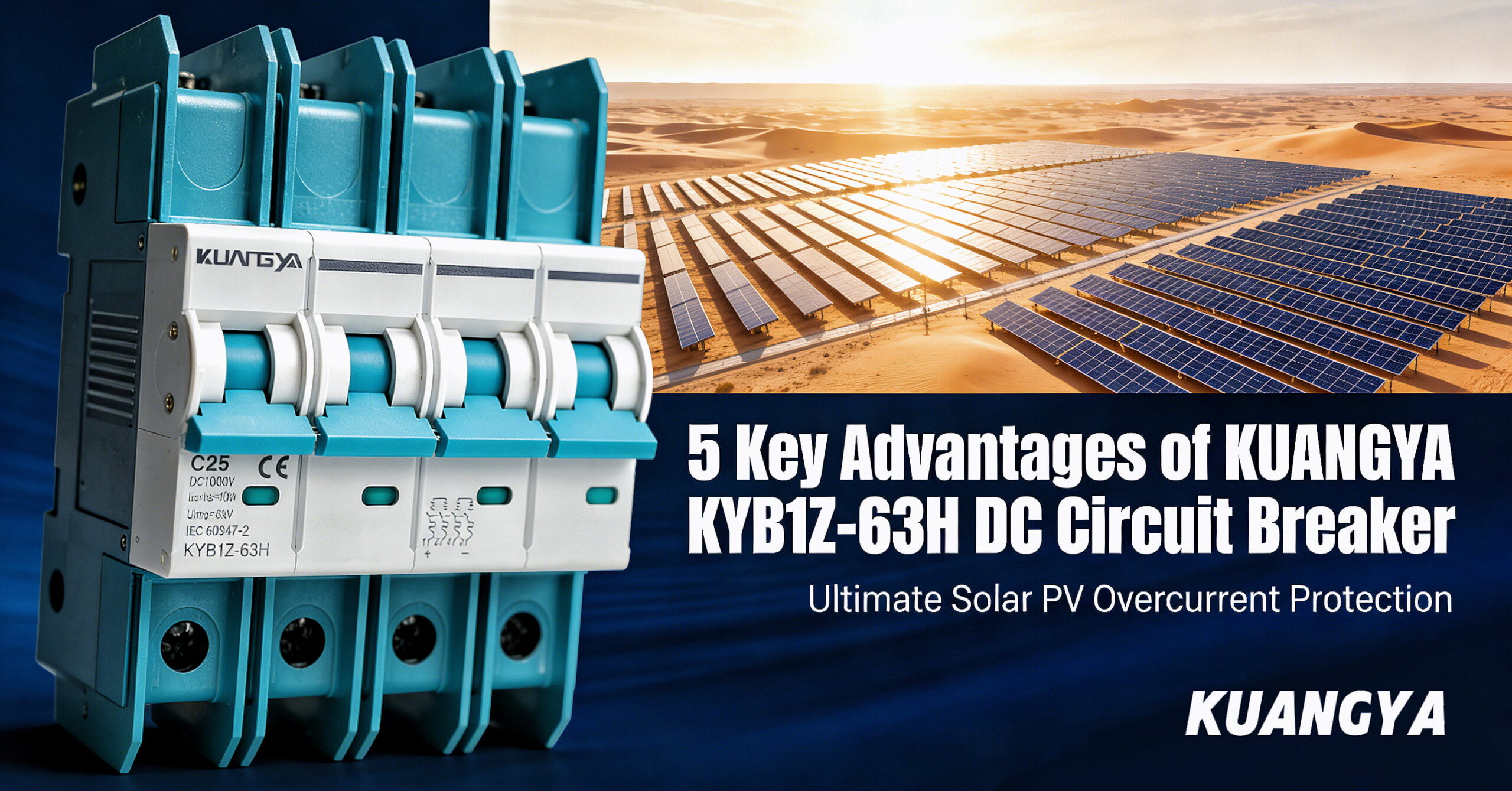
PV reverse current protection prevents healthy solar strings from feeding current backward into a faulted or shaded string. In small systems with one or two strings, reverse current may stay below the module protection limit. In larger parallel PV arrays, however, reverse current can overheat cables, damage modules, melt connectors and create a DC fire risk.
The most common protection method is a correctly sized gPV fuse in each string, installed inside a PV combiner box or string protection enclosure. Depending on the system design, DC circuit breakers, DC switch disconnectors, monitoring modules and surge protective devices may also be coordinated with the fuse protection system.
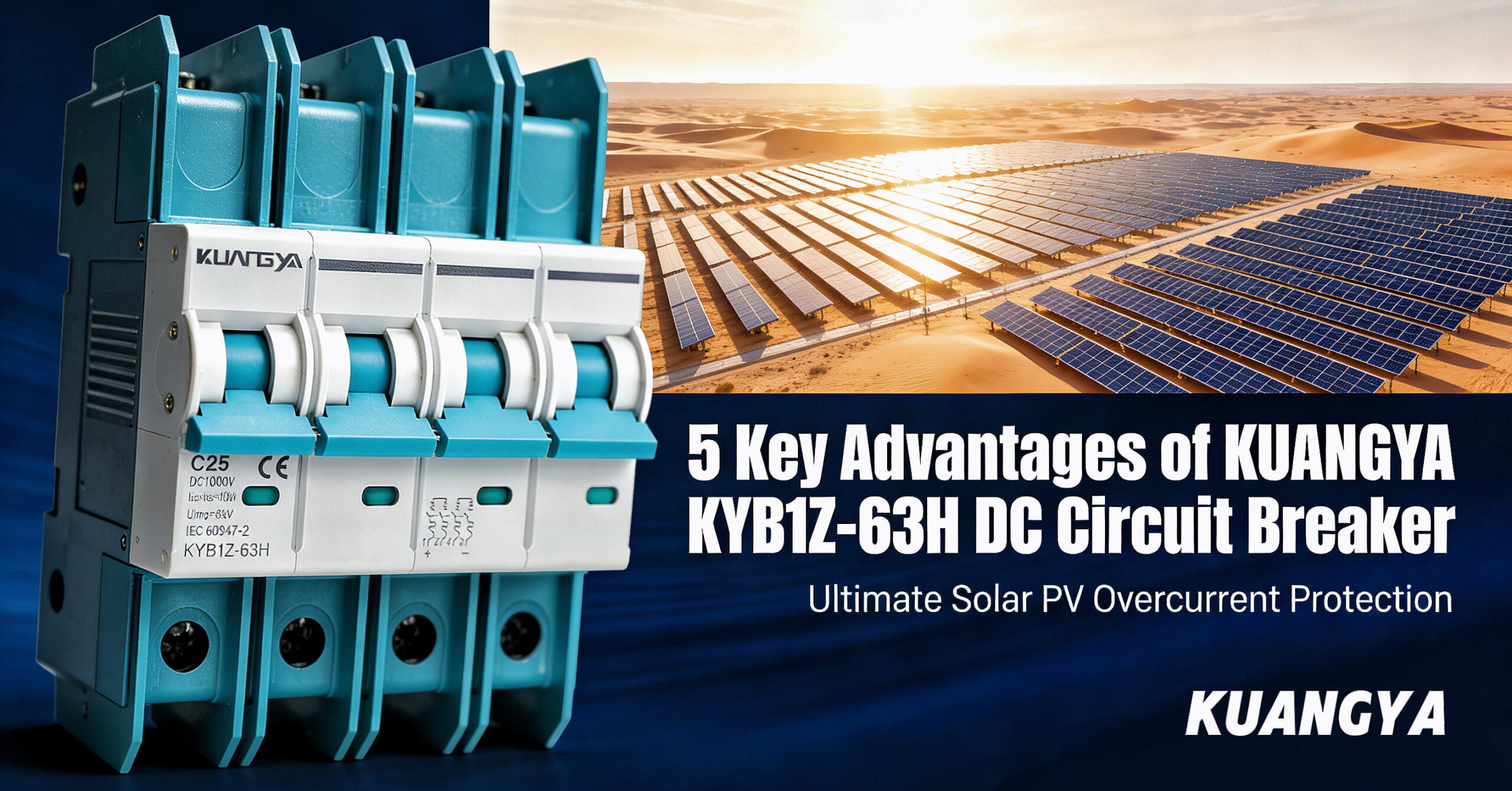
A single PV string normally produces limited short-circuit current. The risk changes when several strings are connected in parallel. If one string becomes faulted, shaded, damaged or shorted, the other healthy strings may drive current backward into that weak path.
This current is called reverse current. It does not come from the grid. It comes from the parallel PV strings that remain energized under sunlight. That is why PV reverse current protection must be designed on the DC side of the solar system, not only at the inverter or AC distribution panel.
Reverse current is especially important in commercial rooftop systems, utility-scale solar plants, high-current combiner boxes and 1500V DC arrays. The risk increases when the system has:
If reverse current exceeds the cable ampacity, connector rating or module maximum series fuse rating, localized overheating can develop before the inverter recognizes a major fault.
A gPV fuse is designed for photovoltaic circuits. It is not the same as a general industrial fuse. A properly selected gPV fuse can interrupt DC fault current and isolate the affected string before the fault spreads through the array.
For PV reverse current protection, each string fuse should be selected by checking three values together:
| Selection item | Why it matters | Common mistake |
|---|---|---|
| Maximum system voltage | The fuse must interrupt DC voltage safely | Using a 1000V fuse in a 1500V design |
| Fuse current rating | Must carry normal string current without nuisance operation | Choosing only by module Imp |
| Module maximum series fuse rating | Limits how large the string fuse may be | Oversizing the fuse to stop tripping |
| Breaking capacity | Must exceed the available fault current | Ignoring parallel-string or battery backfeed current |
| Holder compatibility | The fuse and holder operate as one thermal assembly | Mixing unrelated fuse links and holders |
KUANGYA supplies photovoltaic fuse links and fuse holders for string protection, combiner boxes and DC distribution applications. You can review our DC fuse solutions for 1000V and 1500V solar protection projects.
The engineering rule depends on the number of parallel strings, the module maximum series fuse rating, the available reverse current and the applicable local code. As a practical design habit, engineers should calculate whether the current from other parallel strings can exceed the safe limit of one faulted string.
For example, if one string is faulted and five healthy strings can feed current into it, the reverse current may become several times higher than the normal string operating current. In that case, PV reverse current protection with string-level gPV fuses becomes essential.
Assume a PV module has:
If one string develops a fault, the other five strings may feed reverse current into it. A simplified estimate is:
Reverse current ≈ (number of parallel strings − 1) × Isc
Reverse current ≈ 5 × 14 A = 70 A
This is far above the 25 A maximum series fuse rating of the module. Without string fuses, the module wiring and connectors may be exposed to dangerous current. With correctly selected gPV fuses, the faulted string can be isolated.
PV reverse current is only one failure mode. A complete DC protection design should coordinate several devices:
For a coordinated protection path, review our DC circuit breaker series, DC SPD products and PV combiner box solutions.
Before approving components for PV reverse current protection, ask the supplier for:
No. Very small systems may not require string fuses if reverse current cannot exceed the module protection limit. Larger parallel arrays should always be checked carefully.
Sometimes a properly rated DC breaker can provide overcurrent protection, but many PV designs still use gPV fuses for fast string-level fault isolation. The choice depends on voltage, current, breaking capacity, coordination and maintenance needs.
No. A surge protective device limits transient overvoltage. It does not interrupt sustained reverse current. Use the correct fuse or breaker for overcurrent protection.
Send the system voltage, module Isc, module maximum series fuse rating, number of parallel strings, enclosure temperature, required fuse format and target market standard. KUANGYA can help match fuses, fuse holders, breakers, SPDs and combiner box layouts.
For technical background, see the official IEC pages for IEC 60269-6 photovoltaic fuse-links and IEC 62548-1 PV array design requirements.
PV reverse current protection is essential whenever parallel PV strings can feed dangerous current into a faulted string. Correctly selected gPV fuses, compatible fuse holders, DC breakers, SPDs and combiner box layouts reduce the risk of overheating, equipment damage and fire.
PV reverse current protection commissioning checklist
After the design is finished, PV reverse current protection should be checked again during installation and commissioning. Many array problems are not caused by the fuse rating itself, but by wrong polarity, loose terminals, mixed string layouts or a protection device installed in the wrong position. A short field checklist helps EPC teams avoid expensive rework before the combiner box is energized.
For small systems with only one or two parallel strings, reverse current may stay below the module maximum series fuse rating. For larger commercial arrays, each string normally needs a properly rated gPV fuse or equivalent DC protection. The installer should compare the actual number of parallel strings with the electrical drawing, because adding one extra string in the field can change the reverse current calculation.
PV reverse current protection works only when the current path is correctly wired. Before closing the DC isolator, technicians should verify positive and negative polarity with a meter, inspect fuse holder markings and tighten terminals according to the manufacturer torque value. A loose DC terminal can heat up under normal operating current and become more dangerous during a fault event.
Do not select a fuse holder, DC breaker or combiner box only by current rating. The maximum open-circuit voltage of the array, low temperature correction and system voltage class must be considered. If the device voltage rating is too low, the arc may not be interrupted safely when a reverse current fault happens.
Maintenance teams should keep spare gPV fuse links with the same voltage class, breaking capacity and current rating used in the original design. Replacing a blown fuse with a general-purpose AC fuse or a random DC fuse can remove the protection margin and make later troubleshooting very difficult.
A good PV reverse current protection plan should be visible in the as-built drawings. Mark string fuse ratings, DC breaker ratings, SPD position and combiner box model clearly. This documentation helps owners, inspectors and maintenance teams understand why the selected KUANGYA DC protection components were used and how to replace them correctly in future service.
For distributors and EPC buyers, this final documentation is also useful when comparing suppliers. A complete DC protection package should include the fuse, fuse holder, DC MCB, DC SPD and combiner box in one coordinated scheme, not separate parts selected without system-level checking.
Procurement note: PV reverse current protection should be reviewed as a complete DC safety package. PV reverse current protection depends on fuse holder quality, DC breaker coordination and combiner box layout. For 1000V and 1500V projects, PV reverse current protection should be confirmed with module Isc, maximum series fuse rating and parallel string quantity.
KUANGYA provides solar DC protection components for PV strings, combiner boxes, inverters and energy storage systems. If you are designing a 1000V or 1500V PV project, contact KUANGYA with your electrical parameters for a protection recommendation.

