Zona industriale di WengYang Yueqing Wenzhou 325000
Orario di lavoro
Da lunedì a venerdì: dalle 7.00 alle 19.00
Fine settimana: 10.00 - 17.00
Zona industriale di WengYang Yueqing Wenzhou 325000
Orario di lavoro
Da lunedì a venerdì: dalle 7.00 alle 19.00
Fine settimana: 10.00 - 17.00

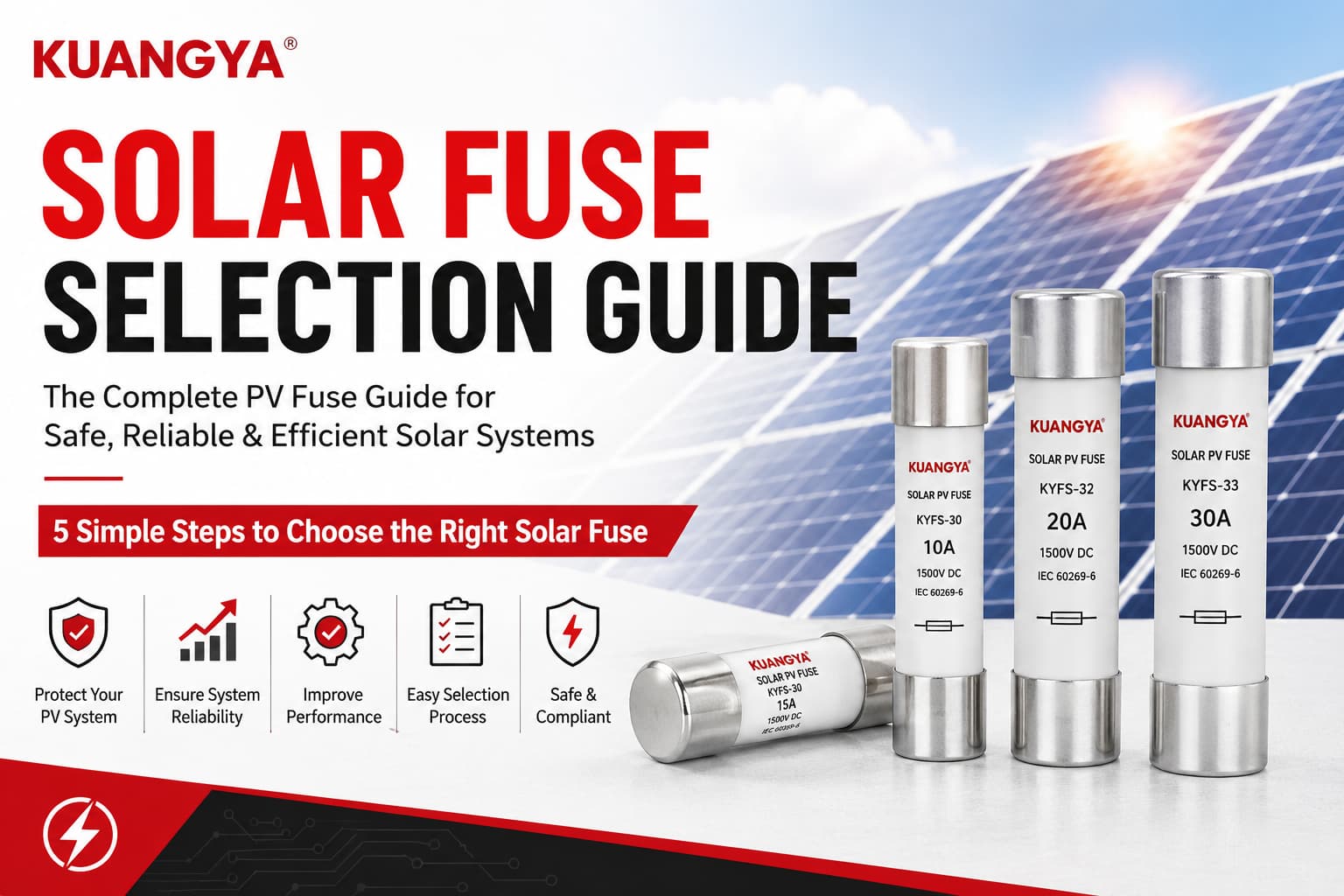
In the world of solar photovoltaic (PV) systems, safety is paramount. Whether you’re installing a rooftop solar system or managing a large-scale solar farm, the right protective devices are crucial. Among them, the solar fuse plays a vital role in preventing damage from overcurrent or fault conditions.
For many homeowners and even first-time installers, understanding how to select a solar fuse can seem complex. This guide will walk you through the process in a clear, step-by-step manner, making even the most technical concepts accessible to everyday users.
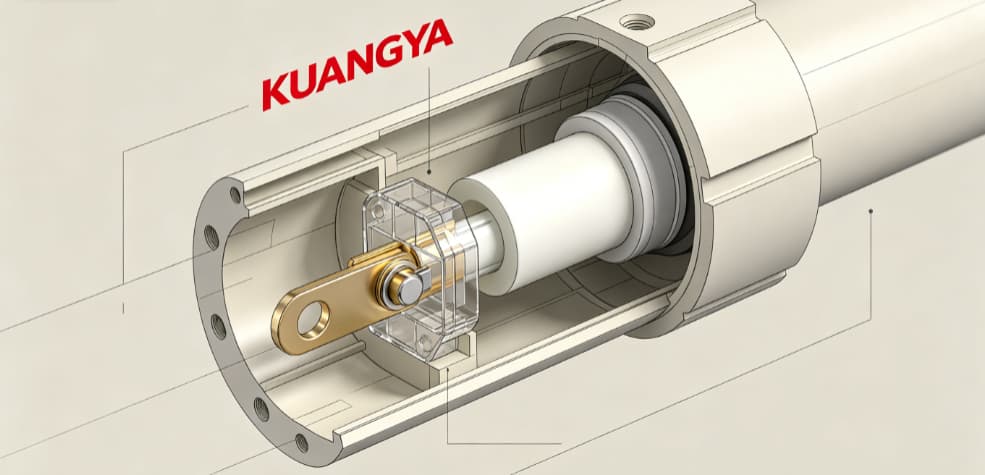
A solar fuse, often referred to as a PV fuse, is a protective device specifically designed for photovoltaic systems. Unlike general-purpose fuses, solar fuses are engineered to handle:
Key Functions of a Solar Fuse:
| Componente | Funzione |
|---|---|
| Collegamento del fusibile | Melts when current exceeds rated value |
| Alloggiamento | Contains and insulates the fuse element |
| Terminali | Connect fuse securely into the circuit |
| Arc Quenching Material | Prevents fire during fuse operation |
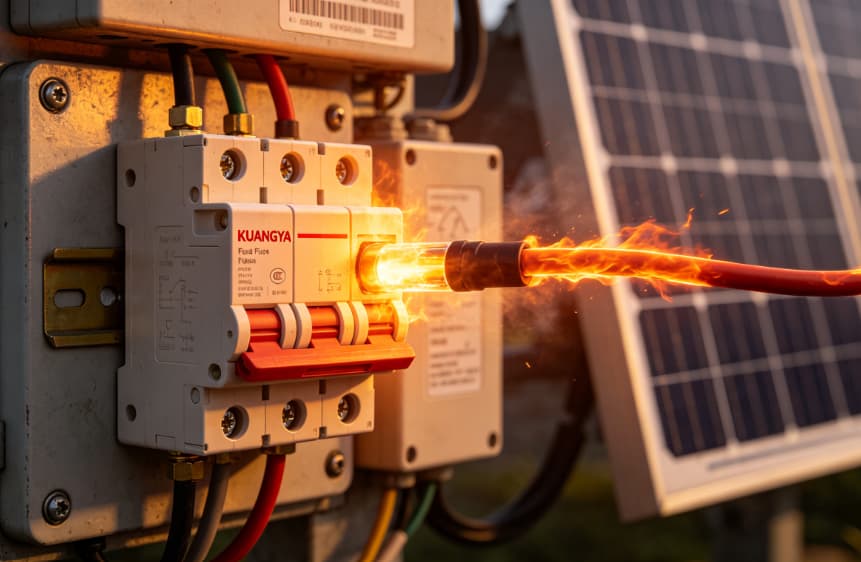
When the current exceeds the fuse’s rated value, the fuse link melts, opening the circuit and isolating the faulty section. This sacrificial action protects the rest of the system.
Scegliere il giusto solar fuse is not simply about matching numbers. Several factors influence safe and reliable operation:
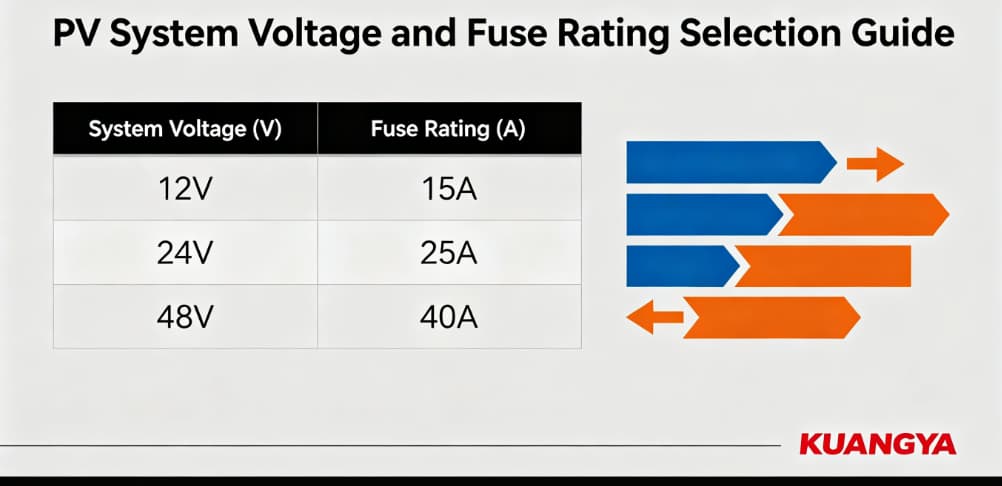
The fuse voltage rating must be equal to or higher than the PV system voltage. For example:
| PV System Voltage | Recommended Fuse Voltage |
| 24 V CC | ≥32V DC |
| 48 V CC | ≥58V DC |
| 600 V CC | ≥600V DC |
| 1000V CC | ≥1000V DC |
Il solar fuse rating should account for:
Typical Formula:
[\text{Fuse Rating} = \text{Operating Current} \times 1.25]
Example Table: Fuse Selection by String Current
| Stringa Corrente | Suggested Fuse Rating |
| 5A | 6A |
| 10A | 12.5A |
| 15A | 20A |
| 20A | 25A |
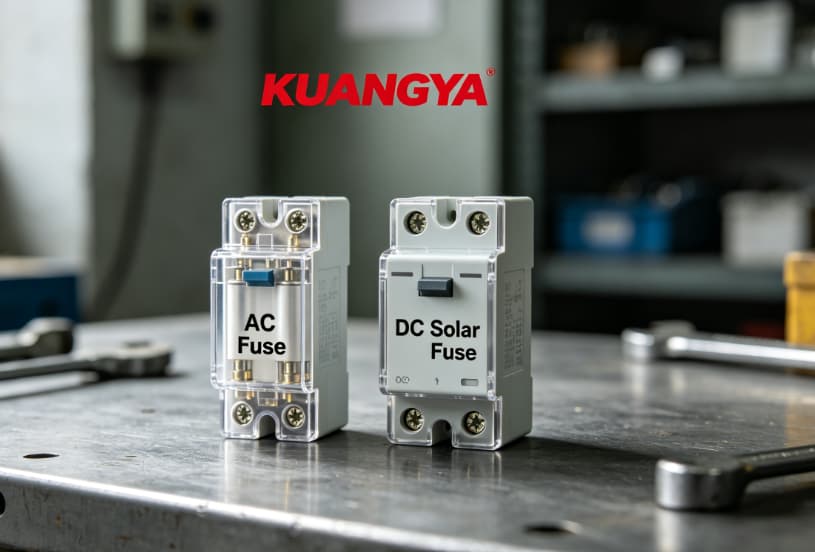
Solar fuses often come with fast-acting o time-delay options:
Consider temperature, humidity, and outdoor exposure:
| Fattore | Influence |
| Temperatura ambiente | High temps may require derating |
| Humidity & Moisture | Use IP-rated fuse holders |
| Esposizione ai raggi UV | Outdoor-rated housings prevent degradation |
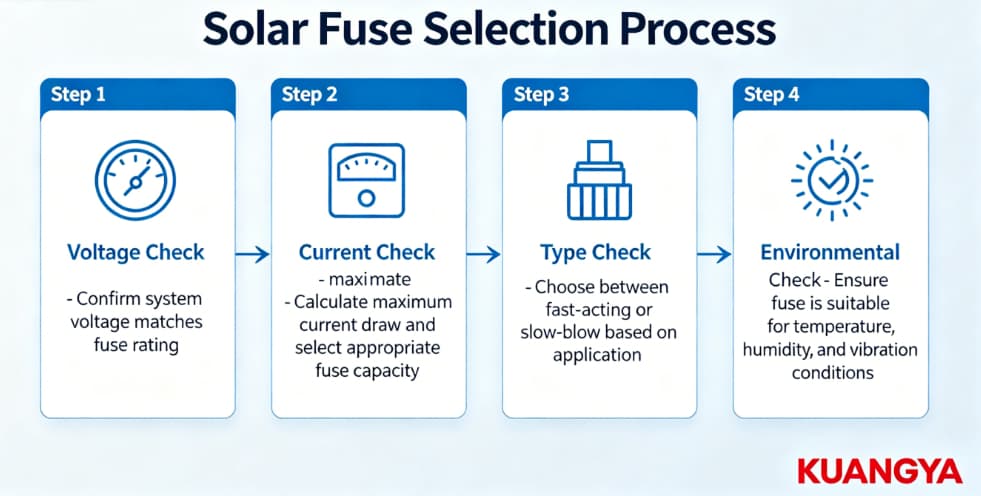
Follow these eight steps to ensure correct selection:
Risposta:
No. General-purpose fuses may not handle the DC voltage or interrupt arcs safely. Use solar-rated fuses specifically designed for PV systems.
Yes. High ambient temperatures reduce fuse carrying capacity. Always consult the fuse datasheet for derating charts.
| String Current (A) | Recommended Solar Fuse (A) | Tipo di fusibile | Note |
| 8 | 10 | gPV Fast-Acting | Standard residential |
| 12 | 15 | gPV Time-Delay | String inverter, tolerates startup |
| 18 | 20 | gPV Fast-Acting | Central inverter string protection |
| 25 | 30 | gPV Fast-Acting | Commercial rooftop PV |
| Problema | Probabile causa | Soluzione |
| Fuse blows immediately | Short circuit in PV string | Inspect wiring, check panel connections |
| Fuse blows during sunny hours | Sovraccarico | Verify string sizing, adjust inverter configuration |
| Fuse repeatedly blows | Fusibile sottodimensionato | Increase fuse rating within safety margin |
| Signs of arcing | Loose connection or corrosion | Tighten terminals, replace corroded parts |
Selezione del corretto solar fuse is essential for system safety, longevity, and efficiency. By considering:
even beginners can make informed decisions.
A properly selected fuse not only protects your solar panels but also ensures reliable energy generation and prevents costly damage. Always consult the datasheet, follow the pv fuse guide, and use KUANGYA solar fuses for professional-grade protection.
If you want to learn more about solar fuse selection and PV system protection, check out the following resources:

