Zone industrielle WengYang Yueqing Wenzhou 325000
Heures de travail
Du lundi au vendredi : de 7h00 à 19h00
Le week-end : 10H00 - 17H00
Zone industrielle WengYang Yueqing Wenzhou 325000
Heures de travail
Du lundi au vendredi : de 7h00 à 19h00
Le week-end : 10H00 - 17H00

A practical sample approval workflow for OEM buyers: match the exact DC circuit breaker model to its documents, organize evaluation evidence, and define the production reference before ordering.
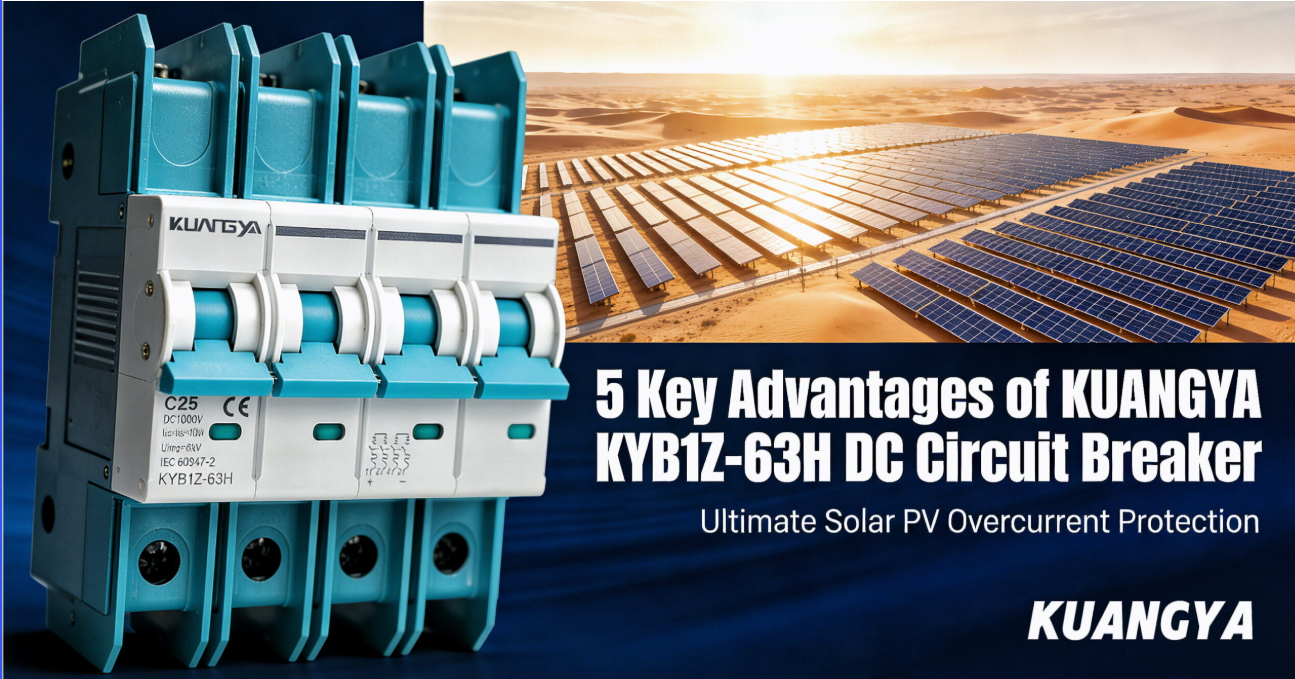
DC circuit breaker sample approval starts by confirming that its exact model, documentation, installation details and evaluation results all describe the same configuration. Then record that configuration as the reference for production orders.
A sample that fits a panel is only a starting point. OEM buyers, distributors and panel builders also need evidence that the offered device suits the intended application and that future deliveries can be checked against a documented specification.
Send the supplier a short application brief. Include the maximum DC circuit voltage, operating-current requirements, installation environment, available panel space and the protective-device requirements established by your engineering team. State whether the device is intended for a PV circuit, battery circuit or another DC application.
Record the required pole arrangement, connection diagram, current direction and auxiliary accessories. Ask the supplier to identify the exact configuration offered, including model suffixes. Do not accept a general product-family brochure as the complete sample specification.
For a starting point when comparing available configurations, browse the Kuangya DC MCB product range. Final selection should follow the exact model documentation and project requirements.
Assign every sample a reference number and keep its documents together. A simple spreadsheet can link the sample reference to the supplier model, drawing revision, evaluation record and approval decision.
| Item to request | What the buyer should record |
|---|---|
| Current datasheet | Exact model, ratings, revision and date |
| Installation instructions | Connection arrangement, polarity requirements, terminal data and mounting instructions |
| Dimension drawing | Overall size, mounting details and access space |
| Certification evidence | Issuer, reference number, covered model and rating scope |
| Relevant test evidence | Sample identity, configuration, test conditions, results and report reference |
| Marking and packaging artwork | Model identification, batch identification and artwork revision |
| Quotation | The same model and accessories as the sample, with exclusions stated |
If two documents disagree, request a corrected and consistent pack before approval. Avoid assuming that a value for another model also applies to the sample.
When a supplier claims UL certification, use the official UL Product iQ information page to locate the verification service. Compare the resulting record with the supplier identity and the offered product configuration.
For other claimed certifications, ask for the issuing body’s verification route. A logo on a catalogue or a link to a standard’s description does not establish that the supplied model is covered. If the record is unclear, ask the issuer or supplier to resolve the discrepancy.
Keep a dated record of what was checked. Where private-label branding is involved, ask how the proposed brand and model identification relate to the supporting documentation before approving artwork.
Receiving inspection can identify the wrong model, damaged packaging, missing accessories or inconsistent markings. Compare the sample with the approved drawing and document pack, and photograph the relevant identification details.
Electrical qualification is a separate engineering activity. Your qualified engineering team or testing laboratory should define the required tests, conditions and acceptance limits using the applicable product requirements and manufacturer instructions. Record which evidence comes from supplier reports and which checks were performed independently.
Do not use improvised short-circuit or high-voltage tests to qualify a sample. A basic mechanical check does not establish interrupting capacity or suitability for the intended DC circuit.
For project selection questions, also see the DC circuit breaker sizing guide.
| Review area | Evidence to retain | Reason to hold approval |
|---|---|---|
| Product identity | Model, suffixes, sample reference and photographs | Sample and quotation describe different configurations |
| Documentation | Dated datasheet, drawing and instructions | Missing or contradictory specifications |
| Installation fit | Fit-check record against the intended panel design | Mounting, access or connection details remain unresolved |
| Electrical qualification | Engineering review and required test reports | Required evidence is missing or fails agreed criteria |
| Claimed certification | Verification record for the offered scope | Model or rating coverage cannot be confirmed |
| Production consistency | Approved reference documents and change process | Supplier has not confirmed the production reference |
Use explicit outcomes such as approved for the stated configuration, on hold pending listed evidenceou rejected with reasons. Name the reviewer and date the decision.
Retain a reference sample where practical, together with its approved documents. Specify the model, accessories and document revisions in the purchase order or agreed technical attachment.
Ask the supplier to notify you before proposed changes to the approved configuration, relevant materials, markings or manufacturing arrangements. Define who reviews those changes and when a replacement sample or additional evidence is needed.
Agree on how delivery batches will be identified and which records will accompany them. Set the incoming inspection and sampling plan with your quality team; one accepted sample does not demonstrate the quality of every future unit.
Subject: DC circuit breaker sample request for OEM evaluation

Application and destination country:
Maximum DC circuit voltage:
Operating-current requirements:
Engineering-specified protection requirements:
Required pole and connection arrangement:
Current-direction requirements:
Installation environment and available space:
Required accessories and certification:
Sample quantity and estimated production quantity:
Target evaluation and delivery dates:
Branding and packaging requirements:

Please identify the exact offered model and provide the current datasheet, dimension drawing, installation instructions, certification evidence, available relevant test reports, sample cost, lead time, production quotation, batch identification and change-notification process.Select a result and enter evidence for each check. Answers are temporary: this worksheet does not submit or permanently save them. Copy your notes before leaving. Any unresolved applicable requirement keeps approval on hold; final approval requires an authorized reviewer.
On hold: Any applicable requirement remains unanswered, unsupported or inconsistent. Record the missing evidence, responsible person and due date. Do not offset an unresolved requirement with positive answers elsewhere.
Approved: The authorized reviewer has accepted all applicable requirements and identified the exact approved configuration and document revisions. For a non-applicable item, record the reason and reviewer acceptance instead of treating it as a pass.
Rejected: Record the failed requirement and whether a corrected submission or replacement sample will be considered.
Sample reference / receipt date:
Supplier / exact model and suffix:
Sample quantity / batch identification:
Intended application / project:
Datasheet, drawing and instruction revisions:
Inspection photographs and file references:
Requirement / evidence reference / result:
Open issue / responsible person / due date:
Engineering review and test report references:
Certification verification reference, scope and date:
Non-applicable items and accepted reasons:
Final decision: ON HOLD / APPROVED / REJECTED
Approved configuration and exclusions:
Reviewer / role / decision date:
Production order and change-control reference:
This checklist is a purchasing and documentation aid. It does not replace engineering assessment, required testing or applicable certification requirements.
Illustrative documentation example: The quotation names model A, but the sample label names model A-X and the supplied drawing only covers model A. Even if the current rating looks identical, record the discrepancy and keep the submission on hold. Request documents covering A-X and have the reviewer confirm the intended configuration before releasing the production order. This example is not a test result or a claim about any Kuangya model.
Base the quantity on the evaluation plan, the configurations being considered and whether any tests consume or damage samples. Agree the quantity with your engineering or testing team before ordering.
Do not assume that it does. Record exactly which models and configurations the approval covers, and require an engineering basis for extending it to other ratings or accessories.
Send the application brief and completed request template, including unresolved engineering questions. Review the DC MCB range and email info@cnkuangya.com with the subject DC circuit breaker sample enquiry. Ask for confirmation of the exact model, supporting documents, sample cost and delivery time before ordering.

