Zone industrielle WengYang Yueqing Wenzhou 325000
Heures de travail
Du lundi au vendredi : de 7h00 à 19h00
Le week-end : 10H00 - 17H00
Zone industrielle WengYang Yueqing Wenzhou 325000
Heures de travail
Du lundi au vendredi : de 7h00 à 19h00
Le week-end : 10H00 - 17H00

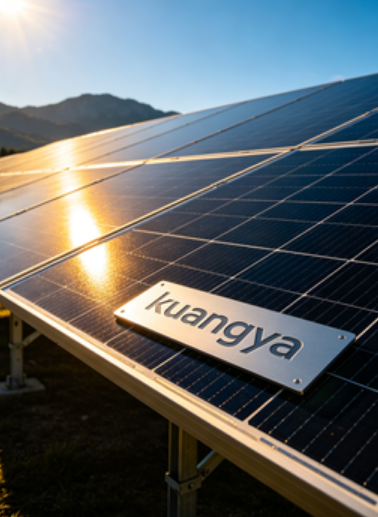
In a world where energy costs are skyrocketing and environmental concerns are more pressing than ever, solar PV (photovoltaic) has emerged as a game-changer for both homeowners and business owners. Solar PV isn’t just a “green trend”—it’s a practical, cost-saving solution that transforms sunlight into usable electricity, powering everything from your morning coffee maker to entire manufacturing plants. Whether you’re tired of unpredictable utility bills, want to reduce your carbon footprint, or simply want to take control of your energy supply, solar PV has an application that fits your needs. In this comprehensive guide, we’ll break down 12 life-changing solar PV applications, share real-life stories of how solar PV has transformed lives, answer the most common questions, and show you why partnering with a trusted provider like www.cnkuangya.com (internal link to our homepage) is the key to unlocking solar PV’s full potential. For more industry insights, check out the International Renewable Energy Agency (IRENA) (DoFollow external link to global renewable energy authority).
Before we dive into the applications, let’s start with the basics: solar PV, short for photovoltaic, is the technology that converts sunlight directly into electricity using solar panels. Unlike traditional energy sources that rely on burning fossil fuels, solar PV generates clean, renewable energy with zero emissions, zero noise, and minimal maintenance. What makes solar PV so powerful is its versatility—from small residential setups to large-scale commercial systems, solar PV can adapt to nearly any energy need. And with advancements in technology, solar PV systems are more efficient and affordable than ever before, making them accessible to more people than just a decade ago. To learn more about the science behind solar PV, visit the National Renewable Energy Laboratory (NREL) (DoFollow external link to leading solar research institute).
If you’re new to solar PV, you might be wondering: how do I know if solar PV is right for me? The answer is simple: if you have access to sunlight (which most of us do!), solar PV can work for you. From urban apartments to rural farms, from small startups to large corporations, solar PV has proven to be a reliable, cost-effective energy solution. And with the support of experts at www.cnkuangya.com/solar-pv-systems (internal link to our solar PV systems product page), you can find the perfect solar PV system for your unique needs, whether you’re looking to power a single appliance or an entire building.
For homeowners, residential solar PV is one of the most popular and impactful applications of solar technology. A typical residential solar PV system consists of solar panels installed on the roof (or ground, if space allows), an inverter to convert DC electricity to AC, and a monitoring system to track energy production. The best part? Residential solar PV lets you generate your own electricity, reducing or even eliminating your reliance on the utility grid. For detailed guidelines on residential solar PV installation, refer to U.S. Department of Energy’s Residential Solar Guide (DoFollow external link to authoritative energy resource).
Take Sarah, a homeowner in California, for example. Sarah installed a 6kW solar PV system on her roof in 2024, and the results were life-changing. Before solar PV, her monthly electricity bills averaged $220—during the hot summer months, they often spiked to $300 or more. After installing solar PV, her bills dropped to an average of $35 per month, and she even earns credits for the excess electricity her solar PV system generates (thanks to net metering). “Solar PV didn’t just save me money,” Sarah says. “It gave me peace of mind knowing I’m not contributing to fossil fuel emissions, and I’m no longer at the mercy of utility rate hikes.” Learn more about net metering policies in your area via Association des industries de l'énergie solaire (SEIA) (DoFollow external link to industry association).
Residential solar PV systems are highly customizable, so you can choose a size that fits your energy needs and budget. A small 3kW system might be perfect for a small home or apartment, while a 10kW system can power a large family home with multiple appliances, including air conditioners, refrigerators, and electric vehicles. And with a lifespan of 25-30 years, a residential solar PV system is a long-term investment that pays off for decades. To learn more about residential solar PV systems and get a free quote, visit www.cnkuangya.com (internal link to residential solar PV page).
Another benefit of residential solar PV is its ability to increase your home’s value. Studies show that homes with solar PV systems sell 20% faster and for 15% more than homes without them. This means that not only do you save money on electricity while you live in your home, but you also get a higher return on investment when you sell it. For homeowners looking to build equity and reduce their carbon footprint, solar PV is a win-win. For more data on solar PV and home value, check outZillow’s Solar PV Home Value Report (DoFollow external link to real estate data authority).
For rural homeowners and farmers, solar PV is more than a convenience—it’s a lifeline. Many rural areas lack access to the main utility grid, or the cost of connecting to the grid is prohibitively expensive. Solar PV systems, especially when paired with battery storage, provide a reliable, off-grid energy solution that powers homes, farms, and barns without relying on fossil fuels. Explore off-grid solar PV best practices from Solar Power World (DoFollow external link to solar industry publication).
John, a farmer in Iowa, knows this firsthand. He lives on a 200-acre farm that’s 10 miles from the nearest utility line. Before installing solar PV, he relied on a diesel generator to power his home and farm equipment, which cost him $500 per month in fuel and maintenance. In 2023, he installed a 8kW solar PV system with battery storage, and his life changed overnight. “The solar PV system powers my home, my barn, and all my farm equipment—from my tractor to my irrigation pumps,” John says. “I no longer have to worry about running out of diesel, and I save over $6,000 per year. It’s been a game-changer for my farm.”
Solar PV for rural homes and farms is designed to be durable and low-maintenance, making it perfect for remote locations. The solar panels can withstand harsh weather conditions, from heavy snow to strong winds, and the battery storage systems ensure that you have electricity even when the sun isn’t shining (like at night or on cloudy days). For rural families and farmers, solar PV provides independence, cost savings, and a reliable energy source that supports their way of life. To explore off-grid solar PV solutions for rural properties, visit www.cnkuangya.com (internal link to off-grid solar PV page).
In addition to powering homes and equipment, solar PV can also be used to power water pumps for irrigation, which is critical for farmers. Solar-powered water pumps are more efficient than diesel pumps, require less maintenance, and don’t produce any emissions. This not only saves farmers money but also helps conserve water and reduce their environmental impact. For more on solar irrigation systems, visit Food and Agriculture Organization (FAO) Solar Irrigation Guide (DoFollow external link to UN agency resource).
Many people assume that solar PV is only for homeowners with their own roofs, but that’s not true. Solar PV has applications for apartment dwellers and condo owners too, thanks to community solar PV and portable solar PV systems. Community solar PV allows multiple households to share a single solar PV system, while portable solar PV systems are small enough to use on balconies or windowsills. Learn more about community solar from U.S. Department of Energy’s Community Solar Basics (DoFollow external link).
Lisa, a renter in New York City, uses a portable solar PV panel on her balcony to power her phone, laptop, and small appliances like her coffee maker and humidifier. “I can’t install solar panels on the roof of my apartment building, but the portable solar PV panel lets me generate my own electricity without making any permanent changes,” Lisa says. “It saves me about $20 per month on my electricity bill, and it’s easy to take with me if I move. Plus, it’s a great way to reduce my carbon footprint while living in the city.”
Community solar PV is another great option for apartment and condo dwellers. With community solar PV, a solar PV system is installed in a central location (like a nearby field or rooftop), and multiple households subscribe to the system. Each subscriber receives credits on their electricity bill based on how much energy the system generates. This allows renters and condo owners to enjoy the benefits of solar PV without having to install panels on their own property.
Whether you’re a renter or a condo owner, there’s a solar PV solution for you. Portable solar PV systems are affordable and easy to use, while community solar PV provides a cost-effective way to access clean energy. To learn more about solar PV options for apartments and condos, visit www.cnkuangya.com(internal link to portable solar PV page) and speak with one of our experts.
For businesses of all sizes, solar PV is a smart investment that reduces operating costs, improves brand reputation, and helps meet sustainability goals. Commercial solar PV systems are larger than residential systems, but they offer even greater cost savings because businesses use more electricity than homes. From small retail stores to large office buildings, solar PV can power lighting, heating, cooling, and all other business operations. For commercial solar PV best practices, refer to U.S. EPA’s Commercial Solar PV Guide (DoFollow external link to environmental authority).
Take a look at GreenMart, a small grocery store in Oregon. In 2025, they installed a 15kW solar PV system on their roof, and the results were impressive. Before solar PV, their monthly electricity bills averaged $1,200. After installation, their bills dropped to $300 per month, saving them over $10,000 per year. “The solar PV system has been a huge financial win for our business,” says the store’s owner, Mike. “It not only saves us money, but it also attracts customers who care about sustainability. We’ve seen a 10% increase in sales since we started promoting our solar PV system.”
Large commercial buildings, like office towers and manufacturing plants, can benefit even more from solar PV. A 100kW solar PV system can power an entire office building, reducing electricity costs by 50-70%. Many large corporations, including Google, Apple, and Walmart, have invested heavily in solar PV, not only to save money but also to meet their sustainability goals. For businesses looking to reduce their carbon footprint and improve their bottom line, solar PV is a no-brainer. Learn how major corporations use solar PV from SEIA’s Corporate Solar Initiative (DoFollow external link).
Commercial solar PV systems also offer tax incentives and rebates, which can further reduce the cost of installation. In the United States, the federal solar investment tax credit (ITC) covers 30% of the cost of a commercial solar PV system, and many states offer additional incentives. This makes solar PV an even more affordable investment for businesses. To learn more about commercial solar PV solutions and available incentives, visitwww.cnkuangya.com/commercial-solar-pv (internal link to commercial solar PV page).
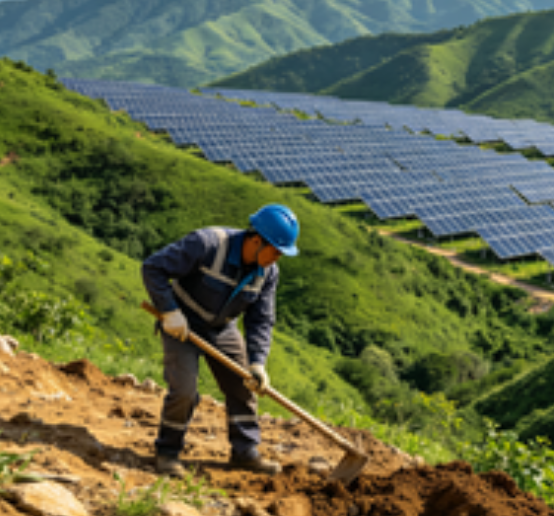
Industrial facilities, such as factories, warehouses, and manufacturing plants, use massive amounts of electricity to power heavy machinery, assembly lines, and other equipment. Solar PV is an ideal solution for these facilities, as it can generate large amounts of clean energy to meet their high energy demands. Industrial solar PV systems are often installed on rooftops, parking lots (as solar canopies), or on unused land adjacent to the facility. For industrial solar PV standards, check out International Energy Agency (IEA) Industrial Solar PV Report (DoFollow external link).
A great example is a manufacturing plant in Texas that produces automotive parts. In 2024, they installed a 500kW solar PV system on their rooftop and parking lot, which now powers 40% of their operations. Before solar PV, the plant spent over $100,000 per year on electricity. After installation, their electricity costs dropped by $40,000 per year, and they reduced their carbon emissions by 500 tons annually. “Solar PV has not only saved us money but also helped us meet our sustainability goals,” says the plant’s operations manager. “It’s a win for our business and the environment.”
Industrial solar PV systems are designed to be durable and reliable, even in harsh industrial environments. They can withstand high temperatures, dust, and vibrations, ensuring that they continue to generate electricity for decades. Additionally, many industrial solar PV systems are paired with battery storage, which allows facilities to store excess energy for use during peak demand or power outages. This ensures that operations continue uninterrupted, even if the grid goes down.
For industrial facilities looking to reduce their energy costs and carbon footprint, solar PV is a smart investment. With the help of experts at www.cnkuangya.com , you can design a custom solar PV system that meets your facility’s unique energy needs and budget.
Solar PV isn’t just for homes and businesses—it’s also perfect for outdoor enthusiasts, campers, hikers, and anyone who needs electricity on the go. Portable solar PV panels are lightweight, compact, and easy to carry, making them ideal for camping trips, hiking adventures, and even road trips. These panels can power phones, cameras, laptops, camping lights, and other small devices, ensuring that you stay connected even when you’re off the grid. For tips on choosing portable solar PV, visit Backpacker Magazine’s Portable Solar Guide (DoFollow external link).
Mark, an avid camper, takes his portable solar PV panel on every camping trip. “Before I had a portable solar PV panel, I would have to bring extra batteries for my phone, camera, and camping lights, which would always run out by the end of the trip,” Mark says. “Now, I just set up the solar PV panel in the sun, and it charges all my devices throughout the day. It’s made my camping trips much more enjoyable and convenient.”
Portable solar PV panels come in a variety of sizes, from small panels that fit in a backpack to larger panels that can power a tent or RV. Some portable solar PV systems even come with built-in battery storage, so you can store energy for use at night or on cloudy days. This is perfect for campers who want to power small appliances like mini-fridges or portable stoves.
In addition to camping and hiking, portable solar PV is also used for outdoor events, such as music festivals, tailgates, and outdoor weddings. These events often require electricity for sound systems, lighting, and food vendors, and portable solar PV provides a clean, quiet, and reliable energy source. To explore our range of portable solar PV products, visit www.cnkuangya.com(internal link to portable solar panels product page).
As electric vehicles (EVs) become more popular, solar PV has become an essential companion for EV owners. Solar PV can power EV charging stations, allowing you to charge your EV with clean, renewable energy instead of electricity from the grid (which often comes from fossil fuels). This not only saves you money on EV charging costs but also reduces your carbon footprint. Learn about solar PV and EV charging integration from U.S. Department of Energy’s Solar EV Charging Guide (DoFollow external link).
Emily, an EV owner in Florida, installed a residential solar PV system with an EV charging station in her garage. “Before solar PV, I was paying about $50 per month to charge my EV,” Emily says. “Now, I charge my EV using electricity from my solar PV system, so I pay almost nothing. It’s like getting free fuel for my car! Plus, I know that the energy I’m using is clean and sustainable.”
Solar PV-powered EV charging stations are available for both residential and commercial use. Residential EV charging stations are small enough to install in a garage or driveway, while commercial EV charging stations can be installed in parking lots, shopping centers, and office buildings. Many businesses are installing solar PV-powered EV charging stations to attract customers and employees who drive EVs.
In addition to saving money, solar PV-powered EV charging also provides energy independence. If the grid goes down, you can still charge your EV using your solar PV system (if paired with battery storage). This is especially useful during natural disasters or power outages. To learn more about solar PV-powered EV charging solutions, visit www.cnkuangya.com(internal link to solar EV charging page).
Schools and educational institutions are increasingly turning to solar PV to reduce their energy costs and teach students about sustainability. Solar PV systems installed on school rooftops or grounds not only power the school’s lights, classrooms, and offices but also serve as a hands-on educational tool for students. For resources on solar PV in schools, visit Solar4Schools (DoFollow external link to educational solar initiative).
Lincoln Elementary School in Colorado installed a 20kW solar PV system in 2023, and it’s been a huge success. The system saves the school over $8,000 per year on electricity bills, which has been used to fund new textbooks and classroom supplies. Additionally, the school uses the solar PV system as part of its science curriculum, teaching students about renewable energy, solar technology, and sustainability.
“The solar PV system has been a great educational tool for our students,” says the school’s principal. “They love watching the energy production monitor and learning how sunlight is converted into electricity. It’s helping them develop a passion for sustainability and environmental stewardship.”
Solar PV for schools also helps reduce the school’s carbon footprint, setting an example for students and the community. Many schools have found that installing solar PV systems also improves their reputation in the community, as parents and residents appreciate the school’s commitment to sustainability. To learn more about solar PV solutions for schools and educational institutions, visit www.cnkuangya.com(internal link to solar PV for schools page).
Healthcare facilities, such as hospitals, clinics, and nursing homes, require reliable electricity to power life-saving equipment, such as ventilators, heart monitors, and refrigerators for medications. Solar PV, when paired with battery storage, provides a backup power source that ensures these facilities can continue operating even during power outages. For guidelines on solar PV in healthcare, refer to World Health Organization (WHO) Solar PV for Healthcare Facilities (DoFollow external link to global health authority).
A small clinic in rural Africa relies on a solar PV system with battery storage to power its equipment. Before solar PV, the clinic relied on a diesel generator, which often ran out of fuel, leaving patients without access to critical care. Now, the solar PV system provides reliable electricity 24/7, ensuring that the clinic can treat patients even when the grid is down. “Solar PV has saved lives in our community,” says the clinic’s doctor. “It’s a reliable, sustainable solution that ensures we can provide care to those who need it most.”
In developed countries, healthcare facilities use solar PV to reduce their energy costs and improve their sustainability. Hospitals are large energy users, and solar PV can help them save millions of dollars per year on electricity bills. Additionally, solar PV provides a backup power source that ensures critical equipment continues to operate during power outages, which is essential for patient safety.
For healthcare facilities, solar PV is more than a cost-saving solution—it’s a life-saving one. To learn more about solar PV solutions for healthcare facilities, visit www.cnkuangya.com (internal link to solar PV for healthcare page) and speak with our team of experts.
Agriculture is one of the largest energy users in the world, and solar PV is helping farmers reduce their energy costs and improve their operations. Solar PV can power irrigation systems, farm equipment, barns, and homes, making it an essential tool for modern farmers. For agricultural solar PV resources, visit U.S. Department of Energy’s Solar Agriculture Guide (DoFollow external link).
Maria, a farmer in Spain, uses a solar PV system to power her irrigation pumps. “Before solar PV, I spent hundreds of euros per month on electricity to power my irrigation system,” Maria says. “Now, the solar PV system powers the pumps for free, which has saved me a lot of money. It also ensures that my crops get the water they need, even during power outages. My crop yields have increased by 15% since I installed the solar PV system.”
Solar PV can also be used to power greenhouses, which require a constant supply of electricity for heating, cooling, and lighting. Solar-powered greenhouses are more efficient than traditional greenhouses, as they use clean energy to maintain optimal growing conditions. This not only saves farmers money but also helps produce healthier crops.
Another agricultural application of solar PV is solar-powered fencing, which is used to keep livestock in and predators out. Solar-powered fencing is more reliable than traditional fencing, as it doesn’t rely on the grid. It’s also easier to install and maintain, making it perfect for remote farms.
For farmers looking to reduce their energy costs and improve their operations, solar PV is a smart investment. To explore solar PV solutions for agriculture, visitwww.cnkuangya.com(internal link to solar PV for agriculture page).
Natural disasters, such as hurricanes, earthquakes, and wildfires, often cause power outages that can last for days or even weeks. Solar PV, especially portable solar PV systems and solar PV with battery storage, provides emergency power that can save lives and help communities recover. Learn about solar PV in disaster relief from American Red Cross Solar Disaster Relief (DoFollow external link).
After Hurricane Ian hit Florida in 2022, many communities were left without power for weeks. Portable solar PV systems were used to power emergency shelters, providing electricity for lighting, refrigeration (for food and medications), and charging stations for phones and other devices. “The solar PV systems were a lifeline for our community,” says a local emergency responder. “They allowed us to provide critical services to those affected by the hurricane, even when the grid was down.”
Solar PV is also used in disaster-prone areas to provide permanent backup power for critical infrastructure, such as water treatment plants, fire stations, and emergency services. This ensures that these facilities can continue operating during power outages, helping to protect lives and property.
Portable solar PV systems are lightweight and easy to transport, making them ideal for disaster relief efforts. They can be set up quickly, providing emergency power within hours of a disaster. To learn more about solar PV solutions for disaster relief, visit www.cnkuangya.com
Millions of people around the world live in remote communities that lack access to the main utility grid. Solar PV is helping to bring electricity to these underserved areas, improving quality of life and supporting economic development. Solar PV systems are often the most cost-effective way to provide electricity to remote communities, as they don’t require expensive grid infrastructure. For remote community solar PV case studies, visit IRENA’s Remote Community Solar PV News (DoFollow external link).
A remote village in Kenya installed a community solar PV system in 2023, bringing electricity to over 500 people for the first time. The system powers homes, schools, and small businesses, allowing villagers to charge phones, use electric lights (replacing kerosene lamps), and run small appliances. “Electricity has changed our lives,” says a village elder. “Our children can study at night, our businesses can stay open longer, and we no longer have to breathe in harmful kerosene fumes.”
Solar PV for remote communities is often paired with battery storage, ensuring that electricity is available even when the sun isn’t shining. These systems are designed to be low-maintenance, so they can be operated by community members with minimal training. Additionally, solar PV systems help reduce reliance on fossil fuels, which are often expensive and difficult to transport to remote areas.
For remote communities, solar PV is more than just electricity—it’s a tool for empowerment. It helps improve education, healthcare, and economic opportunities, making it a critical component of sustainable development. To learn more about solar PV solutions for remote communities, visit www.cnkuangya.com
There are several types of solar PV systems, each designed for different applications and needs. Understanding the different types can help you choose the perfect solar PV system for your home, business, or project. The table below outlines the most common types of solar PV systems, their features, and their ideal applications:
| Solar PV System Type | Caractéristiques principales | Ideal Application | Meilleur pour |
| Grid-Tied Solar PV System | Connected to the utility grid; excess energy is sent back to the grid for credits; no battery storage (optional) | Residential homes, commercial buildings, schools | Homeowners and businesses with access to the grid who want to reduce electricity bills |
| Off-Grid Solar PV System | Not connected to the grid; paired with battery storage to store excess energy; fully independent | Rural homes, farms, remote communities, camping | People and businesses without access to the grid or who want complete energy independence |
| Hybrid Solar PV System | Connected to the grid and paired with battery storage; uses both grid electricity and solar energy; provides backup power | Residential homes, commercial buildings, healthcare facilities | Homeowners and businesses who want backup power and energy independence |
| Portable Solar PV System | Lightweight, compact, easy to transport; small size; often includes built-in battery storage | Camping, hiking, road trips, outdoor events, disaster relief | Outdoor enthusiasts, travelers, emergency responders |
| Community Solar PV System | Shared solar PV system; multiple households/businesses subscribe to the system; no on-site installation | Apartments, condos, renters, small businesses | People and businesses who can’t install solar panels on their own property |
Choosing the right solar PV system depends on your energy needs, budget, and access to the grid. Our experts at www.cnkuangya.com(internal link to solar PV consultation page) can help you assess your needs and recommend the perfect solar PV system for you.
We understand that you may have questions about solar PV, so we’ve compiled the most common questions and answers to help you make an informed decision. For more FAQs, visit SEIA’s Solar PV FAQ Page (DoFollow external link).
The cost of a solar PV system varies depending on the size, type, and installation location. A residential solar PV system typically costs between $10,000 and $30,000, while a commercial solar PV system can cost between $50,000 and $500,000 or more. However, tax incentives, rebates, and financing options can significantly reduce the cost. For a free, custom quote, visit www.cnkuangya.com .
The amount of electricity a solar PV system generates depends on several factors, including the size of the system, the amount of sunlight it receives, and the efficiency of the solar panels. A typical residential 6kW solar PV system generates between 8,000 and 10,000 kWh per year, which is enough to power a large family home. A commercial 100kW solar PV system can generate between 120,000 and 150,000 kWh per year. You can use our solar PV calculator at www.cnkuangya.com to estimate how much electricity a solar PV system would generate for your property.
Most solar PV systems have a lifespan of 25-30 years. Solar panels are designed to be durable and can withstand harsh weather conditions, such as heavy snow, strong winds, and hail. The inverter, which converts DC electricity to AC, typically lasts 10-15 years and can be replaced when needed. With proper maintenance, a solar PV system can continue to generate electricity for decades. For more on solar PV lifespan, check out NREL’s Solar PV Lifespan Study (DoFollow external link).
Yes, solar PV systems work on cloudy days, but their efficiency is reduced. Solar panels generate electricity from sunlight, not heat, so even on cloudy days, there is enough sunlight to generate electricity—just not as much as on sunny days. On average, solar PV systems generate 20-30% of their maximum output on cloudy days. Some solar panels, like thin-film solar panels, are more efficient in low-light conditions than others. Learn more about solar PV performance in low light fromSolar Reviews (DoFollow external link).
Battery storage is not required for grid-tied solar PV systems, but it is highly recommended for off-grid and hybrid systems. Battery storage allows you to store excess energy generated by your solar PV system for use at night or on cloudy days. It also provides backup power during power outages. If you want energy independence or backup power, battery storage is a great addition to your solar PV system. Our experts at www.cnkuangya.com can help you determine if battery storage is right for you.
Yes, there are several tax incentives and rebates available for solar PV systems. In the United States, the federal solar investment tax credit (ITC) covers 30% of the cost of a solar PV system for both residential and commercial properties. Many states also offer additional incentives, such as tax credits, rebates, and net metering (which allows you to earn credits for excess energy sent back to the grid). To learn more about available incentives in your area, visit www.cnkuangya.com.
Solar PV systems require minimal maintenance. Solar panels should be cleaned once or twice a year to remove dirt, dust, and debris, which can reduce efficiency. The inverter should be inspected annually to ensure it is working properly. Most solar PV system providers offer maintenance plans to help keep your system running smoothly. At www.cnkuangya.com, we offer comprehensive maintenance plans to ensure your solar PV system operates at peak efficiency for years to come.
While it is possible to install a small solar PV system yourself, we recommend hiring a professional installer for larger systems. Professional installers have the knowledge, experience, and tools to ensure your solar PV system is installed safely and correctly. Improper installation can reduce the efficiency of your system, void warranties, and even pose safety hazards. Our team of professional installers at www.cnkuangya.comcan install your solar PV system quickly and efficiently. For DIY solar PV guidelines, visit U.S. Department of Energy’s DIY Solar Guide (DoFollow external link).
Solar PV is more than just a renewable energy source—it’s a life-changing technology that can save you money, reduce your carbon footprint, and give you control over your energy supply. Whether you’re a homeowner looking to slash your electricity bills, a business owner looking to reduce operating costs, or someone who wants to make a positive impact on the environment, solar PV has an application that fits your needs. For the latest solar PV industry trends, visit IRENA’s Solar PV Page (DoFollow external link).
With 12 life-changing applications, from residential homes to remote communities, solar PV is transforming the way we generate and use electricity. And with the support of experts at www.cnkuangya.com, you can unlock the full potential of solar PV and start enjoying the benefits today.
Don’t wait—take the first step toward a cleaner, more sustainable future by investing in solar PV. Visit www.cnkuangya.com today to get a free quote, learn more about our solar PV solutions, and start your solar journey. Your wallet, your community, and the planet will thank you.

