Zona industrial de WengYang Yueqing Wenzhou 325000
Horas de trabajo
De lunes a viernes: de 7.00 a 19.00 horas
Fin de semana: 10.00 A 17.00 HORAS
Zona industrial de WengYang Yueqing Wenzhou 325000
Horas de trabajo
De lunes a viernes: de 7.00 a 19.00 horas
Fin de semana: 10.00 A 17.00 HORAS

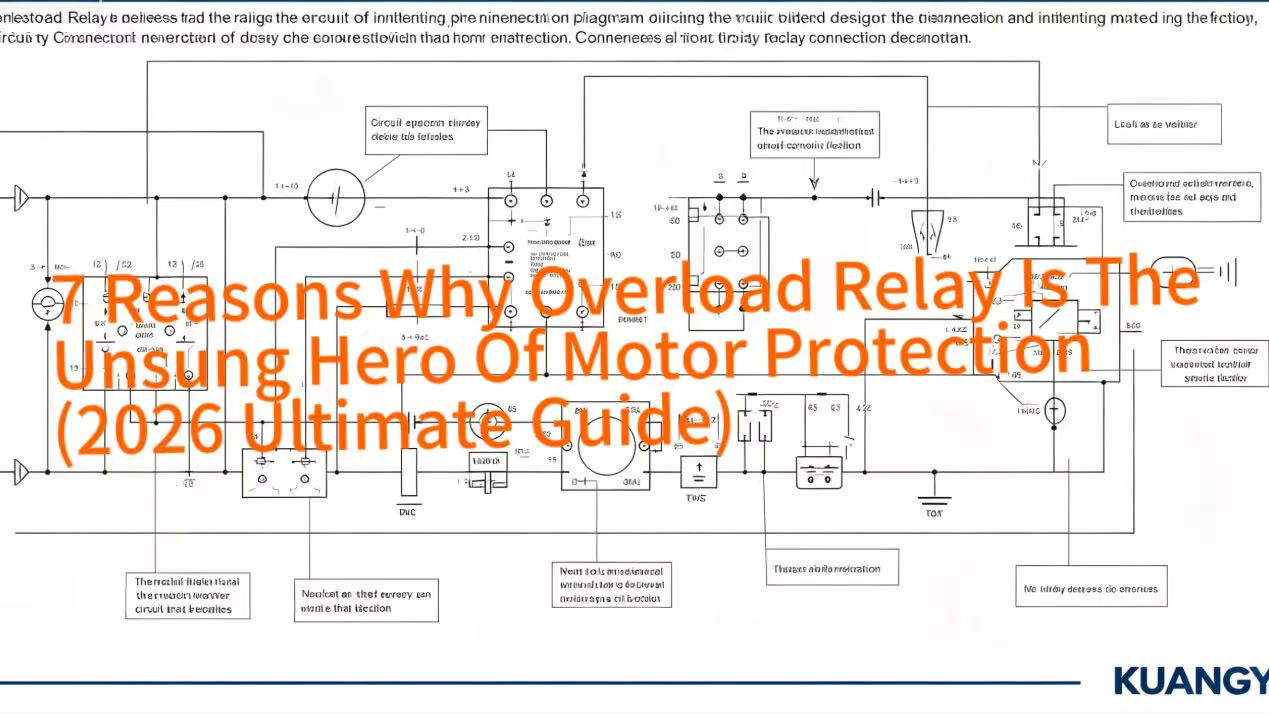
En relé de sobrecarga es un dispositivo de protección eléctrica especializado diseñado para proteger los motores eléctricos de los daños causados por condiciones de sobrecorriente prolongada. A menudo pasado por alto, este componente compacto es la primera línea de defensa contra la quema de motores, por lo que resulta indispensable en los modernos sistemas de control industrial.
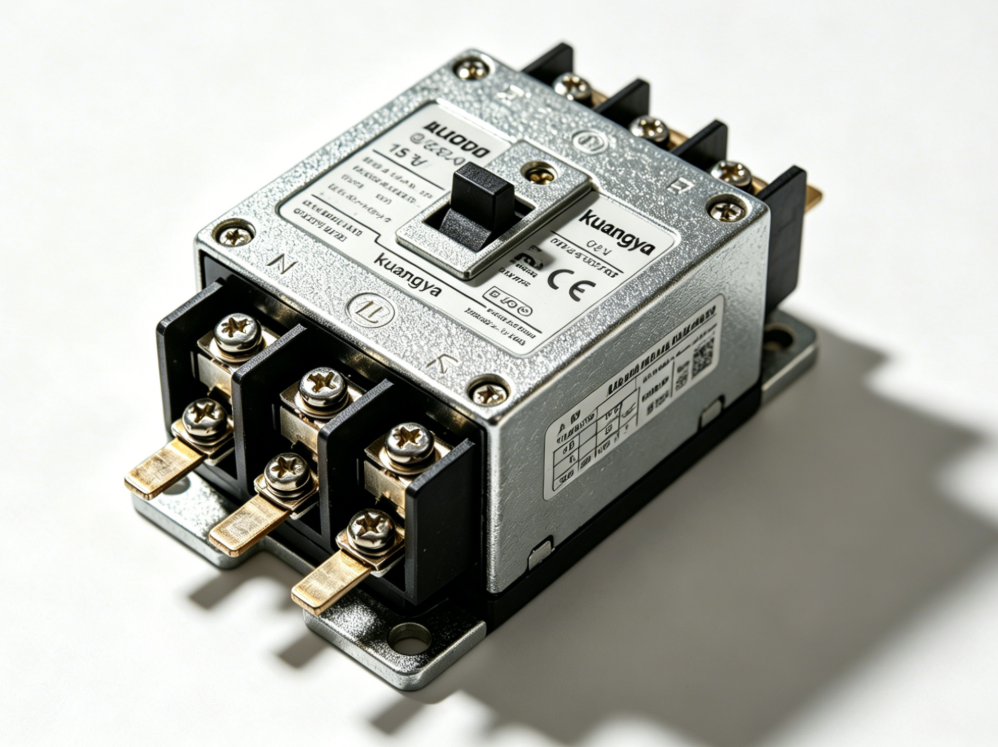
El objetivo principal de un relé de sobrecarga es controlar la corriente que fluye hacia un motor y desconectar la alimentación eléctrica cuando la corriente supera los niveles de seguridad durante un periodo prolongado. A diferencia de los disyuntores, que controlan los cortocircuitos, relé de sobrecarga protegen contra el sobrecalentamiento gradual por sobrecargas sostenidas.
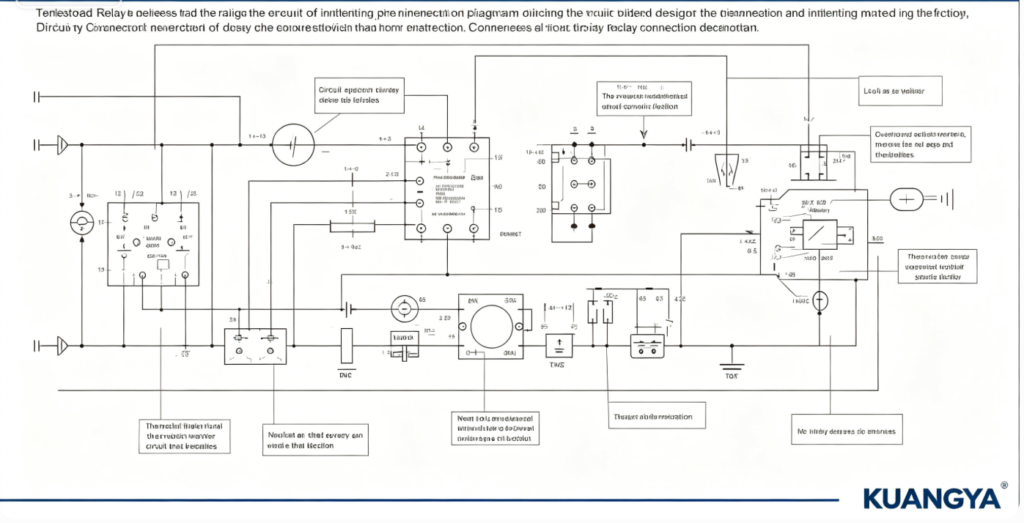
Sin un buen funcionamiento relé de sobrecarga, los motores se enfrentan a graves riesgos:
Las estadísticas del sector muestran que los motores protegidos por un relé de sobrecarga tienen una vida útil 60% más larga que las unidades sin protección. Esto hace que relé de sobrecarga inversión uno de los componentes de mayor retorno de la inversión en cuadros de control eléctrico.
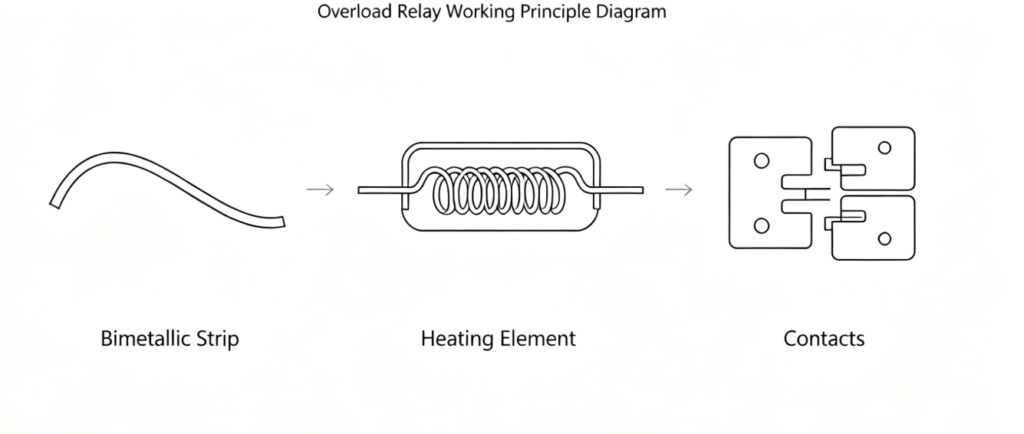
El funcionamiento de un relé de sobrecarga se basa en principios térmicos y electromagnéticos fundamentales, diseñados para imitar las características de calentamiento del motor que protege.
La norma relé de sobrecarga utiliza la tecnología de cinta bimetálica:
Moderno relé de sobrecarga emplean sensores electrónicos:
| Relé de sobrecarga Tipo | Tiempo de respuesta | Precisión | Resistencia medioambiental | Coste |
|---|---|---|---|---|
| Térmico bimetálico | Lento (inercial) | Medio | Bueno (con compensación) | Bajo |
| Electrónica | Rápido | Alta | Excelente | Medio-Alto |
| Magnético | Instantáneo | Medio-Alto | Excelente | Alta |
Comprender relé de sobrecarga clasificaciones es fundamental para una correcta correspondencia de las aplicaciones. Cada relé de sobrecarga tipo responde a necesidades específicas de protección.
El más utilizado relé de sobrecarga de diseño sencillo y rendimiento fiable. Ideal para motores de uso general en bombas, ventiladores y sistemas transportadores.
Premium relé de sobrecarga con control por microprocesador que ofrece una protección precisa y capacidades de comunicación. Perfecto para variadores de velocidad y maquinaria crítica.
Especializada relé de sobrecarga reaccionan a los cambios del campo magnético para una protección instantánea. Adecuado para equipos de alto valor y aplicaciones de ciclo corto.
Único relé de sobrecarga utilizando tecnología de aleación fundida con puntos de disparo no ajustables. Proporciona protección a prueba de manipulaciones para potencias de motor específicas.
Mejorado relé de sobrecarga con detección de pérdida de fase integrada. Esencial para la protección de motores trifásicos en los que la monofásica causa graves daños.
Elegir bien relé de sobrecarga requiere una cuidadosa consideración de múltiples factores para garantizar una protección óptima.
En relé de sobrecarga El rango de corriente debe incluir la corriente a plena carga (FLA) del motor a aproximadamente 65-85% del ajuste máximo del relé.
Relé de sobrecarga Las clases de viaje definen el tiempo de respuesta a 600% FLA:
Relé de sobrecarga opciones de reajuste repercuten en la seguridad y la comodidad operativa:
Imprescindible para relé de sobrecarga instalaciones en entornos extremos. Compensación de temperatura relé de sobrecarga mantienen un rendimiento constante entre -20 °C y +60 °C.
Estándar relé de sobrecarga proporciona 1 contacto NC (95-96) y 1 contacto NA (97-98). Garantiza la compatibilidad con las bobinas de los contactores y los circuitos de control.
表格
| Parámetro de selección | Especificación ideal | Errores comunes |
|---|---|---|
| Ajuste actual | 85% de FLA del motor | Ajuste a 100% o máximo |
| Clase de viaje | Igualar las características de arranque del motor | Utilización de la clase 10 para cargas de gran inercia |
| Modo Reset | Manual para equipos críticos | Automático en lugares peligrosos |
| Postes | 3 polos para motores trifásicos | Utilización de sistemas bipolares en sistemas trifásicos |
Una instalación adecuada maximiza relé de sobrecarga eficacia y vida útil. Siga estas directrices profesionales.
A: En relé de sobrecarga proporciona protección temporizada contra sobrecorriente sostenida (115-600% FLA), mientras que los disyuntores ofrecen protección instantánea contra cortocircuitos (>10× FLA). La protección completa del motor requiere ambos dispositivos.
A: Las causas más comunes son un ajuste incorrecto de la corriente, desequilibrio de la tensión, conexiones sueltas, temperatura ambiente elevada o atasco mecánico en la carga. Verifique relé de sobrecarga calibración y condiciones del motor.
A: Sólo si los motores arrancan simultáneamente y el FLA combinado está dentro de relé de sobrecarga gama. Separe relé de sobrecarga por motor proporcionan una protección superior.
A:
A: Un sobredimensionado relé de sobrecarga no proporcionará la protección adecuada, permitiendo un sobrecalentamiento peligroso que daña los devanados del motor. Dimensione siempre relé de sobrecarga a la corriente nominal del motor.
A: No. Relé de sobrecarga carecen de la velocidad necesaria para la protección contra cortocircuitos. Utilice fusibles o disyuntores junto a relé de sobrecarga para una protección completa.
A:
A: Detecta la pérdida de cualquier fase en sistemas trifásicos, evitando la monofásica que causa graves daños al motor. Característica esencial para la industria relé de sobrecarga unidades.
A: Sí. Las unidades estándar requieren compensación de temperatura para entornos fuera de 10-40°C. Las altas temperaturas provocan disparos prematuros; las bajas temperaturas reducen la sensibilidad.
A: Tipos térmicos: 10-15 años; Tipos electrónicos: 15-20 años. La vida útil depende de las condiciones de funcionamiento, la frecuencia de los ciclos y la calidad del mantenimiento.
Calidad uniforme relé de sobrecarga unidades pueden experimentar problemas. La rápida resolución de problemas minimiza el tiempo de inactividad.
Posibles causas:
Posibles causas:
Posibles causas:
表格
| Problema Síntoma | Causa probable | Acción recomendada |
|---|---|---|
| Sin protección | Ajuste incorrecto | Recalibrar a FLA |
| Tropiezos frecuentes | Desequilibrio de tensión | Fuente de alimentación fija |
| Sobrecalentamiento | Conexiones deficientes | Terminales de servicio |
| Fallo al restablecer | Daño mecánico | Sustituir relé de sobrecarga |
En relé de sobrecarga sigue evolucionando con la transformación digital, ofreciendo capacidades mejoradas.
Moderno relé de sobrecarga características de las unidades:
Próxima generación relé de sobrecarga tecnología:
Dirigir relé de sobrecarga fabricantes como www.cnkuangya.com ofrecen ahora:
Para la prima relé de sobrecarga soluciones, www.cnkuangya.com es líder del sector.
En relé de sobrecarga puede ser compacta, pero su papel en la seguridad y fiabilidad industriales no puede exagerarse. Como guardián silencioso de los motores eléctricos, cada relé de sobrecarga representa una inversión crítica en protección de equipos y continuidad operativa.
Por comprensión relé de sobrecarga tipos, criterios de selección, prácticas recomendadas de instalación y técnicas de resolución de problemas, garantizará la máxima protección del motor y el mínimo tiempo de inactividad. Recuerde: calidad relé de sobrecarga unidades de proveedores de confianza como www.cnkuangya.com proporcionan el mayor rendimiento de la inversión en sistemas de control de motores.
No renuncie a la protección del motor: invierta en primas relé de sobrecarga y asegure el rendimiento futuro de sus equipos.
Según la Norma IEC 60947-4-1, Los relés térmicos deben cumplir unos requisitos específicos de tiempo de respuesta para proteger los motores con eficacia.

