WengYang Industriegebiet Yueqing Wenzhou 325000
Arbeitszeiten
Montag bis Freitag: 7AM - 7PM
Am Wochenende: 10AM - 5PM
WengYang Industriegebiet Yueqing Wenzhou 325000
Arbeitszeiten
Montag bis Freitag: 7AM - 7PM
Am Wochenende: 10AM - 5PM

DC-MCBs schützen Solarsysteme, indem sie Stromkreise bei Überstrom, Kurzschluss und Lichtbogenfehlern schnell abschalten und so die Sicherheit und Zuverlässigkeit der Anlagen gewährleisten.
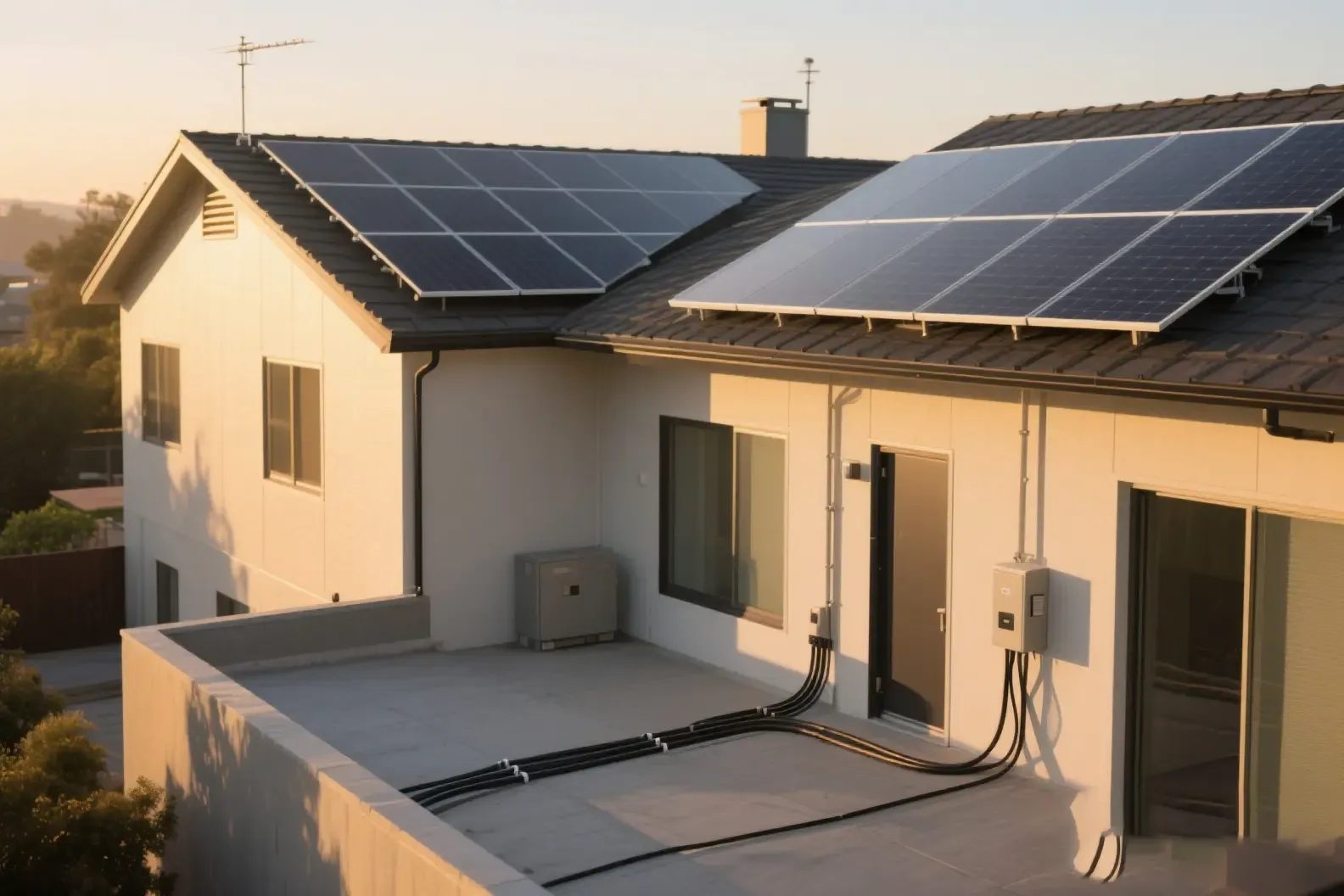
Sie brauchen einen guten Schutz für Ihre Solaranlage. Ein DC-MCB funktioniert wie ein Wächter gegen elektrische Gefahren. Sie verwenden einen Miniatur-Leitungsschutzschalter, um zu viel Strom zu stoppen. Er blockiert auch Kurzschlüsse. Er hilft bei der Kontrolle von Lichtbogenfehlern. Zuverlässige Produkte wie die DC-MCBs von Kuangya bieten Ihnen Sicherheit. Sie helfen Ihrem System, gut zu funktionieren. Die Wahl des richtigen Schutzes macht Ihre Solaranlage sicherer. Außerdem wird sie dadurch zuverlässiger.
DC-MCBs funktionieren wie Sicherheitsvorrichtungen für Solaranlagen. Sie stoppen zu viel Strom und helfen, elektrische Brände zu verhindern.
Die Auswahl des richtigen DC-MCB ist sehr wichtig. Vergewissern Sie sich, dass die Spannungs- und Stromwerte zu Ihrem Solarsystem passen.
Überprüfen Sie Ihre Solaranlage und die Sicherungsautomaten häufig. So können Sie Probleme frühzeitig erkennen und die Sicherheit gewährleisten.
DC-MCBs sind nicht dasselbe wie AC-MCBs. Sie benötigen spezielle Teile, um Gleichstrom sicher zu handhaben.
Zu viel Strom oder Kurzschlüsse können Ihrer Solaranlage schaden. DC-MCBs helfen, sich vor diesen Gefahren zu schützen.
Verwenden Sie gute Materialien und geschulte Arbeiter bei der Installation. Dies senkt das Risiko von elektrischen Problemen.
DC-MCBs mit besserer Lichtbogenlöschtechnik bieten mehr Sicherheit. Sie stoppen gefährliche Lichtbögen sehr schnell.
Die Einhaltung von Sicherheitsvorschriften wie IEC und UL stellt sicher, dass Ihre DC-MCBs gut funktionieren und sicher sind.
Ein Leitungsschutzschalter dient dem Schutz von Stromkreisen. Er schaltet den Strom von selbst ab, wenn es ein Problem gibt. Zu viel Strom kann zu Problemen führen. Dieses Gerät verhindert Brände und sorgt für die Sicherheit von Geräten. Solarsysteme benötigen eine spezielle Art, die Gleichstrommikroskope. Die Konstruktion ändert sich für Gleichstrom oder Wechselstrom.
AC-Leitungsschutzschalter nutzen Änderungen des Wechselstroms. Sie verwenden Nulldurchgangspunkte, um elektrische Lichtbögen zu unterbrechen.
DC-Leitungsschutzschalter benötigen zusätzliche Möglichkeiten, um Lichtbögen zu stoppen. Gleichstrom fließt in eine Richtung und hat keinen Nulldurchgang.
DC-Leitungsschutzschalter nutzen die magnetische Wirkung. AC-Leitungsschutzschalter nutzen eher den Wärmeeffekt.
Die Funktionsweise eines Leitungsschutzschalters hängt von der Stromart ab.
Miniaturtrennschalter Stromkreise in Solaranlagen schützen. Ein DC-MCB sorgt für die Sicherheit Ihrer Solaranlage. Er unterbricht den Stromkreis, wenn der Strom zu hoch wird. Dadurch werden Wechselrichter, Batterien und Kabel geschützt. Wenn etwas schief geht, brauchen Sie keinen neuen Unterbrecher. Sie setzen ihn einfach zurück, um den Schutz aufrechtzuerhalten. Es ist wichtig, die richtige Größe zu wählen und sie gut zu installieren. Ein falscher Schutzschalter kann zu viel auslösen oder Ihr System nicht schützen. Die Verwendung der richtigen Leitungsschutzschalter trägt dazu bei, dass Ihr Solarsystem sicher und gut funktioniert.
Tipp: Prüfen Sie vor der Installation immer den Nennwert Ihres DC-MCB. Dies hilft, Ausfälle zu vermeiden und Ihre Geräte sicher zu halten.
Sie fragen sich vielleicht, worin sich Gleichstrom- und Wechselstrom-Leitungsschutzschalter unterscheiden. Die folgende Tabelle zeigt die wichtigsten Unterschiede:
Merkmal | AC-Stromkreisunterbrecher | DC-Stromkreisunterbrecher |
|---|---|---|
Lichtbogenunterdrückung | Einfacher durch wechselnden Strom | Benötigt bessere Möglichkeiten für längere Bögen |
Wärme-Management | Weniger Hitze, leichtere Kühlung | Mehr Hitze, stärkere Materialien erforderlich |
Kosten | In der Regel billiger | Kostet mehr, weil es komplex ist |
Wartung | Leichtere, einfache Entwürfe | Erfordert häufigere Kontrollen |
Sicherheitsstandards | IEC 60898 oder UL 489 | IEC 60947-2 oder UL 489B |
Physische Größe | Normalerweise kleiner | Oft größer wegen der Abstände |
Kompatibilität | Verwendung in AC-Systemen | Nicht für AC-Systeme |
DC-MCB-Geräte müssen härteren Bedingungen standhalten. Sie brauchen eine bessere Lichtbogenunterbrechung und stärkere Teile. Diese Dinge machen sie wichtig für Solaranlagen mit Gleichstrom.
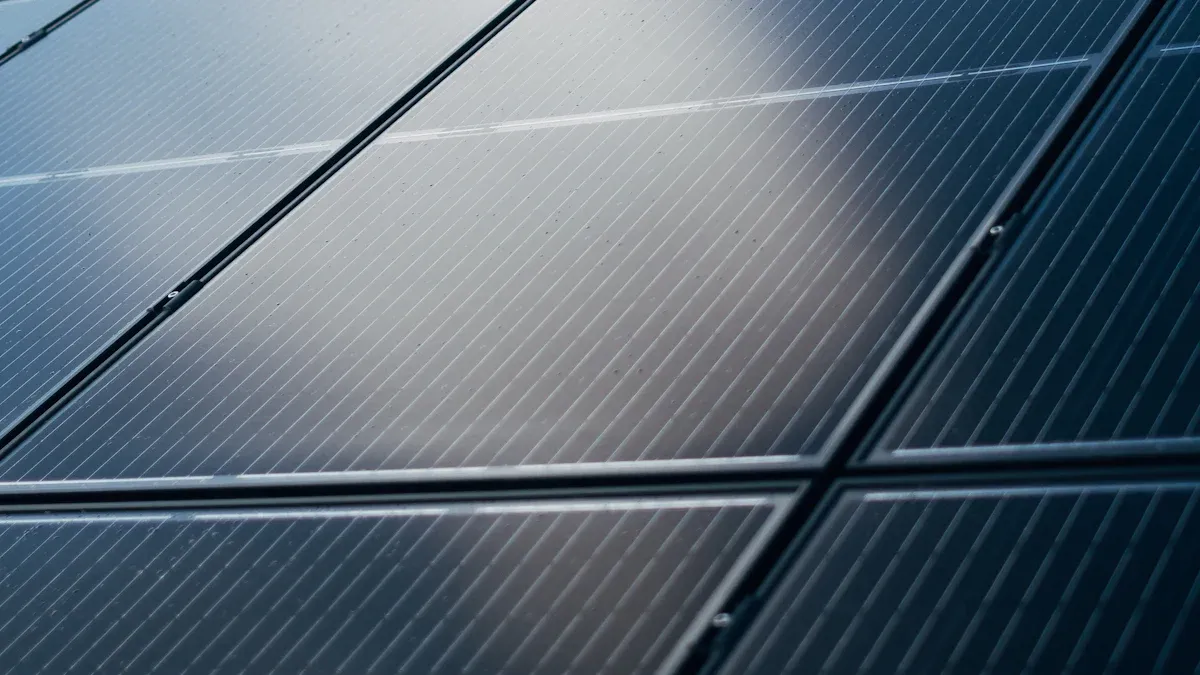
Ein Überstrom entsteht, wenn zu viel Strom durch Ihre Solaranlage fließt. Das kann passieren, wenn Sie zu viele Geräte anschließen oder wenn ein Teil ausfällt. Überstrom belastet Drähte und Geräte. Es besteht Überhitzungs- und Brandgefahr. Ein Überlastungsschutz hilft, diese Probleme zu vermeiden. Ein DC-MCB erkennt, wenn die Stromstärke zu hoch wird, und unterbricht den Stromkreis. So bleiben Ihre Solarmodule, Batterien und Wechselrichter sicher.
Hinweis: Überstrom tritt sowohl in Privathaushalten als auch in Unternehmen häufig auf. Wenn Sie neue Geräte anschließen oder Ihre Solaranlage erweitern, müssen Sie die Grenzwerte Ihres Systems überprüfen. Ein guter elektrischer Schutz verhindert Schäden und sorgt dafür, dass Ihr System weiterläuft.
Auch Verarbeitungsfehler spielen eine große Rolle bei Überstromrisiken. Nicht passende Steckverbinder und eine schlechte Kabelverwaltung können zu Problemen führen. Branchenberichte zeigen, dass 59% der Sicherheitsbedenken auf Fehler bei Steckverbindern und 26% auf Probleme mit Kabeln zurückzuführen sind. Sie sollten Ihr System immer überprüfen und hochwertige Teile verwenden.
Kurzschlüsse entstehen, wenn Strom eine Abkürzung nimmt. Anstatt auf dem richtigen Weg zu fließen, springt er über Drähte oder Teile hinweg. Dies kann Funken, Hitze und sogar Brände verursachen. Um diese Gefahren zu vermeiden, benötigen Sie einen Kurzschlussschutz. Ein DC-MCB reagiert schnell und unterbricht die Stromzufuhr.
Häufige Ursachen für Kurzschlüsse in Solaranlagen sind:
Nicht geladene Batterien. Lose Verbindungen können das Laden der Batterien verhindern. Dies führt zu Fehlern in Batteriebänken oder Ladereglern.
Mangel an Sonnenlicht. Wenn Ihre Module nicht genügend Sonnenlicht erhalten, können Wechselrichter ausfallen und Kurzschlüsse verursachen.
Feuchtigkeit und mangelhafte Installation. Wasser und schlechte Verarbeitung können zu Stromausfällen führen und Gefahren verursachen.
Sie müssen Ihr System regelmäßig überprüfen. Achten Sie auf lose Kabel, Wasserlecks und Verschleißerscheinungen. Beheben Sie Probleme sofort, um Überlastungen und Kurzschlüsse zu vermeiden.
Lichtbogenfehler sind eines der gefährlichsten Probleme in Solaranlagen. Ein Lichtbogenfehler tritt auf, wenn Strom über eine Lücke springt und dabei einen Funken erzeugt. Dieser Funken kann weiterbrennen und einen Brand verursachen. Solarmodule liefern so lange Strom, wie die Sonne scheint, sodass Lichtbögen lange Zeit bestehen bleiben können.
Aktuelle Studien zeigen, dass Erdschlussfehler auf der Gleichstromseite Kettenreaktionen auslösen können. Diese Reaktionen beschädigen viele Teile Ihrer Solaranlage. Wenn Sie Lichtbogenfehler nicht beheben, riskieren Sie den Verlust von Geräten und Sicherheitsrisiken.
Lichtbögen stellen ein großes Risiko in Solar-PV-Anlagen dar. Wenn ein Lichtbogen weiterhin mit hoher Stromstärke fließt, kann es zu Bränden kommen. Die Gleichstromseite von Wechselrichtern ist besonders anfällig. Sie benötigen ein starkes Lichtbogenmanagement. Kuangya DC-MCBs verwenden fortschrittliche Lichtbogen Löschtechnik. Diese hilft, Lichtbögen schnell zu stoppen und schützt Ihr System.
Tipp: Verwenden Sie immer DC-MCBs mit Lichtbogenlöschfunktion. Regelmäßige Überprüfungen und gute Installationspraktiken tragen dazu bei, Lichtbogenfehler zu vermeiden.
Erdschlüsse sind ein großes Problem für Ihre Solaranlage. Sie treten auf, wenn Strom seinen Weg verlässt und in den Boden gelangt. Dies kann zu Stromschlägen, Schäden oder sogar Bränden führen. Sie müssen wissen, wie Erdschlüsse entstehen und wie Sie sie verhindern können.
Solaranlagen weisen häufig Erdschlüsse aufgrund von fehlerhaften Verkabelungen oder beschädigten Isolierungen auf. Wenn ein Kabel Metall oder den Rahmen des Solarpanels berührt, kann der Strom in die falsche Richtung fließen. Dies macht Ihre Anlage unsicher. Sie sollten die Kabel und Anschlüsse regelmäßig überprüfen.
Viele Erdschlüsse entstehen durch unsachgemäße Installation. Manchmal arbeiten die Arbeiter zu schnell oder überspringen Sicherheitsmaßnahmen. Die Solarbranche wächst schnell, sodass einige Arbeiter nicht ausreichend geschult sind. Diese Fehler erhöhen die Wahrscheinlichkeit von Bränden und Stromschlägen.
Tipp: Beauftragen Sie für die Installation Ihrer Solaranlage immer geschulte Fachkräfte. Eine gute Ausbildung und sorgfältige Arbeit tragen dazu bei, Erdschlüsse zu vermeiden.
Erdschlüsse sind nicht so selten, wie Sie vielleicht denken. Studien zufolge weisen 38% Solarprojekte Probleme mit der Verkabelung auf. Über 90% der überprüften Dächer bergen große Sicherheits- und Brandrisiken. Brände in Solaranlagen sind zwar selten, dennoch sollten Sie vorsichtig sein.
Einige häufige Ursachen für Erdschlüsse in Solaranlagen sind:
Beschädigte Isolierung an Kabeln
Lose oder offene Verbindungen
Wasser gelangt in Kästen oder Rohre
Tiere, die an Kabeln knabbern
Schlechte Installationsarbeiten
Wenn Sie Erdschlussfehler nicht beheben, kann Ihr System ausfallen. Sie könnten den Strom verlieren oder teure Geräte beschädigen. Erdschlussfehler können auch zu Stromschlägen bei Ihnen oder Ihrer Familie führen.
Eine gute Erdung ist sehr wichtig. wichtig für die Sicherheit und den Zustand des Systems. Alle Metallteile müssen geerdet sein. Dadurch kann Strom bei einem Fehler sicher abgeleitet werden. Eine gute Erdung schützt Ihr System außerdem vor Blitzschlag und Überspannungen.
Moderne DC-MCBs, wie die DC-MCBs von Kuangya, schützen Ihre Solaranlage vor Erdschlüssen. Diese Geräte erkennen ungewöhnliche Ströme und schalten den Stromkreis schnell ab. Die DC-MCBs von Kuangya verwenden eine spezielle Lichtbogentechnologie, um DC-Fehler zu beheben. Sie profitieren von mehr Sicherheit und fühlen sich sicherer.
Entdecken Sie die DC-MCBs von Kuangya
Entdecken Sie, wie unsere DC-MCBs die Sicherheit und Effizienz Ihrer Solaranlagen verbessern können.
Anmerkung: Überprüfen Sie Ihre Solaranlage regelmäßig, um ihre Sicherheit zu gewährleisten. Achten Sie auf Beschädigungen, Wasser oder Probleme mit Tieren. Ersetzen Sie defekte Kabel und ziehen Sie lose Teile sofort fest.
Sie können Erdschlüsse verhindern, indem Sie hochwertige Materialien verwenden und qualifizierte Fachkräfte beauftragen. Planen Sie regelmäßige Überprüfungen Ihrer Anlage ein. Diese Maßnahmen schützen Ihr Geld und sorgen dafür, dass Ihre Solaranlage einwandfrei funktioniert.
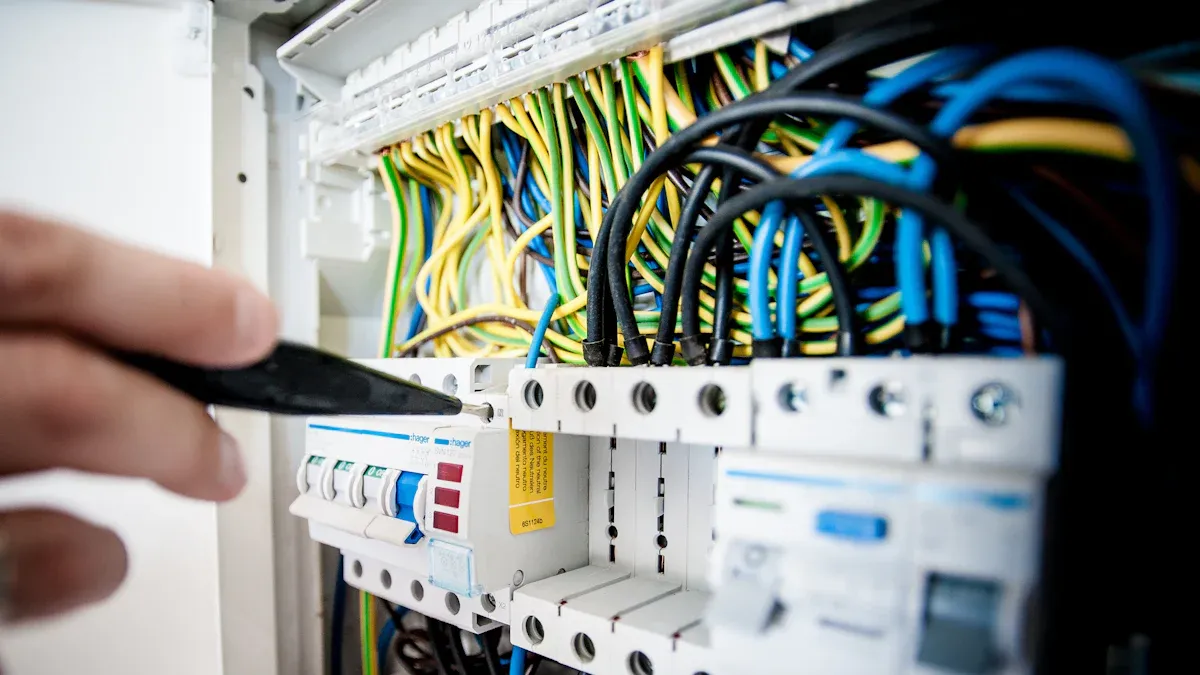
Sie benötigen eine Möglichkeit, Probleme in Ihrem Solarsystem zu erkennen. Miniatur-Leistungsschalter verwenden zwei Methoden zur Fehlererkennung. Dabei handelt es sich um den thermischen Schutz und den magnetischen Schutz. Beide Methoden helfen dabei, langsame und schnelle Gefahren zu erkennen.
Hier ist eine einfache Tabelle, die zeigt, wie jedes davon funktioniert:
Mechanismus-Typ | Beschreibung |
|---|---|
Wärmeschutz | Löst bei zu hohem Strom aus; verwendet einen Bimetallkontakt, der sich erwärmt und ausdehnt, um Überlastungen zu verhindern. |
Magnetischer Schutz | Auslösung bei großen Fehlerströmen, um Fehler zu trennen, Kurzschlüsse zu stoppen und andere Probleme zu beheben. |
Der thermische Auslöser verwendet einen Bimetallstreifen. Wenn über einen längeren Zeitraum zu viel Strom fließt, wird der Streifen heiß und verbiegt sich. Durch diese Verbiegung wird der Miniatur-Leistungsschalter geöffnet und der Stromfluss unterbrochen. So sind Sie vor Überlastungen geschützt, die Ihre Geräte beschädigen könnten.
Die magnetische Auslösung funktioniert anders. Bei einem Kurzschluss erzeugt ein starker Strom ein Magnetfeld im Inneren des Leistungsschalters. Dieses Feld zieht einen Hebel und öffnet schnell die Kontakte. Sie erhalten eine schnelle Reaktion auf Kurzschlüsse, wodurch Ihr System geschützt wird.
Miniatur-Leistungsschalter schützen vor Überlastungen und Kurzschlüssen. Sie tragen dazu bei, dass Ihre Solaranlage einwandfrei funktioniert. Sie können sich darauf verlassen, dass diese Geräte Fehler erkennen, bevor sie Schaden anrichten.
Wenn ein Miniatur-Leistungsschalter ein Problem feststellt, reagiert er schnell. Der Schalter öffnet seine Kontakte und unterbricht den Stromfluss. Dadurch werden Ihre Kabel und Geräte geschützt.
Sie wollen, dass Ihr Stromkreisschutz jedes Mal funktioniert. Leitungsschutzschalter verwenden starke Teile im Inneren, um den Stromkreis sicher zu unterbrechen. Der thermische Teil ist für langsame Überlastungen zuständig. Der magnetische Teil reagiert auf plötzliche hohe Ströme.
Wenn der Unterbrecher ausgelöst wird, können Sie ihn zurücksetzen, nachdem Sie das Problem behoben haben. So sparen Sie Zeit und Geld. Sie müssen nicht nach jedem Fehler einen neuen Unterbrecher kaufen. Sie schalten ihn einfach wieder ein, wenn Ihr System sicher ist.
Tipp: Prüfen Sie immer, warum ein Unterbrecher ausgelöst wurde, bevor Sie ihn zurücksetzen. Beheben Sie die Ursache, um weitere Probleme zu vermeiden.
Gleichstrom erschwert die Kontrolle von Lichtbogenfehlern. Gleichstrom fließt in eine Richtung und hat keinen Nulldurchgang, so dass Lichtbögen länger halten. Um diese Lichtbögen zu beherrschen, braucht man eine spezielle Technologie.
Kuangya DC-MCBs verwenden fortschrittliche Lichtbogen Löschungstechnologie. Diese Konstruktion trägt dazu bei, den Lichtbogen beim Öffnen des Unterbrechers schnell zu unterbrechen. Der Unterbrecher zieht den Lichtbogen in eine spezielle Kammer. Metallplatten im Inneren kühlen und strecken den Lichtbogen, bis er erlischt. So erhalten Sie mehr Sicherheit für Ihre Solaranlage.
Das Lichtbogenmanagement ist wichtig für den Schutz von Stromkreisen in Solaranlagen. Ohne gute Lichtbogenkontrolle kann es zu Bränden und Schäden kommen. Leitungsschutzschalter mit starkem Lichtbogenmanagement machen Ihr System sicher und zuverlässig.
Hinweis: Wählen Sie für Ihre Solarprojekte DC-MCBs mit bewährten Lichtbogenlöschfunktionen. Dies sorgt für zusätzliche Sicherheit.
Sie wollen, dass Ihre Solaranlage sicher bleibt. Ein Miniaturtrennschalter gibt starker Schutz vor elektrischen Gefahren. Er reagiert schnell auf Probleme wie Kurzschlüsse und Lichtbogenfehler. Wenn etwas schief geht, schaltet der Unterbrecher den Strom ab. Das hilft, Brände zu verhindern und Menschen in Sicherheit zu bringen.
Kuangya DC-MCBs verwenden eine spezielle Lichtbogenlöschtechnik. Diese Funktion hilft, gefährliche Lichtbögen in Gleichstromsystemen zu verhindern. Sie erhalten mehr Sicherheit für Ihr Haus oder Ihr Unternehmen. Der Unterbrecher schützt Sie auch vor Stromschlägen. Sie können sich darauf verlassen, dass ein Leitungsschutzschalter Ihr Solarsystem jeden Tag sicher hält.
Tipp: Wählen Sie immer einen Leitungsschutzschalter, der für die Spannung und den Strom Ihres Systems geeignet ist. So erhalten Sie die beste Sicherheit.
Eine zuverlässige Solaranlage funktioniert das ganze Jahr über gut. Sie brauchen Geräte, die lange halten und nicht oft kaputt gehen. Ein Leitungsschutzschalter hilft Ihrem System, reibungslos zu funktionieren. Er senkt das Risiko von Ausfallzeiten und sorgt dafür, dass Ihre Geräte funktionieren.
Branchendaten zeigen, wie DC-MCBs Ihr Solarsystem unterstützen:
Beitrag der DC-MCBs | Auswirkungen auf Solarstromsysteme |
|---|---|
Erhöht die Sicherheit | Reduziert operative Risiken |
Minimiert Ausfallzeiten | Erhöht die Effizienz des Systems |
Unterstützt das Umsatzwachstum | Fördert die Einführung von Solartechnologien |
Wenn Sie eine hochwertige DC-MCB verwenden, verringern Sie das Risiko eines Systemausfalls. Außerdem lassen sich Probleme leichter finden und beheben. Die DC-MCBs von Kuangya sind modular aufgebaut. Bei Bedarf können Sie sie schnell austauschen. Dadurch sparen Sie Zeit und Geld für Reparaturen.
Ihre Solaranlage besteht aus vielen wichtigen Teilen. Sie möchten Ihre Module, Wechselrichter und Batterien schützen. Ein Leitungsschutzschalter bietet Schutz vor Überlastungen und anderen Fehlern. So bleiben Ihre Geräte sicher und arbeiten länger.
Hier sind einige Möglichkeiten, wie DC-MCBs zum Schutz Ihrer Geräte beitragen:
Intelligente Überwachungssysteme können Probleme erkennen, bevor Sie einen Techniker benötigen. Das reduziert zusätzliche Besuche und spart Geld.
Sie erhalten eine höhere Systembetriebszeit und eine bessere Energieproduktion. Das bedeutet, dass Sie mehr Nutzen aus Ihrer Solarinvestition ziehen können.
Mit DC-MCBs können Sie Fehler in einem Teil Ihres Systems finden und isolieren. Ein Problem in einem Solarstrang führt nicht zum Ausfall des gesamten Systems.
Die routinemäßige Wartung ist einfacher. Die Techniker können nur den defekten Teil abklemmen, so dass der Rest Ihres Systems weiter funktioniert.
Ein gutes DCDB-Panel schützt Wechselrichter, Batterien und Paneele vor Erschütterungen. So hält Ihr Solarsystem länger.
Die Verwendung hochwertiger Materialien bedeutet weniger Austausch und geringere Wartungskosten.
Kuangya DC-MCBs erfüllen höchste Sicherheitsstandards, darunter IEC 60947-2 (dofollow) und UL 489. Diese Normen zeigen, dass die Unterbrecher sicher und zuverlässig sind. Sie können darauf vertrauen, dass sie Ihre Investition schützen.
Anmerkung: Regelmäßige Kontrollen und eine gute Installation tragen dazu bei, dass Ihr Leitungsschutzschalter optimal funktioniert. So bleibt Ihre Solaranlage sicher und effizient.
Wenn Sie sich für einen DC-MCB für Ihr Solarsystem entscheiden, sollten Sie darauf achten, dass er den Sicherheitsvorschriften entspricht. Normen geben Ihnen die Gewissheit, dass Ihre Anlage sicher ist und gut funktioniert. Kuangya DC-MCBs folgen großen internationalen Standards. Diese Regeln zeigen, wie Leistungsschalter im wirklichen Leben funktionieren sollten.
IEC 60947-2: Diese Vorschrift stammt von der Internationalen Elektrotechnischen Kommission. Sie gilt für Leistungsschalter für Fabriken und Solaranlagen. Wenn ein DC-MCB die IEC 60947-2, Es hat harte Tests auf Bruchkraft, Isolierung und Festigkeit bestanden.
UL 489: Diese Vorschrift stammt von Underwriters Laboratories. Sie prüft, ob Stromkreisunterbrecher Überlastungen und Kurzschlüsse verhindern können. Die UL 489 wird in Nordamerika häufig für Sicherheitsprüfungen verwendet.
Normen braucht man aus vielen Gründen:
Es zeigt, dass Ihr DC-MCB hohe Spannungen und Ströme in Solarsystemen verarbeiten kann.
Es beweist, dass das Produkt die Tests für Brandsicherheit und elektrischen Schutz bestanden hat.
Es hilft Ihnen, die örtlichen Vorschriften und Versicherungsanforderungen einzuhalten.
So haben Sie die Gewissheit, dass Ihr Solarsystem mit bewährter Technologie sicher ist.
Tipp: Achten Sie immer auf das IEC- oder UL-Zeichen auf Ihrem DC-MCB. Diese Kennzeichnung bedeutet, dass das Produkt den weltweiten Sicherheitsvorschriften entspricht und für Ihr Solarprojekt geeignet ist.
Die DC-MCBs von Kuangya sind modular aufgebaut. Das macht den Einbau und die Reparatur für Sie einfacher. Sie können Teile austauschen oder aufrüsten, ohne Ihr gesamtes System abzuschalten. Durch die Wahl sicherer und gut gemachter Schalter tragen Sie dazu bei, dass Ihr Solarsystem lange Zeit funktioniert und sicher ist.
Sie möchten, dass Ihre Solaranlage sicher ist und gut funktioniert. Die Wahl des richtigen Leitungsschutzschalters ist sehr wichtig. Bevor Sie sich entscheiden, müssen Sie einige Dinge bedenken.
Nennspannung: Stellen Sie sicher, dass der DC-MCB für die Spannung Ihrer Solaranlage geeignet ist. Einige Systeme benötigen Unterbrecher für 600 V oder sogar 1000 V.
Nennstrom: Wählen Sie einen Unterbrecher, der für den höchsten Strom Ihrer Solarmodule geeignet ist. Wenn Ihre Paneele 50 Ampere leisten können, muss Ihr Unterbrecher mindestens 50 Ampere leisten.
Leitungsschutzschalter Typ: Entscheiden Sie, ob Sie einen manuellen oder automatischen Unterbrecher wünschen. Bei manuellen Schaltern können Sie sie selbst zurücksetzen. Automatische Unterbrecher lösen aus und stellen sich von selbst zurück.
Umwelteignung: Der Unterbrecher sollte im Freien gut funktionieren. Er muss Wasser, Staub und heißem oder kaltem Wetter standhalten.
Marke und Qualität: Wählen Sie eine Marke, der man bei Solaranlagen vertraut.
Sie müssen auch prüfen, ob der Leitungsschutzschalter Sicherheitsnormen wie IEC oder UL erfüllt. Dadurch wird sichergestellt, dass Ihr System die Vorschriften einhält und die Sicherheit aller Beteiligten gewährleistet ist.
Tipp: Stimmen Sie die Spannungs- und Stromwerte Ihrer Leitungsschutzschalter immer auf die Anforderungen Ihrer Solaranlage ab.
Der richtige Einbau von Leitungsschutzschaltern trägt zu einer längeren Lebensdauer Ihrer Solaranlage bei. Sie sollten sie auf die richtige Weise montieren. Die DC-MCBs von Kuangya werden auf DIN-Schienen montiert. Das macht die Installation einfach und sicher.
Befolgen Sie diese Schritte, um die besten Ergebnisse zu erzielen:
Bringen Sie den Unterbrecher auf einer DIN-Schiene in Ihrem Verteilerkasten an.
Vergewissern Sie sich, dass alle Drähte fest sitzen und nicht verrostet sind.
Verwenden Sie die richtige Kabelgröße für die Stromstärke Ihres Systems.
Halten Sie den Unterbrecher von Sonne und Regen fern. Stellen Sie ihn an einen kühlen, trockenen Ort.
Manche Leute denken, Gleichstrom-Leitungsschutzschalter seien genau wie Wechselstrom-Leitungen. Das kann zu Fehlern führen. Verwenden Sie für Solarsysteme immer DC-konforme Unterbrecher. Die Verwendung der falschen Größe oder des falschen Typs kann Ihr System unsicher machen.
Anmerkung: Lesen Sie immer das Installationshandbuch, bevor Sie beginnen. So können Sie Fehler vermeiden.
Wenn Sie sich um Ihre Leitungsschutzschalter kümmern, können sie gut funktionieren. Sie sollten Ihr System häufig auf Probleme überprüfen.
Schauen Sie auf dem Display Ihres Wechselrichters oder in der App nach Fehlermeldungen.
Reinigen Sie die Außenseite des Unterbrechers und der Lüftungsöffnungen alle paar Monate.
Vergewissern Sie sich, dass die Luft um den Unterbrecher herum fließen kann, damit er nicht zu heiß wird.
Überprüfen Sie Kabel und Anschlüsse mindestens einmal im Jahr.
Lassen Sie den Unterbrecher jedes Jahr von einem Fachmann überprüfen und die Software aktualisieren.
Eine gute Wartung hilft Ihnen, Probleme frühzeitig zu erkennen. Staub, lose Drähte und Rost können die Situation verschlimmern. Sie sollten diese Kontrollen niemals auslassen.
Tipp: Stellen Sie eine Erinnerung ein, um Ihr System jedes Jahr zu überprüfen. Dieser einfache Schritt trägt dazu bei, dass Ihre Solaranlage sicher ist und gut funktioniert.
Sie möchten, dass Ihre Solaranlage sicher ist und gut funktioniert. DC-MCBs brauchen Hilfe von anderen Geräten. Sie verbinden sie mit DC-Sicherungen, SPDs und Lasttrennschaltern. Das macht Ihre Solarmodule und Batterien sicherer.
Die DC-MCBs von Kuangya sind modular aufgebaut. Sie können auf einer DIN-Schiene montiert werden. Das macht es einfach, andere Geräte hinzuzufügen oder auszutauschen. Sie sparen Zeit und halten Ihr System aufgeräumt.
Schauen wir uns an, wie DC-MCBs mit anderen Geräten funktionieren:
Gerätetyp | Vorteile | Benachteiligungen |
|---|---|---|
DC-Sicherungen | Starke Lichtbogenunterdrückung, guter Überstromschutz | Muss nach Gebrauch ersetzt werden |
DC-Breaker | Einfaches Trennen der Verbindung für Reparaturen | Kann Bögen nicht so gut stoppen |
Gleichstromsicherungen helfen, Lichtbögen zu verhindern und schützen vor zu viel Strom. Wenn eine Sicherung durchbrennt, müssen Sie eine neue einsetzen. Gleichstromunterbrecher, wie Kuangya DC-MCBs, ermöglichen eine schnelle Abschaltung von Stromkreisen für Reparaturen. Nach Behebung des Problems können Sie sie wieder zurücksetzen.
SPDs schützen Ihr System vor Spannungsspitzen. Diese Spannungsspitzen können durch Blitzschlag oder Überspannungen verursacht werden. Sie setzen SPDs neben DC-MCBs ein, um Ihre Solarmodule und Wechselrichter zu schützen. Mit Lasttrennschaltern können Sie Teile Ihres Systems abschalten, wenn Sie etwas reparieren. So sind Sie während der Arbeit sicher.
Hier sind einige gute Dinge über die Verwendung von DC-MCBs mit anderen Geräten:
Sie können die Combiner Box für Reparaturen abschalten.
Sie verringern das Risiko eines Stromschlags.
Sie befolgen die Sicherheitsvorschriften für Solaranlagen.
Prüfen Sie bei der Auswahl von Geräten immer die Gleichspannungsangabe. Einige Geräte haben niedrigere Gleichspannungswerte als Wechselspannungswerte. Die Verwendung eines falschen Geräts kann gefährlich sein. Vergewissern Sie sich, dass jedes Teil für die Spannung und den Strom Ihres Systems geeignet ist.
Kuangya DC-MCBs arbeiten gut mit DC-Sicherungen, SPDs und Lasttrennschaltern zusammen. Sie erhalten vollen Schutz für Ihr Solarsystem. Ihre Geräte bleiben sicher und Ihre Familie ist geschützt.
Tipp: Planen Sie Ihre Solaranlage mit den richtigen Schutzvorrichtungen. Überprüfen Sie Ihr System häufig und verwenden Sie intelligente Einstellungen, um Probleme zu vermeiden und einen reibungslosen Betrieb zu gewährleisten.
Sie möchten, dass Ihre Solaranlage sicher ist. Der Kuangya DC-MCB KYDB-63 hilft beim Schutz von Aufdachmodulen und Batterien. Dieser Unterbrecher ist für die meisten Häuser geeignet. Er kann bis zu 63A und 1000VDC verarbeiten. Sie haben die Gewissheit, dass Ihr System vor Überlastungen, Kurzschlüssen und Lichtbogenfehlern geschützt ist.
Stellen Sie sich vor, Sie montieren Sonnenkollektoren auf Ihr Dach. Sie schließen sie an eine Batterie und einen Wechselrichter an. Eines Tages löst sich ein Kabel und verursacht einen Kurzschluss. Der KYDB-63 löst sofort aus. Er unterbricht die Stromzufuhr und verhindert, dass ein Feuer ausbricht. Sie reparieren das Kabel und setzen den Unterbrecher zurück. Ihr System funktioniert wieder. Sie müssen keinen neuen Unterbrecher kaufen. So sparen Sie Zeit und Geld.
Tipp: Überprüfen Sie Ihren DC-MCB immer nach Stürmen oder starker Beanspruchung. Eine schnelle Überprüfung hilft Ihnen, Probleme frühzeitig zu erkennen.
Sie betreiben ein großes Batteriesystem für ein Unternehmen oder eine Fabrik. Das Modell KYDB-125 von Kuangya bietet starken Schutz für Stromkreise mit hoher Leistung. Dieser Unterbrecher kann bis zu 125A und 1000VDC. Es eignet sich hervorragend für Energiespeicherprojekte.
Viele kommerzielle Batteriesysteme verwenden DC-MCBs, um die Batterien zu schützen. Der KYDB-125 schützt Batteriestromkreise und verhindert ein thermisches Durchgehen. Sie vermeiden eine Überhitzung und sorgen dafür, dass Ihr System gut funktioniert. Mit dem Unterbrecher können Sie ihn zurücksetzen und die Batterien ohne zusätzlichen Aufwand zyklieren.
Sie erhalten eine gleichmäßige Bremskraft, auch an schwierigen Stellen.
Lichtbogenkammern und Kontakte aus einer Silberlegierung sorgen für eine längere Lebensdauer des Unterbrechers.
Sie haben weniger Ausfallzeiten und Ihr Unternehmen läuft weiter.
Stellen Sie sich ein Lagerhaus mit einer Solarbatteriebank vor. Während eines Stromstoßes löst die KYDB-125 aus und stoppt den Fehler. Sie beheben das Problem und setzen den Unterbrecher zurück. Ihre Batterien bleiben sicher und Ihre Arbeit wird nicht unterbrochen.
Sie möchten Ihr Elektrofahrzeug mit Solarstrom aufladen. DC-MCBs sorgen dafür, dass Ihre Ladestation sicher ist und gut funktioniert. Schnellladestationen verwenden Gleichstrom, daher benötigen Sie einen starken Gleichstromschutz.
DC-Schutzschalter schützen Solarmodule, Wechselrichter und Batterien vor Fehlern. Sie verhindern Schäden und Brandgefahren. Immer mehr Menschen kaufen E-Fahrzeuge, daher ist sicheres Laden wichtig. Sie vertrauen auf DC-MCBs, damit Ihre Station funktioniert und die Benutzer sicher sind.
DC-MCBs sorgen dafür, dass das System und die Menschen sicher bleiben.
Sie tragen dazu bei, dass Ihre Ladestation zuverlässig funktioniert.
Sie verhindern, dass sich Fehler ausbreiten und größere Probleme verursachen.
Denken Sie an den Betrieb einer solarbetriebenen Ladestation für Elektrofahrzeuge. Ein plötzlicher Fehler im Wechselrichter könnte Ihre Geräte beschädigen. Der DC-MCB löst aus und unterbricht den Stromfluss. Alle Beteiligten bleiben in Sicherheit. Sie beheben den Fehler und setzen den Unterbrecher zurück. Sie sind bereit für den nächsten Kunden.
Anmerkung: Regelmäßige Kontrollen und gute DC-MCBs helfen Ihnen beim Aufbau einer sicheren und zuverlässigen Ladestation für Ihre Gemeinde.
Sie müssen Schützen Sie Ihre Solaranlage vor Gefahren. Ein Leitungsschutzschalter hilft, Brände und Stromschläge zu verhindern. Er verhindert auch, dass Ihre Geräte beschädigt werden. Der Einsatz eines DC-MCB bedeutet, dass er schnell auf Probleme reagiert. Das macht die Nutzung Ihres Systems sicherer. Die DC-MCBs von Kuangya funktionieren gut und erfüllen die Sicherheitsvorschriften.
Im Folgenden finden Sie einige Hinweise zu Leitungsschutzschaltern:
Wählen Sie eine die für Ihr System passende Stromstärke. Dadurch wird verhindert, dass der Unterbrecher zu oft auslöst.
Stellen Sie sicher, dass das Ausschaltvermögen hoch genug ist. Dadurch kann der Schalter Fehler sicher abstellen.
Die Nennspannung sollte zu Ihrem Solarsystem passen.
Wählen Sie die richtige Schutzart für Ihren Bedarf.
Überprüfen Sie Ihre Solaranlage regelmäßig. Rüsten Sie Ihren Schutz auf, damit Ihr Haus oder Ihr Unternehmen sicher bleibt.
A DC-MCB schützt Ihr Solarsystem vor elektrischen Problemen. Es verhindert zu viel Strom, Kurzschlüsse und Lichtbogenfehler. Sie sorgen für die Sicherheit Ihrer Schalttafeln, Batterien und Ihres Hauses.
Sie sollten die Spannungs- und Stromwerte des DC-MCB auf Ihr Solarsystem abstimmen. Prüfen Sie stets die Leistung Ihres Moduls und befolgen Sie die Hinweise des Herstellers.
Nein, Sie sollten keinen AC-MCB für Gleichstromkreise verwenden. DC-MCBs verarbeiten Gleichstrom und können längere Lichtbögen erzeugen. Verwenden Sie für Solarsysteme immer einen DC-Schutzschalter.
Sie sollten Ihren DC-MCB mindestens einmal im Jahr überprüfen. Achten Sie auf Anzeichen von Schäden, losen Drähten oder Schmutz. Regelmäßige Überprüfungen tragen dazu bei, dass Ihr System sicher bleibt und gut funktioniert.
Wenn Ihr Gleichstromunterbrecher häufig auslöst, haben Sie möglicherweise ein Problem mit der Verkabelung oder einen überlasteten Stromkreis. Sie sollten Ihr System überprüfen und etwaige Probleme beheben, bevor Sie den Unterbrecher zurücksetzen.
Ja, Sie können einen DC-MCB zurücksetzen, nachdem Sie das Problem behoben haben. Finden und beheben Sie immer die Ursache, bevor Sie das System wieder einschalten. So bleibt Ihr System sicher.
Die meisten DC-MCBs, wie die Kuangya-Modelle, verwenden Sie die DIN-Schienen-Montage. Sie benötigen nur einfache Werkzeuge, wie z. B. einen Schraubenzieher. Befolgen Sie stets die Installationsanleitung, um optimale Ergebnisse zu erzielen.
Sie können einen DC-MCB installieren, wenn Sie über elektrische Erfahrung verfügen. Wenn Sie unsicher sind, beauftragen Sie einen Fachmann. Sicherheit steht an erster Stelle.

