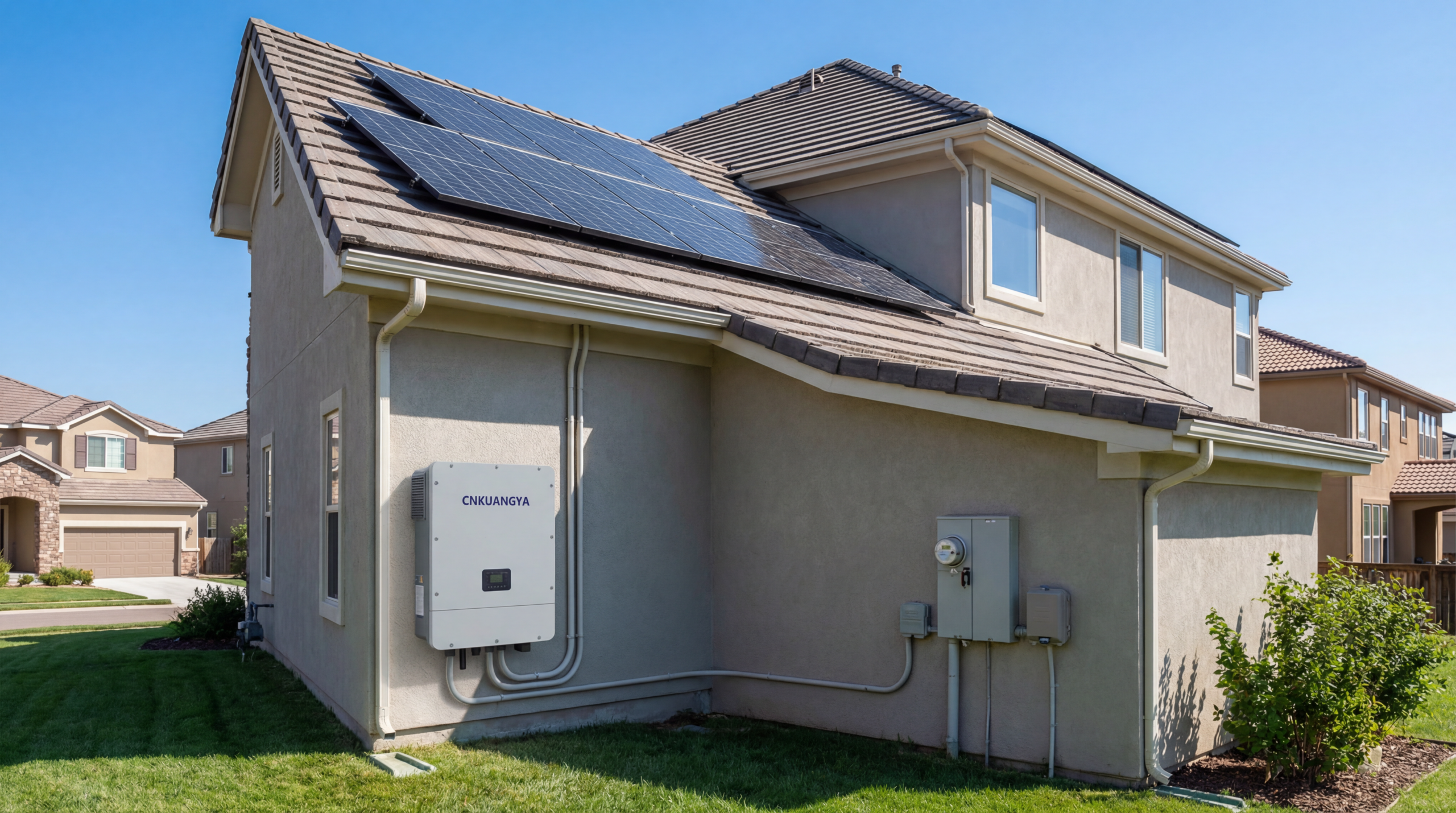
Picture this: A solar farm project manager in Arizona just watched his entire DC distribution panel go up in smoke. The culprit? A batch of substandard DC surge protective devices (SPDs) from a factory that looked legitimate on paper but cut corners on the MOV quality. The result: $50,000 in equipment damage, three weeks of downtime, and a hard lesson about why choosing the right SPD factory matters more than saving 15% on unit cost.
If you’re sourcing DC SPDs from China, you’re navigating a market where the gap between exceptional manufacturers and dangerous imposters can be razor-thin. The wrong choice doesn’t just mean failed inspections—it means catastrophic equipment failure, safety hazards, and liability nightmares that can sink your entire project.
This guide will walk you through the exact framework I’ve used over 15 years to separate world-class SPD factories from the pretenders, focusing specifically on DC SPD applications where the stakes are highest.
Why DC SPD Factory Selection Is More Critical Than You Think
The DC Arc Extinction Challenge
Here’s what most purchasing managers miss: DC SPDs face a fundamentally different challenge than their AC counterparts. In AC systems, voltage naturally crosses zero 100-120 times per second, which helps extinguish electrical arcs. DC systems have no such luxury—the constant voltage means once an arc starts during a surge event, it wants to keep burning. citation
Key Takeaway: A factory that excels at AC SPD manufacturing may completely fail at DC SPDs if they don’t understand arc extinction engineering. This is your first filter—does the factory demonstrate deep technical knowledge of DC-specific challenges?
The Hidden Cost of Component Quality
The heart of any DC SPD consists of three critical components, and the quality variance in Chinese supply chains is staggering:
Metal Oxide Varistors (MOVs) – Made from sintered zinc oxide grains with metal oxide additives. Premium MOVs use 99.9% pure zinc oxide with precise grain boundary engineering. Budget factories use 95% purity with inconsistent sintering, leading to premature degradation.
Gas Discharge Tubes (GDTs) – Contain inert gas sealed between copper or nickel electrodes. Quality GDTs maintain <1.5pF capacitance and >1GΩ insulation resistance over their lifetime. Inferior versions leak gas within 18 months, losing protection capability.
Thermal Disconnect Mechanisms – Premium factories use flat-contact thermal triggers with ±3°C precision. Budget operations use stamped metal with ±15°C variance, causing nuisance trips or worse—failure to disconnect during thermal runaway.
\ High-quality MOV varistor component – the foundation of reliable surge protection
\ Gas Discharge Tube (GDT) internal construction showing electrode configuration
The Four-Pillar Factory Evaluation Framework
After auditing over 60 SPD factories across Guangdong, Zhejiang, and Jiangsu provinces, I’ve distilled the evaluation process into four non-negotiable pillars. Miss any one of these, and you’re gambling with your project’s safety.
Pillar 1: Certification Depth (Not Just Breadth)
Most factories will wave certificates at you like flags. Here’s what actually matters:
Mandatory Certifications for DC SPD Factories:
Certification
What It Actually Proves
Red Flag If Missing
UL 1449 (4th Edition)
Can handle DC arc interruption per North American standards
Meets international low-voltage SPD performance standards
No access to European/global markets
IEC 61643-31
Specific to DC SPD applications and PV systems
Factory treats DC SPDs as modified AC products (dangerous)
ISO 9001:2015
Quality management system in place
No systematic quality control process
TÜV or CB Scheme
Independent third-party verification
Only self-tested products (unreliable)
Pro Tip: Ask for the actual test reports, not just certificates. A quality factory will provide you with the full IEC 61643-11 test report showing the 10/350μs waveform results for Type 1 devices or 8/20μs for Type 2. If they hesitate or only show you certificate covers, walk away.
Pillar 2: In-House Testing Capability
This is where 70% of mediocre factories fail. Genuine SPD manufacturers must have surge testing equipment on-site. Here’s your verification checklist:
Essential Testing Equipment:
Impulse Current Generator – Must be capable of delivering 10/350μs waveforms for Type 1 testing (up to 100kA) and 8/20μs for Type 2 (up to 40kA)
Clamping Voltage Measurement System – High-speed oscilloscopes with minimum 500MHz bandwidth
Life Cycle Testing Chamber – For conducting the 20-surge preconditioning test per IEC 61643-11
Temperature Rise Testing – Thermal imaging and thermocouple arrays for measuring component temperature under load
Insulation Resistance Tester – Must measure >1GΩ for GDT components
The Factory Visit Question: “Can I witness a 10/350μs impulse test on one of your DC SPD samples right now?” A confident factory will say yes. A pretender will make excuses about scheduling or equipment maintenance.
Key Takeaway: Factories that outsource all testing to third-party labs cannot iterate designs quickly or catch quality issues in real-time. This dramatically increases your risk of receiving a bad batch.
Pillar 3: Raw Material Traceability
This pillar separates professional manufacturers from assembly shops. A quality DC SPD factory must demonstrate complete traceability for critical components:
Component Traceability Matrix:
Component
Quality Indicator
Verification Method
MOV Discs
Supplier certification from Littelfuse, EPCOS, or equivalent
Request batch traceability codes
Zinc Oxide Powder
99.9% purity certification with grain size distribution data
Ask for material composition report
GDT Electrodes
Copper purity >99.95% or nickel alloy specification
Request material certificates
Enclosure Materials
UL94 V-0 flame rating for thermoplastic housings
Demand flame test reports
PCB Substrates
IPC-4101 specification compliance for high-voltage isolation
Check PCB supplier qualification
During factory audits, I use a simple test: Pick a random MOV disc from their incoming materials warehouse and ask them to trace it back to the supplier batch number and composition certificate. If they can produce this documentation within 10 minutes, they have real quality control. If they fumble or say “it’s in the office,” their traceability system is theater, not reality.
The Zinc Oxide Purity Test: Premium MOVs use zinc oxide with controlled additives (bismuth, cobalt, manganese) that determine grain boundary characteristics. Ask the factory for their ZnO purity specification—anything below 99.5% is a red flag for DC applications where voltage stress is continuous.
Pillar 4: Design Philosophy and Engineering Depth
The most overlooked factor: Does this factory employ engineers who understand surge protection theory, or are they just copying reference designs?
Engineering Capability Indicators:
Hybrid Topology Understanding – Quality factories use MOV+GDT hybrid designs for DC applications. The GDT blocks MOV leakage current during normal operation, extending service life by 3-5x. If the factory can’t explain why this matters, they’re not engineering—they’re assembling.
Thermal Management Design – Ask about their thermal disconnect mechanism. Premium designs use PTMOV (thermally protected MOV) with dedicated thermal fuses that trigger at 130°C ±3°C. Budget designs use generic thermal links with ±15°C variance—the difference between safe disconnection and thermal runaway.
Coordination Distance Calculation – For cascaded DC SPD installations, IEC 62305-4 requires minimum 10-meter coordination distance between Type 1 and Type 2 devices. Can their engineers calculate this for your specific system? If they look confused, they don’t understand system-level protection.
The Design Question Test: Ask the factory: “For a 600V DC solar system with 50kA short-circuit current, what’s your recommended Type 1 SPD configuration and why?” A competent engineer will discuss Iimp ratings (≥25kA per IEC), MCOV selection (typically 1.2-1.4x system voltage), and backup fuse coordination. A sales-driven factory will just quote you a part number.
graph TB
    A[Surge Event Occurs] --> B{Surge Magnitude?}
    B -->|Low-Medium <br>Induced Surge| C[Type 2 SPD Activates<br>MOV Clamps Voltage<br>8/20μs Response]
    B -->|High Energy<br>Direct Strike| D[Type 1 SPD Activates<br>GDT Fires First<br>10/350μs Response]

    C --> E[MOV Resistance Drops<br>Diverts Surge Current]
    D --> F[GDT Creates Low-Resistance Path<br>MOV Provides Voltage Clamping]

    E --> G{Surge Energy<br>Absorbed?}
    F --> G

    G -->|Yes| H[SPD Returns to<br>Standby Mode]
    G -->|No - Overload| I[Thermal Disconnect<br>Triggers at 130°C]

    H --> J[Protected Equipment<br>Operates Normally]
    I --> K[Visual Indicator Shows<br>SPD Replacement Needed]

    style D fill:#ff6b6b
    style C fill:#4ecdc4
    style J fill:#95e1d3
    style K fill:#ffa07a
The Three-Step Factory Qualification Method
Now that you understand what to look for, here’s the practical step-by-step process I use to qualify DC SPD factories in China.
Step 1: Desktop Screening (Eliminate 80% of Candidates)
Before spending money on factory visits, conduct rigorous desktop due diligence:
Documentation Request List:
Complete product catalog with DC SPD specifications (Uc, In, Imax, Up, response time)
Copies of UL 1449 and IEC 61643-31 test reports (not just certificates)
ISO 9001:2015 certificate with scope explicitly including “surge protective devices”
Customer reference list with at least 3 verifiable international clients
Factory photos showing testing laboratory with visible equipment model numbers
The Email Response Time Test: Send your initial inquiry with specific technical questions (e.g., “What’s your Type 1 DC SPD’s impulse current rating per 10/350μs waveform?”). Quality factories respond within 24 hours with detailed technical answers. Sales-driven operations take 3-5 days and provide vague marketing replies.
Red Flags That Disqualify Immediately:
Cannot provide actual test reports, only certificate images
Website shows only AC SPDs with “DC available upon request”
Factory established less than 5 years ago (insufficient field failure data)
No English-speaking technical support (indicates export inexperience)
Prices 40%+ below market average (impossible without compromising materials)
Step 2: Factory Audit (The 4-Hour Truth Test)
For factories that pass desktop screening, conduct an on-site audit. Here’s my proven 4-hour audit checklist:
Hour 1: Testing Laboratory Verification
Walk directly to the testing lab (not the showroom). Verify:
Impulse generator nameplate shows capacity ≥100kA for 10/350μs waveform
Calibration stickers are current (within 12 months)
Test fixtures are custom-designed for their products (not generic setups)
Lab has environmental chamber for temperature cycling tests (-40°C to +85°C)
The Spot Test: Ask them to demonstrate a surge test on a sample DC SPD. Watch for:
Do they follow a written test procedure?
Do they record waveforms and clamping voltage data?
Can they explain why the measured Up (protection level) matches the datasheet?
Hour 2: Production Floor Assessment
Evaluate the manufacturing process:
Critical Inspection Points:
Station
What to Check
Quality Indicator
Incoming QC
Are MOVs and GDTs tested before assembly?
Bench with LCR meter and insulation tester present
MOV Assembly
Solder joint quality and thermal interface
Custom jigs for precise positioning, not hand-soldered
GDT Integration
Series connection with MOV for hybrid protection
Automated placement with optical verification
Enclosure Sealing
IP20 minimum for indoor, IP65 for outdoor DC SPDs
Ultrasonic welding or gasket compression testing
Final Testing
100% testing or sampling?
Quality factories test every unit for insulation resistance
Pro Tip: Watch how workers handle MOV discs. Premium MOVs are sensitive to mechanical stress—quality factories use vacuum pickup tools and anti-static mats. Budget operations let workers handle them with bare hands, introducing contamination and micro-cracks that cause premature failure.
Hour 3: Quality Control System Deep Dive
Request to see their quality control documentation:
Incoming Material Inspection Reports – Should show rejection rates (2-5% is normal; 0% means they’re not really inspecting)
In-Process Quality Control Records – Random sampling at each production stage with documented measurements
Failure Analysis Reports – Quality factories maintain detailed records of field failures and root cause analysis
Corrective Action Tracking – How do they prevent recurring defects? Look for 8D reports or similar structured problem-solving
The Traceability Challenge: Pick a finished DC SPD from their warehouse and ask them to trace it back to the raw material batch. They should be able to show you:
MOV supplier and batch number
GDT supplier and manufacturing date
PCB fabrication lot
Assembly date and operator ID
Final test results with pass/fail data
If this takes more than 15 minutes to produce, their traceability system is inadequate for critical applications.
Hour 4: Engineering Team Interview
Sit down with their technical team (not just sales) and ask specific questions:
Critical Engineering Questions:
“How do you calculate the MCOV (Maximum Continuous Operating Voltage) for a 600V DC solar system?”
Correct answer: MCOV should be ≥1.2-1.4x system voltage, accounting for temperature coefficients and voltage ripple. For 600V DC, MCOV should be minimum 720V, typically 800V for safety margin.
“What’s your approach to coordinating Type 1 and Type 2 DC SPDs in a cascaded installation?”
Look for discussion of impedance matching, coordination distance (≥10m per IEC 62305-4), and backup fuse selection to prevent Type 2 damage.
“How do you prevent MOV degradation from DC leakage current?”
Quality answer: Hybrid MOV+GDT design where GDT blocks leakage, or use of DC-rated MOVs with enhanced grain boundary formulation.
If their engineers can’t answer these questions with confidence and technical depth, the factory is a rebranding operation, not a manufacturer with genuine R&D capability.
Step 3: Sample Testing and Production Trial
Never commit to volume production without this validation phase:
Sample Testing Protocol:
Request 10 samples from different production batches (not cherry-picked units)
Conduct independent testing at a certified lab (UL, TÜV, or equivalent)
Test parameters to verify:
Clamping voltage (Up) at rated In current
Insulation resistance before and after surge testing
Thermal disconnect function at rated temperature
Response time (<25ns for MOV, <100ns for GDT)
Life cycle performance (20 surge cycles per IEC 61643-11)
The Production Trial Strategy:
Order a small batch (100-500 units) before committing to annual contracts:
Install in non-critical applications first
Monitor for 6-12 months
Track failure rate (should be <0.5% for quality products)
Conduct field inspections for visual degradation signs
Key Takeaway: A factory that resists sample testing or pushes for immediate large orders is hiding something. Quality manufacturers welcome independent verification because they’re confident in their products.
Comparing Factory Tiers: What You Actually Get
Not all Chinese SPD factories are created equal. Here’s the honest breakdown of what each tier delivers:
Factory Tier Comparison Table
Factor
Tier 1 (Premium)
Tier 2 (Mid-Range)
Tier 3 (Budget)
Price Point
$15-30 per unit (DC Type 2)
$8-15 per unit
$3-8 per unit
Component Source
Littelfuse, EPCOS, Bourns MOVs
Chinese premium brands (Sinochip, HEL)
Unbranded or secondary-grade components
Testing Equipment
Full in-house lab with 100kA+ impulse generator
Partial testing, outsource Type 1 verification
No testing equipment, rely on supplier certs
Certifications
UL, IEC, TÜV, CB, ISO 9001/14001/45001
IEC, ISO 9001, partial UL
CE only (often self-declared)
Lead Time
4-6 weeks (custom specs available)
3-4 weeks (standard products only)
1-2 weeks (existing inventory)
MOQ
500-1000 units
200-500 units
50-100 units
Failure Rate
<0.3% over 10 years
1-2% over 5 years
5-15% within 3 years
Technical Support
Dedicated application engineers
Email support, limited customization
Sales team only, no technical depth
Warranty
10 years with replacement guarantee
5 years limited warranty
1-2 years, difficult to claim
Examples
Prosurge, LSP, LETOP
Mid-tier OEM manufacturers
Alibaba generic suppliers
The Total Cost of Ownership Reality: A Tier 3 DC SPD at $5 per unit might seem attractive compared to a Tier 1 at $20. But factor in:
graph LR
    A[Raw Materials] --> B[Incoming QC]
    B --> C{Quality Pass?}
    C -->|No| D[Reject & Return]
    C -->|Yes| E[Component Storage]

    E --> F[MOV Assembly]
    E --> G[GDT Integration]
    E --> H[PCB Assembly]

    F --> I[Sub-Assembly Test]
    G --> I
    H --> I

    I --> J{Test Pass?}
    J -->|No| K[Rework or Scrap]
    J -->|Yes| L[Final Assembly]

    L --> M[Enclosure Sealing]
    M --> N[100% Final Testing]

    N --> O{All Parameters<br>Within Spec?}
    O -->|No| P[Failure Analysis]
    O -->|Yes| Q[Batch Labeling]

    P --> K
    Q --> R[Packaging & Shipping]

    style C fill:#ffd93d
    style J fill:#ffd93d
    style O fill:#ffd93d
    style Q fill:#6bcf7f
    style D fill:#ff6b6b
    style K fill:#ff6b6b
Red Flags That Should Make You Walk Away
Over the years, I’ve learned to spot warning signs that predict disaster. Here are the absolute deal-breakers:
Manufacturing Red Flags
No Visible Testing Equipment – If you don’t see an impulse generator during the factory tour, they’re not testing their products. Period.
Generic Component Bins – Quality factories store MOVs and GDTs in labeled, anti-static containers with batch numbers. If you see mixed bins with unlabeled components, quality control is nonexistent.
Hand-Soldering Critical Connections – MOV and GDT connections must be machine-soldered for consistency. Hand-soldering introduces cold joints and reliability issues.
No Failure Analysis Process – Ask to see their failure analysis reports from returned units. If they claim “we have no failures” or can’t produce reports, they’re either lying or not tracking field performance.
Reluctance to Provide Test Reports – Any hesitation to share full test reports (not just certificate summaries) means they’re hiding something—usually that they don’t actually test to the claimed standards.
Business Practice Red Flags
Pressure for Large Initial Orders – Quality factories are confident in their products and comfortable with small trial orders. Pressure for immediate large commitments suggests cash flow problems or awareness that you won’t reorder after seeing the quality.
Unwillingness to Sign Quality Agreements – Professional manufacturers will sign agreements specifying failure rate guarantees, warranty terms, and liability coverage. Refusal indicates they expect quality problems.
No International Client References – If all their clients are domestic Chinese companies, they may not understand international quality expectations or export compliance requirements.
Changing Specifications After Quote – Watch for factories that quote one specification but deliver another. Always verify final samples match the original quoted specs exactly.
Understanding DC SPD Technical Specifications
To effectively evaluate factory capabilities, you need to understand what the specifications actually mean and how they impact performance:
Critical DC SPD Parameters Explained
Maximum Continuous Operating Voltage (MCOV / Uc)
The highest continuous DC voltage the SPD can withstand without degrading
For DC systems, select MCOV ≥1.4x nominal system voltage (higher safety margin than AC)
Example: 600V DC system requires MCOV ≥840V, typically specify 900V
Nominal Discharge Current (In)
The current the SPD can handle repeatedly (8/20μs waveform for Type 2)
Minimum 20kA for Type 2 DC SPDs per IEC 61643-11
Quality factories offer 40kA as standard for enhanced protection margin
Impulse Current (Iimp)
Only applicable to Type 1 SPDs, tested with 10/350μs waveform
Minimum 25kA per pole for direct lightning protection
Premium factories offer 50-100kA for high-exposure installations
Voltage Protection Level (Up)
Maximum voltage let through to protected equipment during surge
Should be <2.5x system voltage for sensitive DC equipment
Example: 600V DC system needs Up <1500V, preferably <1200V
Response Time
MOV-based protection: <25 nanoseconds
GDT-based protection: <100 nanoseconds
Hybrid designs: GDT triggers first, MOV provides voltage clamping
The Factory Knowledge Test: Ask the factory to explain why DC SPDs typically require higher MCOV ratings than AC SPDs for the same nominal voltage. The correct answer relates to DC systems lacking zero-crossing points and having continuous voltage stress on the MOV. If they can’t explain this, their engineering depth is questionable. citation
Raw Material Quality: The Foundation of Reliable DC SPDs
The performance and longevity of DC SPDs are directly determined by raw material quality. Here’s what separates premium from problematic:
Metal Oxide Varistor (MOV) Material Science
Zinc Oxide Purity and Grain Structure:\ Premium MOVs use zinc oxide powder with:
Sintering process: 1200-1400°C in controlled atmosphere
These additives create the grain boundary barriers that give MOVs their voltage-dependent resistance characteristics. Budget factories use lower purity ZnO (95-97%) with inconsistent additives, resulting in:
Higher leakage current (accelerated aging in DC applications)
Inconsistent clamping voltage (±20% variance vs. ±10% for premium)
Reduced surge cycle life (500 cycles vs. 1000+ for premium MOVs)
The Material Certificate Request: Ask the factory for their MOV supplier’s material composition report. It should show:
ZnO purity percentage
Additive composition (Bi, Co, Mn percentages)
Grain size distribution curve
Density measurement (>5.4 g/cm³ for quality MOVs)
If they can’t provide this, they don’t have material traceability. citation
Gas Discharge Tube (GDT) Construction Quality
Electrode Material and Gas Purity:
Electrode material: Copper (99.95%+ purity) or nickel alloy for high-current applications
Gas fill: Inert gas mixture (argon, neon, or xenon) at precisely controlled pressure
Ceramic body: High-alumina ceramic (>95% Al₂O₃) for voltage isolation
Seal integrity: Hermetic sealing to prevent gas leakage over 20+ year lifespan
Quality Indicators:
Capacitance: <1.5pF (lower is better for high-frequency applications)
Disconnect mechanism: Mechanical spring-loaded contact (not just solder melt)
Visual indication: External indicator shows thermal disconnect status
Reset capability: Non-resettable design (forces replacement after thermal event)
Budget factories use generic thermal links with ±15°C tolerance, causing:
False trips in high-temperature environments (>50°C ambient)
Failure to disconnect during actual thermal runaway events
No visual indication of thermal disconnect status
Certification Deep Dive: What Each Standard Actually Tests
Understanding what certifications truly verify helps you assess factory claims:
UL 1449 (4th Edition) – North American Standard
What It Tests:
Temporary Overvoltage (TOV) withstand capability
Abnormal overvoltage protection
Short-circuit current rating (SCCR) verification
Thermal runaway prevention
End-of-life safety (must fail safely, not catch fire)
DC-Specific Requirements:
Must test with DC voltage applied continuously (not just surge pulses)
Arc interruption capability verification
Specific SCCR testing for DC systems (more stringent than AC)
Factory Verification: Request the UL 1449 file number and verify it directly on UL Product iQ database. Fake certificates are common—always verify independently.
IEC 61643-11 – International Low-Voltage SPD Standard
What It Tests:
Nominal discharge current (In) capability with 8/20μs waveform
Maximum discharge current (Imax) withstand
Voltage protection level (Up) measurement
Operating duty cycle (20 surge cycles minimum)
Follow-through current interruption (critical for DC applications)
Key Test Sequence:
Preconditioning: 20 surge impulses at In rating
Maximum surge test: Single impulse at Imax rating
Post-surge verification: Insulation resistance and protection level must remain within spec
Thermal test: Continuous operation at maximum MCOV with temperature monitoring
IEC 61643-31 – DC SPD Specific Standard
This is the gold standard for DC SPD applications, particularly solar PV systems:
Unique DC Testing Requirements:
Continuous DC voltage stress testing (1000 hours at maximum MCOV)
DC arc interruption verification (most critical test)
Reverse polarity protection testing
Ground fault protection coordination
Temperature cycling with DC voltage applied (-40°C to +85°C)
Pro Tip: Many factories claim IEC 61643-11 compliance but lack IEC 61643-31 certification. For DC applications, 61643-31 is non-negotiable—it specifically addresses DC arc extinction challenges that 61643-11 doesn’t fully cover.
The Hidden Costs of Choosing the Wrong Factory
Let me share a real case study that illustrates why factory selection matters:
Case Study: Solar Farm DC SPD Failure
A 5MW solar installation in Nevada used DC SPDs from a budget Chinese factory (Tier 3). Unit cost: $6 per SPD, total SPD investment: $12,000 for 2,000 units.
What Went Wrong:
MOVs used 96% purity zinc oxide with inconsistent grain boundaries
DC leakage current caused accelerated aging (MOV degradation within 18 months)
Thermal disconnect mechanisms had ±18°C tolerance, failing to trigger during thermal events
8% failure rate within 2 years (160 failed units)
Total Cost Impact:
Equipment damage from failed SPDs: $180,000 (inverters and DC combiners)
Emergency replacement labor: $25,000
Production downtime loss: $40,000
Reputation damage with client: Immeasurable
The Alternative Scenario:
If they had chosen a Tier 1 factory at $20 per SPD:
Total SPD investment: $40,000 (vs. $12,000)
Failure rate: <0.3% over 10 years (6 failed units vs. 160)
Zero equipment damage
Net savings over 10 years: >$200,000
Key Takeaway: The cheapest SPD is rarely the most economical choice. Focus on total cost of ownership, not unit price.
Practical Sourcing Strategy: Your 90-Day Action Plan
Here’s the exact timeline I recommend for sourcing DC SPD factories in China:
Days 1-14: Desktop Research and Initial Contact
Week 1:
Compile list of 15-20 potential factories from Alibaba, Made-in-China, and industry referrals
Send standardized technical questionnaire covering certifications, capacity, and technical specs
Request product catalogs and test reports
Week 2:
Analyze responses and eliminate factories that can’t provide complete documentation
Shortlist 5-8 factories that demonstrate technical competence
Schedule video calls with engineering teams (not just sales)
Days 15-45: Factory Audits and Sample Testing
Week 3-4:
Conduct on-site audits of top 3-4 factories (use the 4-hour audit checklist above)
Take photos and videos of testing equipment, production floor, and quality control stations
Collect business cards from engineers (not just sales managers)
Week 5-6:
Order sample batches (10 units each) from top 2 factories
Ship samples to independent testing lab (budget $2,000-3,000 for full IEC 61643-11 testing)
Request factory to provide their internal test reports for the same sample batch
Days 46-90: Validation and Trial Production
Week 7-8:
Compare independent lab results with factory-provided data
Evaluate consistency (±5% variance is acceptable, >10% is concerning)
Certification updates (new markets, updated standards)
Pro Tip: The best factory relationships are partnerships, not transactional vendor relationships. Share your field failure data openly—quality factories use this to improve products. Factories that get defensive about failure reports are not committed to continuous improvement.
FAQ: Common Questions About Sourcing DC SPD Factories in China
Q1: What’s the typical price range for quality DC SPDs from Chinese factories?
A: Pricing varies significantly by type and quality tier:
Type 2 DC SPD (20kA In): $8-15 for mid-range quality, $15-30 for premium tier
Type 1 DC SPD (50kA Iimp): $40-80 for mid-range, $80-150 for premium tier
Type 1+2 Hybrid: $50-120 depending on ratings and features
Anything 40% below these ranges should raise immediate quality concerns. Remember: MOV and GDT raw materials have market prices—dramatic discounts mean compromised components or missing testing.
Q2: How long does it take to qualify a new SPD factory?
A: Plan for 90-120 days minimum for proper qualification:
2-3 weeks: Desktop screening and initial contact
2-3 weeks: Factory audits and sample collection
3-4 weeks: Independent lab testing
6-8 weeks: Trial production and field validation
Rushing this process increases risk exponentially. I’ve seen companies try to compress this into 30 days and end up with unusable products.
Q3: Should I use a sourcing agent or work directly with factories?
A: It depends on your technical capability:
Work directly if:
You have electrical engineering expertise in-house
You can conduct technical factory audits yourself
You need custom specifications or application engineering support
You’re ordering large volumes (>5,000 units annually)
Use a sourcing agent if:
You lack technical expertise to evaluate SPD specifications
You need help navigating Chinese business practices and language barriers
You’re ordering smaller volumes (<1,000 units)
You want third-party quality inspection services
Critical: If using an agent, ensure they have electrical engineering background, not just general sourcing experience. Generic sourcing agents often can’t distinguish quality SPD factories from mediocre ones.
Q4: What certifications are absolutely mandatory for DC SPDs?
A: Depends on your target market:
For North American markets:
UL 1449 (4th Edition) – Mandatory
IEC 61643-31 – Highly recommended
ISO 9001 – Expected by professional buyers
For European markets:
IEC 61643-11 – Mandatory
IEC 61643-31 – Mandatory for DC applications
CE marking with EMC directive compliance
TÜV or CB scheme certification – Highly valued
For solar PV applications (any market):
IEC 61643-31 – Non-negotiable
UL 1449 with PV listing – For US installations
IEC 62305-4 compliance – For system-level protection coordination
Red Flag: Factories claiming „CE certification” without providing the actual Declaration of Conformity and test reports. CE is self-declared in many cases—demand third-party verification from TÜV, SGS, or equivalent.
Q5: How can I verify a factory’s certifications are genuine?
Verify with the issuing certification body (TÜV, DEKRA, SGS, etc.)
Check certificate expiration date and scope
ISO 9001:
Request certificate with IAF accreditation mark
Verify scope includes “surge protective devices” or “electrical protection equipment”
Check certification body is accredited (not a fake certification mill)
The Phone Call Test: Call the certification body directly using the contact information from their official website (not the info on the certificate). Ask them to confirm the certificate number and validity. This catches 90% of fake certificates.
Q6: What’s the minimum order quantity (MOQ) for quality DC SPD factories?
A: Typical MOQs by factory tier:
Tier 1 (Premium): 500-1,000 units for standard products, 1,000-2,000 for custom specifications
Tier 2 (Mid-Range): 200-500 units for standard products, 500-1,000 for custom
Tier 3 (Budget): 50-100 units (low MOQ is often a red flag—indicates low demand/quality)
Negotiation Strategy: For initial qualification, negotiate a trial order of 100-200 units even if MOQ is higher. Quality factories will accommodate this for serious buyers. If they refuse any flexibility, they’re not interested in building long-term relationships.
Q7: How do I handle quality issues after production starts?
A: Establish a clear escalation process before signing contracts:
Level 1: Minor Issues (cosmetic defects, documentation errors)
Report to quality manager within 48 hours
Factory provides corrective action plan within 5 business days
Factory bears all costs including replacement, shipping, and installation labor
Comprehensive corrective action with design changes if needed
Pro Tip: Include penalty clauses for quality failures in your contract. Typical structure: 2x product value for Level 2 issues, 5x product value for Level 3 safety issues. This ensures the factory takes quality seriously.
Q8: Can I trust Alibaba Gold Suppliers for DC SPDs?
A: Alibaba Gold Supplier status indicates the company paid for premium membership and passed basic verification—it does NOT verify technical capability or product quality.
What Gold Supplier Status Means:
Company registration is verified
Factory location exists
Basic business license is valid
They paid Alibaba’s annual fee ($3,000-10,000)
What It Doesn’t Mean:
Products meet any technical standards
Factory has testing equipment
Quality control systems are in place
Certifications are genuine
My Recommendation: Use Alibaba as a sourcing starting point, but conduct the same rigorous qualification process regardless of supplier status. I’ve found excellent factories with basic memberships and terrible ones with Gold status.
Q9: What’s the typical lead time for DC SPD production in China?
A: Lead times by factory tier and order type:
Standard Products (existing designs):
Tier 1: 4-6 weeks from PO to shipment
Tier 2: 3-4 weeks
Tier 3: 1-2 weeks (often from existing inventory)
Custom Specifications:
Tier 1: 8-12 weeks (includes design validation and testing)
Chinese New Year period: +2-3 weeks (plan around Jan-Feb shutdown)
Rush Order Reality: Factories offering 1-week rush production are shipping from inventory, not manufacturing to order. This means you’re getting whatever they have in stock, not products manufactured with your specifications.
Q10: How do I protect my intellectual property when working with Chinese SPD factories?
A: If you’re providing custom designs or specifications:
Legal Protection:
Sign NNN Agreement (Non-Disclosure, Non-Use, Non-Circumvention) before sharing technical details
Register your designs with Chinese IP office if truly proprietary
Include IP protection clauses in manufacturing agreement
Specify that factory cannot sell your custom design to other clients
Practical Protection:
Don’t share complete system designs—only provide SPD specifications needed for manufacturing
Use unique identification markings (laser etching, custom labels) to track your products
Conduct market surveillance to detect unauthorized copies
Build relationship with factory management (personal relationships matter in Chinese business culture)
Reality Check: Standard DC SPD designs are not proprietary—MOV+GDT topology is universal. Focus IP protection on truly unique features (custom form factors, proprietary monitoring circuits, etc.). Don’t waste energy protecting commodity designs.
Q11: What payment terms should I expect from quality DC SPD factories?
A: Payment terms reflect factory confidence and your relationship stage:
Initial Orders (first 1-2 orders):
30-50% deposit, 50-70% before shipment
Letter of Credit (L/C) for large orders (>$50,000)
Inspection rights before final payment
Established Relationship (after 6-12 months):
30% deposit, 70% net 30-60 days after delivery
Consignment inventory for large-volume customers
Annual contracts with quarterly reconciliation
Red Flags:
100% payment before production (high risk)
Resistance to L/C terms (indicates cash flow problems)
No flexibility after multiple successful orders (not relationship-oriented)
Pro Tip: Use inspection companies (SGS, Bureau Veritas, QIMA) for pre-shipment inspection. Pay the 70% balance only after inspection approval. This costs $300-500 per inspection but protects you from receiving defective batches. citation
Q12: Should I visit the factory in person or rely on virtual audits?
A: For DC SPDs (safety-critical products), in-person audit is non-negotiable for your initial factory selection.
Why Virtual Audits Fail for SPD Factories:
Cannot verify testing equipment is functional (videos can be staged)
Cannot conduct spot checks on raw material traceability
Cannot assess engineering team competence through real-time technical discussions
Cannot observe actual production quality (video tours show best-case scenarios)
When Virtual Audits Are Acceptable:
Follow-up audits after establishing relationship (quarterly check-ins)
Monitoring specific production runs
Reviewing test reports and quality data
Cost-Benefit Reality: A factory audit trip to China costs $3,000-5,000 (flight, hotel, translator, 3-4 days). This investment prevents potential $50,000-200,000 losses from choosing the wrong factory. The ROI is obvious.
Alternative: If you cannot travel personally, hire a third-party inspection company with electrical engineering expertise to conduct the audit on your behalf. Companies like SGS, TÜV, and QIMA offer factory audit services for $1,500-3,000.
Final Recommendations: Your Factory Selection Decision Matrix
Use this decision framework to make your final choice:
Tier 1 (Premium) Factories – Choose When:
Application is safety-critical (hospitals, data centers, critical infrastructure)
Liability risk is high (UL listing required, insurance requirements)
Long-term reliability is paramount (10+ year system lifespan)
You need custom engineering support
Volume justifies premium pricing (>1,000 units annually)
Example Factories: Prosurge Electronics, LSP, LETOP (these have demonstrated consistent quality in international markets)
Tier 2 (Mid-Range) Factories – Choose When:
Budget constraints exist but quality cannot be compromised
Standard specifications are sufficient (no custom engineering needed)
Volume is moderate (500-2,000 units annually)
Application has some redundancy (not single-point-of-failure)
You have technical capability to conduct incoming inspection
Verification Strategy: More rigorous incoming inspection required (test 5-10% of each batch)
Tier 3 (Budget) Factories – Avoid For DC SPDs
Honest Assessment: For DC SPD applications, budget factories are rarely worth the risk. DC arc interruption and continuous voltage stress require engineering sophistication and premium components. Budget factories cut corners in exactly these areas.
Only Consider If:
Application is truly non-critical (temporary installations, testing environments)
You have budget for 100% incoming testing
You accept 5-10% failure rates
You’re willing to manage warranty claims and replacements
My Recommendation: For DC SPDs, stick with Tier 1 or Tier 2 factories. The cost difference is marginal compared to the risk.
Conclusion: Quality Is Not Negotiable in DC SPD Sourcing
Finding a quality DC SPD factory in China is not about getting the lowest price—it’s about identifying manufacturers with genuine engineering capability, rigorous quality control, and commitment to safety standards. The framework I’ve shared here is the result of 15 years of field experience, including both successes and expensive failures.
Your Three-Minute Factory Quality Test:
Before investing weeks in qualification, ask these three questions:
“Can you show me a complete IEC 61643-31 test report for your DC SPD?” (Tests DC-specific requirements)
“What’s your MOV supplier and what zinc oxide purity do they provide?” (Tests component traceability)
“Can I witness a 10/350μs impulse test during my factory visit?” (Tests in-house capability)
If you get confident, detailed answers to all three, the factory deserves deeper evaluation. If you get vague responses or pushback, move on to the next candidate.
The Bottom Line: In DC SPD sourcing, the most expensive mistake is choosing a factory based on price rather than capability. The $10 you save per unit can cost you $10,000 in equipment damage. Do the qualification work upfront, build relationships with quality manufacturers, and sleep well knowing your installations are protected by SPDs that actually work when surge events occur.
Remember: Your reputation as an engineer or project manager is built on the reliability of the products you specify. Choose DC SPD factories that enhance that reputation, not endanger it.
About the Author: With over 15 years in electrical automation and surge protection engineering, I’ve audited more than 60 SPD factories across China and managed the sourcing of over 500,000 surge protective devices for critical infrastructure projects worldwide. This guide represents the distilled wisdom from both successful partnerships and expensive mistakes—learn from both.