温州市岳陽工業区 325000
勤務時間
月曜日~金曜日:午前7時~午後7時
週末午前10時~午後5時
温州市岳陽工業区 325000
勤務時間
月曜日~金曜日:午前7時~午後7時
週末午前10時~午後5時

RCD vs RCCB explained: compare RCCB and RCBO protection limits, RCD types, sensitivity and ratings, then use the selection tool to choose the right device.
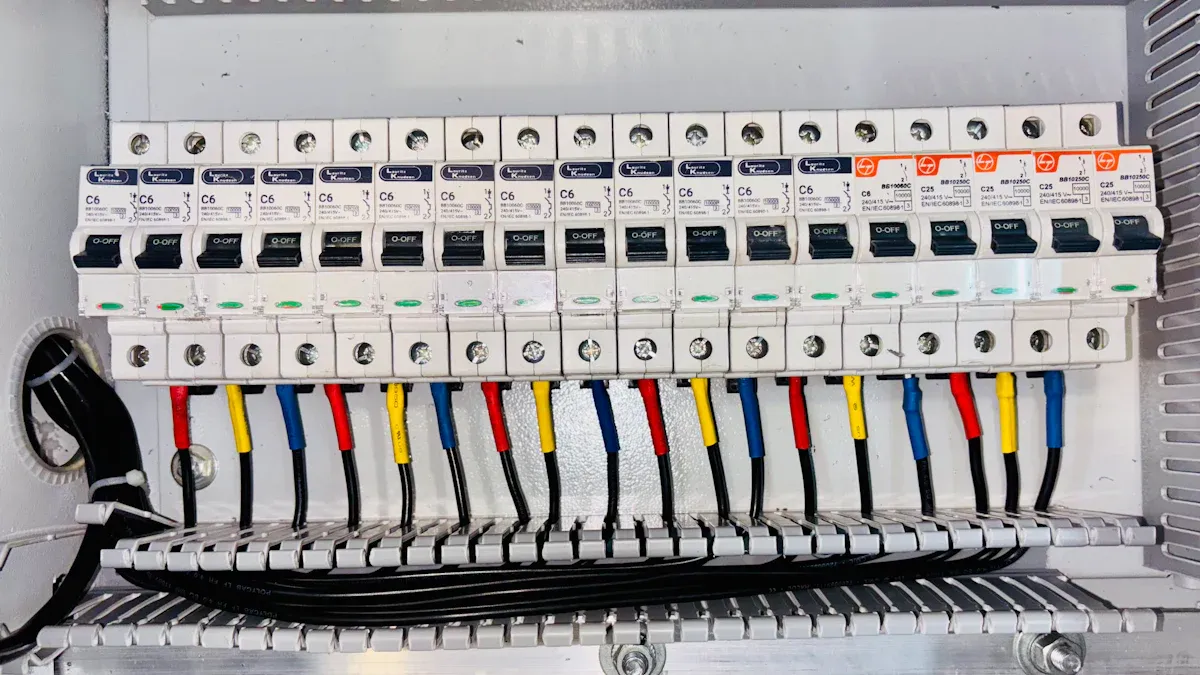
RCD vs RCCB in one sentence: RCD is the general name for residual-current protection devices. An RCCB is one type of RCD that detects earth leakage but does ない provide overload or short-circuit protection.
If you are comparing RCD vs RCCB, they are not two equal product categories. RCCBs and RCBOs both belong to the RCD family. If you need residual-current, overload and short-circuit protection in one device, the correct comparison is usually RCCB 対 アールシーボ.
| 特徴 | さいせつぞく | RCCB | アールシーボ |
|---|---|---|---|
| 意味 | Umbrella term | A type of RCD | A type of RCD |
| Earth-leakage protection | Depends on device | はい | はい |
| 過負荷保護 | Depends on device | いいえ | はい |
| 短絡保護 | Depends on device | いいえ | はい |
| Typical standard | Family term | IEC/EN 61008-1 | IEC/EN 61009-1 |
| Typical installation | General category | With a separate MCB or fuse | Individual circuit protection |
Answer the questions below for a practical starting recommendation.
General guidance only. Final selection must follow equipment instructions and local wiring rules and be verified by a qualified electrician.
RCD stands for residual current device. It monitors the current flowing through the live conductors and disconnects the circuit when an imbalance indicates that current may be leaking to earth. RCD is a category name, not one single construction. RCCBs, RCBOs and some socket or portable protection devices can all be RCDs.
An RCD can reduce electric-shock risk and, at suitable sensitivity levels, reduce fire risk caused by earth leakage. The name RCD alone does not confirm overload or short-circuit protection; always check the exact device type and markings.
An RCCB is a residual current operated circuit-breaker without integral overcurrent protection. It compares the current leaving and returning through the protected conductors and trips when residual current exceeds its operating threshold.
重要: an RCCB cannot protect cables against overload or short circuit. It must be coordinated with a suitable MCB, MCCB or fuse.
An RCCB provides residual-current protection for one or more circuits and needs separate overcurrent protection. An RCBO combines residual-current, overload and short-circuit protection for an individual circuit.
Always follow the appliance, inverter or EV charger manufacturer’s instructions. Choosing Type B simply because a load is electronic can add unnecessary cost; choosing Type AC where DC components are possible can create a protection gap.
| 感度 | Typical objective |
|---|---|
| 10 mA | Special high-risk or limited circuits |
| 30 mA | Additional personal protection |
| 100 mA | Upstream or fire-risk applications |
| 300 mA | Fire protection or upstream selectivity |
Higher-sensitivity upstream devices do not replace 30 mA additional personal protection where it is required. Cascaded RCDs should be coordinated for sensitivity and time delay to improve selectivity.
No. An RCCB is a type of RCD. If integral overload and short-circuit protection is required, compare RCCB with RCBO.
An RCCB requires suitable overcurrent protection, normally provided by an MCB, MCCB or fuse. Coordination must follow manufacturer data and applicable standards.
Both can be correct. RCCB plus MCBs can be cost-effective for grouped circuits. Individual RCBOs improve fault isolation because one leakage fault is less likely to disconnect unrelated circuits.
No. It provides additional protection but does not replace insulation, earthing, bonding or safe working practices.
Review Kuangya’s RCCB range そして RCBO options. For selection support, provide your voltage, phase, rated current, load type, required residual-current type and applicable standard.

