Zona industriale di WengYang Yueqing Wenzhou 325000
Orario di lavoro
Da lunedì a venerdì: dalle 7.00 alle 19.00
Fine settimana: 10.00 - 17.00
Zona industriale di WengYang Yueqing Wenzhou 325000
Orario di lavoro
Da lunedì a venerdì: dalle 7.00 alle 19.00
Fine settimana: 10.00 - 17.00

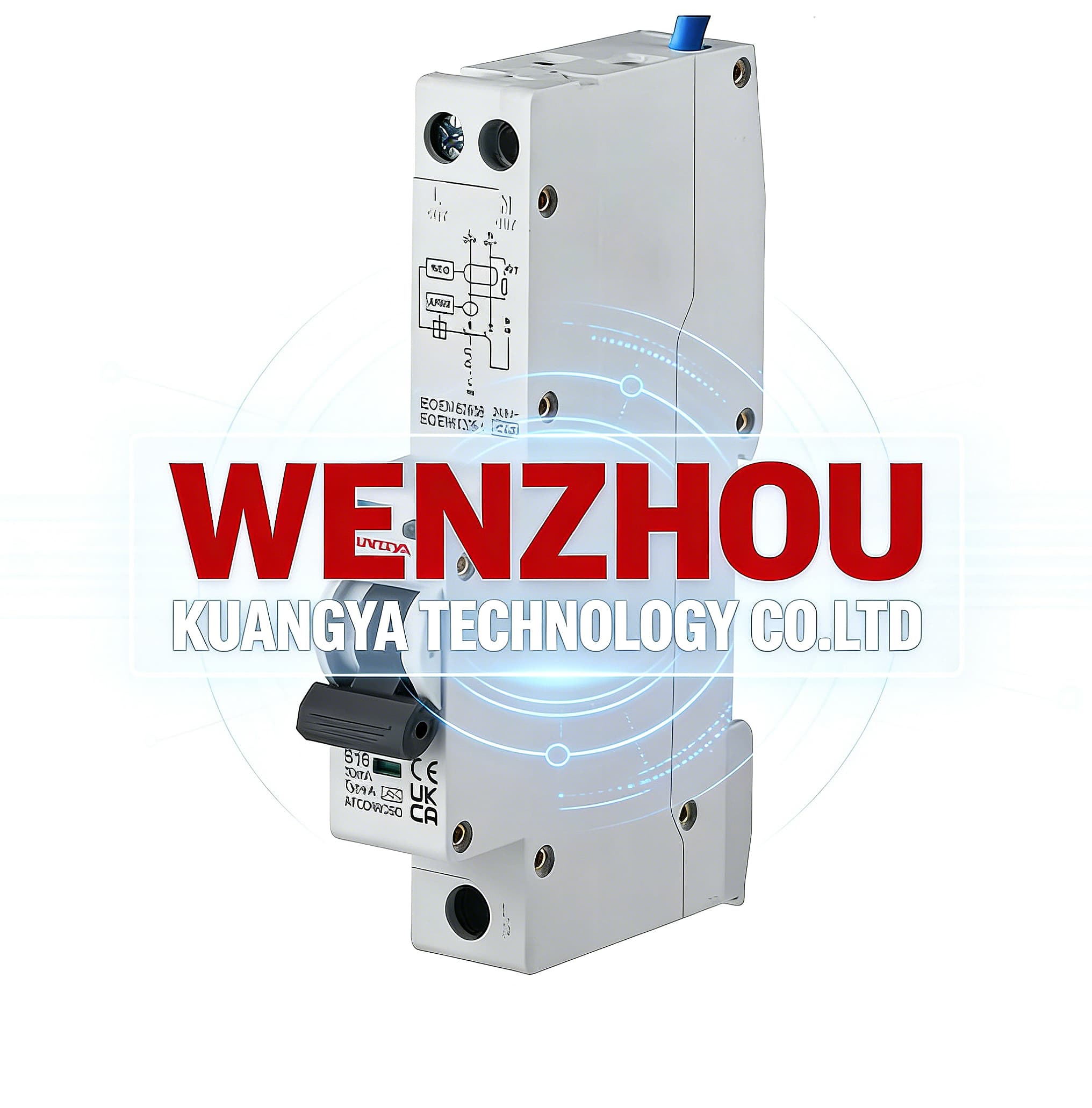
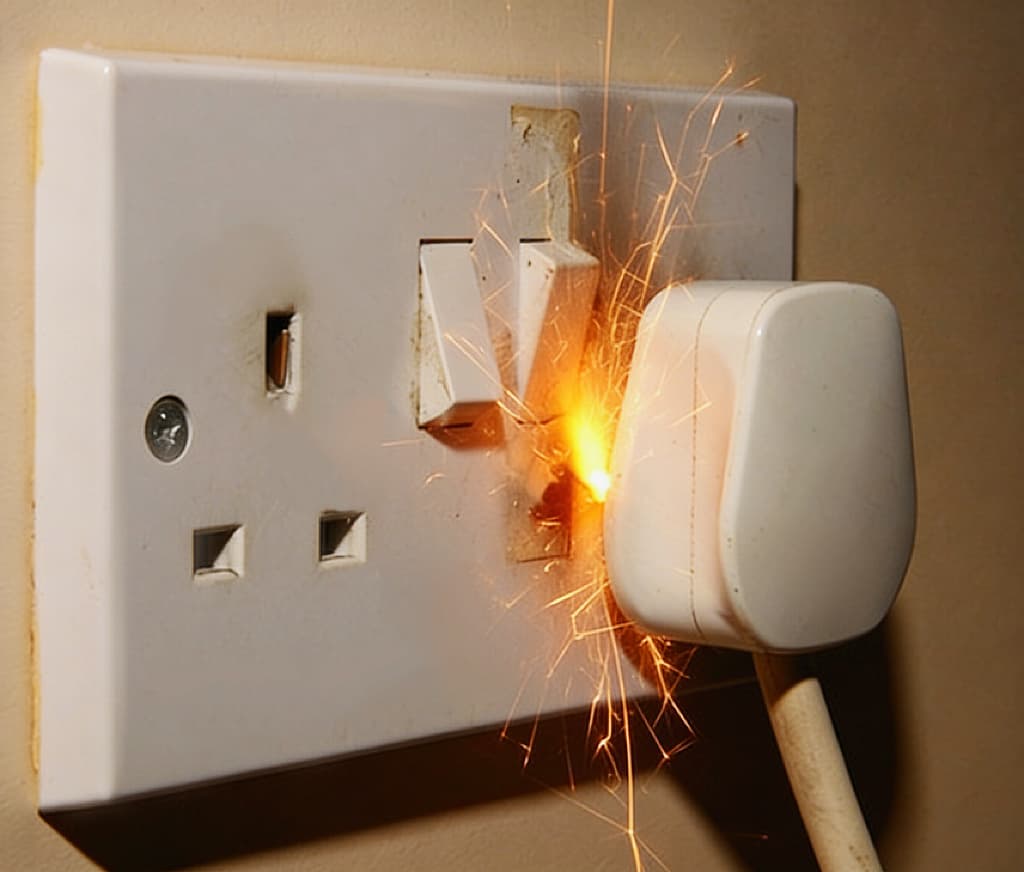
Electrical fires caused by arc faults remain a major safety concern in low-voltage power distribution systems. Unlike overloads or short circuits, arc faults generate irregular, high-frequency signals that are difficult for conventional protection devices to detect.
An Arc Fault Detection Device (AFDD) is designed to identify dangerous arc conditions and disconnect the circuit before ignition occurs. It can detect:
These hidden faults often go unnoticed but are one of the leading causes of electrical fires.
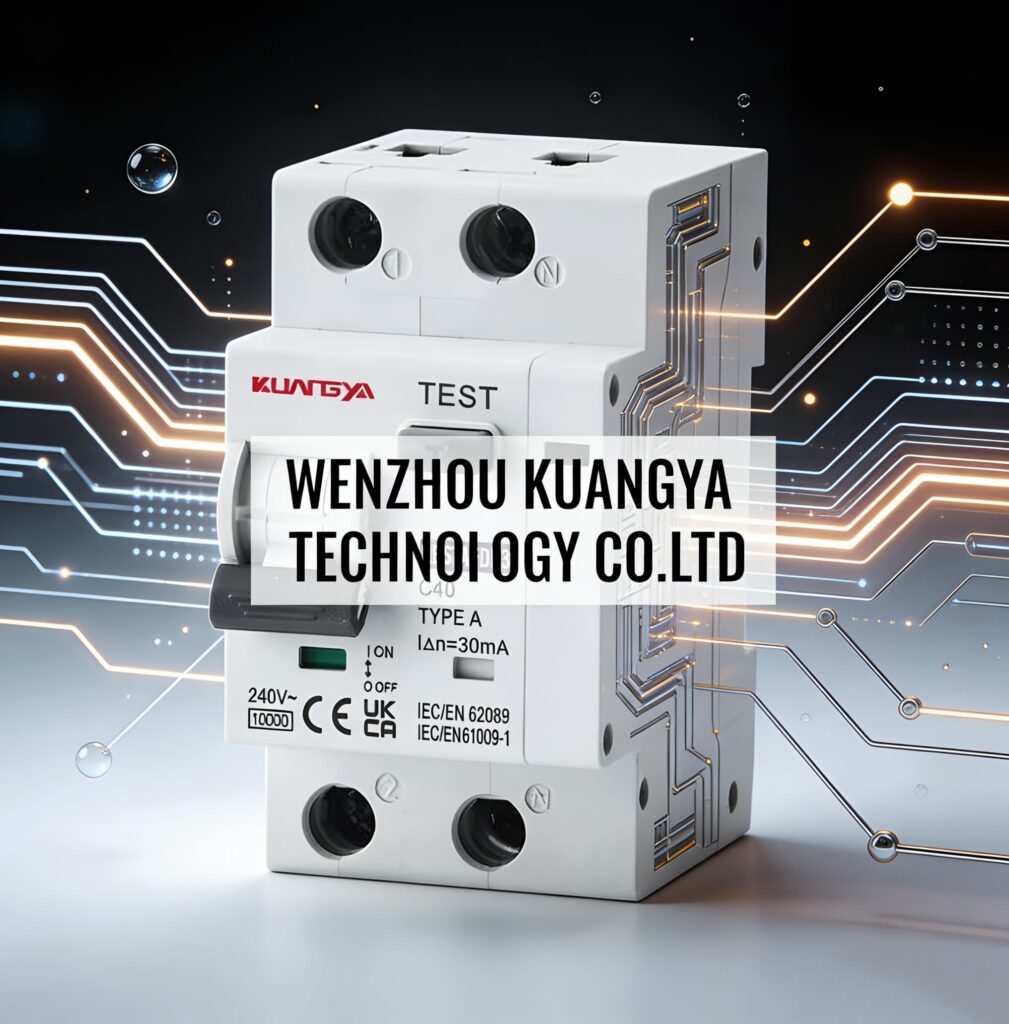
Standard protection devices such as MCBs and RCBOs are designed to respond to current-related faults:
However, these devices cannot detect arc faults.
Arc fault protection devices analyze waveform characteristics and can identify hazardous conditions before they escalate into fire risks.
| Dispositivo | Funzione | Limitazione |
|---|---|---|
| MCB | Protezione da sovracorrente | No arc detection |
| RCBO | Leakage + overload protection | No arc detection |
| Arc fault detection device | Detects arc faults | - |
This type of protection fills a critical gap in traditional electrical safety systems.
In different markets, similar technologies use different naming conventions:
While both provide arc fault protection, they comply with different standards such as IEC 62606 and UL 1699.
The adoption of arc fault protection is driven by evolving safety standards, including:
Key updates in the latest standards include:
These developments reflect the growing importance of arc fault protection in modern electrical infrastructure.
| Fattore di selezione | Sistemi AC | Sistemi DC |
| Applicazione | Buildings and distribution systems | Solar PV and energy storage |
| Metodo di rilevamento | Power frequency waveform analysis | High-frequency arc signature detection |
| Risk Sources | Aging wiring, loose connections | PV cables, battery connections |
| Installazione | Quadri di distribuzione | Combiner boxes / DC cabinets |
Quick guide:
Arc fault protection is widely used in:
In many regions, it is already recommended or required for high-risk circuits.
When selecting a suitable device, consider:
Modern designs often integrate arc fault detection with circuit breaker and leakage protection functions in a single unit.
As electrical systems become more complex and renewable energy adoption increases, the risk of arc faults continues to grow.
Compared with traditional protection devices, arc fault detection technology provides earlier risk identification and significantly improves fire prevention.
Do I need arc fault protection in my home?
It is recommended for bedrooms, older wiring systems, and high-risk areas.
What’s the difference between AFDD and RCBO?
RCBO protects against leakage and overload, while arc fault detection focuses on identifying dangerous arc conditions.
Is AFDD the same as AFCI?
They provide similar protection but follow different standards (IEC vs UL).
Where should it be installed?
Typically at final circuits or critical load points.
Arc fault detection technology addresses a critical limitation of traditional circuit breakers by identifying fire risks that would otherwise go unnoticed.
With evolving standards and increasing system complexity, it is becoming an essential component of modern electrical safety design.
Looking for reliable arc fault circuit breaker solutions?
Kuangya provides IEC-compliant products suitable for residential, commercial, and renewable energy systems.
Contact our technical team today for product selection support and customized solutions.