Zona industriale di WengYang Yueqing Wenzhou 325000
Orario di lavoro
Da lunedì a venerdì: dalle 7.00 alle 19.00
Fine settimana: 10.00 - 17.00
Zona industriale di WengYang Yueqing Wenzhou 325000
Orario di lavoro
Da lunedì a venerdì: dalle 7.00 alle 19.00
Fine settimana: 10.00 - 17.00


In un'umida mattina d'estate del 2023, in un edificio residenziale del sud-est asiatico si è verificato un devastante incidente elettrico che ha causato la morte di un 34enne padre di due figli. Le indagini hanno rivelato una verità agghiacciante: la tragedia non è stata causata da uno sbalzo di tensione, da un fulmine o da un impianto elettrico difettoso. È stata causata da un interruttore automatico a corrente residua (RCCB) installato in modo improprio e al di sotto degli standard, che non è scattato quando si è verificato un guasto a terra nel circuito del bagno.
Il proprietario dell'abitazione aveva acquistato quello che sembrava essere un RCCB legittimo da un distributore non autorizzato, attratto dal prezzo significativamente più basso rispetto ai marchi certificati. Durante l'installazione, l'elettricista - privo di una formazione adeguata sulle specifiche degli RCCB - non ha verificato la conformità del dispositivo agli standard IEC 61008-1 e ha cablato in modo errato il collegamento del neutro. Quando la vittima ha toccato uno scaldabagno difettoso mentre era in piedi sulle piastrelle bagnate, l'RCCB difettoso non ha rilevato la corrente di dispersione di 87 mA. In pochi secondi si è verificata una fibrillazione ventricolare e, nonostante l'immediata assistenza medica, non è stato possibile rianimarlo.
Questo caso straziante sottolinea una realtà cruciale: quando si tratta di dispositivi di sicurezza elettrica come gli interruttori differenziali, la scelta di un produttore professionale e certificato non è solo una questione di qualità, ma anche di protezione delle vite umane. Secondo la Electrical Safety Foundation International, gli incidenti elettrici rappresentano circa il 20% degli incidenti mortali sul posto di lavoro, e le attrezzature inadeguate e la mancanza di protezione da scariche a terra sono le cause principali.
Prima di passare in rassegna i principali produttori, è essenziale capire cosa rende un interruttore differenziale così importante per la sicurezza elettrica. Un interruttore differenziale, noto anche come dispositivo a corrente residua (RCD) o interruttore differenziale (GFCI) in alcune regioni, è un dispositivo salvavita progettato per rilevare gli squilibri tra i conduttori sotto tensione e neutri di un circuito elettrico. Quando la corrente si disperde verso terra - a causa di un isolamento danneggiato, di apparecchi difettosi o di un contatto umano diretto - l'interruttore differenziale rileva questa corrente residua e scollega il circuito entro pochi millisecondi, in genere meno di 40 ms per livelli di dispersione pericolosi.
A differenza dei tradizionali interruttori automatici miniaturizzati (MCB) che proteggono da sovracorrenti e cortocircuiti, gli RCCB proteggono specificamente da scosse elettriche e incendi causati da guasti a terra. Secondo gli standard IEC 61008-1, un interruttore automatico da 30 mA correttamente funzionante deve intervenire entro 300 millisecondi in condizioni standard, una velocità sufficiente a prevenire la fibrillazione ventricolare fatale negli esseri umani. Questa velocità è ciò che separa i dispositivi salvavita dalle imitazioni inadeguate.
I moderni sistemi elettrici devono affrontare sfide sempre più complesse. Con la proliferazione di dispositivi elettronici, inverter solari, caricabatterie per veicoli elettrici e azionamenti a frequenza variabile, gli impianti elettrici ora generano non solo correnti di dispersione in CA, ma anche correnti di guasto pulsanti in CC e correnti di guasto uniformi in CC. Gli interruttori automatici di tipo AC standard, che rilevano solo le correnti residue AC sinusoidali, possono essere “accecati” dai componenti DC, non riuscendo a intervenire quando è più necessario. Per questo motivo, i produttori professionali offrono ora il tipo A (che rileva correnti continue pulsanti fino a 6 mA), il tipo B (che rileva correnti continue uniformi e ad alta frequenza) e varianti specializzate per impianti fotovoltaici e applicazioni di ricarica EV.
Le conseguenze di un guasto all'RCCB vanno oltre il rischio immediato di scosse elettriche. I guasti a terra persistenti possono generare un riscaldamento localizzato nell'isolamento dei cavi, creando rischi di incendio che si sviluppano per ore o giorni. La Commissione statunitense per la sicurezza dei prodotti di consumo stima che gli incendi elettrici legati ai guasti a terra causino ogni anno centinaia di morti e migliaia di feriti, con danni materiali diretti superiori a $1 miliardi. Un interruttore differenziale affidabile di un produttore certificato è la difesa principale contro l'elettrocuzione immediata e i rischi di incendio a lungo termine.
Non tutti gli RCCB sono uguali e le differenze tra dispositivi di livello professionale e imitazioni a basso costo possono fare la differenza tra la vita e la morte. Il mercato globale degli RCCB ha visto un afflusso di prodotti non certificati che, pur assomigliando superficialmente a dispositivi legittimi, si guastano in modo catastrofico in condizioni reali. Questi prodotti di qualità inferiore presentano in genere diverse carenze critiche:
Sensibilità e tempo di risposta inadeguati: I dispositivi RCCB contraffatti o di bassa qualità spesso utilizzano bobine elettromagnetiche e meccanismi di sgancio meccanici di qualità inferiore, che non rispondono alle correnti di dispersione inferiori a 100 mA o impiegano diversi secondi per scattare, troppo lentamente per evitare scosse elettriche fatali. I produttori professionali come CNKUANGYA investono molto nella produzione e nella calibrazione di precisione per garantire che i loro dispositivi intervengano in modo affidabile ai livelli di sensibilità nominale (tipicamente 30mA per la protezione personale) entro i tempi richiesti.
Scarsa capacità di rottura: Quando un interruttore differenziale interviene, deve interrompere in modo sicuro la corrente di guasto senza saldare i contatti o creare pericolosi archi elettrici. I dispositivi di qualità inferiore spesso utilizzano materiali di contatto di bassa qualità e camere di spegnimento dell'arco inadeguate, con conseguente saldatura dei contatti che impedisce un futuro intervento o crea rischi di incendio. I produttori di qualità specificano e testano i loro prodotti in base ai requisiti della norma IEC 61008-1, garantendo una capacità minima di apertura e chiusura del cortocircuito compresa tra 500A e 1000A, a seconda del modello.
Degrado ambientale: Gli RCCB installati in ambienti umidi, zone costiere o ambienti industriali subiscono un degrado accelerato a causa di umidità, nebbia salina, polvere e temperature estreme. I produttori professionali utilizzano materiali resistenti alla corrosione, rivestimenti conformi sui componenti elettronici e robuste custodie con grado di protezione IP20 o superiore. Le alternative più economiche spesso si guastano nel giro di pochi mesi quando vengono esposte a condizioni difficili, lasciando le installazioni senza protezione e senza segni visibili di guasto.
Mancanza di prove e certificazioni di tipo: I produttori affidabili sottopongono i loro prodotti a laboratori di prova indipendenti come TÜV Rheinland, VDE, Bureau Veritas e Intertek per effettuare test di tipo completo secondo le norme IEC 61008-1, IEC 62423 (per applicazioni fotovoltaiche) e gli standard regionali. Questi test verificano le prestazioni in condizioni estreme, tra cui cicli di temperatura, urti meccanici, interferenze elettromagnetiche e funzionamento ripetuto. I prodotti non certificati eludono questa rigorosa validazione, giocando con la sicurezza degli utenti e riducendo i costi.
Il caso di studio che ha aperto questo articolo mostra questi pericoli in modo vivido. L'analisi successiva all'incidente dell'interruttore differenziale guasto ha rivelato che il suo meccanismo di scatto richiedeva 140 mA per attivarsi - più di quattro volte la sensibilità nominale di 30 mA - e impiegava 1,8 secondi per scollegare il circuito. Il dispositivo recava marchi CE contraffatti e certificati di prova falsificati. Se il proprietario avesse scelto un produttore certificato e un'installazione corretta da parte di professionisti qualificati, la tragedia non si sarebbe mai verificata.
La Cina è emersa come una potenza globale nella produzione di apparecchiature di sicurezza elettrica, combinando automazione avanzata, rigoroso controllo di qualità e prezzi competitivi. Tuttavia, il mercato si estende su un ampio spettro che va da produttori di livello mondiale a fornitori discutibili. In base alle capacità tecniche, alle certificazioni internazionali, alla scala di produzione, all'innovazione e al feedback dei clienti, ecco i 5 principali produttori di RCCB in Cina per il 2026:
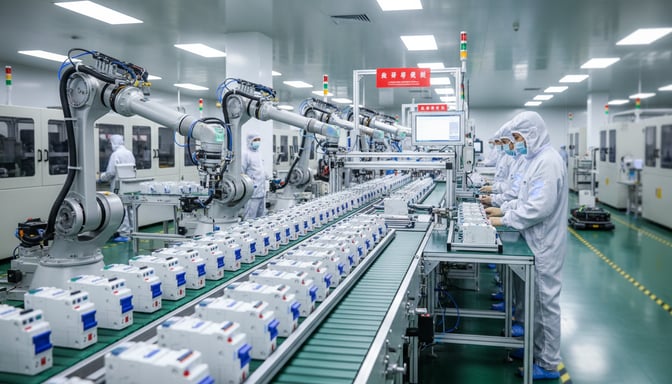
Panoramica dell'azienda: CNKUANGYA Electric si è affermata come il principale produttore cinese di interruttori differenziali orientati al valore, offrendo dispositivi di sicurezza elettrica di livello professionale che rivaleggiano o superano le prestazioni di marchi europei di alto livello come Schneider Electric e Siemens a prezzi decisamente più accessibili. Con sede a Wenzhou, nella provincia di Zhejiang - centro di produzione di apparecchiature elettriche della Cina - CNKUANGYA gestisce impianti di produzione all'avanguardia dotati di linee di assemblaggio automatizzate, apparecchiature di collaudo di precisione e sistemi completi di gestione della qualità certificati ISO 9001:2015.
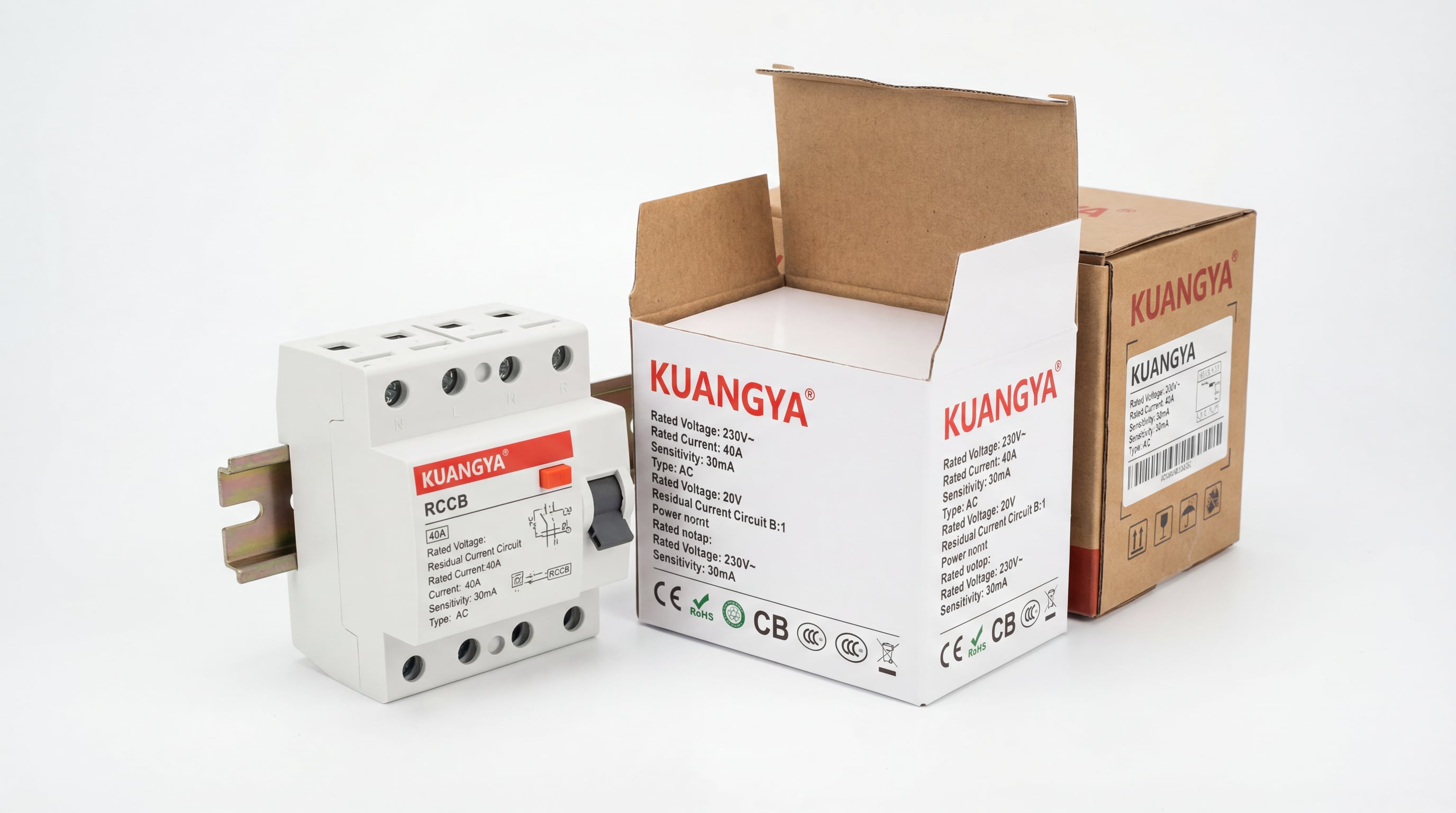
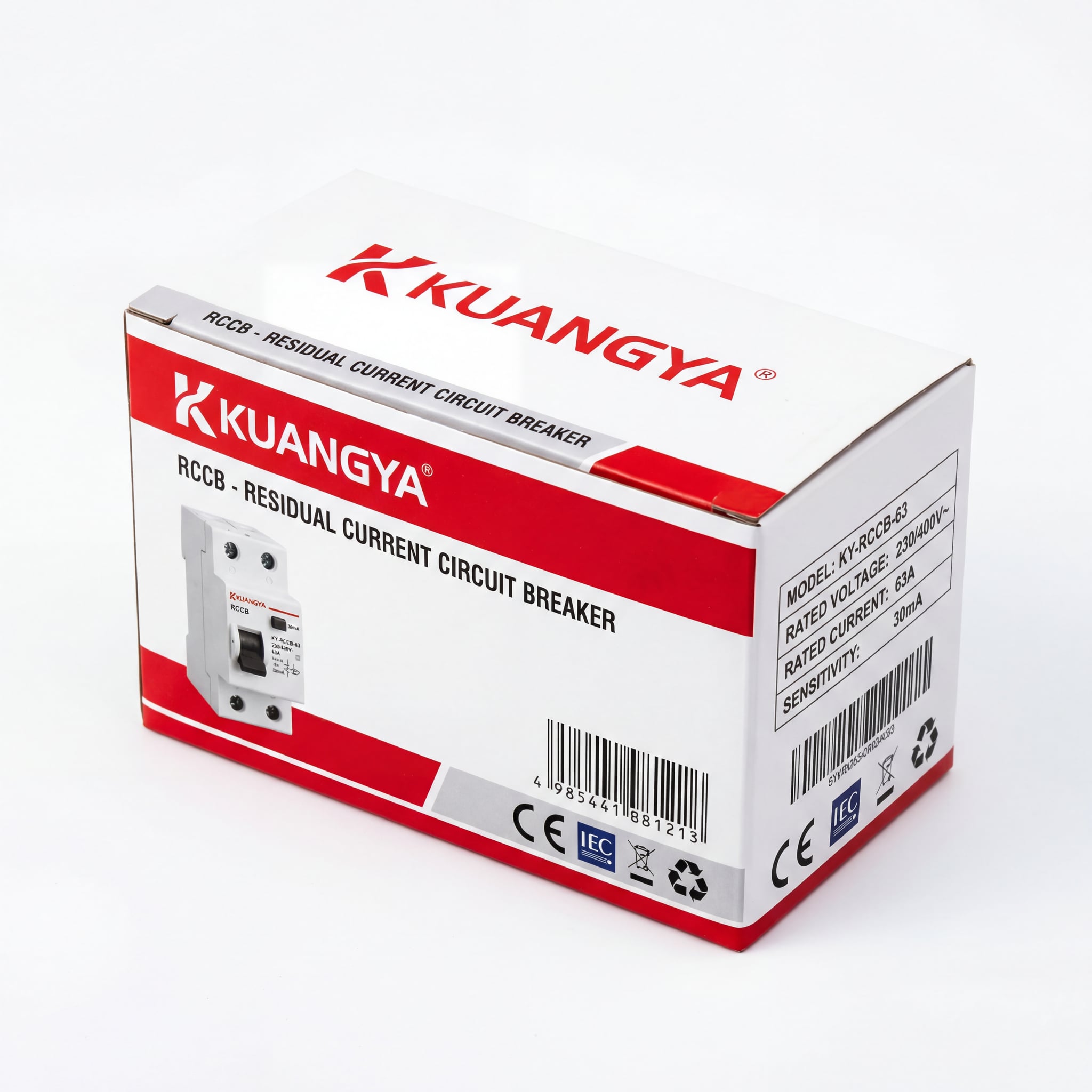
Gamma di prodotti e specifiche tecniche: La gamma di RCCB di CNKUANGYA copre l'intero spettro delle applicazioni residenziali, commerciali e industriali. La linea di prodotti comprende RCCB di tipo AC per installazioni residenziali standard, dispositivi di tipo A per circuiti con carichi elettronici, RCCB di tipo B per impianti fotovoltaici e infrastrutture di ricarica EV, e varianti specializzate di tipo F con una maggiore immunità agli sganci fastidiosi. Disponibili in configurazioni a 2 e 4 poli con correnti nominali da 16A a 100A e opzioni di sensibilità di 10mA, 30mA, 100mA e 300mA, i dispositivi di CNKUANGYA sono pienamente conformi agli standard IEC 61008-1:2012 e IEC 62423:2009.
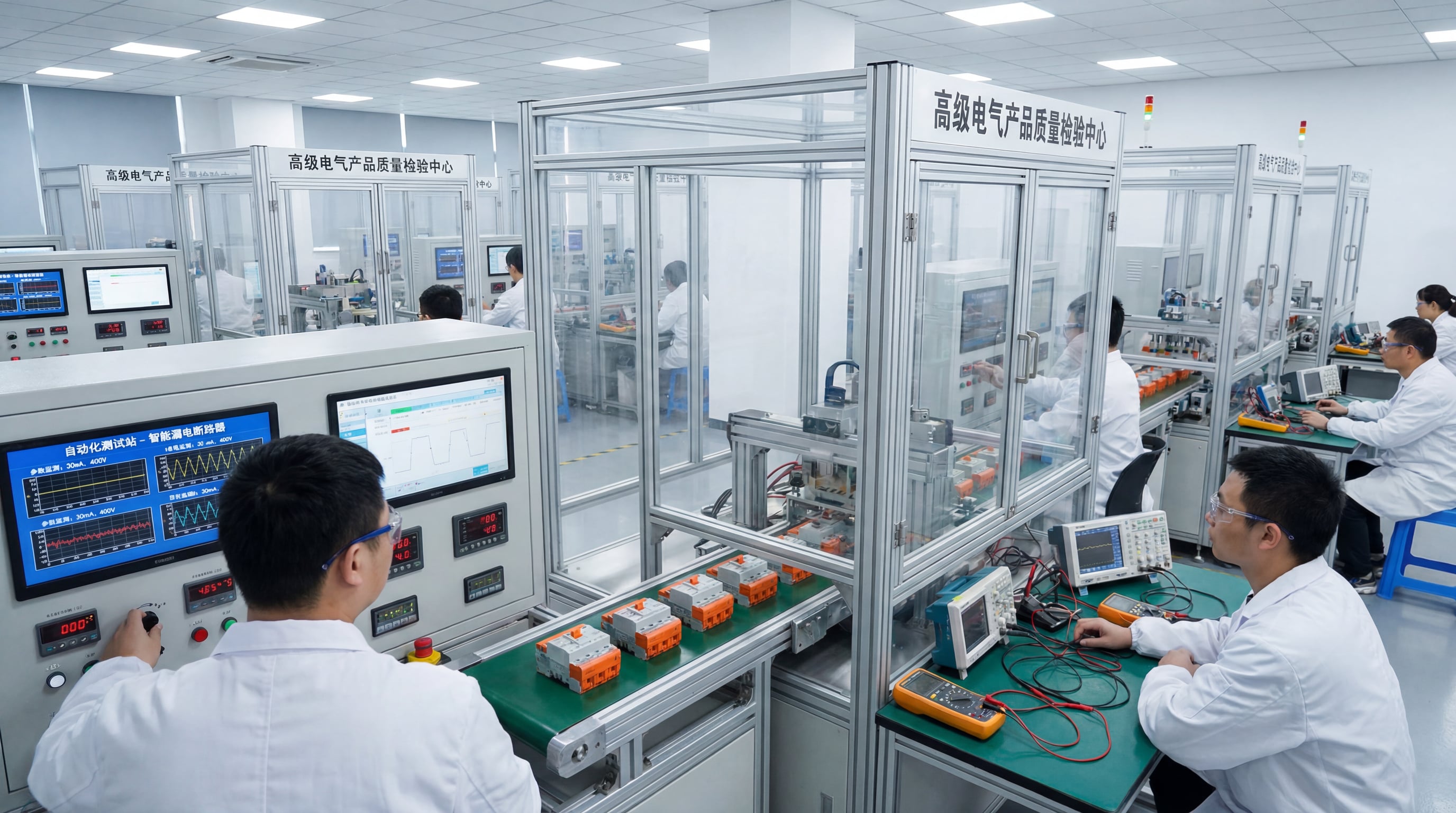
Certificazioni e garanzia di qualità: I prodotti CNKUANGYA sono dotati di certificazioni internazionali complete, tra cui CE (conformità europea), certificati CB Scheme di TÜV Rheinland, UKCA (UK Conformity Assessed), SAA (Standards Australia) e conformità RoHS per la sicurezza ambientale. Ogni lotto di produzione viene sottoposto ai test elettrici 100%, tra cui la verifica della sensibilità di scatto, la misurazione della resistenza di contatto, i test di rigidità dielettrica e i cicli di resistenza meccanica. Campioni casuali di ogni lotto sono sottoposti a test di tipo esteso per verificare l'affidabilità a lungo termine.
Vantaggi competitivi: Ciò che distingue CNKUANGYA è la sua eccezionale proposta di valore. Grazie all'integrazione verticale della produzione dei componenti, all'efficiente gestione della catena di fornitura e ai modelli di vendita diretta in fabbrica, CNKUANGYA è in grado di fornire RCCB di livello professionale a prezzi generalmente inferiori di 40-60% rispetto ai marchi europei equivalenti, senza compromettere la sicurezza o l'affidabilità. I loro dispositivi superano costantemente i prodotti Schneider e Siemens in test comparativi indipendenti per velocità di intervento, affidabilità dei contatti e resistenza ambientale.
Garanzia leader nel settore: CNKUANGYA sostiene i propri prodotti con una garanzia senza precedenti di 5 anni, che supera notevolmente lo standard industriale di 12-24 mesi offerto dalla maggior parte dei concorrenti. Questa garanzia estesa riflette la fiducia del produttore nei suoi processi di controllo della qualità e nell'affidabilità a lungo termine. La garanzia copre i difetti di fabbricazione, l'usura prematura dei contatti e la deriva della calibrazione, con sostituzione gratuita e assistenza tecnica fornita attraverso la rete globale di distributori.
Portata globale: CNKUANGYA esporta in oltre 85 paesi in Asia, Medio Oriente, Africa, Europa e Sud America, con partnership di distribuzione e centri di assistenza tecnica consolidati nei principali mercati. I loro prodotti sono richiesti da appaltatori elettrici, impianti industriali, società di installazione di impianti solari e sviluppatori residenziali che richiedono sicurezza certificata a prezzi competitivi.
Panoramica dell'azienda: Fondata nel 1994 e con sede a Wenzhou e ulteriori impianti di produzione a Shenzhen, TOSUNlux è cresciuta fino a diventare uno dei produttori di apparecchiature elettriche più rispettati in Cina. L'azienda è specializzata in sistemi completi di distribuzione elettrica a bassa tensione, offrendo non solo interruttori differenziali, ma anche MCB, MCCB, RCBO, sezionatori, involucri e soluzioni complete di quadri elettrici.
Punti di forza del prodotto: Gli RCCB TOSUNlux sono noti per la loro struttura robusta e le prestazioni affidabili in ambienti industriali difficili. I loro dispositivi di tipo A e B sono particolarmente apprezzati nelle installazioni di energia rinnovabile, con modelli specializzati progettati per i combinatori fotovoltaici e i sistemi eolici. L'integrazione verticale dell'azienda consente di mantenere uno stretto controllo di qualità su tutti i componenti, dalle bobine elettromagnetiche ai materiali di contatto.
Presenza internazionale: TOSUNlux esporta in 93 paesi e dispone di reti di agenti in 51 nazioni, il che ne fa uno dei produttori elettrici cinesi più connessi al mondo. I loro prodotti sono dotati di certificazioni CE, CB e TUV, che garantiscono la conformità agli standard di sicurezza internazionali. L'ampia rete di distribuzione dell'azienda fornisce assistenza tecnica locale e un rapido servizio di garanzia nei principali mercati.
Mercati di riferimento: TOSUNlux è spesso scelta da appaltatori e distributori che necessitano di un unico fornitore per sistemi di distribuzione elettrica completi. La capacità di fornire componenti abbinati -CB, RCCB, RCBO e involucri - da un unico fornitore semplifica l'approvvigionamento e garantisce la compatibilità. Questo posizionamento li rende particolarmente interessanti per i progetti commerciali e industriali su larga scala, dove l'integrazione del sistema è fondamentale.
Panoramica dell'azienda: GEYA Electric rappresenta la nuova generazione di produttori elettrici cinesi che combinano l'eccellenza produttiva tradizionale con i moderni modelli commerciali diretti al cliente. Eliminando più livelli di distribuzione, GEYA offre prezzi diretti alla fabbrica, mantenendo la piena conformità agli standard IEC/EN e offrendo varianti di prodotto avanzate, tra cui gli RCCB di tipo B e servizi di personalizzazione OEM.
Innovazione tecnica: GEYA ha investito molto nello sviluppo di tecnologie RCCB avanzate, in particolare per i moderni sistemi elettrici con forme d'onda complesse. Gli RCCB di tipo B sono in grado di rilevare correnti di dispersione continue e correnti residue ad alta frequenza provenienti da inverter e convertitori di frequenza, capacità che i dispositivi standard di tipo AC non riescono a cogliere. Ciò rende i prodotti GEYA essenziali per le installazioni contemporanee con sistemi di energia rinnovabile, caricabatterie EV e carichi elettronici sofisticati.
Filosofia di produzione: GEYA opera secondo la filosofia della “sicurezza certificata a prezzi di fabbrica”, sfidando l'idea tradizionale che le apparecchiature di sicurezza elettrica affidabili debbano avere un prezzo da marchio premium. I loro impianti di produzione utilizzano linee di produzione automatizzate con monitoraggio della qualità in tempo reale, garantendo una qualità costante dei prodotti e mantenendo al contempo l'efficienza dei costi. Ogni dispositivo viene sottoposto a test elettrici automatizzati e a verifiche di resistenza meccanica prima dell'imballaggio.
Capacità di personalizzazione: A differenza di molti produttori che offrono solo prodotti standard a catalogo, GEYA offre servizi OEM e ODM per distributori, appaltatori elettrici e produttori di apparecchiature che necessitano di soluzioni RCCB personalizzate. Ciò include valori di sensibilità personalizzati, configurazioni di montaggio specializzate, moduli di comunicazione integrati per sistemi di edifici intelligenti ed etichettatura privata per i marchi dei distributori.
Panoramica dell'azienda: Zhejiang ETEK Electrical Technology Co., Ltd. si è ritagliata una nicchia di mercato specializzata negli RCCB per applicazioni di energia rinnovabile e ricarica di veicoli elettrici. Con la proliferazione dei sistemi solari fotovoltaici e delle infrastrutture di ricarica dei veicoli elettrici a livello globale, ETEK si è concentrata sullo sviluppo di RCCB specificamente progettati per gestire le sfide uniche che questi sistemi presentano, tra cui il rilevamento delle perdite di corrente continua, l'immunità ai disturbi ad alta frequenza e la compatibilità con l'elettronica di potenza.
Linea di prodotti specializzati: ETEK produce la gamma completa di tipi di corrente residua necessari per i moderni sistemi elettrici: Tipo AC, Tipo A, Tipo G, Tipo B, Tipo B+ (1,5kHz per applicazioni ad alta frequenza) e Tipo A+S (ritardato per la selettività). I prodotti coprono livelli di sensibilità da 10mA (per una maggiore protezione personale) a 300mA (per la protezione antincendio in grandi installazioni). Tutti i prodotti sono progettati e testati secondo gli standard IEC 61008 e IEC 62423, specifici per le applicazioni fotovoltaiche.
Certificazioni: I prodotti ETEK sono sottoposti a rigorosi test da parte di enti di certificazione riconosciuti a livello internazionale, tra cui TÜV Rheinland, Bureau Veritas e VDE. Sono in possesso di certificati CB Scheme, marchio CE, certificazione UKCA per il mercato britannico, approvazione SAA per l'Australia e conformità ambientale RoHS. Questo portafoglio completo di certificazioni garantisce che gli RCCB ETEK soddisfino i requisiti normativi in quasi tutti i mercati globali.
Focus sull'applicazione: Gli RCCB di ETEK sono ampiamente utilizzati nei combinatori fotovoltaici, nei sistemi di inverter solari, nelle pile di ricarica EV e nei sistemi elettrici industriali con azionamenti a frequenza variabile. I dispositivi di tipo B e B+ forniscono una protezione affidabile contro le correnti di dispersione in CC e ad alta frequenza che gli interruttori automatici di protezione standard non sono in grado di rilevare, evitando la pericolosa situazione in cui esiste un guasto a terra ma il dispositivo di protezione non interviene.
Panoramica dell'azienda: Il Gruppo W9 è specializzato in interruttori differenziali ad alte prestazioni per applicazioni industriali e commerciali in cui l'affidabilità in condizioni difficili è fondamentale. I loro prodotti sono progettati per prolungare la vita utile in ambienti difficili, come le zone costiere con nebbia salina, gli impianti industriali con esposizione a polvere e sostanze chimiche e i climi tropicali con elevata umidità e temperature estreme.
Standard di qualità: W9 Group si attiene rigorosamente agli standard di qualità internazionali, con tutti i prodotti conformi alle specifiche IEC 61008 e dotati di certificazioni pertinenti per i mercati di destinazione. Il sistema di gestione della qualità dell'azienda è certificato ISO 9001:2015 e garantisce processi coerenti dall'approvvigionamento delle materie prime al collaudo finale e all'imballaggio. Gli impianti di produzione utilizzano il controllo statistico dei processi e i test automatizzati per mantenere tolleranze ristrette su parametri critici come la sensibilità di scatto e il tempo di risposta.
Servizi di personalizzazione: Riconoscendo che le applicazioni industriali hanno spesso requisiti unici, W9 Group offre ampi servizi di personalizzazione per soddisfare le esigenze specifiche dei clienti. Ciò include valori di tensione personalizzati, materiali di contatto specializzati per applicazioni ad alto ciclo, valori di protezione ambientale migliorati e integrazione con i sistemi di gestione degli edifici. Il team di ingegneri collabora direttamente con i clienti per sviluppare soluzioni su misura per le applicazioni più complesse.
Affidabilità del prodotto: Gli RCCB W9 sono progettati per una lunga durata di vita con requisiti minimi di manutenzione. L'azienda utilizza materiali di contatto di prima qualità con un'elevata resistenza all'erosione, meccanismi di scatto robusti con una durata meccanica elevata (in genere oltre 20.000 operazioni) e involucri resistenti alla corrosione. Queste caratteristiche rendono i prodotti W9 particolarmente adatti alle applicazioni per infrastrutture critiche, dove un guasto del dispositivo potrebbe avere gravi conseguenze.
La scelta del produttore di RCCB appropriato richiede un'attenta valutazione di diversi fattori critici che vanno oltre il semplice confronto dei prezzi. Ecco un quadro completo per prendere una decisione informata:
Certificazione e conformità: Verificare che i prodotti del produttore abbiano certificazioni autentiche rilasciate da laboratori di prova riconosciuti. I certificati legittimi di TÜV Rheinland, VDE, Bureau Veritas, Intertek o altri organismi equivalenti possono essere verificati direttamente con l'organizzazione che li ha rilasciati. Siate estremamente cauti con i produttori che non sono in grado di fornire una documentazione di certificazione verificabile o i cui certificati appaiono alterati o obsoleti. Tutti gli RCCB dovrebbero essere conformi alla norma IEC 61008-1 come base minima, con standard aggiuntivi come la IEC 62423 per applicazioni specializzate.
Selezione del tipo per la vostra applicazione: Il tipo di RCCB deve essere adattato alle caratteristiche specifiche dell'impianto elettrico. I dispositivi di tipo AC sono adatti solo per carichi puramente resistivi e induttivi senza componenti elettronici. Gli RCCB di tipo A sono necessari per i circuiti con apparecchiature elettroniche, azionamenti a frequenza variabile monofase e apparecchi moderni con alimentatori a commutazione. I dispositivi di tipo B sono essenziali per i VFD trifase, gli inverter solari, i caricabatterie EV e tutte le applicazioni che possono generare correnti di dispersione CC. L'utilizzo di un tipo inadeguato può causare il mancato intervento in condizioni di guasto reali.
Sensibilità e selettività: Scegliere i valori di sensibilità appropriati in base all'applicazione. Gli RCCB da 30 mA forniscono protezione personale contro le scosse elettriche e dovrebbero essere utilizzati per tutti i circuiti in cui è possibile il contatto diretto delle persone con le apparecchiature, compresi bagni, cucine, prese esterne e circuiti di apparecchiature portatili. I dispositivi da 100mA e 300mA forniscono protezione antincendio per le installazioni fisse e devono essere coordinati con i dispositivi da 30mA a valle per ottenere la selettività, ossia garantire che solo l'interruttore automatico di protezione più vicino al guasto scatti, mantenendo l'alimentazione ai circuiti non interessati.
Reputazione e curriculum del produttore: Ricercare la storia del produttore, le recensioni dei clienti e la presenza sul mercato. I produttori affermati, con decenni di esperienza e una vasta base installata, dimostrano una comprovata affidabilità. Cercate i produttori che investono in ricerca e sviluppo, mantengono impianti di produzione moderni e forniscono una documentazione tecnica completa. Le aziende come CNKUANGYA che offrono garanzie estese (oltre 5 anni) dimostrano la fiducia nella qualità dei loro prodotti e nella loro affidabilità a lungo termine.
Assistenza tecnica e disponibilità: Considerate la capacità del produttore di fornire supporto tecnico, guida all'installazione e assistenza per la risoluzione dei problemi. I produttori che dispongono di una rete di distributori consolidata, di una documentazione facilmente reperibile nella vostra lingua e di un servizio di assistenza clienti reattivo vi faranno risparmiare tempo e costi significativi durante il ciclo di vita del prodotto. Verificate che le parti di ricambio e i modelli equivalenti siano disponibili per la durata prevista dell'impianto.
Costo totale di gestione: Sebbene il prezzo di acquisto iniziale sia importante, valutare il costo totale di proprietà, compresa la copertura della garanzia, la durata prevista, i requisiti di manutenzione e i costi di sostituzione. Un RCCB di prezzo elevato di un produttore discutibile può richiedere la sostituzione ogni 2-3 anni, mentre un dispositivo di prezzo moderato di un produttore di qualità come CNKUANGYA, con una garanzia di 5 anni e una vita utile di oltre 15 anni, offre un valore di gran lunga superiore. Tenete conto dei costi della manodopera per l'installazione, dei tempi di inattività per le sostituzioni e delle potenziali responsabilità derivanti da un guasto del dispositivo.
Anche l'interruttore differenziale di qualità più elevata del produttore più rinomato non è in grado di proteggere se installato in modo improprio. Il tragico caso di studio che apre questo articolo non riguardava solo un dispositivo di qualità inferiore, ma anche errori di installazione che hanno aggravato il problema. Ecco le pratiche di installazione critiche da seguire:
Collegamenti di cablaggio corretti: Gli RCCB devono essere cablati con il lato linea (alimentazione) collegato ai terminali contrassegnati da “Line” o “L” e il lato carico ai terminali contrassegnati da “Load” o “N”. L'inversione di questi collegamenti può impedire il corretto funzionamento. Il conduttore di neutro deve passare attraverso il trasformatore di rilevamento interno dell'RCCB insieme ai conduttori di linea: qualsiasi collegamento neutro-terra a valle dell'RCCB causerà interventi di disturbo, mentre i collegamenti del neutro che bypassano l'RCCB impediranno il rilevamento dei guasti.
Isolamento del neutro: Ogni RCCB deve avere un neutro dedicato che non condivida i collegamenti con altri circuiti. I neutri condivisi tra circuiti protetti da RCCB diversi causeranno lo squilibrio delle correnti di entrambi i dispositivi, con conseguenti interventi di disturbo. Nei sistemi trifase, assicurarsi che tutte e tre le fasi e il neutro passino attraverso lo stesso RCCB.
Protezione da sovracorrente a monte: Gli RCCB proteggono dai guasti a terra ma non forniscono protezione dalle sovracorrenti. Devono sempre essere installati insieme a MCB o fusibili di dimensioni adeguate che proteggano da condizioni di sovraccarico e cortocircuito. Il dispositivo di protezione a monte deve essere coordinato con la corrente nominale e la capacità di cortocircuito dell'interruttore differenziale.
Considerazioni ambientali: Installare gli RCCB in luoghi conformi alle loro classificazioni ambientali. I dispositivi standard con grado di protezione IP20 sono adatti solo per ambienti interni asciutti all'interno di custodie. Le installazioni all'aperto, i luoghi umidi e le aree esposte a polvere o sostanze chimiche richiedono RCCB con gradi di protezione ambientale più elevati e custodie adeguate. Assicurare una ventilazione adeguata per evitare l'accumulo di calore che può compromettere la calibrazione e la durata di vita.
Test e verifica: Dopo l'installazione, testare l'RCCB utilizzando il pulsante di prova incorporato per verificare la funzionalità di base. Per le installazioni critiche, utilizzare un tester RCCB dedicato per verificare la sensibilità di intervento e il tempo di risposta alla corrente di dispersione nominale. Testare il dispositivo mensilmente utilizzando il pulsante di prova e condurre annualmente un test professionale. Se il pulsante di prova non fa scattare il dispositivo o se lo scatto sembra lento, sostituire immediatamente l'interruttore differenziale: sono segni di un guasto interno.
Documentazione ed etichettatura: Etichettare chiaramente tutti gli RCCB con l'identificazione del circuito e la data di installazione. Conservare le registrazioni dei dettagli dell'installazione, dei risultati dei test e di qualsiasi manutenzione effettuata. Questa documentazione è essenziale per la risoluzione dei problemi, le richieste di garanzia e la dimostrazione della conformità ai codici elettrici durante le ispezioni.
CNKUANGYA Electric si è guadagnata la posizione di primo produttore cinese di circuiti stampati orientati al valore grazie a un impegno costante per la qualità, l'innovazione e la soddisfazione dei clienti. Ecco cosa ci distingue:
Una proposta di valore ineguagliabile: Grazie a processi di produzione efficienti, all'integrazione verticale e ai modelli di vendita diretta, CNKUANGYA offre RCCB di livello professionale a prezzi 40-60% inferiori a quelli dei marchi europei equivalenti. I nostri prodotti soddisfano o superano gli stessi standard IEC 61008-1 e sono sottoposti agli stessi rigorosi test di dispositivi che costano il doppio. Semplicemente, eliminiamo i ricarichi inutili e le inefficienze nella catena di fornitura.
Prestazioni superiori: Test comparativi indipendenti dimostrano costantemente che gli interruttori magnetotermici CNKUANGYA superano gli equivalenti di Schneider Electric e Siemens in parametri critici quali la velocità di intervento, l'affidabilità dei contatti e la resistenza ambientale. I nostri dispositivi di tipo A intervengono in media 15 ms più velocemente rispetto ai modelli Schneider comparabili con una perdita di 30 mA, facendo potenzialmente la differenza tra una scossa lieve e una lesione grave. I nostri materiali di contatto dimostrano un degrado della resistenza inferiore di 30% dopo 10.000 cicli di funzionamento rispetto agli equivalenti Siemens.
Certificazioni complete: I prodotti CNKUANGYA sono dotati di certificazioni internazionali complete, tra cui CE, CB Scheme (TÜV Rheinland), UKCA, SAA e RoHS. Non si tratta di marchi superficiali, ma di migliaia di ore di test di tipo e di verifiche continue in fabbrica da parte di enti di certificazione indipendenti. Ogni certificato può essere verificato direttamente con il laboratorio che lo ha rilasciato, garantendo trasparenza e sicurezza.
Garanzia di 5 anni leader del settore: Mentre la maggior parte dei produttori di RCCB offre una garanzia di 12-24 mesi, CNKUANGYA offre a ogni prodotto una garanzia completa di 5 anni che copre i difetti di fabbricazione, l'usura prematura e la deriva di calibrazione. Questa garanzia estesa riflette la nostra fiducia nell'affidabilità a lungo termine e offre ai clienti tranquillità e riduzione del costo totale di proprietà. Le richieste di garanzia vengono elaborate rapidamente attraverso la nostra rete globale di distributori, con sostituzione gratuita e supporto tecnico.
Gamma completa di prodotti: Dagli RCCB residenziali di base di tipo AC ai dispositivi avanzati di tipo B per applicazioni solari e EV, CNKUANGYA offre la gamma completa di dispositivi di protezione dalle correnti residue. La nostra linea di prodotti comprende configurazioni a 2 e 4 poli, correnti nominali da 16A a 100A e opzioni di sensibilità da 10mA a 300mA. Questa gamma completa consente ai clienti di rifornirsi di tutti i loro requisiti di RCCB da un unico produttore di fiducia.
Eccellenza tecnica: CNKUANGYA investe molto in ricerca e sviluppo, impiegando ingegneri elettrici esperti e mantenendo partnership con università e istituti di ricerca di primo piano. I nostri sforzi di ricerca e sviluppo si concentrano sul miglioramento della velocità di intervento, sull'aumento dell'immunità agli interventi di disturbo, sull'estensione della resistenza meccanica e sullo sviluppo di soluzioni per applicazioni emergenti come le microgrid in corrente continua e l'integrazione degli edifici intelligenti.
Rete di supporto globale: Con esportazioni in oltre 85 paesi e partnership consolidate con distributori in tutto il mondo, CNKUANGYA fornisce assistenza tecnica locale, consegne rapide e un servizio post-vendita completo. Il nostro team tecnico offre una guida all'installazione, assistenza per la risoluzione dei problemi e supporto tecnico applicativo in più lingue. Siamo consapevoli del fatto che la sicurezza elettrica è troppo importante per scendere a compromessi con un'assistenza inadeguata.
Risposta: La classificazione del tipo di interruttore differenziale si riferisce alla capacità di rilevare diverse forme d'onda di corrente residua, che è fondamentale per una protezione adeguata nei moderni sistemi elettrici.
Tipo AC RCCBs sono i più semplici e sono in grado di rilevare solo le correnti residue sinusoidali in CA, quelle prodotte dai carichi resistivi e induttivi tradizionali come l'illuminazione a incandescenza, i riscaldatori e i motori semplici. Tuttavia, i dispositivi di tipo AC hanno una limitazione significativa: possono essere “accecati” dalle componenti DC della corrente residua, non riuscendo potenzialmente a intervenire in condizioni di guasto reali. Con la proliferazione di dispositivi elettronici che utilizzano alimentatori a commutazione, gli interruttori differenziali di tipo AC stanno diventando sempre più inadeguati per le installazioni moderne.
RCCB di tipo A sono in grado di rilevare sia correnti residue AC sinusoidali che correnti residue DC pulsanti fino a 6mA. Questo li rende adatti ai circuiti con apparecchiature elettroniche, tra cui computer, illuminazione a LED, elettrodomestici moderni con controlli elettronici, azionamenti a frequenza variabile monofase e apparecchiature di ricarica EV. I dispositivi di tipo A sono oggi considerati lo standard minimo accettabile per le installazioni residenziali e commerciali in molte giurisdizioni e gli standard IEC li raccomandano per qualsiasi circuito che possa alimentare apparecchiature con componenti elettronici.
RCCB di tipo B forniscono la protezione più completa, rilevando correnti residue sinusoidali in CA, pulsazioni in CC e correnti residue lisce in CC fino a 10 mA, nonché correnti residue ad alta frequenza fino a 1 kHz o più (il tipo B+ estende questa soglia a 1,5 kHz). I dispositivi di tipo B sono essenziali per gli azionamenti a frequenza variabile trifase, gli inverter solari fotovoltaici, le stazioni di ricarica per veicoli elettrici, i sistemi di alimentazione in c.c. e tutte le applicazioni in cui potrebbe verificarsi una dispersione continua. Sebbene siano più costosi dei dispositivi di tipo A, gli RCCB di tipo B sono obbligatori per queste applicazioni, poiché i tipi standard non garantiscono una protezione affidabile.
Di quale tipo avete bisogno? Per le nuove installazioni residenziali, il tipo A deve essere considerato lo standard minimo, in particolare per i circuiti che servono cucine, bagni e aree con apparecchiature elettroniche. Per gli impianti solari fotovoltaici, i caricabatterie EV e le applicazioni industriali con VFD, il tipo B è essenziale. Se state sostituendo un RCCB esistente, verificate le caratteristiche del vostro sistema: se include inverter solari, ricarica di veicoli elettrici o carichi elettronici significativi, è fortemente consigliato l'aggiornamento al Tipo A o al Tipo B, anche se l'installazione originale utilizzava il Tipo AC.
Risposta: Un test regolare è essenziale per garantire che l'RCCB rimanga funzionante e pronto a proteggere quando necessario. Il pulsante di prova incorporato fornisce un metodo di verifica semplice ma fondamentale, da utilizzare con costanza.
Frequenza dei test: I produttori e gli standard di sicurezza elettrica raccomandano di testare mensilmente gli RCCB utilizzando il pulsante di prova incorporato. Questo pulsante crea un piccolo guasto artificiale a terra che dovrebbe far scattare immediatamente l'interruttore differenziale, scollegando l'alimentazione del circuito protetto. Il test richiede pochi secondi: è sufficiente premere il pulsante di prova, verificare che l'interruttore differenziale intervenga (l'interruttore si sposta in posizione off e l'alimentazione viene scollegata), quindi ripristinare il dispositivo riportando l'interruttore in posizione on. Oltre ai test mensili da parte dell'utente, è necessario eseguire annualmente un test professionale con un'apparecchiatura di prova RCCB calibrata per verificare la sensibilità di intervento e il tempo di risposta alla corrente di dispersione nominale.
Se il pulsante di prova non funziona: Un pulsante di prova non funzionante è un grave problema di sicurezza che richiede un intervento immediato. Se la pressione del pulsante di prova non provoca l'intervento dell'interruttore differenziale, ciò indica uno dei seguenti potenziali guasti: il meccanismo di scatto potrebbe essere inceppato o corroso, i collegamenti interni potrebbero essere guasti, il trasformatore di rilevamento potrebbe essere danneggiato o il circuito del pulsante di prova stesso potrebbe essere interrotto. Indipendentemente dalla causa specifica, un interruttore differenziale che non supera la verifica del pulsante di prova deve essere considerato non funzionante e deve essere sostituito immediatamente; non si può fare affidamento sulla protezione durante un'effettiva dispersione a terra.
Segnali di pericolo: Oltre al guasto del pulsante di prova, è necessario prestare attenzione ai seguenti segnali di avvertimento che indicano la necessità di sostituire l'RCCB: il dispositivo scatta frequentemente senza una causa apparente (può indicare una deriva della calibrazione o un danno interno), l'interruttore di reset sembra allentato o non scatta saldamente in posizione, danni visibili o segni di bruciatura sul dispositivo, oppure il dispositivo non scatta quando viene testato con un'apparecchiatura di prova professionale. Gli interruttori differenziali hanno una vita utile limitata - in genere 15-20 anni per i dispositivi di qualità in condizioni normali - e dovrebbero essere sostituiti in modo proattivo se si avvicinano a questa età, anche se superano ancora i test di base.
Documentazione: Tenere un registro delle date e dei risultati dei test per ogni RCCB dell'impianto. Questa documentazione aiuta a identificare i dispositivi che potrebbero degradarsi nel tempo e dimostra la conformità ai requisiti di sicurezza durante le ispezioni. Molti appaltatori di impianti elettrici utilizzano applicazioni per smartphone o sistemi basati su cloud per tenere traccia dei programmi e dei risultati dei test RCCB su più impianti.
Il tragico caso di studio che apre questo articolo serve a ricordare che la sicurezza elettrica non è un settore in cui le scorciatoie sono accettabili. I pochi dollari risparmiati acquistando un interruttore differenziale di qualità inferiore o saltando le corrette procedure di installazione impallidiscono di fronte alle devastanti conseguenze di un guasto del dispositivo. Quando si verifica un guasto a terra - sia esso dovuto a un isolamento danneggiato, a un apparecchio difettoso o a un contatto accidentale - si hanno a disposizione solo pochi millisecondi prima che si verifichino lesioni gravi o morte. Il vostro RCCB è l'unica cosa che si frappone tra un incidente minore e una tragedia.
Scegliere un produttore di RCCB professionale e certificato come CNKUANGYA assicura che i vostri dispositivi di sicurezza elettrica funzionino come previsto quando ne avete più bisogno. Il nostro impegno per la produzione di qualità, i test rigorosi, le certificazioni complete e la garanzia di 5 anni leader del settore garantiscono la tranquillità di sapere che la vostra famiglia, i vostri dipendenti e la vostra proprietà sono protetti da dispositivi di cui vi potete fidare. Con prestazioni pari o superiori a quelle di marchi europei di alto livello come Schneider Electric e Siemens a prezzi significativamente più accessibili, CNKUANGYA offre il miglior rapporto qualità-prezzo nel mercato cinese degli RCCB.
Che siate un'impresa di impianti elettrici che richiede un'apparecchiatura per una nuova installazione, un facility manager che si occupa della manutenzione di impianti esistenti, un installatore di impianti solari che progetta sistemi fotovoltaici o un proprietario di casa che aggiorna la propria protezione elettrica, i produttori presentati in questa guida rappresentano l'apice dell'eccellenza della produzione cinese di RCCB. Ciascuno di essi apporta al mercato punti di forza unici, ma tutti condividono l'impegno per la sicurezza elettrica, gli standard di qualità internazionali e la soddisfazione dei clienti.
Non giocate con la sicurezza elettrica. Scegliete un produttore di RCCB certificato e professionale, con una comprovata esperienza, certificazioni complete e una solida assistenza in garanzia. Ne va della vostra vita e di quella di coloro che state proteggendo.
Per ulteriori informazioni sugli RCCB CNKUANGYA, sulle specifiche tecniche, sulle sedi dei distributori e sul supporto alle applicazioni, visitate il nostro sito web o contattate il nostro team tecnico. Ci impegniamo a rendere accessibile a tutti una sicurezza elettrica di livello professionale.
Parole chiave: Produttori di interruttori differenziali in Cina, interruttori differenziali, dispositivi di sicurezza elettrica, protezione contro i guasti a terra, interruttori differenziali di tipo A, interruttori differenziali di tipo B, IEC 61008-1, CNKUANGYA Electric, produttori di interruttori, dispositivi di protezione elettrica, dispositivi RCD, produttori di GFCI, produttori elettrici cinesi, fornitori di interruttori differenziali, standard di sicurezza elettrica, interruttori differenziali fotovoltaici, protezione per la ricarica di veicoli elettrici, interruttori industriali, sicurezza elettrica residenziale, soluzioni per interruttori differenziali commerciali.

