Zona industriale di WengYang Yueqing Wenzhou 325000
Orario di lavoro
Da lunedì a venerdì: dalle 7.00 alle 19.00
Fine settimana: 10.00 - 17.00
Zona industriale di WengYang Yueqing Wenzhou 325000
Orario di lavoro
Da lunedì a venerdì: dalle 7.00 alle 19.00
Fine settimana: 10.00 - 17.00


Con la continua diffusione dei sistemi a energia solare in tutto il mondo, la comprensione dei componenti critici che garantiscono un funzionamento sicuro ed efficiente diventa sempre più importante. Tra questi componenti essenziali, il combinatore solare svolge un ruolo fondamentale nella gestione dell'alimentazione in corrente continua da più stringhe di pannelli solari. Sia che stiate progettando un'installazione residenziale sul tetto o un impianto solare commerciale su larga scala, sapere cosa c'è all'interno di un combiner box solare e come funziona può aiutarvi a prendere decisioni informate sul vostro investimento solare.
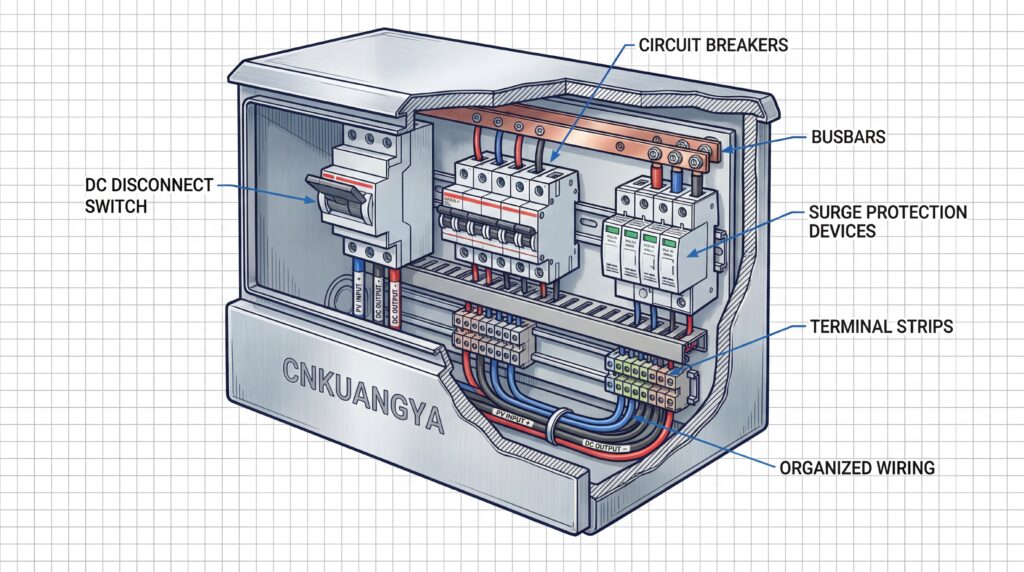
Un solar combiner box, noto anche come PV combiner box o DC combiner box, funge da punto di giunzione centrale in cui convergono più stringhe di pannelli solari prima di collegarsi all'inverter. Questo contenitore elettrico consolida le uscite di corrente continua di diverse stringhe di pannelli solari in un numero inferiore di circuiti di maggiore capacità, semplificando il cablaggio del sistema e migliorando la sicurezza generale. Il posizionamento strategico di questo componente tra il campo solare e l'inverter crea un sistema di energia solare più organizzato, manutenibile e protetto.
L'interno di un combinatore solare contiene diversi componenti critici che lavorano insieme per garantire un consolidamento sicuro dell'energia e la protezione del sistema. La comprensione di questi elementi aiuta ad apprezzare l'ingegneria che si occupa della protezione del vostro investimento solare.
Fusibili o interruttori di stringa costituiscono la prima linea di difesa nella scatola del combinatore. Ogni singola stringa solare si collega a un fusibile dedicato o a un interruttore automatico in corrente continua, in genere da 10A a 20A a seconda delle specifiche del pannello. Questi dispositivi di protezione dalle sovracorrenti impediscono un flusso di corrente eccessivo che potrebbe danneggiare i pannelli o creare rischi di incendio. Quando si verifica un guasto in una stringa, solo quel circuito specifico si interrompe, consentendo al resto del sistema di continuare a generare energia. Le moderne installazioni solari preferiscono sempre più spesso gli interruttori CC ai fusibili tradizionali, perché sono ripristinabili e offrono caratteristiche di protezione più precise.
Dispositivi di protezione dalle sovratensioni (SPD) salvaguardare le costose apparecchiature solari da picchi di tensione causati da fulmini o disturbi della rete. Questi scaricatori di sovratensione di tipo II offrono in genere correnti di scarica nominali di 20kA e correnti di scarica massime che raggiungono i 40kA. Il limitatore di sovratensione devia i transitori di tensione pericolosi verso terra prima che possano raggiungere l'inverter o altri dispositivi elettronici sensibili. Nelle regioni con frequenti temporali o condizioni di rete instabili, una protezione contro le sovratensioni di qualità può fare la differenza tra un sistema che dura più di 25 anni e uno che richiede frequenti riparazioni.
Barre e morsettiere forniscono i punti di connessione fisica in cui i singoli fili di stringa si uniscono in conduttori positivi e negativi comuni. Le sbarre in rame offrono una conduttività e una capacità di trasporto della corrente superiori, rendendole ideali per le applicazioni commerciali di maggiore potenza. Le morsettiere, realizzate in materiali compositi ABS con punti di contatto in metallo, svolgono funzioni simili nei sistemi residenziali più piccoli. Questi componenti devono essere dimensionati in modo adeguato per gestire la corrente combinata di tutte le stringhe collegate senza surriscaldarsi o creare cadute di tensione.
Sezionatore CC consente ai tecnici di isolare in modo sicuro la scatola combinatore dal resto del sistema durante la manutenzione o in situazioni di emergenza. Questo interruttore ad azionamento manuale può gestire l'intera tensione e corrente del sistema, fornendo un'interruzione visibile del circuito che garantisce la sicurezza dei lavoratori. Molte giurisdizioni richiedono sezionatori accessibili come parte della conformità alle norme edilizie per gli impianti solari.
Alloggiamento dell'involucro protegge tutti i componenti interni da fattori ambientali quali pioggia, polvere, raggi UV e temperature estreme. I combinatori di qualità sono dotati di involucri con grado di protezione IP65 o IP66 realizzati in policarbonato stabilizzato ai raggi UV, fibra di vetro o acciaio verniciato a polvere. L'involucro comprende i pressacavi (in genere di dimensioni comprese tra PG09 e PG16) che mantengono l'integrità delle condizioni atmosferiche pur ospitando cavi solari di sezione compresa tra 2,5 mm² e 16 mm².
Sistemi di monitoraggio (opzionali ma sempre più comuni) forniscono dati in tempo reale sulle prestazioni di ciascuna stringa, sulla tensione del sistema, sulla temperatura e sullo stato dei componenti. Questi moduli di monitoraggio wireless possono avvisare i proprietari del sistema di problemi di prestazioni prima che diventino gravi, consentendo una manutenzione proattiva e massimizzando la produzione di energia.
La scelta della tensione nominale corretta per la scatola combinatore solare è fondamentale per la sicurezza, la conformità alle norme e le prestazioni ottimali del sistema. La tensione nominale definisce la tensione massima in corrente continua che l'apparecchiatura può gestire in sicurezza senza che si verifichino rotture dell'isolamento o guasti ai componenti.
Scatole combinatore 600V DC sono la spina dorsale degli impianti solari residenziali e commerciali di piccole dimensioni in tutto il Nord America. Queste unità gestiscono in genere 1-6 ingressi di stringa con 1-2 uscite, rendendole perfette per sistemi da 5kW a 20kW. Gli impianti residenziali su tetto sono solitamente composti da 10-13 pannelli per stringa che utilizzano moduli standard da 300W-400W con tensioni a circuito aperto di circa 40-45V. La tensione di 600 V fornisce un margine di sicurezza adeguato anche in condizioni di freddo, quando le tensioni dei pannelli aumentano.
Scatole combinatore 1000V DC è diventato lo standard solare commerciale in seguito alle revisioni del codice NEC che hanno consentito tensioni di sistema più elevate per le installazioni non residenziali. Questa classe di tensione offre un equilibrio ottimale tra riduzione dei costi e gestione della sicurezza per progetti che vanno da 50kW a 5MW. I sistemi commerciali che utilizzano l'architettura a 1000V possono configurare 16-27 pannelli per stringa con moduli da 400W-550W, riducendo significativamente i costi di cablaggio e la manodopera di installazione rispetto ai sistemi a 600V. Queste scatole combinatore sono in genere dotate di 4-16 ingressi per stringa e incorporano una protezione contro le sovratensioni e funzionalità di monitoraggio più robuste.
Scatole combinatore 1500V DC rappresentano l'avanguardia per i parchi solari su scala industriale e le grandi installazioni industriali. La tensione più elevata consente di allungare la lunghezza delle stringhe (fino a più di 30 pannelli) e riduce drasticamente i costi di bilanciamento del sistema per i progetti su scala megawatt. Tuttavia, i sistemi a 1500V richiedono componenti specializzati, protocolli di sicurezza avanzati e squadre di installazione esperte a causa dei maggiori rischi elettrici.
Le installazioni solari domestiche si sono trasformate da prodotti di nicchia a soluzioni energetiche mainstream, con una crescita esponenziale della capacità solare residenziale nell'ultimo decennio. Capire come funzionano i combiner box in ambito residenziale aiuta i proprietari di casa a massimizzare il loro investimento solare.
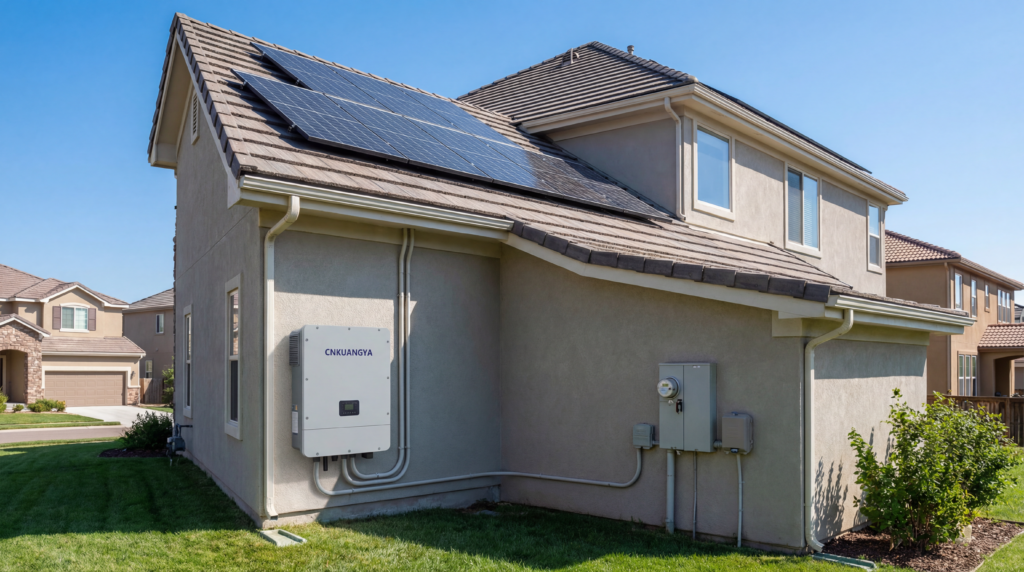
Consideriamo un comune impianto residenziale da 8 kW installato sul tetto di una casa di periferia. Questa installazione utilizza venti pannelli solari da 400 W disposti in quattro stringhe da cinque pannelli ciascuna. Il proprietario dell'abitazione ha scelto un combinatore da 600 V CC con configurazione 4-in-1-out, che si adatta perfettamente all'architettura del sistema.
Ogni stringa genera circa 200 V a circuito aperto e 8 A al punto di massima potenza. Le quattro stringhe si collegano a singoli fusibili da 15A all'interno del combinatore, fornendo una protezione da sovracorrente per ciascun circuito. La scatola combinatrice consolida questi quattro ingressi in un unico circuito di uscita da circa 32A a 200V, che alimenta un inverter di stringa montato nelle vicinanze.
L'installazione comprende una protezione integrata contro le sovratensioni di tipo II, con una portata di 20kA, che protegge dai picchi di tensione indotti dai fulmini, comuni nella regione. L'involucro compatto misura solo 300 mm × 400 mm × 150 mm e si monta sulla parete esterna vicino al quadro elettrico principale, riducendo al minimo i passaggi dei cavi e i costi di installazione.
Questo sistema residenziale trae vantaggio dalla scatola combinatore in diversi modi importanti. Il cablaggio organizzato riduce le penetrazioni nel tetto da quattro percorsi di cavi separati a uno solo, riducendo al minimo i potenziali punti di perdita. Il fusibile centralizzato fornisce una protezione di sicurezza che non esisterebbe con i collegamenti diretti tra pannelli e inverter. La posizione accessibile consente all'installatore di risolvere rapidamente eventuali problemi a livello di stringa senza dover accedere al tetto.
Le scatole combinatore residenziali semplificano l'espansione futura del sistema. Quando il proprietario decide di aggiungere altri pannelli per aumentare la capacità, l'installatore può facilmente aggiungere un altro ingresso di stringa alla scatola combinatrice, invece di far passare circuiti completamente nuovi. La natura modulare dei sistemi correttamente progettati con le scatole combinatore riduce i costi di aggiornamento e la complessità.
Le caratteristiche di sicurezza sono particolarmente importanti nelle applicazioni residenziali, dove i proprietari di casa possono tentare una manutenzione fai-da-te o dove i primi soccorritori devono disalimentare rapidamente i sistemi durante le emergenze. Il sezionatore visibile sulla scatola del combinatore fornisce un punto di spegnimento chiaro che non richiede l'accesso al tetto o l'ingresso nell'abitazione.
Gli impianti solari commerciali e industriali operano su una scala completamente diversa rispetto ai sistemi residenziali, richiedendo soluzioni di combinatori più sofisticate con capacità e funzioni di monitoraggio avanzate.
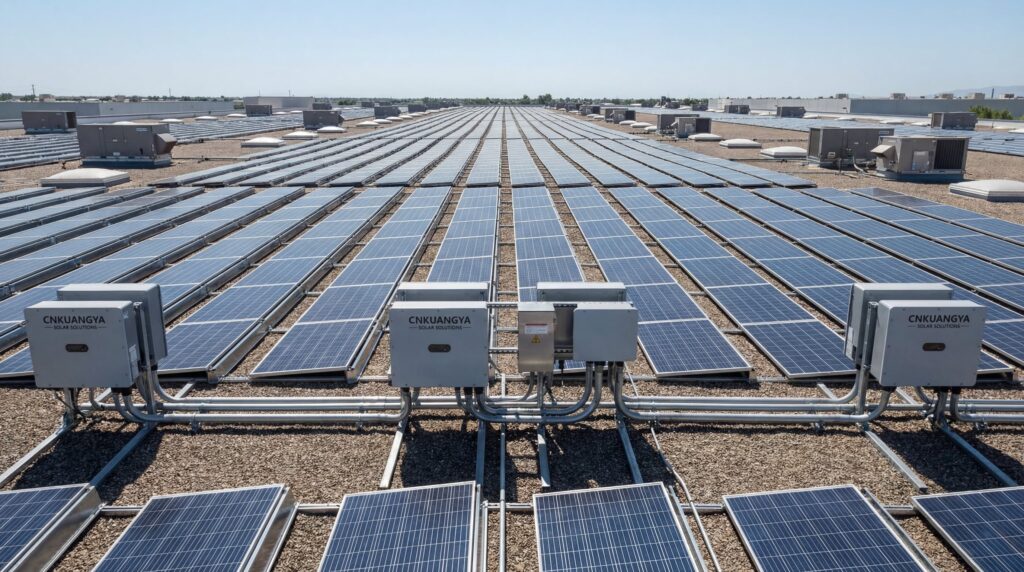
Un impianto commerciale da 250 kW sul tetto di un magazzino dimostra la complessità che i combiner box aiutano a gestire. Questa installazione utilizza 625 pannelli da 400 W ciascuno, organizzati in 25 stringhe da 25 pannelli per stringa. Il sistema impiega tre distinti combiner box da 1000 V CC, ciascuno dei quali gestisce 8-9 stringhe, che alimentano tre inverter di stringa da 80 kW.
Ciascuna scatola combinatrice di questa installazione commerciale presenta componenti molto più robusti rispetto alle unità residenziali. L'involucro misura 800 mm × 600 mm × 250 mm e utilizza una struttura in acciaio verniciato a polvere per una maggiore durata. All'interno, ciascuno degli otto ingressi di stringa si collega attraverso un interruttore automatico (anziché un fusibile) da 20 A a 1000 V CC. Questi interruttori forniscono una protezione ripristinabile e possono essere spenti singolarmente per la manutenzione a livello di stringa senza influire sugli altri circuiti.
I combinatori commerciali includono sistemi di monitoraggio integrati che tengono traccia della tensione e della corrente di ogni stringa in tempo reale. Questi dati confluiscono nel sistema di gestione dell'edificio, consentendo ai responsabili dell'impianto di identificare immediatamente le stringhe con prestazioni insufficienti. Quando una stringa mostra una produzione ridotta a causa della sporcizia, dell'ombreggiatura o del degrado dei pannelli, i team di manutenzione possono affrontare il problema specifico invece di risolvere i problemi dell'intero array.
La protezione contro le sovratensioni in queste unità commerciali utilizza specifiche più aggressive, con una capacità di corrente di scarica massima di 40kA, che riflette il rischio di fulmini più elevato per le grandi installazioni su tetto. Le scatole combinatore incorporano anche il rilevamento dei guasti a terra, che monitora continuamente i guasti all'isolamento che potrebbero creare rischi per la sicurezza o perdite di energia.
I parchi solari su larga scala rappresentano l'applicazione definitiva della tecnologia dei combiner box. Un parco solare a terra da 5 MW potrebbe impiegare 30-40 combiner box distribuiti su tutto il campo, ognuno dei quali consolida 12-24 stringhe prima di essere alimentato da inverter centrali o da stazioni di conversione dell'energia.
Questi combiner box su scala utility spesso includono funzioni avanzate come il rilevamento dei guasti da arco elettrico, che identifica le condizioni pericolose di arco elettrico prima che causino incendi. Le funzionalità di monitoraggio e controllo remoto consentono agli operatori di gestire centinaia di stringhe da una sala di controllo centrale, ottimizzando le prestazioni dell'intero impianto.
I vantaggi economici di una corretta selezione delle scatole di derivazione nelle applicazioni commerciali sono notevoli. Le scatole di derivazione correttamente dimensionate e specificate riducono la manodopera di installazione di 20-30% rispetto agli approcci di cablaggio domestico. Inoltre, semplificano la manutenzione continua, in quanto i tecnici possono diagnosticare e riparare i problemi presso le apparecchiature accessibili a livello del suolo, anziché rintracciare i problemi attraverso lunghe tratte di cavi.
La scelta di un combinatore appropriato richiede un'attenta considerazione dei requisiti specifici del sistema, della conformità alle normative locali e dei piani di espansione futuri.
Compatibilità di tensione del sistema deve essere la prima considerazione. La tensione nominale della scatola del combinatore deve superare la tensione massima a circuito aperto del campo in tutte le condizioni, compreso il freddo, quando le tensioni dei pannelli aumentano. La maggior parte dei sistemi residenziali utilizza scatole da 600 V, mentre i progetti commerciali richiedono generalmente tensioni di 1000 V o 1500 V.
Capacità della stringa determina il numero di stringhe solari individuali che la scatola combinatrice può ospitare. Contate le stringhe attuali e considerate la potenziale espansione futura. Una configurazione 4-in-1-out è adatta alla maggior parte delle applicazioni residenziali, mentre i sistemi commerciali hanno spesso bisogno di 8-24 posizioni di ingresso.
Valutazione attuale deve gestire l'uscita combinata di tutte le stringhe collegate. Calcolare la corrente massima moltiplicando il numero di stringhe per la corrente di cortocircuito di ciascuna stringa, quindi aggiungere un fattore di sicurezza 25% come richiesto dalle norme elettriche.
Protezione dell'ambiente soprattutto per le installazioni all'esterno. Cercate custodie con grado di protezione IP65 o IP66 e materiali stabilizzati ai raggi UV, in grado di resistere alle condizioni climatiche locali per oltre 25 anni.
Capacità di monitoraggio sempre più spesso separano i combinatori buoni da quelli ottimi. Il monitoraggio a livello di stringa aiuta a identificare precocemente i problemi di prestazione, massimizzando la produzione di energia nel corso della vita del sistema e il ritorno sull'investimento.
Certificazione e conformità non può essere trascurato. Assicuratevi che il vostro combinatore abbia le certificazioni appropriate (UL, TUV, CE) e che soddisfi i requisiti del codice elettrico locale, compreso l'articolo 690 del NEC negli Stati Uniti.
Una corretta installazione influisce in modo significativo sulle prestazioni e sulla durata del combinatore. Montate la scatola in una posizione facilmente accessibile per la manutenzione, ma possibilmente protetta dall'esposizione diretta alle intemperie. Garantire uno spazio adeguato intorno alla scatola per la ventilazione e l'accesso ai servizi.
Utilizzare cavi di dimensioni adeguate e mantenere la corretta polarità per tutta l'installazione. Controllare due volte tutti i collegamenti prima di dare tensione al sistema, poiché l'inversione di polarità può danneggiare le apparecchiature e creare rischi per la sicurezza. Applicare una coppia di serraggio adeguata a tutti i collegamenti dei terminali, secondo le specifiche del produttore, per evitare collegamenti allentati che potrebbero causare archi elettrici o surriscaldamento.
Etichettare chiaramente ogni ingresso di stringa per semplificare la risoluzione dei problemi e la manutenzione. Includete informazioni sulla sezione del tetto o sull'area del terreno che serve ciascuna stringa, in modo da facilitare ai tecnici l'individuazione di pannelli specifici in caso di problemi.
Le cassette di combinazione solare richiedono una manutenzione minima, ma beneficiano di un'ispezione periodica. Le ispezioni visive annuali devono verificare la presenza di segni di surriscaldamento, corrosione, intrusione di parassiti o danni fisici. Verificare che tutti i collegamenti siano ben saldi e che i dispositivi di protezione dalle sovratensioni mostrino indicatori di stato verdi.
Monitorare i dati sulle prestazioni del sistema per identificare potenziali problemi alla scatola del combinatore. Cali improvvisi di produzione da stringhe specifiche possono indicare fusibili bruciati o interruttori scattati. Gli squilibri di tensione tra le stringhe possono segnalare problemi di cablaggio o guasti ai componenti del combinatore.
Durante la ricerca dei guasti, seguire sempre i protocolli di sicurezza adeguati. Prima di aprire le scatole del combinatore, togliere la tensione al sistema utilizzando i sezionatori appropriati. Utilizzare un'apparecchiatura di prova adeguatamente dimensionata per verificare che i circuiti siano privi di tensione prima di toccare qualsiasi componente.
L'industria solare continua a innovare e la tecnologia dei combiner box si evolve di conseguenza. I combiner box intelligenti con intelligenza artificiale integrata possono prevedere i guasti dei componenti prima che si verifichino, programmando automaticamente la manutenzione preventiva. I sistemi di monitoraggio avanzati forniscono ora dati a livello di pannello anche nei sistemi di inverter di stringa, offrendo una visibilità senza precedenti sulle prestazioni del sistema.
La tecnologia di spegnimento rapido si integra sempre più spesso nelle scatole di combinatori per soddisfare i codici elettrici aggiornati che richiedono capacità di spegnimento a livello di modulo. Questi sistemi possono disalimentare i pannelli solari a livelli di tensione sicuri entro pochi secondi dall'attivazione dello spegnimento di emergenza, migliorando la sicurezza dei vigili del fuoco.
Con l'aumento delle dimensioni e della complessità delle installazioni solari, i combiner box continueranno a essere componenti critici del sistema che migliorano la sicurezza, semplificano la manutenzione e ottimizzano le prestazioni nelle applicazioni residenziali, commerciali e su scala di utenza.
D: Ho bisogno di un combinatore solare per il mio impianto solare domestico?
R: La necessità di una scatola combinatrice dipende dalle dimensioni e dalla configurazione dell'impianto. Se il vostro impianto solare ha tre o più stringhe, una scatola combinatrice è altamente raccomandata e spesso richiesta dal codice elettrico. Fornisce una protezione essenziale contro le sovracorrenti, semplifica il cablaggio e facilita la manutenzione futura. Per i sistemi molto piccoli con solo una o due stringhe, alcuni inverter possono accettare connessioni dirette alle stringhe senza combiner box. Tuttavia, anche i sistemi più piccoli traggono vantaggio dalla maggiore protezione e organizzazione offerta dalle scatole di derivazione. Inoltre, se l'inverter si trova lontano dal campo solare, una scatola combinatrice aiuta a ridurre le cadute di tensione e le perdite di energia consolidando più cavi piccoli in un numero inferiore di conduttori più grandi per il percorso verso l'inverter.
D: Qual è la differenza tra i combinatori solari da 600V, 1000V e 1500V?
R: La tensione nominale indica la massima tensione CC che il combinatore può gestire in sicurezza. Le scatole di derivazione da 600 V sono standard per i sistemi residenziali e le piccole installazioni commerciali, e in genere supportano sistemi da 5kW a 20kW con 10-13 pannelli per stringa. I combinatori da 1000 V servono per progetti commerciali di medie e grandi dimensioni, da 50kW a 5MW, consentendo stringhe più lunghe di 16-27 pannelli e riducendo i costi complessivi del sistema. I combinatori da 1500 V sono progettati per i parchi solari su scala industriale, dove sono fondamentali la massima efficienza e i minori costi di bilanciamento del sistema. I sistemi a tensione più elevata richiedono componenti più costosi e protocolli di sicurezza più severi, ma riducono significativamente i costi di cablaggio e le perdite di energia nelle grandi installazioni. La scelta deve corrispondere alla tensione del sistema, determinata dalle specifiche dei pannelli, dalla configurazione delle stringhe e dai requisiti dell'inverter. Assicuratevi sempre che la tensione nominale della scatola del combinatore sia superiore alla tensione massima a circuito aperto del vostro impianto, con un margine di sicurezza adeguato.
Capire cosa c'è all'interno di una scatola di combinatore solare e come questi componenti lavorano insieme vi permetterà di prendere decisioni migliori sul vostro sistema di energia solare. Che si tratti dell'installazione di un modesto impianto residenziale o della gestione di un grande parco solare commerciale, il combiner box è un punto di giunzione fondamentale che aumenta la sicurezza, semplifica la manutenzione e protegge l'investimento.
Dai fusibili di stringa essenziali e dai dispositivi di protezione dalle sovratensioni ai sistemi di monitoraggio avanzati e ai sezionatori, ogni componente svolge un ruolo specifico nel garantire una produzione affidabile di energia solare. Selezionando la tensione nominale, la capacità e le caratteristiche più adatte alla vostra applicazione, creerete un sistema solare che fornirà energia pulita e rinnovabile per decenni.
Con l'avanzare della tecnologia solare e l'accelerazione della sua adozione in tutto il mondo, i combiner box rimarranno componenti fondamentali che collegano i singoli pannelli solari con gli inverter e i sistemi elettrici che portano l'energia solare nelle nostre case e aziende.

