Address
304 North Cardinal
St. Dorchester Center, MA 02124
Work Hours
Monday to Friday: 7AM - 7PM
Weekend: 10AM - 5PM
Address
304 North Cardinal
St. Dorchester Center, MA 02124
Work Hours
Monday to Friday: 7AM - 7PM
Weekend: 10AM - 5PM

RCCB vs RCD: Compare features, safety, and applications to choose the best protection for your home or workplace electrical system.
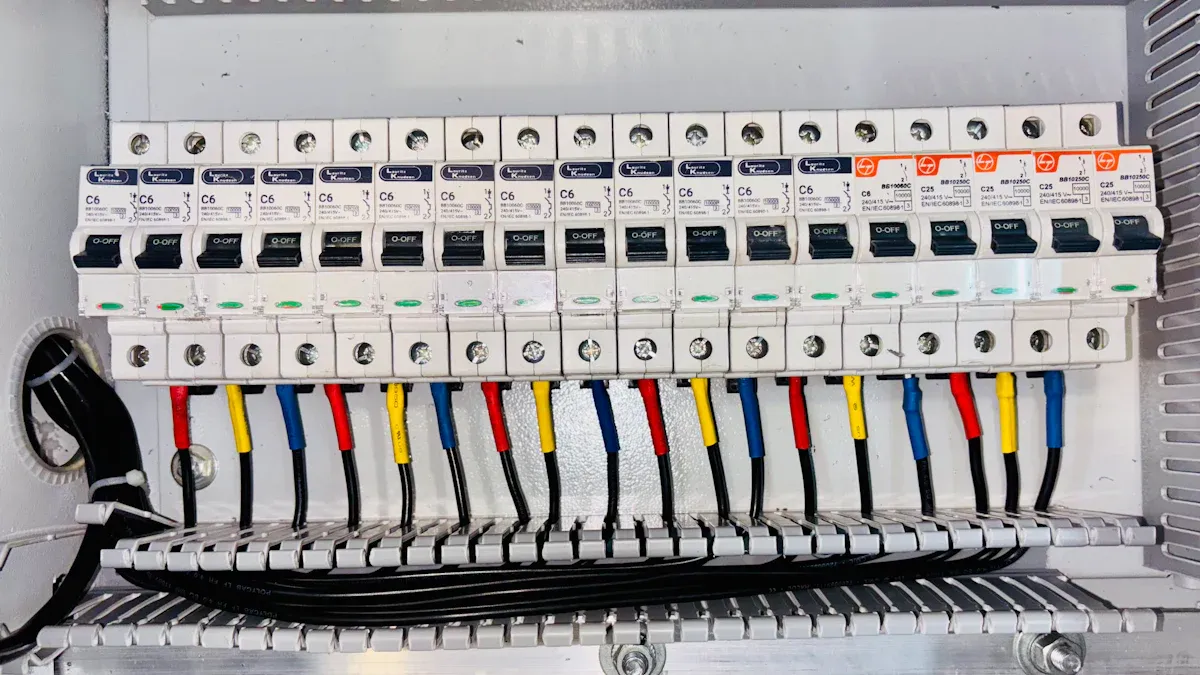
When you want the best safety for your electrical system, pick an RCCB. This device finds dangerous current leaks fast and keeps you safe from electric shock. Knowing how these devices are different can help keep your home or work safe. Kuangya suggests the most trusted choice for your peace of mind.
Learn more and choose what is best for your safety.
Pick an RCCB to quickly find current leaks and stop electric shock. Test your RCCB or RCD every three months to make sure they work right. Put RCCBs in main panels to keep appliances, lights, and outlets safe at home or work. Use RCDs in places like bathrooms and outside circuits for extra safety from water. Know the difference: RCCBs look for current leaks, but some RCDs also protect from too much power. Choose the right RCD for your equipment so it does not trip by mistake. Follow local safety rules when you put in RCCBs and RCDs to stay safe and follow the law. Ask a licensed electrician to install them the right way for best safety.
You may have heard the term RCD before. RCD stands for residual current device. This device acts as a smart switch in your electrical system. It watches the flow of electricity in your wires. If it finds that the current going out does not match the current coming back, it reacts quickly. The main job of a residual current device is to spot these imbalances and stop the power before harm can happen.
The sense coil inside an RCD works like a tiny detective. It checks for differences between the line and neutral wires. If a fault causes electricity to leak away, the RCD triggers a relay. This relay disconnects the circuit and helps keep you safe.
A residual current device protects you from electric shock and fire. It does this by sensing even small leaks of electricity. These leaks can happen if a wire gets damaged or if water gets into an outlet. When the RCD detects a problem, it shuts off the power in less than a second.
RCDs can find faulty appliances by noticing when electricity escapes to the ground.
In damp places, like bathrooms or outdoor areas, RCDs sense extra leakage caused by moisture and trip to prevent accidents.
Over time, wires can wear out and let electricity leak. RCDs spot this and disconnect the power to protect you.
You should test your RCD often. Every RCD has a test button. Pressing this button checks if the switch works. If you do not test it, the switch could get stuck. This means the RCD might not trip when you need it most. Regular testing keeps your protection strong.
You need an RCD in many places at home and work. It gives you peace of mind by guarding against hidden dangers. Here are some common uses:
Businesses with lots of machines and wires use RCDs to keep workers safe.
Sensitive RCDs (10mA or 30mA) work best in high-risk spots like pools, nurseries, and medical rooms.
Workshops and farms use stronger RCDs (300mA) for big machines to stop fires.
Construction sites, outdoor areas, and damp locations all benefit from RCD protection.
Install RCDs on all circuits that power lights in commercial buildings.
Use RCDs for any circuit that supplies portable equipment outdoors.
Make sure all sockets up to 32A in kitchens, bathrooms, or other risky areas have RCDs.
When you use a residual current device, you add a strong layer of defense to your electrical system. You lower the risk of shock and fire, making your space much safer for everyone.
You might ask what makes an RCCB special. An RCCB is a kind of residual current device. It looks for current leaks in your wires. This device acts quickly to keep you safe from shock and fire.
The RCCB stops electricity if it finds a leak.
It checks for uneven current between live and neutral wires.
If there is a problem, it shuts off the circuit to keep you safe.
All RCCBs are residual current devices. But not all residual current devices are RCCBs. Some RCDs have extra features like overload protection. The RCCB only finds current leaks and stops electricity when needed.
You trust an RCCB to protect you from shock and fire. It checks if the current going out matches the current coming back. If you touch a live wire or a wire breaks, some current can leak to the ground. The RCCB notices this and acts in milliseconds.
The RCCB uses coils to watch for uneven current.
When it finds a difference, the coils make a magnetic field.
This field starts the trip mechanism and shuts off the circuit fast.
You get safety from bad wiring, broken appliances, or touching live wires. The RCCB also helps stop fires by cutting power before wires get too hot. Test your RCCB often to make sure it works when you need it.
Tip: Press the test button on your RCCB every few months. This easy step helps keep you safe.
You see RCCBs in many places because they protect well. Many building rules now say homes must have RCCBs to stop shock and fire. You find them in main panels to guard lights, outlets, and appliances.
Environment Type | Description |
|---|---|
Residential | Put in main panels to protect appliances, lights, and outlets. |
Commercial | Keeps equipment safe and protects workers and customers. |
Industrial | Guards machines and stops problems from electrical faults. |
You also find RCCBs in bathrooms, kitchens, and outside. These places have more water, so leaks are more likely. The RCCB gives you peace of mind by guarding these risky spots.
When you pick an RCCB, you choose a device that finds current leaks and stops shock. The residual current breaker is important for modern electrical safety.
You might ask what makes an RCCB different. The main difference is how each device finds and reacts to problems. An RCCB looks for current leaks between live and neutral wires. It trips when it finds even a small imbalance. This helps stop electric shock.
RCDs come in types like A-type and F-type. Each type has its own sensitivity and speed. Look at the table below to see the differences:
Type of RCD | Sensitivity to Direct Current | Response Time |
|---|---|---|
A-type | Higher sensitivity to lower direct current values | No delay in tripping, fast response |
F-type | Poor sensitivity to sudden direct currents | Does not react to sudden direct currents, designed to avoid unwanted tripping in certain conditions |
A-type RCDs trip fast when they sense direct currents.
F-type RCDs do not trip quickly for sudden direct currents. They help stop unwanted tripping in special places.
RCCBs use special coils and magnets to find leaks. They trip very fast, sometimes in milliseconds. This quick action gives strong protection. The difference in sensitivity and speed can change how safe your system is.
You see RCCBs and RCDs in many places. Each works best in certain spots. RCCBs protect homes, offices, and factories from current leaks. You often find them in main panels. They guard lights, outlets, and big appliances.
RCDs, like A-type and F-type, fit special needs. A-type RCDs work well in homes with lots of electronics. They handle direct currents from things like computers and chargers. F-type RCDs are good for places with sensitive equipment, like hospitals or labs. They help stop unwanted tripping.
Here is a simple guide for using each device:
Residential: Put an RCCB in your main panel for general safety. Use an A-type RCD if you have many electronics.
Commercial: Offices and shops use RCCBs for wide protection. RCDs protect circuits with special loads or sensitive electronics.
Industrial: Factories use RCCBs for heavy machines. F-type RCDs are needed for equipment that causes sudden current changes.
Some studies, like one from ‘La Fe’ hospital in Valencia, Spain, show RCCBs can trip too much with electronic loads. This can interrupt important work. Picking the right circuit breaker matters a lot.
Choosing between an RCCB and an RCD changes your safety. RCCBs give strong protection against shock and fire. They disconnect power quickly when they sense a leak. This helps stop accidents and keeps people safe.
Using advanced circuit breakers can lower electrical problems by up to 45%. This shows why picking the right device is important. New technology, like the 3 Phase RCCB, gives better protection for three-phase systems. These breakers find problems fast and meet new standards. You get safer circuits and peace of mind.
Note: Always pick the right device for your space. The right residual current breaker keeps you safe and stops unwanted power cuts.
The main difference between an RCCB and other RCDs is their design and use. RCCBs focus on current leaks. Other RCDs may have extra features or work for special loads. Knowing this helps you choose the safest option for your home or work.
You may wonder if rccb and rcd are really different. Both devices have many things in common. They help keep your electrical system safe. Each one acts like a switch. It turns off power when there is trouble. Both rccb and rcd work without extra power. You do not need to reset them often unless something goes wrong.
Both devices watch how electricity moves in your wires.
They turn off fast to stop danger.
You can test both by pressing a button.
Both types fit into most new electrical panels.
Both give you good protection for your circuits. They help stop damage to your appliances and wires. The main difference is how each device deals with special faults.
You trust rccb and rcd to keep you safe from electrical dangers. Both types of circuit breakers find current imbalances. This means they notice when electricity leaks to the ground. When this happens, they shut off the circuit right away.
They stop electric shock by turning off power if you touch a live wire.
Both lower fire risk by cutting power during earth faults.
You get strong safety for your family, workers, and property.
Tip: Test your circuit breakers every few months. This helps your safety features work well.
Both rccb and rcd are important for circuit protection. They help you follow safety rules and keep your space safe.
You must follow strict rules when you install rccb and rcd. Many countries have their own standards for circuit breakers. These rules make sure you get good safety and protection. The table below shows some main rules in different countries:
Country | Compliance Standard | Requirement |
|---|---|---|
Germany | DIN VDE 0100-530:2018-06 | RCDs for extra protection in AC systems must meet DIN standards. |
DIN EN 61008-1, DIN EN 61008-2-1 (for RCCBs) | ||
DIN EN 61009-1, DIN EN 61009-2-1 (for RCBOs) | ||
DIN EN 62423 (for both RCCBs and RCBOs) | ||
DIN VDE 0100-701 (for bathrooms) | Needed since May 1984 for rooms with bathtubs or showers. | |
DIN VDE 0100-410:2007-06, 2018-10 | RCDs needed for socket and lighting circuits in new buildings. | |
Austria | ÖVE E8001-1/A1:2013-11-01 | RCDs with a max rated current of 30 mA needed for socket circuits. |
Switzerland | RCD rule since January 1, 2010 | Every open socket ≤ 32 A must be protected by a max of 30 mA RCD. |
USA | US National Electrical Code | GFCIs needed in some places since the 1960s. |

Many countries say you must use rccb and rcd in new buildings. These rules help you get the best safety for your home or business. Always check local codes before you install circuit breakers. This makes sure you follow the law and get good protection.

You need to think about safety when picking RCCB or RCD. Both help keep you safe, but they work a bit differently. RCCBs stop power fast if there is an earth fault or shock risk. RCDs also protect you, but their sensitivity can change. Always choose the device that matches your space’s risks. Wet places and outdoor circuits need strong protection from current leaks.
Tip: Check if your circuit breakers match your equipment and risks. Using the wrong one can make it trip too much or not protect you.
Experts say RCDs are good for electronic loads. If you want more safety, use a Type S device with a delay. RCCBs do not stop overloads or short-circuits. You need other breakers for those problems. Make sure the things you connect to an RCCB do not use too much power.
RCCB and RCD work best in different places. The table below shows where each one fits:
Device | Function | Usage and Location |
|---|---|---|
RCCB | Stops earth faults and electric shock | Good for wet areas and outside circuits. Used in boards with other protection. |
RCD | Protects like RCCB but sensitivity changes | Works in places with many types of electrical loads. Pick the right type for your risks. |
If you use lots of RCDs together, they might trip too often. To stop this, split up your circuits and balance the load. Check and fix your devices often to keep them working well.
Put RCCB in main panels for homes and offices.
Pick RCDs with the right sensitivity for special gear or risky spots.
Follow local rules when you install them.
You want safety devices that work well and last long. Many people like trusted brands for their good service. Josphine Banks says the products are easy to use and last long. Valencia Hill likes the company for its reliable help. Customers also like fast delivery and good support.
Test your circuit breakers every few months. This helps you know they work right. If you are not sure what to pick, ask kuangya for help. Their team can help you choose and install the best device. They make sure your system follows all safety rules.
Note: Picking the right protection keeps you safe and gives you peace of mind.
You want your electrical system to be as safe as possible. RCCB helps protect you from shock by finding leakage currents quickly. Check the table below to see how RCCB and RCD are different:
Feature | RCD | RCCB |
|---|---|---|
Definition | Finds leakage currents | Looks for residual currents |
Overcurrent Protection | Sometimes has extra features | Does not protect from overcurrent |
Application | Used in many places | Only for residual current |
Some people think RCCB can stop short circuits, but it cannot. It only finds leakage. Always test your device and wear safety gear. Ask kuangya for help to keep your space safe.
An RCCB protects you from electric shock. It detects when current leaks from your wires. When this happens, it quickly shuts off the power to keep you safe.
No, an RCCB cannot replace a regular circuit breaker. You still need a circuit breaker to protect against overloads and short circuits. Use both devices for full protection.
You should test your RCCB or RCD every three months. Press the test button on the device. This helps make sure it works when you need it most.
Yes, you should ask a licensed electrician to install these devices. Proper installation keeps your system safe and follows local rules.
If your RCCB trips often, you may have a faulty appliance or wiring problem. Unplug devices one by one to find the cause. If the problem continues, call an electrician.
Yes, you can use RCCBs and RCDs outdoors. Choose weatherproof models for outdoor panels or sockets. These devices help protect you in wet or damp areas.
Yes, you can use both in one system. This gives you extra layers of safety. Make sure each device matches your needs and follows safety standards.
Type A RCDs work well with most home electronics. Type F RCDs handle special loads, like washing machines or air conditioners. Pick the right type for your equipment.

