Address
304 North Cardinal
St. Dorchester Center, MA 02124
Work Hours
Monday to Friday: 7AM - 7PM
Weekend: 10AM - 5PM
Address
304 North Cardinal
St. Dorchester Center, MA 02124
Work Hours
Monday to Friday: 7AM - 7PM
Weekend: 10AM - 5PM

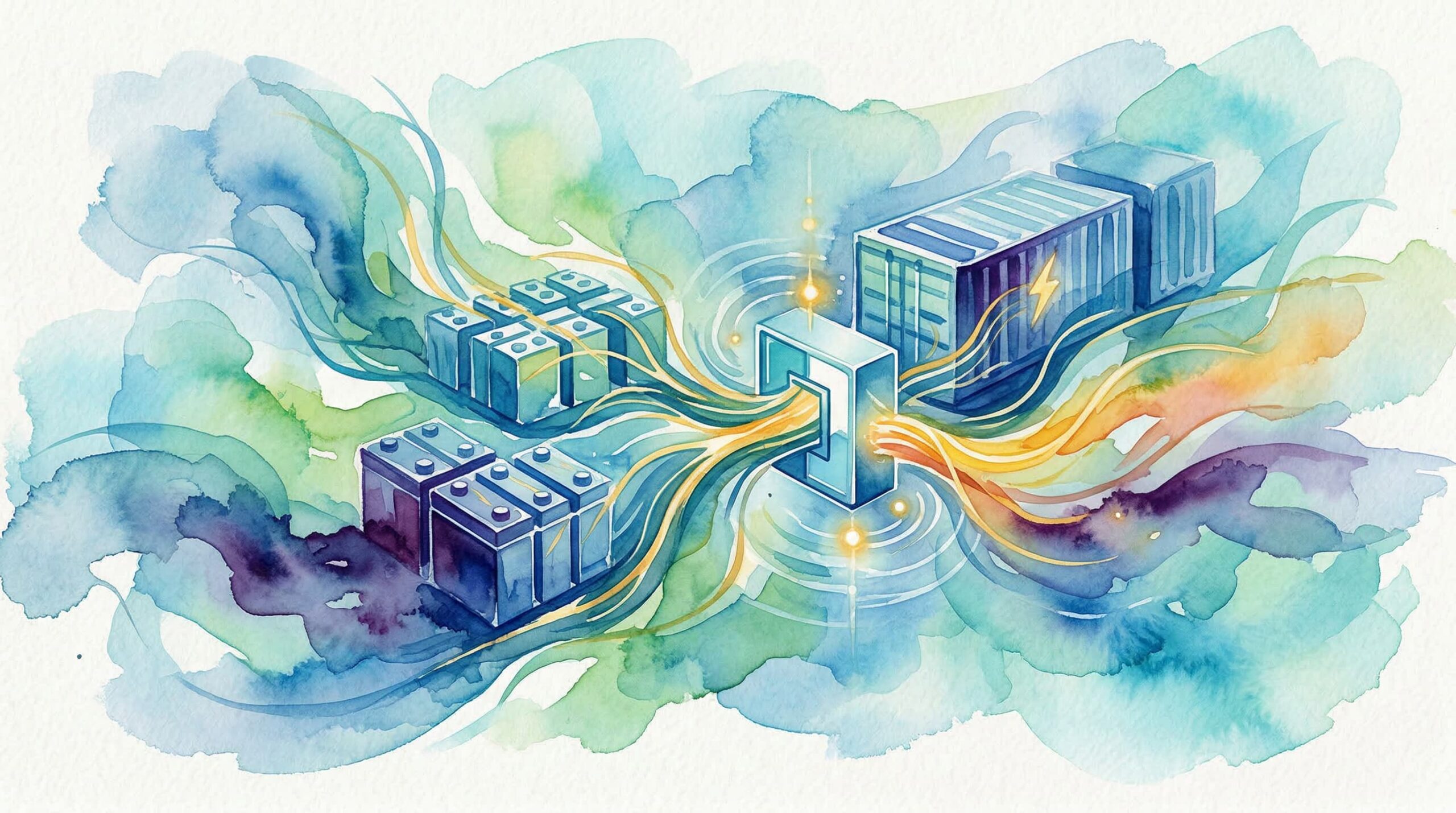
RCCB: global energy transformation accelerates, Energy Storage Systems (ESS) are becoming a core technology in the renewable energy sector. In ESS safety protection, Residual Current Circuit Breakers (RCCB) play a crucial role. This article explores the application value of RCCBs in energy storage systems and how Kuangya brand provides reliable safety protection solutions for ESS installations.
A Residual Current Circuit Breaker (RCCB) is a protective device that detects residual current in electrical circuits and automatically disconnects the circuit when leakage is detected. In energy storage systems, the role of RCCBs is particularly critical because ESS installations involve high-voltage electrical components including large-capacity battery arrays, inverters, and charging equipment. Any leakage fault could lead to serious safety incidents.
Energy storage systems typically operate in high-voltage, high-current environments, and the charging and discharging processes of battery arrays create complex electrical conditions. In such scenarios, factors like insulation aging, equipment failure, and environmental moisture can trigger leakage risks. RCCBs can detect minute leakage currents (typically 30mA or lower) within milliseconds and quickly disconnect the power supply, thereby protecting personnel safety, preventing equipment damage, and avoiding fire accidents.
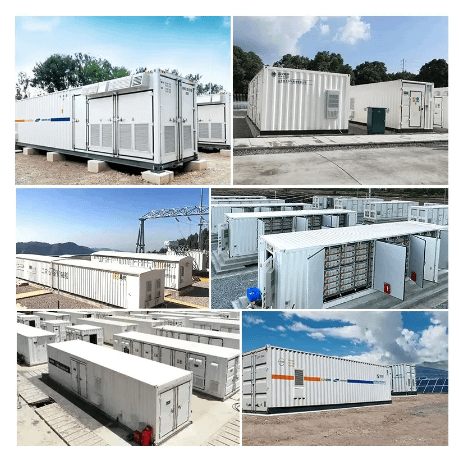
As a professional electrical protection equipment manufacturer, Kuangya has developed specialized RCCB product series specifically designed for the unique requirements of energy storage systems. These products offer the following significant advantages:
Kuangya RCCBs utilize industrial-grade components and rigorous manufacturing processes to ensure stable performance in long-term ESS operating environments. Products undergo strict aging tests and environmental adaptability testing, capable of reliable operation across a wide temperature range from -25℃ to +70℃, meeting the demanding requirements of outdoor storage cabinets and containerized energy storage systems.
Addressing the complex electrical environment in ESS systems, Kuangya RCCBs are equipped with high-sensitivity residual current detection mechanisms that accurately identify genuine leakage faults while effectively avoiding nuisance tripping caused by background currents generated during normal system operation. This intelligent recognition capability ensures both system safety and operational continuity.
In energy storage systems, rapidly disconnecting faulty circuits is crucial for preventing accident escalation. Kuangya RCCBs feature response times of less than 0.1 seconds, enabling instant action at the moment of leakage occurrence to minimize safety risks.
Considering the operational and maintenance needs of energy storage systems, Kuangya RCCBs adopt modular design for convenient installation and replacement. Standard DIN rail mounting allows easy integration into various ESS distribution cabinets, significantly reducing installation and maintenance costs.
In actual energy storage system deployments, Kuangya RCCBs are typically applied at the following critical locations:
Battery Array Protection Circuits: Installing RCCBs at the output terminals of battery clusters or battery cabinets to monitor the insulation status of battery systems and prevent safety accidents caused by battery leakage.
Inverter Input and Output Protection: Configuring RCCBs on both the AC and DC sides of storage inverters to comprehensively protect the electrical safety of inverter systems.
Charging Equipment Protection: Equipping ESS charging equipment with RCCBs to ensure personnel and equipment safety during the charging process.
Auxiliary Power Systems: Protecting critical auxiliary equipment such as auxiliary power supplies, control systems, and cooling systems in energy storage installations.
By deploying Kuangya RCCBs at these critical nodes, a multi-layered electrical safety protection system can be established, significantly enhancing the overall safety level of energy storage systems.
When selecting RCCBs for ESS systems, the following key parameters must be comprehensively considered:
Rated Current: Select based on the maximum operating current of the protection circuit, typically requiring 20-30% margin. ESS main circuits may require RCCBs rated at 63A, 80A, or even higher specifications.
Residual Operating Current: For areas where personnel may have contact, high-sensitivity RCCBs of 30mA are recommended; for pure equipment protection, 100mA or 300mA specifications can be selected to balance safety and system stability.
Type of Operation: Energy storage systems typically contain DC components and high-frequency interference, so Type B or Type A RCCBs are recommended to ensure reliable operation under various fault conditions.
Breaking Capacity: Select sufficient breaking capacity based on the system’s short-circuit current level, typically not less than 6kA, with large-scale energy storage systems potentially requiring 10kA or higher.
Kuangya offers a complete RCCB product series covering various specifications and types, capable of meeting the needs of different scales and types of energy storage systems.
Regular circuit breakers primarily provide overload and short-circuit protection and cannot detect leakage faults. In energy storage systems, leakage is a common and dangerous fault mode. When insulation damage occurs in battery arrays, inverters, or other equipment, ground leakage current may be generated. This leakage current is typically insufficient to trigger the overcurrent protection of regular circuit breakers, yet it is sufficient to cause electric shock injuries, equipment damage, or even fire.
RCCBs are specifically designed to detect these minute residual currents (typically at the tens of milliamps level) and immediately disconnect the circuit when abnormalities are detected. This protection cannot be provided by regular circuit breakers. In energy storage system applications involving high voltage and large capacity, RCCBs are indispensable safety protection devices and are required protective measures under international electrical safety standards.
Kuangya RCCBs are also optimized for the characteristics of energy storage systems, capable of adapting to the complex electrical environment in ESS installations and avoiding nuisance tripping caused by background currents generated during normal system operation, ensuring reliable protection without affecting normal system operation.
RCCB maintenance and periodic inspection are crucial for ensuring the continued safe operation of energy storage systems. Here are recommendations for assessing RCCB status and maintenance intervals:
Regular Testing Frequency: It is recommended to press the test button on the RCCB once monthly to check whether it can trip and reset normally. For critical energy storage systems, professional leakage protection testing should be conducted quarterly using specialized test instruments to verify that the RCCB’s operating current and response time are within specified ranges.
Replacement Indicators: If the RCCB fails to trip when the test button is pressed, the protection function has failed and immediate replacement is necessary; if the RCCB trips frequently without cause, it may indicate device malfunction or abnormal sensitivity, requiring inspection and replacement; visible cracks in the housing, burn marks, or loose and overheating terminal connections are all clear signals requiring replacement.
Service Life: Under normal operating conditions, Kuangya RCCBs have a design life typically of 10 years or 10,000 mechanical operations. However, in high-load applications like energy storage systems, comprehensive evaluation every 5-7 years is recommended, with early replacement when necessary to ensure protection function reliability.
Environmental Factors: If ESS systems operate in harsh environments with high temperature, high humidity, or high salt spray, RCCB aging will accelerate, and inspection and replacement intervals should be shortened accordingly.
Kuangya recommends establishing comprehensive equipment maintenance records documenting the results of each test and maintenance activity. This allows more accurate monitoring of RCCB health status and timely identification of potential issues.
In today’s era of rapid energy storage system development, the importance of electrical safety protection cannot be overlooked. RCCBs, as core protective devices preventing leakage accidents, are essential safeguards for safe ESS operation. Kuangya, leveraging years of experience in electrical protection equipment research and manufacturing, provides high-reliability, high-performance RCCB solutions for the energy storage industry, supporting the safe and stable operation of storage systems.
Choosing Kuangya RCCB means choosing professionalism, reliability, and peace of mind. We provide not only quality products but also comprehensive technical support and after-sales service, working together with you to build a safer energy storage future.
For more information about Kuangya RCCB products or technical support, please visit cnkuangya.com or contact our technical team.