WengYang Industrial Zone Yueqing Wenzhou 325000
Work Hours
Monday to Friday: 7AM - 7PM
Weekend: 10AM - 5PM
WengYang Industrial Zone Yueqing Wenzhou 325000
Work Hours
Monday to Friday: 7AM - 7PM
Weekend: 10AM - 5PM

EC

Navigating the world of international certifications can feel overwhelming, but CE and ICE certificates stand out as two of the most impactful credentials for professionals and businesses alike. Whether you’re an engineer looking to boost your career or a manufacturer aiming to enter global markets, understanding these certificates is non-negotiable. This guide breaks down everything you need to know about CE and ICE certificates, from their core purpose to how to obtain them—plus, we’ll highlight trusted products from www.cnkuangya.com that meet these rigorous certification standards.
Before diving into the details, let’s clarify: CE and ICE certificates serve distinct but equally valuable roles. CE marking is a mandatory requirement for products sold in the European Economic Area (EEA), while ICE certificates (from multiple reputable bodies) validate professional expertise or product safety in specialized fields. Both are designed to build trust, ensure compliance, and open doors to new opportunities—and when paired with high-quality products like those from Kuangya Electrical, their value only grows.
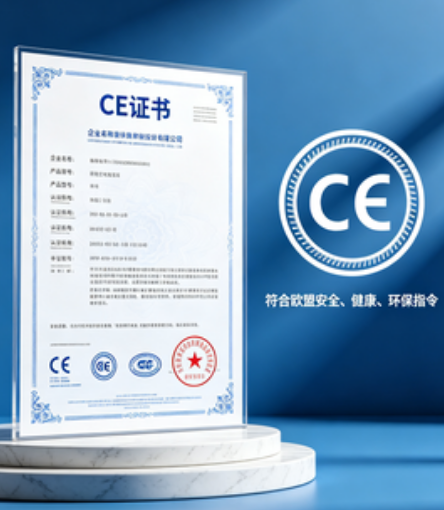
CE LOGO FOR your reference
CE certificates, short for Conformité Européenne (European Conformity), are mandatory for most products sold or distributed within the EEA. Contrary to popular belief, CE marking is not a quality seal—it’s a declaration by the manufacturer that the product meets all relevant EU directives and harmonized standards for safety, health, and environmental protection https://europa.eu/youreurope/business/product-requirements/labels-markings/ce-marking/index_en.htm.
Without a valid CE certificate, your product cannot legally enter the EEA market. This applies to a wide range of products, including electrical and electronic devices, industrial machinery, pressure vessels, and personal protective equipment. Even small businesses and startups must prioritize CE compliance to avoid costly penalties, product recalls, or customs delays https://www.udematlantic.com/industrial-product-ce-approval-key-steps-for-compliance-and-market-access.
The process of obtaining a CE certificate involves several key steps: identifying applicable EU directives, conducting product testing, preparing a technical file, signing a Declaration of Conformity (DoC), and affixing the CE mark. For high-risk products, a notified body (an EU-approved organization) must be involved in the certification process to ensure compliance https://www.sohu.com/a/982695569_120873370.
CE compliance is not a one-size-fits-all process—different products fall under different EU directives. Understanding which directives apply to your product is critical to avoiding mistakes and ensuring full compliance. Below are the most common directives associated with CE certificates, along with examples of products they cover.
| EU Directive | Scope | Example Products | Relevant Standards |
|---|---|---|---|
| Low Voltage Directive (LVD) 2014/35/EU | Electrical equipment with voltage between 50-1000V AC or 75-1500V DC | Industrial plugs, power supplies, electrical fuse links | EN 60335-1, EN 60950-1 |
| Electromagnetic Compatibility (EMC) Directive 2014/30/EU | Products that emit or are susceptible to electromagnetic interference | Electronic control panels, communication devices | EN 55014-1, EN 55014-2 |
| Machinery Directive (2006/42/EC) | Machinery and safety components for machinery | Industrial machinery, automated systems | EN ISO 12100, EN 954-1 |
| RoHS Directive 2011/65/EU | Restriction of hazardous substances in electrical/electronic equipment | All electrical products, including industrial components | EN 50581 |
For manufacturers like www.cnkuangya.com, adhering to these directives is a top priority. Kuangya Electrical offers a range of CE-certified products, including industrial plugs (16A 3P type-013) and electrical fuse links, all manufactured under strict quality control to meet LVD, EMC, and RoHS requirements https://www.cnkuangya.com. These products are designed to help businesses achieve CE compliance without compromising on performance or safety.
ICE certificates, unlike CE certificates, encompass two primary types: professional certifications for engineers and specialized product certifications for industries like maritime and education. The most well-known ICE credentials come from the Institution of Civil Engineers (ICE) and Cambridge International Examinations, each serving distinct audiences but sharing a focus on excellence and accountability.
For engineering professionals, ICE certificates (such as EngTech MICE, IEng MICE, and CEng MICE) are globally recognized credentials that validate expertise in civil and infrastructure engineering. These certifications demonstrate a commitment to professional standards and can significantly boost career prospects—qualified ICE engineers in the UK earn an average of £10,000 more per year than non-qualified peers https://www.ice.org.uk/your-career/how-to-become-a-professionally-qualified-engineer.
In the education sector, the Cambridge International Certificate in Education (ICE) is a group award for students who complete a broad curriculum of at least seven IGCSE subjects across five subject groups. This certificate is highly valued by universities worldwide, as it demonstrates a well-rounded education and strong academic skills https://help.cambridgeinternational.org/hc/en-gb/articles/203477342-Cambridge-International-Certificate-in-Education-ICE-.
For the maritime industry, ICE certificates (Ice Navigation Ship Certificates) are essential for vessels operating in icy waters. These certificates specify permissible speeds, hull safety requirements, and other parameters to reduce the risk of damage during ice navigation. They are issued for either permanent (up to 5 years) or short-term (for specific ports) use https://rs-class.org/en/services/ice-navigation-ship-certificate-ice-certificate/.
Obtaining an ICE professional certificate (from the Institution of Civil Engineers) is a structured process that combines education, work experience, and a professional review. Whether you’re an engineering technician or a chartered engineer, the path to ICE certification is designed to validate your skills and expertise.
The first step is to meet the eligibility requirements, which vary based on the certification level. For example, to become an Engineering Technician (EngTech MICE), you need an approved Level 3 diploma, HND, or foundation degree. For an Incorporated Engineer (IEng MICE), an accredited bachelor’s degree is required, while Chartered Engineers (CEng MICE) need a master’s degree or equivalent https://www.ice.org.uk/your-career/how-to-become-a-professionally-qualified-engineer/professional-qualifications/civil-engineer-membership.
Next, you’ll need to complete Initial Professional Development (IPD), which involves gaining relevant work experience under the guidance of a mentor. This experience should demonstrate your ability to apply technical knowledge, solve problems, and adhere to professional standards. The final step is passing a professional review, where you’ll present your work experience and technical skills to a panel of ICE assessors.
The benefits of ICE professional certification are substantial. In addition to higher earning potential, certified engineers gain access to a global network of 95,000+ built environment professionals, exclusive learning resources, and volunteering opportunities. It also enhances credibility with clients and employers, as it signals a commitment to engineering excellence https://www.ice.org.uk/your-career/how-to-become-a-professionally-qualified-engineer/professional-qualifications/infrastructure-engineer-engtech-ieng-or-ceng-mice.

While CE and ICE certificates are both valuable, they serve distinct purposes and target different audiences. Understanding their differences is critical to determining which is relevant to your goals—whether you’re a manufacturer, professional, or student. Below is a clear breakdown of their key differences.
| Feature | CE Certificates | ICE Certificates |
|---|---|---|
| Primary Purpose | Product compliance for EEA market access | Professional expertise validation (engineering) or academic/ maritime safety certification |
| Target Audience | Manufacturers, importers, product suppliers | Engineers, students, maritime vessel operators |
| Mandatory vs. Voluntary | Mandatory for products sold in the EEA | Voluntary (but highly recommended for career/professional advancement) |
| Issuing Bodies | Manufacturers (self-declaration) or EU-notified bodies | Institution of Civil Engineers (ICE), Cambridge International Examinations, maritime authorities |
| Validity Period | No fixed validity (expires if product design or EU standards change) | Varies (professional: ongoing with CPD; maritime: up to 5 years; academic: permanent) |
For businesses, CE certificates are non-negotiable for EEA market access, while ICE certificates can add value by demonstrating a commitment to professional excellence. For example, www.cnkuangya.com combines CE-certified products with a team of qualified professionals, ensuring both product compliance and expert service. Their CE-marked industrial plugs and fuse links are designed to meet the highest standards, making them a trusted choice for businesses worldwide.
When it comes to CE compliance, choosing the right products is just as important as the certification process itself. www.cnkuangya.com (Kuangya Electrical) is a leading manufacturer of CE-certified industrial products, with over 500 global customers and 2000+ new energy projects delivered. Their commitment to quality and compliance makes them a top choice for businesses seeking reliable, CE-marked solutions https://www.cnkuangya.com.
One of their most popular CE-certified products is the 16A 3P Industrial Plug (Type-013). This plug is designed for industrial use, with a durable construction that withstands harsh environments. It meets LVD and EMC directives, ensuring safe and reliable electrical connections in factories, warehouses, and construction sites. The plug is also RoHS-compliant, meaning it contains no hazardous substances, making it environmentally friendly.
Another standout product from Kuangya Electrical is their CE-certified Electrical Fuse Links. These fuse links are essential for protecting electrical circuits from overcurrent, preventing damage to equipment and ensuring workplace safety. They are manufactured to strict quality standards, with rigorous testing before delivery to ensure compliance with EU directives. Whether you’re looking for standard or customized solutions, www.cnkuangya.com offers tailored options to meet your specific needs.
What sets Kuangya Electrical apart is their dedication to both compliance and customer service. All their products are manufactured under strict quality control, and they offer seamless global support to help businesses navigate CE compliance. With 128+ DC product models and a focus on new energy projects, they are well-equipped to meet the needs of modern businesses seeking CE-certified solutions.
Navigating CE and ICE certificates can raise many questions, especially for those new to the process. Below are the most common FAQs, answered by industry experts, to help you gain clarity and avoid costly mistakes.
A: No, only products covered by specific EU directives require a CE certificate. Products not covered by any EU directives are subject to general product safety rules but do not need CE marking. Common products that require CE certification include electrical equipment, machinery, toys, and personal protective equipment https://europa.eu/youreurope/business/product-requirements/labels-markings/ce-marking/index_en.htm.
A: The timeline varies based on product complexity and whether a notified body is required. For simple products (e.g., small electrical components), the process can take 4-8 weeks. For complex industrial equipment or high-risk products, it may take 3-6 months. Working with a trusted manufacturer like www.cnkuangya.com can help streamline the process, as their products are pre-certified to meet EU standards.
A: Yes, ICE professional certificates (EngTech MICE, IEng MICE, CEng MICE) are globally recognized. They are endorsed by international engineering bodies, making them valuable for engineers seeking opportunities worldwide. Many employers in countries like the US, Australia, and the Middle East prioritize ICE-certified engineers for senior roles https://www.ice.org.uk/your-career/how-to-become-a-professionally-qualified-engineer.
A: It depends on the product’s risk level. Low-risk products (e.g., simple electrical accessories) can be self-declared by the manufacturer. High-risk products (e.g., medical devices, pressure vessels) require a notified body to conduct testing and issue a certificate. Always check the applicable EU directive for your product to determine if a notified body is needed https://www.sohu.com/a/982695569_120873370.
A: Costs vary widely based on product type, complexity, and testing requirements. Simple products may cost $500-$2,000, while complex industrial equipment can cost $10,000-$50,000 or more. Working with a manufacturer like www.cnkuangya.com can help reduce costs, as their pre-certified products eliminate the need for additional testing.
A: It depends on the type of ICE certificate. Professional ICE certificates (from the Institution of Civil Engineers) require ongoing Continuing Professional Development (CPD) to remain valid. Maritime ICE certificates are valid for up to 5 years (permanent) or for a specific navigation period (short-term). Academic ICE certificates (Cambridge) are permanent once awarded https://help.cambridgeinternational.org/hc/en-gb/articles/203477342-Cambridge-International-Certificate-in-Education-ICE-.
Compliance in 2026
Obtaining CE and ICE certificates is just the first step—maintaining compliance is equally important. EU directives and standards are regularly updated, and professional certifications require ongoing development. Below are key tips to ensure your certificates remain valid and relevant in 2026.
For CE compliance: Regularly check for updates to EU directives and harmonized standards. If your product design or materials change, re-evaluate compliance and update your technical file. Keep detailed records of testing and documentation for at least 10 years, as EU authorities may request them during inspections https://www.udematlantic.com/industrial-product-ce-approval-key-steps-for-compliance-and-market-access.
For ICE professional certificates: Complete the required CPD hours each year to maintain your certification. Attend industry events, take training courses, and stay updated on the latest engineering trends. This not only keeps your certificate valid but also enhances your skills and credibility https://www.ice.org.uk/your-career/how-to-become-a-professionally-qualified-engineer/professional-qualifications/civil-engineer-membership.
For businesses: Partner with trusted suppliers like www.cnkuangya.com to ensure your products remain CE-certified. Kuangya Electrical regularly updates their products to meet new EU standards, so you can rest assured that your supplies are compliant. They also offer support and guidance to help you navigate any changes to CE requirements.
CE and ICE certificates are more than just credentials—they are tools that open doors to global markets, enhance professional credibility, and ensure safety and compliance. Whether you’re a manufacturer looking to expand into the EEA, an engineer aiming to advance your career, or a student seeking academic recognition, these certificates are investments that pay off in the long run.
For businesses, choosing CE-certified products from trusted suppliers like www.cnkuangya.com is a smart way to streamline compliance and build trust with customers. Their range of CE-marked industrial plugs, fuse links, and other products are designed to meet the highest standards, making them a reliable choice for businesses worldwide.
As we move into 2026, the importance of CE and ICE certificates will only grow. By staying informed, maintaining compliance, and partnering with trusted organizations, you can leverage these credentials to achieve your goals—whether that’s expanding your business, advancing your career, or gaining global recognition. Remember, compliance is not a one-time task—it’s an ongoing commitment to excellence.

