WengYang Industrial Zone Yueqing Wenzhou 325000
Work Hours
Monday to Friday: 7AM - 7PM
Weekend: 10AM - 5PM
WengYang Industrial Zone Yueqing Wenzhou 325000
Work Hours
Monday to Friday: 7AM - 7PM
Weekend: 10AM - 5PM

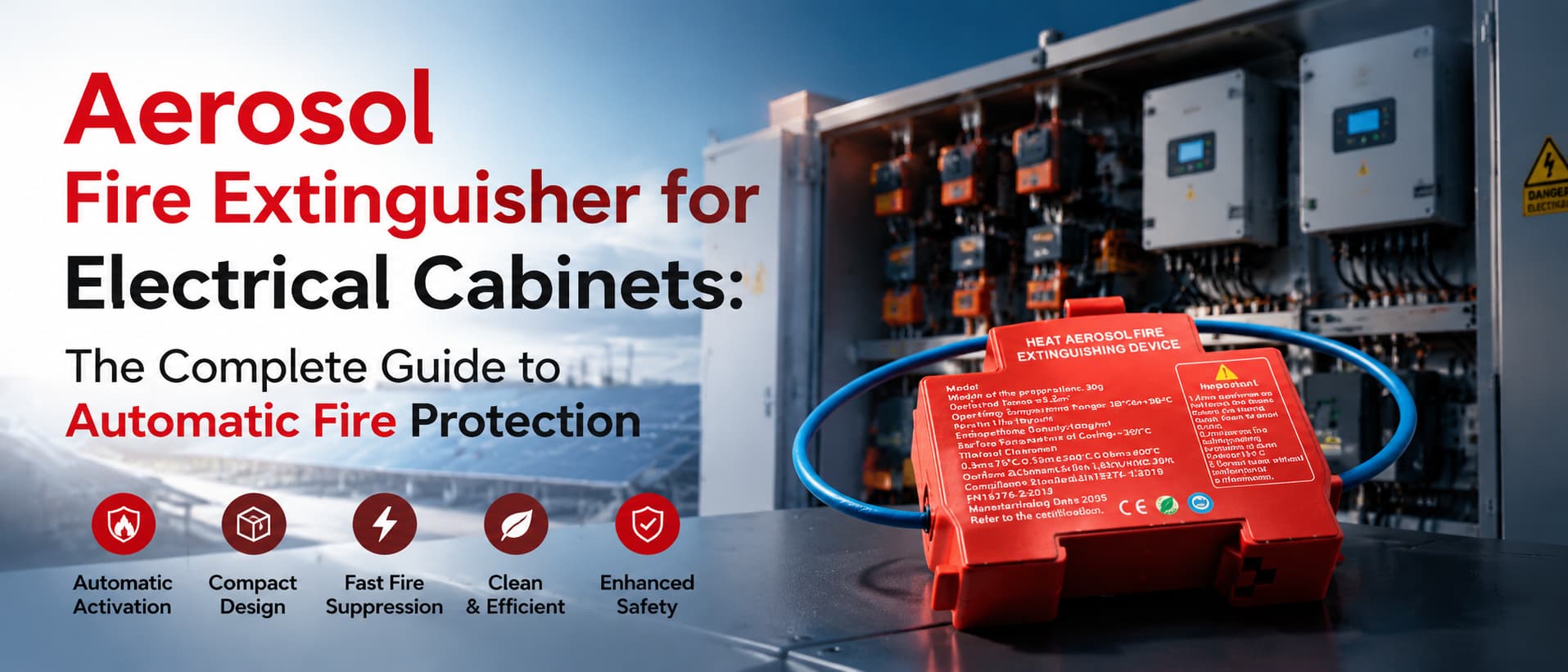
An aerosol fire extinguisher for electrical cabinets represents one of the most significant advances in automatic fire protection technology for modern power systems. When a fire broke out in a solar farm’s inverter cabinet in Queensland, Australia in 2019, the facility’s operators discovered their traditional CO2 suppression system had failed to activate due to a sensor malfunction. The resulting damage cost over $2.3 million in equipment replacement and three weeks of downtime. This incident, like many others in the renewable energy sector, highlights why choosing the right aerosol fire extinguisher for electrical cabinets has become critical for protecting valuable infrastructure. As photovoltaic installations and electrical systems grow more complex and valuable, the question isn’t whether fire protection is necessary—it’s which technology can deliver reliable, automatic protection without the drawbacks of conventional systems.
Thermal aerosol fire suppression technology has emerged as a compelling solution for protecting electrical cabinets, offering advantages that traditional methods struggle to match. This comprehensive guide explores how aerosol fire extinguishers for electrical cabinets work, why they’re particularly suited to electrical applications, and what you need to know to implement these cabinet fire suppression devices effectively in photovoltaic and power distribution environments.
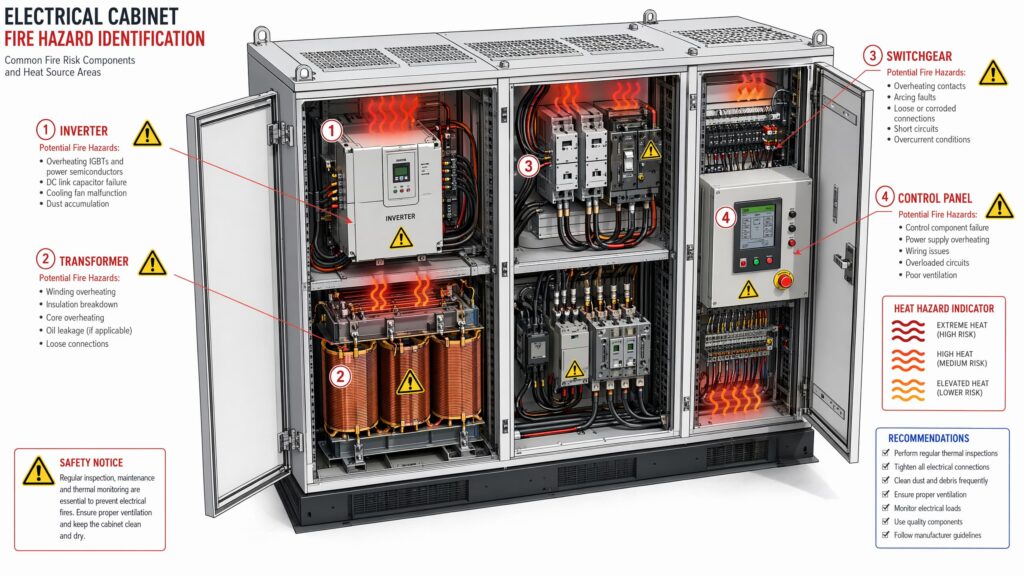
Electrical cabinets house some of the most fire-prone components in any power system. Inverters, transformers, switchgear, and control panels generate substantial heat during normal operation, and any number of failure modes—insulation breakdown, loose connections, component aging, or power surges—can trigger thermal runaway. In photovoltaic systems, the risk compounds because DC arcing produces temperatures exceeding 3,000°C, hot enough to ignite surrounding materials almost instantaneously. This is precisely why an aerosol fire extinguisher for electrical cabinets has become essential equipment rather than an optional safety enhancement.
The confined space inside an electrical cabinet creates what fire protection engineers call a “high challenge environment.” Heat accumulates rapidly with limited ventilation, and once ignition occurs, flames can spread to adjacent components within seconds. Traditional detection methods often prove too slow; by the time smoke reaches a ceiling-mounted detector, internal damage may already be catastrophic. The 2021 fire at a utility-scale solar facility in California demonstrated this vulnerability when flames spread through three inverter cabinets before the building’s smoke detection system triggered an alarm.
What makes electrical fires particularly insidious is their ability to self-sustain even after the power source is disconnected. Burning insulation, melted plastics, and heated metals continue to fuel combustion. Moreover, many electrical fires produce minimal visible smoke in their early stages, smoldering for hours before transitioning to open flame. This delayed detection window explains why post-fire investigations frequently find that damage began long before anyone noticed a problem.
The financial impact extends beyond equipment replacement. A single inverter cabinet fire can cascade through an entire string, taking down megawatts of generation capacity. For commercial solar installations operating under power purchase agreements, each day of downtime represents lost revenue that may never be recovered. Insurance claims for electrical fires in renewable energy facilities have increased 340% over the past five years, according to data from major industrial insurers, driving up premiums and making robust fire protection not just prudent but economically essential. This is why implementing an aerosol fire extinguisher for electrical cabinets has become a critical investment for facility operators.
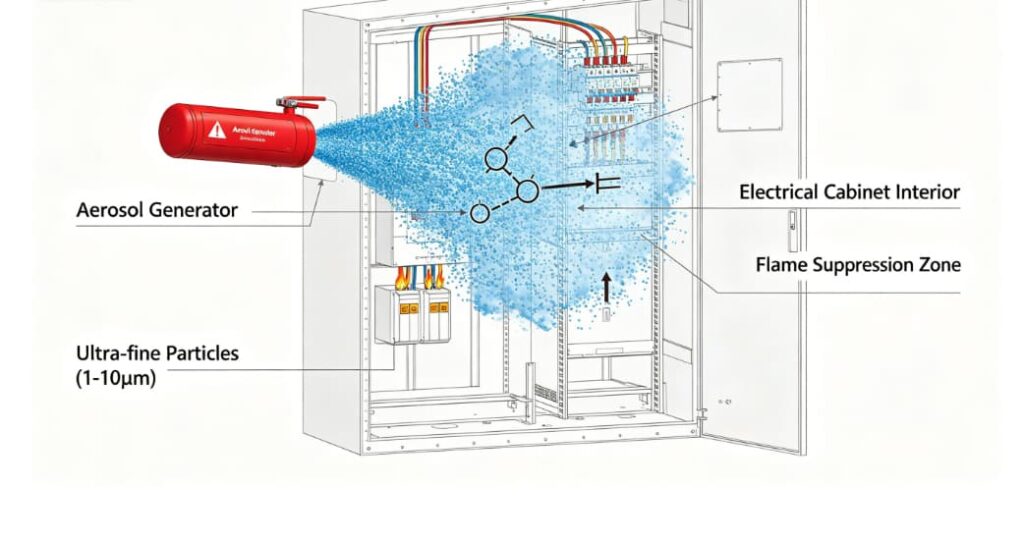
Aerosol fire extinguishing technology operates on fundamentally different principles than water, foam, or gas-based systems. When activated, a solid aerosol-forming compound undergoes a controlled exothermic reaction, generating ultra-fine particles typically 1-10 microns in diameter. These particles remain suspended in the air as a dense aerosol cloud that rapidly fills the protected volume, including hard-to-reach spaces behind equipment and inside cable channels where traditional agents struggle to penetrate.
The suppression mechanism combines chemical and physical effects. The aerosol particles contain potassium compounds that interfere with the combustion chain reaction at a molecular level, breaking down the free radicals that sustain flame propagation. Simultaneously, the particle cloud absorbs heat from the fire zone, reducing temperatures below the ignition point of surrounding materials. Unlike CO2 or inert gas systems that suppress fire by displacing oxygen, aerosol systems work through flame inhibition, meaning they require far less agent volume to achieve the same suppression effect.
This efficiency translates to practical advantages in cabinet applications. A typical 1-meter-tall electrical cabinet might require 15-20 kilograms of CO2 to achieve adequate suppression, along with high-pressure storage cylinders and distribution piping. The equivalent aerosol generator weighs less than 2 kilograms and mounts directly inside the cabinet with no external infrastructure. The aerosol discharge occurs over 20-40 seconds, creating a gentle pressurization rather than the violent blast associated with CO2 release that can damage sensitive electronics.
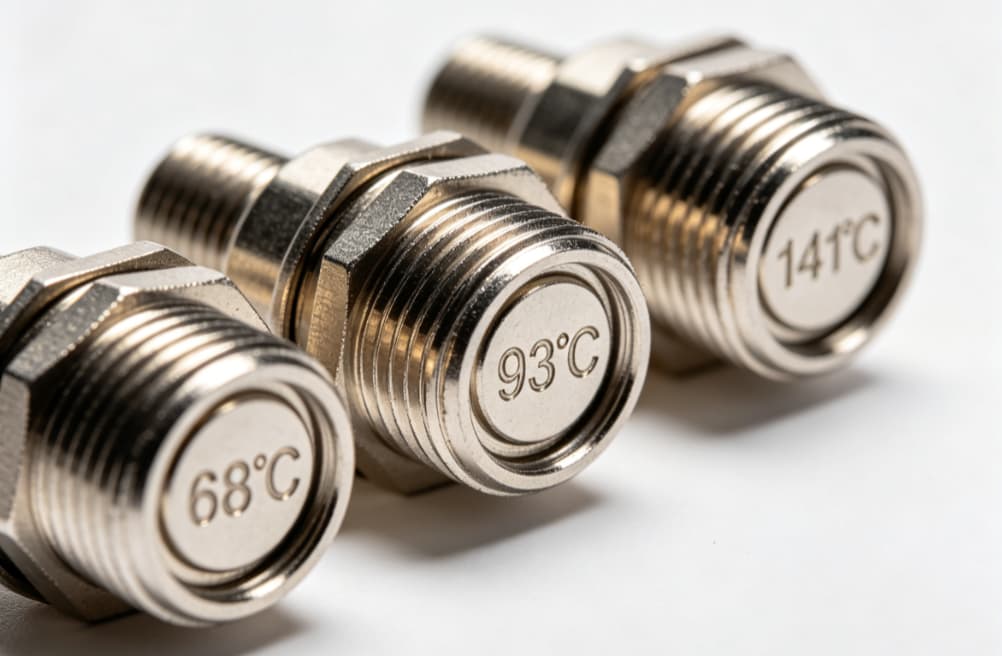
Activation typically occurs through thermal detection elements rated to trigger at specific temperatures—commonly 68°C, 93°C, or 141°C depending on the cabinet’s normal operating range. These thermal actuators function as both detector and trigger, eliminating the need for separate control panels, wiring, or power supplies. When cabinet temperature exceeds the rated threshold, the actuator initiates the aerosol-forming reaction automatically. This self-contained operation proves especially valuable in remote installations where maintaining complex fire detection infrastructure presents logistical challenges.
The aerosol particles themselves are non-conductive and leave minimal residue after suppression. Independent testing has confirmed that modern aerosol formulations do not damage circuit boards, electrical contacts, or optical components. Post-discharge cleanup typically involves simple vacuuming or compressed air cleaning, a stark contrast to the corrosive residue left by some dry chemical agents or the water damage inherent in sprinkler activation.
The unique characteristics of an aerosol fire extinguisher for electrical cabinets align remarkably well with the requirements of modern power system protection. First and foremost is the non-conductive nature of the suppression agent. Water-based systems pose obvious risks in electrical environments, potentially causing short circuits, ground faults, or electrocution hazards. Even “safe” alternatives like CO2 can create problems; the rapid temperature drop during CO2 discharge can crack hot components and cause thermal shock damage to semiconductors and capacitors.
Aerosol systems introduce no electrical hazards. The particle cloud exhibits dielectric strength exceeding 40 kV/mm, making it safe for use in live electrical equipment without requiring power shutdown. This capability is crucial in photovoltaic applications where DC circuits may remain energized even after AC disconnection, and in critical infrastructure where maintaining uptime during fire suppression is essential.
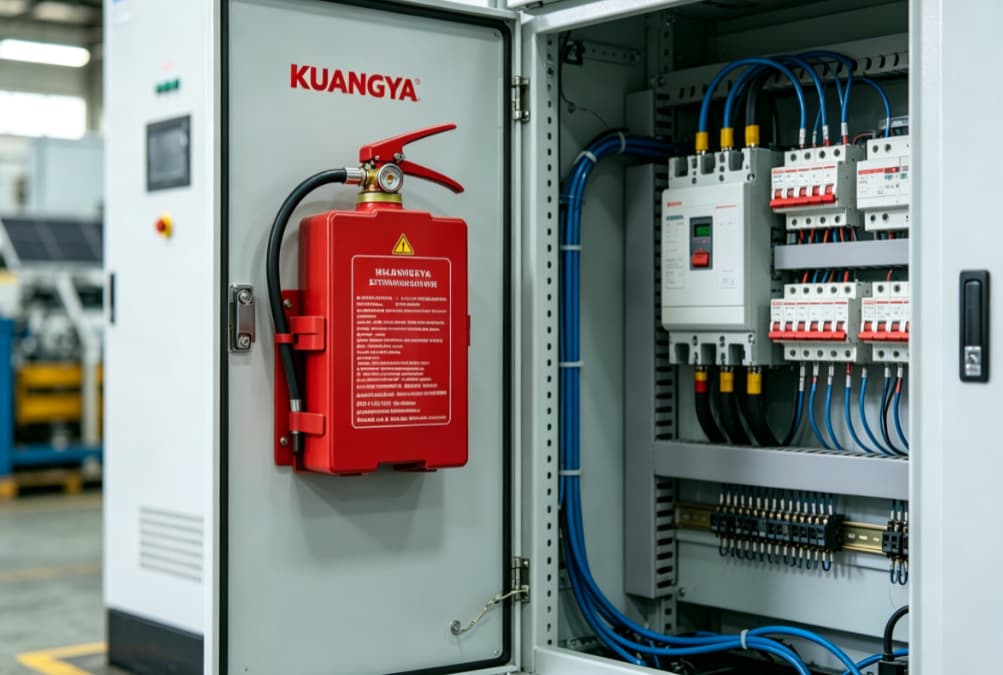
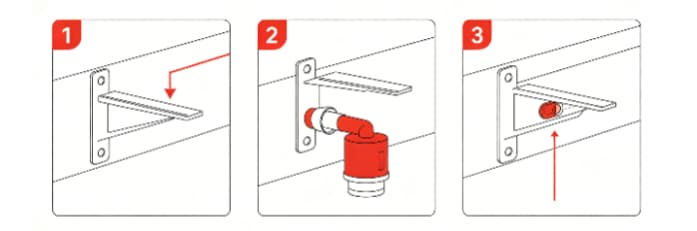
The compact form factor addresses another persistent challenge in cabinet fire protection. Electrical enclosures are typically packed with equipment, leaving little room for fire suppression hardware. Traditional systems require substantial space for agent storage, piping, and nozzles. A cabinet fire suppression device using aerosol technology occupies roughly the volume of a large smartphone and can mount on cabinet walls, doors, or even ceilings using simple brackets. This minimal footprint means protection can be retrofitted into existing installations without equipment reconfiguration.
Installation simplicity reduces both initial costs and ongoing maintenance requirements. A typical aerosol generator installation takes 15-30 minutes and requires no specialized tools or training. There are no pressure vessels to inspect, no piping to test for leaks, no control panels to program, and no batteries to replace. The thermal activation mechanism is entirely passive, drawing no standby power and requiring no connection to building management systems. For solar farms with hundreds of inverter cabinets spread across large sites, this simplicity translates to dramatically lower total cost of ownership compared to centralized suppression systems.
Environmental considerations also favor aerosol technology. The systems contain no ozone-depleting substances, no greenhouse gases, and no PFAS compounds. The aerosol-forming material is stable at normal temperatures and poses no environmental hazard during storage or disposal. This clean profile aligns with the sustainability goals that drive renewable energy adoption in the first place.
Perhaps most importantly, an aerosol fire extinguisher for electrical cabinets provides true automatic protection without external dependencies. A fire that starts at 2 AM in an unmanned solar facility will be detected and suppressed based solely on cabinet temperature, with no reliance on smoke detectors, control panels, or human intervention. This autonomous operation has proven its value repeatedly in remote installations where response time would otherwise be measured in hours rather than minutes.
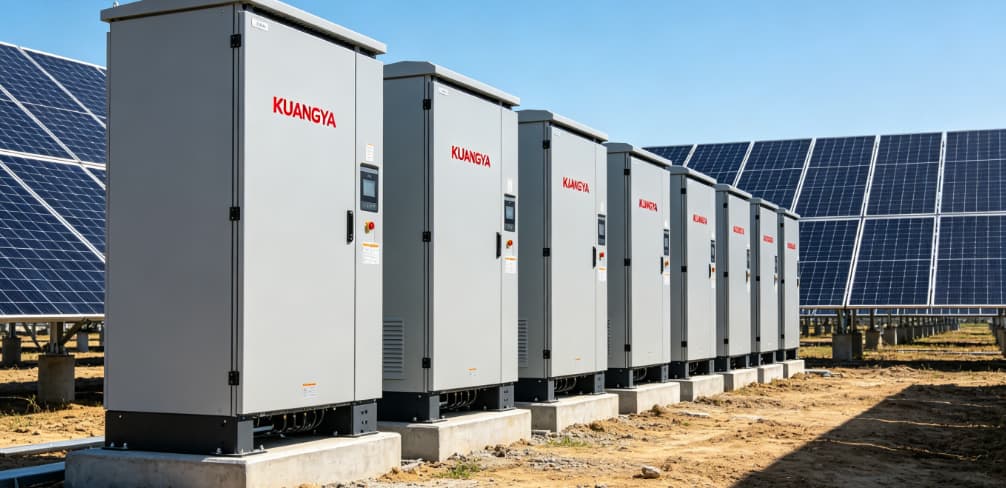
The practical effectiveness of aerosol fire suppression in electrical applications has been demonstrated across diverse installations. In 2020, a 50 MW solar farm in Rajasthan, India experienced a component failure in an inverter cabinet that generated sufficient heat to melt adjacent cable insulation. The cabinet’s thermal aerosol generator activated at 93°C, suppressing the incipient fire before flames could develop. Post-incident inspection found that while the failed component required replacement, surrounding equipment remained undamaged and the inverter returned to service within 48 hours. The facility operator estimated that without automatic suppression, the fire would have destroyed the entire inverter and potentially spread to adjacent cabinets, resulting in losses exceeding $400,000.
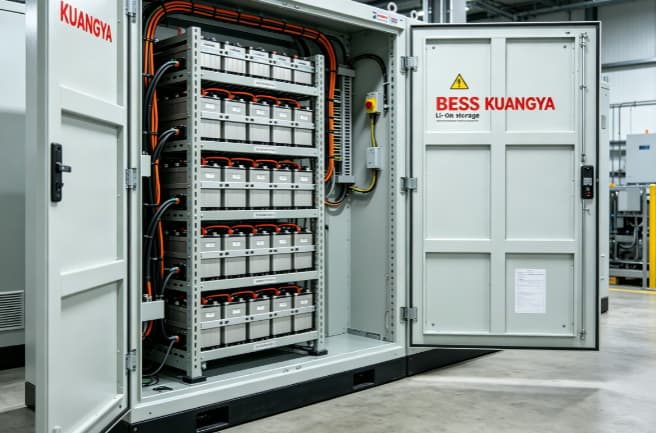
A utility-scale battery energy storage system in South Korea provides another instructive example. Lithium-ion battery fires present extreme challenges due to thermal runaway propagation and the potential for re-ignition. In 2022, a battery management system malfunction triggered overheating in one cabinet of a 20 MWh installation. The cabinet’s aerosol suppression system activated, containing the thermal event within a single battery rack. Importantly, the aerosol’s cooling effect helped prevent thermal runaway from cascading to adjacent cells, a failure mode that has destroyed entire battery installations in other incidents. The facility’s safety manager noted that the rapid, automatic response was critical—manual firefighting would have arrived too late to prevent catastrophic propagation.
Industrial applications have yielded similar results. A manufacturing facility in Germany installed aerosol generators in 200 electrical distribution cabinets following a fire that damaged a production line. Within eighteen months, three separate activations occurred due to component failures and one due to a rodent intrusion that damaged wiring. In each case, the aerosol system suppressed the fire automatically, limiting damage to the immediate failure point. The facility’s risk manager calculated that the suppression systems paid for themselves within the first year through avoided downtime and equipment damage.
Not all implementations proceed without challenges, however. A solar installation in Arizona experienced nuisance activations when cabinet temperatures exceeded 93°C during extreme summer heat. The issue was resolved by switching to generators with 141°C thermal ratings and improving cabinet ventilation. This experience highlights the importance of matching activation temperature to actual operating conditions—a consideration that requires understanding both normal thermal profiles and potential fault scenarios.
Testing data from certification laboratories provides additional confidence in aerosol system performance. UL 2775 testing subjects cabinet fire suppression devices to standardized fire scenarios including cable fires, electrical arcing, and flammable liquid fires. Aerosol systems have consistently demonstrated suppression times under 60 seconds and prevented fire spread beyond the point of origin. Crucially, tests confirm that suppressed fires do not re-ignite after aerosol discharge, addressing a concern sometimes raised about the lack of continuous agent presence that gas systems provide through extended discharge.
Selecting an appropriate aerosol fire extinguisher for electrical cabinets requires matching system capabilities to protection requirements. The primary specification is protected volume, typically expressed in cubic meters. Manufacturers rate generators for specific volumes based on achieving minimum aerosol concentration throughout the protected space. A common rating is 1 cubic meter per 100 grams of aerosol-forming compound, though this varies by formulation. Cabinet volume calculations should include the entire internal space, not just the equipment footprint, and should account for obstructions that might impede aerosol distribution.
Activation temperature selection balances sensitivity against false triggering. Lower temperatures (68°C) provide earlier detection but may activate during normal operation in hot environments. Higher temperatures (141°C) reduce nuisance activation risk but allow more thermal damage before suppression. For photovoltaic inverters, 93°C typically provides an optimal balance—well above normal operating temperatures even in hot climates, but low enough to activate before component damage becomes extensive. Some installations use multiple generators with different activation temperatures to provide staged response.
Choosing the correct activation temperature is critical for reliable operation. The following table provides guidance based on application type and environmental conditions:
| Application Type | Typical Operating Temp | Recommended Activation Temp | Rationale |
|---|---|---|---|
| Indoor PV Inverters | 35-55°C | 93°C | Provides 40°C+ safety margin above normal operation |
| Outdoor PV Inverters (Hot Climate) | 45-70°C | 141°C | Prevents nuisance activation during peak summer temperatures |
| Battery Cabinets (Li-ion) | 25-45°C | 68°C or 93°C | Early detection critical for thermal runaway prevention |
| Switchgear & Distribution | 30-50°C | 93°C | Standard industrial environment with moderate heat |
| Transformer Cabinets | 50-75°C | 141°C | High normal operating temperatures require higher threshold |
| Control Panels | 25-40°C | 68°C or 93°C | Lower heat generation allows lower activation temperature |
| UPS Systems | 30-50°C | 93°C | Balanced protection for continuous operation equipment |
| Wind Turbine Nacelles | 20-60°C | 93°C or 141°C | Variable conditions require site-specific assessment |
Important considerations:
Discharge time affects suppression effectiveness and mechanical stress on cabinet contents. Most aerosol generators discharge over 20-40 seconds, creating gradual pressurization that poses minimal risk to equipment. Some rapid-discharge units complete activation in 10-15 seconds for applications requiring faster response, though these generate higher internal pressure that may not be suitable for all cabinet designs. Manufacturers specify maximum internal pressure during discharge, typically 50-200 Pascals, which should be verified against cabinet structural ratings.
Mounting orientation and location influence performance. Aerosol generators typically function in any orientation, but positioning affects distribution patterns. Mounting high in the cabinet allows the aerosol cloud to settle downward, improving coverage. However, heat rises, so high mounting also positions the thermal actuator where it will detect temperature increases earliest. Many installations compromise by mounting generators at mid-height on cabinet side walls, providing reasonable detection and distribution characteristics.
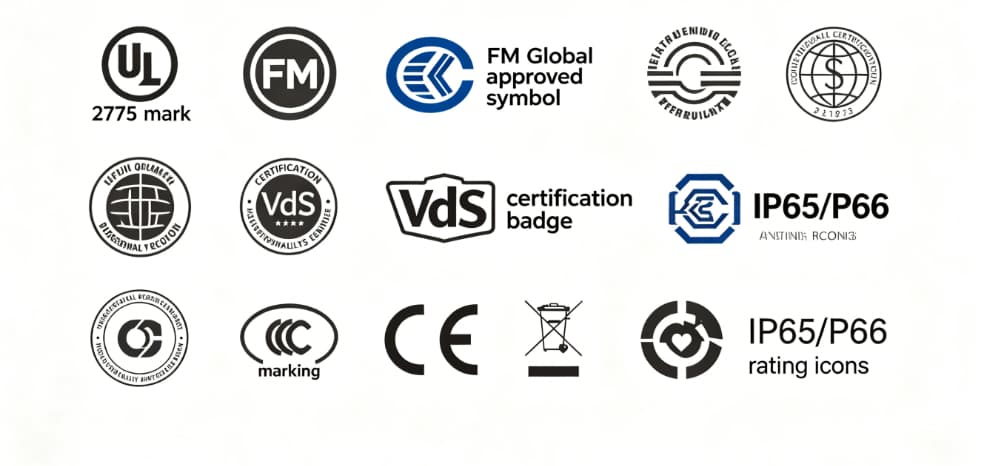
Environmental ratings ensure reliability across operating conditions. Electrical cabinets may experience temperature extremes, humidity, vibration, and dust exposure. Quality aerosol generators carry IP65 or IP66 ratings for dust and water ingress protection, and operate reliably across temperature ranges from -40°C to +70°C. Vibration resistance is particularly important in applications near rotating machinery or in seismic zones. Certifications from UL, FM, VdS, or equivalent testing organizations provide independent verification of environmental durability.
Service life and maintenance requirements vary significantly among products. The aerosol-forming compound is chemically stable, with most manufacturers specifying 10-15 year service life before replacement. However, the thermal activation mechanism may have shorter life, particularly in environments with large temperature cycling that can fatigue materials. Some systems include visual indicators showing activation status and service life remaining. Maintenance typically consists of annual visual inspection to verify the unit is undamaged and the indicator shows ready status—a minimal requirement compared to quarterly or monthly inspections required for many traditional suppression systems.
To help facility managers and engineers make informed decisions, the following table compares aerosol systems against traditional suppression technologies across key performance criteria:
| Feature | Aerosol System | CO2 System | Water Mist | Dry Chemical |
|---|---|---|---|---|
| Electrical Safety | Non-conductive, safe for live equipment | Non-conductive but causes thermal shock | Conductive, requires power shutdown | Non-conductive but leaves corrosive residue |
| Space Requirements | Minimal (2-3 kg unit) | Large (15-20 kg cylinder + piping) | Moderate (water tank + piping) | Moderate (pressure vessel + piping) |
| Installation Time | 15-30 minutes | 4-8 hours | 6-12 hours | 3-6 hours |
| Maintenance Frequency | Annual visual check | Quarterly pressure checks | Monthly water quality tests | Quarterly inspections |
| Activation Method | Automatic thermal trigger | Electronic detection + control panel | Electronic detection + control panel | Electronic detection + control panel |
| Power Requirements | None (passive) | 24V DC control system | 110/220V AC pump system | 24V DC control system |
| Environmental Impact | Zero ODP, zero GWP | Zero ODP, low GWP | Neutral | May contain PFAS |
| Post-Discharge Cleanup | Simple vacuuming | None required | Water extraction + drying | Extensive cleaning required |
| Equipment Damage Risk | Minimal | Thermal shock to hot components | Water damage, corrosion | Residue contamination |
| Typical Cost (per cabinet) | $300-600 | $2,000-4,000 | $3,500-6,000 | $1,500-3,000 |
| Service Life | 10-15 years | 10 years (refill every 5) | 5-8 years | 5-10 years |
| Suppression Time | 20-40 seconds | 30-60 seconds | 45-90 seconds | 10-30 seconds |
This comparison reveals why aerosol technology has gained traction in photovoltaic and electrical applications. The combination of low cost, minimal maintenance, and electrical safety makes an aerosol fire extinguisher for electrical cabinets particularly attractive for distributed installations with hundreds of cabinets requiring protection.
Integrating an aerosol fire extinguisher for electrical cabinets into power installations requires attention to both functional and regulatory requirements. From a functional perspective, the suppression system should not interfere with normal electrical operation or create new hazards. Aerosol generators draw no power and emit no electromagnetic interference, making them electrically transparent during standby. Upon activation, the non-conductive aerosol poses no electrical risk, but the thermal event that triggered activation may have created fault conditions requiring attention.
Many installations integrate aerosol generators with alarm systems to provide remote notification of activation. This can be accomplished through auxiliary thermal switches that close when cabinet temperature rises, or through separate smoke or heat detectors that monitor for the same conditions that would trigger the aerosol generator. Such integration allows facility operators to respond even though the immediate fire threat has been suppressed, verifying that the underlying fault has been addressed and the cabinet can safely return to service.
Compliance requirements for fire protection in electrical installations vary by jurisdiction and application. In the United States, the National Electrical Code (NEC) Article 690 addresses photovoltaic system safety but does not mandate specific fire suppression methods, instead requiring that installations minimize fire hazards through proper design and installation practices. However, insurance underwriters increasingly require documented fire protection for utility-scale installations, and aerosol systems meeting UL 2775 standards satisfy most underwriter requirements.
European installations must comply with IEC standards for electrical safety and fire protection. IEC 60364 series standards address electrical installation safety, while IEC 61730 specifically covers photovoltaic module safety including fire testing. Aerosol suppression systems certified to EN 15276 (fixed firefighting systems—aerosol extinguishing systems) meet European regulatory requirements for electrical cabinet protection. The CE marking on certified products indicates conformity with applicable European directives.
For battery energy storage systems, fire protection requirements are evolving rapidly as regulators respond to high-profile incidents. NFPA 855 (Standard for the Installation of Stationary Energy Storage Systems) now includes specific provisions for fire detection and suppression in battery cabinets. While the standard does not mandate aerosol systems specifically, it requires automatic suppression capable of controlling thermal runaway propagation—a requirement that aerosol systems are well-positioned to meet.
Documentation and commissioning procedures ensure that installed systems will function as intended. Installation records should include cabinet volume calculations, generator specifications, mounting locations, and activation temperature ratings. Commissioning typically involves verifying proper mounting, checking that thermal actuators are undamaged, and confirming that cabinet ventilation and thermal management systems are functioning correctly. Some installations include thermal testing where cabinets are heated to verify that activation would occur at the specified temperature, though this destroys the generator and requires immediate replacement.
Aerosol fire suppression technology continues to evolve, with several developments promising enhanced performance for electrical applications. Advanced formulations under development aim to reduce particle size further, improving penetration into densely packed equipment and reducing post-discharge residue. As the technology matures, the aerosol fire extinguisher for electrical cabinets is becoming increasingly sophisticated, with some manufacturers exploring multi-stage discharge profiles that provide initial rapid suppression followed by sustained aerosol presence to prevent re-ignition, combining the benefits of fast response with the persistence of gas-based systems.
Integration with IoT and remote monitoring systems represents another frontier. Next-generation aerosol generators may include wireless connectivity to report status, environmental conditions, and activation events to central management platforms. This capability would enable predictive maintenance by identifying cabinets operating at elevated temperatures before fire conditions develop, and would provide valuable data for optimizing activation temperature settings across large installations.
The growing adoption of renewable energy and energy storage systems is driving demand for more sophisticated fire protection solutions. As photovoltaic installations scale to gigawatt capacity and battery systems store hundreds of megawatt-hours, the consequences of fire events grow correspondingly severe. Aerosol suppression technology offers a path to protecting these valuable assets without the complexity, cost, and environmental concerns of traditional approaches.
For facility operators and system designers, the key takeaway is that effective fire protection for electrical cabinets is both achievable and economically justified. The combination of automatic detection, rapid suppression, minimal equipment impact, and low maintenance requirements makes an aerosol fire extinguisher for electrical cabinets particularly well-suited to the unique challenges of electrical fire protection. As the technology matures and adoption increases, these systems are likely to become standard equipment in electrical cabinets across the renewable energy sector and beyond.
The Queensland solar farm that suffered catastrophic inverter damage in 2019 has since retrofitted all its electrical cabinets with thermal aerosol generators. The facility has operated for seven years without another fire incident, and the operators report that the peace of mind alone justifies the investment. In an industry where reliability and uptime directly determine profitability, automatic fire protection has transitioned from optional enhancement to essential infrastructure—and aerosol technology has emerged as the most practical way to deliver it.
Q: Can aerosol fire extinguishers be used in energized electrical equipment?
Yes, aerosol fire suppression systems are specifically designed for use in live electrical environments. The aerosol particles are non-conductive with dielectric strength exceeding 40 kV/mm, making them safe for application on energized equipment up to high voltages. Unlike water-based systems that require immediate power shutdown, aerosol systems can suppress fires without creating electrical hazards, which is particularly important in photovoltaic systems where DC circuits may remain energized even after AC disconnection.
Q: How long does an aerosol generator last before replacement?
Most quality aerosol generators have a service life of 10-15 years when stored within their rated temperature range. The aerosol-forming compound is chemically stable and does not degrade under normal conditions. However, units exposed to extreme temperature cycling or harsh environments may require earlier replacement. Many systems include visual indicators that show remaining service life, and manufacturers typically recommend annual inspections to verify the unit remains in ready condition.
Q: What happens to the aerosol particles after discharge?
After suppression, the aerosol particles gradually settle onto surfaces within the cabinet over a period of several hours. The residue is non-corrosive and non-conductive, and can be removed through simple cleaning methods such as vacuuming or compressed air. Independent testing has confirmed that aerosol residue does not damage circuit boards, electrical contacts, or sensitive electronic components. This minimal cleanup requirement contrasts sharply with dry chemical systems that leave corrosive residue requiring extensive decontamination.
Q: Will an aerosol system activate during normal high-temperature operation?
Properly specified aerosol systems should not experience nuisance activation during normal operation. The key is selecting an activation temperature appropriate for the cabinet’s thermal profile. For photovoltaic inverters in hot climates, a 93°C or 141°C activation temperature typically provides adequate margin above normal operating temperatures while still triggering early enough to prevent extensive fire damage. Installations should consider both ambient temperature and equipment heat generation when selecting activation thresholds.
Q: How does aerosol suppression compare to CO2 systems in terms of effectiveness?
Both systems can effectively suppress electrical fires, but they operate through different mechanisms. CO2 works by displacing oxygen, requiring large quantities of agent to achieve adequate concentration. Aerosol systems work through chemical flame inhibition and heat absorption, requiring far less agent volume for equivalent protection. Testing under UL 2775 standards shows aerosol systems achieve suppression in 20-40 seconds, comparable to CO2 systems, but without the thermal shock effects that CO2 discharge can cause to hot electronic components.
Q: Can multiple aerosol generators be installed in a single large cabinet?
Yes, larger cabinets or those with complex internal layouts may benefit from multiple generators to ensure adequate aerosol distribution. When using multiple units, they should be positioned to provide overlapping coverage, and their combined capacity should match or exceed the total cabinet volume. Some installations use generators with different activation temperatures to provide staged response—a lower-temperature unit for early detection and a higher-temperature backup for redundancy.
Q: Are there any electrical components that should not be protected with aerosol systems?
Aerosol fire suppression is suitable for virtually all electrical and electronic equipment found in typical cabinets, including inverters, transformers, switchgear, control systems, and battery management systems. However, equipment manufacturers should be consulted for any specialized components with unusual sensitivities. The non-corrosive nature of modern aerosol formulations makes them compatible with even sensitive electronics, and their use is widely accepted in mission-critical applications including data centers, telecommunications facilities, and medical equipment rooms.
Q: What certifications should I look for when selecting an aerosol system?
For North American installations, look for UL 2775 listing, which specifically covers aerosol fire extinguishing units for electrical cabinets. European installations should verify EN 15276 certification. Additional certifications from FM Global, VdS (Germany), or LPCB (UK) provide further assurance of performance and reliability. For photovoltaic applications, verify that the system has been tested with electrical equipment and that the manufacturer can provide documentation of non-conductivity and compatibility with sensitive electronics.
Q: How quickly does an aerosol system activate after detecting a fire?
The thermal activation mechanism responds within seconds once cabinet temperature exceeds the rated threshold. The aerosol discharge then occurs over 20-40 seconds, depending on the generator size and formulation. Total time from initial temperature rise to full suppression is typically under one minute. This rapid response is critical in electrical fires where temperatures can escalate quickly and damage can accumulate within seconds. The automatic, self-contained activation ensures response occurs even in unmanned facilities where manual firefighting would be delayed.
Q: What is the total cost of ownership compared to traditional systems?
While initial equipment costs for aerosol systems are moderate ($300-600 per cabinet), the total cost of ownership is typically 60-70% lower than traditional systems over a 10-year period. This advantage comes from minimal installation labor (15-30 minutes versus hours for piped systems), no ongoing maintenance costs beyond annual visual inspection, no power consumption, and no refilling requirements. For large installations with hundreds of cabinets, these savings can amount to hundreds of thousands of dollars over the system lifetime, making aerosol technology not just technically superior but economically compelling.
While aerosol fire extinguishers provide critical fire suppression, preventing electrical fires starts with proper DC protection equipment. Kuangya Electrical offers comprehensive DC photovoltaic protection solutions including surge protectors, circuit breakers, and fuses designed specifically for solar installations. Learn more about our DC protection trends in commercial solar or request a quote for your project.

