WengYang Industrial Zone Yueqing Wenzhou 325000
Work Hours
Monday to Friday: 7AM - 7PM
Weekend: 10AM - 5PM
WengYang Industrial Zone Yueqing Wenzhou 325000
Work Hours
Monday to Friday: 7AM - 7PM
Weekend: 10AM - 5PM

Quick Answer
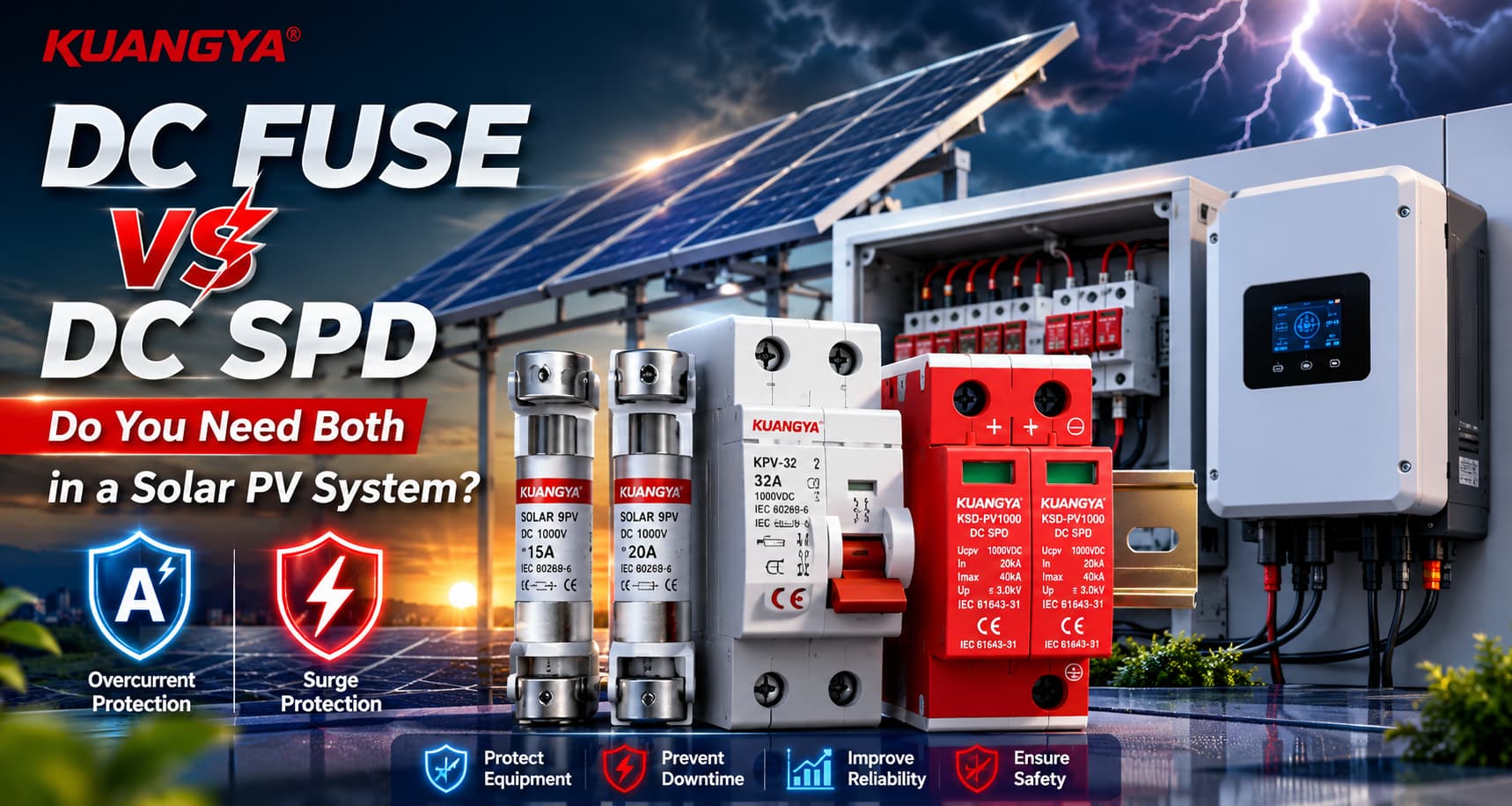
In modern solar PV systems, understanding DC Fuse vs DC SPD protection is essential. DC fuses protect against overcurrent while DC SPDs protect against transient overvoltage.
Key Difference Between Fuse and SPD
The DC Fuse vs DC SPD comparison is one of the most important topics in photovoltaic system protection. SPDs respond to voltage surges, providing a low-impedance path to divert excess energy safely to ground.
| Feature | DC Fuse | DC SPD |
|---|---|---|
| Main Function | Overcurrent protection and short-circuit interruption | Protection against voltage surges and transient overvoltages |
| Response Trigger | Excessive current | Excessive voltage |
| Installation Location | PV strings, combiner boxes, battery circuits | Combiner boxes, inverter DC inputs, monitoring/control modules |
| Reaction Time | Milliseconds | Nanoseconds |
| Reusable | No | Often yes, depending on rating |
| Protection Mechanism | Thermal melting | Energy diversion / clamping |
| Required | Yes | Yes |
Why a Fuse Alone Cannot Stop Lightning Surges
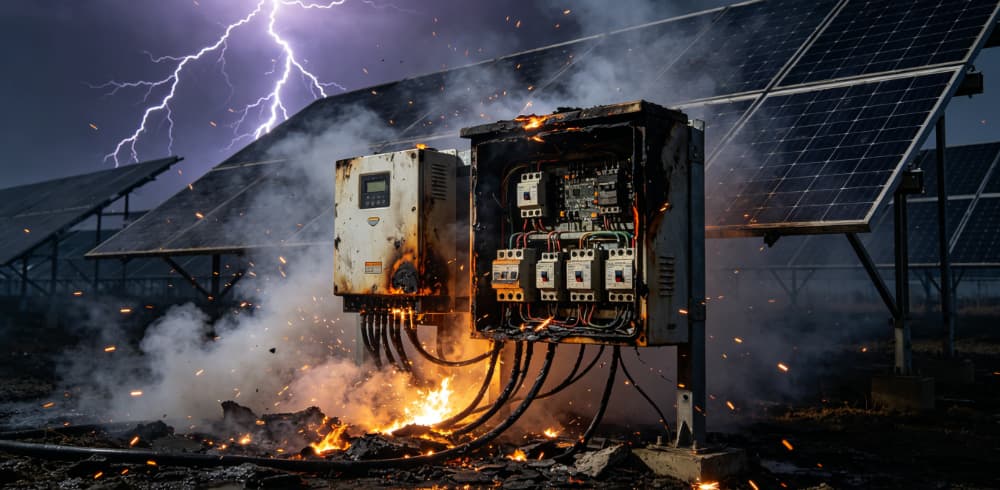
A fuse cannot react quickly enough to lightning-induced voltage spikes. Lightning surges occur in microseconds, whereas a fuse reacts in milliseconds. Sensitive components such as inverters, battery management systems, and monitoring electronics can be destroyed if a surge reaches them without SPD protection.
A DC fuse contains a metallic element designed to melt when current exceeds its rated value. The melting interrupts the circuit, preventing excessive current from reaching connected equipment. This protects cables, connectors, and devices from overheating, fire, or catastrophic failures.
Consider a PV string with a hidden short-circuit fault. Without a fuse, excess current may overheat cables, damage the inverter, or even cause fire. A properly sized fuse opens the circuit, isolating the fault and protecting the system.
| Event | With Fuse | Without Fuse |
|---|---|---|
| String short circuit | Circuit opens, system protected | Equipment damaged, potential fire risk |
| Cable overheating | Fuse interrupts current | Conductors burn, insulation fails |
| Reverse current | Fuse disconnects string | Fault propagates, inverter at risk |
DC SPD = Voltage Protection
A DC SPD protects against voltage surges without interrupting normal current flow. During a surge, the SPD provides a low-impedance path to safely divert energy to ground. After the surge, it automatically returns to standby, ready for the next event.
| Event | With SPD | Without SPD |
|---|---|---|
| Lightning strike near PV array | Surge diverted, inverter protected | Inverter electronics damaged, system downtime |
| Switching surge | Voltage clamped safely | Monitoring equipment fails, communication disrupted |
| Transient overvoltage | Absorbed, system continues operation | System downtime, possible inverter failure |
Fuse Protection and SPD Protection Are Complementary
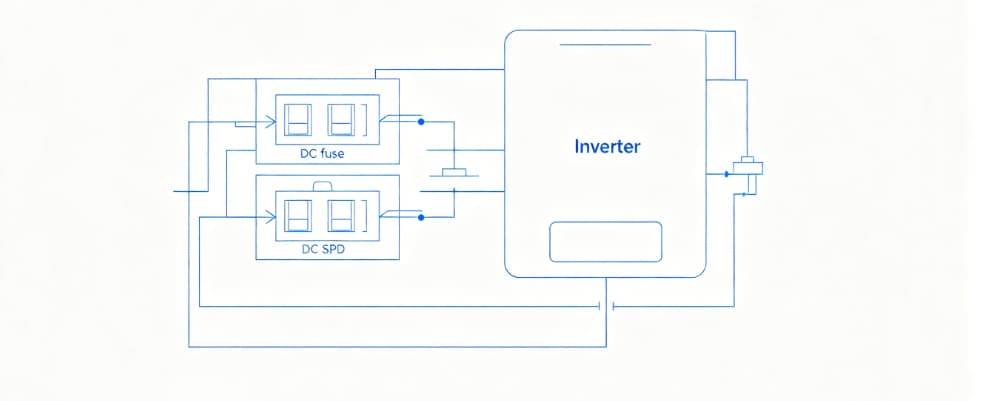
Fuses handle overcurrent and short circuits, while SPDs handle transient overvoltage. Neither device can replace the other. Using both devices together provides complete protection for photovoltaic systems.
Installing only fuses leaves sensitive electronics exposed to surges, while installing only SPDs leaves the system vulnerable to overcurrent and short-circuit faults. Combining both ensures comprehensive protection, reducing the risk of downtime, equipment damage, or fire hazards.
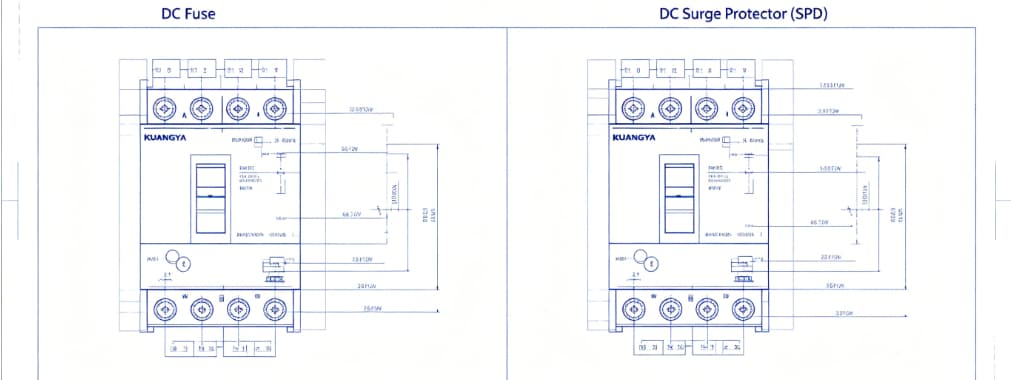
Choosing the correct DC Fuse vs DC SPD combination is critical for long-term solar system reliability.
This is where the difference between DC Fuse vs DC SPD becomes extremely important.
Many solar system owners underestimate the impact of transient overvoltages until a failure occurs. Unlike short circuits, which are usually visible and immediate, surge damage often accumulates silently over time.
A nearby lightning strike does not need to hit the solar array directly to cause serious damage. Electromagnetic induction can generate thousands of volts inside DC cables located hundreds of meters away from the strike location.
Modern photovoltaic systems contain increasingly sensitive electronic components, including:
These devices may tolerate normal operating voltages but can be permanently damaged by a transient surge lasting only a few microseconds.
| Equipment | Typical Failure Caused by Surges |
|---|---|
| Solar Inverter | Burned input stage or control board |
| Battery System | BMS communication failure |
| Monitoring System | Data transmission interruption |
| DC Combiner Box | Insulation breakdown |
| Power Optimizer | Electronic component damage |
Important
A fuse cannot detect or stop a voltage surge. By the time a fuse reacts, the surge event has already passed and the damage may already be done.
While surge protection is critical, overcurrent protection is equally important. Photovoltaic systems can generate extremely high fault currents under abnormal operating conditions.
Without properly selected DC fuses, a single faulted string can become a source of destructive current flow that threatens the entire installation.
Common causes include:
When these faults occur, conductors may overheat rapidly. In severe cases, electrical fires can develop before operators are aware of the problem.
| Fault Type | Without Fuse | With Fuse |
|---|---|---|
| Short Circuit | Severe equipment damage | Circuit isolated |
| Reverse Current | Module overheating | Fault disconnected |
| Cable Damage | Potential fire risk | Current interrupted |
| Ground Fault | System instability | Fault localized |
The following DC Fuse vs DC SPD comparison table summarizes the most important differences.
| Category | DC Fuse | DC SPD |
|---|---|---|
| Main Purpose | Overcurrent protection | Surge protection |
| Protects Against | Short circuits and overloads | Lightning and transient overvoltage |
| Connected | Series | Parallel |
| Response Speed | Milliseconds | Nanoseconds |
| Replace After Operation | Usually Yes | Usually No |
| Primary Threat | Excessive Current | Excessive Voltage |
Fuse placement depends on the size and configuration of the photovoltaic installation.
For most solar systems, DC fuses are installed at the string level. This allows individual faults to be isolated without affecting healthy strings.
Typical installation locations include:
Correct fuse placement minimizes fault energy and improves system reliability.
Proper DC Fuse vs DC SPD coordination begins with correct installation locations.
Selecting the correct fuse rating is just as important as installing the fuse itself.
An oversized fuse may fail to operate during dangerous conditions. An undersized fuse may create nuisance trips that reduce system availability.
Installers typically consider:
This is why specialized gPV fuses are commonly used in photovoltaic systems instead of general-purpose industrial fuses.
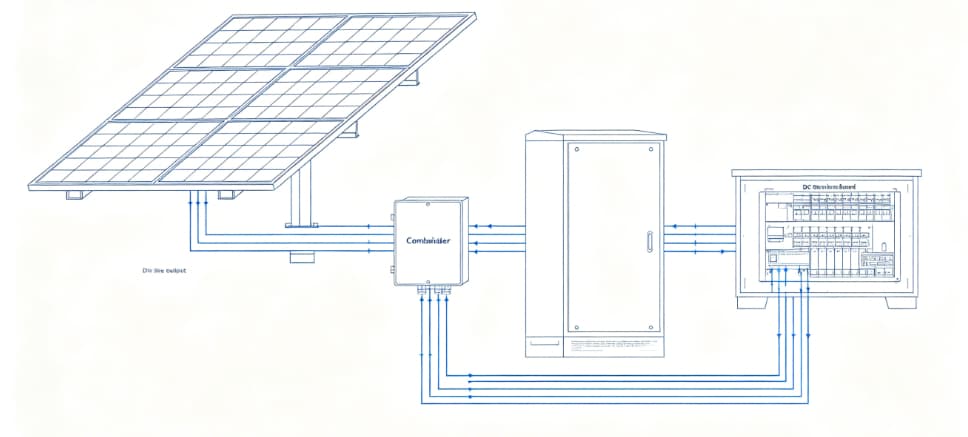
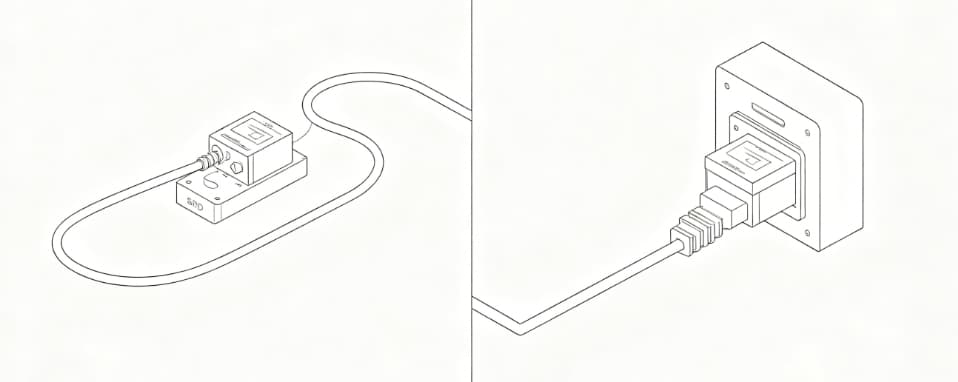
Surge protective devices should be installed as close as possible to the equipment they protect.
In solar systems, the most common installation locations are:
Installing SPDs in multiple locations creates a coordinated protection strategy that significantly reduces surge energy reaching sensitive electronics.
Best Practice
The closer the SPD is installed to the protected equipment, the more effective the protection becomes.
Understanding DC Fuse vs DC SPD placement can significantly improve protection effectiveness.
Successful DC Fuse vs DC SPD coordination is especially important inside PV combiner boxes.
Because it is located between the solar array and the inverter, the combiner box is exposed to both overcurrent faults and lightning-induced surges. This makes it the ideal location to coordinate DC fuse protection and DC SPD protection.
A typical protection arrangement includes:
When a string fault occurs, the fuse isolates the affected circuit. When a lightning surge occurs, the SPD diverts the excess energy away from the inverter and other sensitive equipment.
This coordinated approach significantly improves system reliability and reduces maintenance costs.
| Protection Device | Function in Combiner Box |
|---|---|
| gPV Fuse | String overcurrent protection |
| DC SPD | Lightning and surge protection |
| DC Isolator | Safe maintenance disconnection |
| Grounding System | Surge current dissipation |
Why Combiner Box Protection Matters
A large percentage of inverter failures can be traced back to inadequate protection inside the combiner box. Proper fuse and SPD coordination greatly reduces this risk.
Protection requirements vary significantly depending on system size.
A small residential rooftop system may only contain a few strings, while a utility-scale solar farm may contain thousands of modules spread across several hectares.
| System Type | Typical Voltage | Fuse Protection | SPD Protection |
|---|---|---|---|
| Residential | 600V | String Fuse | Type 2 SPD |
| Commercial | 1000V | String and Combiner Fuse | Type 2 SPD Multiple Locations |
| Utility Scale | 1500V | Comprehensive Fuse Coordination | Multi-Level SPD Protection |
As system size increases, the consequences of equipment failure become more expensive. A single inverter outage on a utility-scale solar farm can result in substantial production losses.
For this reason, larger installations typically employ multiple layers of surge protection and carefully coordinated fuse schemes.
A 1MW solar project located in a high-lightning region experienced repeated inverter failures during seasonal storms.
Initial investigation revealed that the system relied solely on fuse protection. Although the fuses were correctly sized, they could not prevent damage caused by transient overvoltages.
The owner upgraded the installation by adding:
After the upgrade, inverter failures dropped dramatically and no surge-related downtime was reported during the following storm season.
This case demonstrates that fuse protection alone is not enough for modern photovoltaic installations.
Even experienced installers sometimes make mistakes when selecting protection devices.Many DC Fuse vs DC SPD failures are caused by incorrect product selection rather than product defects.
The most common issues include:
Many of these mistakes do not become visible until a fault or lightning event occurs. Unfortunately, by then the resulting damage can be extremely costly.
Professional Recommendation
Always select photovoltaic-specific protection devices that comply with IEC standards and match the voltage and current requirements of the system.
No. A DC SPD protects against transient overvoltage, while a fuse protects against overcurrent and short circuits. Both devices perform different functions.
No. Lightning surges occur too quickly for a fuse to respond effectively.
Yes. Even small rooftop systems contain sensitive inverter electronics that can be damaged by surges.
Annual inspections are recommended, with additional inspections after severe lightning events.
gPV fuses specifically designed for photovoltaic systems should always be used.
Repeated surge events beyond the SPD’s design capacity or improper grounding are among the most common causes.
The Short Answer Is Yes
The DC Fuse vs DC SPD debate has a simple answer: both devices are essential. A DC fuse protects against excessive current while a DC SPD protects against excessive voltage. A DC SPD protects against excessive voltage. Because solar PV systems face both risks, neither device can replace the other.
For complete solar protection, photovoltaic systems should incorporate properly selected gPV fuses, correctly rated DC SPDs, and a reliable grounding system.
This layered protection strategy reduces downtime, improves equipment lifespan, minimizes maintenance costs, and helps ensure long-term system reliability.
KUANGYA manufactures a complete range of photovoltaic protection products, including:
Whether you are building residential rooftop systems, commercial installations, or utility-scale solar farms, selecting the right protection components is essential for system safety and long-term performance.

