WengYang Industrial Zone Yueqing Wenzhou 325000
Work Hours
Monday to Friday: 7AM - 7PM
Weekend: 10AM - 5PM
WengYang Industrial Zone Yueqing Wenzhou 325000
Work Hours
Monday to Friday: 7AM - 7PM
Weekend: 10AM - 5PM

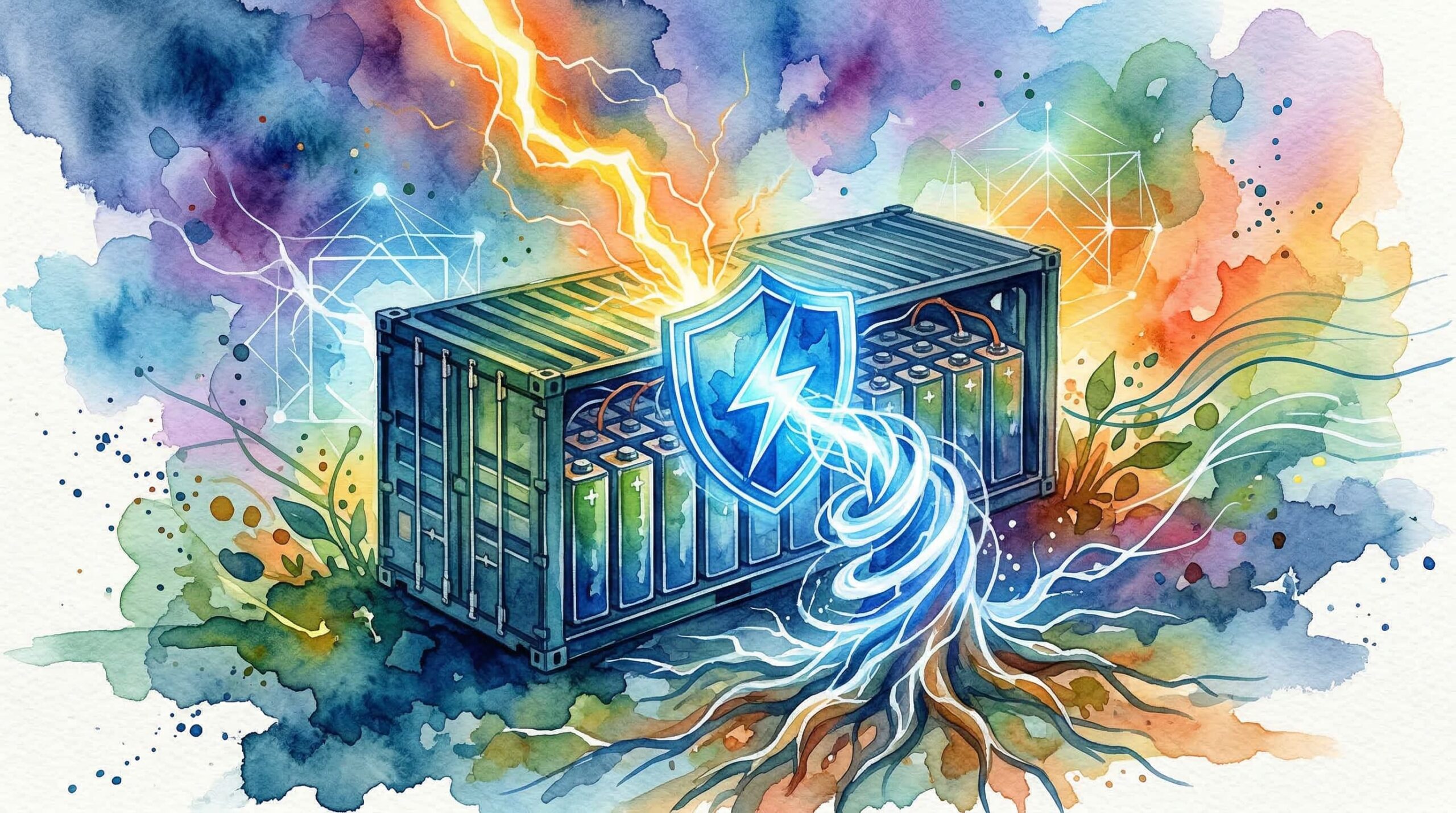
As energy storage systems (ESS) become increasingly critical to renewable energy infrastructure, protecting these valuable assets from voltage surges and lightning strikes has never been more important. DC Surge Protection Devices (DC SPDs) serve as the first line of defense, safeguarding battery systems, inverters, and control electronics from catastrophic damage. In this comprehensive guide, we explore how Kuangya’s advanced DC SPD solutions deliver reliable protection for modern ESS installations.
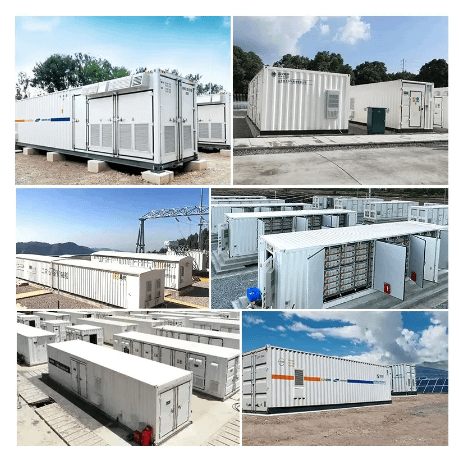
Energy Storage Systems operate at high DC voltages—often 1000V DC and above—making them particularly vulnerable to transient overvoltages caused by lightning strikes, switching operations, and grid disturbances. Unlike AC systems, DC networks present unique challenges: the absence of natural current zero-crossing makes arc extinction difficult, and battery sources behave differently than PV constant-current sources during surge events.
A DC Surge Protection Device works by detecting voltage spikes and diverting excess surge energy safely to ground, clamping the voltage to a safe protection level before it can damage sensitive equipment. The core component—typically a metal oxide varistor (MOV)—changes its resistance based on voltage: when voltage rises above the threshold, resistance drops dramatically, allowing surge current to flow through the SPD rather than through your expensive batteries and power conversion systems. citation
Battery energy storage systems face several critical vulnerabilities that make surge protection essential. The high DC operating voltages—ranging from 1000V to 1500V in utility-scale installations—create an environment where even modest voltage transients can cause immediate component failure. Specialist manufacturers have noted reduced impulse overvoltage robustness in battery systems compared to other DC equipment, and given the imperative need for continuity of service, they strongly recommend surge protectors at battery terminals.
The consequences of inadequate surge protection extend beyond immediate equipment damage. Unplanned downtime directly impacts revenue, particularly in grid-scale storage facilities that provide frequency regulation and peak shaving services. Component failures in remote ESS installations can be costly to repair, requiring specialized technicians and extended outages. Regular voltage surges—even those below the damage threshold—gradually degrade system performance, reducing battery life and overall system efficiency.
\
Modern DC SPD production facility showing quality manufacturing processes
Kuangya offers a comprehensive line of DC surge protective devices specifically engineered for high-voltage energy storage systems. Our product portfolio covers voltage classes from 600V to 2000V DC, with both Type 2 and Type 1+2 protection levels to suit different installation requirements.
Type 1+2 DC SPD Series (Lightning and Switching Surge Protection)
Type 2 DC SPD Series (Switching Surge Protection)
All Kuangya DC SPDs feature replaceable plug-in modules for easy maintenance, DIN rail mounting for standard cabinet integration, and compliance with IEC 61643-31 and UL 1449 standards. The modular design allows rapid replacement during routine maintenance without requiring specialized tools or extended system downtime. citation
\
Kuangya DC SPD installed in electrical distribution cabinet
Proper DC SPD installation is critical to achieving effective surge protection in ESS systems. The protection architecture typically involves multiple coordination zones, with SPDs installed at strategic points throughout the DC power path.
Primary Protection Points:
The continuous operating voltage (Uc) of the SPD must exceed the maximum DC system voltage by at least 10% to prevent nuisance tripping during normal operation. For a 1000V ESS system with maximum voltage of 1100V, select an SPD rated for at least 1200V continuous operation. Coordination with upstream overcurrent protection devices (fuses or DC circuit breakers) ensures that short-circuit currents can be safely interrupted if the SPD reaches end-of-life.
\
Complete energy storage system showing integrated protection architecture
In utility-scale battery energy storage facilities, Kuangya DC SPDs form an integral part of the multi-layer protection strategy. A typical 1MWh containerized ESS installation might include:
This layered approach ensures that surge energy is diverted at multiple points, preventing cascade failures and minimizing component stress. The replaceable module design of Kuangya SPDs allows maintenance teams to quickly swap degraded units during scheduled maintenance windows, typically on a quarterly inspection cycle.
Visual status indicators on each SPD module provide immediate feedback during routine inspections—green indicates normal operation, while red signals that the module requires replacement. For remote monitoring, optional dry contact outputs can report SPD status to the facility’s SCADA system, enabling predictive maintenance and immediate alarm notification when protection is compromised.
\
Quality control and testing in DC SPD production line
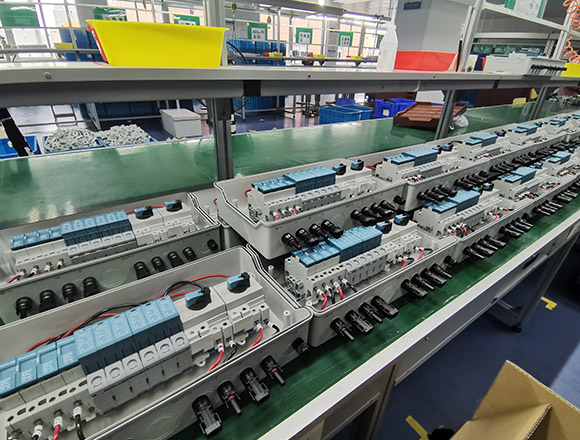
Kuangya DC SPDs are designed and tested to meet international standards for surge protective devices in DC applications. Compliance with IEC 61643-31 ensures that our products have undergone rigorous testing for lightning impulse withstand, nominal discharge current, maximum discharge current, voltage protection level, and follow current interruption capability—all critical parameters for reliable DC surge protection.
For North American markets, our Type 2 DC SPD models (KY-40/G600 and KY-40/G1000) carry UL 1449 4th Edition certification, meeting the requirements specified in NEC/NFPA 70 and UL 9540 for energy storage systems. This dual certification approach ensures that Kuangya products can be deployed globally in both IEC and UL jurisdictions without requiring separate product lines.
The forthcoming IEC 61643-41 standard will specifically address DC SPDs for energy storage applications, recognizing the unique end-of-life behavior differences between battery-sourced and PV-sourced DC systems. Kuangya engineering teams actively participate in standards development to ensure our next-generation products will meet these evolving requirements.
Effective surge protection requires ongoing attention throughout the system lifecycle. Kuangya DC SPDs simplify maintenance through several design features:
Visual Status Indication: Each module incorporates a color-coded status window visible during routine inspections. Check the indicator during quarterly maintenance visits—green confirms normal operation, while red indicates the varistor has degraded and requires replacement.
Replaceable Modules: The plug-in module design allows technicians to replace degraded SPD elements in minutes without disconnecting the entire protection circuit or removing the base unit from the DIN rail. Simply pull the old module and snap in a new one.
Remote Monitoring (Optional): Models equipped with dry contact outputs can integrate with building management systems (BMS), SCADA platforms, or PLC controllers. The normally-open or normally-closed contact changes state when the SPD reaches end-of-life, triggering maintenance alarms before protection is lost.
Preventive Replacement Schedule: In high-lightning-activity regions or after severe surge events, implement a preventive replacement schedule even if visual indicators show green. This proactive approach ensures maximum protection reliability for critical ESS assets.
\
Containerized energy storage system requiring comprehensive DC surge protection
Choosing the appropriate DC SPD requires careful analysis of several system parameters:
1. Maximum DC System Voltage: Measure or calculate the highest voltage your battery system will reach during charging. Select an SPD with continuous operating voltage (Uc) at least 10-15% above this value.
2. Lightning Exposure Risk: Systems with external lightning protection systems (LPS) typically require Type 2 SPDs. Installations without dedicated lightning rods or in high-keraunic-level areas should use Type 1+2 SPDs for comprehensive protection.
3. Discharge Current Rating: Minimum 20kA nominal discharge current (In) is recommended for ESS applications. Higher ratings (40kA Imax) provide additional safety margin and longer service life.
4. Coordination with Overcurrent Protection: Verify that the SPD’s short-circuit current rating (Isccr) with associated fuse exceeds the available fault current at the installation point. Kuangya provides coordination tables for proper fuse selection.
5. Installation Space: DIN rail-mounted SPDs integrate seamlessly into standard electrical cabinets. Verify available rail space and consider future expansion when planning cabinet layout.
For assistance with product selection for your specific ESS project, Kuangya technical support teams provide engineering consultation, coordination studies, and custom protection schemes for complex installations.
DC SPD replacement frequency depends on several factors including lightning activity in your region, the number and severity of surge events experienced, and your preventive maintenance philosophy. At minimum, inspect SPD status indicators during quarterly maintenance visits. Replace any module showing a red or fault indication immediately—this signals that the varistor has degraded and can no longer provide rated protection.
In high-lightning-activity regions (keraunic level above 40 thunderstorm days per year), consider implementing a preventive replacement schedule of 3-5 years even if visual indicators show normal operation. After any severe lightning strike near the facility or any surge event that trips upstream protection devices, inspect all SPDs and replace any that show degradation. Modern SPDs with remote monitoring contacts can alert you automatically when replacement is needed, eliminating the need for manual inspection schedules and ensuring protection is never compromised.
The modular design of Kuangya DC SPDs makes replacement quick and cost-effective—technicians can swap a degraded module in minutes without system downtime or specialized tools. Keep spare modules on-site for immediate replacement, especially for critical ESS installations where protection continuity is essential.
While both applications use DC SPDs rated for similar voltages, there are important technical differences to consider. The end-of-life behavior of DC SPDs differs significantly when connected to PV constant-current sources versus battery constant-voltage sources. During a fault condition, PV arrays have limited short-circuit current (typically 1.25x rated current), while battery systems can deliver very high fault currents that challenge SPD disconnection mechanisms.
For dedicated battery energy storage systems, select DC SPDs that have been specifically tested and optimized for battery-source applications. Kuangya DC SPDs undergo testing according to IEC 61643-31 and have been further validated for ESS DC applications where the source impedance and fault current characteristics differ from PV installations. citation
If your installation combines both PV generation and battery storage (a common configuration), install separate SPDs optimized for each section: PV-rated SPDs on the solar array DC circuits, and battery-rated SPDs on the ESS DC bus and power conversion system inputs. This ensures each protection device is properly matched to the source characteristics and fault current levels it will encounter. Consult with Kuangya technical support to design the optimal protection architecture for hybrid PV+ESS systems.
Energy storage systems represent significant capital investments that form the backbone of modern renewable energy infrastructure. Protecting these assets from voltage surges and lightning strikes through properly specified and installed DC SPDs is not optional—it’s essential for maximizing ROI, ensuring system uptime, and meeting safety standards.
Kuangya’s comprehensive range of DC surge protective devices delivers reliable, standards-compliant protection for ESS installations from 600V to 2000V DC. With replaceable modules, visual status indication, optional remote monitoring, and global certifications (IEC 61643-31, UL 1449), Kuangya DC SPDs provide the protection performance and maintenance convenience that utility-scale and commercial ESS projects demand.
Whether you’re designing a new battery energy storage facility or upgrading protection on an existing installation, Kuangya technical teams stand ready to assist with product selection, coordination studies, and installation guidance. Protect your energy storage investment with proven surge protection technology from Kuangya.
Contact Kuangya for ESS Protection Solutions
Visit cnkuangya.com for detailed product specifications, technical documentation, and engineering support for your energy storage protection requirements.

